Category Credit

Wall Street Sounds the Alarm… 

It would not surprise me to see the market give back 10–15% over the coming weeks and months. Valuations are very full and the economic data is weakening. But something to watch is the bull-steepening of the 10-yr / 3-mth yield curve from inversions. Whilst not a great timing too - generally its 'vector' is correct. That's a warning - despite the Fed cutting rates.

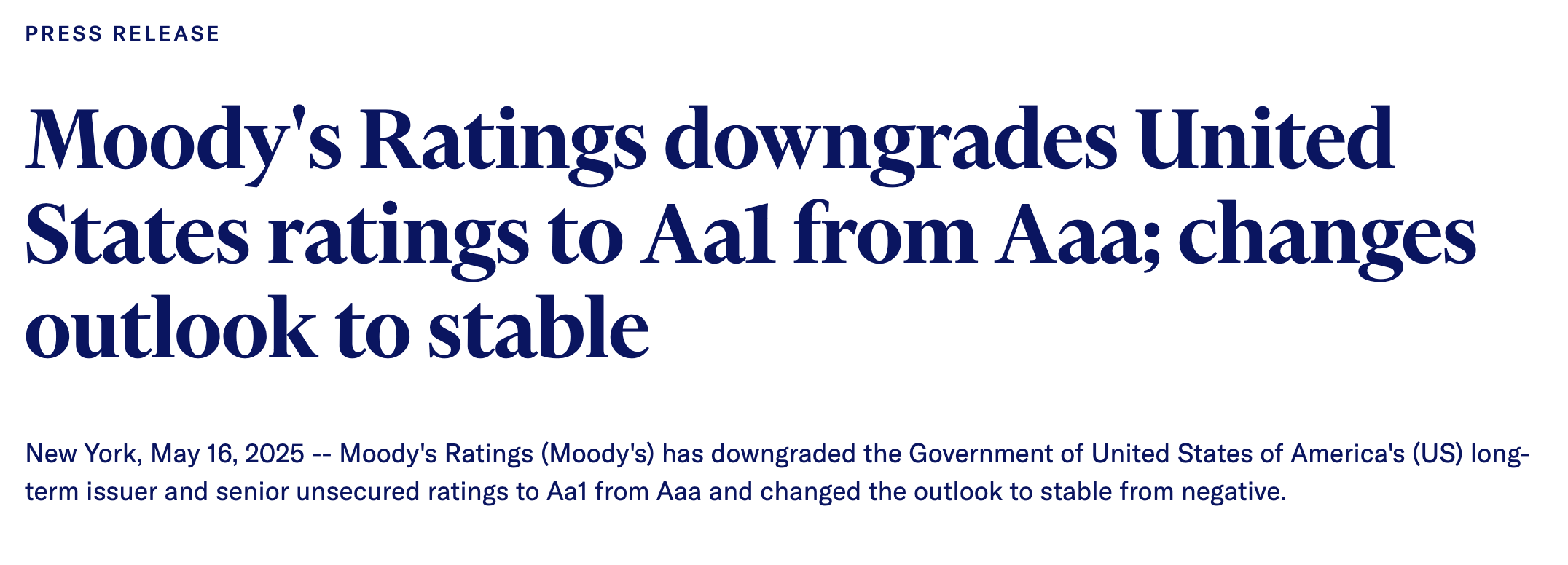
Brand USA Downgraded

The stock market has risen at a dizzying speed the past six weeks - up over 20%. I would reduce risk at these levels. We're now back at valuations similar to the beginning of the year - however the risks are now considerably higher. But let's say the net result is a tariff rate in the realm of between 10% and 30% - that would be disastrous. My back-of-the-envelope math estimates a substantial $300B "economic burden" that both companies and consumers will be forced to bear.

The Key to Growth: Business Investment

With 10-year yields trading around 4.50% (with the possibility to go higher) - why haven't equities sharply corrected? It's a good question. For e.g., on the surface, one might think equities would struggle given the zero risk premium investors are receiving. But that has not been the case. The stock market has withstood the sharp rise in bond yields (for now anyway). However, I believe there is a simple explanation. It's the amount of liquidity in the system. Liquidity is abundant - evidenced by the very low credit spreads in the market (participants see very little risk). Generally credit spreads widening are your first sign of trouble.

A Time of Transition

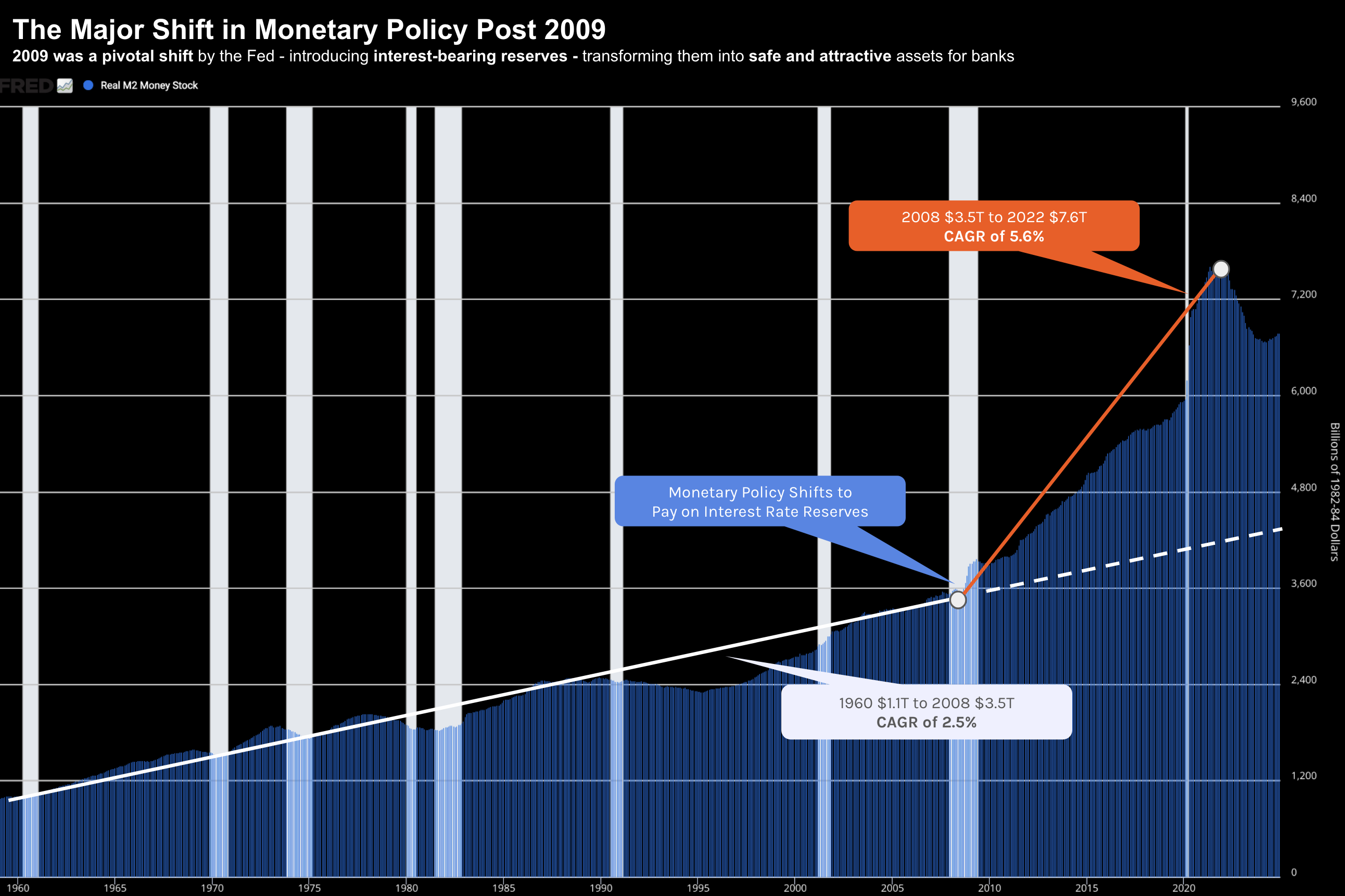
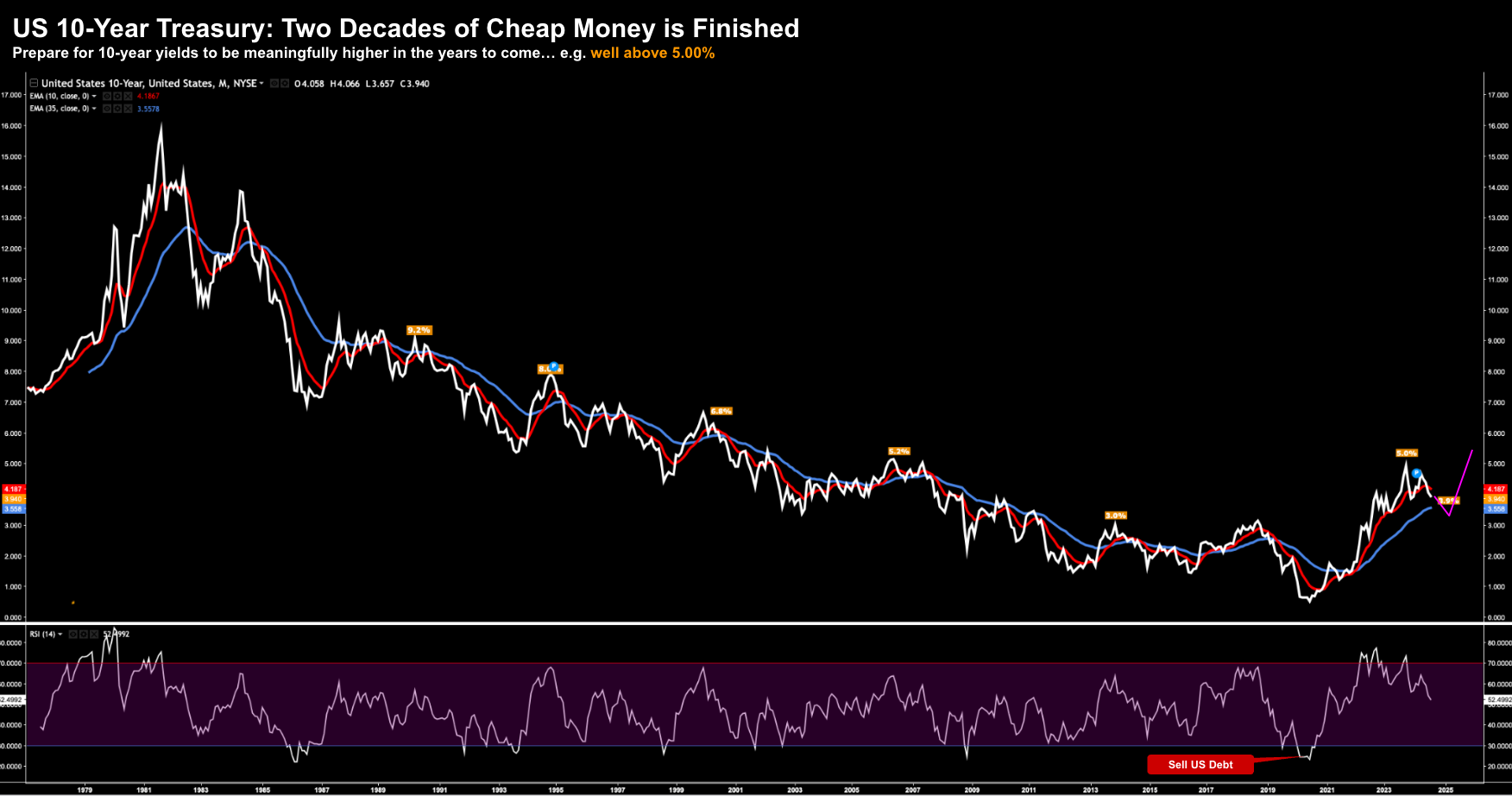
Think of a time when you worked through major transition in your life. For example, maybe it was the end of a relationship; a deep loss; changing your career; starting a family; or relocating for work. Generally during times of meaningful transition there is a period of adjustment and uncertainty. And sometimes, the change will come with volatility. From mine, it's possible the market's wild behavior this week is representative of one in transition. However, it's still early. Volatility in stock markets are typically associated with meaningful turning points... this posts explore more about what's happening below the surface; and why I think the 20-year era of cheap money is drawing to an end.

Consumer Confidence Drops as Delinquencies Continue to Rise

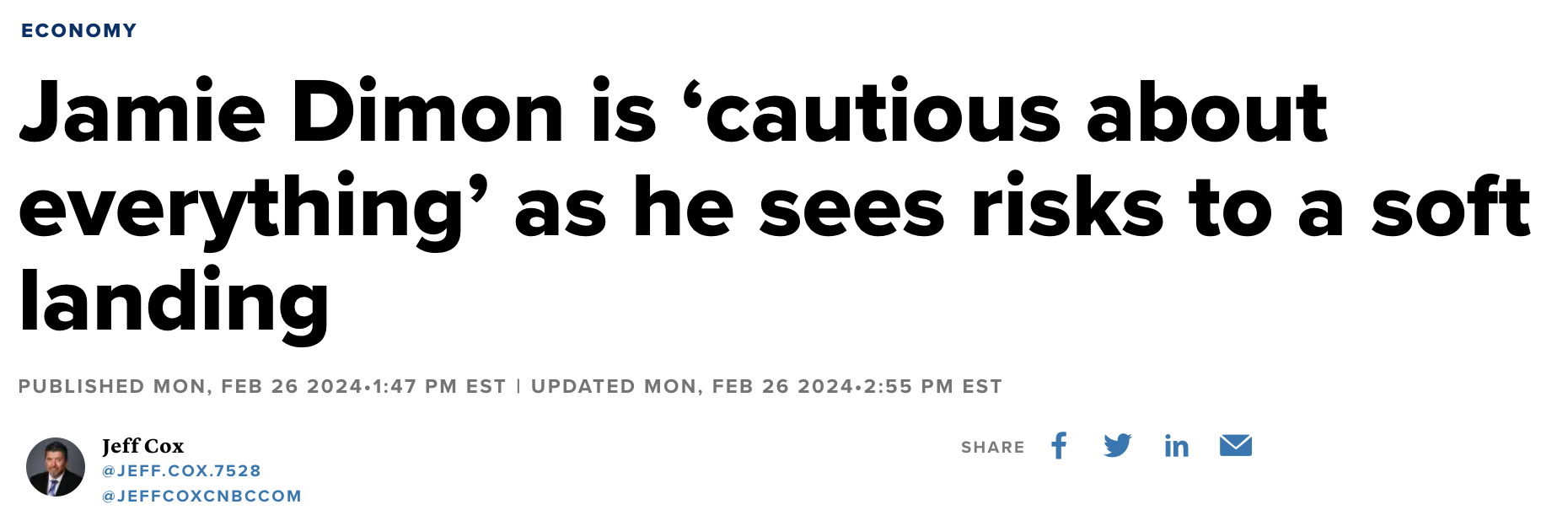
Warren Buffett expressed caution around overpaying in his most recent letter. Jamie Dimon - JP Morgan CEO - said today there's a 50% chance of recession - with a soft landing slim. News of falling consumer confidence and rising credit delinquencies also hit the tape today. This begs a question: is the consumer in 2024 stronger than what we saw in 2023? My guess is no.

Is it Still Going to be a “Soft Landing”?

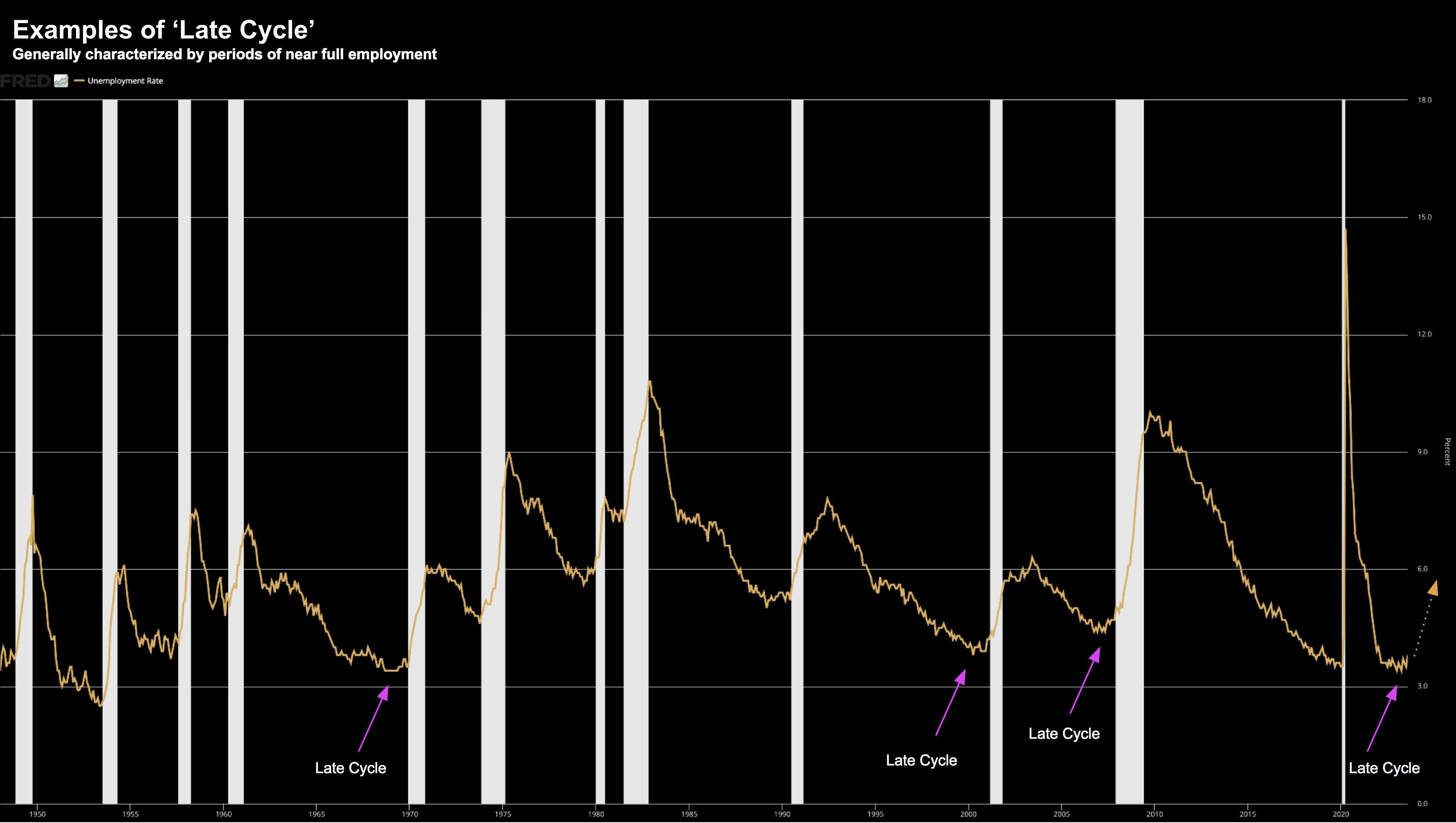
2023 has been one of the more difficult years to navigate. For example, if you chose the wrong stocks, sectors or simply decided to hide in cash - you didn't fare well. However, what's also made it hard has been the various shifts in sentiment the past ~9 months. These shifts have 'whipped' traders around. Today, with the US 10-year yield challenging almost 5.0% - the "R" word is back in the vernacular. Much of this can be explained by understanding where we are in the economic cycle... and today it's "late cycle". The challenge is navigating this phase is the most difficult of any... as it will often last longer than many expect.

One Trend That Isn’t Sustainable

More "bad news is good news" hit the tape today... The monthly ADP private jobs number came in far weaker than expected. I say 'good news' as it potentially means less Fed (or at least that's the assumption). Here's CNBC: "Job creation in the United States slowed more than expected in August, according to ADP, a sign that the surprisingly resilient U.S. economy might be starting to ease under pressure from higher interest rates"

Will a US Debt Downgrade be a ‘Bearish’ Catalyst?

Earlier this week, Fitch Ratings downgraded the U.S.' credit rating. Stocks slipped a little on the news and bond yields ticked higher. The US 10-year treasury yield is now north of 4.10%. Fitch cited “expected fiscal deterioration over the next three years” and an erosion of governance. Hard to argue. Fiscal restraint is not one of the government's strengths. But this isn't entirely new news. For example, the credit agency placed the nation’s rating on watch in May following a near-default after members of Congress butted heads over raising the debt ceiling. However, this put the wheels in motion....

Bond Market Agrees with the Fed

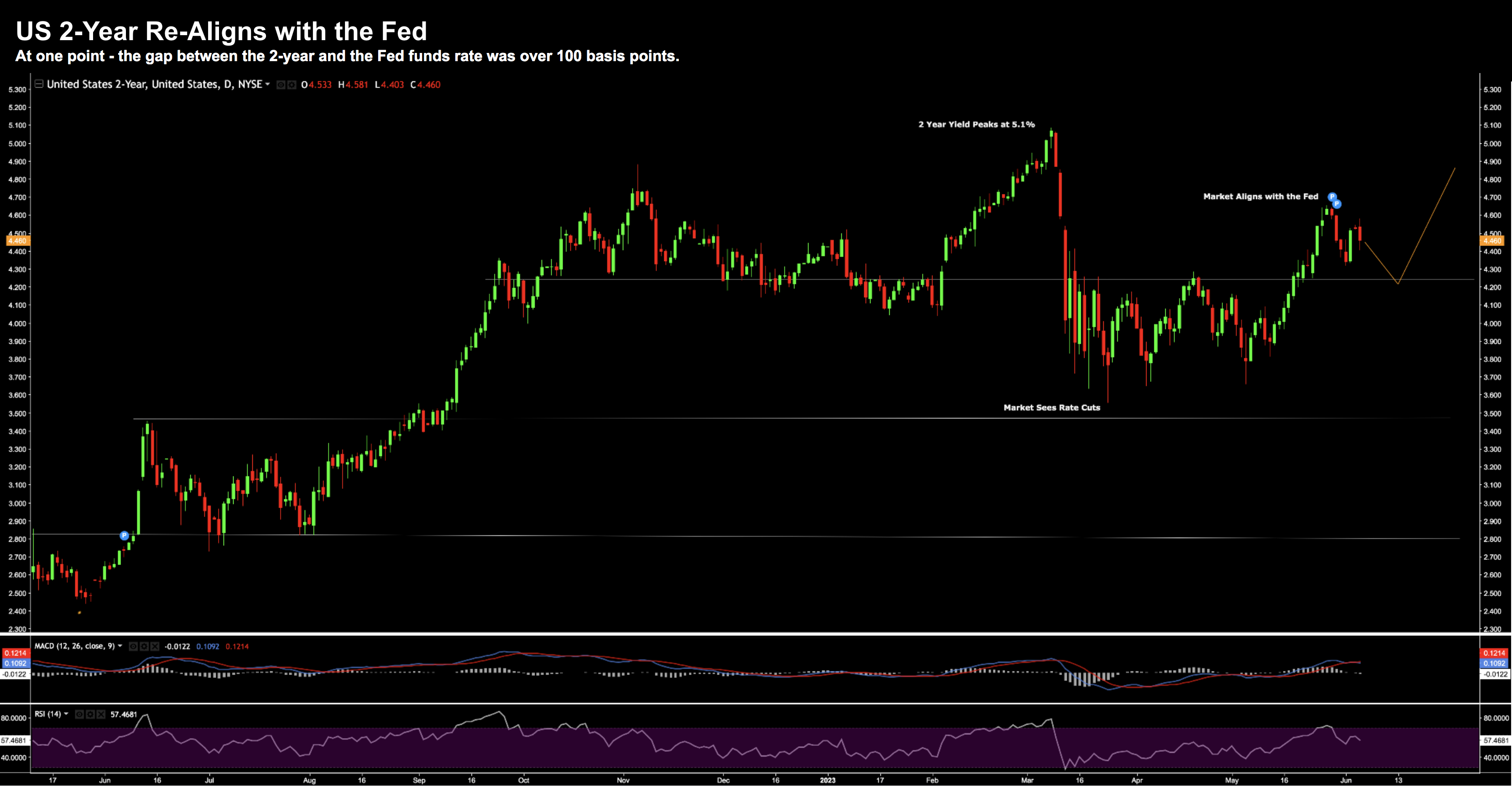
Two months ago - the bond market was at odds with the Fed. Fixed income markets felt the Fed were going to be forced to cut rates as many as three times this year. For e.g., the gap between the US 2-yr yield and the Fed funds rate was in excess of 100 basis points. At the time I questioned who would be right? Bonds or the Fed? Fast forward to today and the gap has closed considerably... bonds have now realigned with the Fed's way of thinking; i.e. expect higher for longer

Could $1.1 Trillion in ‘T-Bills’ Suck Out Liquidity?

Over the weekend, financial media reported a deal in principle to raise the debt ceiling. Based on all reports, the deal sets a two-year spending cap, kicking in October 1. Now if Washington DC agrees to at least slow its spending - they're likely to be doing it during an economic slowdown. And this could have a near-term impact on economic growth and the valuations of risk assets. What's more, if Treasury are permitted to issue $1.1 Trillion in fresh T-bills - what will that do to liquidity? Will banks deposits start looking for a (higher return) home?