In Warsh We Trust In Warsh We Trust

In Warsh We Trust

Trust is the invisible architecture of the global financial system. When central bank independence is questioned or fiscal discipline slips, markets don't just adjust—they convulse. While Kevin Warsh’s nomination as Fed Chair provides a stabilizing institutional anchor, it doesn't end the "debasement trade." With gold and silver undergoing a violent but necessary reset, investors must distinguish between technical profit-taking and the long-term diversification away from dollar-centric reserves. In modern macro, it’s always a matter of trust.

Real PCE: “Robust” Economy or Signs of Rust? Real PCE: “Robust” Economy or Signs of Rust?

Real PCE: “Robust” Economy or Signs of Rust?

Headline indicators suggest economic resilience, but underlying data reveals structural cracks. While personal consumption remains high, it is increasingly fueled by government transfers rather than private wages. With real spending outpacing income and pending home sales plunging 9.3%, Real PCE serves as a critical leading indicator of an approaching market downturn

Global Bond Markets Warn Global Bond Markets Warn

Global Bond Markets Warn

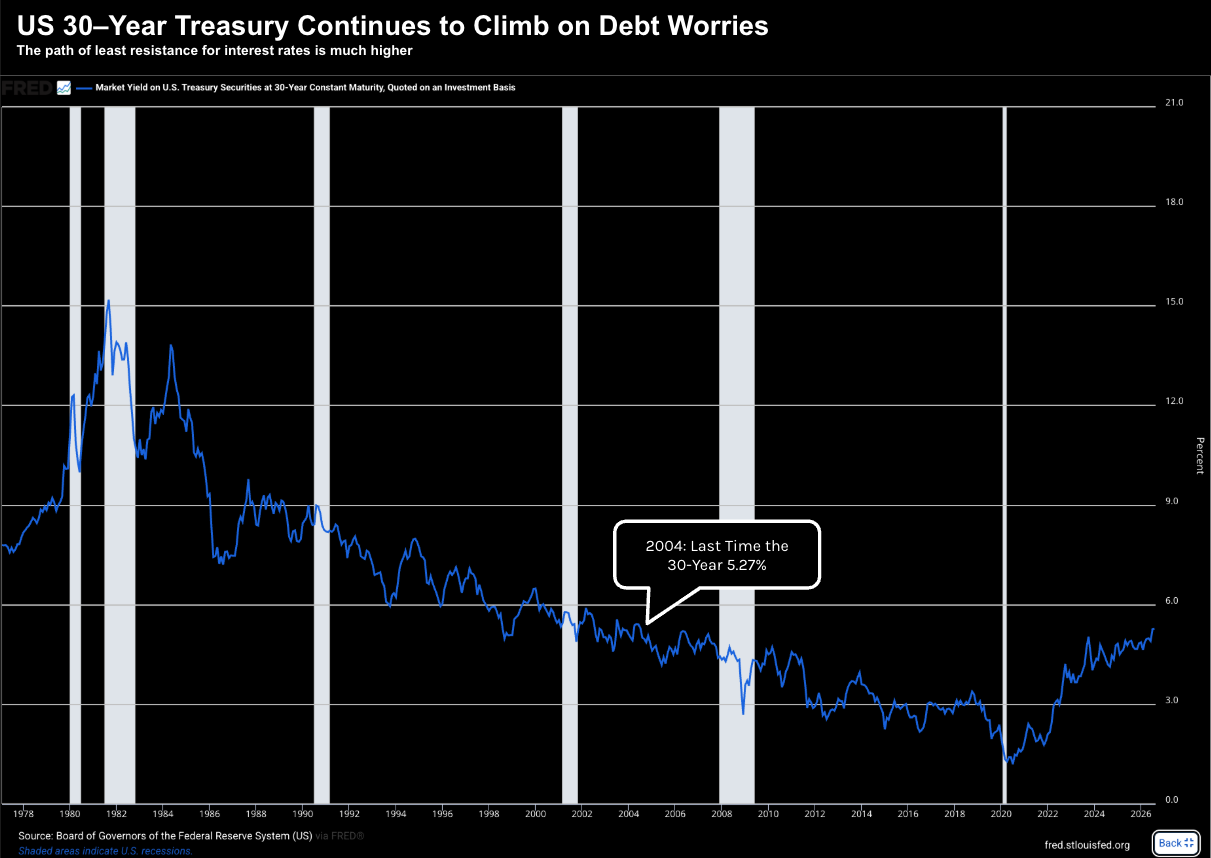
U.S. equities just suffered their worst session since October, but tariffs and geopolitics may be a sideshow. The real source of market unease lies beneath the surface — in global bond markets. From Tokyo to U.S. Treasuries, long-dated yields are rising sharply, challenging years of monetary suppression. When bond vigilantes stir, markets begin to question fiscal credibility, not headlines. And history shows those moments rarely stay contained for long.

Inflation: Pressure Below the Hood Inflation: Pressure Below the Hood

Inflation: Pressure Below the Hood

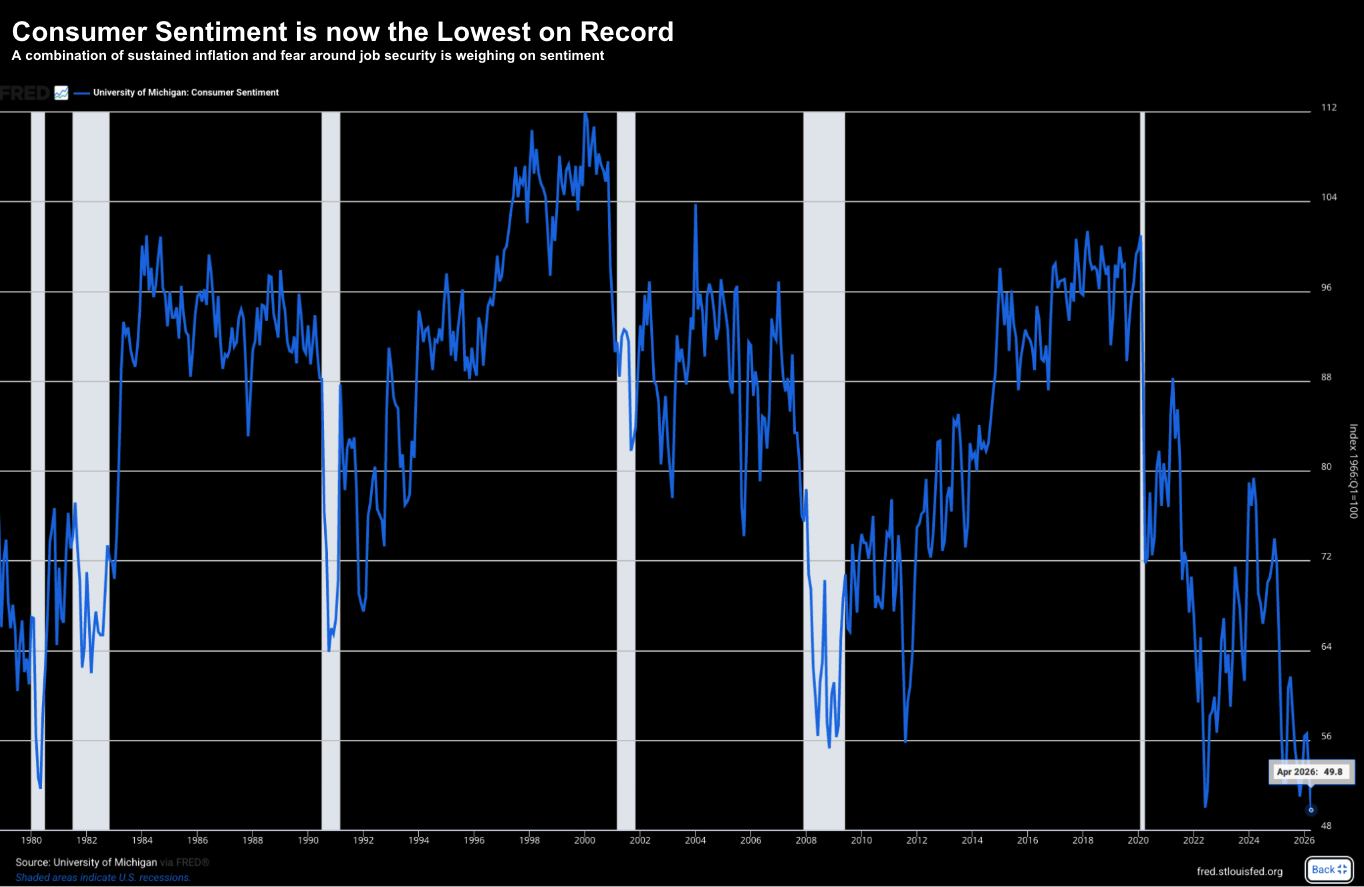
While the latest U.S. inflation print was celebrated as a “Goldilocks” outcome, a closer look suggests the disinflation story is far more fragile. Beneath the headline numbers, core and alternative measures imply inflation is likely to plateau near 3%, with important implications for Fed policy, equity valuations, and sector positioning in 2026

Japan: Land of Rising Yields Japan: Land of Rising Yields

Japan: Land of Rising Yields

For decades, shorting Japanese Government Bonds earned the nickname “the widow maker,” destroying capital despite seemingly sound logic. Japan’s massive debt, near-zero rates, and dormant inflation suggested yields had nowhere to go but up—yet markets punished premature bets. That dynamic has now shifted. Rising yields signal a genuine regime change driven by fiscal expansion, political influence within the ruling LDP, and a decisive pivot by the Bank of Japan away from yield curve control. For the first sustained period since 2019, bondholders are being rewarded. This shift carries broad implications for global capital flows, currencies, and equity markets

Finding Value in Apple’s $3+ Trillion Moat Finding Value in Apple’s $3+ Trillion Moat

Finding Value in Apple’s + Trillion Moat

In the last three months of 2025, the tech sector experienced what some called a “correction”. But what is a true correction? Technicians will be quick to say a drop of 10%. But for me that doesn”t work… I would…

Thoughts on 2026… Thoughts on 2026…

Thoughts on 2026…

After three years of spectacular gains, 2026 demands a strategic pivot. I outline five critical themes determining market direction: rising unemployment risks, sticky inflation, a hawkish Fed, AI capex scrutiny, and a steepening yield curve. With valuations stretched, the easy money is gone. Investors should prioritize high-quality assets and cash optionality, preparing for a potential 15–20% correction. The focus now shifts from chasing momentum to preserving capital and awaiting reasonable valuations.

The Ultimate Contrarian Signal

The Ultimate Contrarian Signal

When the crowd leans one way, the boat is at risk of capsizing. With BofA’s Bull & Bear indicator triggering a contrarian "sell" signal and equity inflows hitting record highs, market participants are priced for a "Goldilocks" perfection that leaves zero margin of safety. While consensus bets on double-digit earnings growth and Fed cuts, a "Bear Steepener" in the yield curve suggests the bond vigilantes are revolting against a $1.6T deficit. If the US 10-year creeps higher, today’s 22x forward multiple faces a sharp reality check. I remain 65% long in quality, but patient for the correction.

Things That Make You Go Hmmm

The Fed just delivered a "Christmas gift" with a 25bps cut to 3.75% and a surprise $40B monthly balance sheet expansion—essentially "Baby QE." While markets hit record highs, FOMC "group think" may be masking a deteriorating labor market and looming 2026 tariff inflation. With fwd PEs at ~23x, history warns that subsequent 10-yr returns are often near zero.

3-Years Since ChatGPT Launched… What’s Changed? 

The seismic shift triggered by ChatGPT 3 years ago reminds me of 1995 when Netscape hit our screen. But as we approach the year 2000 - several "greey swans" emerged. Could 2026 be similar. This post discusses some of the possible risks looming for next year. This AI revolution has many of the hallmarks we saw some 30 years ago; i.e., creating extreme capital concentration in giants like Nvidia. As we enter what I think is a late-cycle phase, our focus shifts to systemic risks—from AI disillusionment to credit volatility.

Nvidia’s (Expected) Beat Was Not Enough… 

Nvidia's earnings beat—reporting 62% YoY revenue growth and projecting $65B in Q4—solidified its position as the AI chip leader. Yet, the question for investors is not if the AI boom is real, it's how much you pay? The massive AI capital expenditure by giants like Google and Meta is transforming them from "asset light" platforms to "asset heavy" infrastructure owners. This shift, coupled with the unanswered question of whether the returns on this spending will justify the massive increase in assets, is fueling investor unease and market momentum loss

AI’s Big (Depreciation) Bet

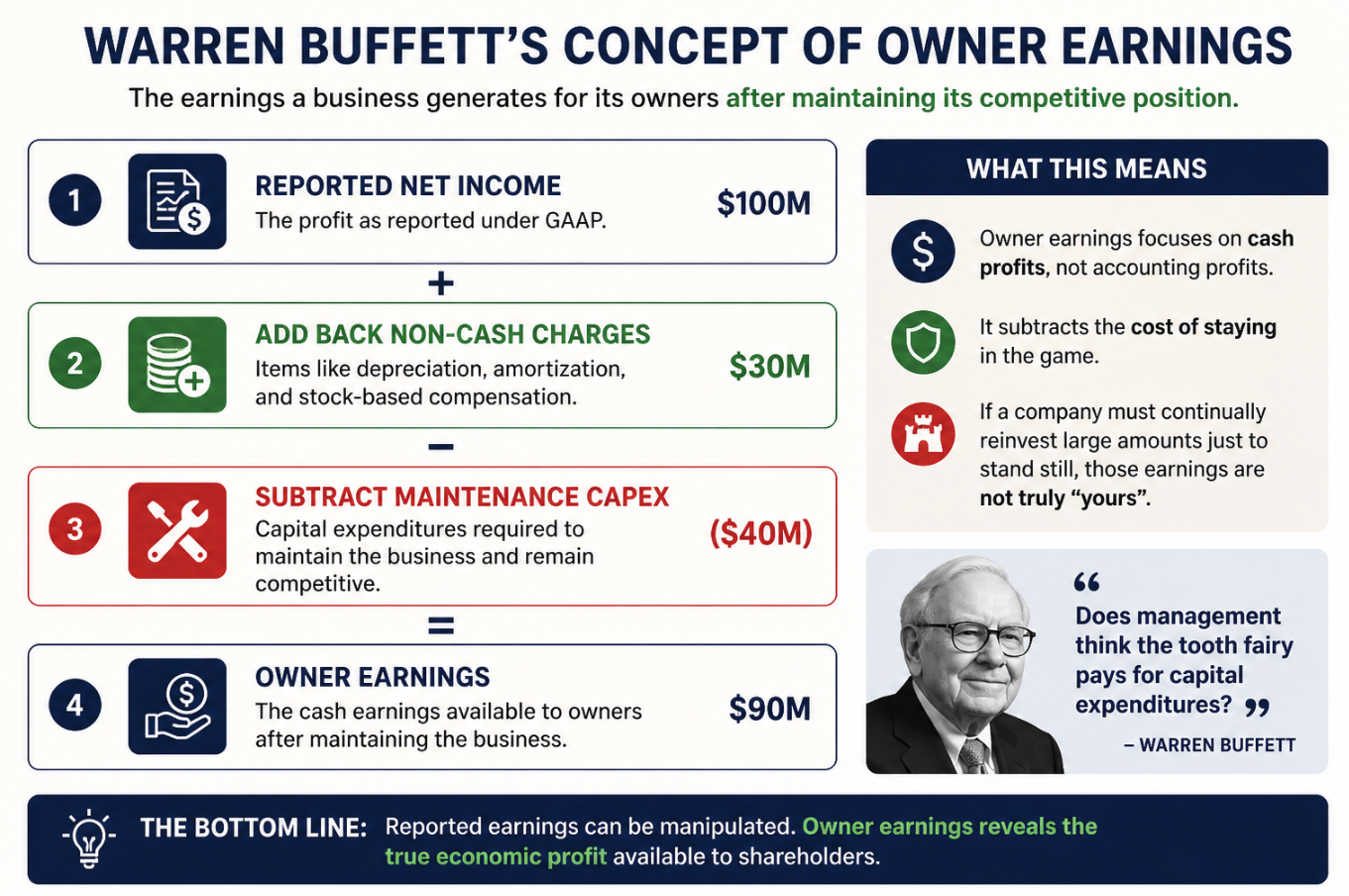
Most of the Mag 7 tech giants are using an extended 5-to-6-year depreciation schedule for their massive GPU investments. Since GPUs typically have a 3-year useful life, this practice artificially inflates current earnings by reducing the reported expense. If these chips rapidly become obsolete, investors paying high multiples must question the impact on future Free Cash Flow and margins when the true depreciation expense inevitably hits. Investors are optimistic that will show very strong returns (and soon) on their half-trillion-dollar bet.