Category Cycles

Lesson: Don’t Try and Pick ‘Tops or Bottoms’

Everyone makes mistakes. In fact, I love 'collecting' mistakes - whether they are my own or from someone else. It's the only way I learn. This post shares two 'mistakes' from a popular media personality. His name is Jim Cramer who hosts a show called "Mad Money". Earlier this week he said "the bottom is in for CrowdStrike". Big call given recent events. Fast forward a few days and the stock is 16% lower than when Jim called the bottom. So what can we learn from this?

The Big Tech Unwind

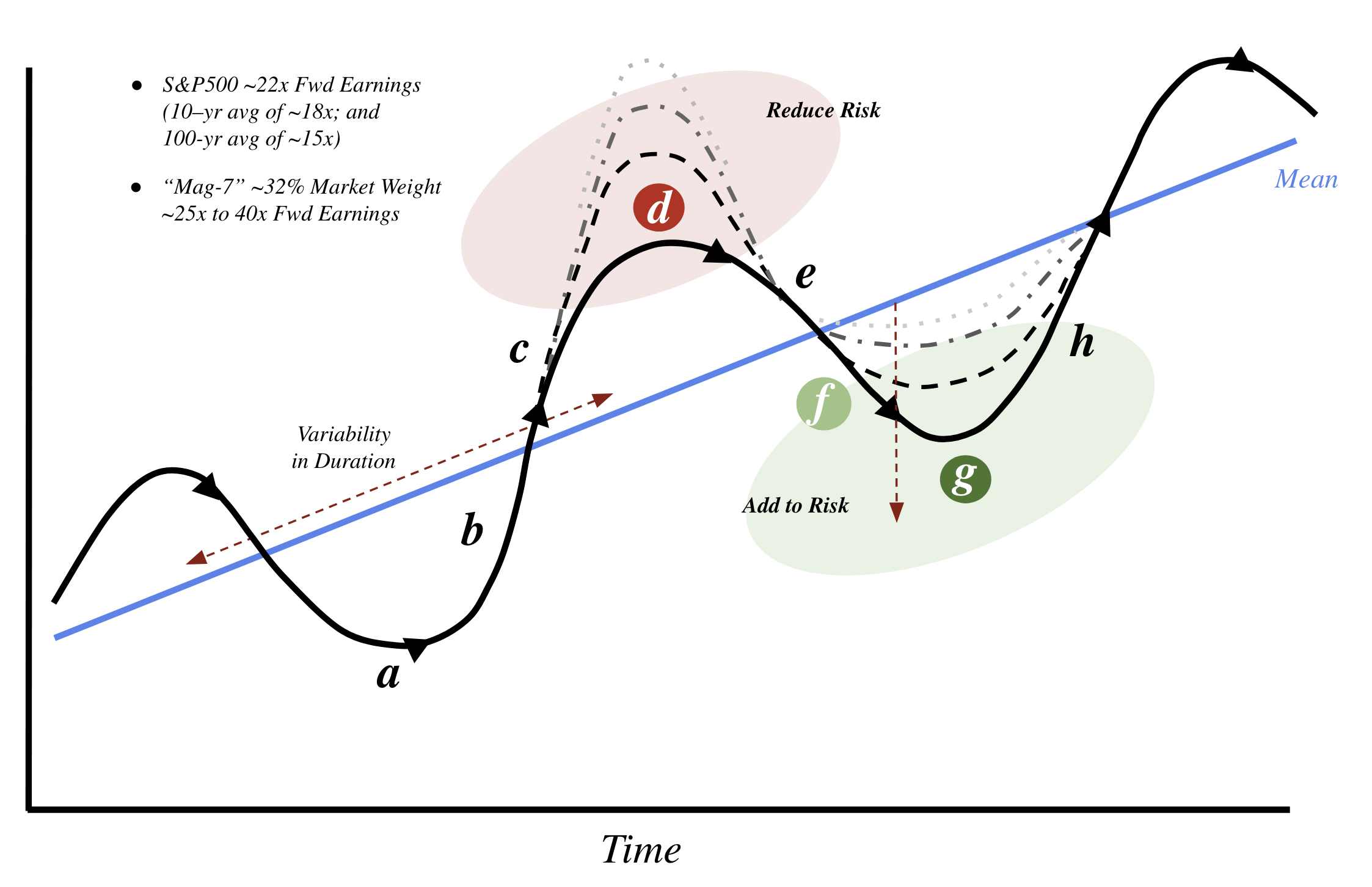
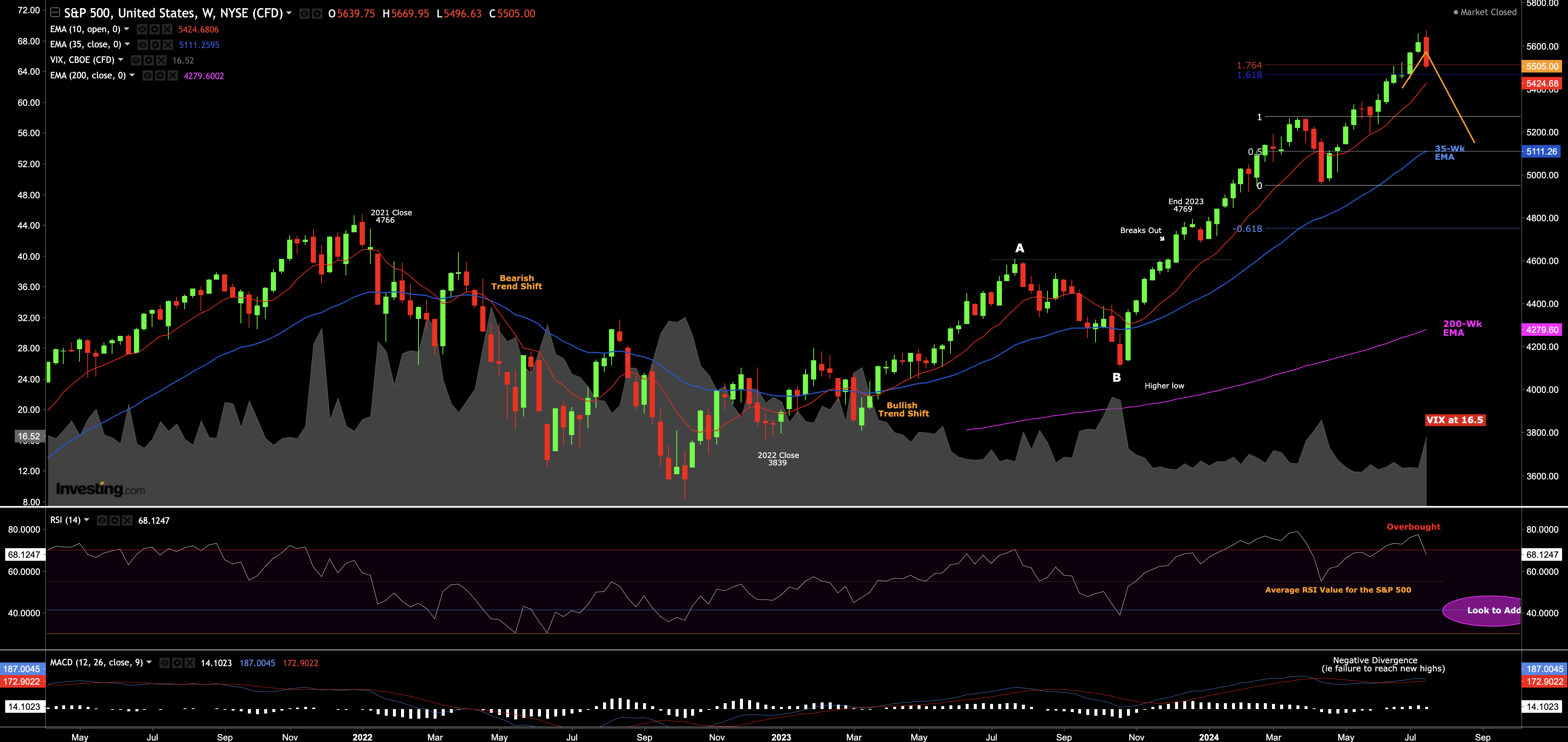
Can the market let the air out of the bubble without consequence? The answer relates to my post on economic cycles. That is, panics and busts only occur after booms and bubbles. But what a minute - are you saying this is a bubble? My answer to that is look at where we are in relation to the long-term mean. That's your litmus test. For example, if we simply take the S&P 500 - it trades at ~22x forward earnings (on the assumption earnings growth this year is 12%). The 10-year average forward PE for the S&P 500 is ~18x (mostly as a function of long-term yields trading near zero). And the 100-year forward PE average is closer to 15.5x. And if we look at tech specifically - valuations are even more extreme.

Wall Street Cheer a “Strong Jobs” Report…  Should They?

Wall St. cheered a perceived 'strong' monthly June jobs report. The economy added 206K jobs last month - however the unemployment rate moved to 4.1% - its highest level in 2 years. Here's the thing: there was a lot of weakness in the labor market - with most of the jobs coming from government. In addition, April's job gains were revised lower by 111K. And May was revised lower by almost 60K. I think there is material underlying weakness (reflected in slower Real GDP and PCE) and perhaps enough for the Fed to start cutting rates in September or November.

It’s Not If “Long & Variable Lags” Hit… It’s When

Milton Friedman coined the expression "monetary policy operates with long and variable lags". In the 1970s - he felt it was up to around two years before those effects are felt. Today it's believed to be sooner - given open transparency of Fed speak and data tools available. But is it? It's been two years since the Fed's first hike and we're just starting to see labor markets soften and consumer demand weaken. Have the full effects of tighter policy been absorbed? I don't think so.

Is it Still Going to be a “Soft Landing”?

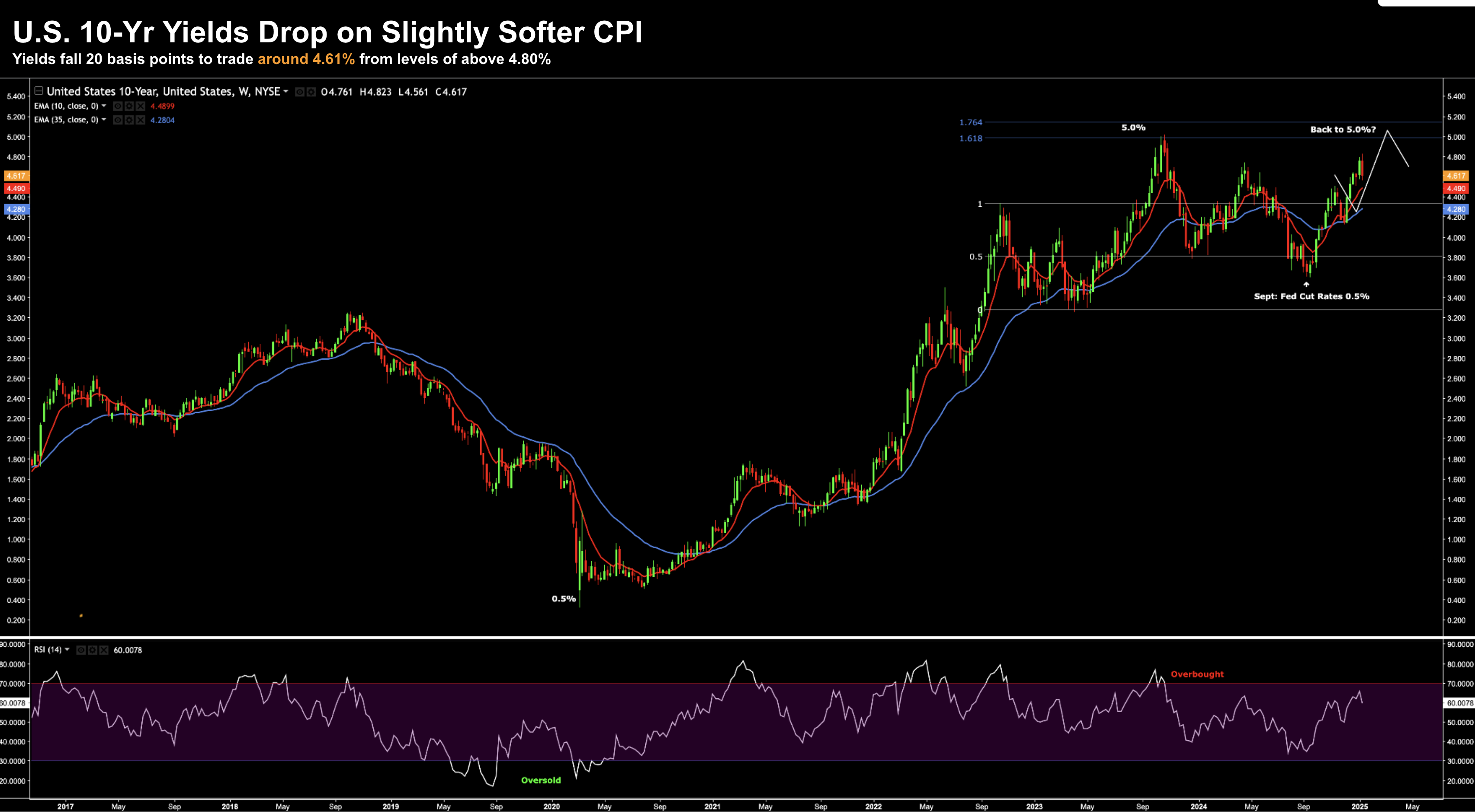
2023 has been one of the more difficult years to navigate. For example, if you chose the wrong stocks, sectors or simply decided to hide in cash - you didn't fare well. However, what's also made it hard has been the various shifts in sentiment the past ~9 months. These shifts have 'whipped' traders around. Today, with the US 10-year yield challenging almost 5.0% - the "R" word is back in the vernacular. Much of this can be explained by understanding where we are in the economic cycle... and today it's "late cycle". The challenge is navigating this phase is the most difficult of any... as it will often last longer than many expect.