Category Debt

Global Bond Markets Warn Global Bond Markets Warn

Global Bond Markets Warn

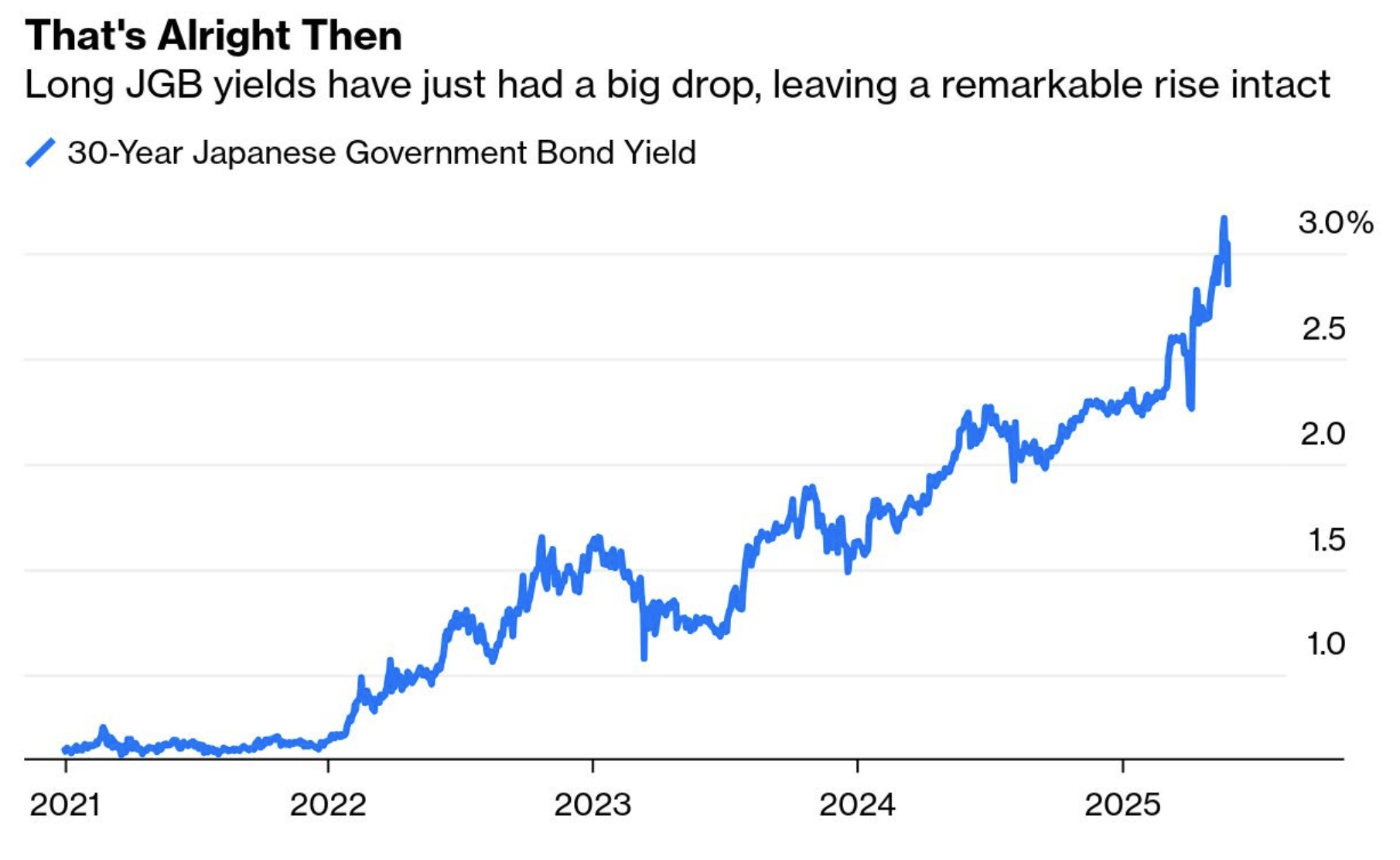
U.S. equities just suffered their worst session since October, but tariffs and geopolitics may be a sideshow. The real source of market unease lies beneath the surface — in global bond markets. From Tokyo to U.S. Treasuries, long-dated yields are rising sharply, challenging years of monetary suppression. When bond vigilantes stir, markets begin to question fiscal credibility, not headlines. And history shows those moments rarely stay contained for long.

Borrowing Costs Are Going Up

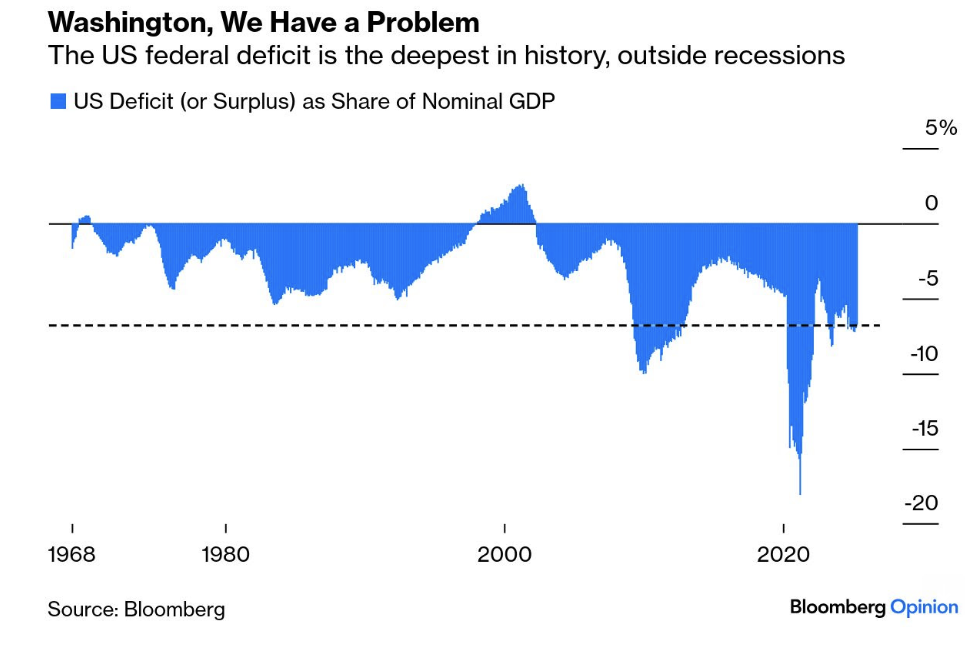
Can the stock market significantly advance with bond yields going higher? That's what investors are trying to gauge. As governments around the world look increase their (already high) levels of borrowing and spending -- it's plausible bond yields are set to rise further. And it's not hard to explain why... demand is falling as supply increases. But at what point does the stock market say enough?

Bond Vigilantes To Have the Final Vote

Markets paused to take a breath this week following a six-week ~22% surge. The S&P 500 surrendered a routine ~2.80% - after touching a 12-week high of 5,968. With the market trading at 22x fwd earnings (a premium in any environment) - investors are arguably more mindful of (a) ongoing tariff risks- with new threats from Trump on Europe and Apple; and (b) the thread of rising bond yields - and any potentially widening of the deficit.

The Key to Growth: Business Investment

With 10-year yields trading around 4.50% (with the possibility to go higher) - why haven't equities sharply corrected? It's a good question. For e.g., on the surface, one might think equities would struggle given the zero risk premium investors are receiving. But that has not been the case. The stock market has withstood the sharp rise in bond yields (for now anyway). However, I believe there is a simple explanation. It's the amount of liquidity in the system. Liquidity is abundant - evidenced by the very low credit spreads in the market (participants see very little risk). Generally credit spreads widening are your first sign of trouble.

The Bond Vigilantes Strike Back

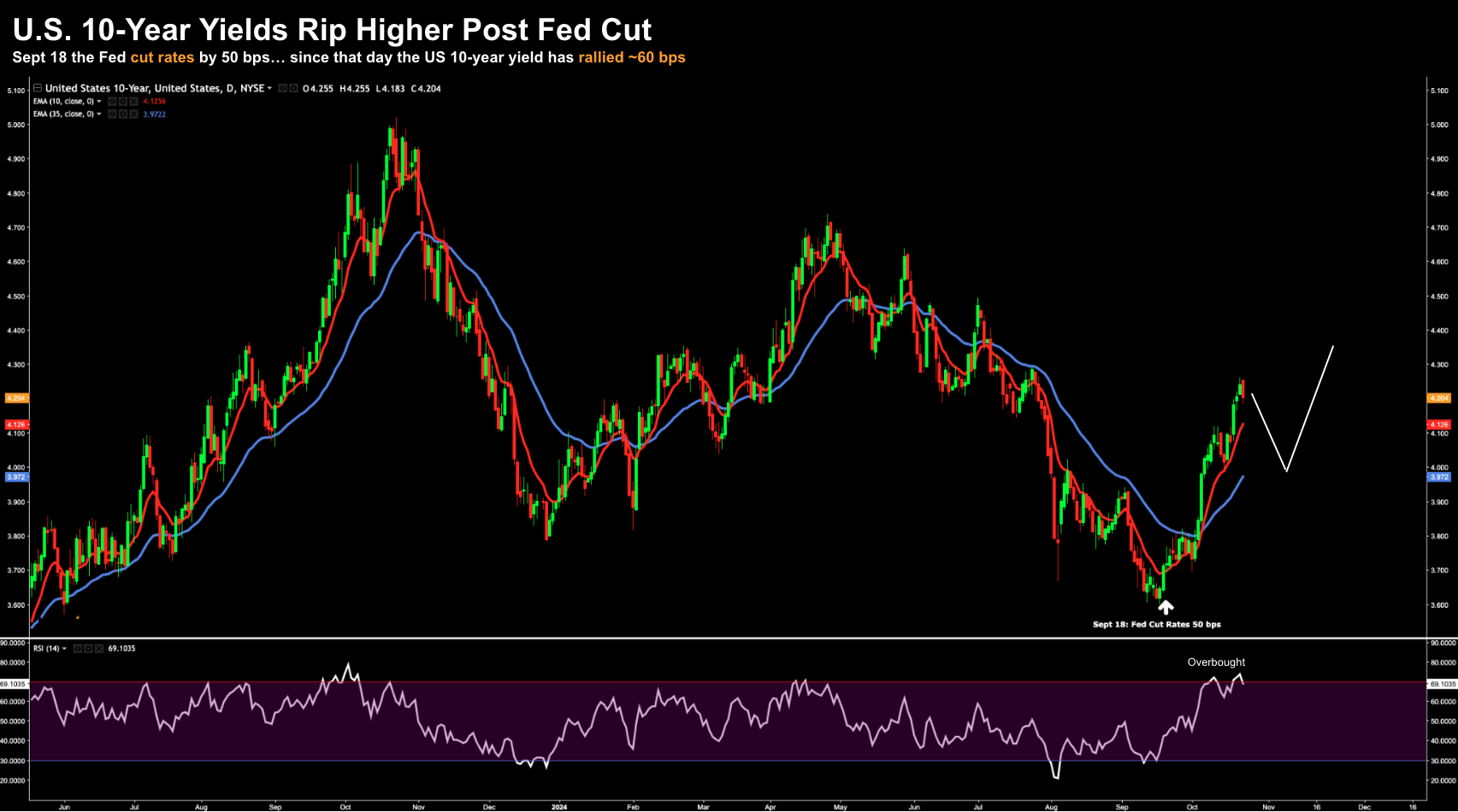
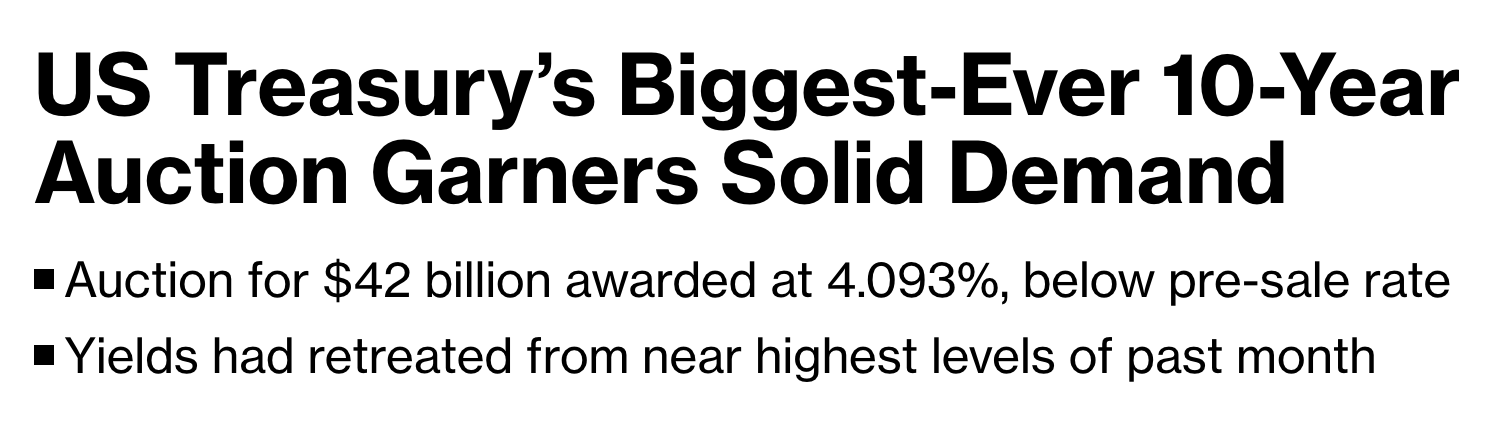
Several weeks ago I suggested investors consider reducing their exposure to 10-year treasuries. At the time, the world's most important debt security was yielding around 3.80%. They would continue to fall to a near-term low of 3.60%. In this case, the timing was good as these yields have rallied some 60 bps in turn crushing bond prices. For example, EDV and TLT have dropped more than 10%. So why are 10-year yields rising in the face of Fed cuts? There's a good reason: term premium. Bond owners demand a premium if owning the debt of a fiscally irresponsible government. And this has major implications for investors...

Are Chinese Stocks ‘Investable’?

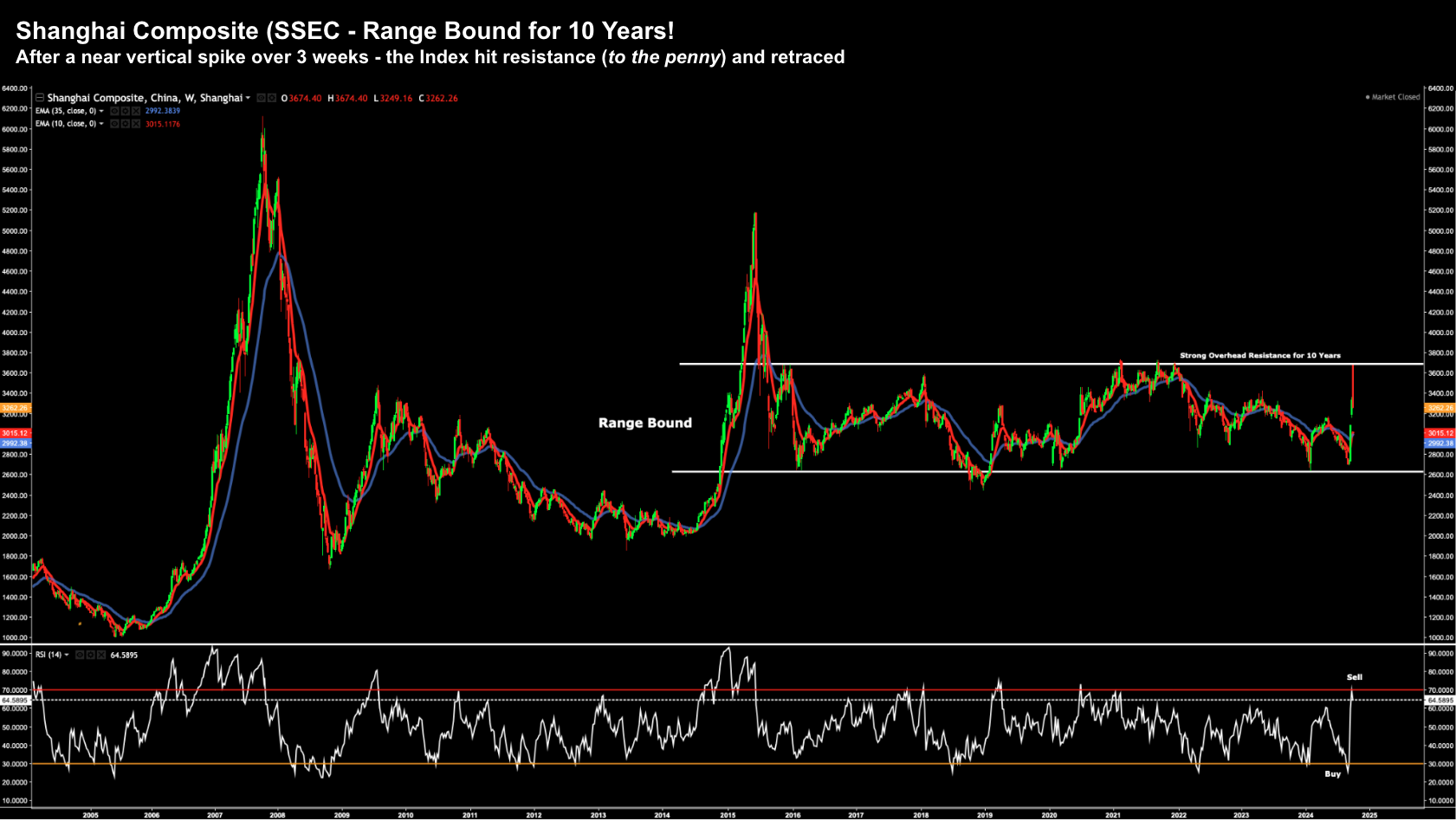
The recent rally of over 25% in Chinese was something we've not seen in over a decade. Beijing’s 'stimulus blitz' excited both institutional and retail investors alike. As context, China has struggled with deflationary pressures due to a prolonged real estate downturn and weakening domestic consumer confidence. In addition, a slew of economic data in recent months has missed expectations, raising worries the world’s second largest economy may not achieve its 5% full year growth target. The question is can the central government turn things around with more stimulus? I doubt it....

It’s Not Only Falling Inflation & Growth Risks Driving Rate Cuts

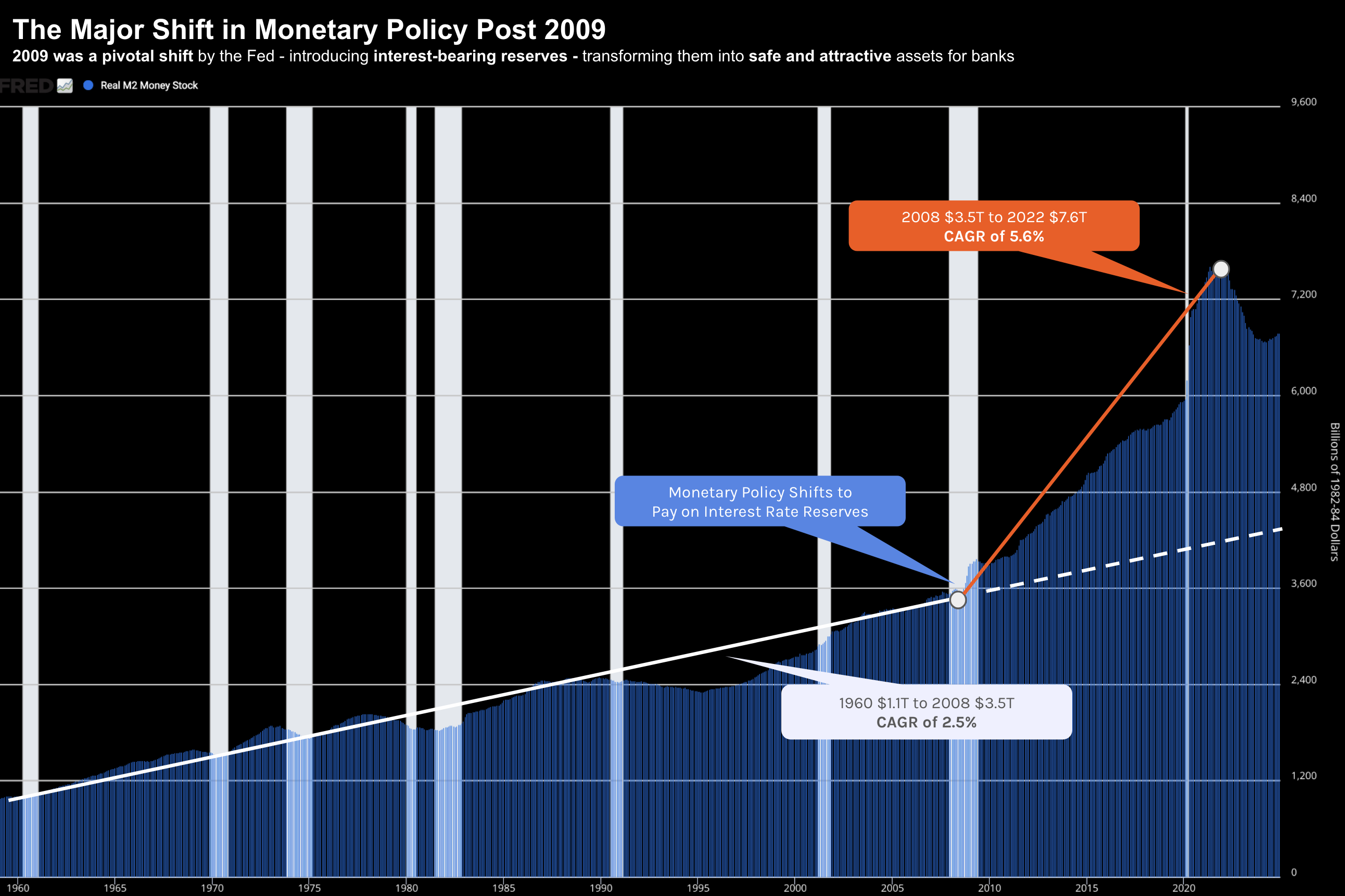
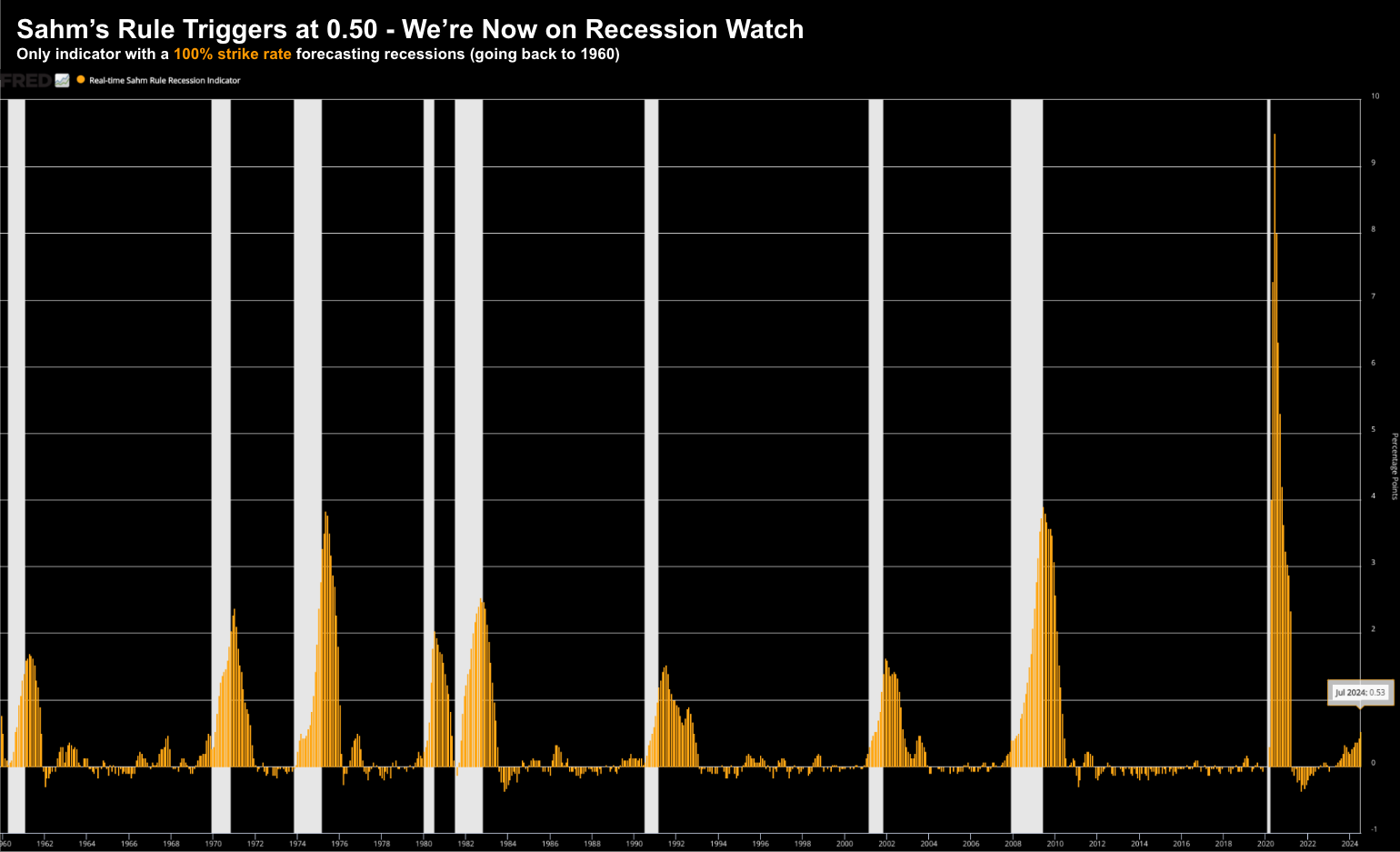
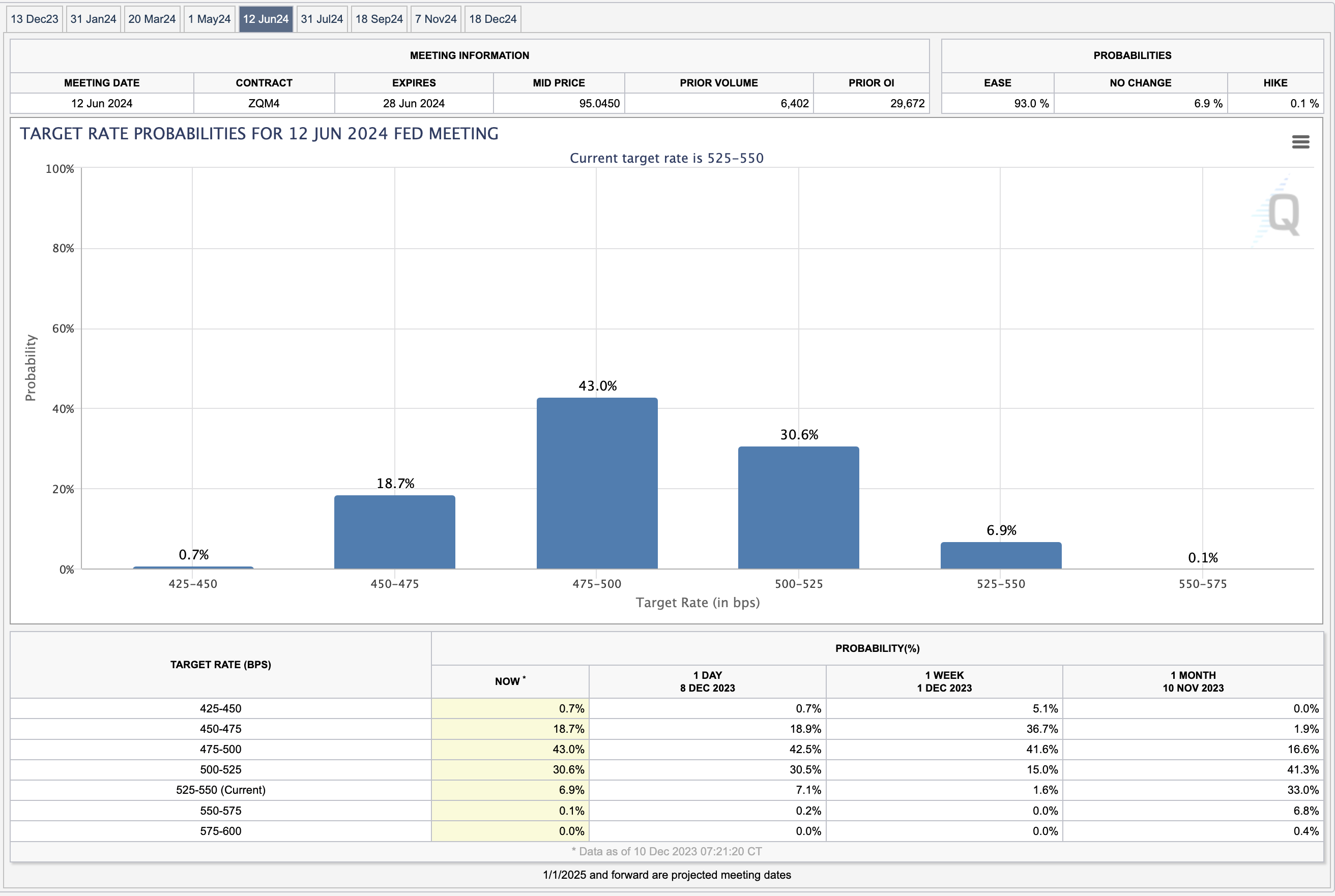
As inflation continues to moderate and the employment picture weakens - markets are trying to gauge just how much the central bank will move. A 25 basis point (bps) cut for September is now a 100% probability according to CME Group’s FedWatch tool. There's a 63.5% chance of a 25 bps cut; and 36.5% of a 50 bps cut. Markets clearly want 50 bps... but they also know that very rarely is there just "only one rate cut". This post explores the relationship between debt growth (across all sectors) and the overall trend for interest rates. It's a relationship which is not often discussed - but would be remiss of investors to ignore.

Will the Bond Vigilantes Strike Back?

Last weekend Fed Chair Jay Powell gave a rare interview with TV program '60 Minutes'. Not only did Powell tell people to expect rates to remain higher for longer - he also sent less than subtle warnings to Congress. I quote: “It’s probably time, or past time, to get back to an adult conversation among elected officials about getting the federal government back on a sustainable fiscal path”. Amen. But good luck with that Jay. When asked if this was an urgent problem - Powell said “You could say that it was urgent, yes.” In short, keep a close eye on bond yields - especially the long-end. The market wants them to head lower - much lower - however fiscal recklessness could prove otherwise.

Why Would the Fed Cut? Why Would the Fed Cut?

Why Would the Fed Cut?

Last week the market received what it interpreted as a 'goldilocks' jobs number. Not too hot. Not too cold. But just right. Non-farm payrolls (NFP) increased by 199,000 in November, according to the BLS. This was around 19,000 higher than market expectations - however not hot enough for the Fed to raise rates this week. As an aside, the Government added 49K jobs as part of the 199K (inline with their monthly average). The unemployment rate, meanwhile, fell to 3.7% from 3.9%, marking the longest stretch of unemployment below 4% since the 1970s. That's essentially a full employment picture. So here's my question - why would the Fed consider cuts at full employment?

Investors Start Weighing the Risks

Investors have hit pause on equities - evaluating a new set of risks. For example, the S&P 500 is now trading close to the same level it was at the end of January. 8 months of gains gone! The world's largest index is up ~10% year to date... losing 2.4% this week. When you consider the S&P 500 lost ~19% last year.... it has not been a good two years. This post looks at why the outlook has deteriorated with 4 key charts: (i) 10-year yield; (ii) 10-2 yield curve; (iii) VIX; and (iv) gold - which touched $2,000 this week. What does it all mean?