Category Interest Rates / Bonds

Will Powell Heed Volcker’s Wisdom?

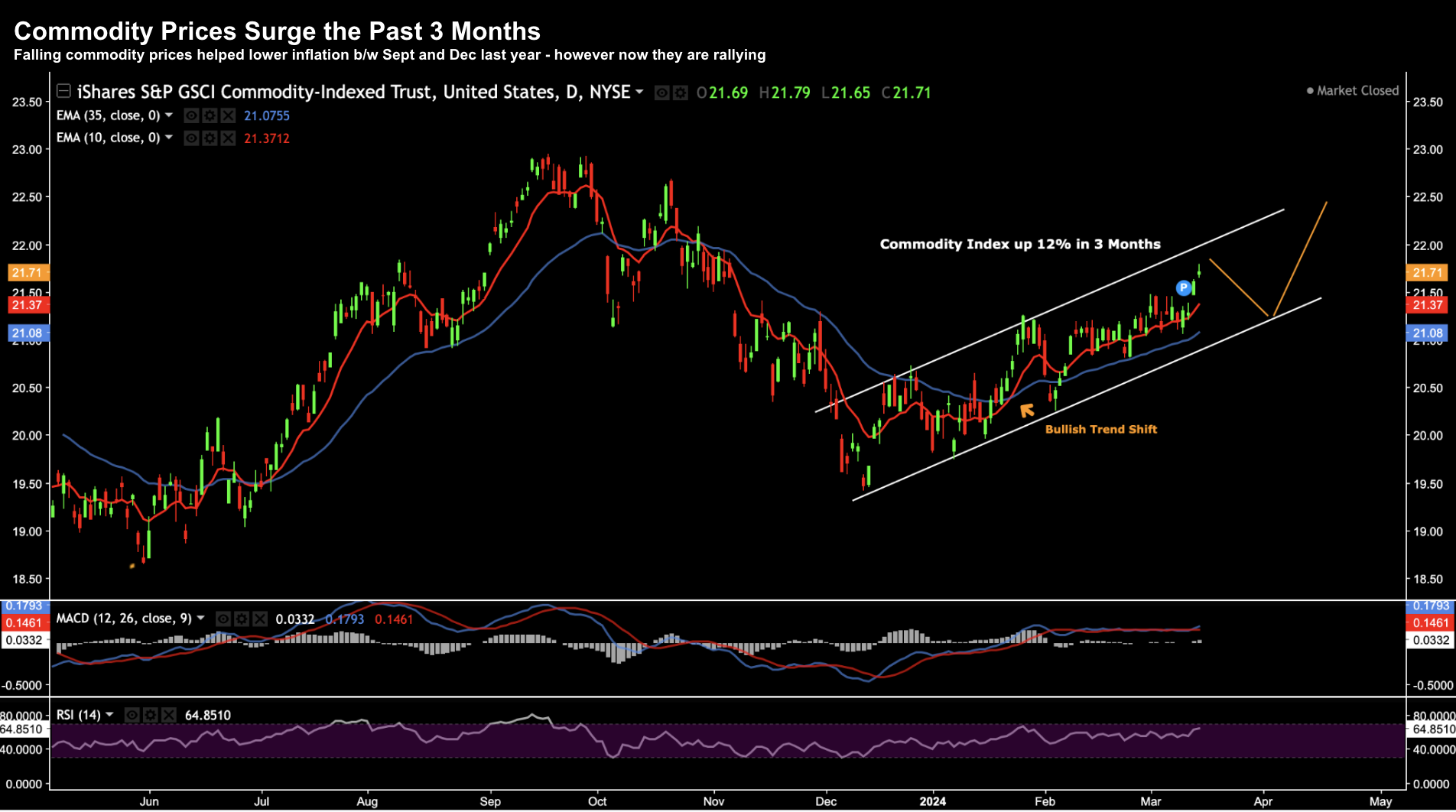
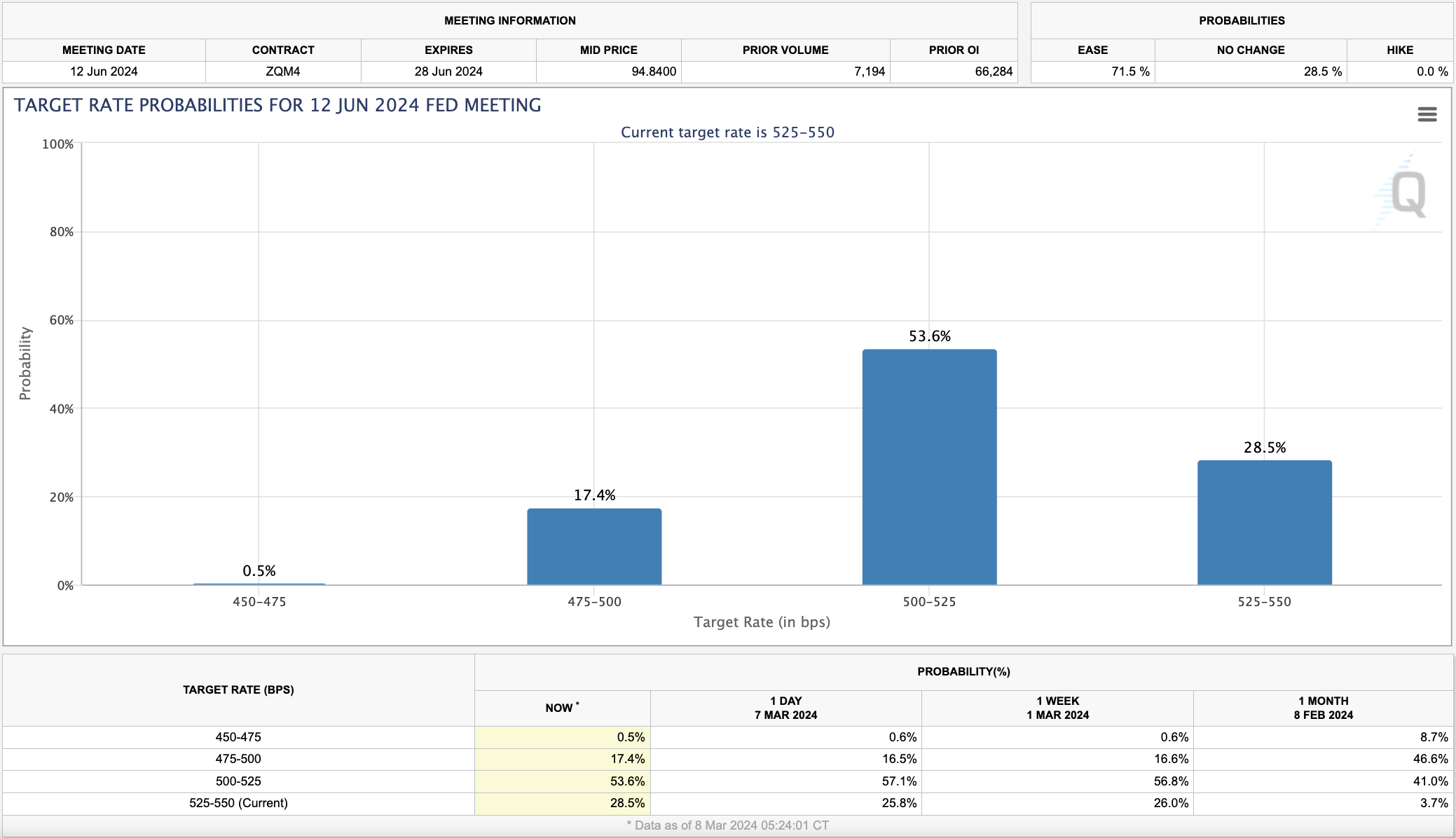
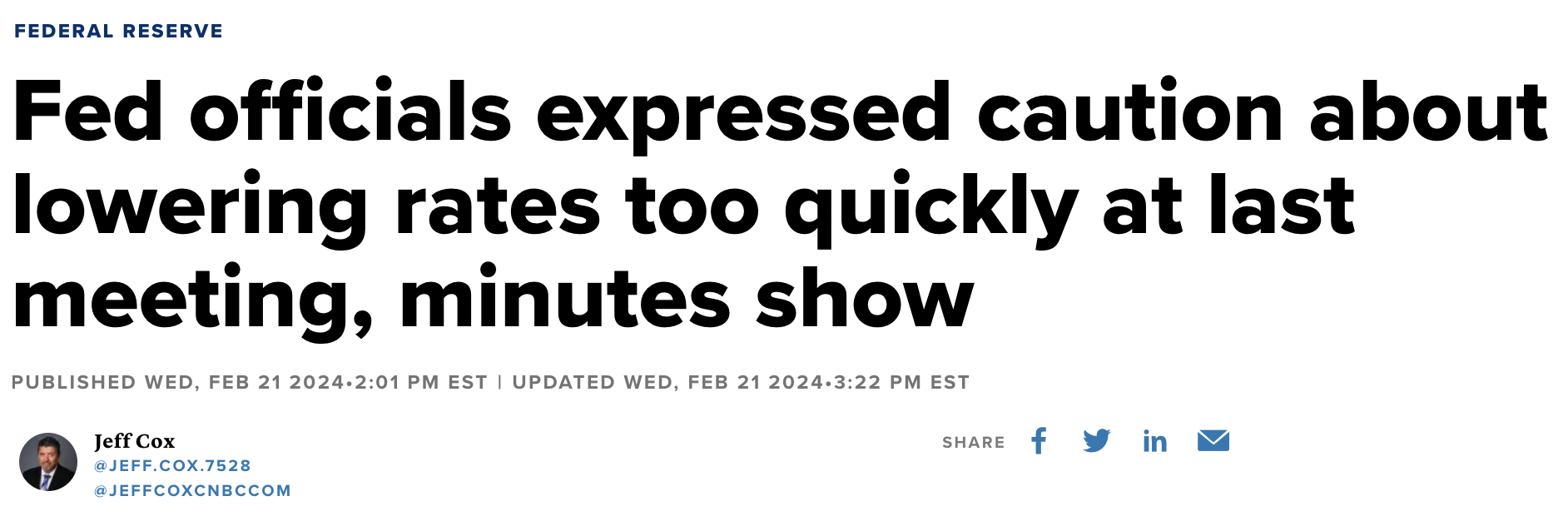
Next week Fed Chair Jay Powell will deliver the FOMC's March statement on monetary policy. Interest rates are not expected to change - however his sentiment might. When we last heard from Powell - he was dovish - igniting a rally in risk assets. However, with inflation heating up and a tight job market - Powell may perform another pivot. Markets expect three rate cuts this year - those expectations might be dialed back to just two.
It’s Not If “Long & Variable Lags” Hit… It’s When

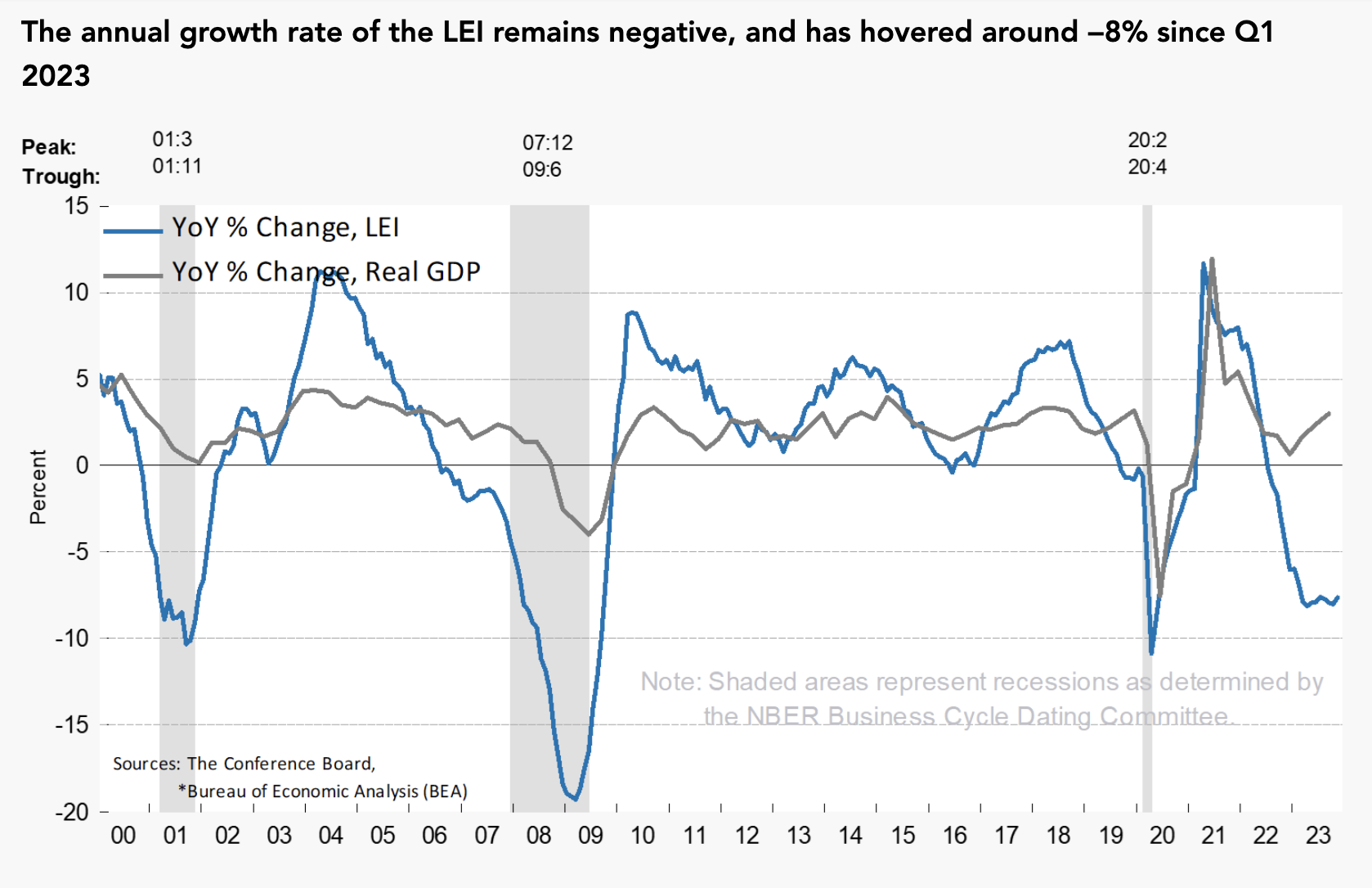
Milton Friedman coined the expression "monetary policy operates with long and variable lags". In the 1970s - he felt it was up to around two years before those effects are felt. Today it's believed to be sooner - given open transparency of Fed speak and data tools available. But is it? It's been two years since the Fed's first hike and we're just starting to see labor markets soften and consumer demand weaken. Have the full effects of tighter policy been absorbed? I don't think so.

Something Doesn’t Add Up… 

It's Nvidia's world and we're living in it (if you believe the stock market). The S&P 500 (and Nvidia) recorded all new highs post the AI chip maker's earnings. Be careful paying too much. The rapid rise in Nvidia's market cap has only seen the market narrow further. And from mine, that makes it more subject to both volatility and risk. Deutsche Bank’s Jim Reid dimensioned the risk another way. He shows how the Top 10% of stocks in the S&P 500 constitute ~75% of the total capitalization. We have not seen that since 1929! The only other time we saw something similar was the dot.com bubble...

Markets Expect only 3 Rate Cuts this Year – as Services Inflation Jumps

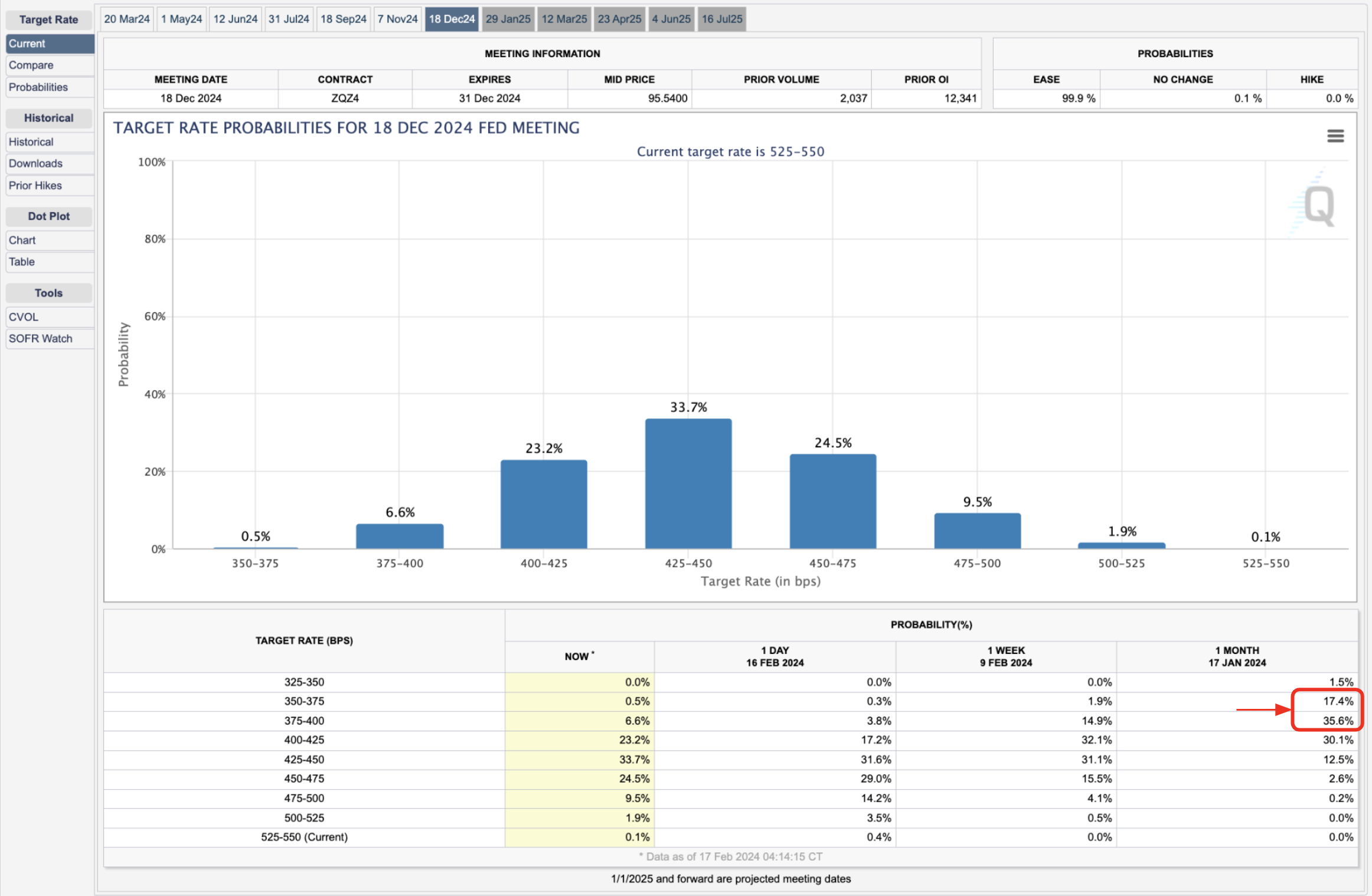
Expectations for rate cuts this year are coming down. For e.g., one month ago the market saw at least six rate cuts before the end of the year (possibly seven). I challenged that assumption - thinking three was more likely (not six). Following news of a hotter than expected Producer Price Inflation (PPI) print for January - those expectations are now down to just three cuts before year's end. That's more aligned to the Fed's intended path.

Traders: Forget “6 Rate Cuts” for ’24

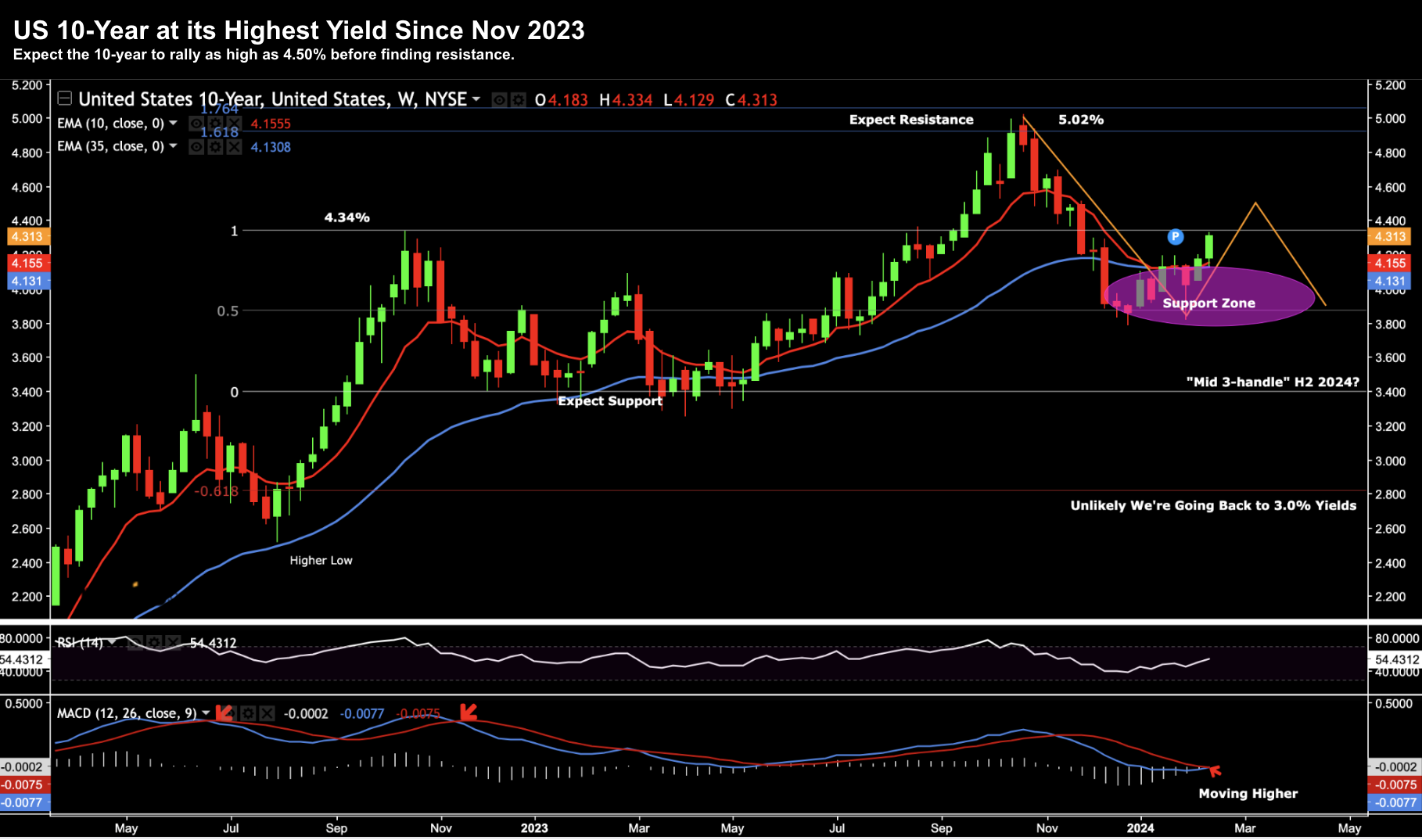
The much awaited January Consumer Price Index (CPI) came in hotter than expected - leading to a small sell off in equities (2%) and a jump in bond yields. The US 10-year pushed 4.30%. But the data should not have been a surprise - there are pockets of strong inflation (eg car insurance up 24% YoY). From mine there are two takeaways: (i) don't expect the Fed to cut "6 times" this year (as I've been saying); and (ii) inflation is not coming down as quickly as many assumed. The good news is the direction for inflation is lower - however the Fed may be forced to hold rates higher for longer. The question then is how will that impact middle-to-lower income earnings - who are already struggling? And what does that do for earnings?

Will the Bond Vigilantes Strike Back?

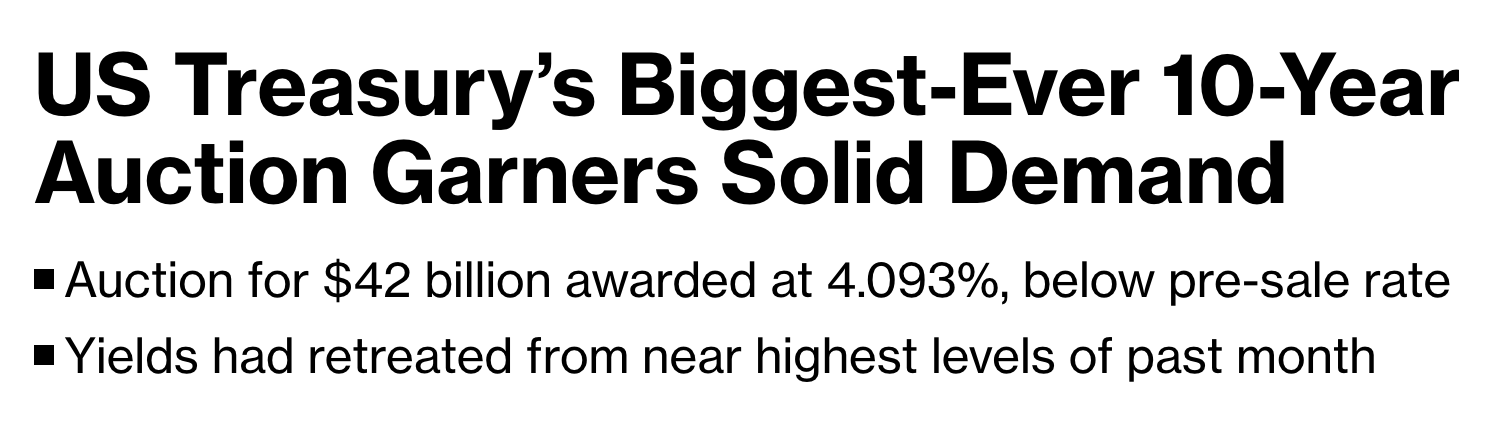
Last weekend Fed Chair Jay Powell gave a rare interview with TV program '60 Minutes'. Not only did Powell tell people to expect rates to remain higher for longer - he also sent less than subtle warnings to Congress. I quote: “It’s probably time, or past time, to get back to an adult conversation among elected officials about getting the federal government back on a sustainable fiscal path”. Amen. But good luck with that Jay. When asked if this was an urgent problem - Powell said “You could say that it was urgent, yes.” In short, keep a close eye on bond yields - especially the long-end. The market wants them to head lower - much lower - however fiscal recklessness could prove otherwise.

Yields Rally on “Strong” Jobs Data

According to the BLS - we saw the strongest employment growth in 12 months alongside the fastest wage growth in 22 months (0.6% MoM). However, we also saw the lowest amount of weekly hours worked since 2010. Given the better than expect jobs gains and acceleration in wages (which remains well above the Fed's objective) - it seems less likely the Fed can justify rate cuts in March. Probabilities for a cut in 2 months stand at 38%. This was above 70% just a month ago.

Powell Won’t be Bullied

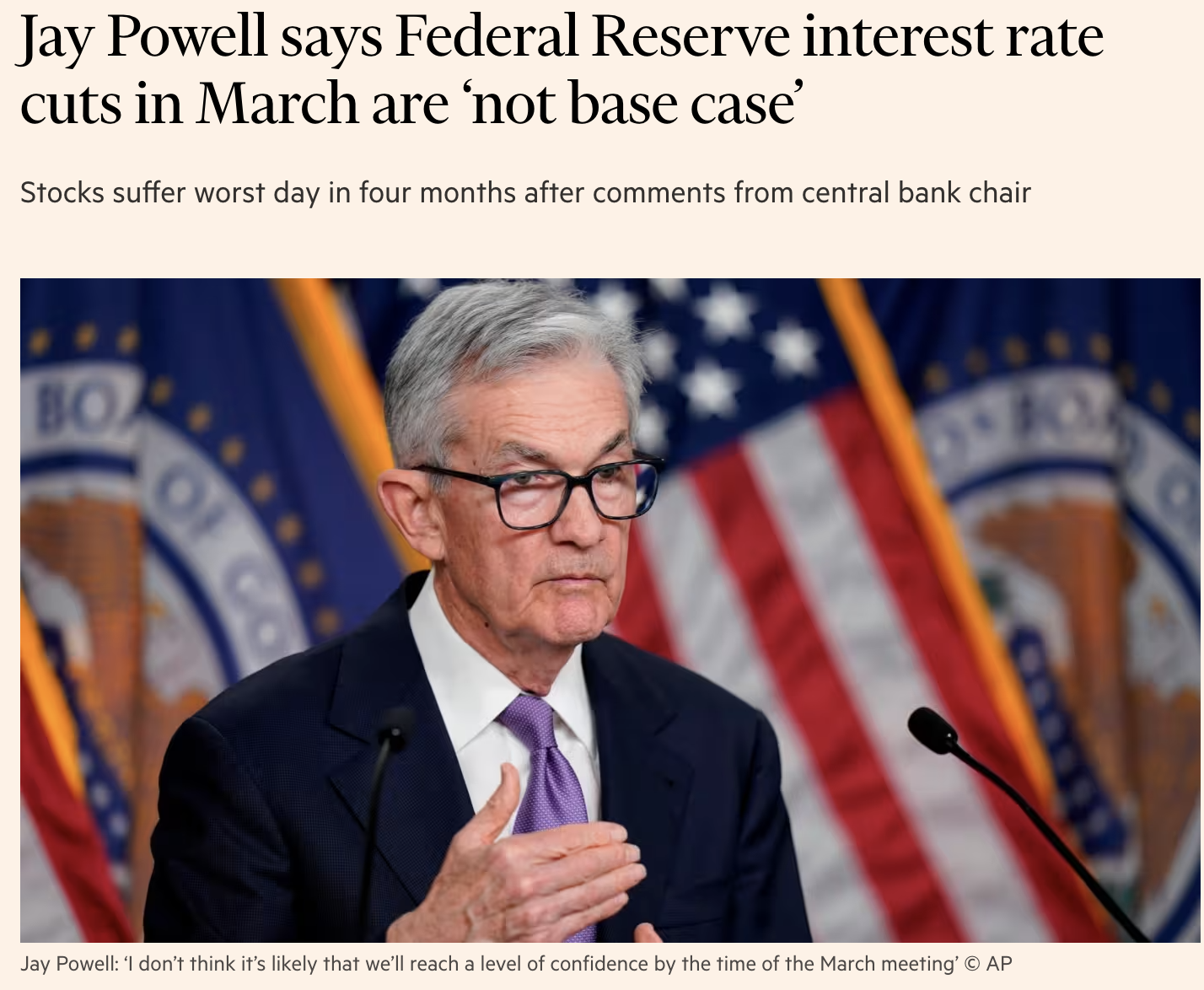
As we started this year - I felt the market was getting ahead of itself. Not only was the tape approaching an overbought zone - it also assumed as many as six rate cuts (possibly seven) before the end of the year. What's more - it also priced in that earnings per share (EPS) would grow 12% year on year. It felt like a contradiction. For e.g., either the economy was reeling and needed (emergency) rate cuts; or the economy is expanding strongly (supporting earnings growth)? Today Fed Chair Jay Powell pushed back on the former. Markets should not expect rate cuts as early as March... stocks didn't like it.

Core PCE Softens – Giving the Fed Scope to Cut

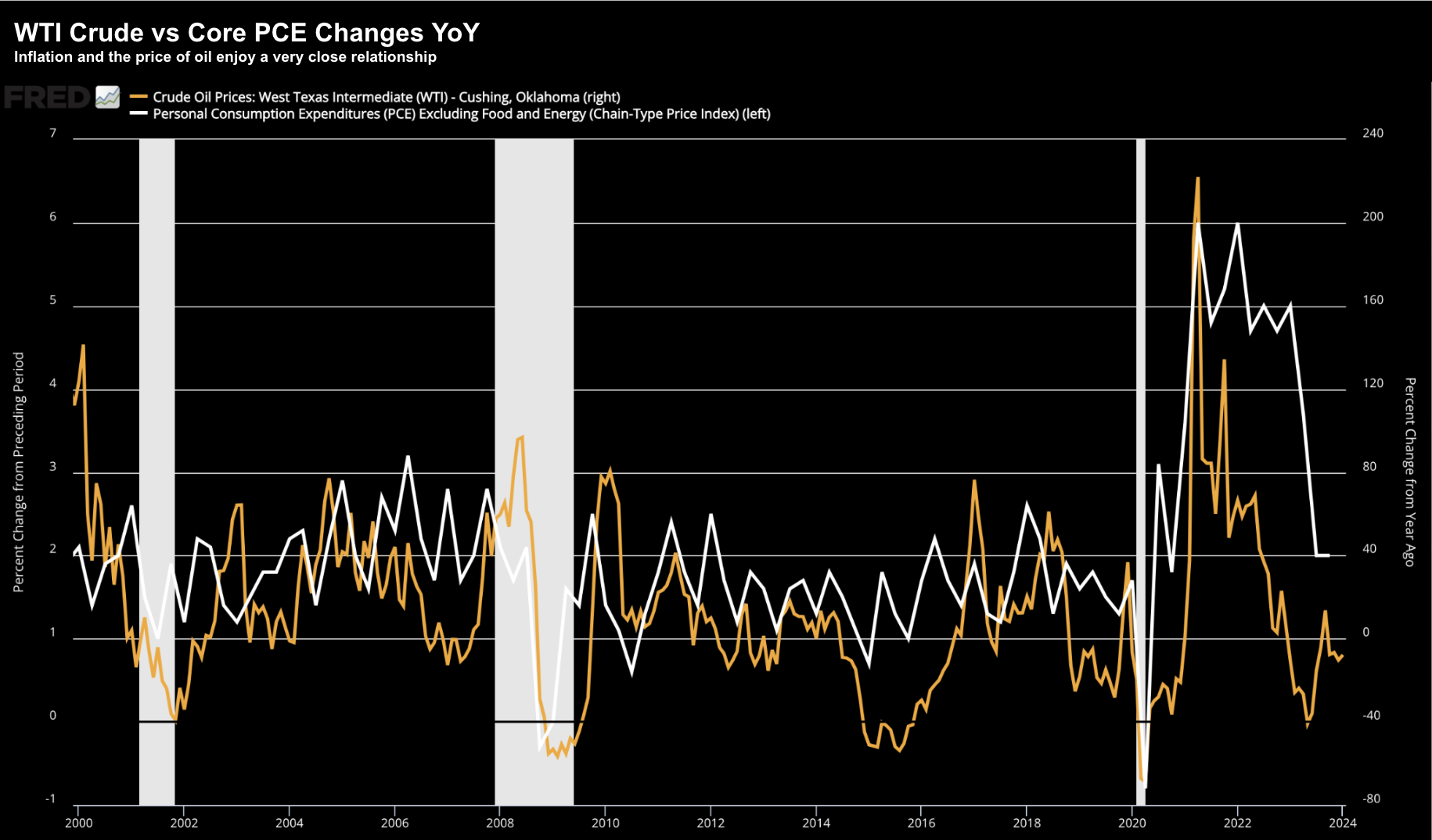
If there's one inflation indicator the Fed tracks more than any other - it's Core PCE (personal consumption expenditures). The PCE price index looks at U.S. inflation by measuring changes in the cost of living for households. It tracks the prices of a basket of goods and services, each with different weightings, to reflect how much a typical household spends every month. Today we learned that Core PCE continues to soften - which is good news. Question is does this give the Fed further scope to cut rates sooner rather than later?

EPS Growth of 12% with 6 Rate Cuts? Really?

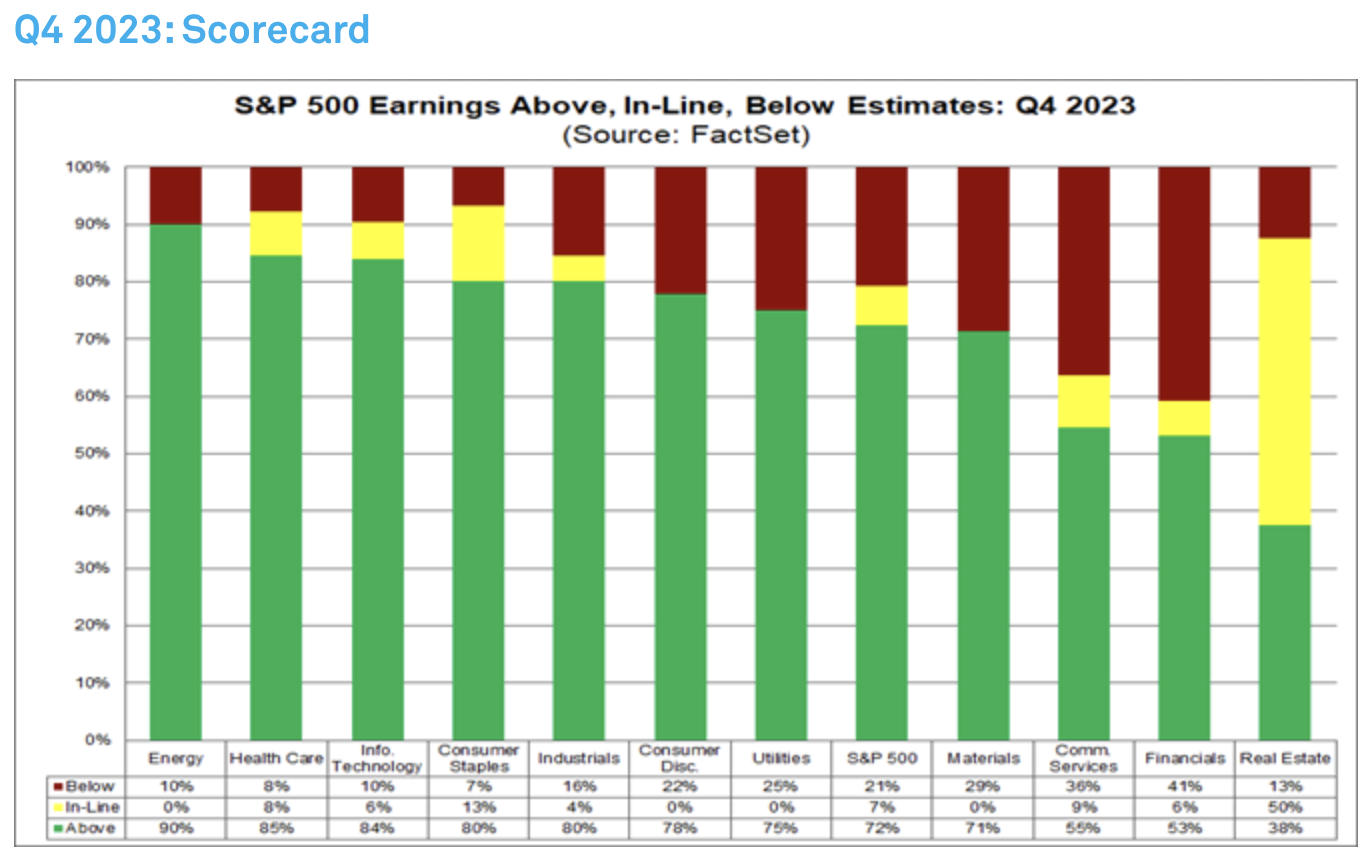
Over the past couple of months - I've been trying to reconcile the following: (i) can the market achieve 12% EPS growth; and in parallel; (ii) see the Fed cut rates 5 or 6 times this year? I ask this question as that's what the market is pricing in. It feels like a contradiction. Can we achieve both? For example, if the Fed is forced to cut rates aggressively - what does that tell us about the health of the economy? I would assume it signals an economy in need of emergency assistance.