adriant

adriant

Bond Market Agrees with the Fed

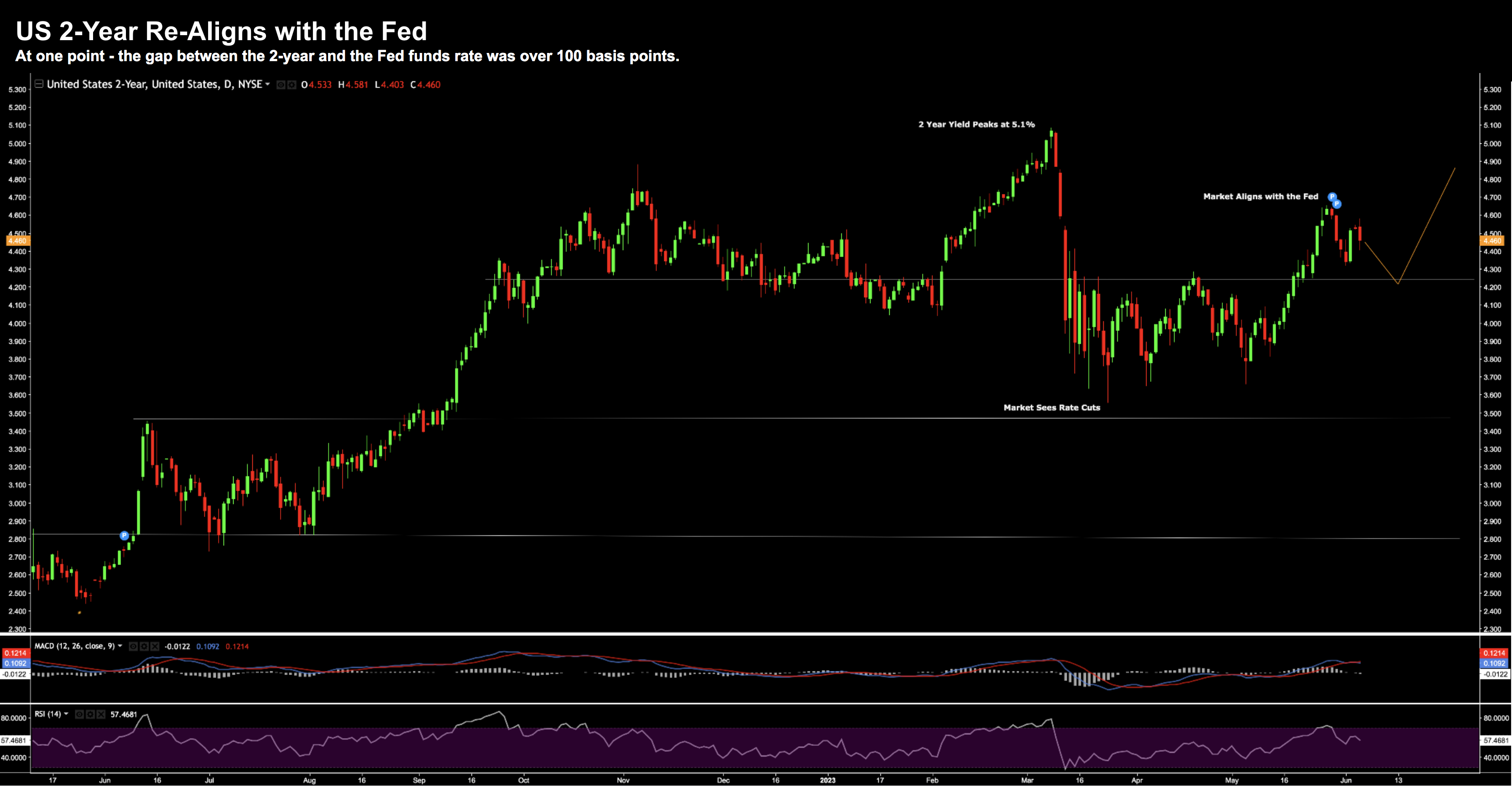
Two months ago - the bond market was at odds with the Fed. Fixed income markets felt the Fed were going to be forced to cut rates as many as three times this year. For e.g., the gap between the US 2-yr yield and the Fed funds rate was in excess of 100 basis points. At the time I questioned who would be right? Bonds or the Fed? Fast forward to today and the gap has closed considerably... bonds have now realigned with the Fed's way of thinking; i.e. expect higher for longer
Market Cheers ‘Strong’ Jobs Report

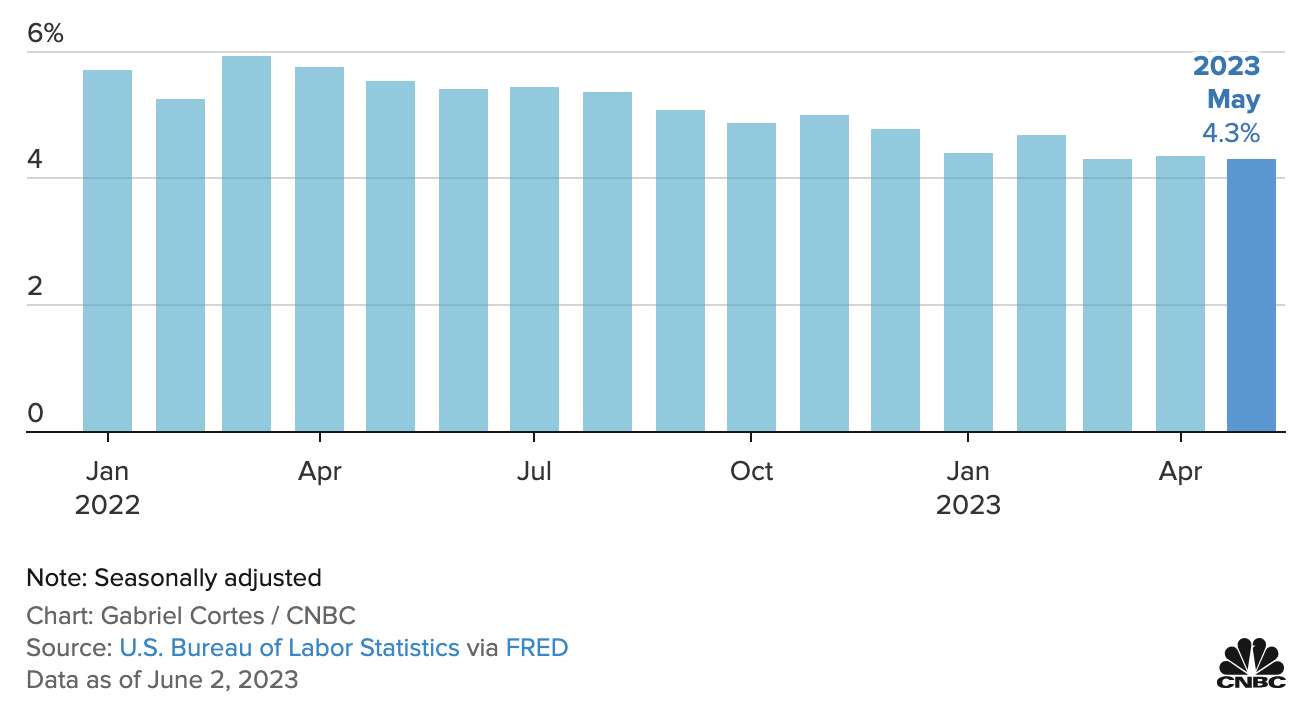
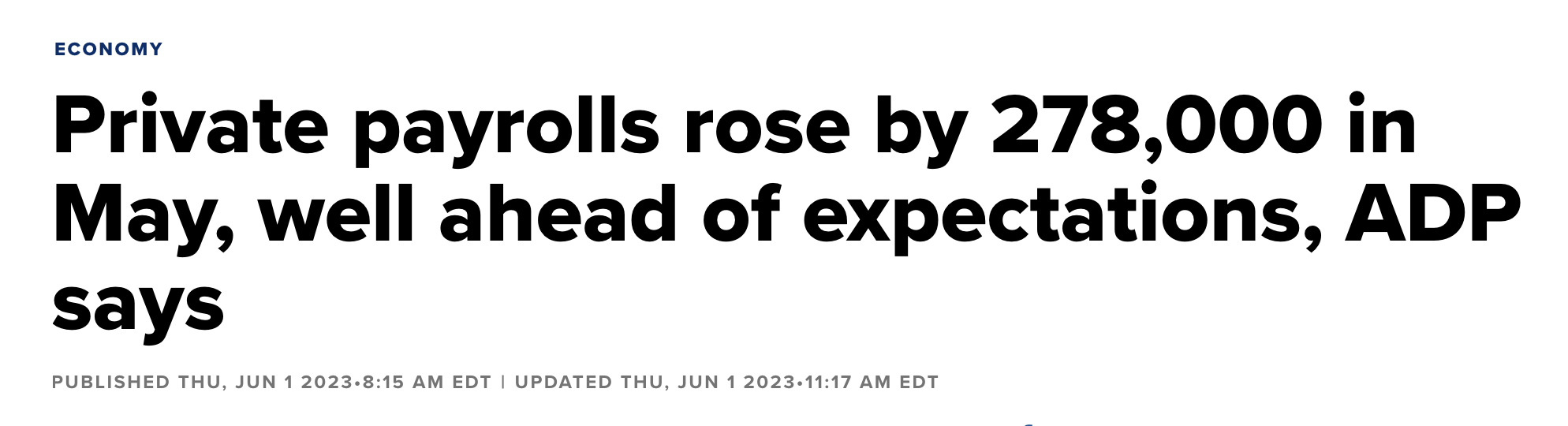
Payrolls rose 339,000 for May. That was well above the 190,000 expected - and what seems like a robust report. Is the economy really that strong? The devil is always in the details. From mine, I think the Fed will likely pause on a rate hike this month despite the so-called 'upside surprise'. For example, there is some 'soft' data in the report - soft enough for the Fed to not pull the trigger. Wage growth slowed and the unemployment rate ticked higher. Good news from the Fed's lens.

Fed Likely to Pause (for now)

With the debt ceiling deal behind us - markets will now focus on the next FOMC meeting. It's widely expected the Fed will pause on any rate hikes in June - especially given some of the underlying weakness in the jobs data. However, the market is not ruling out further increases later this year. I also take a look at AI boom in the market... call it "BoomGPT". Invest with optimism but do it with your eyes open.

Could $1.1 Trillion in ‘T-Bills’ Suck Out Liquidity?

Over the weekend, financial media reported a deal in principle to raise the debt ceiling. Based on all reports, the deal sets a two-year spending cap, kicking in October 1. Now if Washington DC agrees to at least slow its spending - they're likely to be doing it during an economic slowdown. And this could have a near-term impact on economic growth and the valuations of risk assets. What's more, if Treasury are permitted to issue $1.1 Trillion in fresh T-bills - what will that do to liquidity? Will banks deposits start looking for a (higher return) home?

Ignore the Debt Ceiling Noise

Mainstream media remain fixated on 'debt ceiling' negotiations - warning of a "financial catastrophe" if this doesn't get done. This is the 78th time we have hit the so-called debt ceiling. And how many defaults has there been? Zero. A deal will get done. And if we are presented with a sell-off in markets - then it represents an opportunity.

Excess Liquidity Still Present 

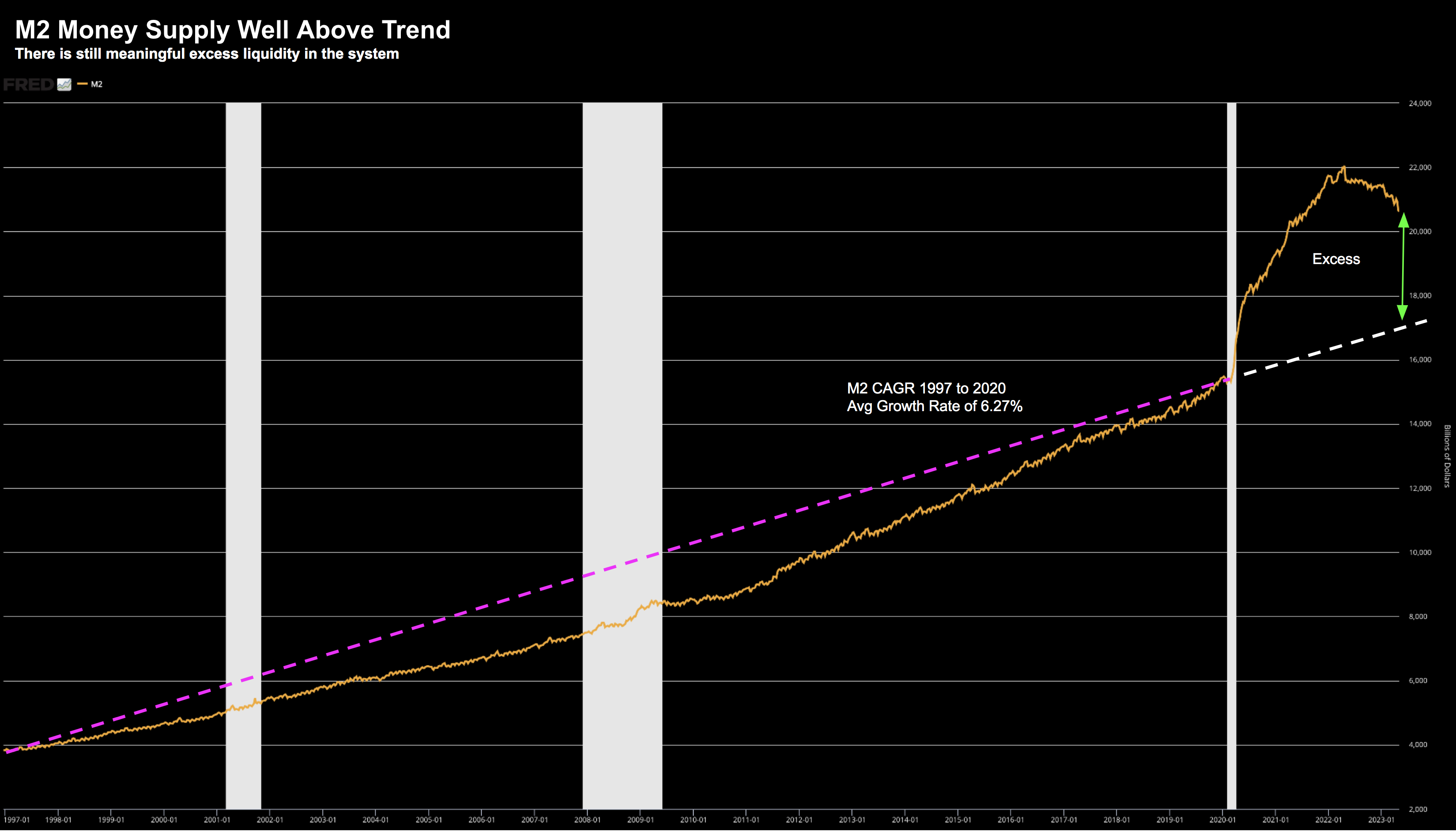
Many people seem puzzled as to why the market continues to trade higher. For example, some readers have told me they missed the rally - wondering why things have not completely unravelled sooner. They've chosen to sit things out for one reason or another. And that makes sense... I'm sure they are not alone. Why are markets defying gravity? And how long could it continue? The short answer for a while yet. And the driver is liquidity.

The One Thing Driving the Market 

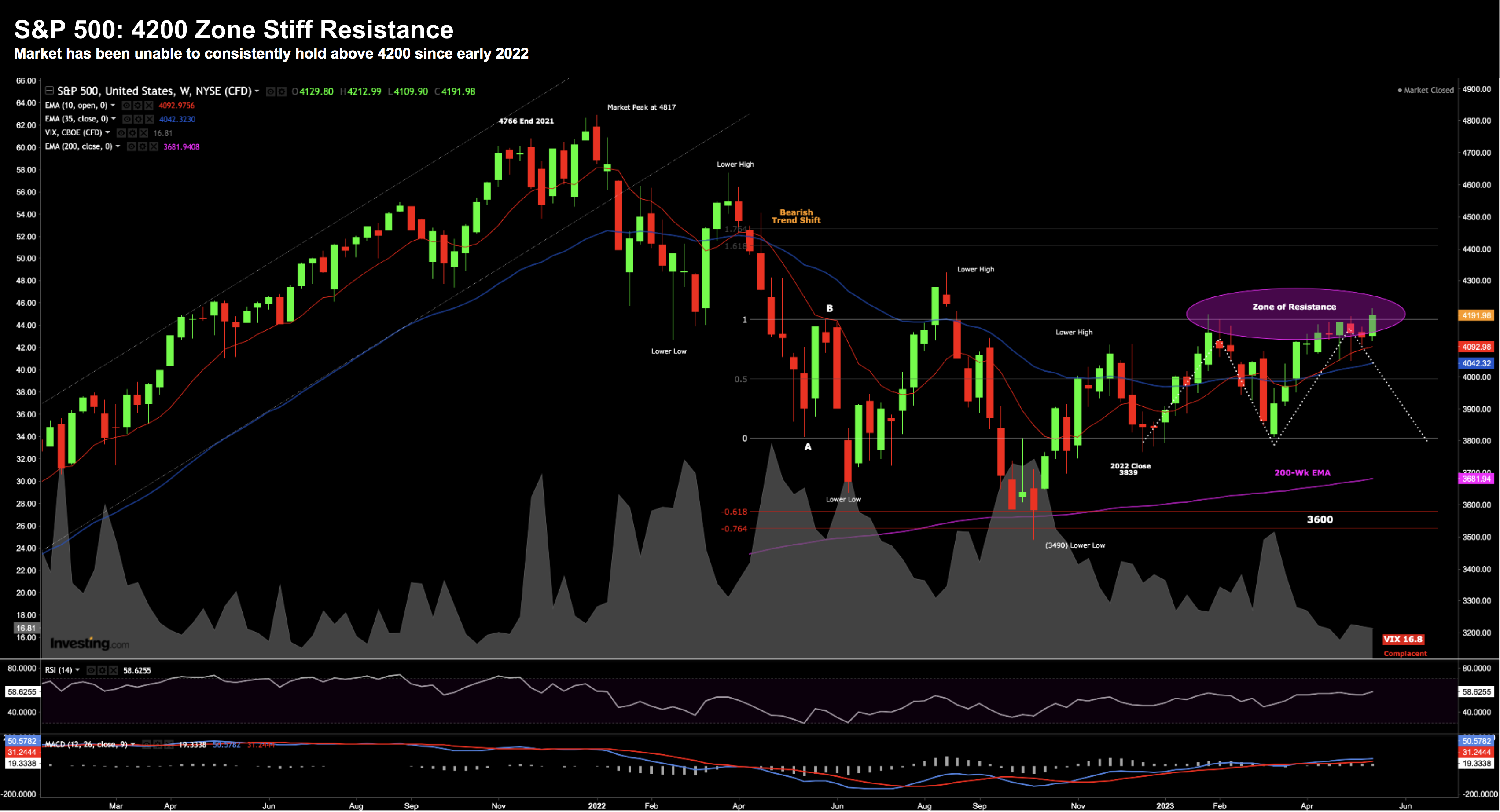
It's risk on. That's the market's sentiment. Question is whether that risk is worth it? There are only a handful of stocks carrying the market higher - a sure sign of both fragility and bearishness. Are there are only "10" stocks that can grow? We have not seen a market this narrow since the dot.com bust. Now should names like Amazon, Google, Apple, Microsoft, Meta and Tesla pull back from nose-bleed valuations - the whole house comes down with it.

Surface Cracks Appear in Credit

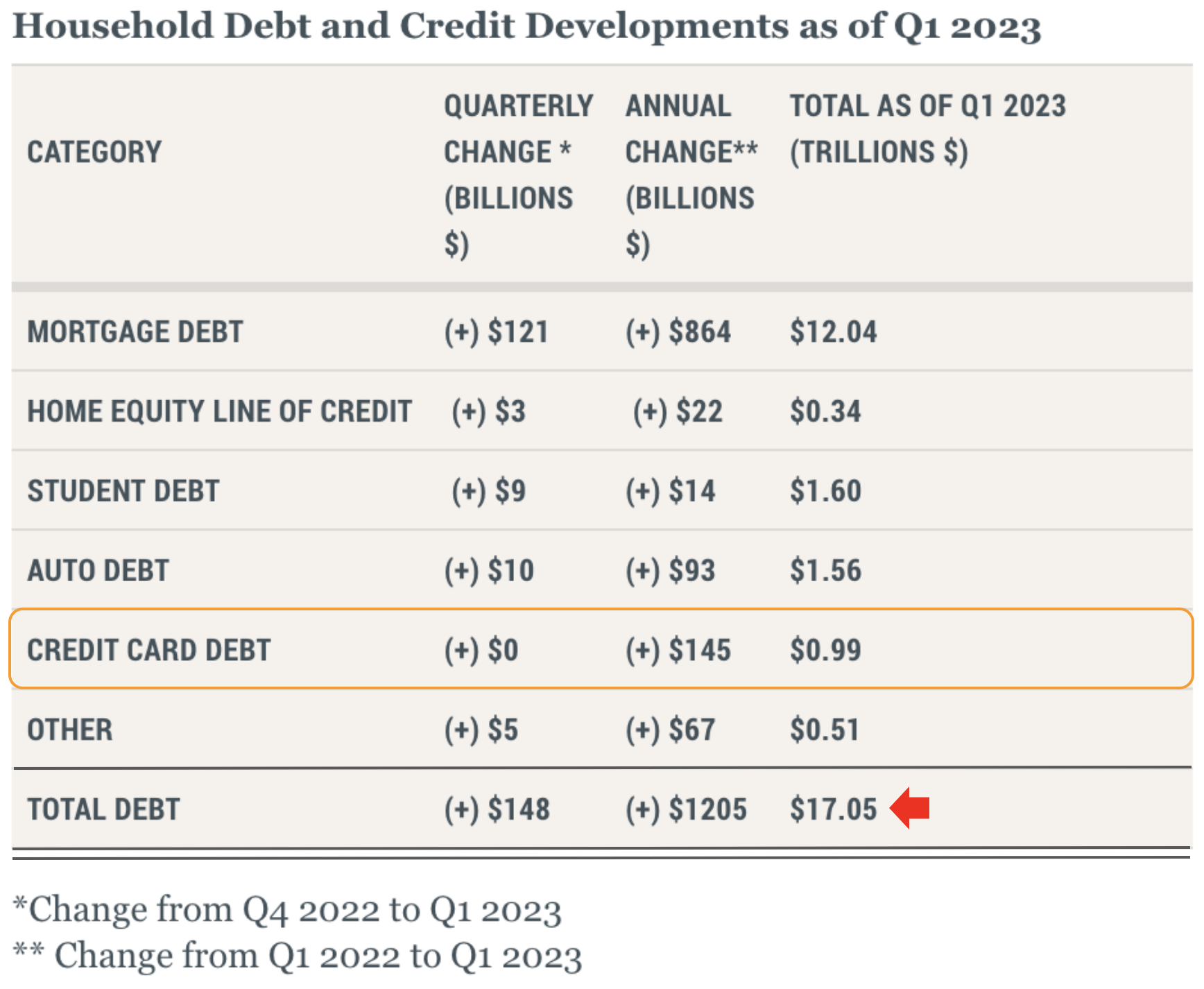
If there's one thing that keeps the US going... it's the availability of cheap credit. Love it or hate it - the US is a credit driven economy. If credit dries up - it's goodnight nurse. The US consumer now owes close to $1Trillion on their credit card - a 17% jump from a year ago and a record high. More than 33% U.S. adults have more credit card debt than emergency savings

Expensive and Risky

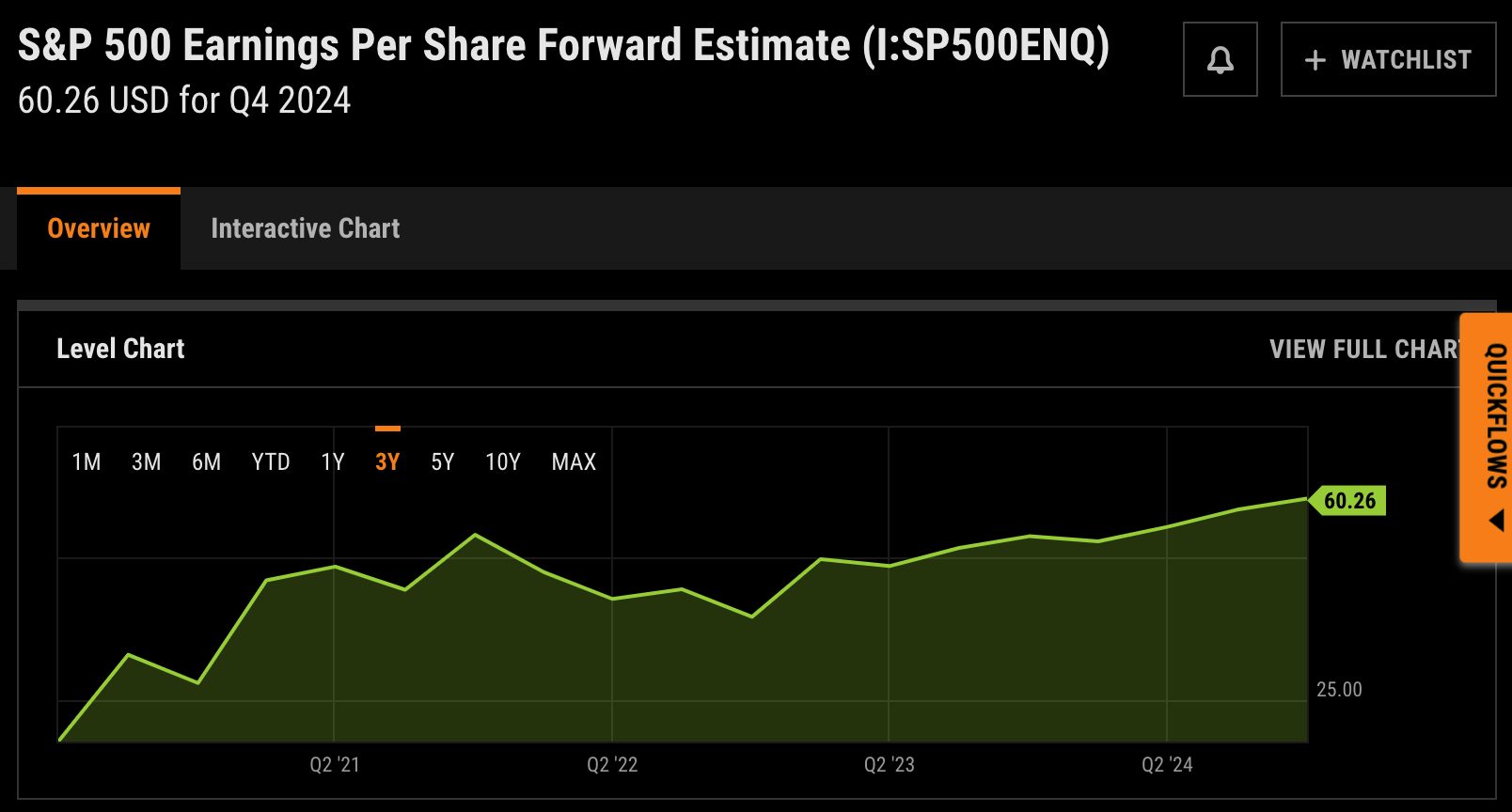
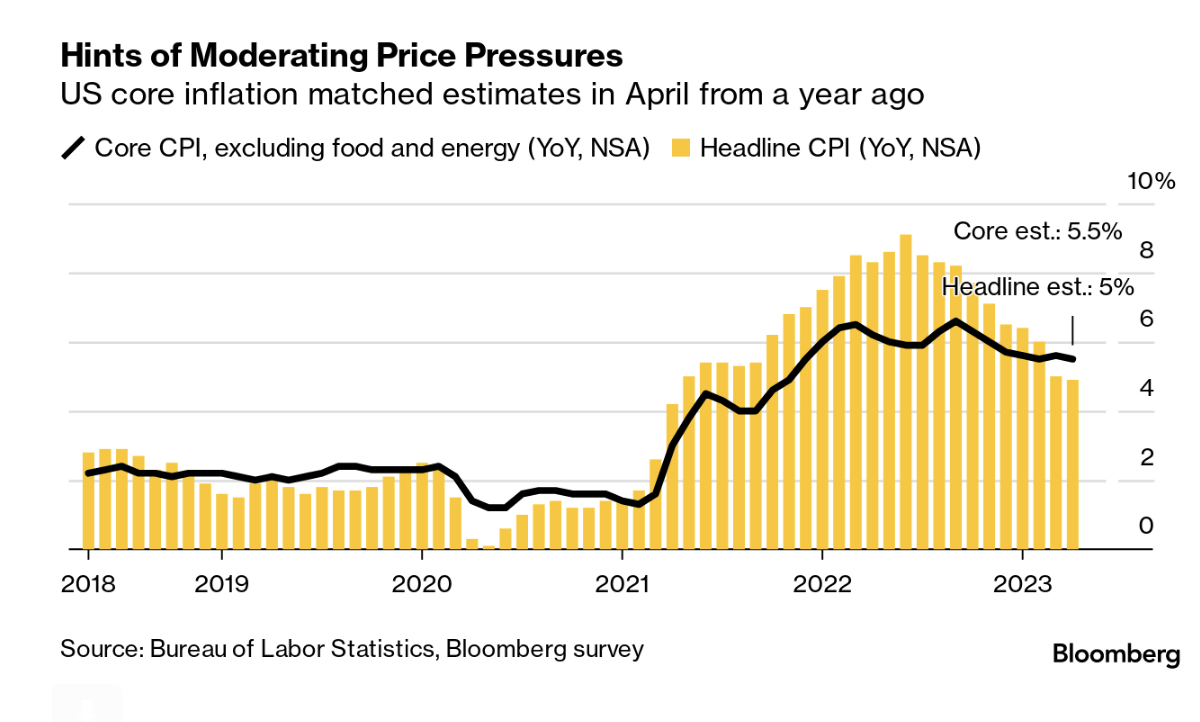
Stan Druckenmiller - one of the greatest investors of all time - is issuing a stark warning. Tread carefully. He echoes much of my sentiment of the past few months; i.e. not only do I think the market is fully valued at 19x forward earnings -- it represents meaningful downside risk. What concerns me most is what the market assumes will happen over the next ~6-9 months. E.g., at the time of writing, it sees rates being slashed three times this year. Is that realistic with Core CPI YoY is still traveling around 5.5%? It also sees earnings growth. Will that happen opposite a recession? It's a long list of assumptions...

Should We Cheer the Latest Inflation Report?

April Consumer Price Inflation (CPI) headline came in at 4.9% - its lowest level since Feb 21. However, Core CPI was 5.5%. As we know the Fed are more focused on Core. Here's what the Fed will be watching - it's all about labor and shelter.