
Category AI

NVDA Valuation Analysis: AI Capex, Free Cash Flow, and Market Reality NVDA Valuation Analysis: AI Capex, Free Cash Flow, and Market Reality

NVDA Valuation Analysis: AI Capex, Free Cash Flow, and Market Reality

Markets are shifting from AI euphoria to demanding real cash flow. Private credit cracks, circular AI financing, and stretched valuations are raising hard questions about sustainability. As growth slows and multiples compress, 2026 is shaping up to be a true “show me the money” year for investors.
Private Credit vs 2008: The Hidden Risks of the Leverage Loop Private Credit vs 2008: The Hidden Risks of the Leverage Loop

Private Credit vs 2008: The Hidden Risks of the Leverage Loop

Private credit has grown into a $1.8 trillion market built on leverage loops, opaque valuations, and covenant-lite lending. With banks exposed via $300B in loans and AI disruption threatening cash flows, the real risk isn’t visible market losses — it’s hidden architecture that could transmit stress back into the financial system

Agentic AI and the Future of SaaS: Disruption vs. Structural Destruction Agentic AI and the Future of SaaS: Disruption vs. Structural Destruction

Agentic AI and the Future of SaaS: Disruption vs. Structural Destruction

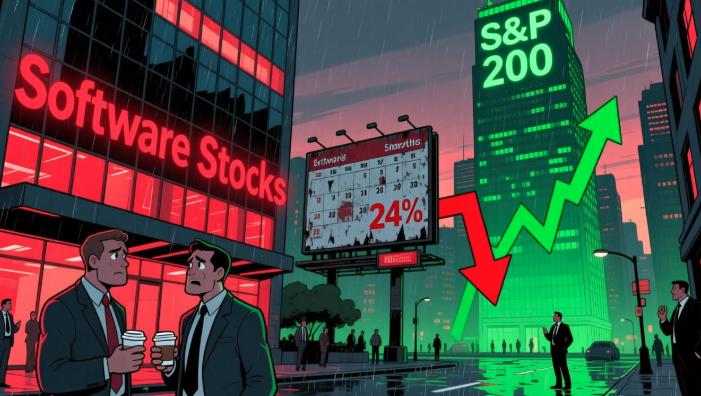
Markets weigh Agentic AI”s threat to traditional application layers. Will AI enhance existing workflows or structurally impair legacy SaaS business models? From blanket euphoria to strategic redistribution On the surface, you could be forgiven for thinking the S&P 500 looks…

The AI Red Queen Race: Why Massive Capex and Market Cycles Signal a Rotation to Value The AI Red Queen Race: Why Massive Capex and Market Cycles Signal a Rotation to Value

The AI Red Queen Race: Why Massive Capex and Market Cycles Signal a Rotation to Value

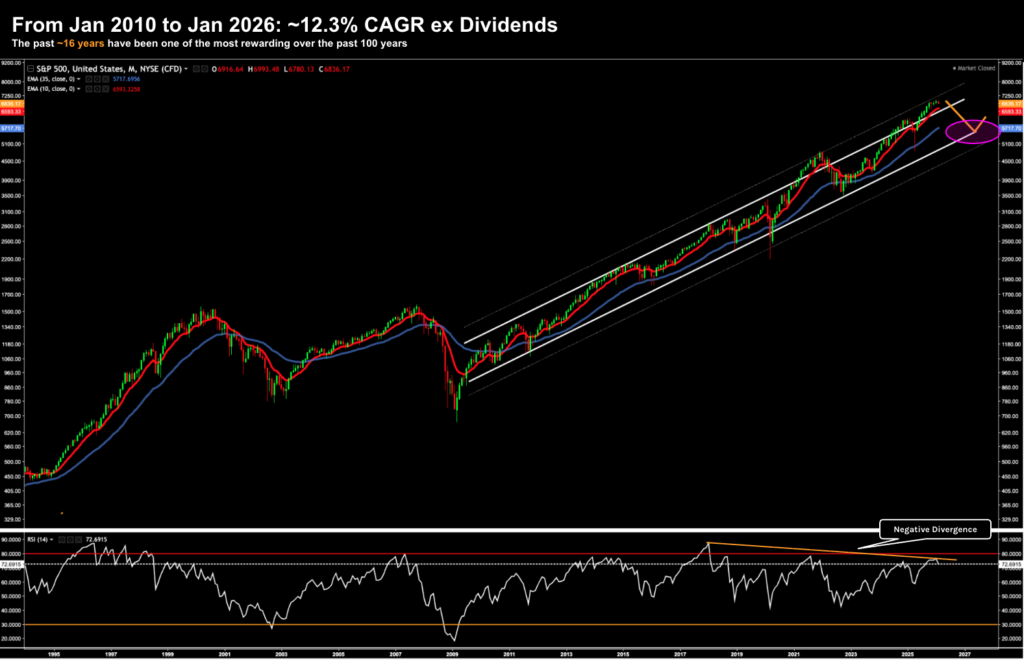
From an index perspective, it has been a lackluster start to the year. At the time of writing, markets have made very little ground over the first 6 weeks. The good news – it”s still early. However, given the incredible…

The AI Adoption Gap: Applying the Toothbrush Test to Generative AI Valuations The AI Adoption Gap: Applying the Toothbrush Test to Generative AI Valuations

The AI Adoption Gap: Applying the Toothbrush Test to Generative AI Valuations

While AI remains undeniably impressive, its transition from a helpful assistant to a mission-critical necessity is facing a significant adoption gap. With daily active use remains thin, investors are beginning to question the durability of "asset-light" returns as capital expenditure soars into the hundreds of billions. This shift from software-driven scalability to hardware-heavy reinvestment suggests a major reassessment of valuations is underway, as markets weigh the probability of long-term value capture against extreme multiples.

Valuing Apple’s Moat: Why Even the World’s Best Business Fails the 20x EV/EBIT Test Valuing Apple’s Moat: Why Even the World’s Best Business Fails the 20x EV/EBIT Test

Valuing Apple’s Moat: Why Even the World’s Best Business Fails the 20x EV/EBIT Test

In the last three months of 2025, the tech sector experienced what some called a “correction”. But what is a true correction? Technicians will be quick to say a drop of 10%. But for me that doesn”t work… I would…

The 2026 “Known Unknowns”: Why Demographic Shifts Signal a Growth Problem The 2026 “Known Unknowns”: Why Demographic Shifts Signal a Growth Problem

The 2026 “Known Unknowns”: Why Demographic Shifts Signal a Growth Problem

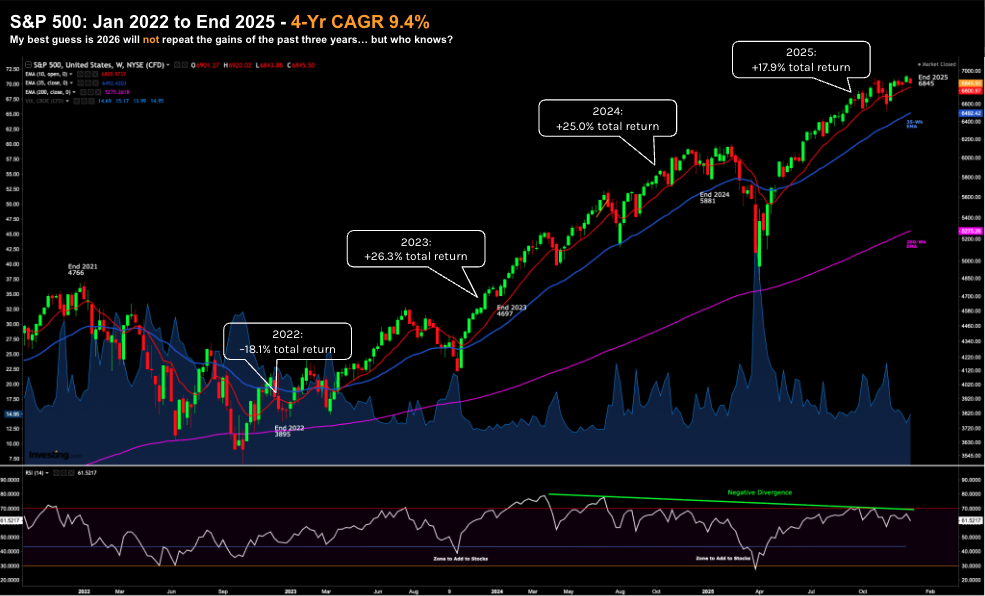
After three years of spectacular gains, 2026 demands a strategic pivot. I outline five critical themes determining market direction: rising unemployment risks, sticky inflation, a hawkish Fed, AI capex scrutiny, and a steepening yield curve. With valuations stretched, the easy money is gone. Investors should prioritize high-quality assets and cash optionality, preparing for a potential 15–20% correction. The focus now shifts from chasing momentum to preserving capital and awaiting reasonable valuations.

Baby QE & Fed Group Think: Why 23x Forward Earnings Signal a Decade of Zero Returns

Things That Make You Go Hmmm

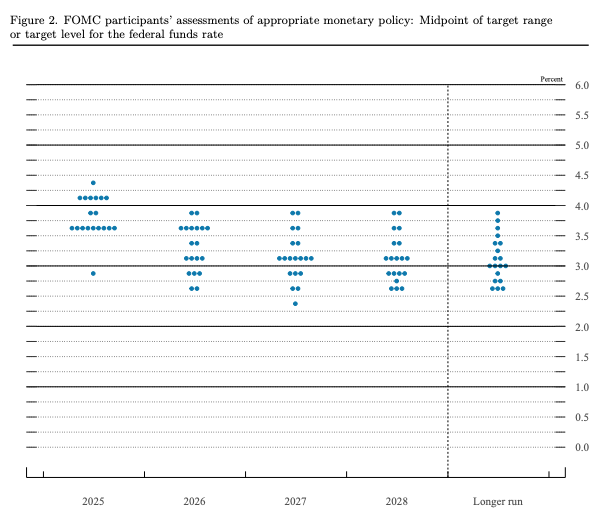
The Fed just delivered a "Christmas gift" with a 25bps cut to 3.75% and a surprise $40B monthly balance sheet expansion—essentially "Baby QE." While markets hit record highs, FOMC "group think" may be masking a deteriorating labor market and looming 2026 tariff inflation. With fwd PEs at ~23x, history warns that subsequent 10-yr returns are often near zero.

The Fourth Shift: The AI ‘Honey Pot’ and Late-Cycle Dynamics Demand Strong Cash Position

3-Years Since ChatGPT Launched… What’s Changed? 

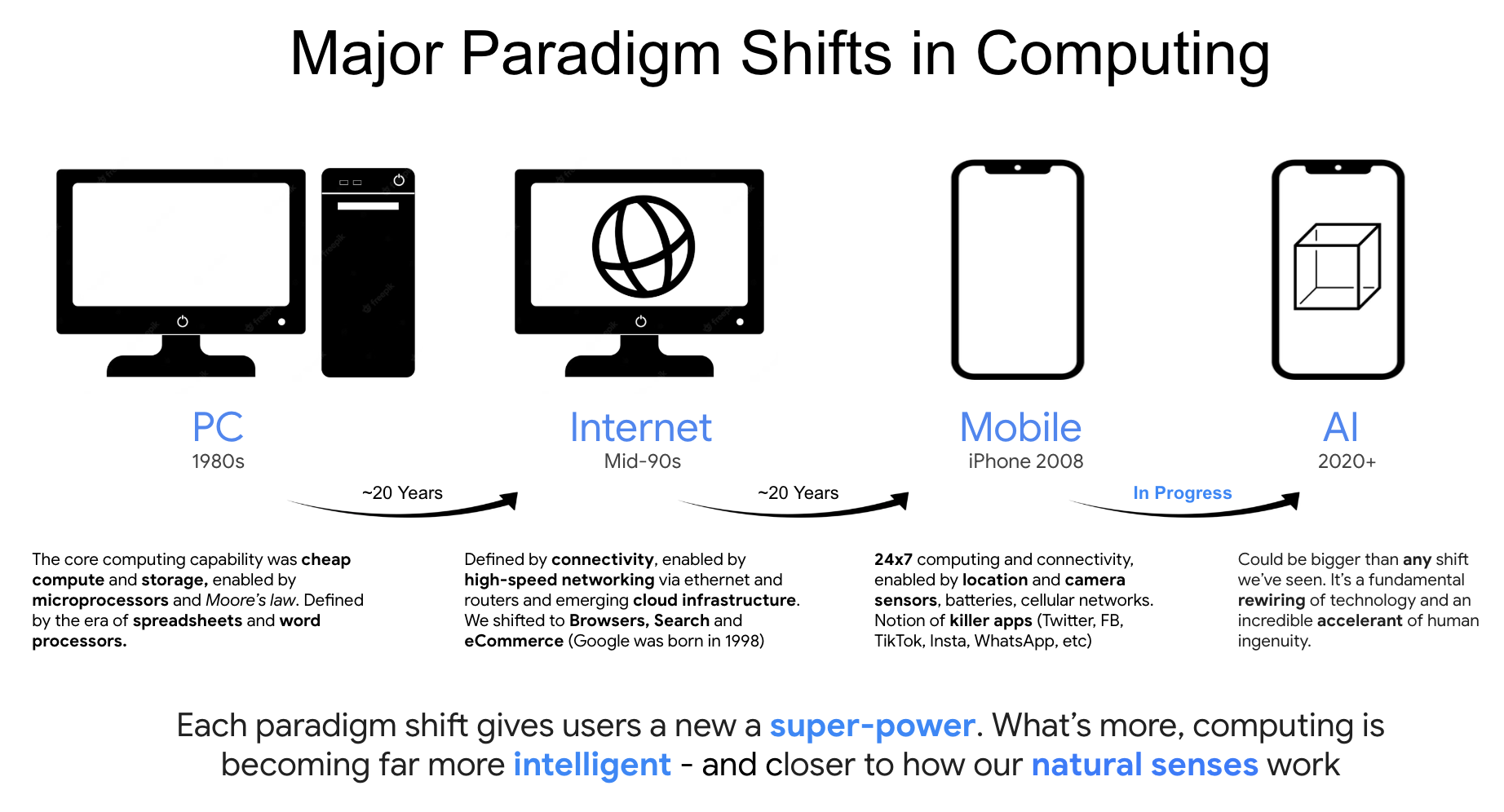
The seismic shift triggered by ChatGPT 3 years ago reminds me of 1995 when Netscape hit our screen. But as we approach the year 2000 - several "greey swans" emerged. Could 2026 be similar. This post discusses some of the possible risks looming for next year. This AI revolution has many of the hallmarks we saw some 30 years ago; i.e., creating extreme capital concentration in giants like Nvidia. As we enter what I think is a late-cycle phase, our focus shifts to systemic risks—from AI disillusionment to credit volatility.

The Asset-Heavy Trap: Why Nvidia’s 65% Growth Can’t Outrun a 48x EV/EBIT Multiple

Nvidia’s (Expected) Beat Was Not Enough… 

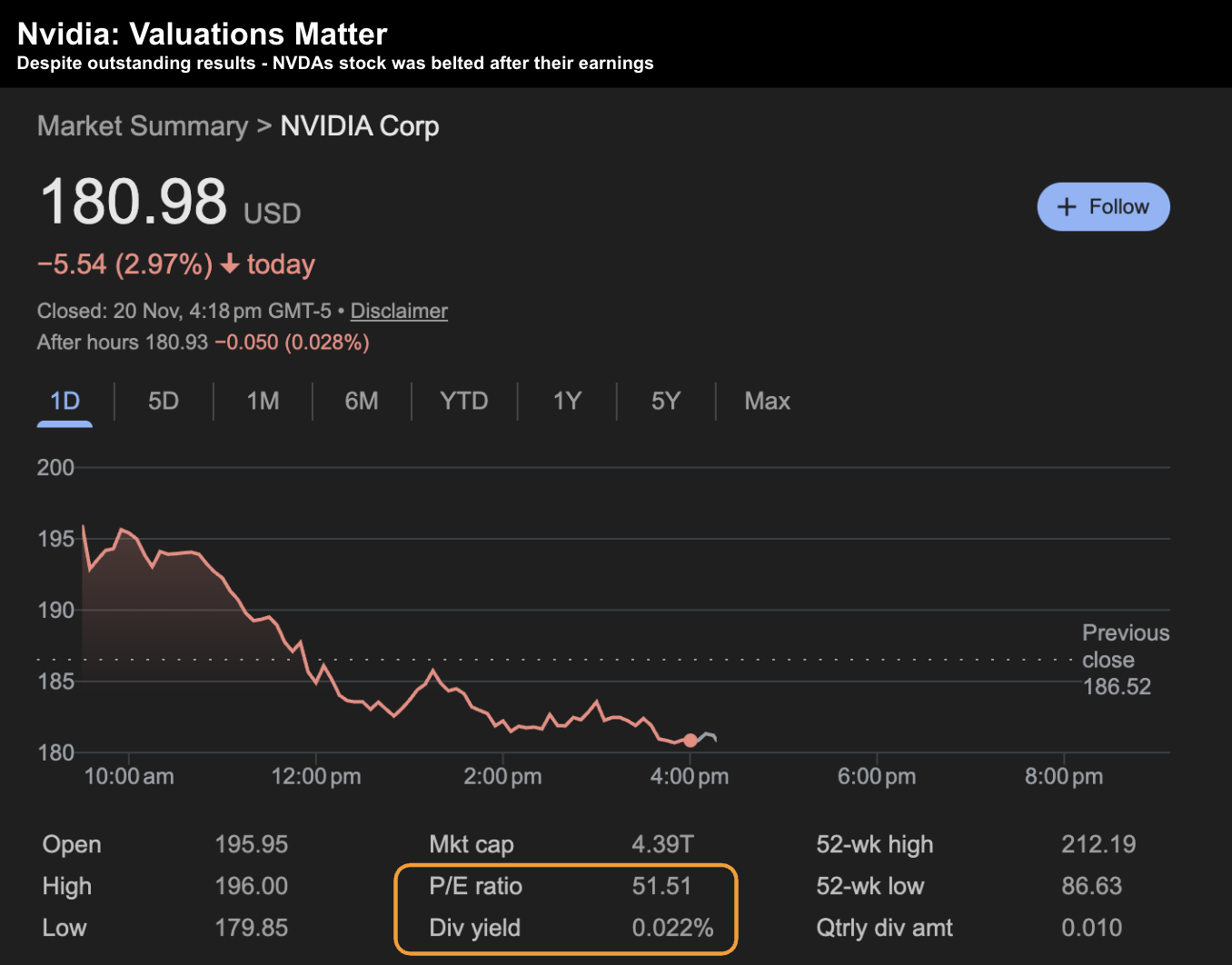
Nvidia's earnings beat—reporting 62% YoY revenue growth and projecting $65B in Q4—solidified its position as the AI chip leader. Yet, the question for investors is not if the AI boom is real, it's how much you pay? The massive AI capital expenditure by giants like Google and Meta is transforming them from "asset light" platforms to "asset heavy" infrastructure owners. This shift, coupled with the unanswered question of whether the returns on this spending will justify the massive increase in assets, is fueling investor unease and market momentum loss