Category Apple

Finding Value in Apple’s $3+ Trillion Moat Finding Value in Apple’s $3+ Trillion Moat

Finding Value in Apple’s + Trillion Moat

In the last three months of 2025, the tech sector experienced what some called a “correction”. But what is a true correction? Technicians will be quick to say a drop of 10%. But for me that doesn”t work… I would…

Why You Should Avoid Paying Too Much

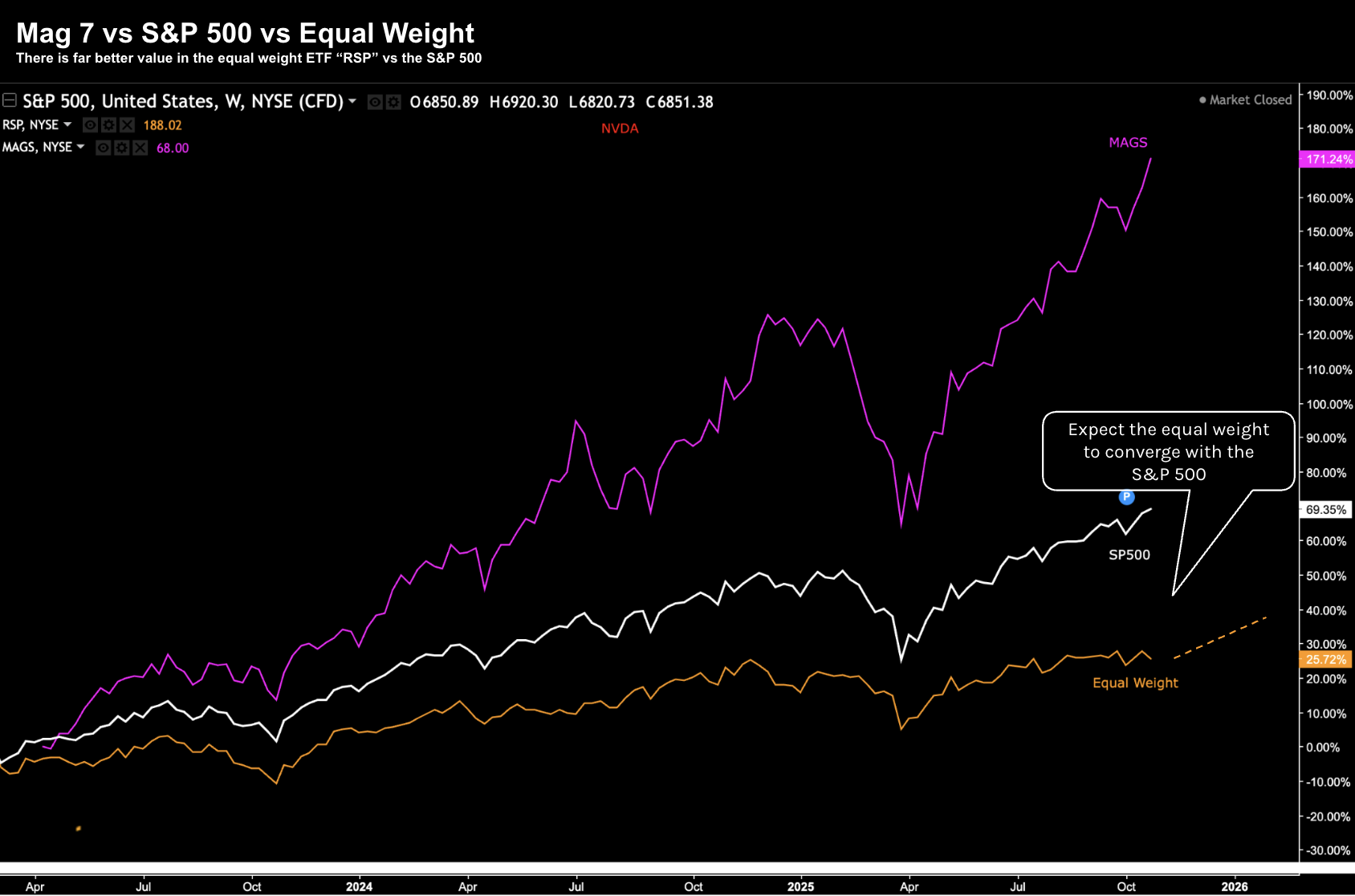
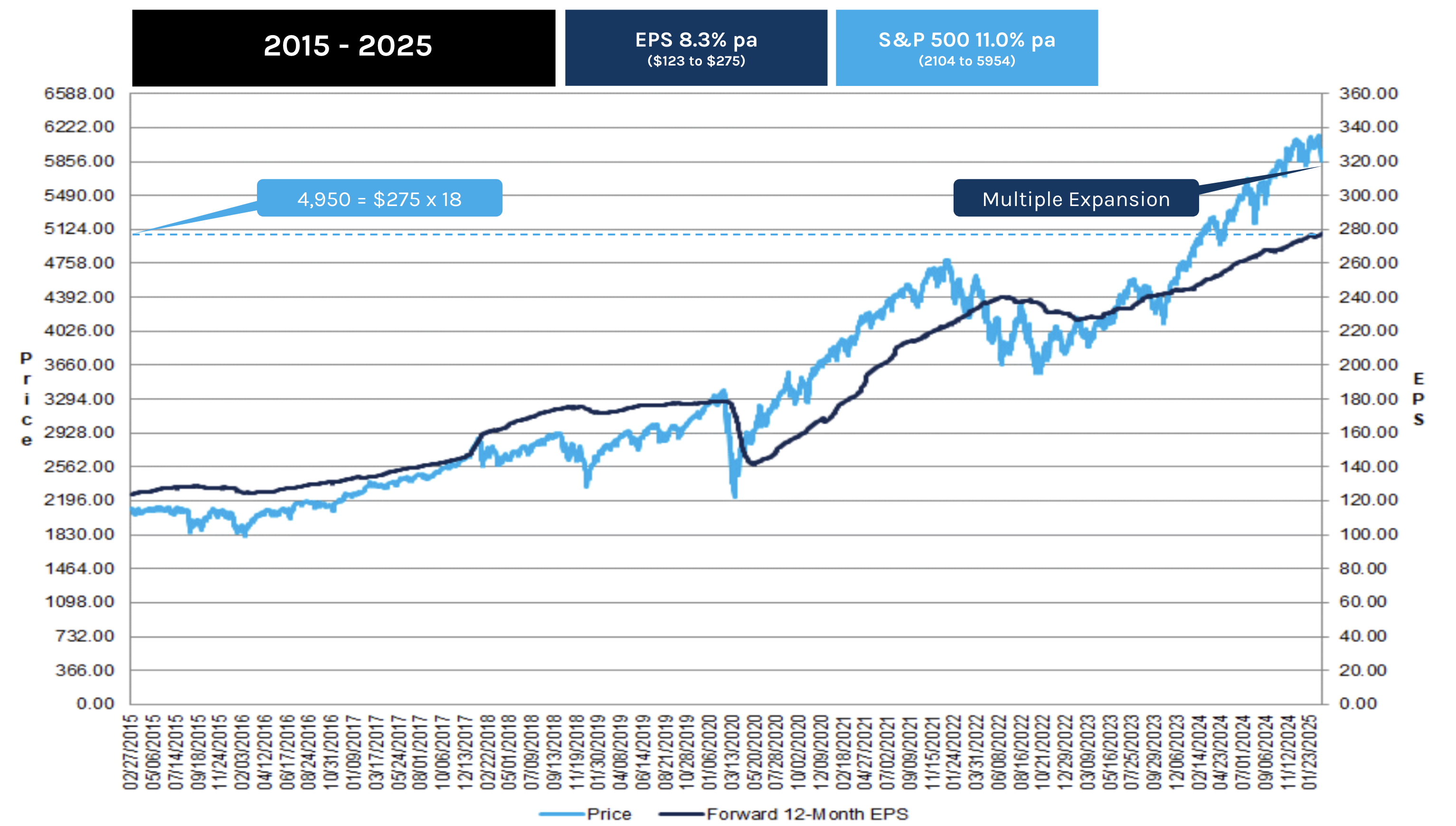
It’s very tempting to chase AI and "Mag 7" gains, but your long-term returns are ultimately determined by the price you pay. With the S&P 500 trading near 25x forward earnings and the Shiller CAPE ratio flashing warnings similar to the 2000 dot-com bubble, the market is lofty territory. History is clear: investing at such elevated valuations drastically lowers subsequent 5 and 25-year returns. While FOMO is powerful, be cautious. As a long-term investor, focus on the risk of what you could lose, not just what you might miss

Large Cap Tech: Cautious on Guidance

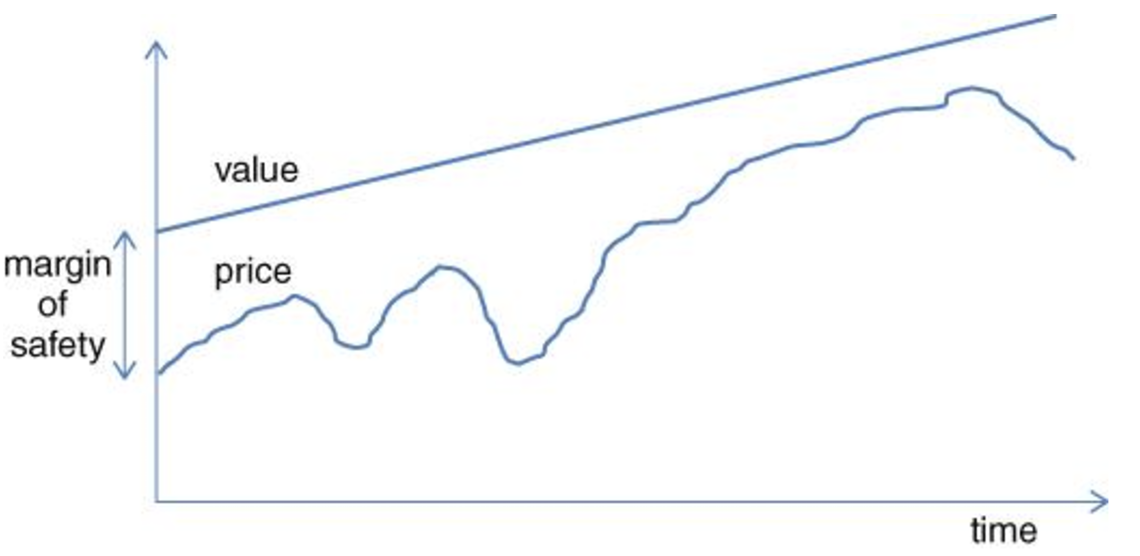
When Charlie Munger was asked the secret to his success - he answered “I’m rational.” Rational is not paying "33x forward earnings" for a company like Apple or Microsoft - despite their quality. Rational is also not selling the S&P 500 when it plunges to trade at just 16x forward earnings - because you are worried about a possible recession. Rational is adding exposure to high quality assets when they are at or below their long-term mean. And the more below the mean they trade - the stronger your (long-term) conviction should be.

2025 – Finding Quality at Reasonable Prices

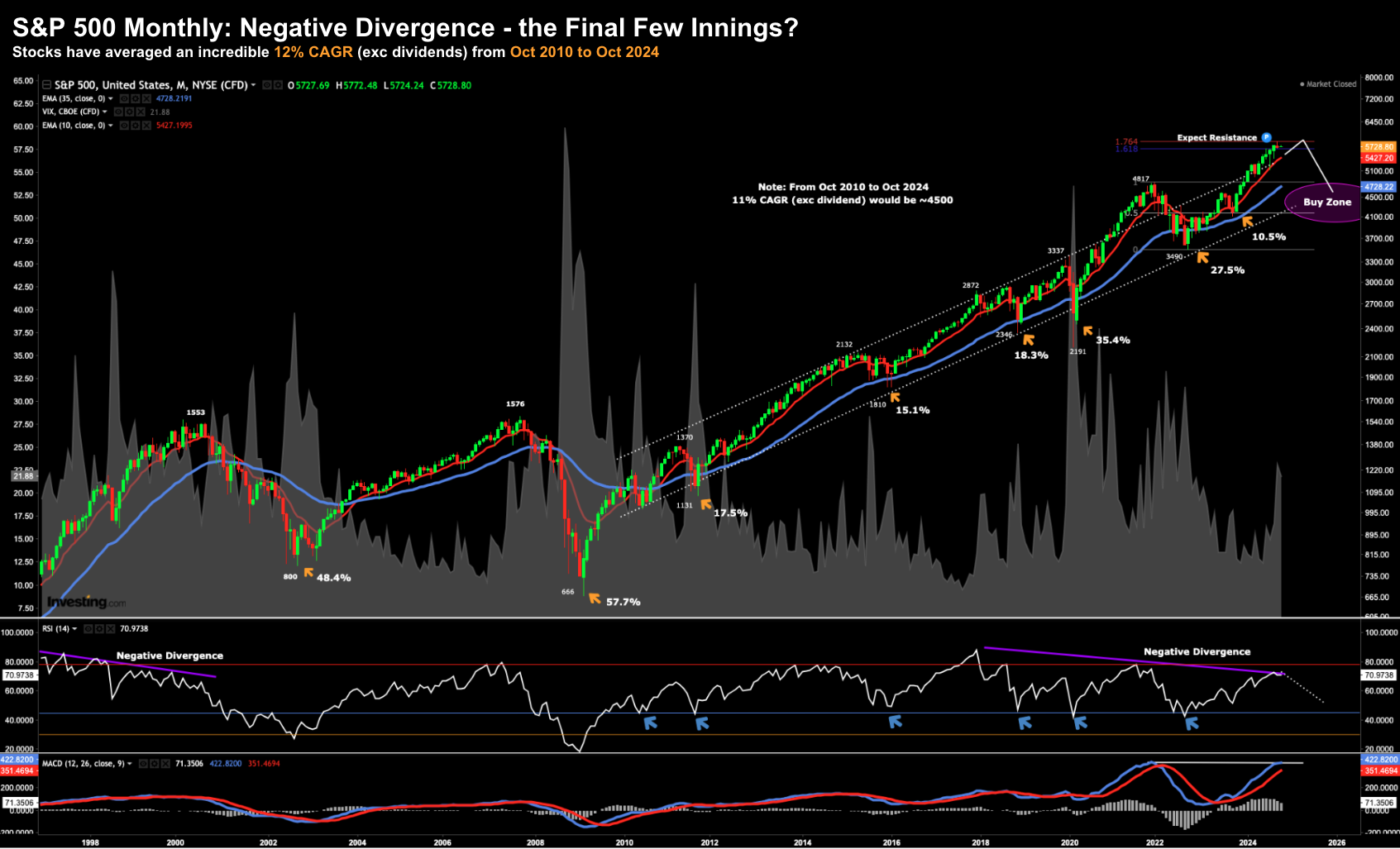
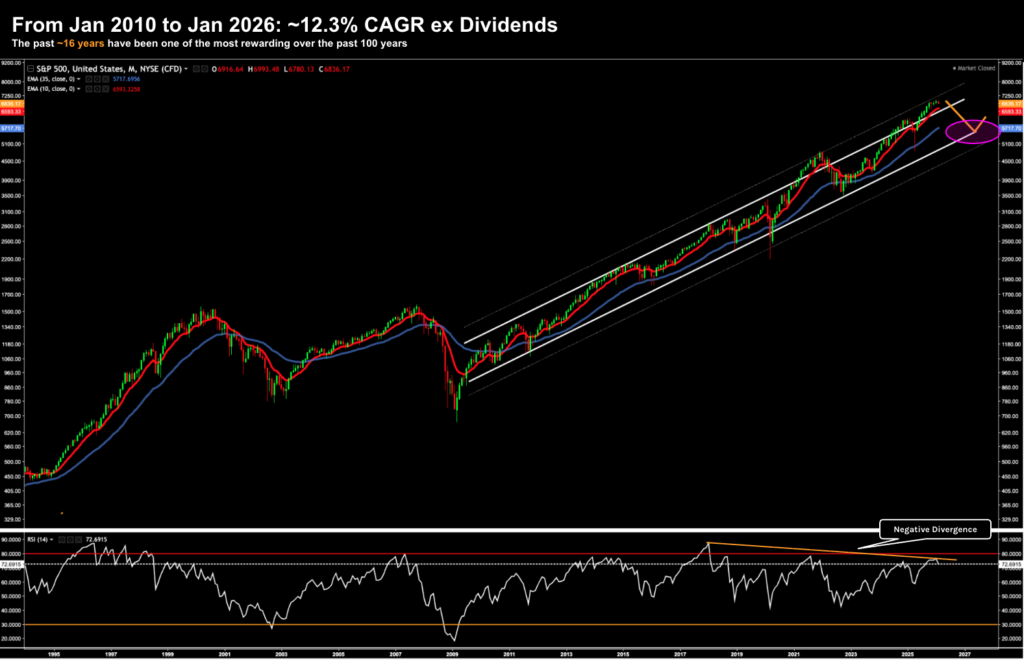
The S&P 500 recorded a 23.3% gain for 2024. For the first time since 1998 - posted two consecutive years of gains above 20%. Not bad right? Well if we extend our time horizon to include 2022 - the market's CAGR is just 7.2% (below its long-term average of ~8.0% exc dividends) Mmm. Not as good. And over 5 years - the S&P 500 CAGR is is 12.7%; and over 10 years its 12.4%. It's important we measure results over a period of at least 5 years (preferably 10). 2-3 years is a very short amount of time... where all kinds of distortions will happen. But over time - these distortions are always corrected. My point? Things always mean revert... and one should never 'cherry pick' dates to fit a narrative.

Stocks Pause on ‘Less than Magnificent’ Earnings

October - synonymous for delivering market jolts - passed with barely a whimper. However, it was the market's first negative month since April. Are stocks losing their mojo? In short, large cap tech earnings from five of the 'Mag 7' were less than magnificent. Meta, Apple and Microsoft all dropped post earnings. Google managed a small 5% rise initially - but gave it all back. Amazon managed hold gains of ~3%. This post talk to what the market expects from the nearly $1 Trillion in AI capex... and how their patience could be starting to wane...

Not All Consumers Are Spending

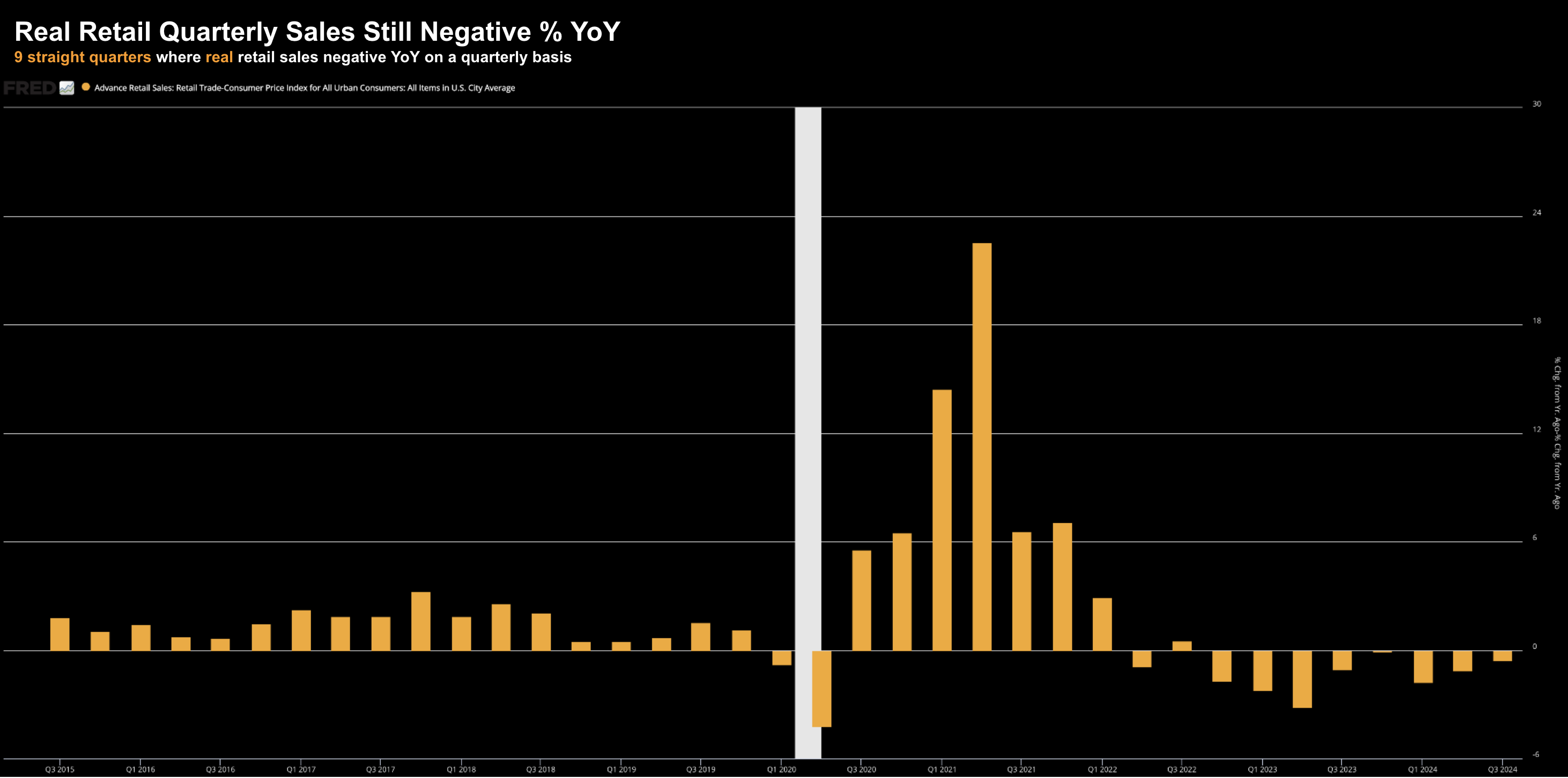
Never underestimate the U.S. consumers want to spend. Well some of them at least. Last month's retail figures exceeded expectations - up 1.7% YoY in nominal terms (not adjusted for inflation). But here's the important point - these are nominal sales and only one month of data. One month is not overly helpful. When averaged over one quarter (which helps remove noise) - adjusted for inflation ( real terms) - and assessing the year-over-year change - growth is negative. And they have been negative in real terms for 9 straight quarters... this matters.

Smart Money Sells Big Tech… Invests in NKE & SBUX

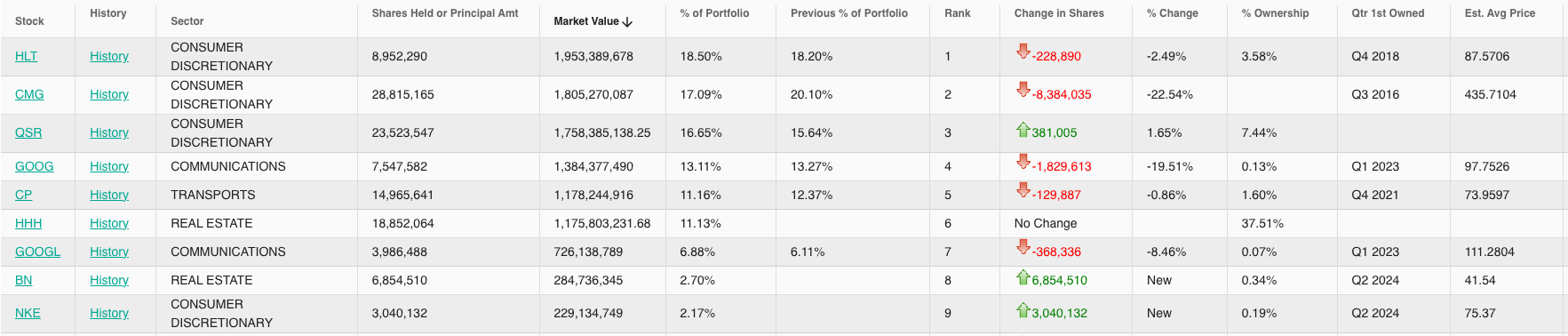
Something I do four times a year is pore through something known as "13Fs". A 13F is a quarterly report that institutional investment managers with over $100 million in assets must file with the US Securities and Exchange Commission. And whilst these filings are submitted around 45 days after the quarter ends (e.g. August 15 deadline for June 30 quarter end) - they offer us insight into how the "smart money" is thinking about certain assets. Some names I follow include (not limited to) Warren Buffett, Bill Ackman, David Tepper, Howard Marks, Stan Druckenmiller and Seth Klarman. Now there was a consistent trend during Q2 - where large cap tech exposure was being reduced.

Divergent Signals

The market is wildly enthusiastic about all things "AI". If you're a company - and you don't have an AI narrative - the market doesn't want to know you. However, I also think this is potentially a blind spot. AI will undoubtedly be important and will change the way we do things (as we effectively re-wire tech) - but it's a tool. For example, whilst Wall Street celebrates that an iPhone might be able to better answer our questions - Main Street sees things very differently. Do you think the majority of consumers understand the optimism on Wall Street? And similarly, do you think Wall Street understands why consumers are complaining?

Apple: Ready to Take Another Bite?

Apple is ~15% off its all time high as it lags its large cap peers. Concerns of iPhone growth and China have rattled investors. However, it's not unusual for this stock to pull back. Since 2107, we have seen 11 retraces - offering patient investors buying opportunity. From my lens, Apple is a reasonable long-term buy around $165. And if you can get it cheaper - add to it. Over the next 3 years - I think it will be well over $200 as earnings top $8.00 per share.

Something Doesn’t Add Up… 

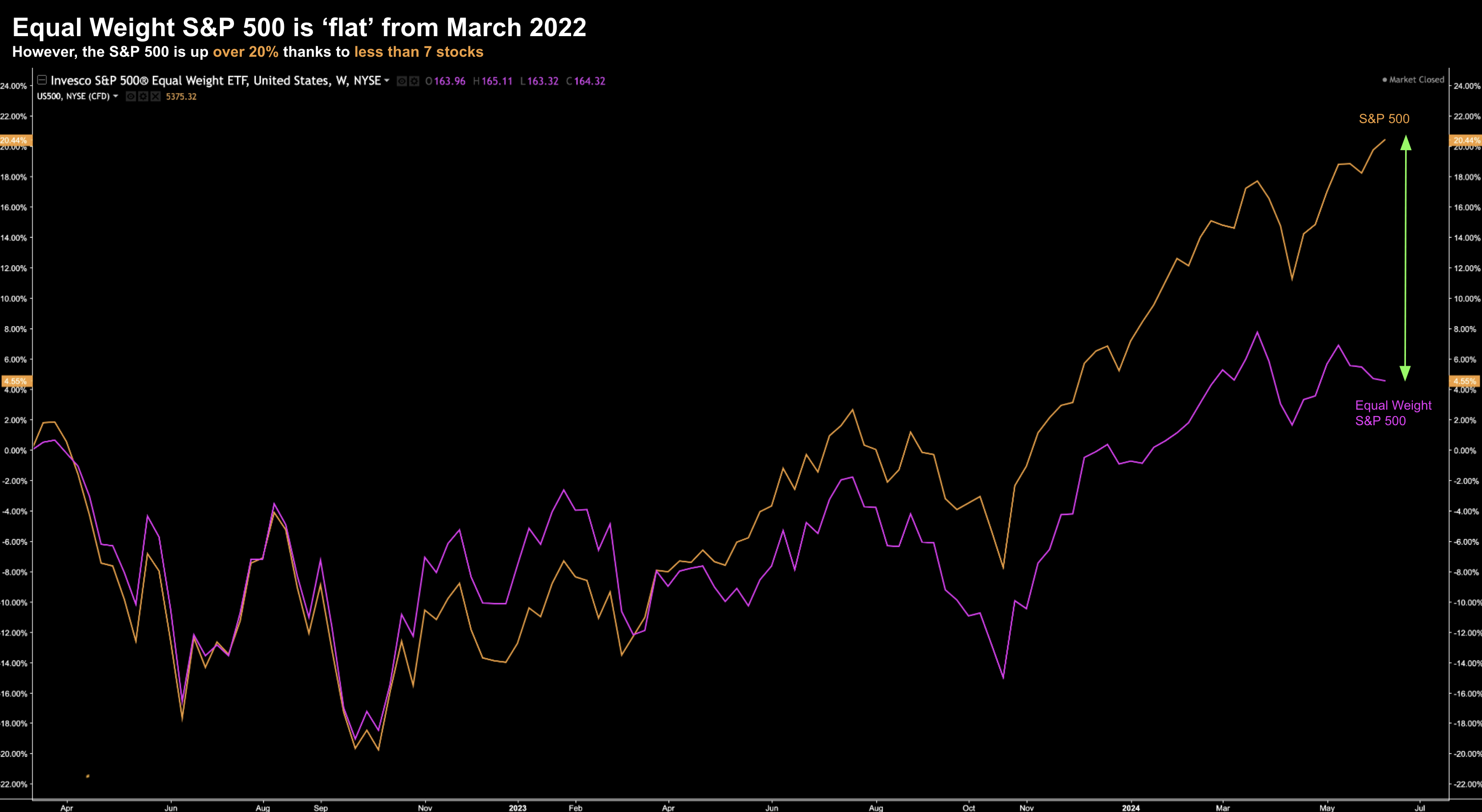
It's Nvidia's world and we're living in it (if you believe the stock market). The S&P 500 (and Nvidia) recorded all new highs post the AI chip maker's earnings. Be careful paying too much. The rapid rise in Nvidia's market cap has only seen the market narrow further. And from mine, that makes it more subject to both volatility and risk. Deutsche Bank’s Jim Reid dimensioned the risk another way. He shows how the Top 10% of stocks in the S&P 500 constitute ~75% of the total capitalization. We have not seen that since 1929! The only other time we saw something similar was the dot.com bubble...