Category Asset Allocation

Focus on High Quality in Challenging Markets

It's my thesis market returns over the next few years are unlikely to match what we've seen over the past decade. However, I'm also of the view that will create great opportunities for savvy patient investors who think long-term. This missive defines what is meant by "quality" investments - and the attributes investors should focus on. And if we are see a more challenging climate the next few years - it's higher quality assets which will shine.

‘Trump Dump’ Offers Opportunity

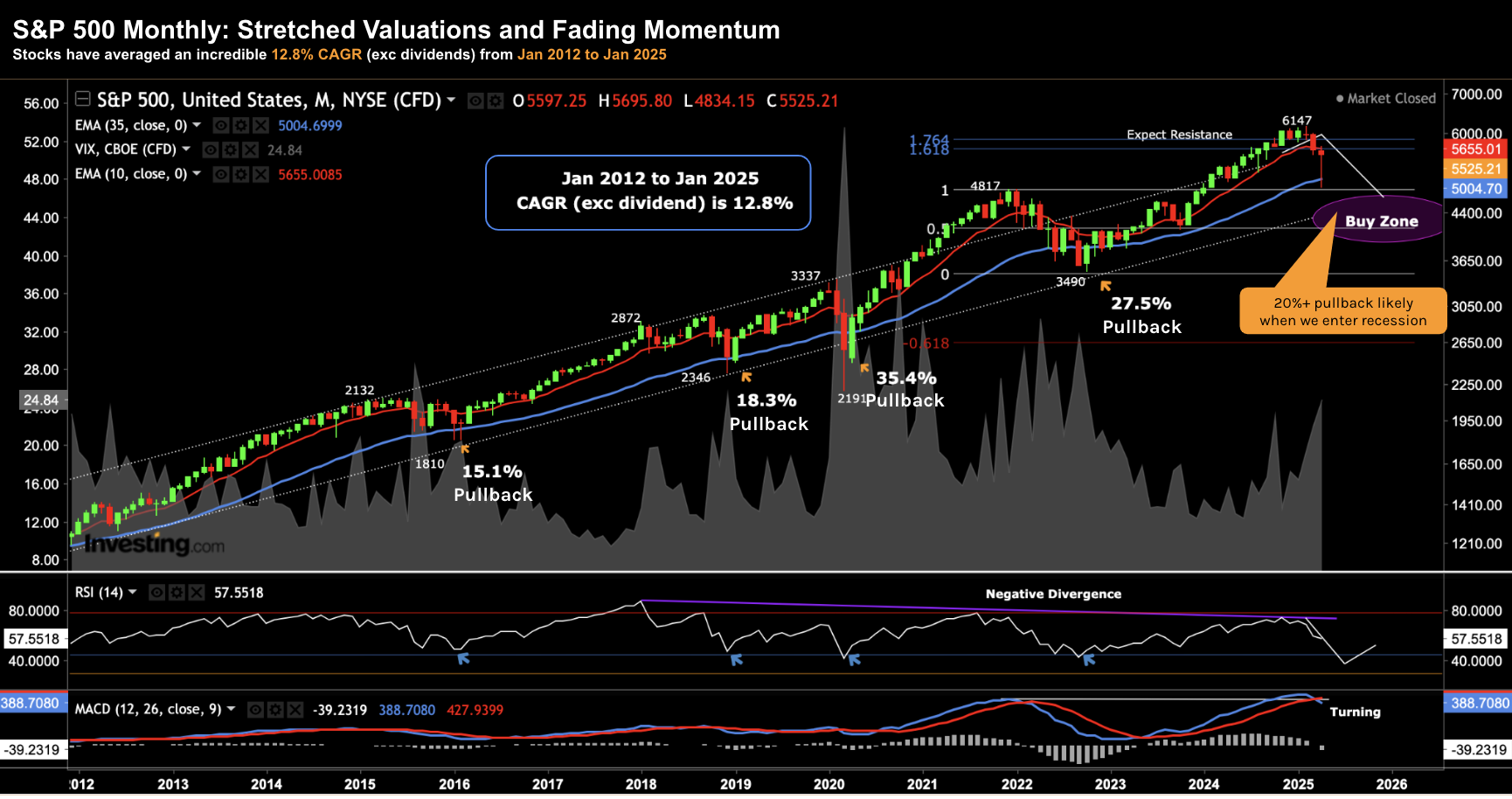
It's official... the stock market is now 'on sale'. Panic selling has set in with the VIX trading above 45 - something we have only seen 7 times over the past 25 years. For those who resisted chasing extreme valuations the past 12 months - your patience has been rewarded. Valuations have come down. In turn, the longer-term risk reward is now more attractive than what it was only a couple of months ago. But these are rare times. For e.g., it was the only third time this decade that the S&P 500 shed more than 10% in two days.

Uncertainty Weighs

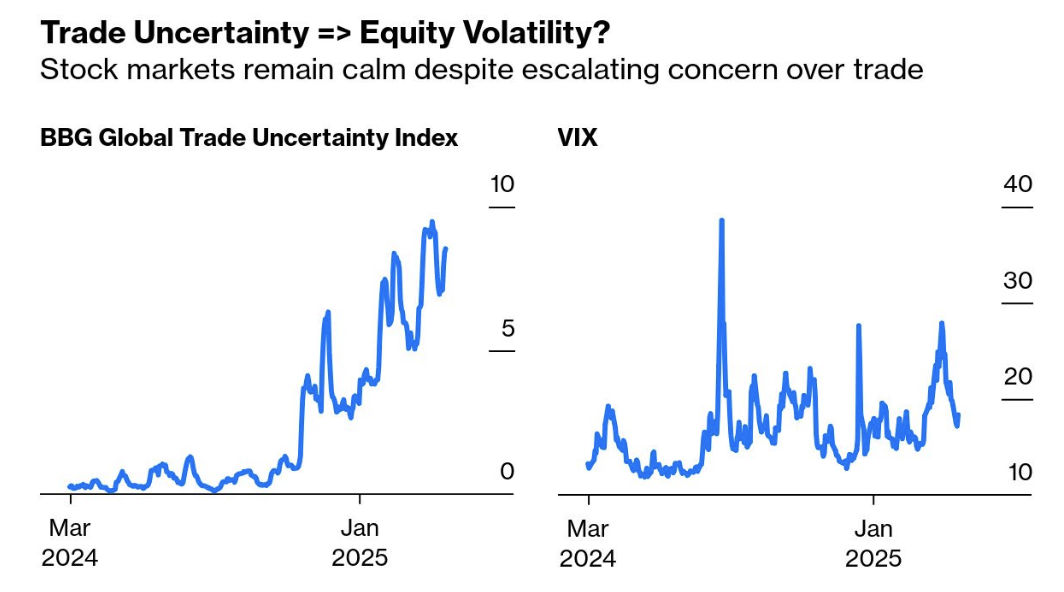
It doesn't take much these days to knock investors off balance. This week it was Trump's 25% on auto tariffs and a slightly hotter-than-expected inflation print. Tariffs are inflationary... a tax on the consumer. And with (services) inflation remaining stubborn... it gives the Fed very little wiggle room to cut rates. In combination with various geopolitical developments and aggressive government spending cuts from the Department of Government Efficiency (DOGE) - this has pushed policy uncertainty to its highest levels since late 2020.

Markets Hedge as Momentum Wanes

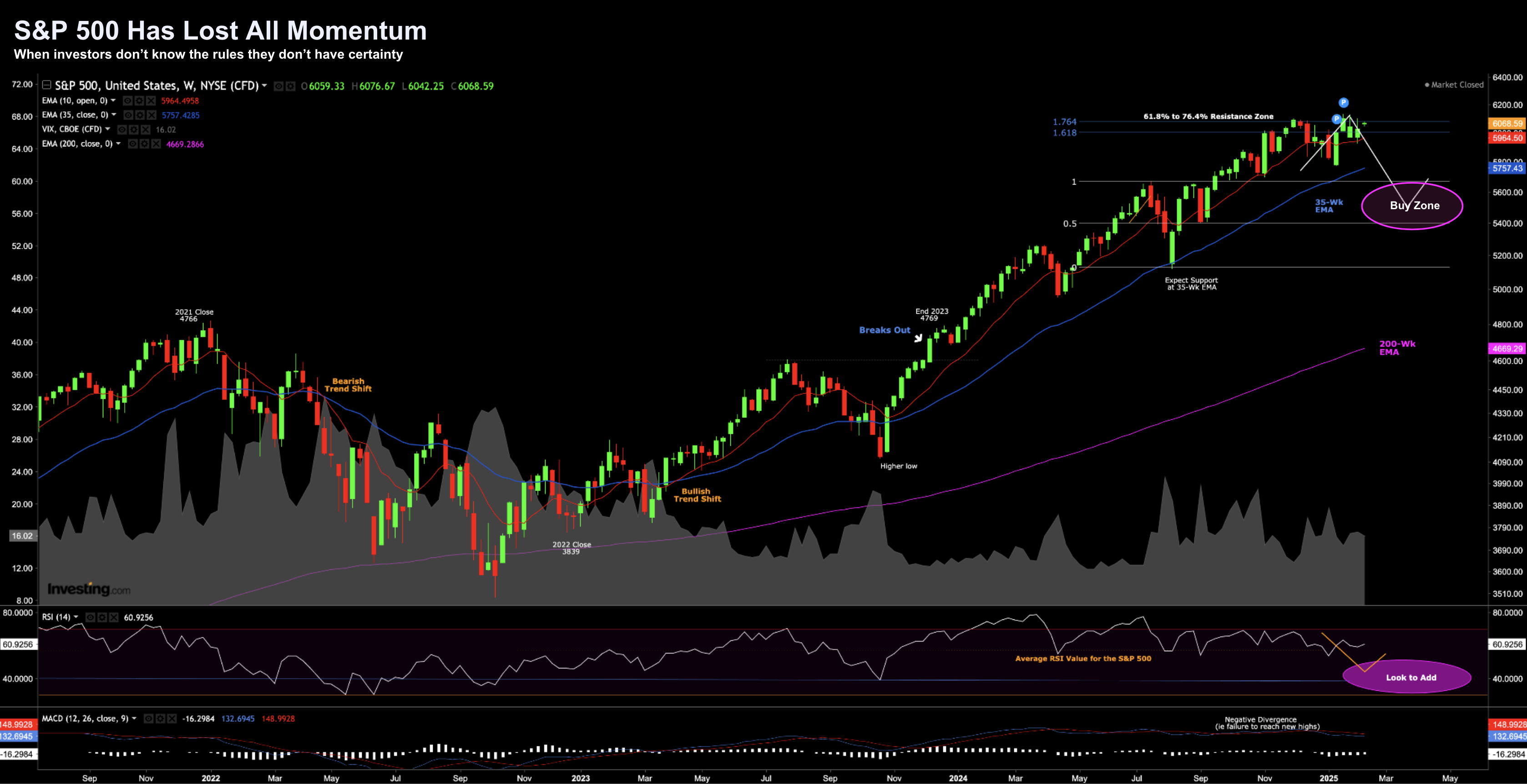
As an investor - it's very important to know the rules. For example, if the rules are constantly influx - it leads to uncertainty. With heightened uncertainty - you pull back. That's what faces investors. For example, consider the following: (i) direction of monetary policy (e.g., as Powell raised concerns on inflation); (ii) A torrent of policy shifts from the White House; and (iii) major disruption with artificial intelligence - as investors question return on capital invested. Uncertainty in each of these buckets makes it hard to commit to stocks with conviction.

2025 – Finding Quality at Reasonable Prices

The S&P 500 recorded a 23.3% gain for 2024. For the first time since 1998 - posted two consecutive years of gains above 20%. Not bad right? Well if we extend our time horizon to include 2022 - the market's CAGR is just 7.2% (below its long-term average of ~8.0% exc dividends) Mmm. Not as good. And over 5 years - the S&P 500 CAGR is is 12.7%; and over 10 years its 12.4%. It's important we measure results over a period of at least 5 years (preferably 10). 2-3 years is a very short amount of time... where all kinds of distortions will happen. But over time - these distortions are always corrected. My point? Things always mean revert... and one should never 'cherry pick' dates to fit a narrative.

Tobin’s Q-Ratio Trades at Historical Highs

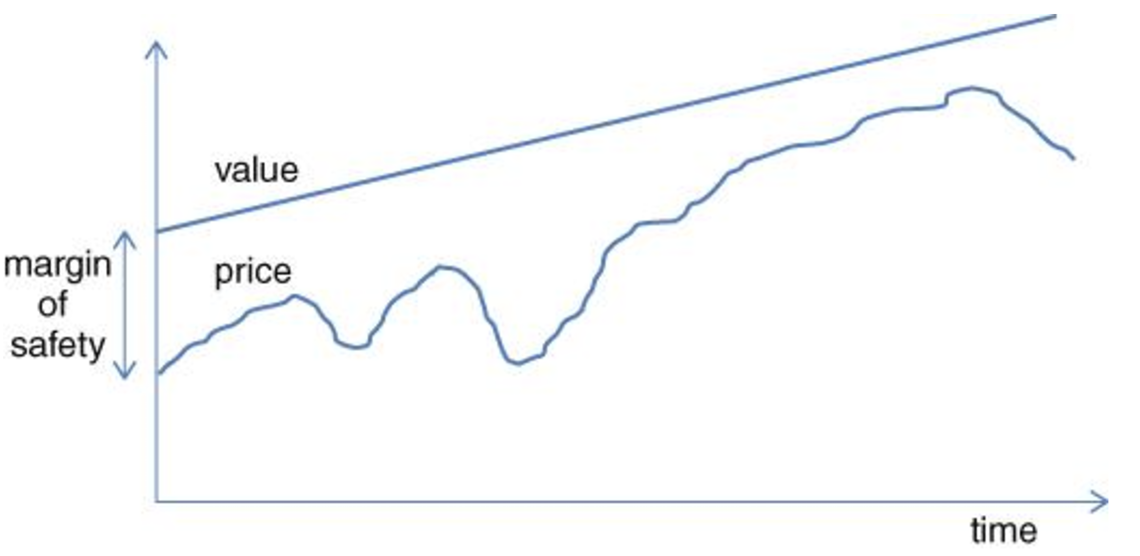
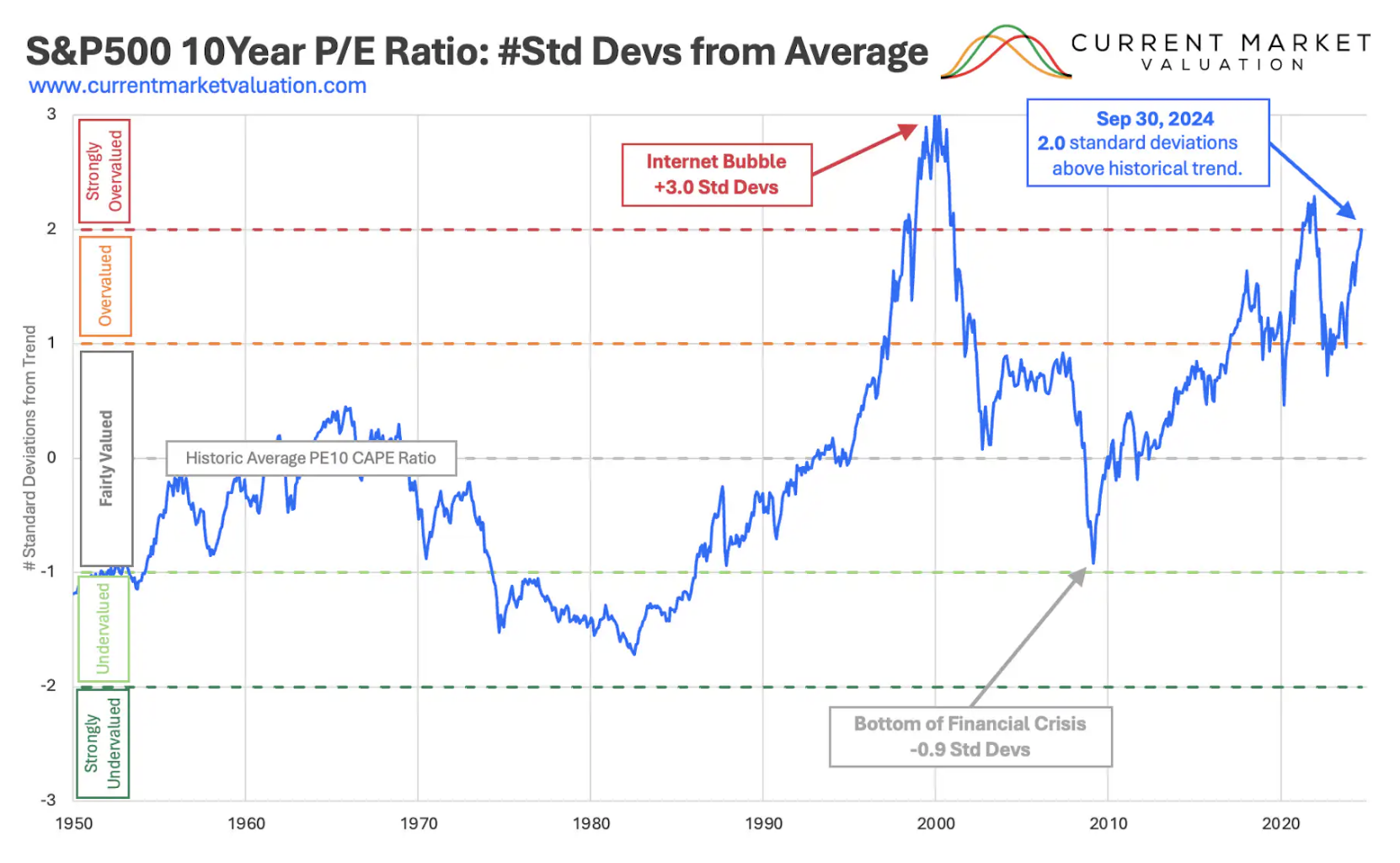
By just about any intrinsic measure - the stock market looks expensive. Ben Graham would be warning investors to heed caution. Now one of the more widely cited metrics is its forward price-to-earnings (PE) ratio - which trades at a very high 22x. However, another intrinsic measure is James Tobin's Q-Ratio - which now trades at a record high - exceeding that of the dot.com bust. And whilst not a great timing tool - it maintains a very reliable record of picking long-term secular highs.

Defensive Sponges Soaking Up Liquidity

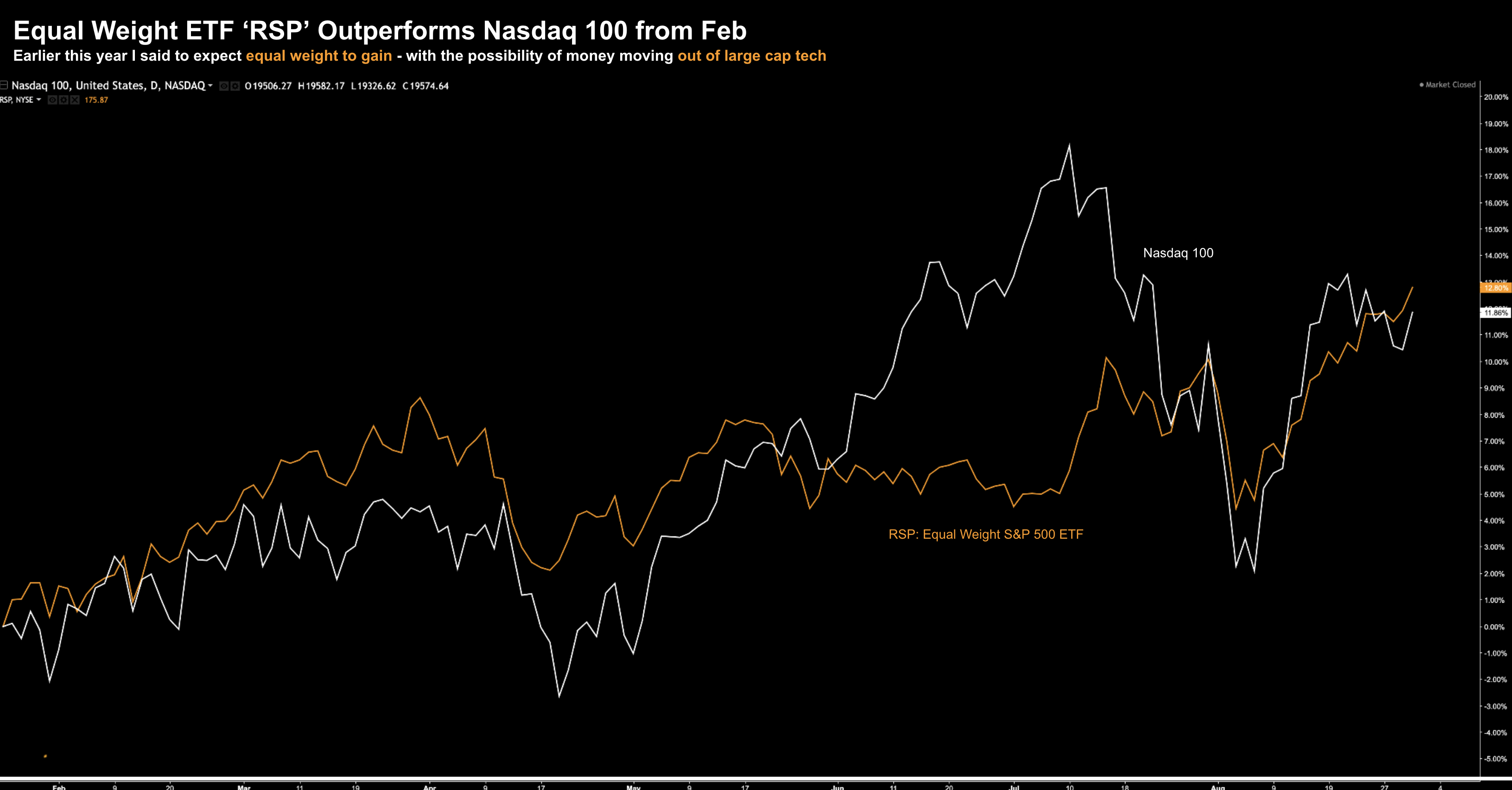
After enduring its worst week since March 2023, the S&P 500 rebounded with its best performance of the year. From mine, this kind of week-to-week unpredictability highlights the futility of attempting to predict short-term gyrations. It's not something I pretend to be able to do. My approach prioritizes a longer-term perspective - as it increases the odds of success. It's near impossible to attempt to trade around Mr. Market - you can never know what his mood will be from one day to the next. Therefore I choose to maintain a cautiously invested strategy - where ~65% of my capital remains in high quality stocks.

It Wouldn’t be September Without a Few Bumps

September has started in a very typical September fashion. Down! It's traditionally the worst month of the year in terms of returns. But that's not a bad thing... As longer-term investors - it's great when things go on sale. That's when we get to sharpen our pencils on higher quality businesses. And for those who missed out four weeks ago (where you needed to act fast) - it's possible you will get another chance this month. As I wrote recently - the rapid 10% surge in equities over 4 weeks did not fill me with a lot of confidence...

Thoughts on the Rest of the Year

Over the past year or so - one of the key investment themes has been "bad news is good news". Bad news implied the Fed was more likely to cut rates. For example, after the market incorrectly assumed we would see 6 or 7 rate cuts at the start of the year - the Fed have finally come to the table. In other words, the economic risks (to growth) are sufficient enough for the Fed to act. This is important. What happens during this transition is "bad news is no longer good news". History shows us when economic conditions worsen during an easing cycle - stocks perform poorly. Therefore, the market's primary concern now is whether the Fed has waited too long?

Smart Money Sells Big Tech… Invests in NKE & SBUX

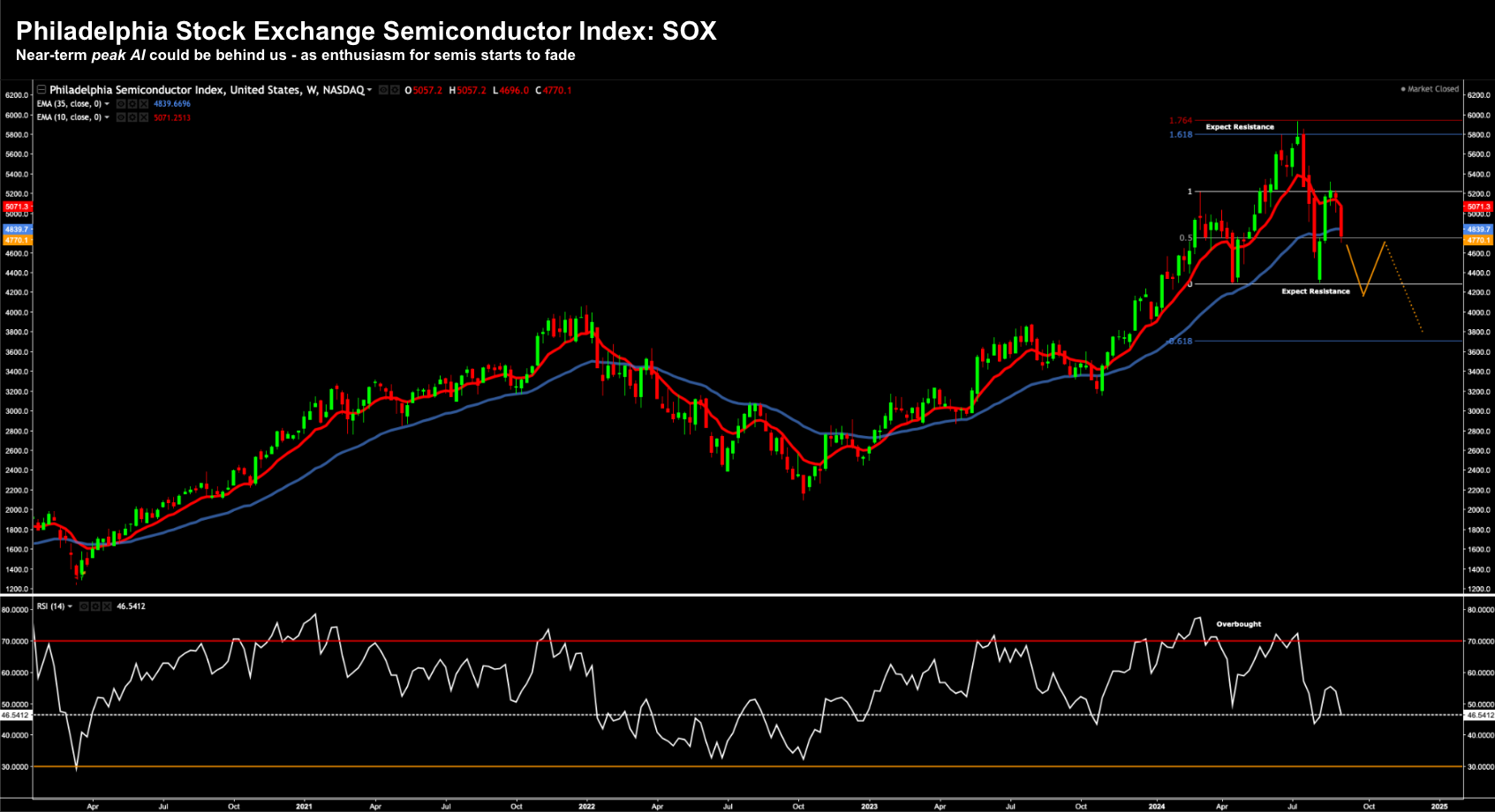
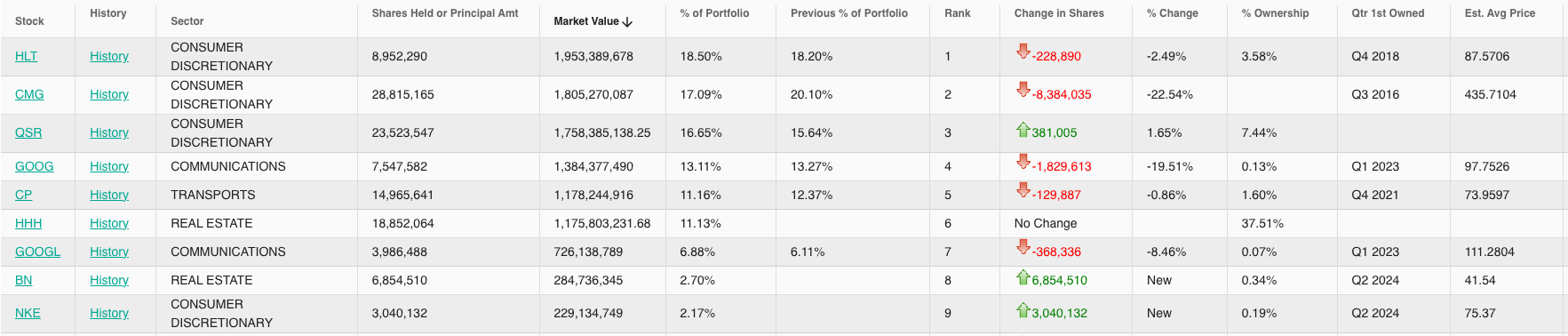
Something I do four times a year is pore through something known as "13Fs". A 13F is a quarterly report that institutional investment managers with over $100 million in assets must file with the US Securities and Exchange Commission. And whilst these filings are submitted around 45 days after the quarter ends (e.g. August 15 deadline for June 30 quarter end) - they offer us insight into how the "smart money" is thinking about certain assets. Some names I follow include (not limited to) Warren Buffett, Bill Ackman, David Tepper, Howard Marks, Stan Druckenmiller and Seth Klarman. Now there was a consistent trend during Q2 - where large cap tech exposure was being reduced.