Bubbles

Actionable market insights delivered to your inbox weekly

3-Years Since ChatGPT Launched… What’s Changed? 

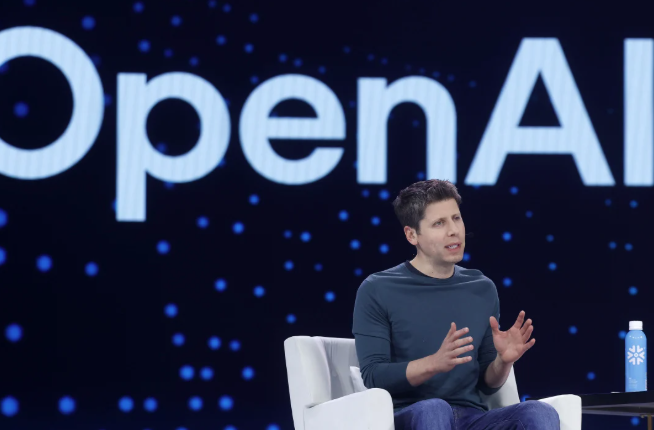
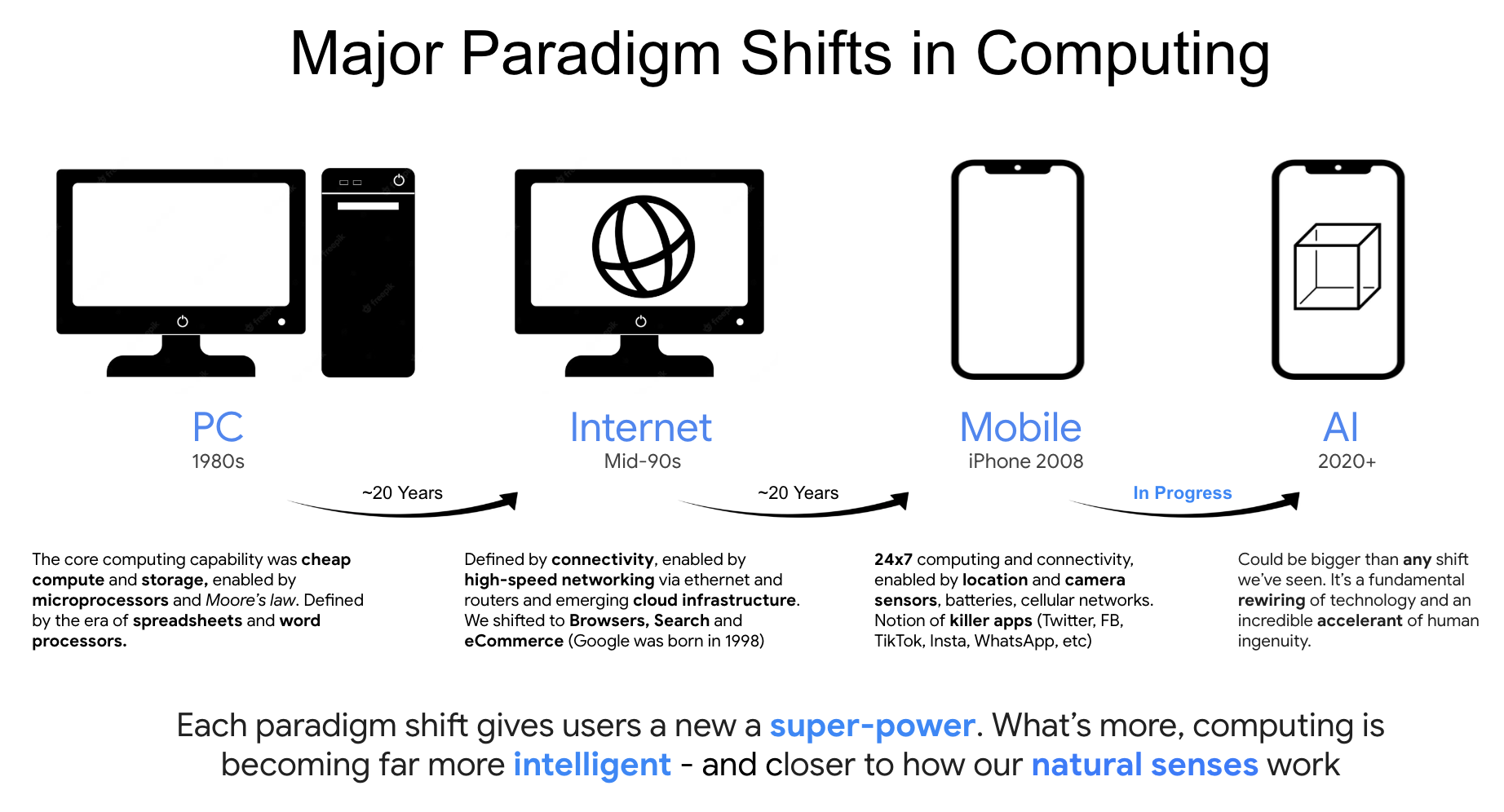
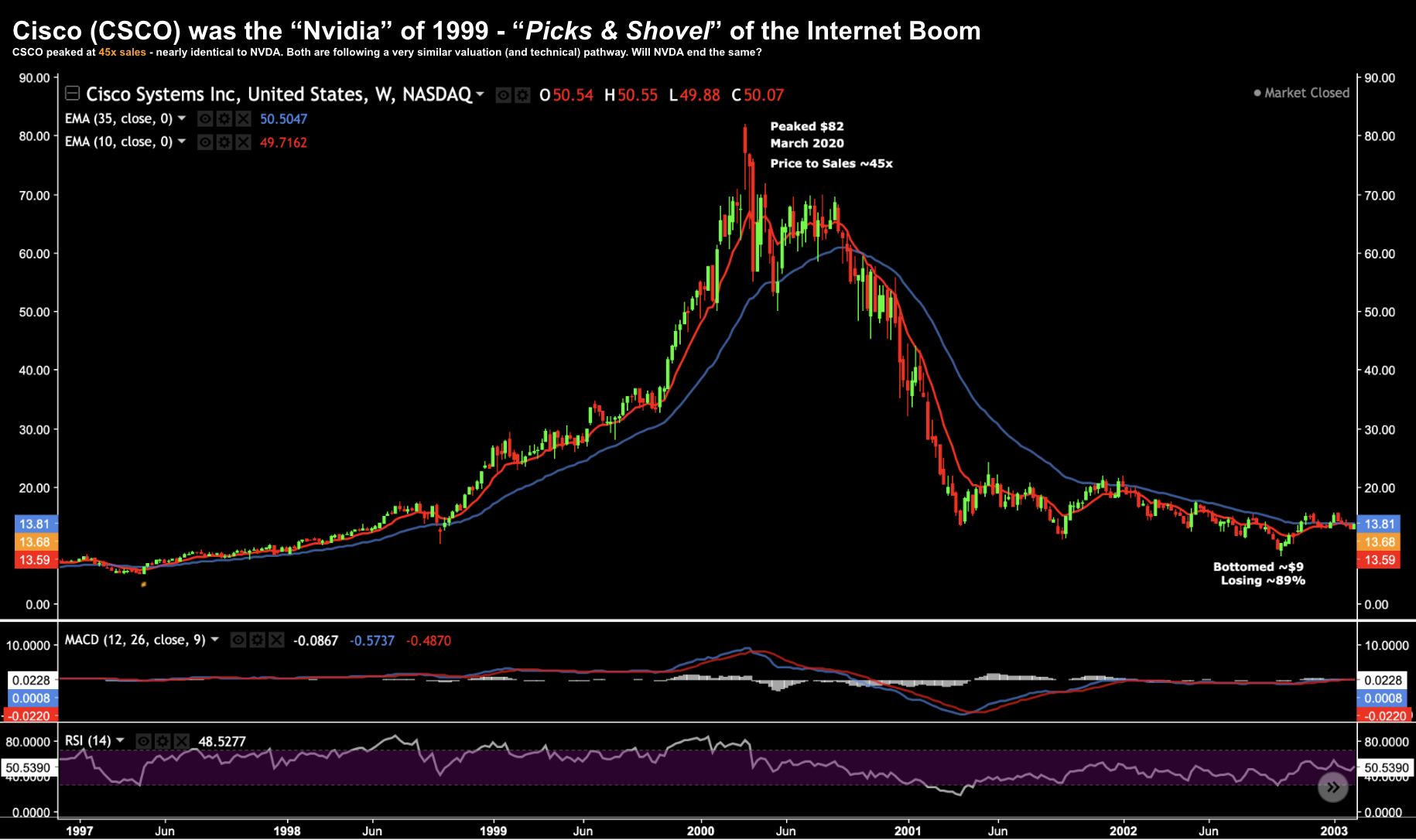
The seismic shift triggered by ChatGPT 3 years ago reminds me of 1995 when Netscape hit our screen. But as we approach the year 2000 – several “greey swans” emerged. Could 2026 be similar. This post discusses some of the possible risks looming for next year. This AI revolution has many of the hallmarks we saw some 30 years ago; i.e., creating extreme capital concentration in giants like Nvidia. As we enter what I think is a late-cycle phase, our focus shifts to systemic risks—from AI disillusionment to credit volatility.

Nvidia’s (Expected) Beat Was Not Enough… 

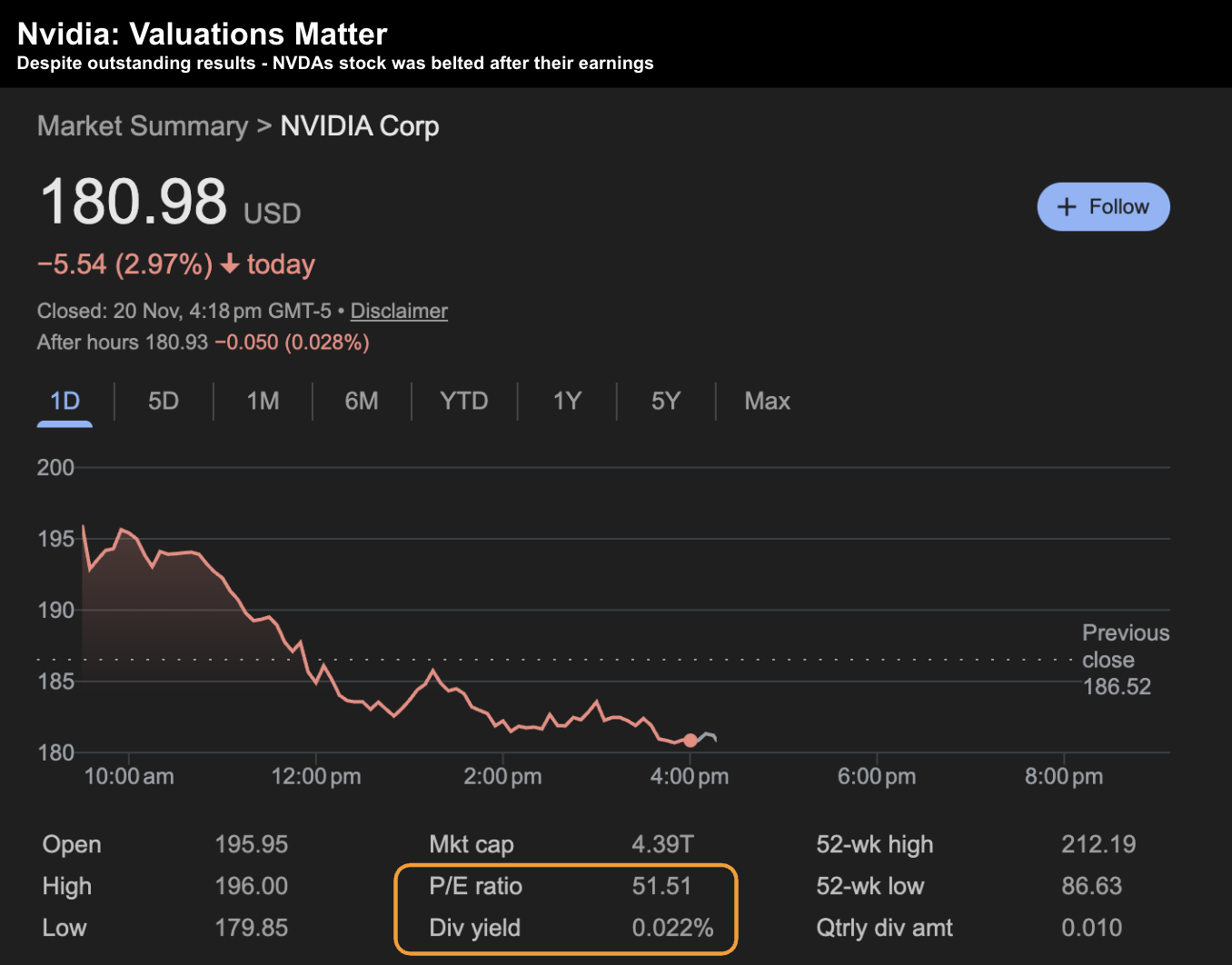
Nvidia’s earnings beat—reporting 62% YoY revenue growth and projecting $65B in Q4—solidified its position as the AI chip leader. Yet, the question for investors is not if the AI boom is real, it’s how much you pay? The massive AI capital expenditure by giants like Google and Meta is transforming them from “asset light” platforms to “asset heavy” infrastructure owners. This shift, coupled with the unanswered question of whether the returns on this spending will justify the massive increase in assets, is fueling investor unease and market momentum loss

Market Correction Chorus Grows

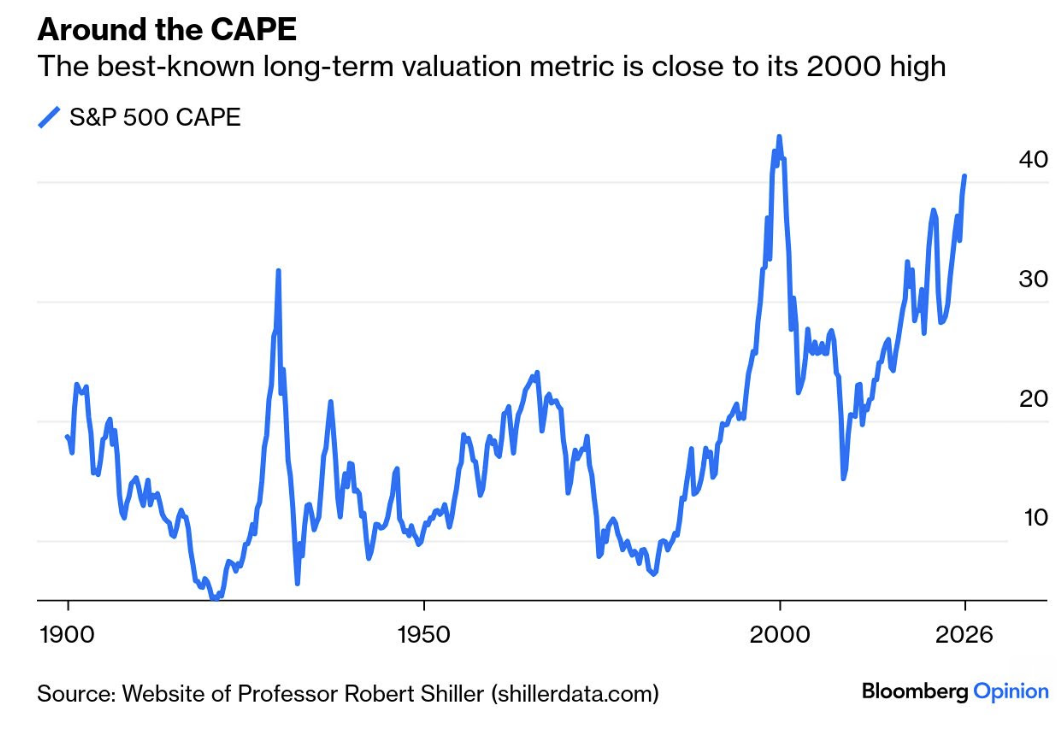
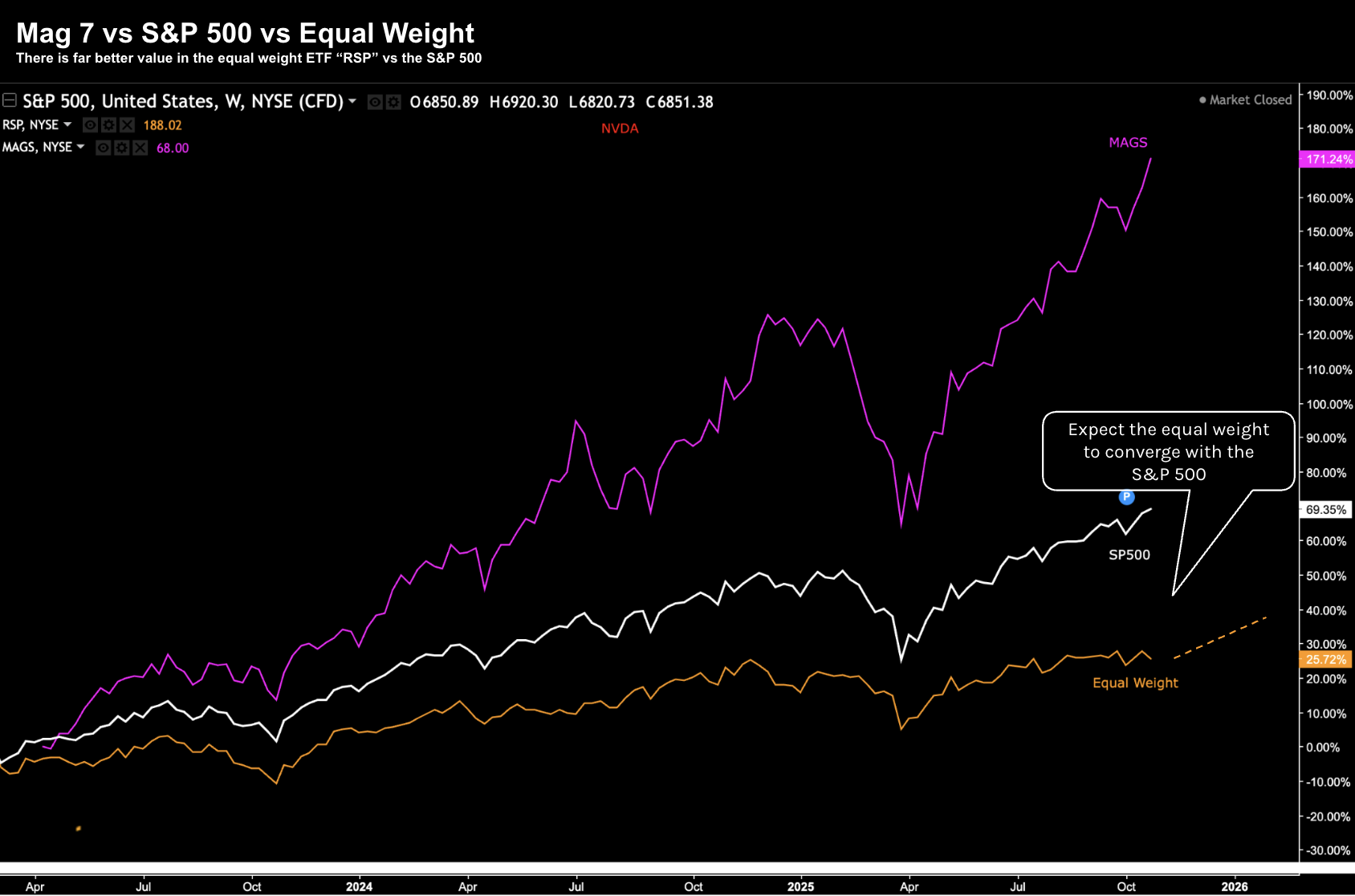
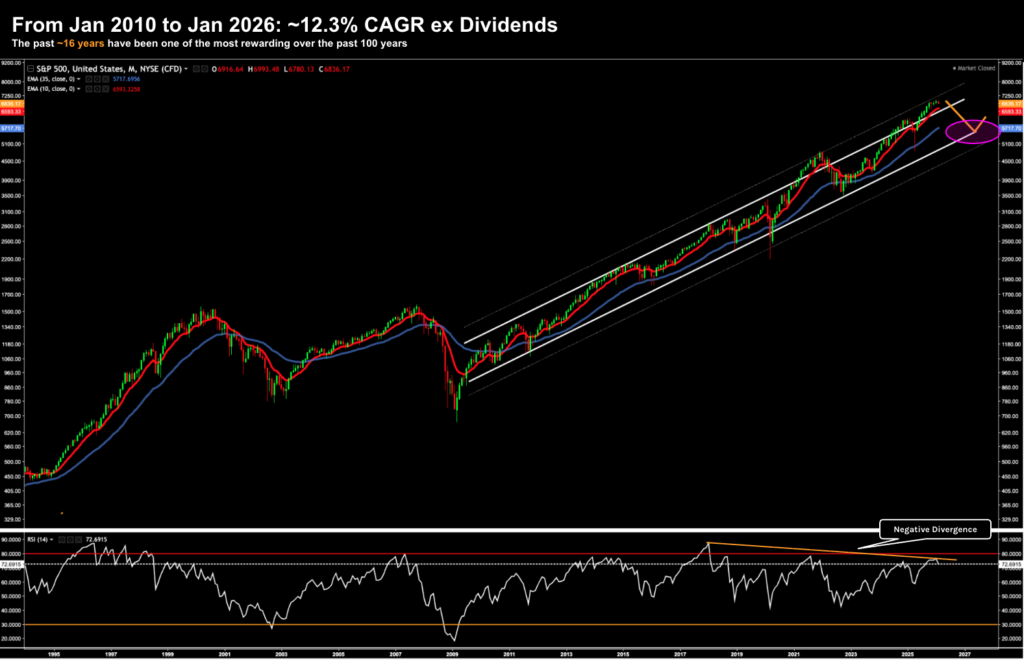
Goldman Sachs are warning of a 10-20% correction within the next 12-24 months. And whilst saying this would be a healthy outcome – it aligns with stretched valuations seen only during the dot-com bubble, according to the Shiller CAPE Ratio. The market’s risk is concentrated: returns are currently driven by a handful of mega-cap tech stocks. As Michael Burry’s short of Palantir highlights, the issue isn’t business quality, but the extended prices being paid. From mine, better opportunities exist outside the Mag 7.