Category Earnings

Three Cheers for 5,000!

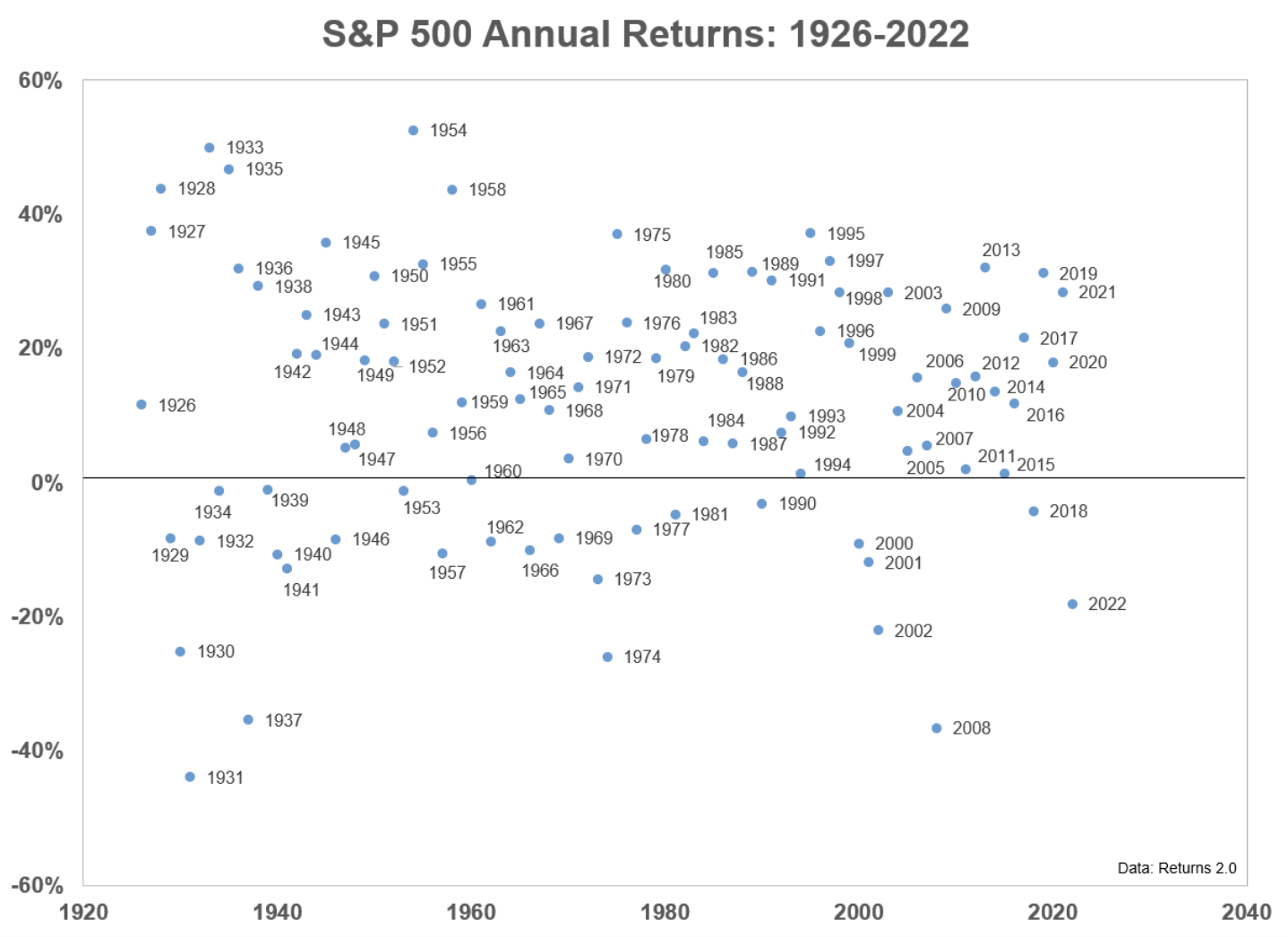
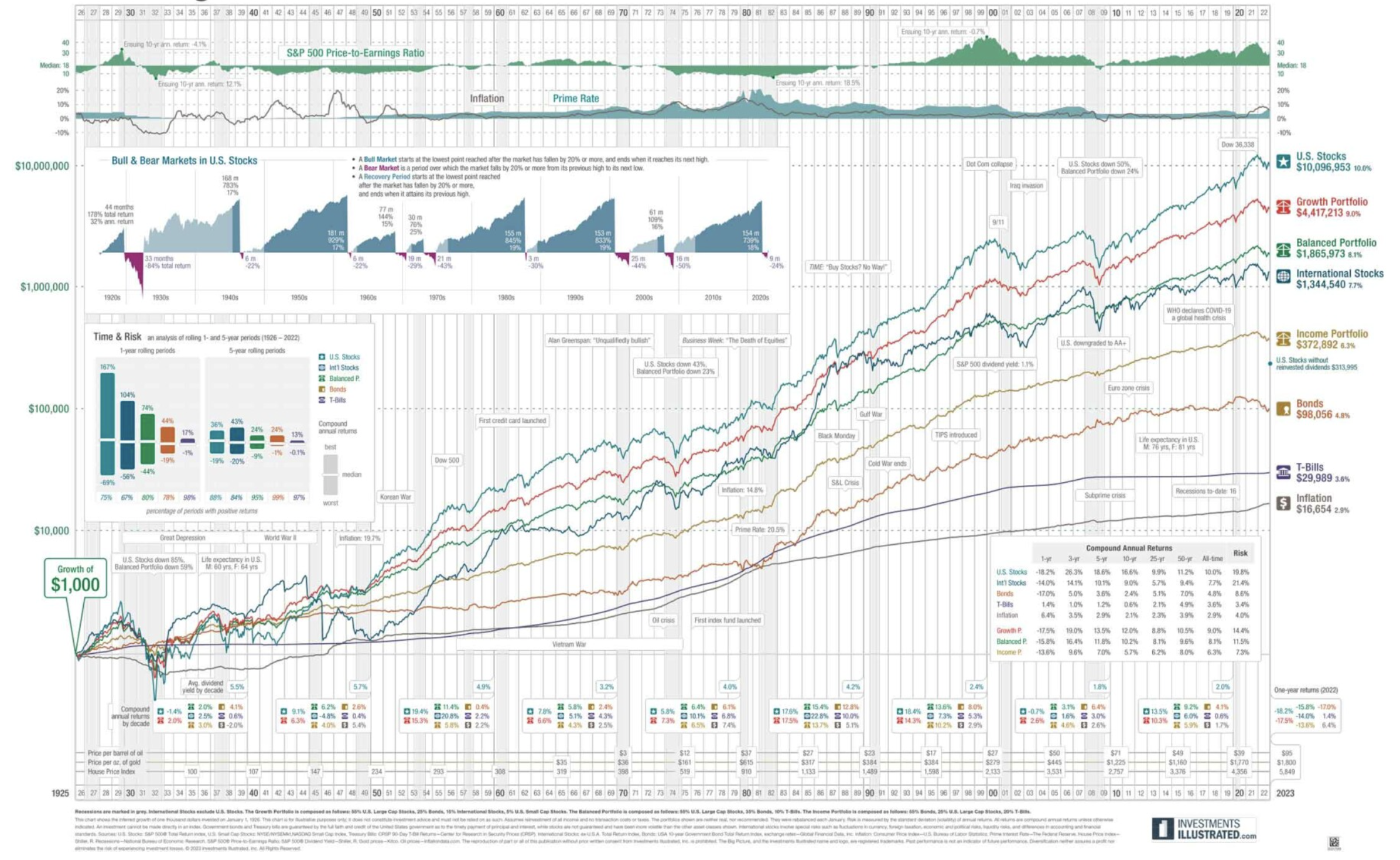
This week the S&P 500 closed above 5,000 for the first time. Another milestone as we climb the 'wall of worry'. Over the past 100+ years the S&P 500 has averaged capital gains of ~8.5% per year plus dividends of ~2.0%. That's a total return of close to 10.5% (on average). If you compound 10.5% per year over 20 years (i.e., 'CAGR') - that's a 637% increase. But as we know, the pathway is rarely smooth. Some years the market may "add 20%" and others it could give back a similar margin (or worse). And we saw this happen recently. However over the long run - markets will rise more often than they fall.
Will Earnings Deliver on the Hype?

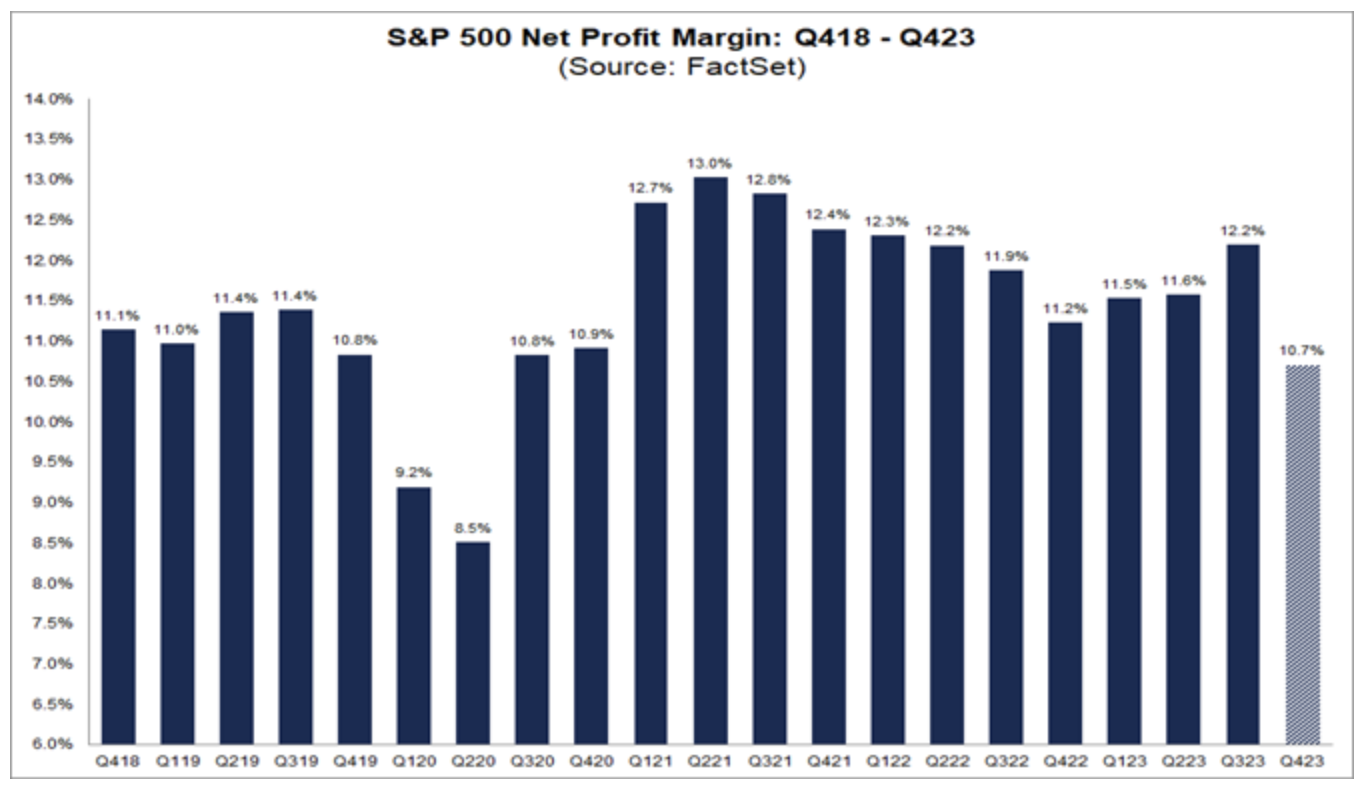
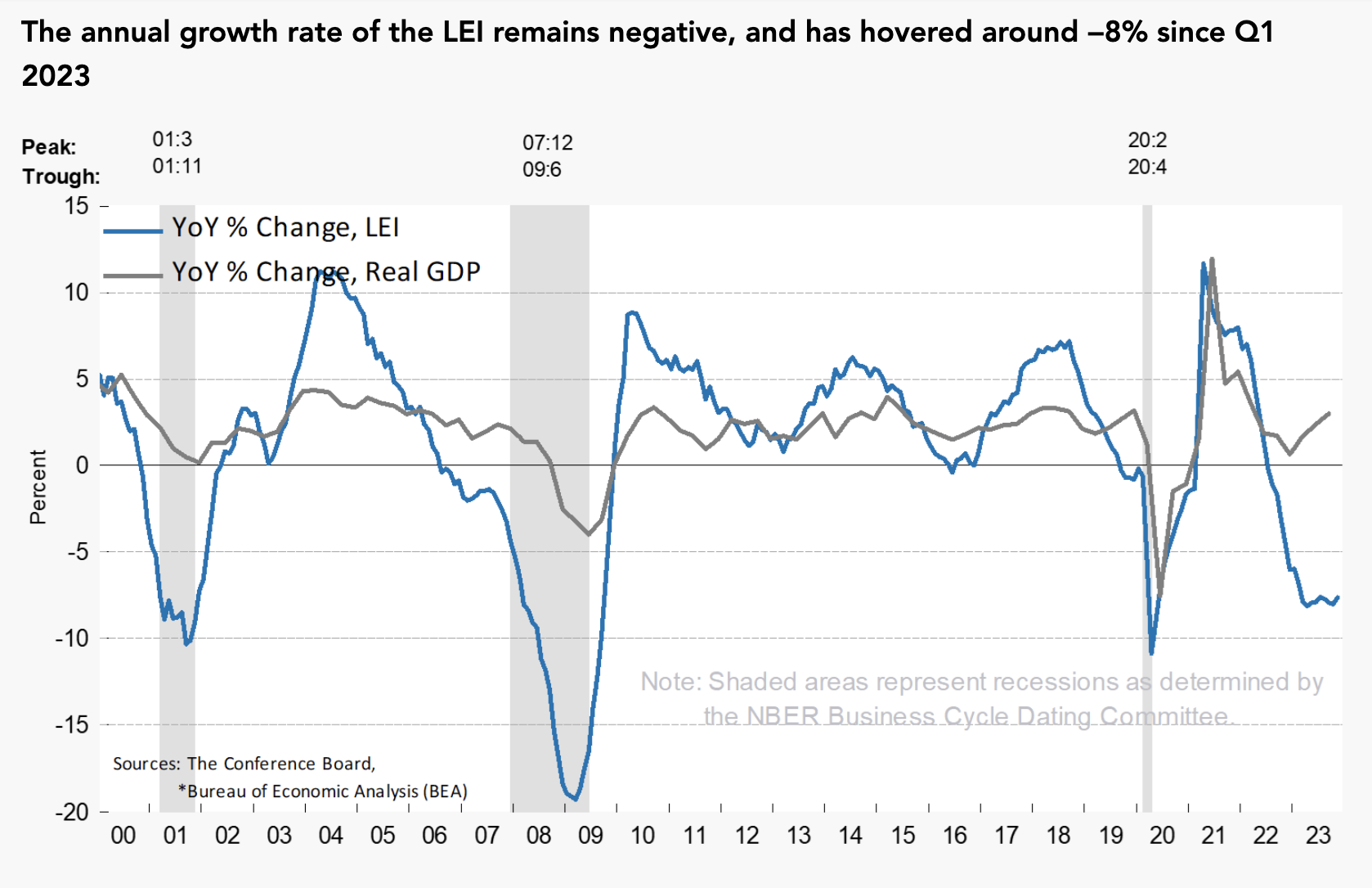
Q4 2023 earnings are starting to hit the tape. From mine, if the market is to continue rallying - it's less about inflation and the Fed - it's whether corporate America will deliver on 12% earnings growth in 2024. Coming into earning's season - my view 12% felt ambitious - given the slowing economy and relative health of the consumer. This post talks more to the concentration in the market - the relative influence from NVDA - and why diversification will be key this year.

EPS Growth of 12% with 6 Rate Cuts? Really?

Over the past couple of months - I've been trying to reconcile the following: (i) can the market achieve 12% EPS growth; and in parallel; (ii) see the Fed cut rates 5 or 6 times this year? I ask this question as that's what the market is pricing in. It feels like a contradiction. Can we achieve both? For example, if the Fed is forced to cut rates aggressively - what does that tell us about the health of the economy? I would assume it signals an economy in need of emergency assistance.

Where Do We Go From Here?

Major averages pulled back this week on fears rates could remain higher for longer. Makes sense - with the US 10-year above 4.25% - that's a reasonable assumption. But here's the thing: get used to it. Whilst rates might feel 'tighter'... rates are still not historically high. Not even close. What was not normal was rates being artificially suppressed to near zero for 15 years. And that might prove to be a difficult adjustment for some people. So where to from here? The honest answer is none of us know. What follows are some of the assumptions being made; and perhaps gaps in the market's thinking... it starts by asking quality questions.

Half Way Through Earnings: 81% Beat on EPS

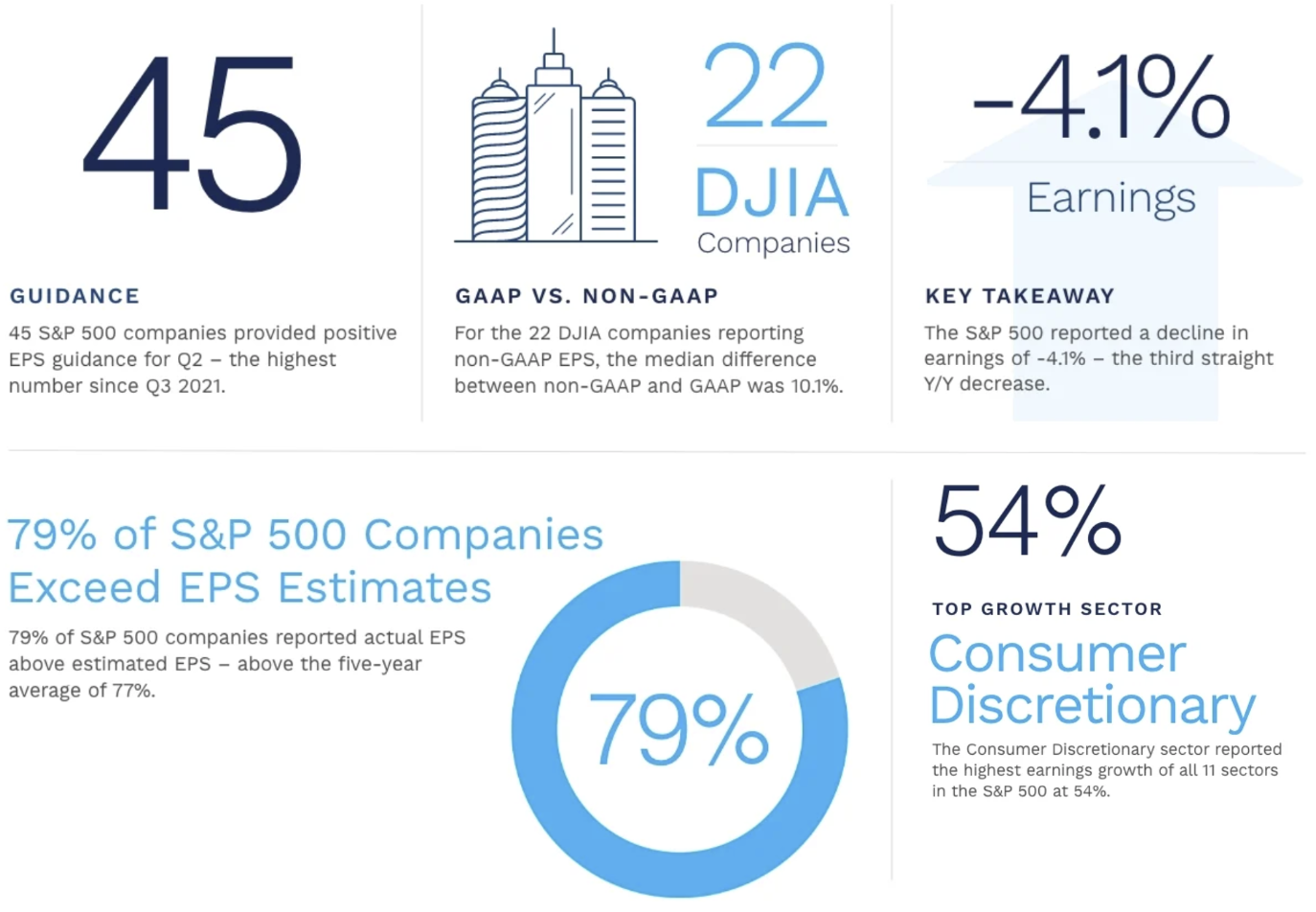
This week was the busiest week of earnings on the calendar. Half of all S&P 500 companies have now reported for Q2. So far so good! 81% of companies have beaten earnings per share (EPS) expectations - by an average of about 6.4%. By way of comparison - prior to COVID - the average EPS beat was in the realm of ~3%. What's more, about 64% of all companies have also beaten top line expectations. The question is will this continue in the second half?

Fed Minutes Suggest More Hikes 

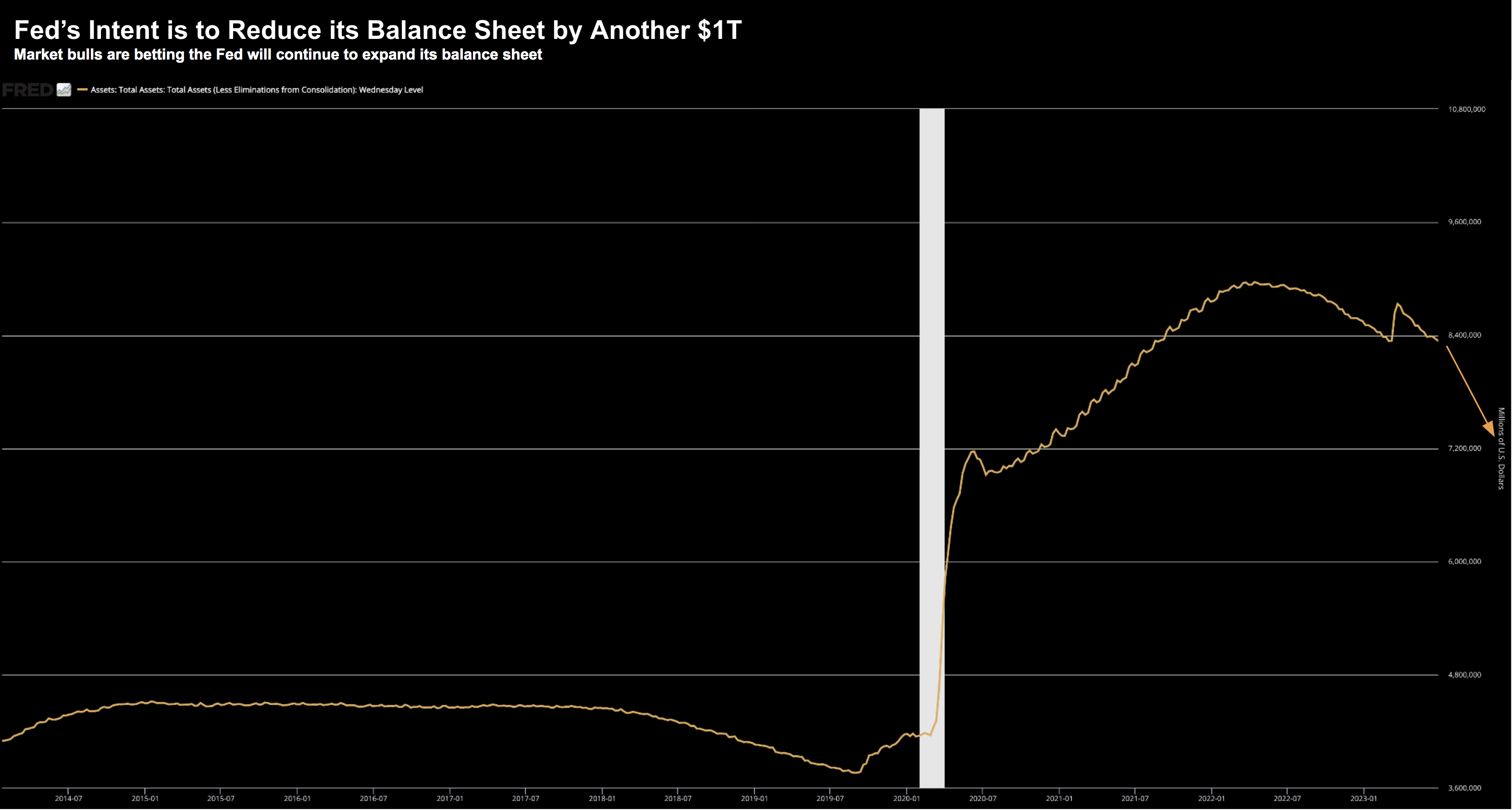
Today the Fed released this statement from their latest minutes "The economy was facing headwinds from tighter credit conditions, including higher interest rates, for households and businesses, which would likely weigh on economic activity, hiring, and inflation, although the extent of these effect remained uncertain". But here's the thing: the market could be underestimating how long the lag effect is. Typically it's between 12 and 24 months. However, with an extra $2+ Trillion in (perhaps wasteful) government handouts, that has softened the blow dealt from higher rates. But make no mistake - the lag effects from 500 bps of tightening will come - it's just longer than expected.

Stocks Are Not Cheap

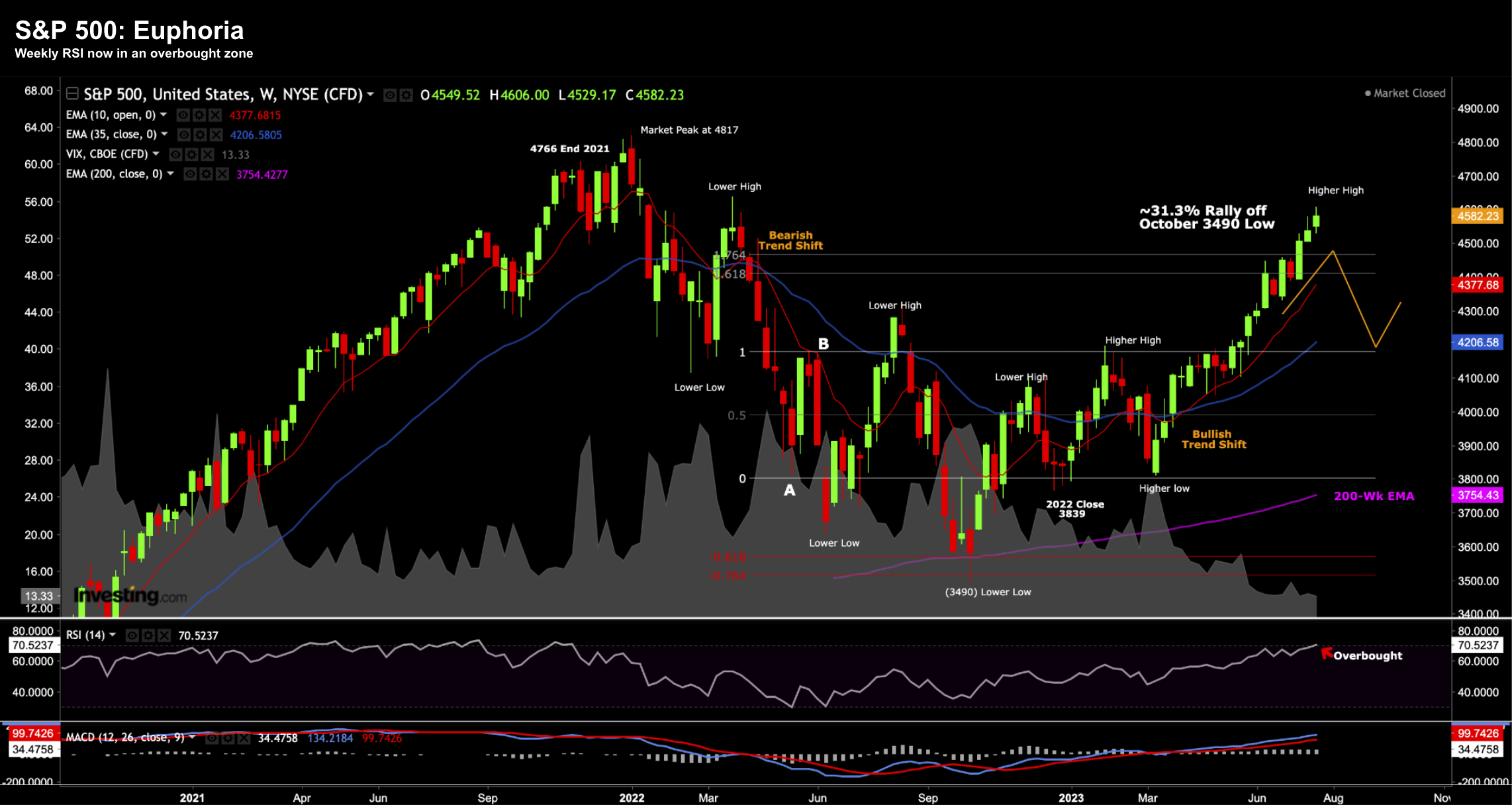
The S&P 500 has had a fantastic first 6 months of the year - up almost 15%. That's a welcomed relief from the miserable 2022. But are stocks now too expensive? What's the premium investors are being asked to pay? There are a couple of ways we can assess this. For example, we can compare the earnings yield against the risk free rate of return (currently around 5.5% and going up). And whilst it's always good to maintain some (long) exposure to the market - we need think carefully about how much (and where)

Banks Surge on Earnings…

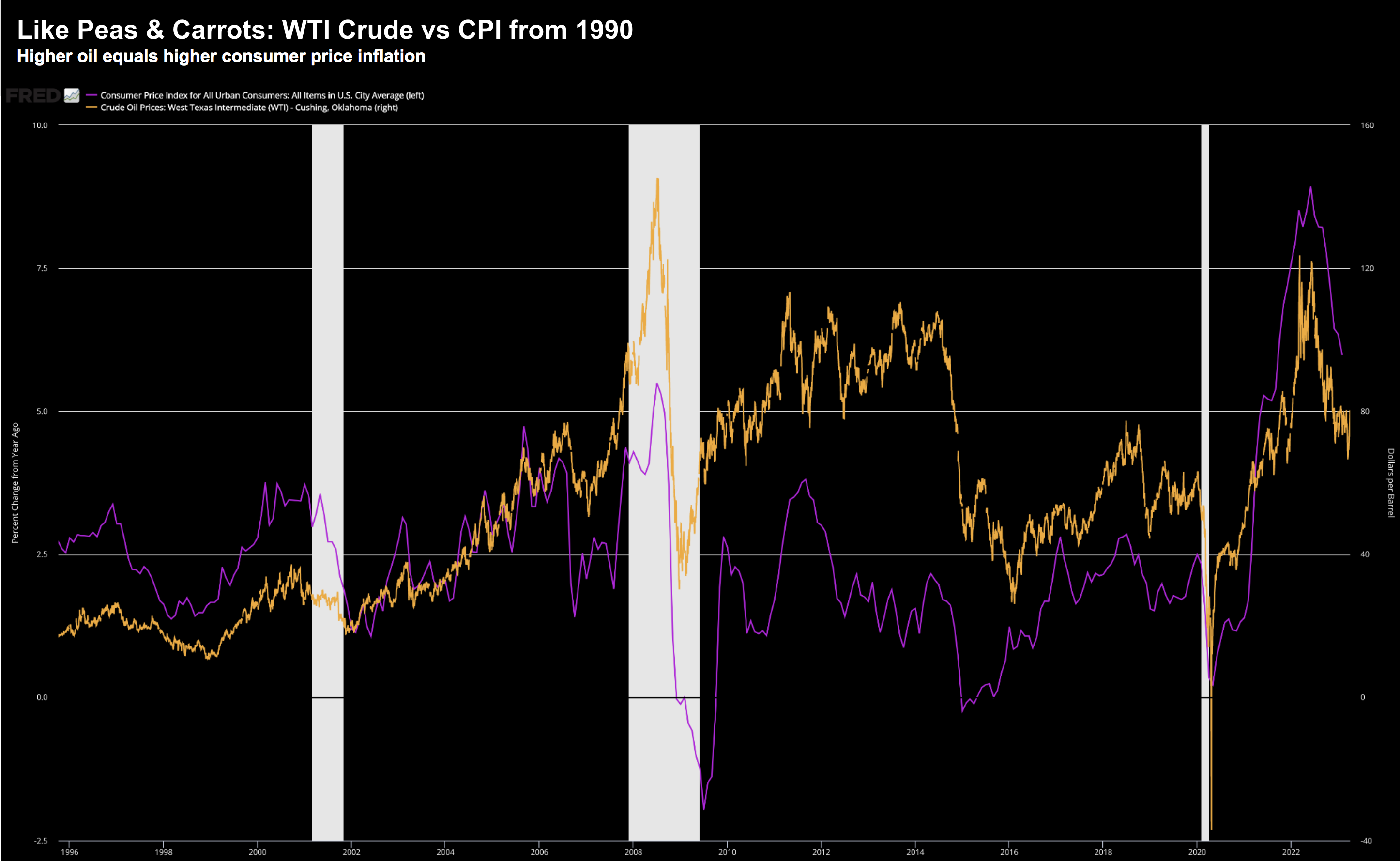
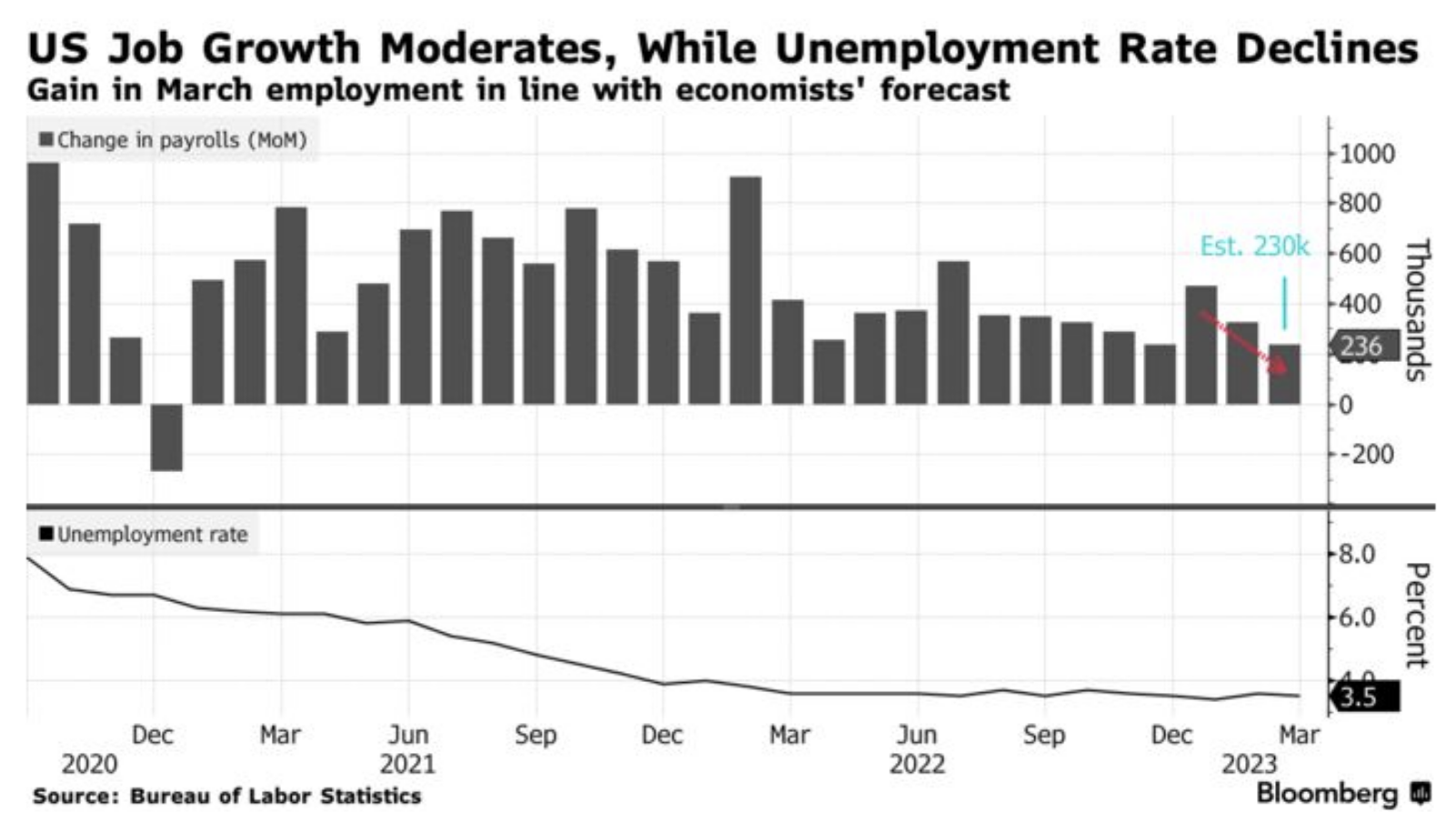
JP Morgan kicked off Q1 '23 earnings season with a record beat. The US' largest bank by assets saw strong deposit inflows as it raised its guidance for net interest income. The question is how will regional banks report? It's likely to be a different story. Meanwhile we had a host of important economic data this week - showing inflation is cooling (albeit very slowly) and the economy is stalling. But there was little which will stop the Fed raising rates by 25 bps May 2nd...

What Don’t We Know?

There are some things we know to be (mostly) true. Inflation is coming down. The Fed is closer to the end of its aggressive rate hikes. Growth is slowing. And earnings are likely to decline in Q1 (after a decline in Q4). But what don't we know? What are the potential unknowns that could trip the market up? Three things to consider.

Market Has Bad Breadth Market Has Bad Breadth

Market Has Bad Breadth

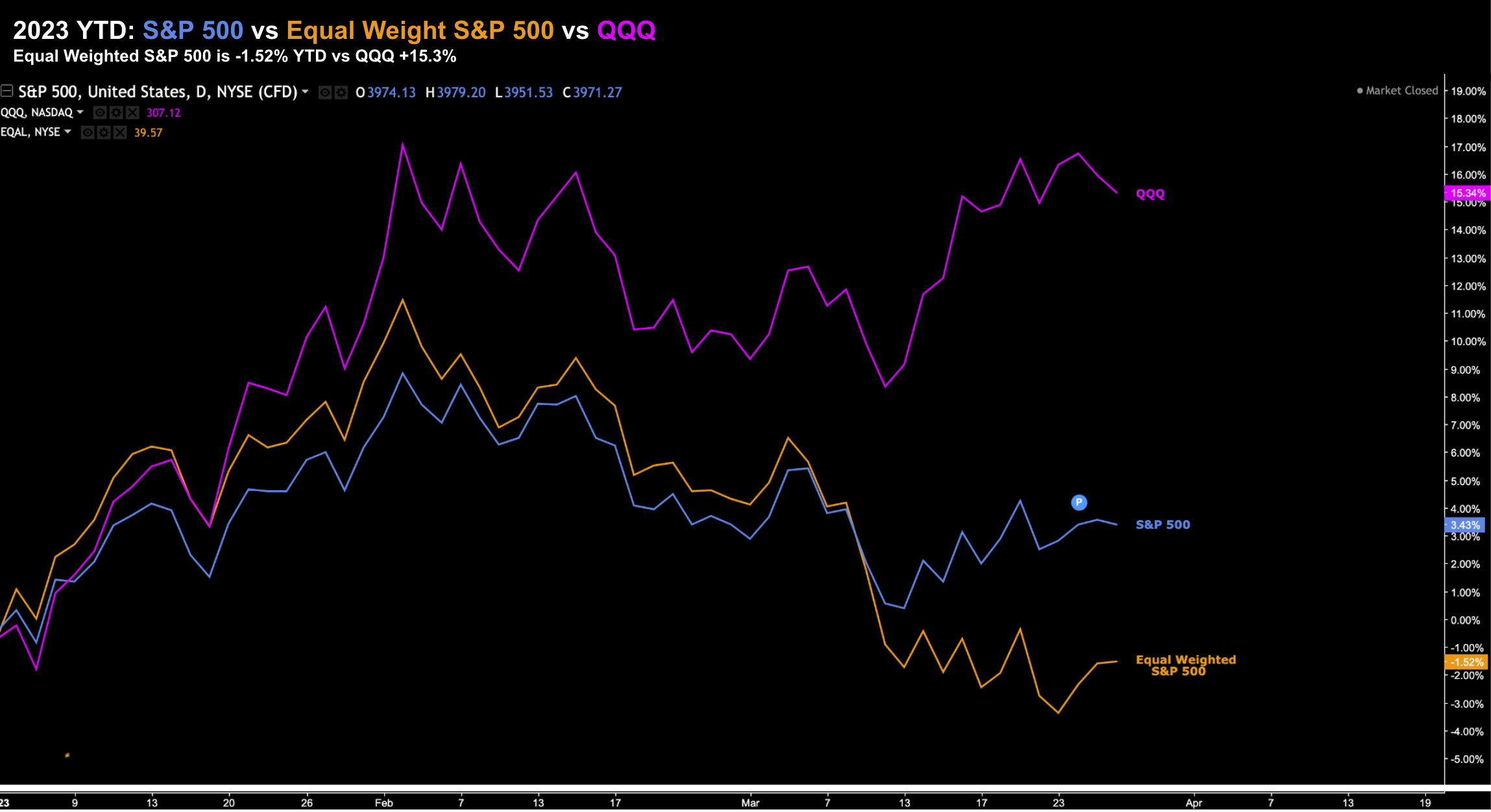
The S&P 500 is up about 3% to start the first quarter of 2023. On the surface things look good. But what if we look 'under the hood'. Most sectors are lower - especially those which are economically sensitive (like banks, energy, small caps and materials). However, big tech is carrying the market higher. That's not necessarily a good sign.