Category Employment

When Will Bad News be Bad News?

History shows that central bank easing cycles generally benefit stock markets. However, we should ask why central banks are cutting. If the Fede cuts rates to combat a slowing economy, the news may not be as positive as it seems. A weakening economy means lower corporate earnings and reduced consumer spending, which are ultimately negative for stock prices. Several bleak monthly jobs reports is evidence that the economy is struggling. But is just a soft patch or something worse? I suggest exercising caution - rate cuts are not always a positive.
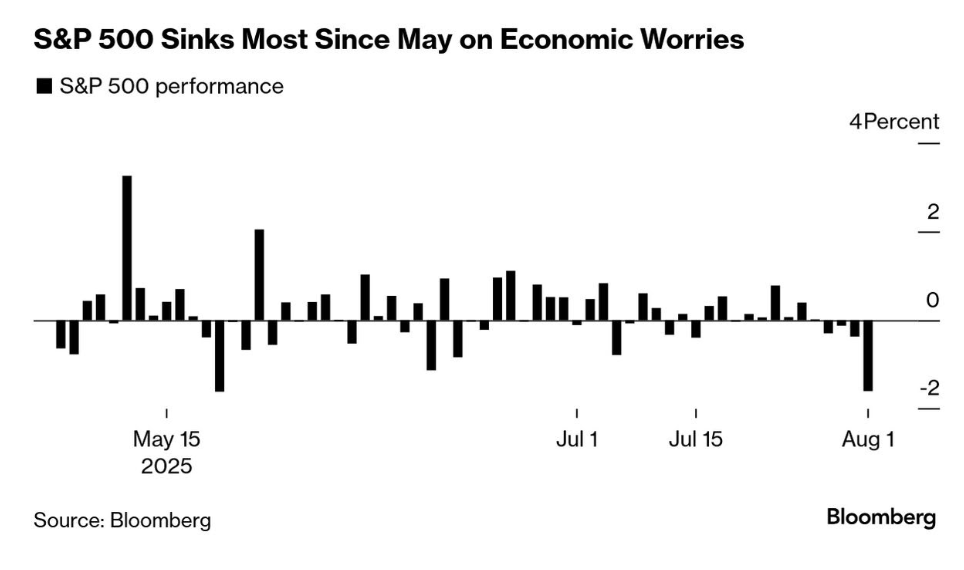
S&P 500 Faces a Litmus Test

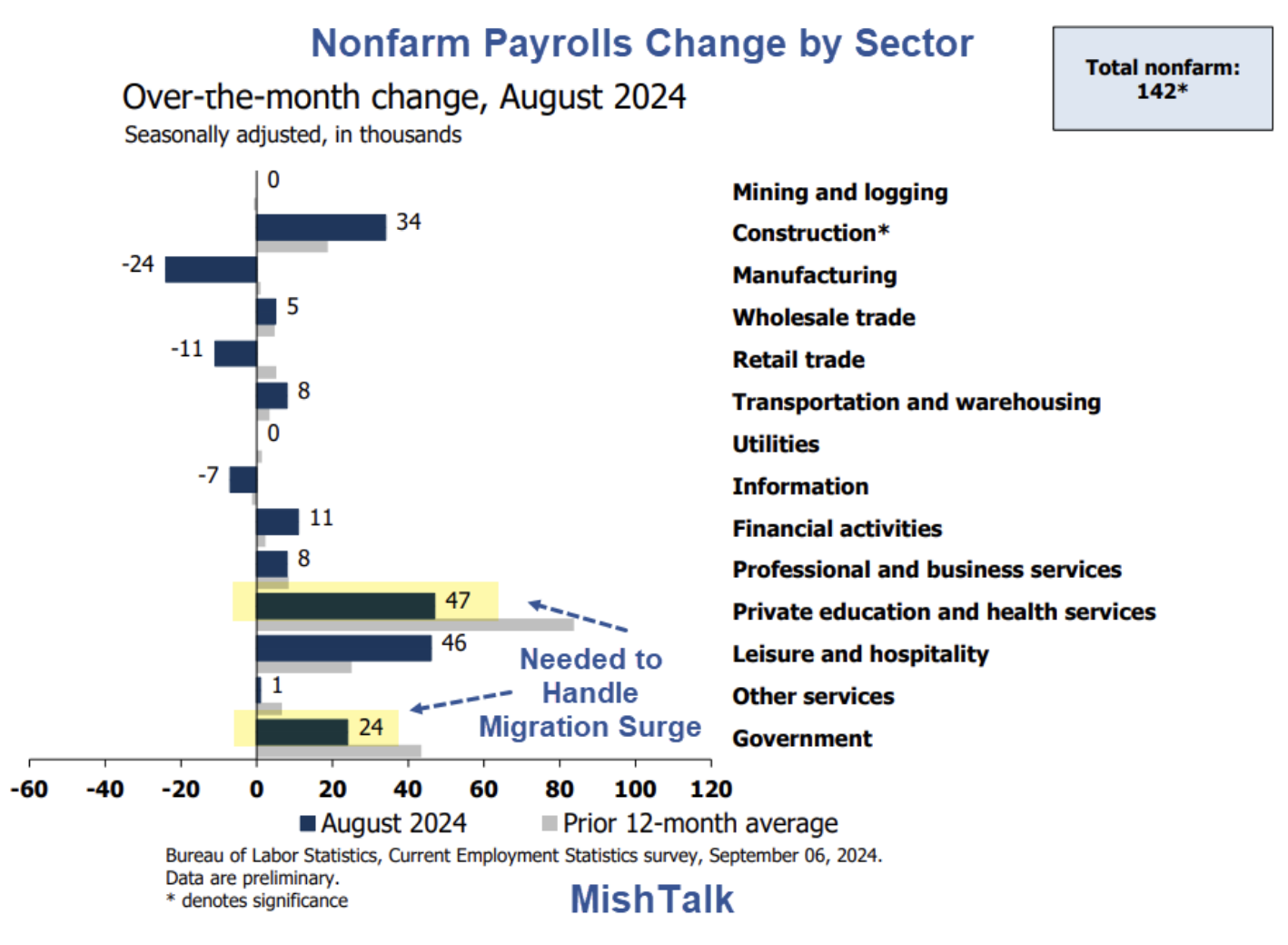
The labor market is clearly slowing. The "stag" in stagflation is here - what's less clear is the "flation" component. With respect to growth - we see slowing in housing, consumer spending and now job creation. The payrolls data was nothing shy of a disaster. And whilst the headlines will report on the dismal 73,000 jobs added (well below the ~140K job additions expected) - the massive 258,000 negative revisions over May and June is cause for concern.

Economic Growth Slows

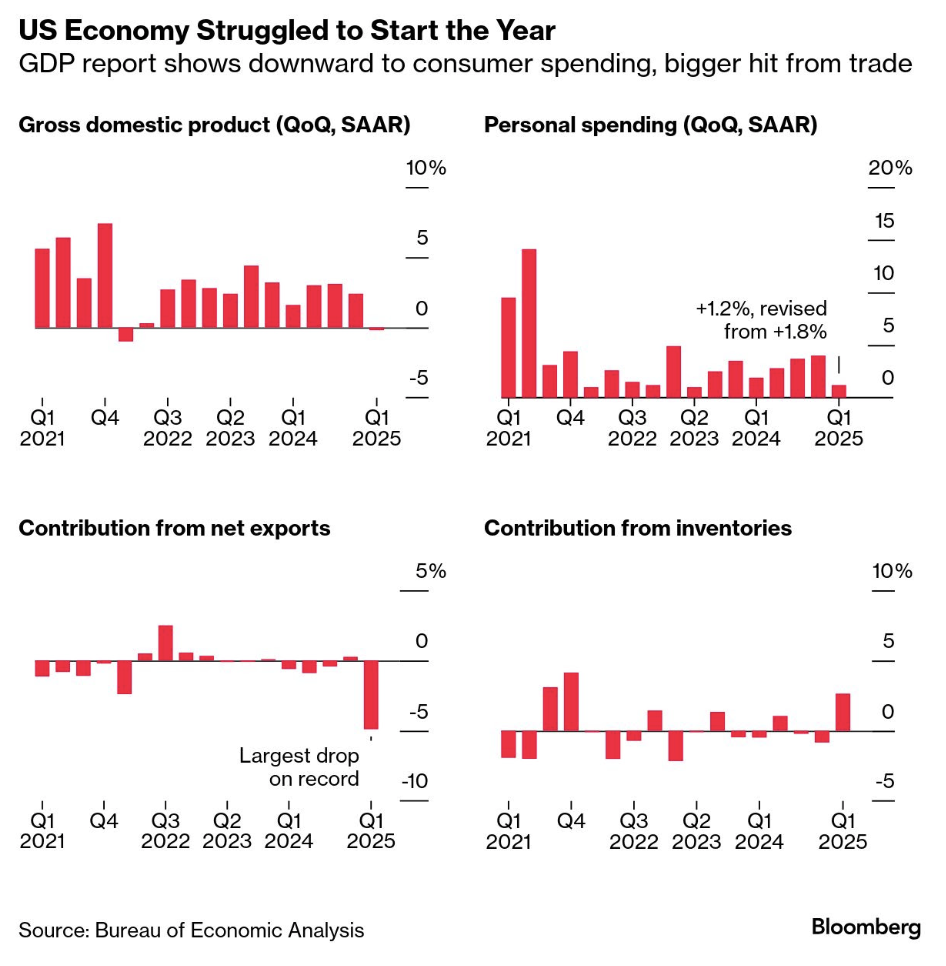
If we needed confirmation that economic growth is slowing - today we got it. The US economy shrank at the start of the year, restrained by weaker consumer spending and an even bigger impact from trade. Gross domestic product (GDP) decreased at a 0.2% annualized pace in the first quarter. And there were also warning signs from the labor market...

Ready for a ‘Growth Scare’?

We started this year with the market pricing in only "good things". We had (a) the Fed ready to continue its easing cycle; (b) business friendly administration looking to cut taxes and lower regulation; and (c) the promise 'limitless' returns from AI. Investor expectations were very high - evidenced by the valuation multiples they were willing to pay (whether it was P/E; P/FCF; EV/EBIT etc). Traders were all leaning to one side of the boat. However, shares prices have lost all momentum the past 12+ weeks.

Real PCE & Wages Trend: Consumers Keep Spending

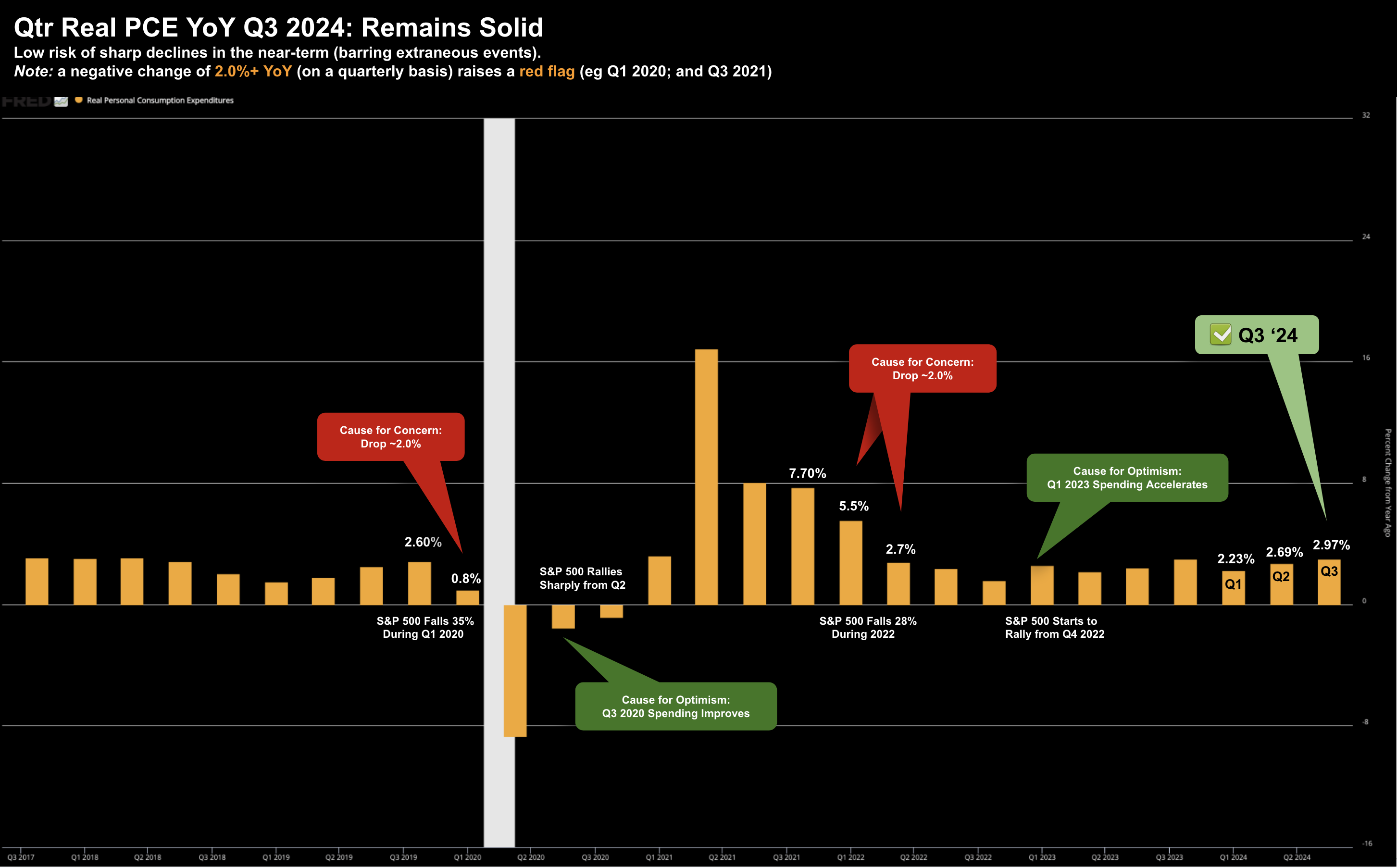
This week we received my preferred leading economic (and stock) indicator: real personal consumption expenditures (PCE). As a preface to this missive - as a long-term investor - our job is to carefully assess the risks. Part of that equation is knowing exactly where we are in the business cycle. For e.g., do you think we’re at the beginning or middle of an economic advance (with more to go)? Are we about to encounter a significant change in direction? If so, is that change for the better or for the worse?

Fed’s Task in Changing Times

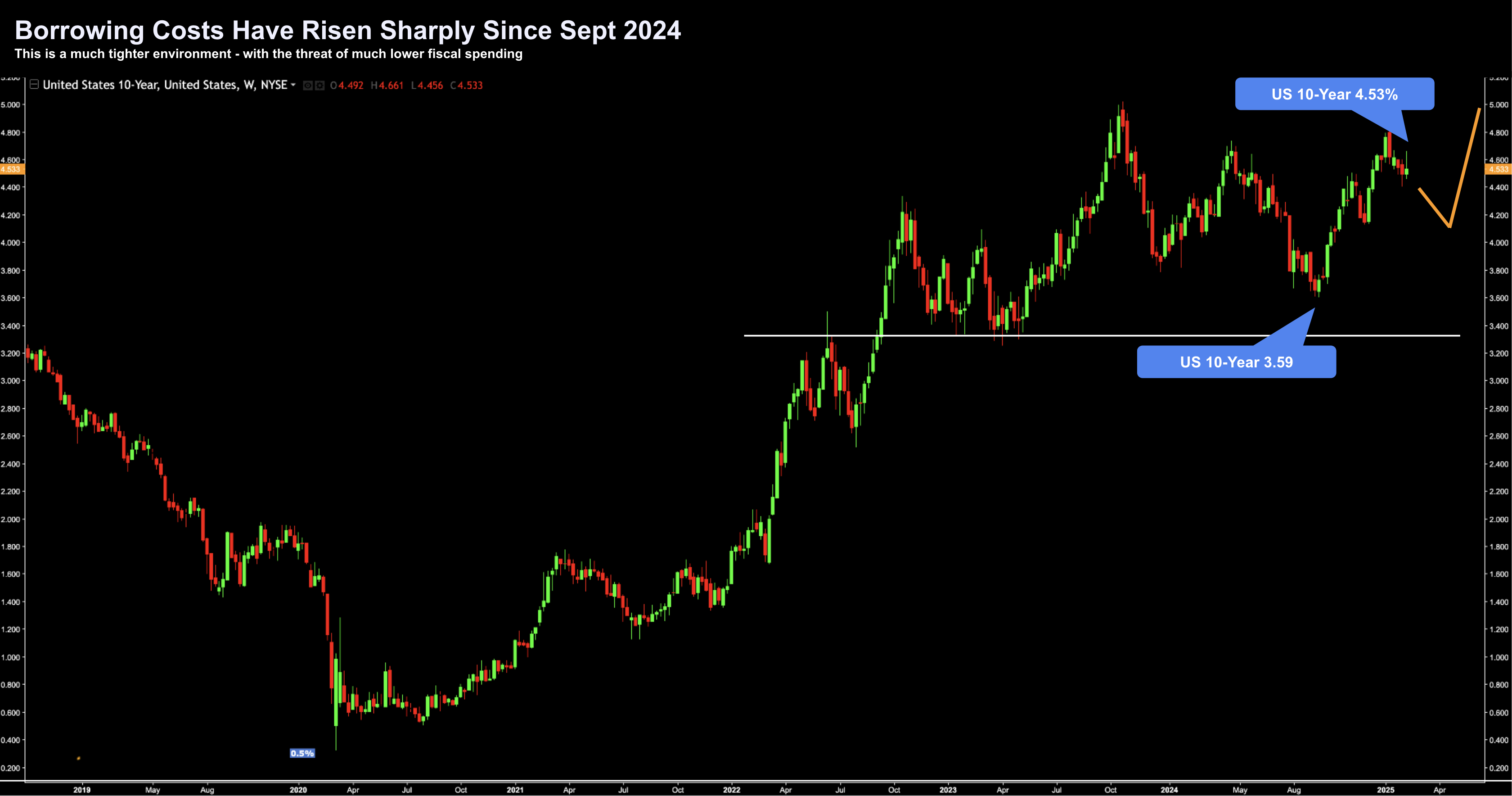
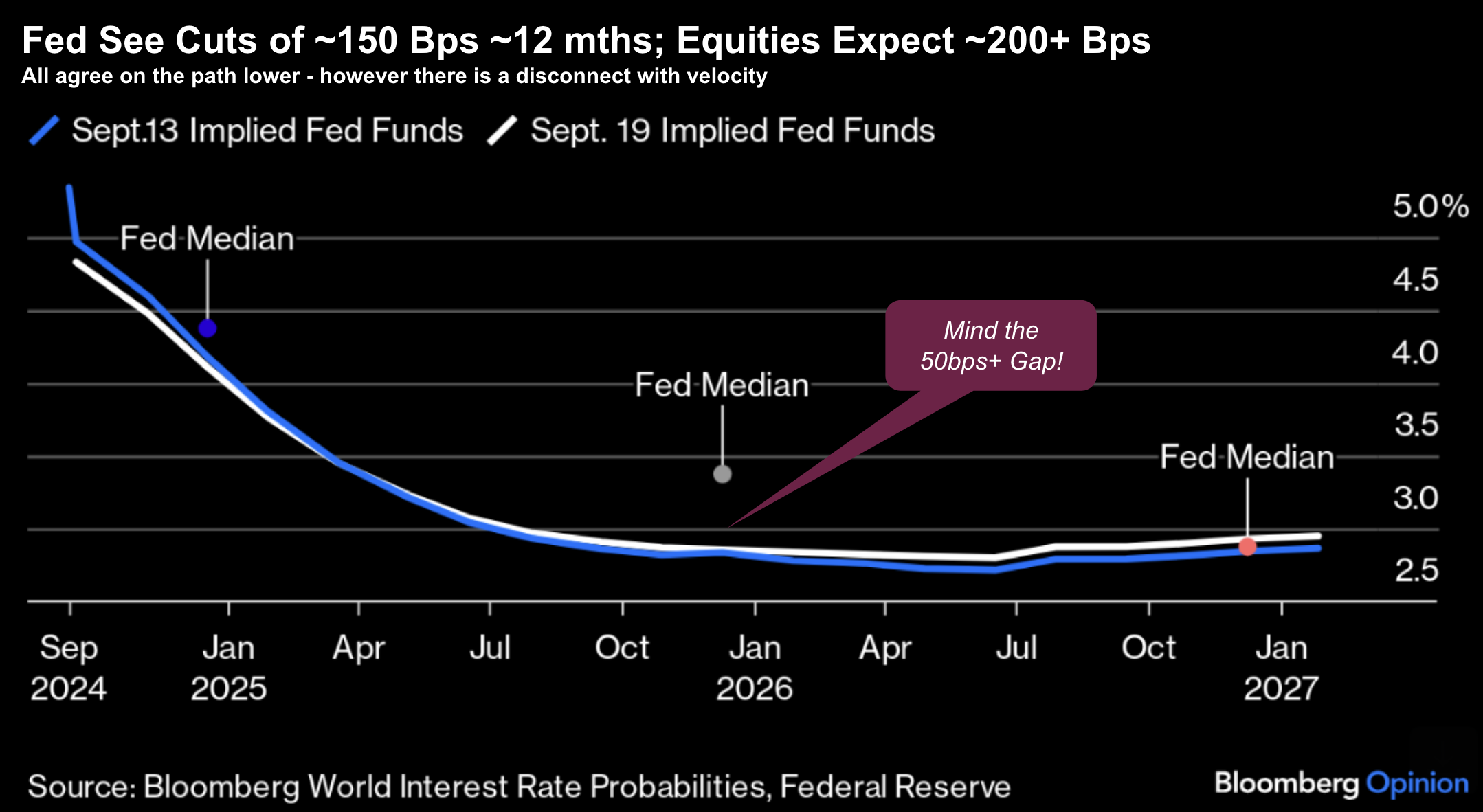
How aggressive can the Fed be in the coming months? The economic data doesn't suggest a material slowdown - surprising to the upside in most cases. Therefore, are markets pricing in too many rate cuts? Maybe... longer-term yields are rallying post rate cuts. What's this mean?

Time to Forget About Recession Risks?

Known to many as the 'bond king' - DoubleLine Capital's founder and CEO - Jeff Gundlach - is well known for his contrarian calls. This week on CNBC he made the comment that he feels that we will look back at Sept 2024 and say "this was the start of the 2024/25 recession". If Gundlach is correct - the recession has already hit the US economy. Therefore, this would imply the jumbo sized cut from the Fed this week is already too late - and will do very little to course correct a rapidly slowing economy (especially given the 9-12 month lag effect of monetary policy).

When Bad News is Bad News

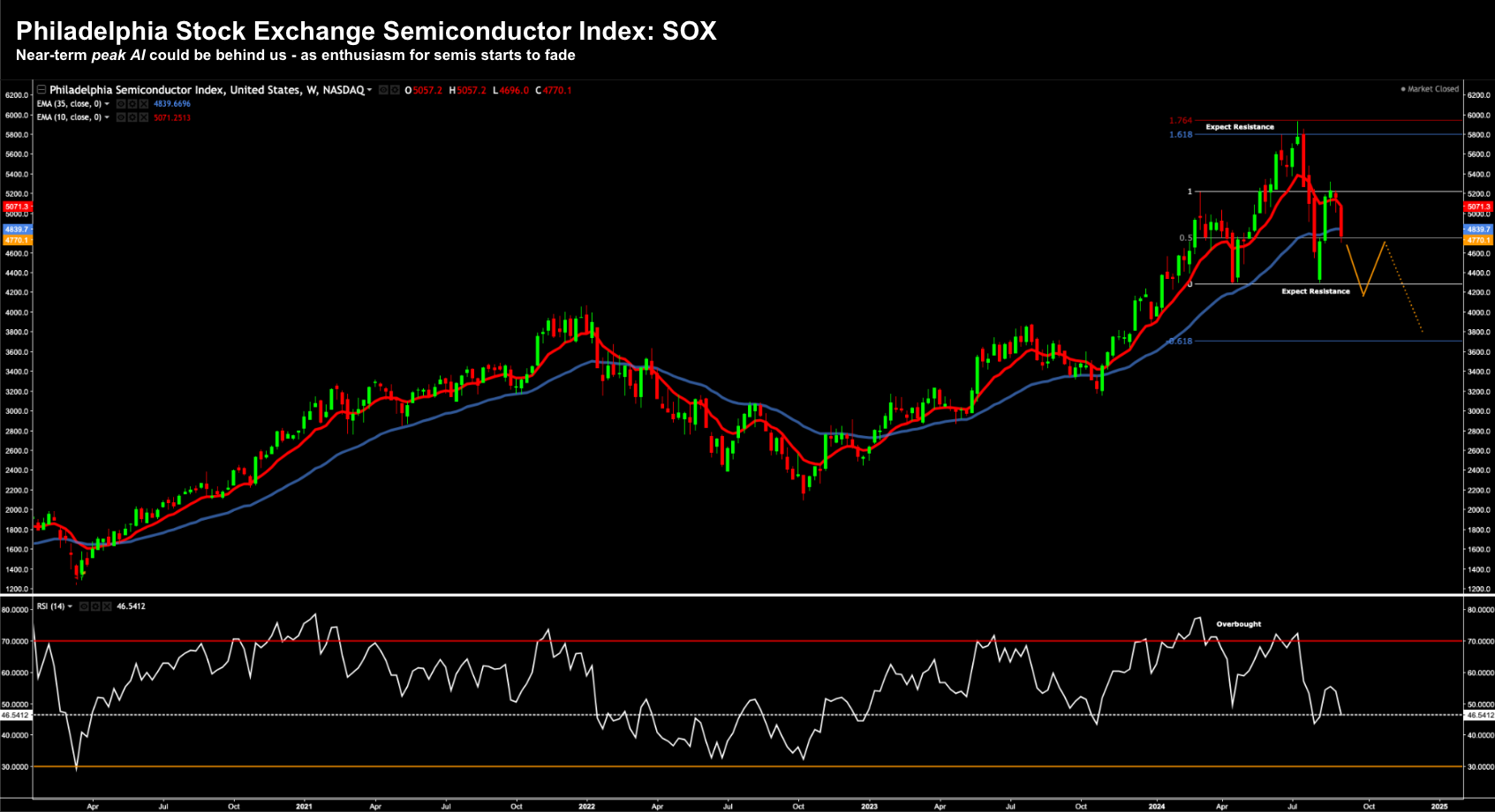
Last weekend I questioned whether markets could break out to the upside; or perform what trader's refer to as a "back and fill". My best guess was the latter. In turns out, things traded 'per the script', where the S&P 500 suffered its worst week since March 2023 - giving back 4.20%. The Nasdaq fared far worse - shedding ~6% - led by large losses in popular AI chip stocks. So why are market's worried? It's concerns about growth. With a market trading close to ~22x forward earnings - expecting YoY EPS growth of 11% -- that's not consistent with 'slowdown' scenario.

It Wouldn’t be September Without a Few Bumps

September has started in a very typical September fashion. Down! It's traditionally the worst month of the year in terms of returns. But that's not a bad thing... As longer-term investors - it's great when things go on sale. That's when we get to sharpen our pencils on higher quality businesses. And for those who missed out four weeks ago (where you needed to act fast) - it's possible you will get another chance this month. As I wrote recently - the rapid 10% surge in equities over 4 weeks did not fill me with a lot of confidence...

Powell Takes a Victory Lap

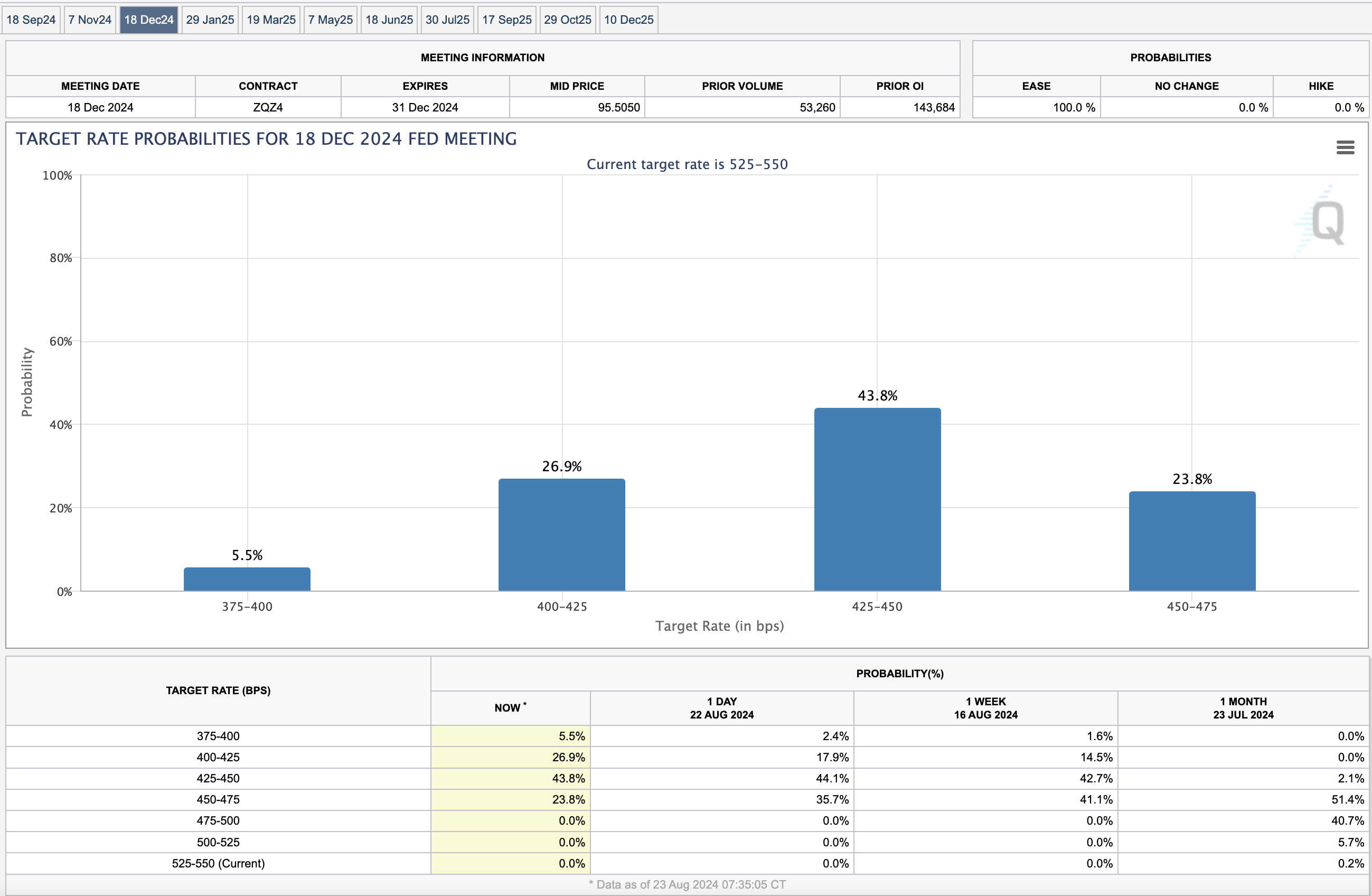
Fed Chair Powell didn't disappoint at Jackson Hole - giving the market what it wanted to hear... rate cuts are coming. All that remains how many and by when? That's not something Powell was ever going to offer (why remove optionality) - but the market is willing to bet we receive at least three cuts by year's end. All eyes now turn to two major economic reports: (i) PCE due Aug 6 and (ii) Aug nonfarm payrolls due Sep 6. For e.g., if Augusts payrolls are similar to June's (where only 114K jobs were added) - we could see the Fed cut rates 50 bps come Sept. What signal will that send to the market?