Fed Reserve

Actionable market insights delivered to your inbox weekly

Jay Powell: “Stocks are Overvalued”

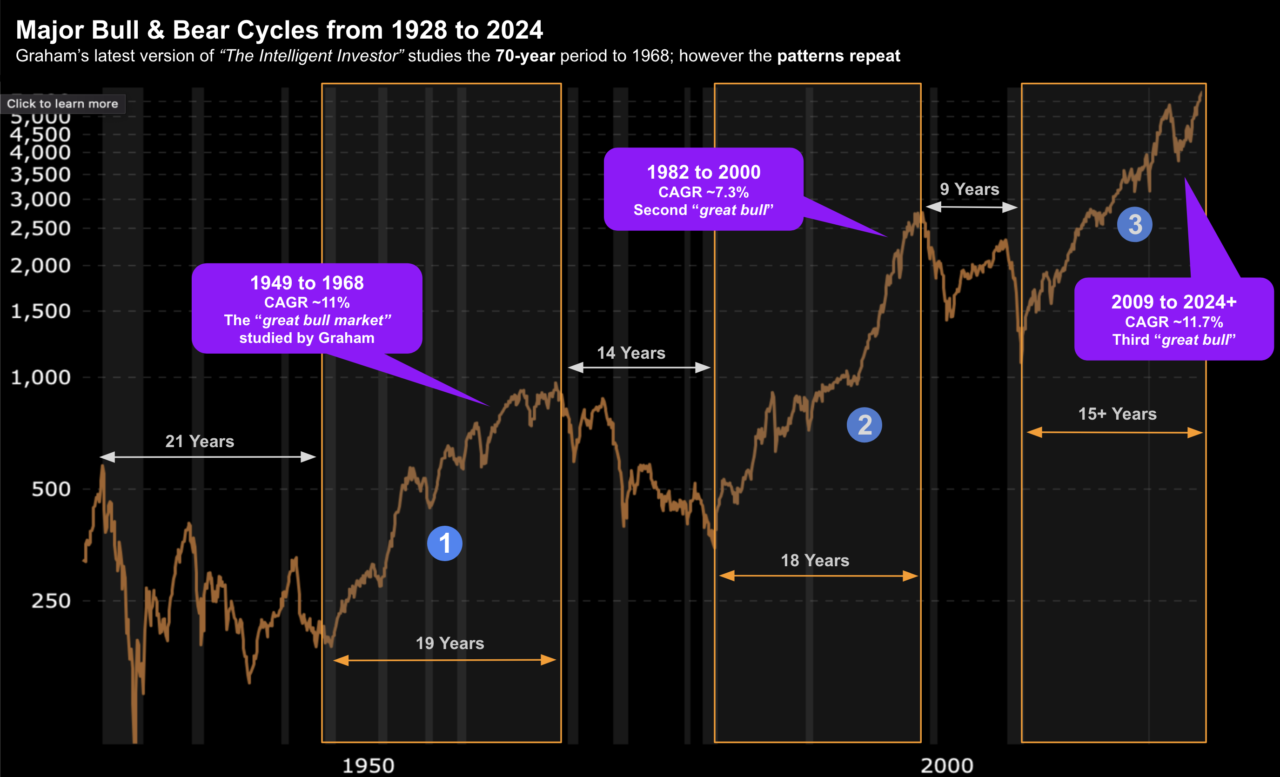
The current market presents a stark contradiction: stocks are high, but the Fed is entering an easing cycle. As billionaire David Tepper notes, he’s “constructive on stocks” due to cheapening money but “miserable” because valuations are sky-high. Warren Buffett mirrors this caution, holding a record high of over $344 billion in cash. This balance reflects the core tension: stocks can easily run higher on investor optimism, yet the consensus is that forward earnings multiples are dangerously stretched. Like Buffett in 1969 and 1997, savvy long-term investors are prioritizing capital preservation, maintaining some exposure while waiting for the inevitable mean reversion to bring prices back down to a prudent level.

Tepper: “Nothing is Cheap Anymore”

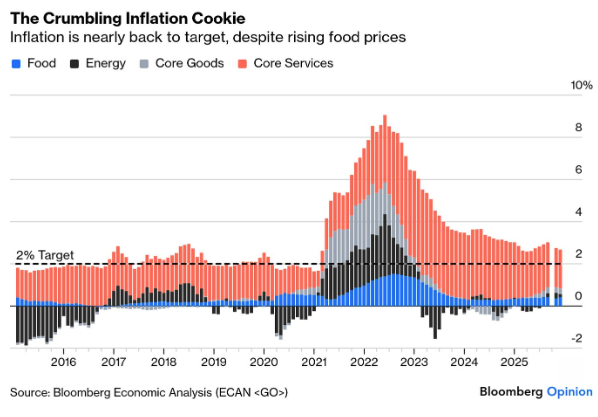
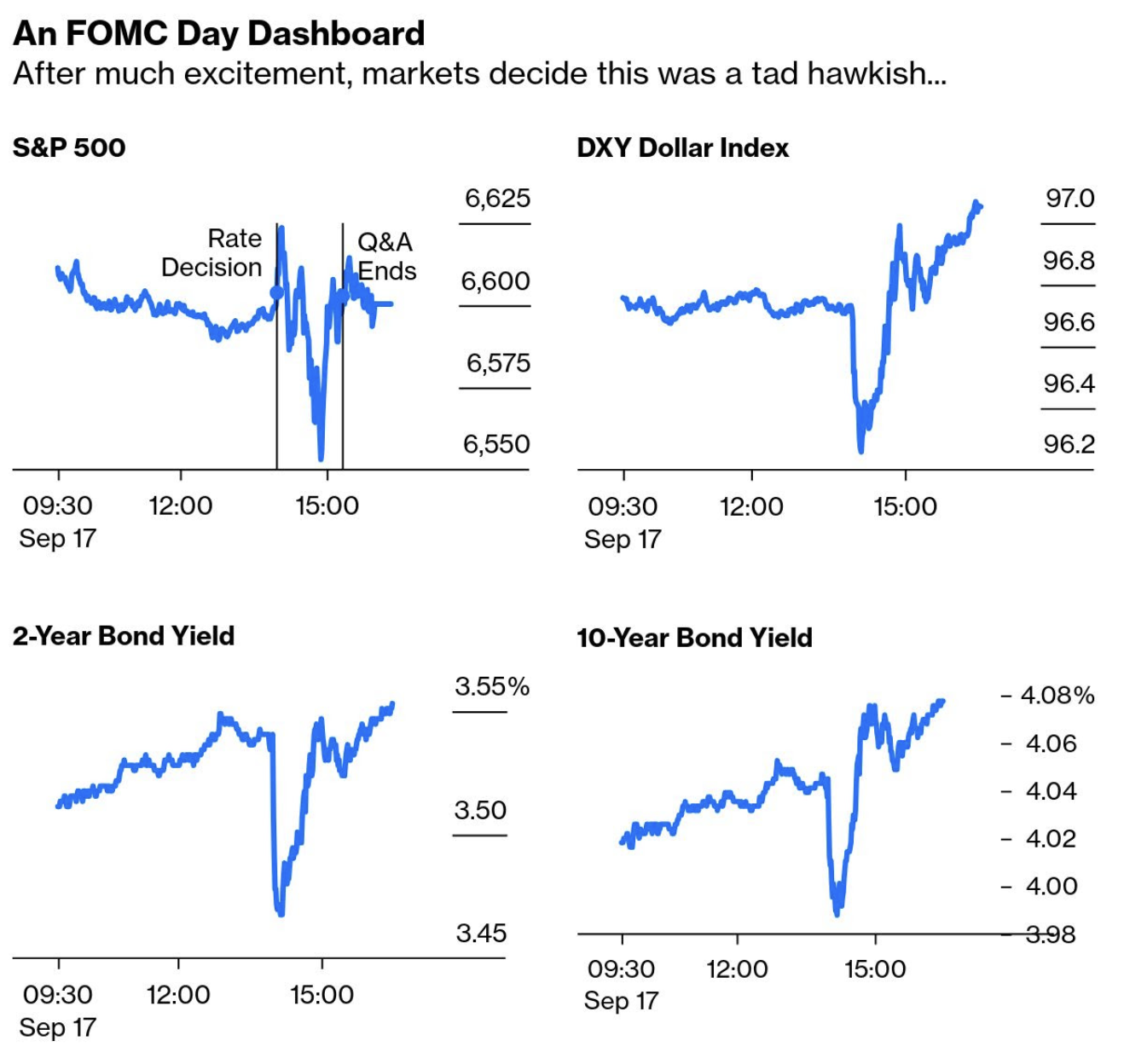
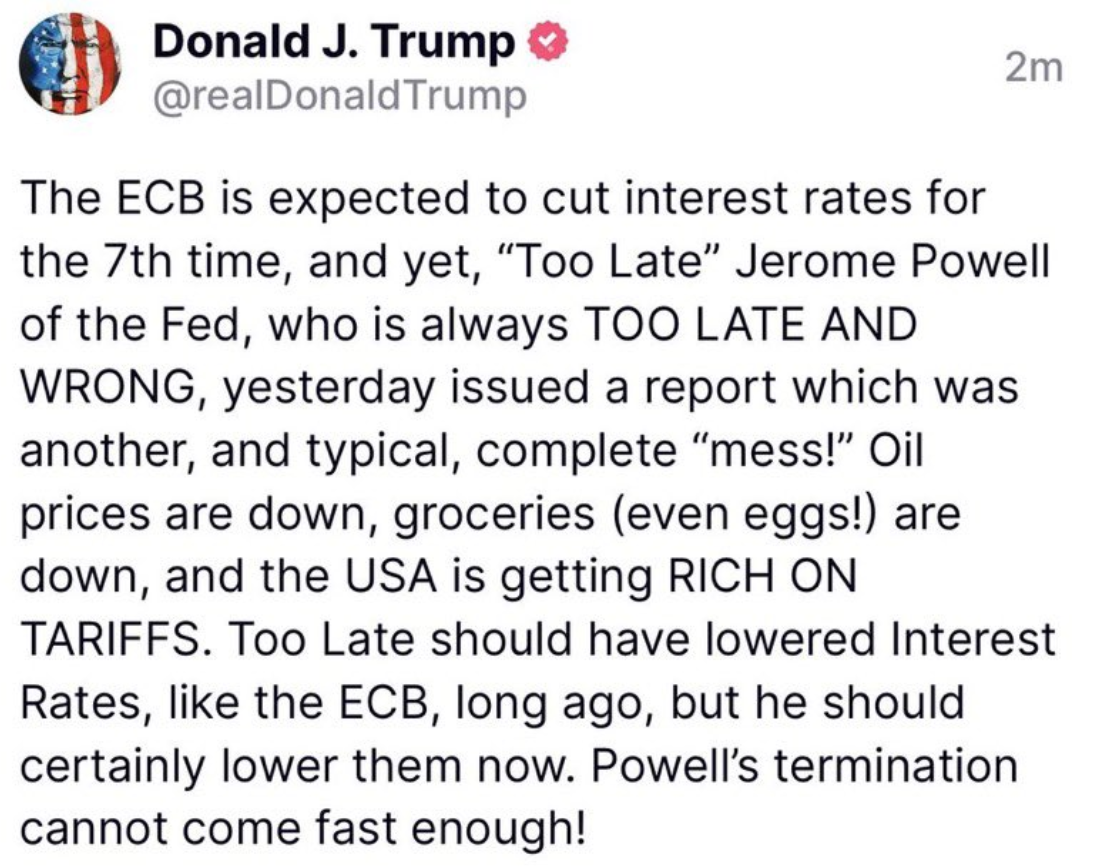
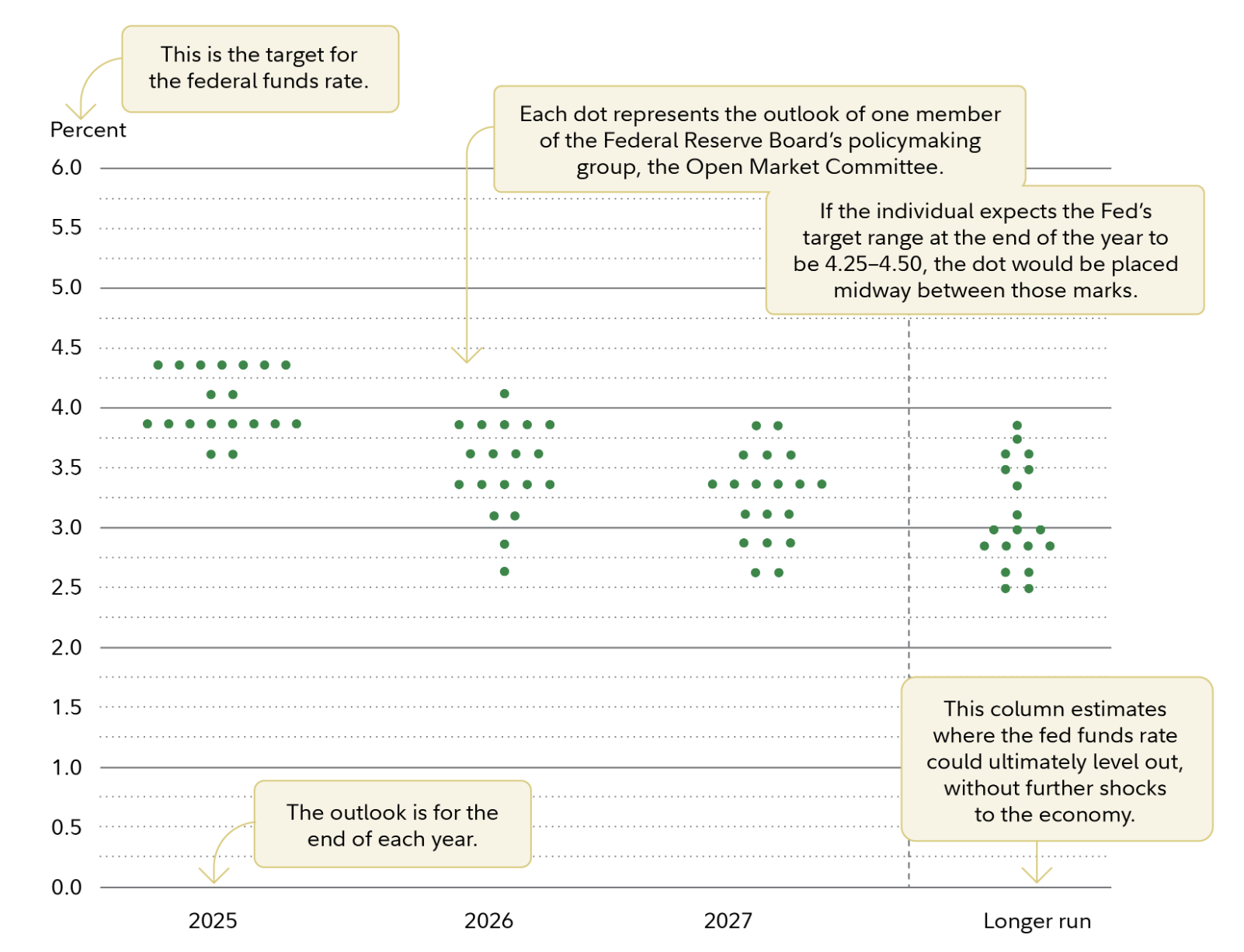
Long-term investing demands a careful balance: stocks typically rally on the promise of cheaper money from expected rate cuts, but this momentum clashes with clear structural economic weakness that necessitates the cuts. History favors stocks during easing cycles. However, the key risk lies in whether economic weakness persists and hammers corporate earnings, eventually undermining high valuations. The recent “hawkish cut” by the Fed surprised markets, indicating concern for a deteriorating jobs picture over inflation. While the market continues to rally on optimism, as legendary investor David Tepper warns, valuations are high. The strategy remains to maintain equity exposure to ride the easing cycle while holding significant cash to capitalize on any likely drawdown.

When Will Bad News be Bad News?

History shows that central bank easing cycles generally benefit stock markets. However, we should ask why central banks are cutting. If the Fede cuts rates to combat a slowing economy, the news may not be as positive as it seems. A weakening economy means lower corporate earnings and reduced consumer spending, which are ultimately negative for stock prices. Several bleak monthly jobs reports is evidence that the economy is struggling. But is just a soft patch or something worse? I suggest exercising caution – rate cuts are not always a positive.