Category Fed Reserve

Market Sweats Trump Tweets Over Powell

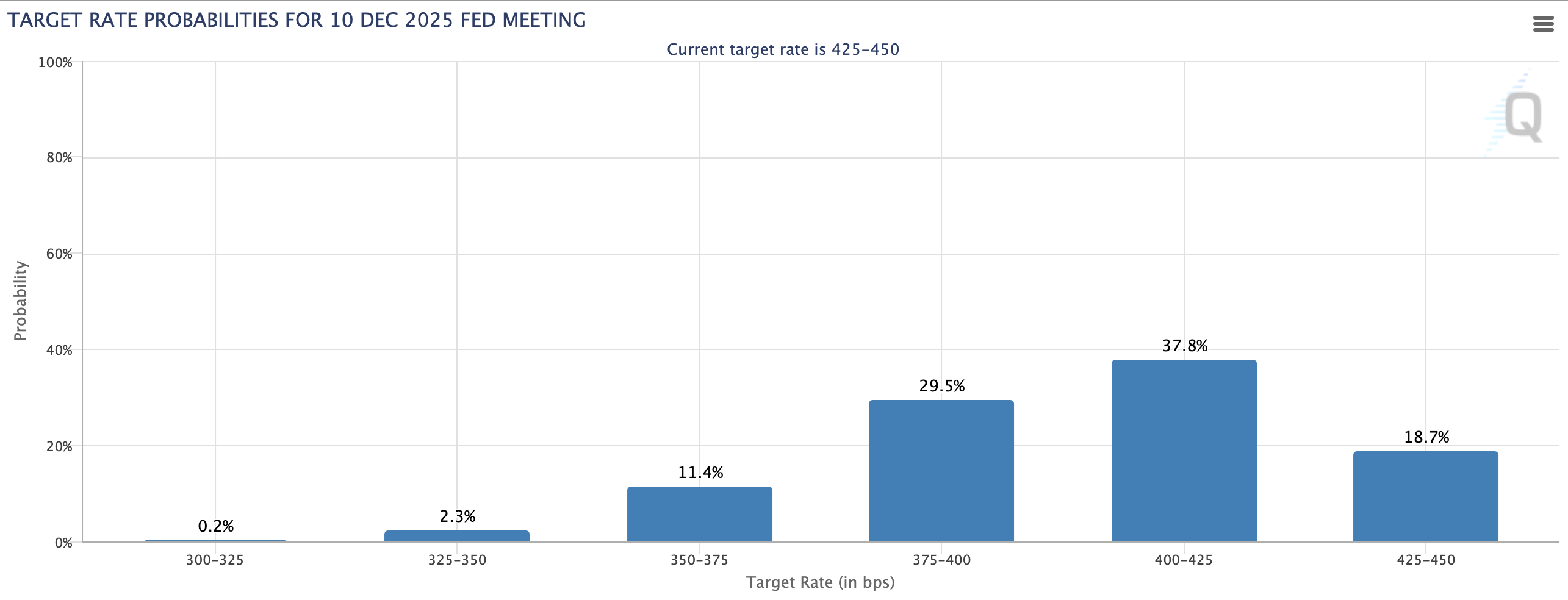
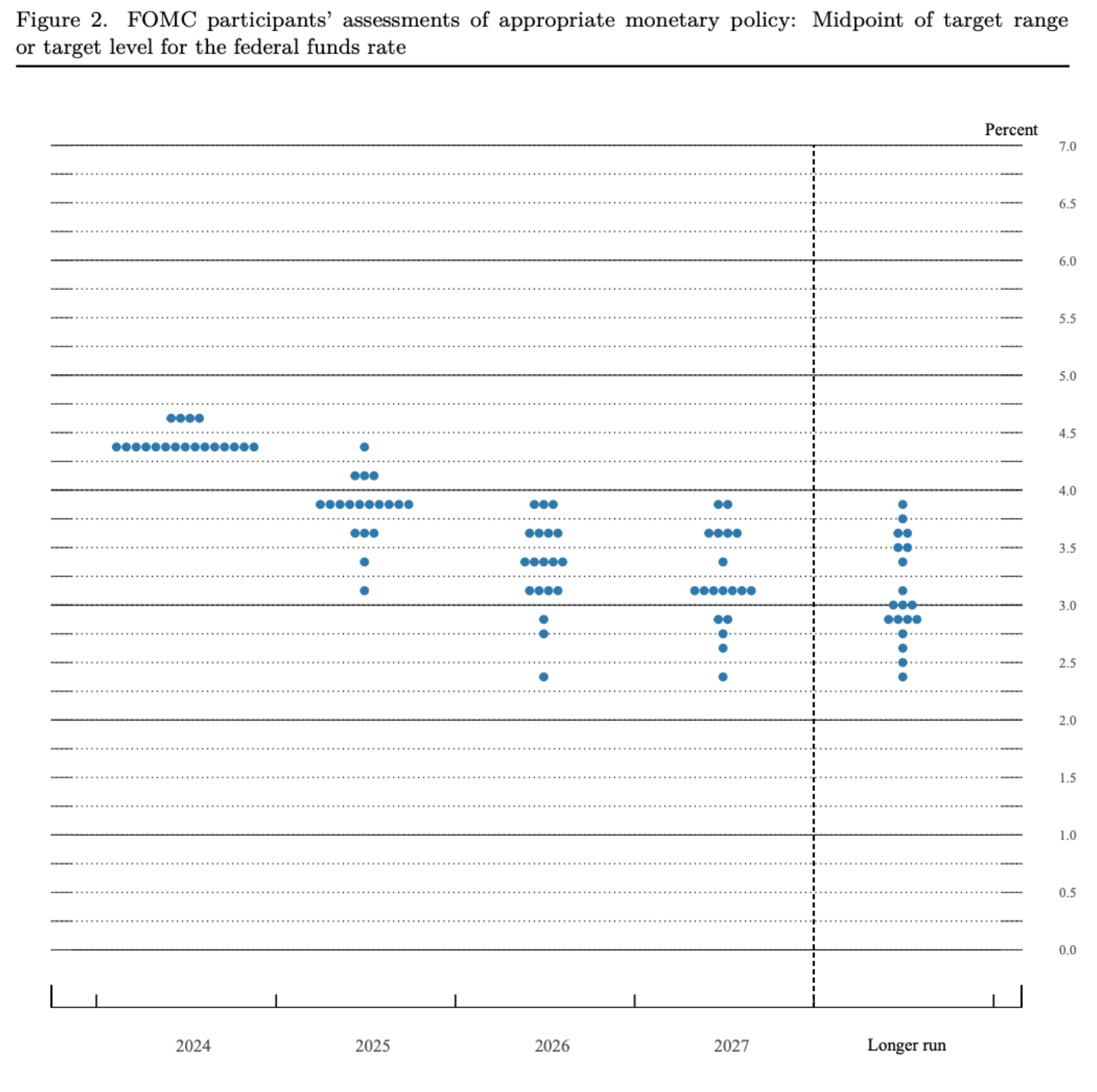
What matters more to the market: (a) a Trump tweet on any potential trade deal; or (b) Jay Powell's statement on monetary policy? If you ask me it's the former. Today's statement from the Fed was almost a non-event for the market. Powell maintained rates in the 4.25% to 4.50% target range (which was expected). However he told the market that the risk of "higher unemployment and higher inflation" have risen since their last meeting. That's problematic...

Trump Wants Lower Rates – Will He Get It?

Trump is demanding the Federal Reserve lower rates. However, Fed Reserve Chair Jay Powell - is having none of it (and nor should he). This is setting up another showdown between the President and the world's top central banker... a repeat of what we saw in 2018. As we all know Trump is a real-estate guy. Property is a business that relies heavily on cheap money. And this is the same lens Trump is taking with respect to his growth agenda. But he may not get what he wants...
Worry About Growth – Not Inflation

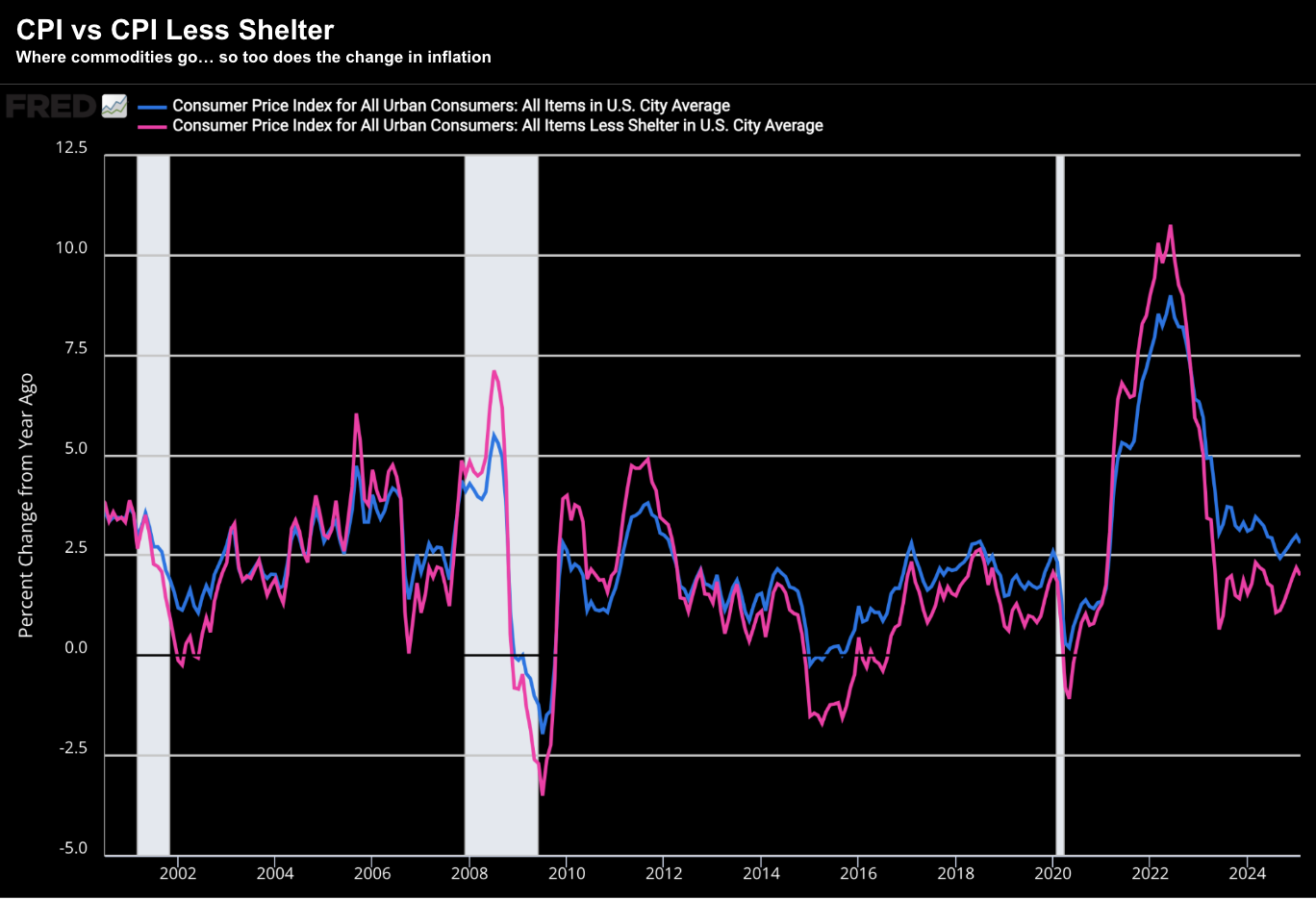
Some people are concerned about mounting inflationary risks. For example, it was only last week the Fed raised its inflation projections - where core inflation is expected to grow at a 2.8% annual pace, up 0.3 percentage points from the prior reading. And whilst inflation may remain sticky in areas like services and shelter (which I will talk to more shortly) - I think we should be more concerned with growth.

The Slowdown is Here… Now What?

Feb 15th I asked this question: "Ready for a Growth Scare?" Markets were yet to correct at the time... however fast forward ~5 weeks and the growth scare has arrived. Now investors are taking notice. The Fed warned growth is likely to slow this week - where Chair Powell said economists outside of the central bank have generally moved up their estimated chance of a recession. The Fed downgraded its economic growth outlook while raising its inflation projection. They see the U.S. economy growing at a 1.7% pace this year, down 0.4 percentage points from what it forecast in December.

Worst Week of the Year… Uncertainty Weighs

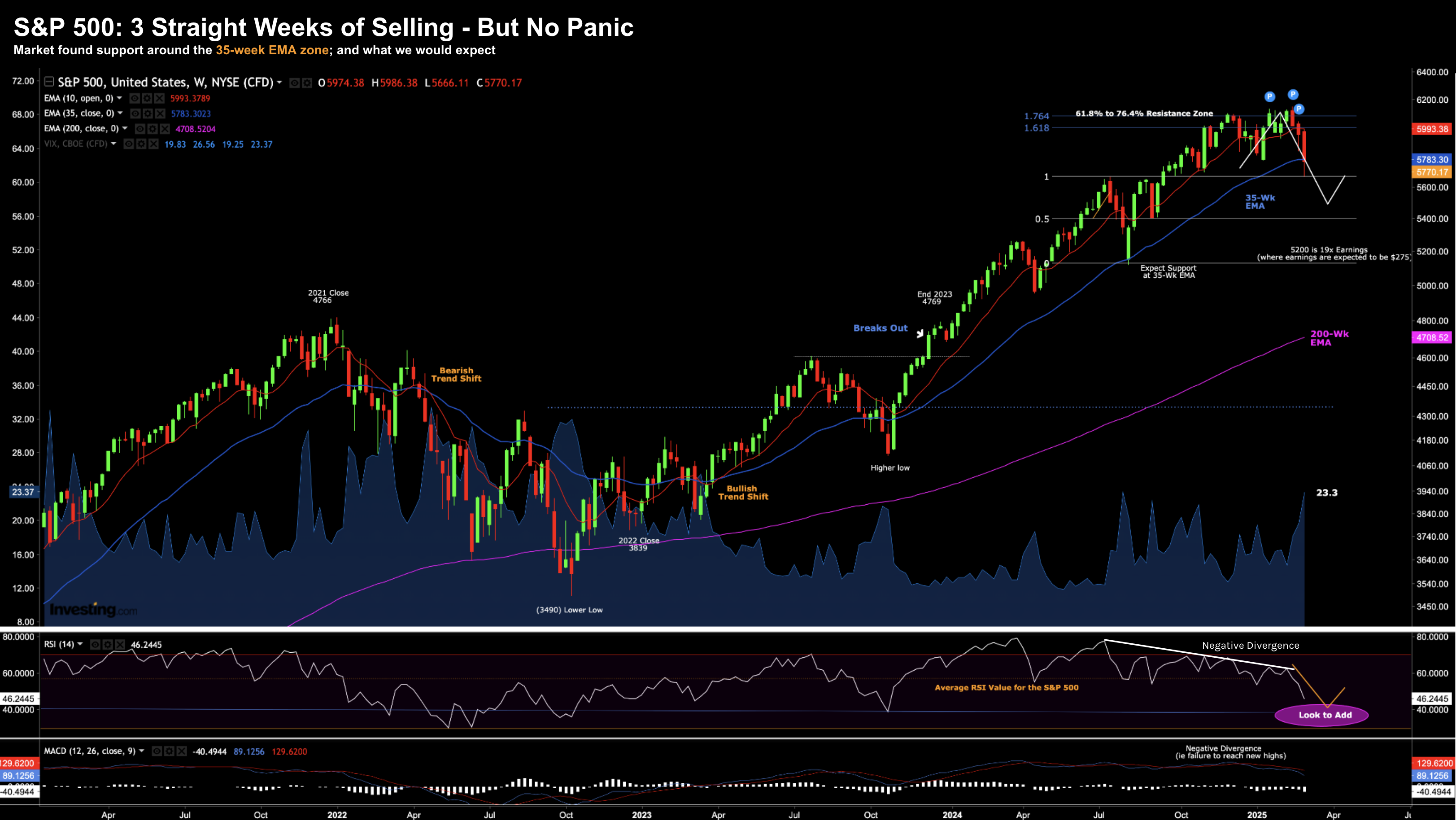
Approx 2 months ago - it felt like markets were starting to hedge their bets. How could I tell? Whilst the market was trading near record highs (around 6100) - momentum was fading. I commented on both the weekly MACD and RSI falling - whilst prices remained high. Technicians call this "negative divergence". Quite often it suggests prices are at greater risk of easing. Since then they've dropped ~6%. The week ending March 7th was the worst week for the year and the third straight week of losses... more to come? I think so...

Fed Minutes: Time to Pause QT?

Four things caught my eye with yesterday's release of the January Fed Minutes: (i) worries over tariffs and their impact on inflation; (ii) some members suggesting the fed funds rate is now close to neutral (not the majority); (iii) concerns over the pace of balance sheet reduction targets; and (iv) inflation needing to come down more before lowering rates further. Makes sense to me... But I can't help but wonder when Powell ran a victory lap last September - whether it was premature.

The Market’s Addiction

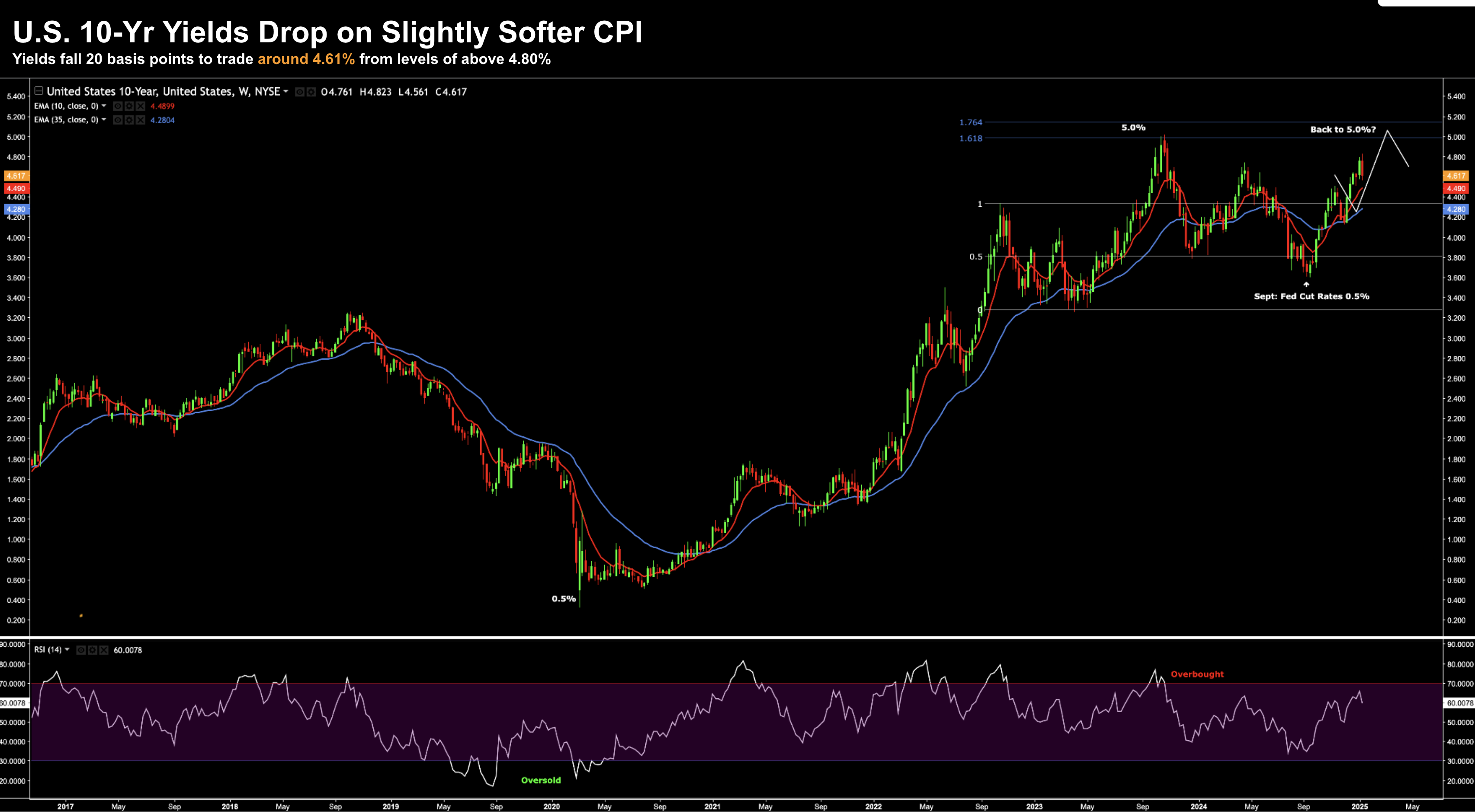
If you needed reminding the market remains closely tethered to monetary policy - we received it this week. Stocks surged on the back of two things: (i) CPI coming in slightly better than expectations; and (ii) the prospect of the Fed having more room to ease rates. Bond yields dropped and stocks jumped. There's nothing quite like the sniff of cheaper money to get the animal spirits moving. However, it's still far too premature to jump to conclusions.

A Bad Day for the Fed

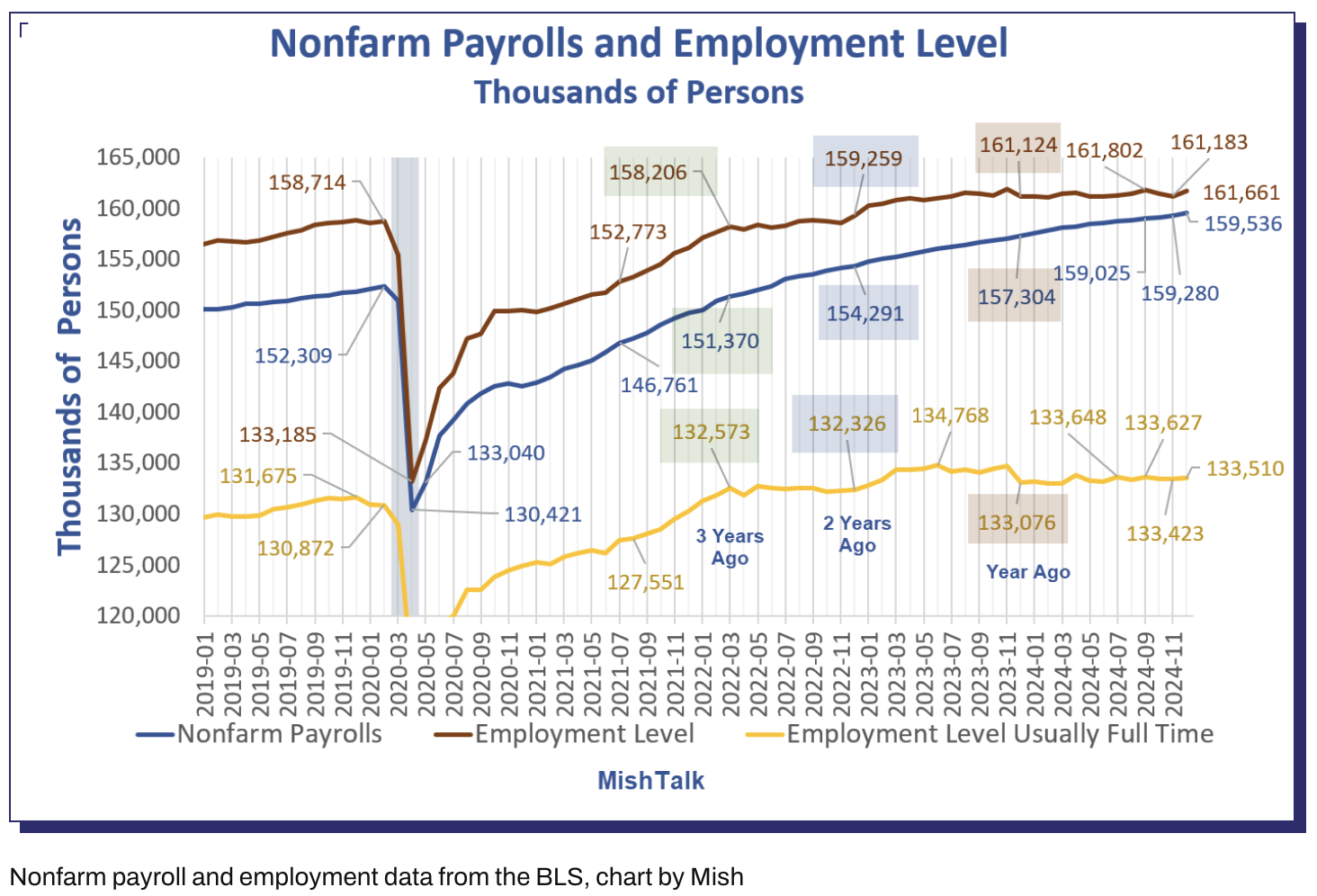
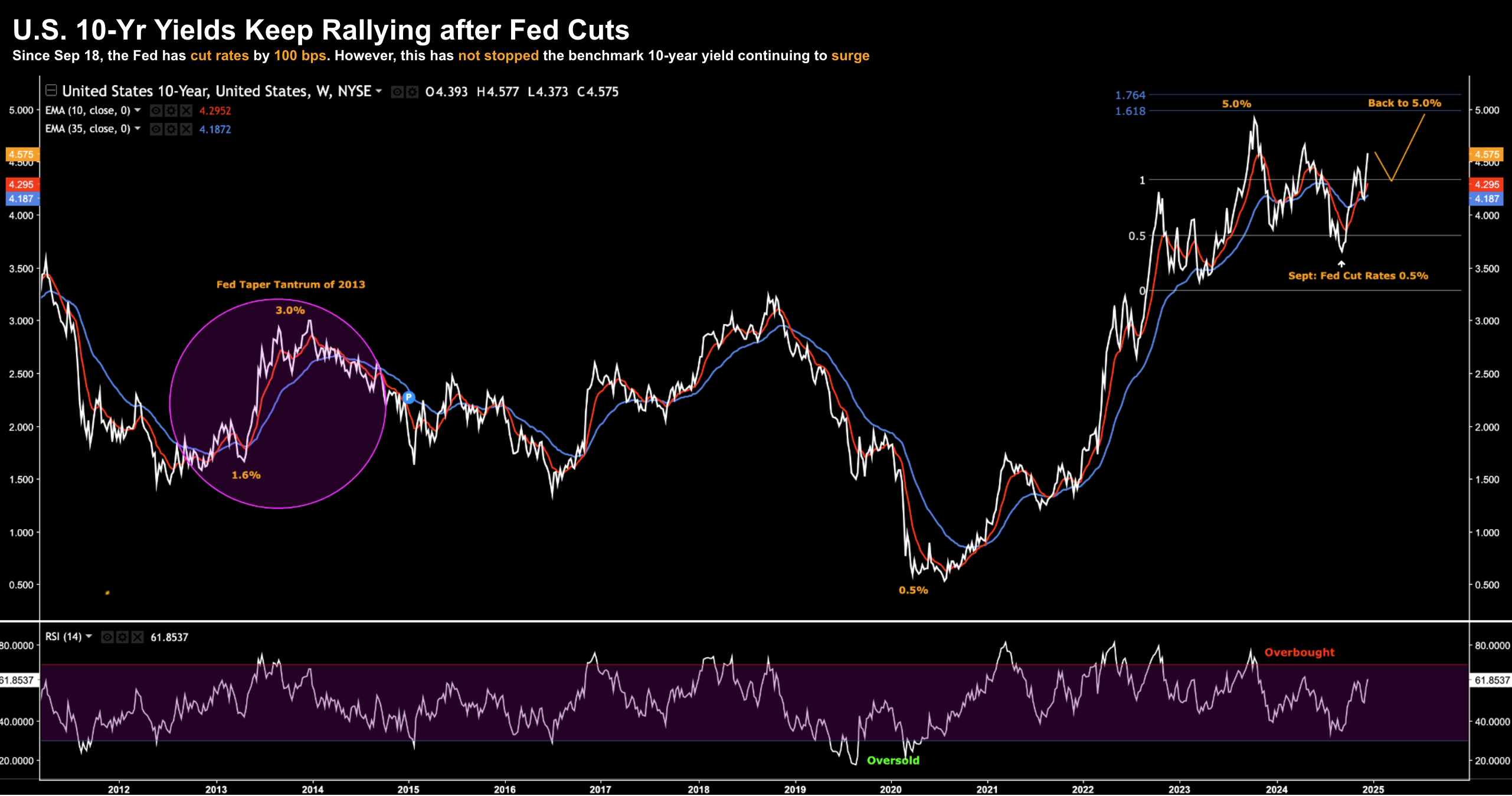
A few months ago Jay Powell claimed victory. Last Sept he said words to the effect of "the time has come to start easing rates". He initially cut rates by 50 points - followed by two more cuts of 25 basis points. Markets were thrilled at the thought of more cheap money - pricing in as many as 6 or 7 rate cuts over the next 12 months. However, at the time I asked why the need to cut? The data simply didn't support it. Jobs were fine. The economy was growing. Inflation was not yet at its desired level. Why cut? However, whilst the Fed was busy running a victory lap - the bond market was less convinced. The US 10-year yield went the other direction -- and appears likely to retest 5.0% in the next few months. What does this do to valuations?

Fed’s Balancing Act for 2025

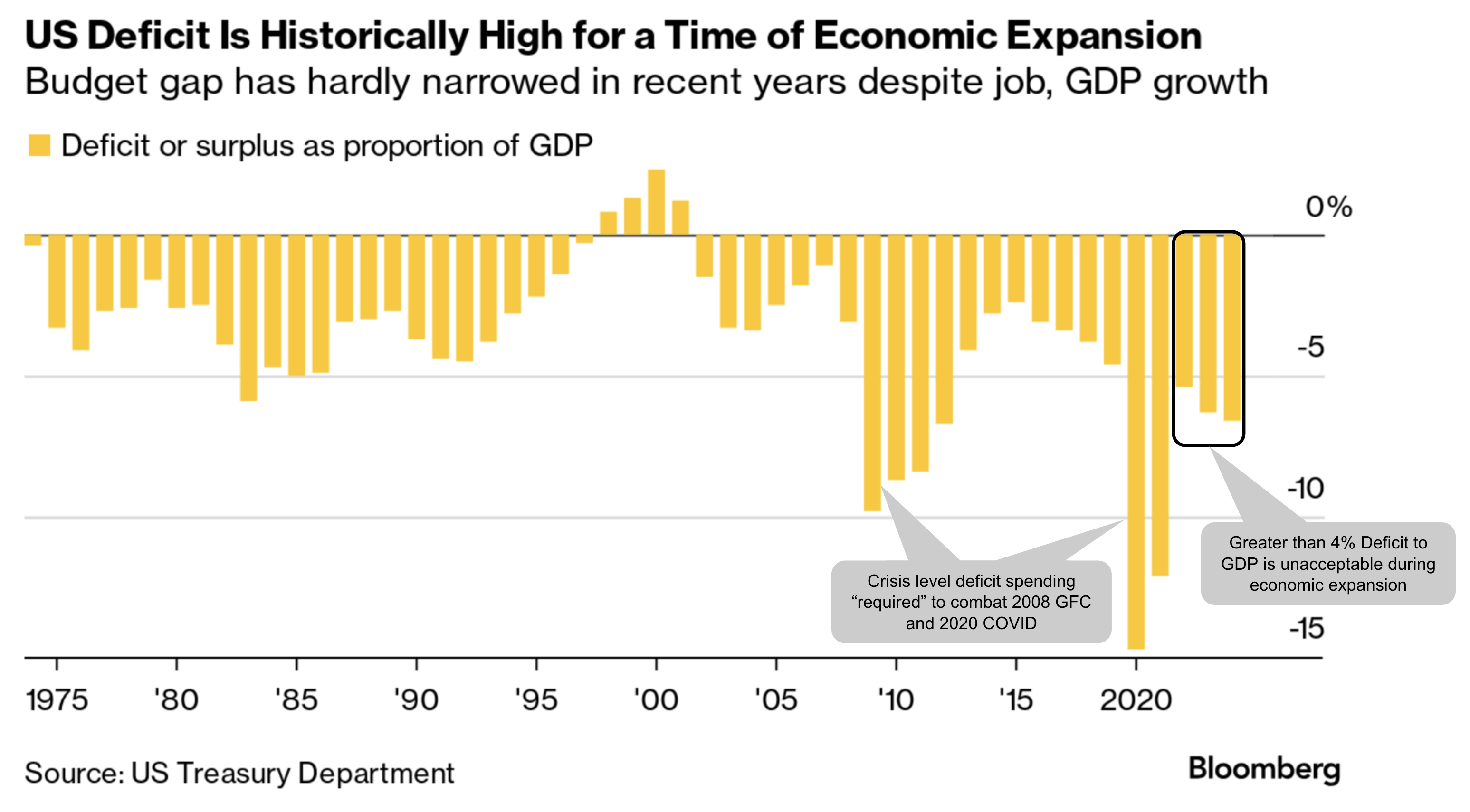
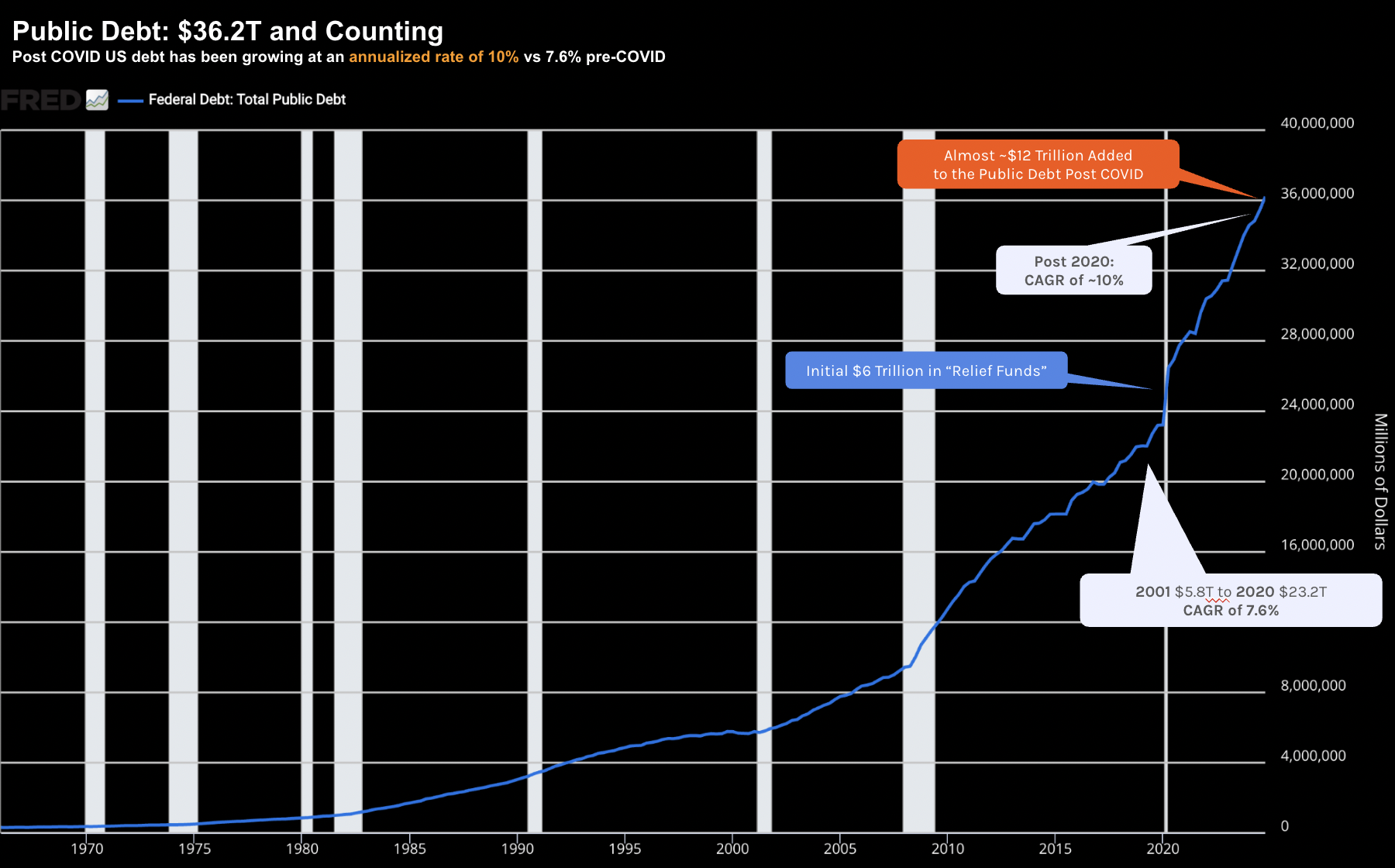
2025 will not be without its challenges for both investors and central baks. For example, if we consider: monetary and fiscal policy risks; likely introduction of tariffs and price increases; geopolitical risks as global central banks navigate U.S. policy; a stronger US dollar with a rising 10-year treasury yield; ongoing debt and deficits concerns; the risk of stubborn inflation (notably services); and a weakening employment picture - this presents a complex web of related variables or risks. How are markets pricing this in? For now they remain complacent - trading at record highs - at near 22x forward earnings.

End of 20-Year Cheap Money Era

Equities were seemingly caught off balance with the Fed's 'surprise hawkish shift'. From mine - there was very little surprising about it - you only needed to look at the data. However, what I was more interested in was how Powell would explain why they were cutting rates. As it turns out he struggled - leading to a small sell off in stocks. The irony was Powell did a better job of explaining why rates should not be lowered (which is obviously at odds with their decision to cut).