Category Fed Reserve

Fear & Greed

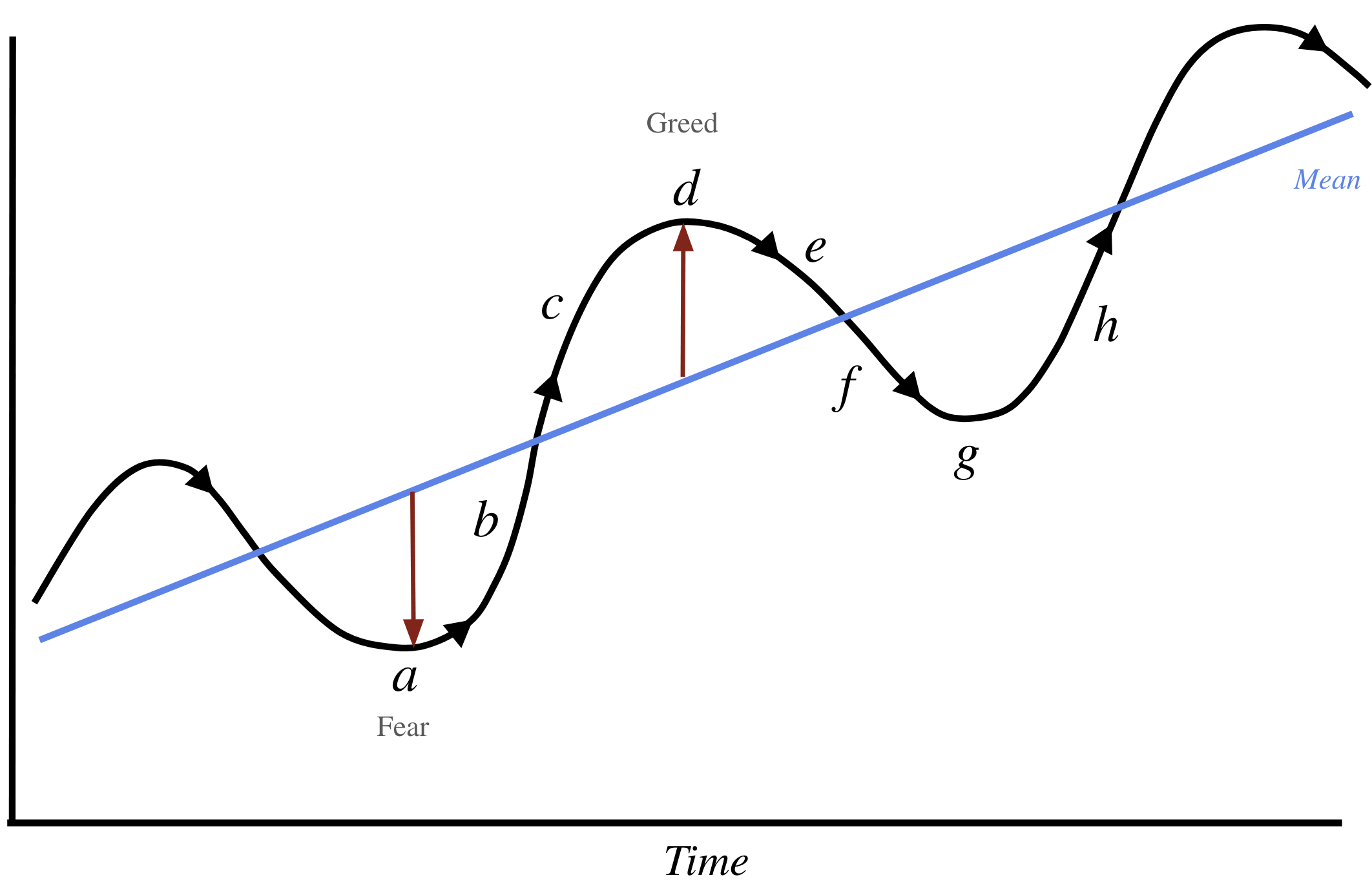
Wall St. is driven by just two emotions: fear and greed. Pending on the degree to which you succumb to these emotions - it will have a profound impact on your bottom line. All too often, most investors will do two things: (i) buy when there is market greed; and (ii) sell when there is fear. It's the opposite of what you should do. However, this is something you need to master if you are to be successful in the game of asset speculation.

Powell’s Ready to Cut… And Not Just Once

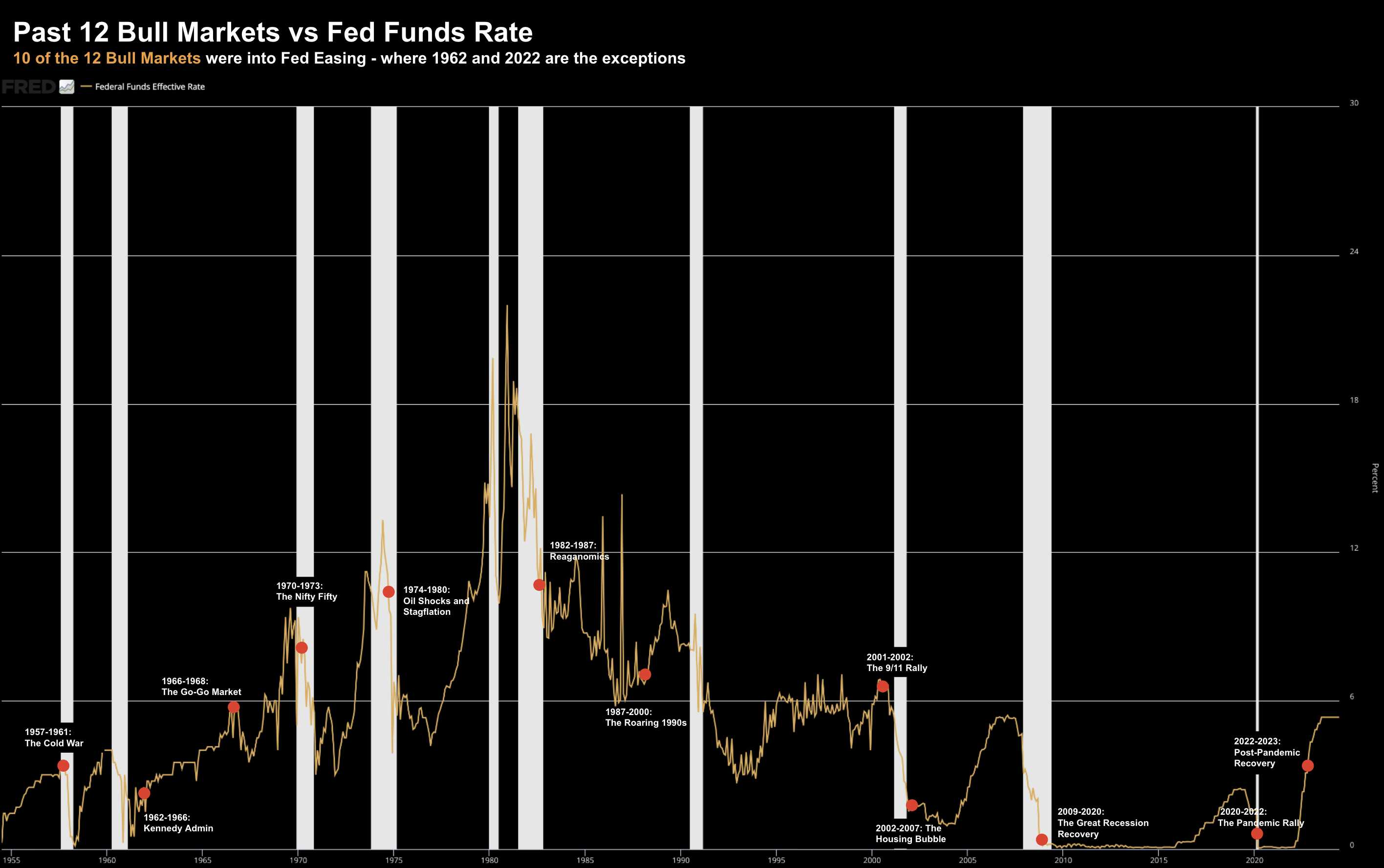
Today Fed Chair Powell delivered precisely what the market wanted to hear... help is on the way. As a perpetual (closet) dove - Powell did his best to stay balanced however the cat is now out of the bag. Rate cuts are coming. And there will be more than one. Consistent with other meetings - Powell said rate cuts are an option if economic data continues on its current path. In other words, it was the (same) scripted "data dependent" Fed.
However, there were some important nuances.
Cycles: Your Advantage over the Average Investor

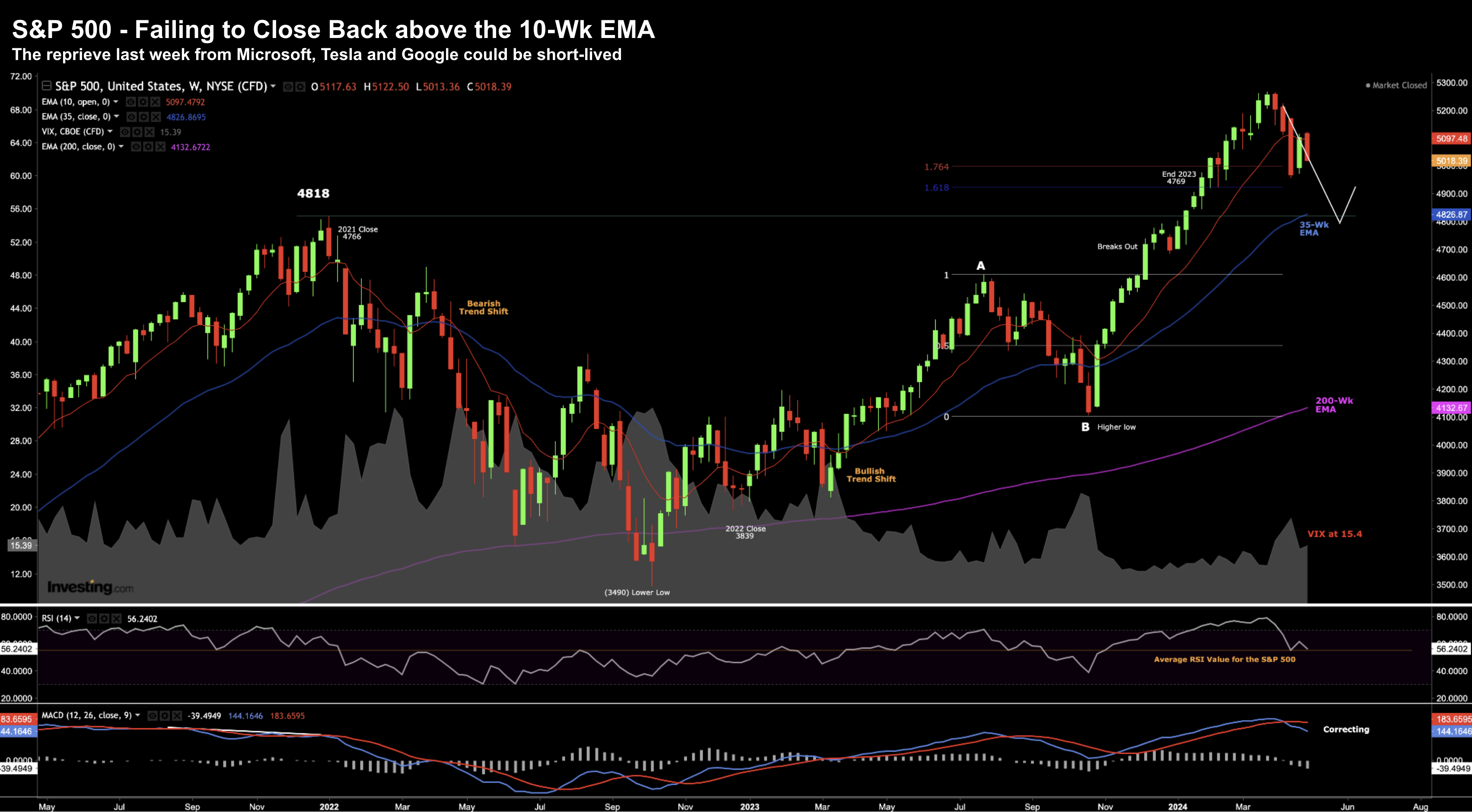
I made a decision to reduce my exposure to large-cap tech a few months ago. The decision wasn't an easy one... these are great stocks. For example, did I sell prematurely? The answer will be more obvious in 6-12 months when the cycle has had sufficient time to play out. For now (as was the case when I sold) - I think the downside risks meaningfully outweighed further upside gains. In this post, I explained how selling is a way of managing your risk. I was ensuring I banked the appreciable gains realized over the past few years. In light of the rotation out large-cap tech we've seen this week - I thought it was opportune to share some thoughts on (a) how I calibrate my portfolio in a changing environment; and (b) when to be aggressive and when to play defense. It all comes back to understand the economic cycle...

Real PCE: Seeing Around Corners

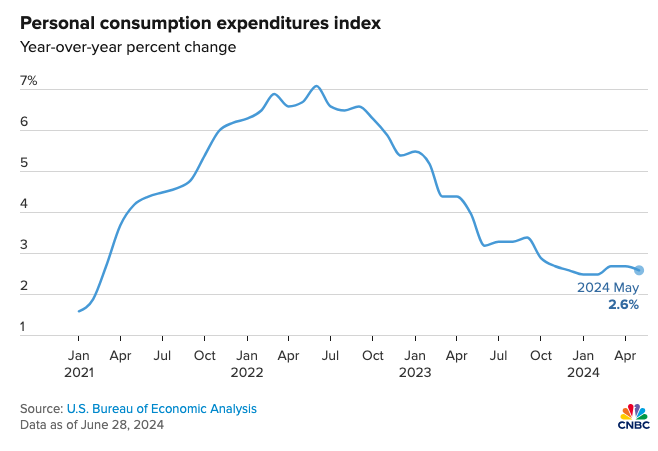
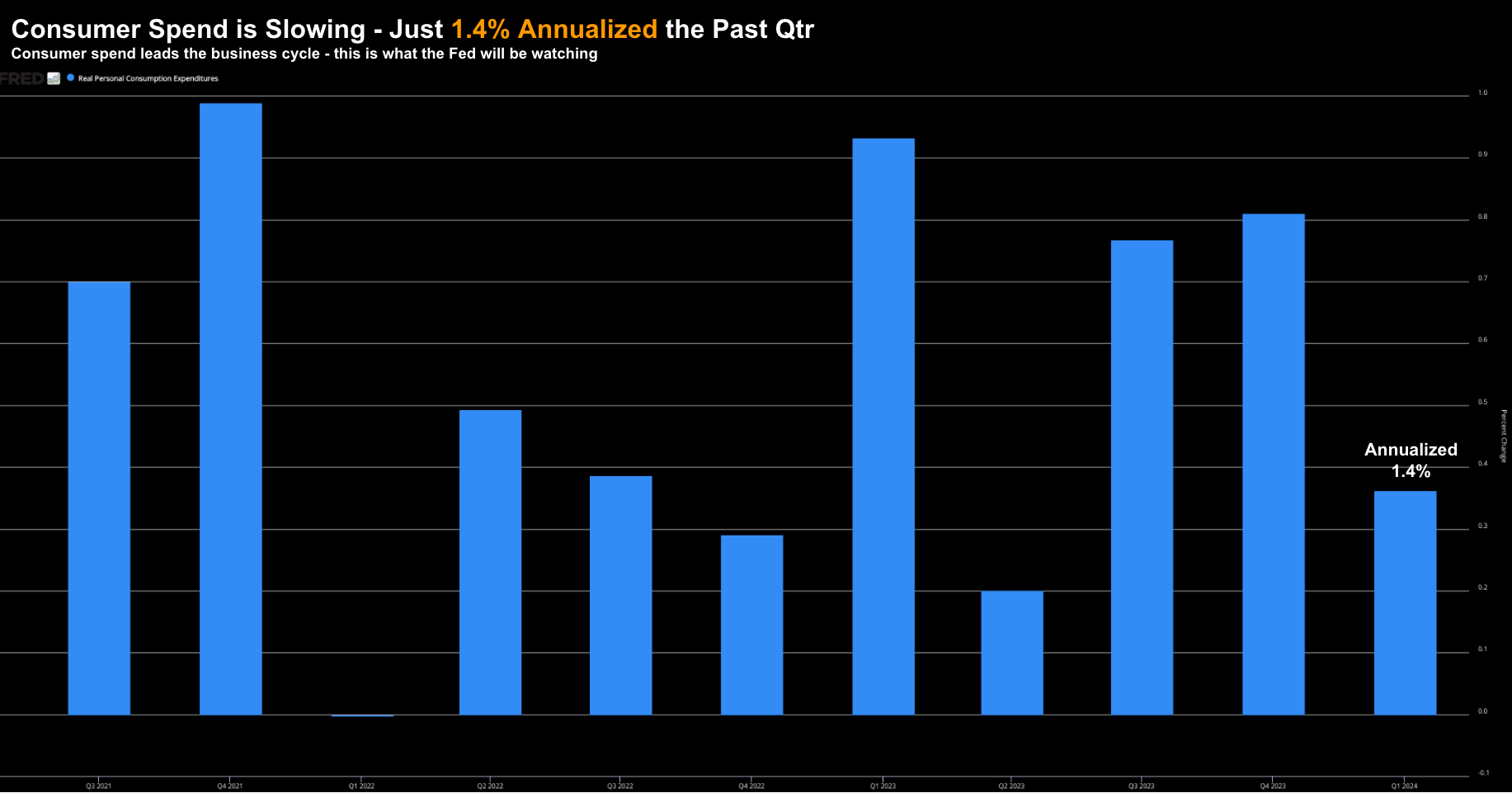
As an investor, your job is to carefully assess the risks against the rewards. A large part of that equation is knowing exactly where we are in the business cycle. For example, consider the following questions: (a) do you think we're at the beginning or middle of an economic advance (with more to go)? or (b) do you think we're about to encounter a significant change in direction? and (c) if so, is that change for the better or for the worse? Your answer is very important. It's far better to invest (or take more risk) at the start of the business cycle vs the end. Therefore, how will make that decision? How are you able to determine where we are? I will offer a market signal which is arguably more consistent and reliable than most indicators.

Wall Street Cheer a “Strong Jobs” Report…  Should They?

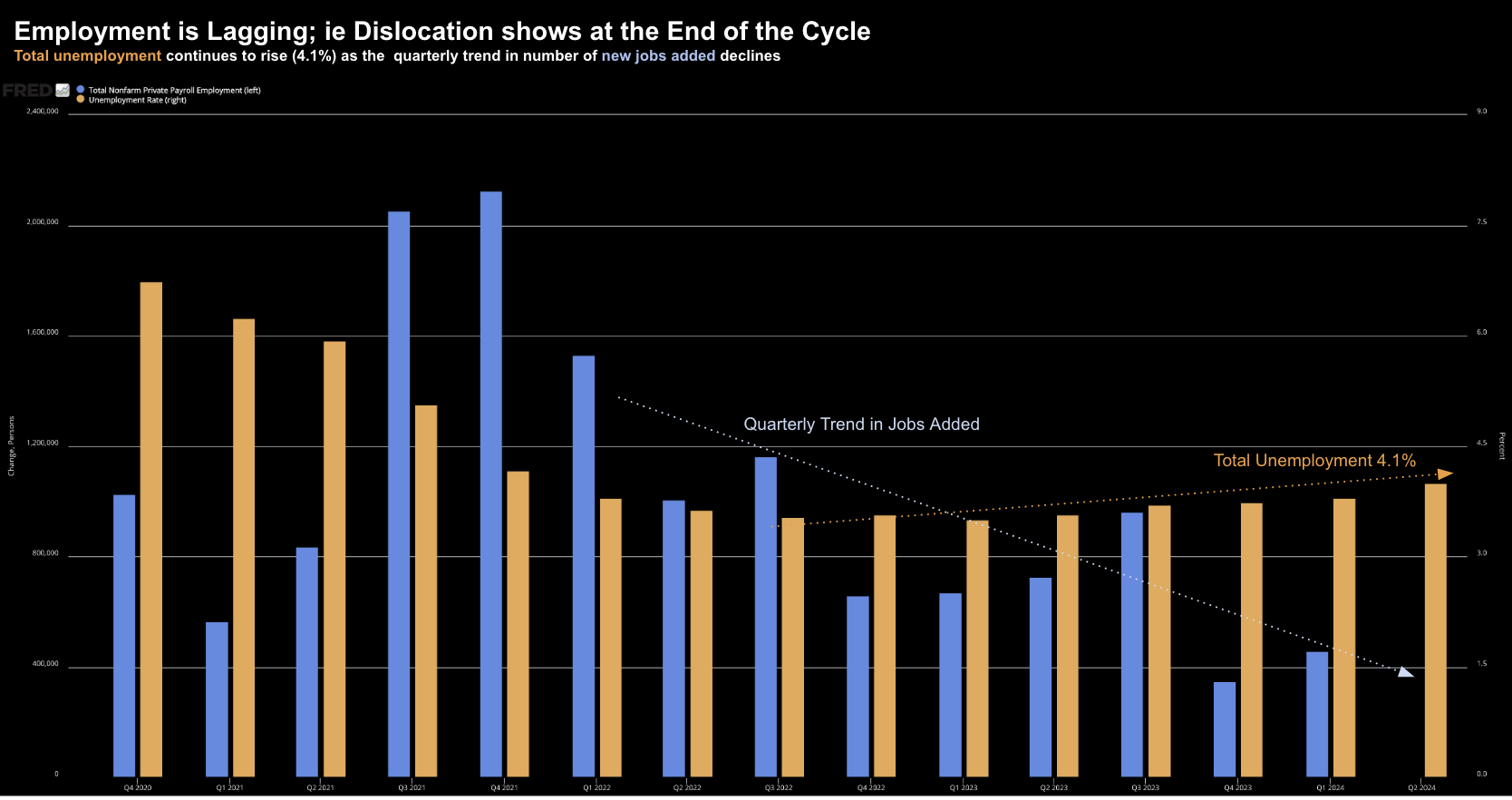
Wall St. cheered a perceived 'strong' monthly June jobs report. The economy added 206K jobs last month - however the unemployment rate moved to 4.1% - its highest level in 2 years. Here's the thing: there was a lot of weakness in the labor market - with most of the jobs coming from government. In addition, April's job gains were revised lower by 111K. And May was revised lower by almost 60K. I think there is material underlying weakness (reflected in slower Real GDP and PCE) and perhaps enough for the Fed to start cutting rates in September or November.

It’s Fed Week… Market Sees Cuts Coming

Are rates restrictive? And if they are - how do you know? That's the question the Fed will address tomorrow - but it's not easy to answer. For example, on the one hand there's a (large) cohort who believe the Fed are falling 'behind the curve' - therefore increasing the odds of a recession. They feel that growth risks are to the downside - and do not need to wait for both inflation and employment data to confirm what's ahead. On the other side of the coin - there are those who think we still run the risk of higher inflation if acting too early.

Are Commodities Telling Us Something?

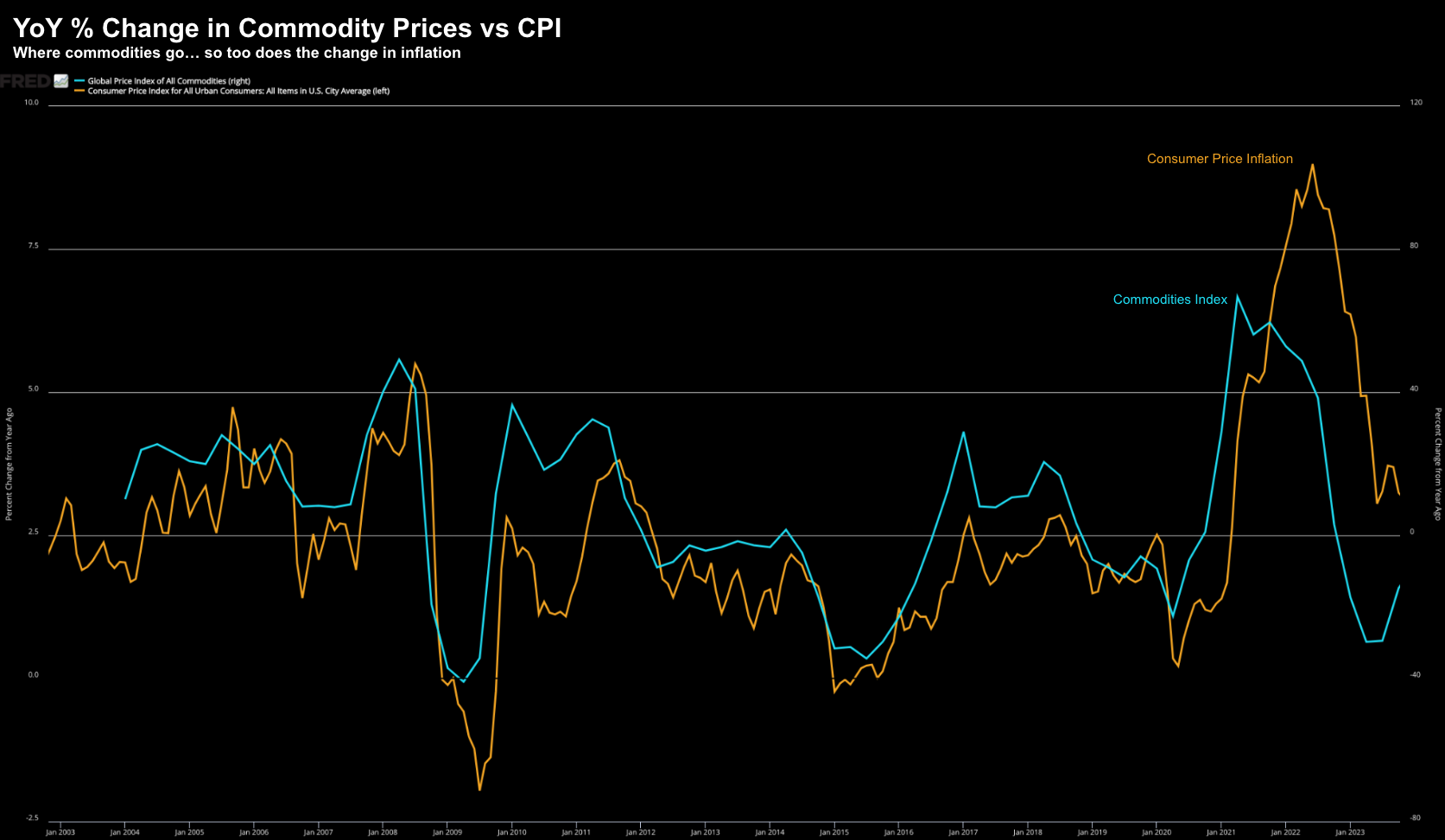
Forecasting things like (not limited to) GDP growth, unemployment and inflation is tricky business. Very few get it consistently right (especially policy makers). And whilst macro forecasting is generally a fool's errand - there are things we can observe to improve our probabilities of success (or at least reduce our risk). Consider inflation... whilst not perfect - there are a set of reasonably strong correlations which exist over extended periods. And it's these types of correlations we can use to our advantage.As I will demonstrate - over the past 5 decades (after the US dollar removed its peg to gold in 1971) - inflation levels have largely correlated to what we see with commodity prices.

Powell Appeases the Market… Or Does He?

For me, there were two (big) questions for the Powell this week: (1) are rate hikes off the table - given faster-than-expected inflation and continuing economic strength? and (2) when will the Fed commence QT tapering (and by how much)? Powell was unequivocal on possible rate hikes... forghedaboudit. Equities cheered. But why remove optionality? Why Powell is so convinced we don't see a re-acceleration in inflation? Admittedly it's a lower probability outcome... but we can't rule it out. But he apparently can...

When Is the Right Time to Buy Bonds?

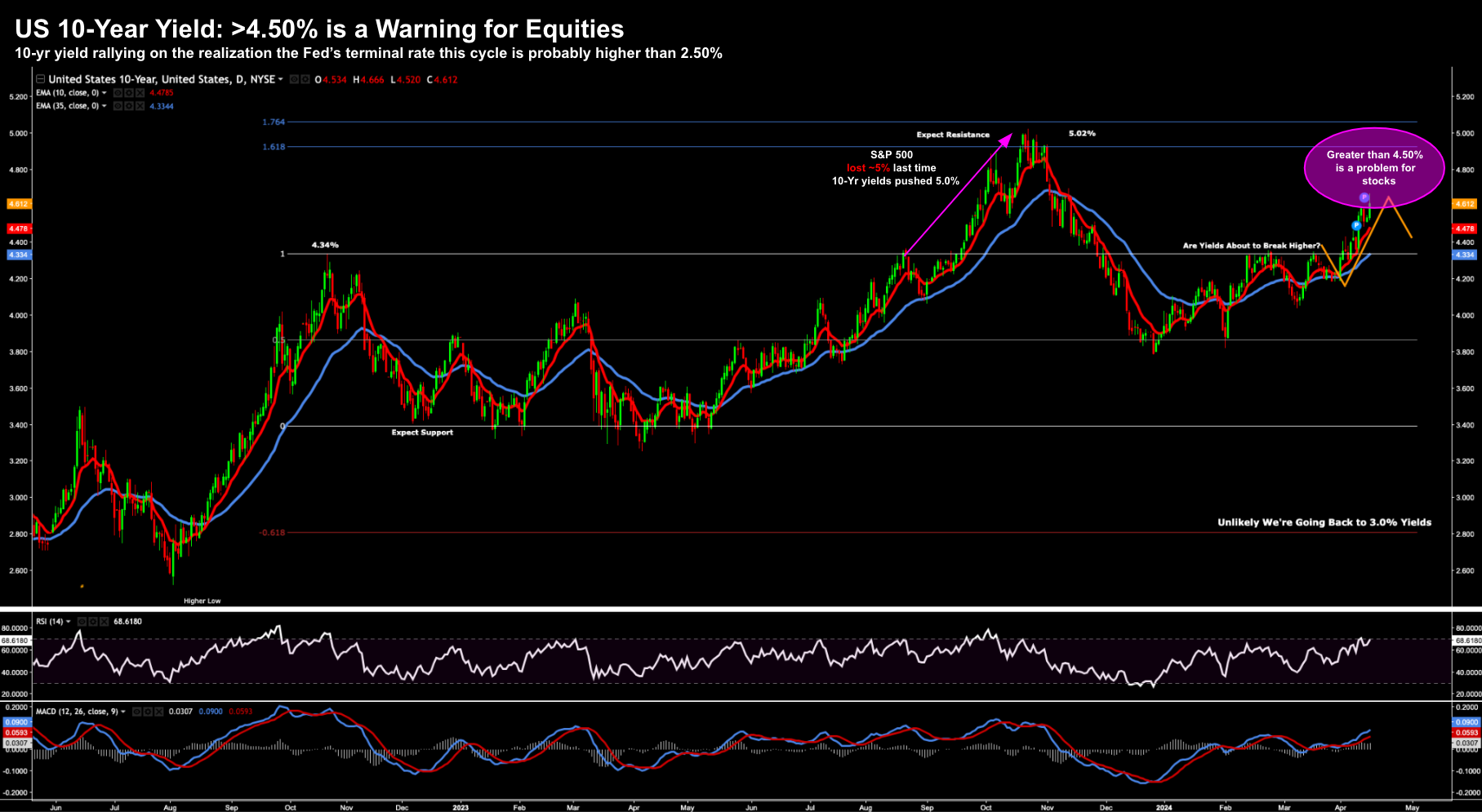
Treasury yields are surging... the U.S., 10-year treasury - a rate which every financial asset is tied to - has ripped back above 4.60%. Credit card rates, home loans, auto loans... you name it... have all increased. The last time UY.S. 10-year yields traded above 4.60% - the S&P 500 was ~20% lower. From mine, the divergence is a head-scratcher... however, what I can say is risk assets have a tougher time advancing when yields push beyond this zone. The question is - is now a good time to increase bond exposure? I think the answer is yes.. and here's why

How About Zero Rate Cuts this Year?

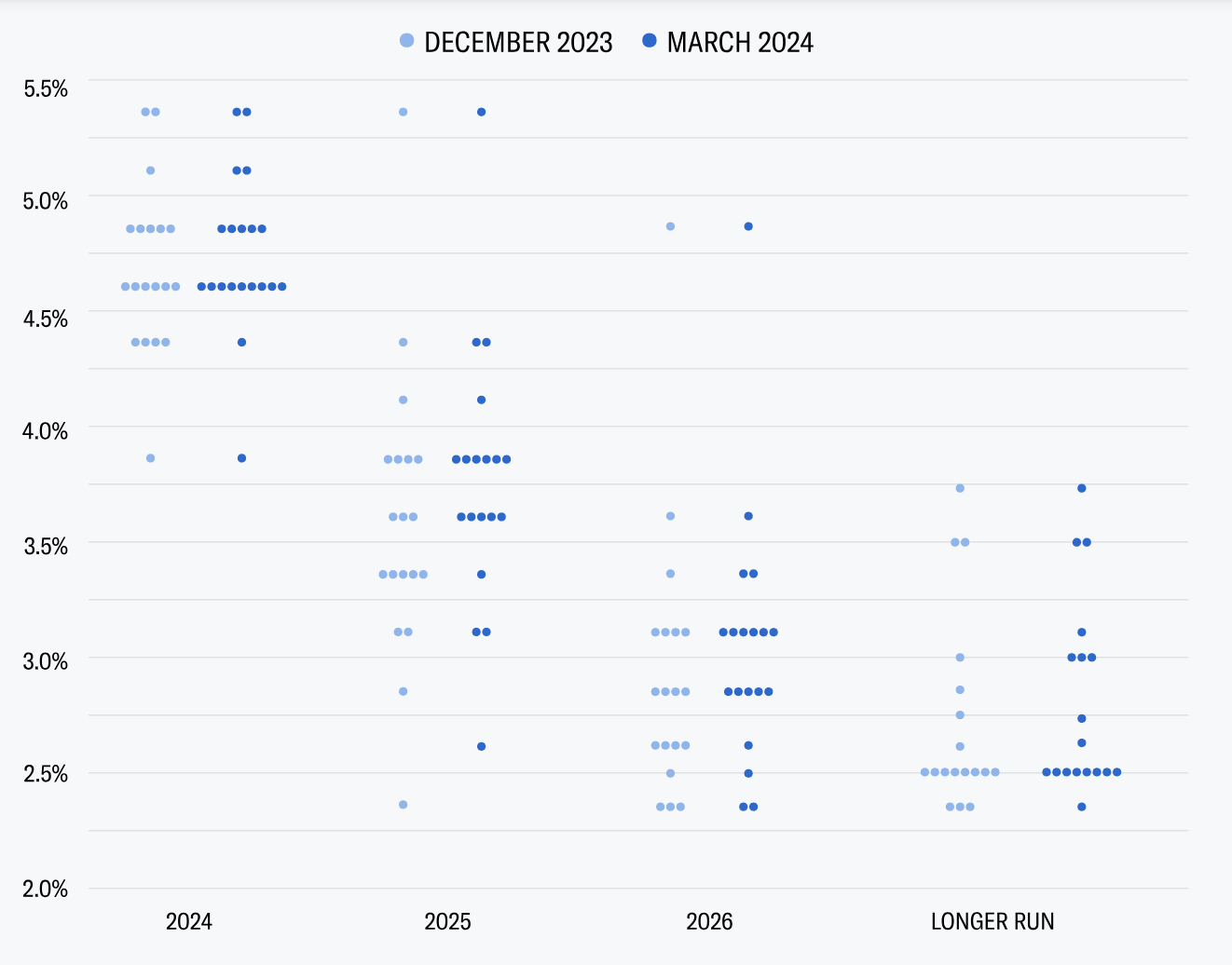
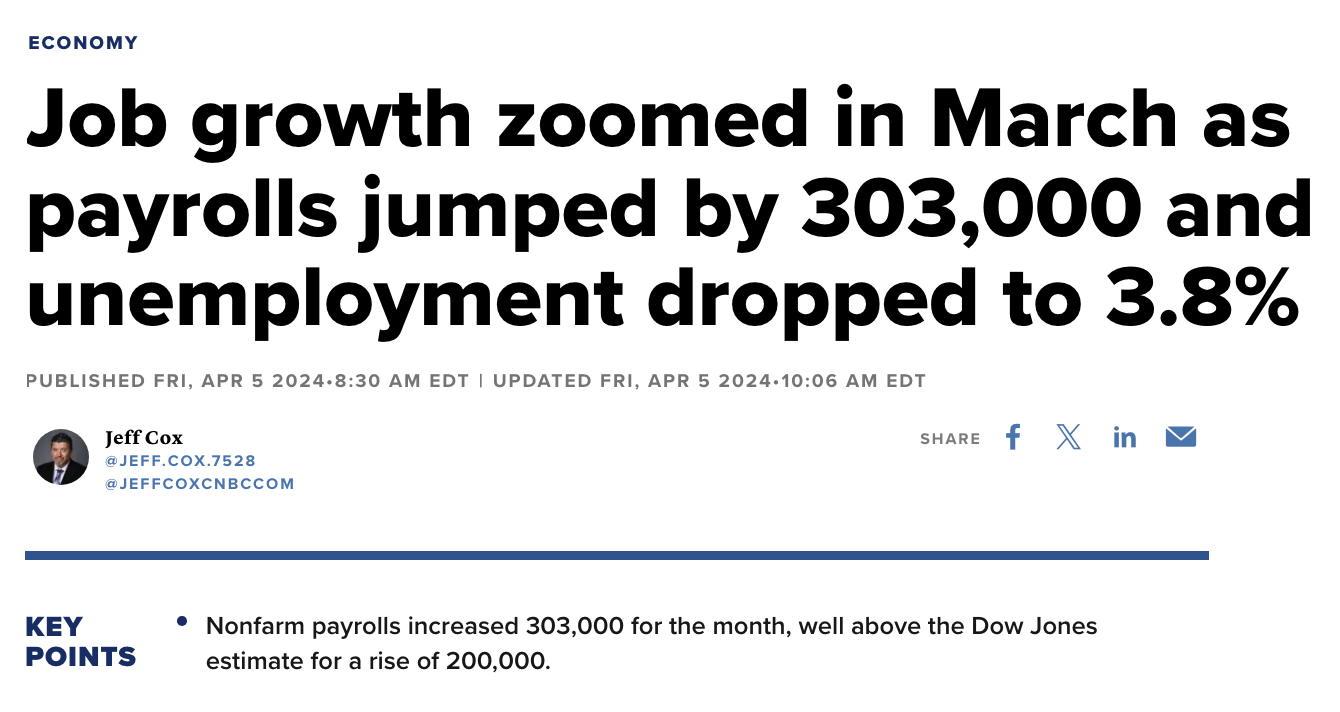
At the time of writing (April 7) - the market is pricing in three rate cuts this year. I don't see it. In fact, I think there is a very good chance of NO rate cuts this year. Now that is not a scenario the market is pricing in. However, with inflation likely to remain stubbornly high - where property prices are not falling - and the labor market remains tight - why would the Fed cut? Let's explore....