
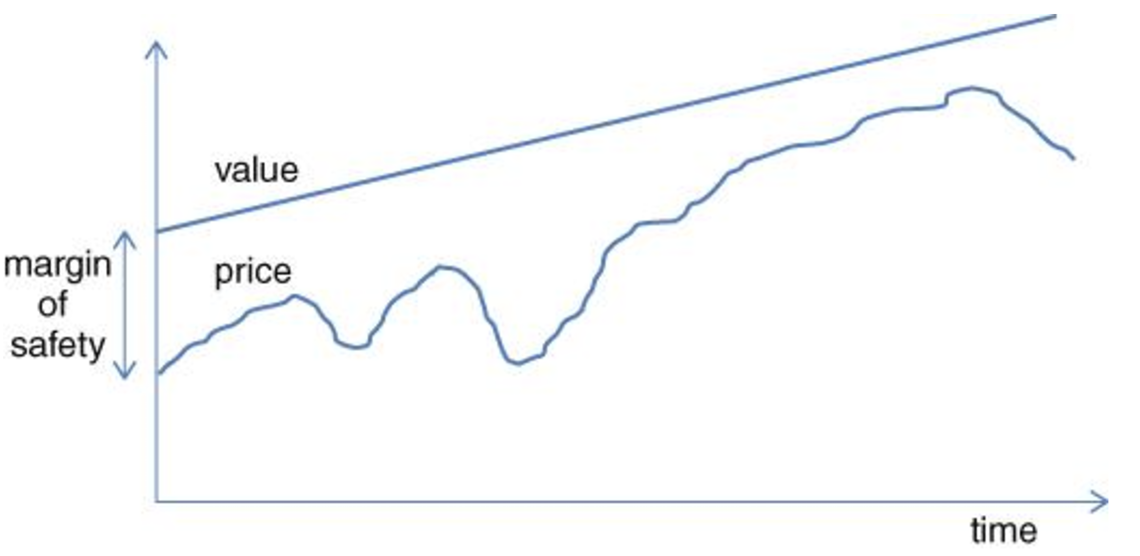
Howard Marks reminds us, true success lies in understanding the critical difference between price and value. Price is what you pay for an asset—a number driven by market sentiment, optimism, and fear. Value, on the other hand, is what you get—an asset’s inherent worth based on its ability to generate future cash flows. While markets may act as a voting machine in the short term, pushing prices to extremes, they behave like a weighing machine over the long run, eventually reflecting true value. By focusing on value over price, investors can avoid costly mistakes.
Finding Value
Why Did Buffett Add to SiriusXM?
Recently Warren Buffett increased his stake in SiriusXM (SIRI) to over 32% of all available stock. However, with the company losing subscribers – where revenue and earnings in decline – why would the Oracle of Omaha increase his ownership? Two reasons: (a) first its return on invested capital and free cash flow; and (b) the value offered. This post explains both the quality and value arguments for Buffett choosing to increase his exposure to this unloved stock…
Simplifying Quality & Value
Charlie Munger once joked “all I want to know is where I’m going to die, so I’ll never go there.” Jokes aside – it’s the same approach you should apply with investing. And it’s not difficult to do. The math is very simple — addition, subtraction, division and multiplication. If you have access to a calculator – you’re all set. The challenge is mastering your emotions (and any self-defeating behaviors). A calculator (or AI) can’t help you with that. This game is more EQ than it is IQ. Think of it as a test of your character versus your intellect. For e.g. – many highly intelligent people get investing wrong (e.g., due to emotions such as greed, fear or some inherent bias). This post talks about how we can simplify our approach to avoid taking excessive risks
