Category Inflation

Real PCE: “Robust” Economy or Signs of Rust? Real PCE: “Robust” Economy or Signs of Rust?

Real PCE: “Robust” Economy or Signs of Rust?

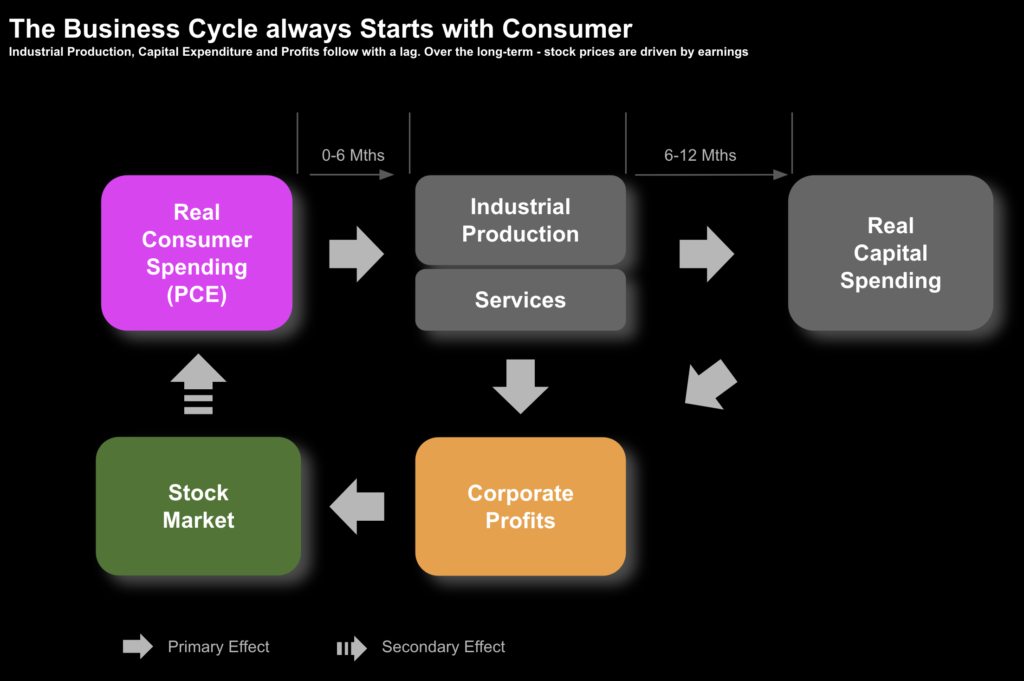
Headline indicators suggest economic resilience, but underlying data reveals structural cracks. While personal consumption remains high, it is increasingly fueled by government transfers rather than private wages. With real spending outpacing income and pending home sales plunging 9.3%, Real PCE serves as a critical leading indicator of an approaching market downturn
Inflation: Pressure Below the Hood Inflation: Pressure Below the Hood

Inflation: Pressure Below the Hood

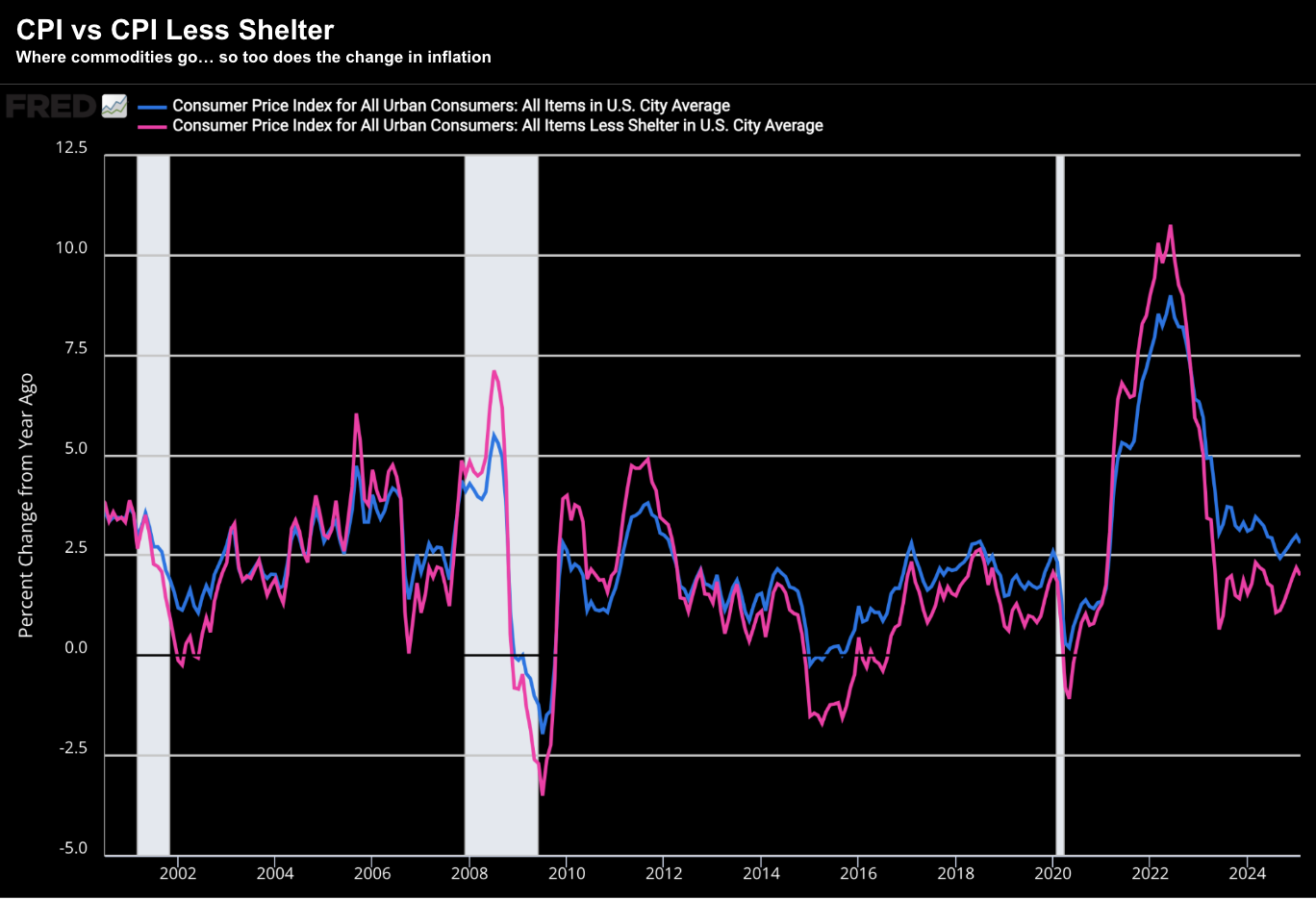
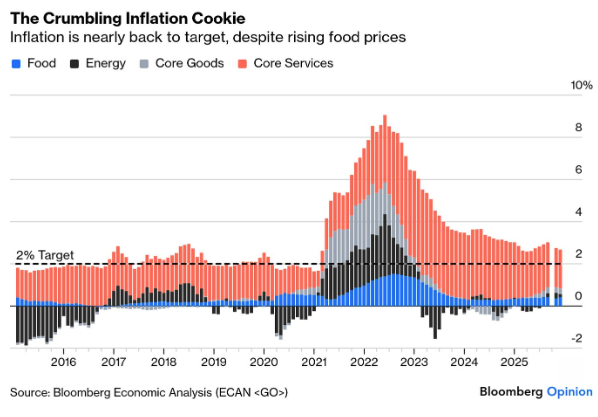
While the latest U.S. inflation print was celebrated as a “Goldilocks” outcome, a closer look suggests the disinflation story is far more fragile. Beneath the headline numbers, core and alternative measures imply inflation is likely to plateau near 3%, with important implications for Fed policy, equity valuations, and sector positioning in 2026

One Big Beautiful Inflation Bill

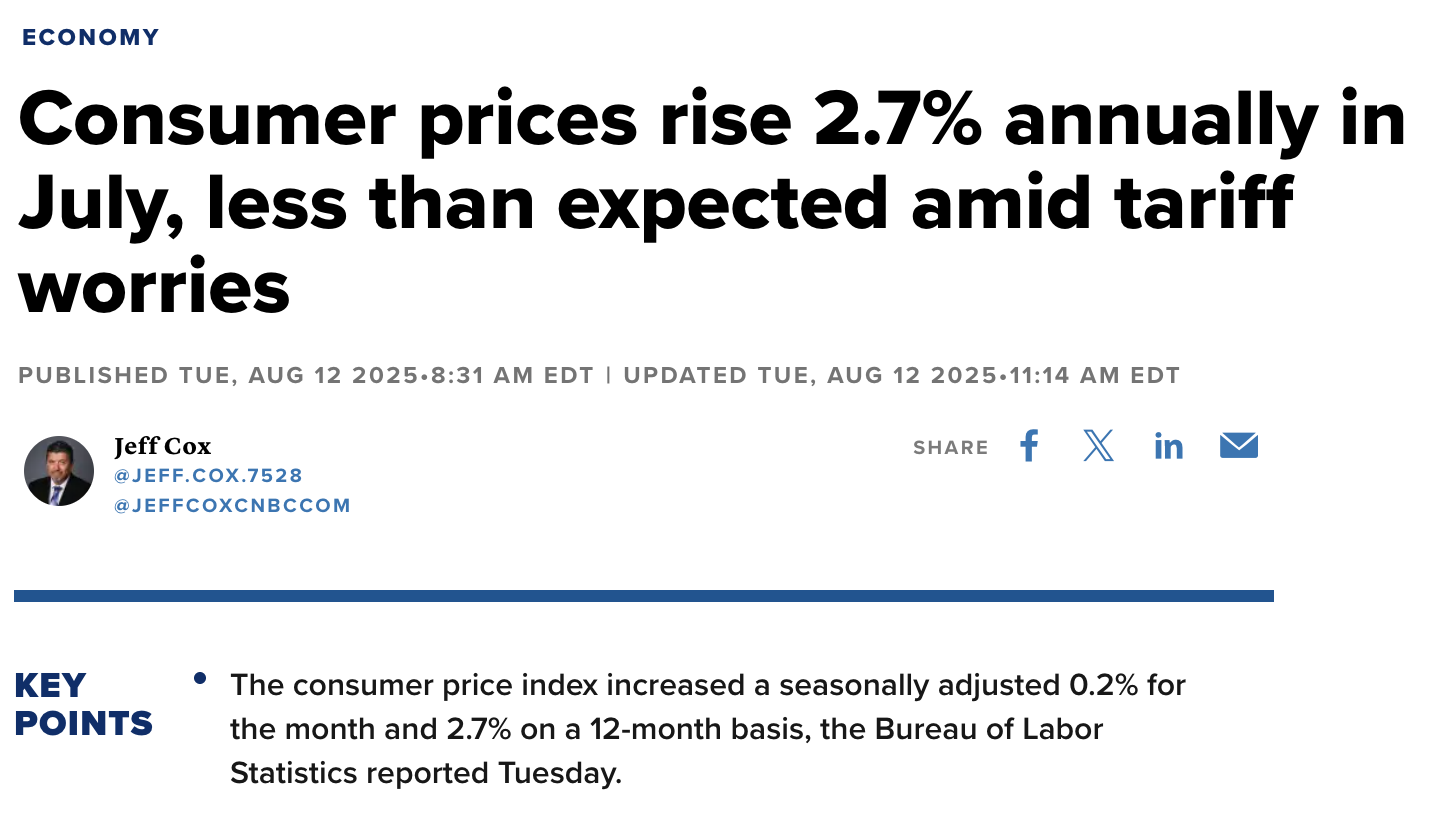
Market speculators held their breath for the latest inflation data, betting on a "soft" reading that would pave the way for a long-awaited rate cut. With stocks at record highs, their hopes were clearly pinned on a favorable outcome. While the headline CPI number was lower than expected, the Fed's preferred measure of core inflation, which excludes food and energy, continues to creep higher. This suggests that prices for most goods and services are still on the rise. Meanwhile, a chorus of voices, including political appointees, are urging the Fed to cut rates.

S&P 500 Faces a Litmus Test

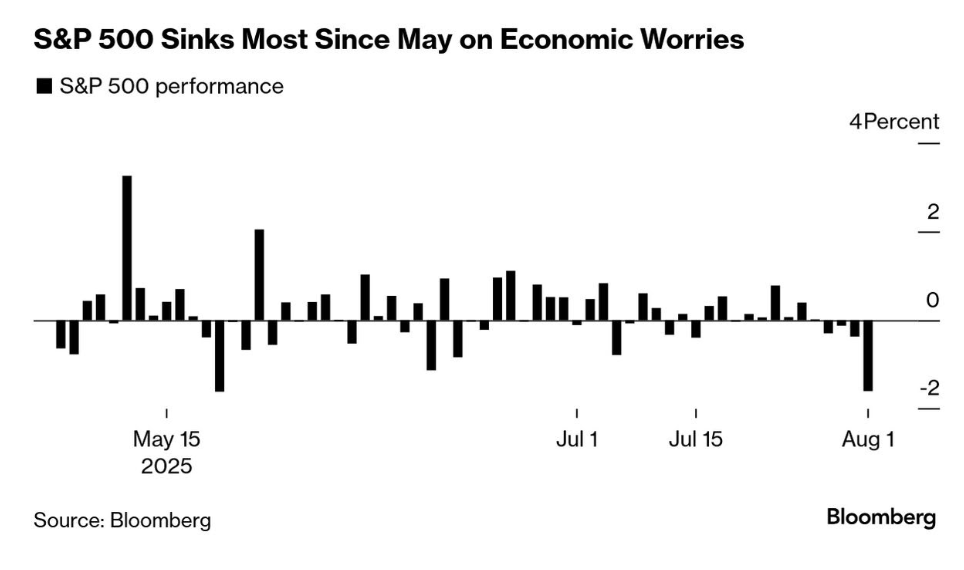
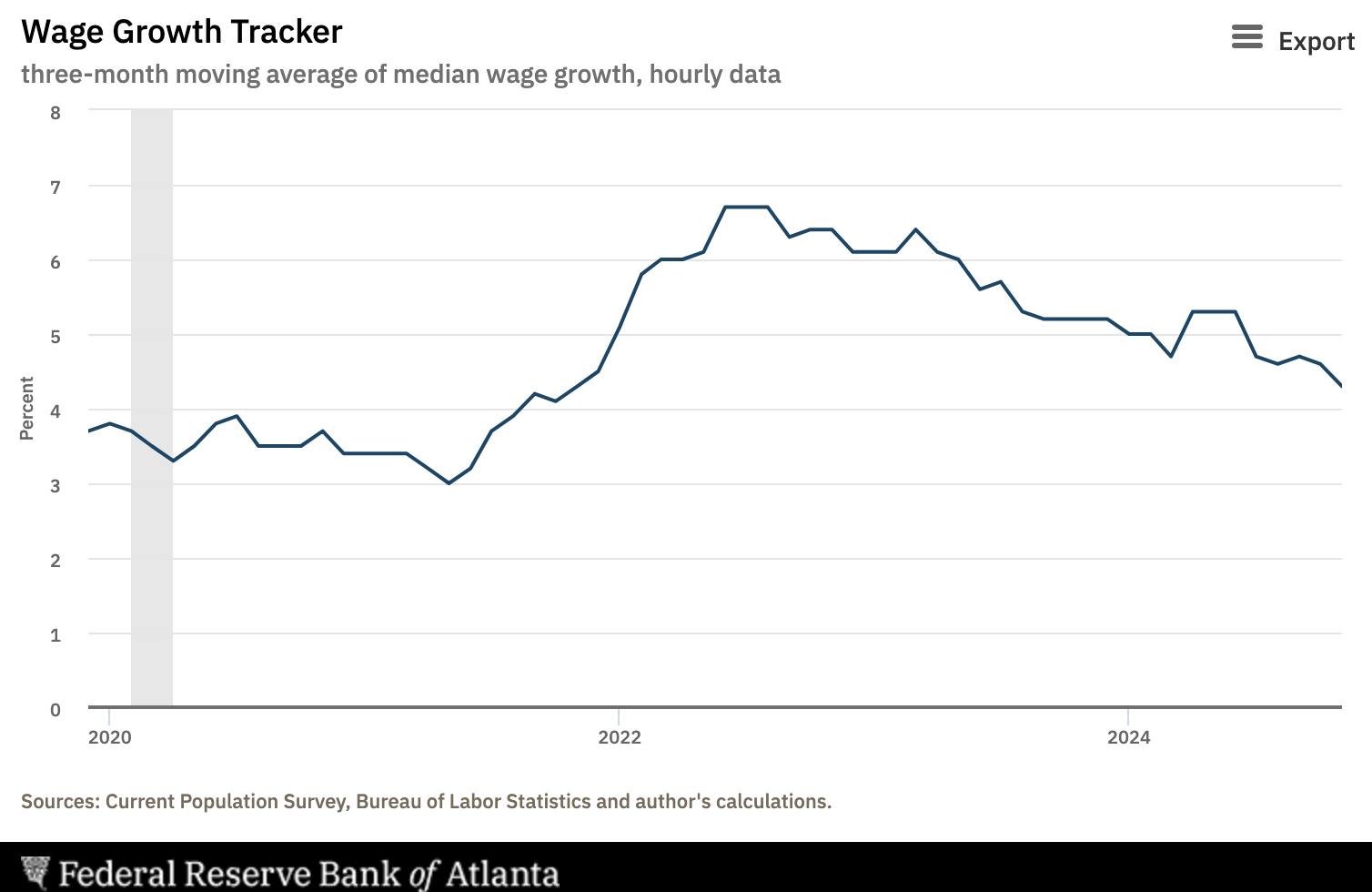
The labor market is clearly slowing. The "stag" in stagflation is here - what's less clear is the "flation" component. With respect to growth - we see slowing in housing, consumer spending and now job creation. The payrolls data was nothing shy of a disaster. And whilst the headlines will report on the dismal 73,000 jobs added (well below the ~140K job additions expected) - the massive 258,000 negative revisions over May and June is cause for concern.

Worry About Growth – Not Inflation

Some people are concerned about mounting inflationary risks. For example, it was only last week the Fed raised its inflation projections - where core inflation is expected to grow at a 2.8% annual pace, up 0.3 percentage points from the prior reading. And whilst inflation may remain sticky in areas like services and shelter (which I will talk to more shortly) - I think we should be more concerned with growth.

The Slowdown is Here… Now What?

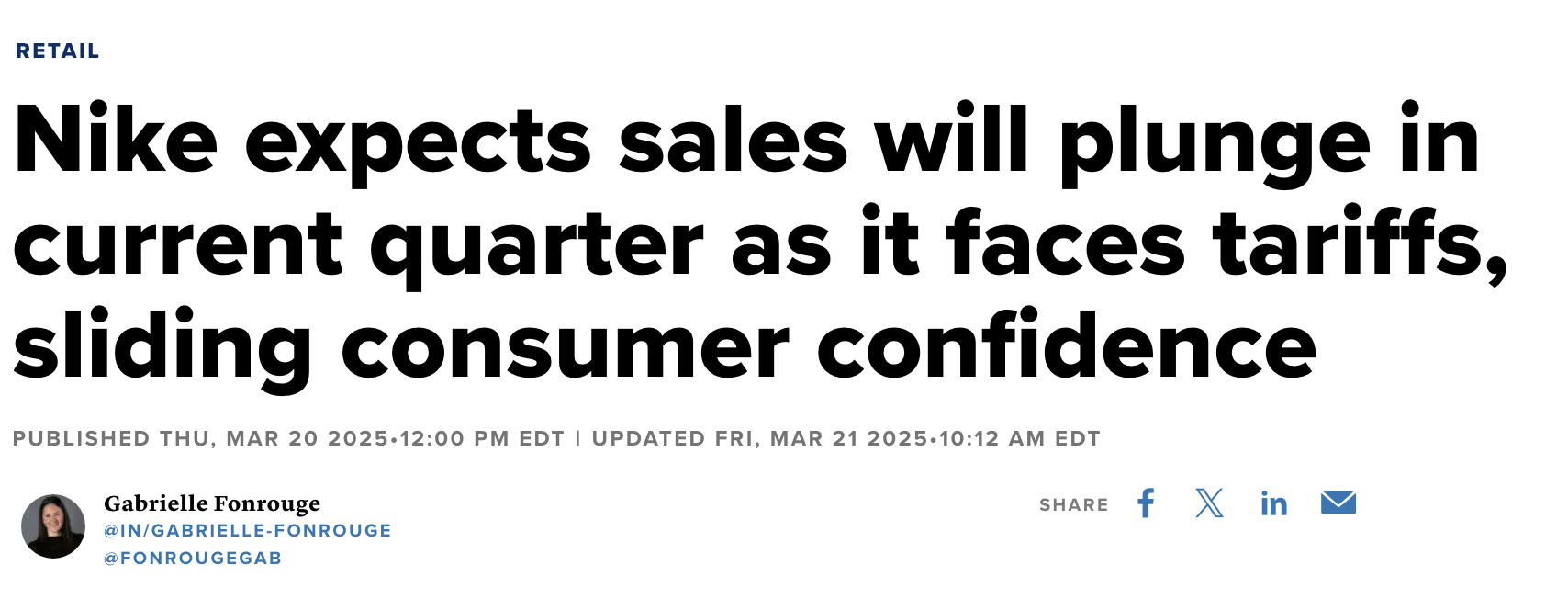
Feb 15th I asked this question: "Ready for a Growth Scare?" Markets were yet to correct at the time... however fast forward ~5 weeks and the growth scare has arrived. Now investors are taking notice. The Fed warned growth is likely to slow this week - where Chair Powell said economists outside of the central bank have generally moved up their estimated chance of a recession. The Fed downgraded its economic growth outlook while raising its inflation projection. They see the U.S. economy growing at a 1.7% pace this year, down 0.4 percentage points from what it forecast in December.

Bessent Wants a Lower 10-Yr Yield… But How?

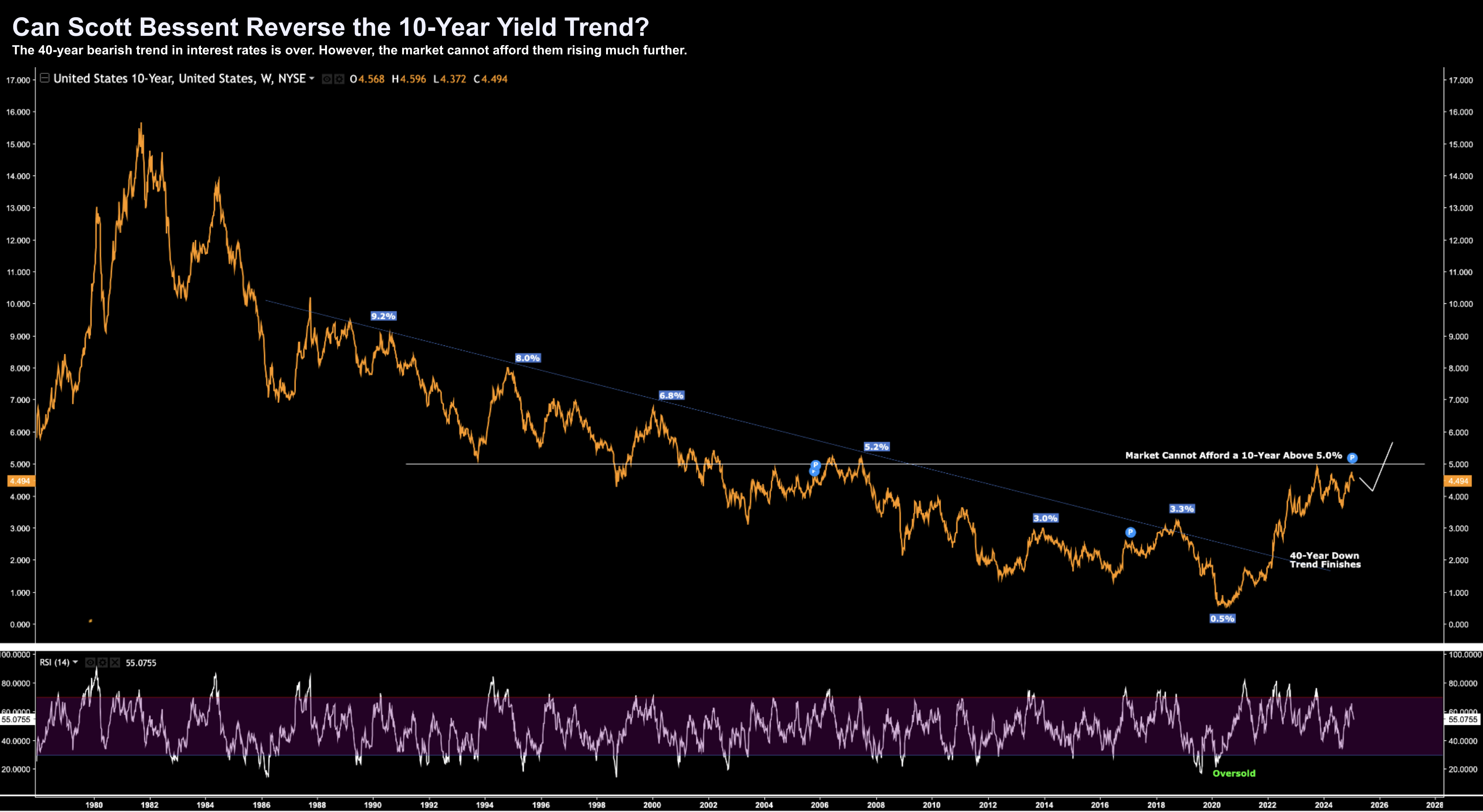
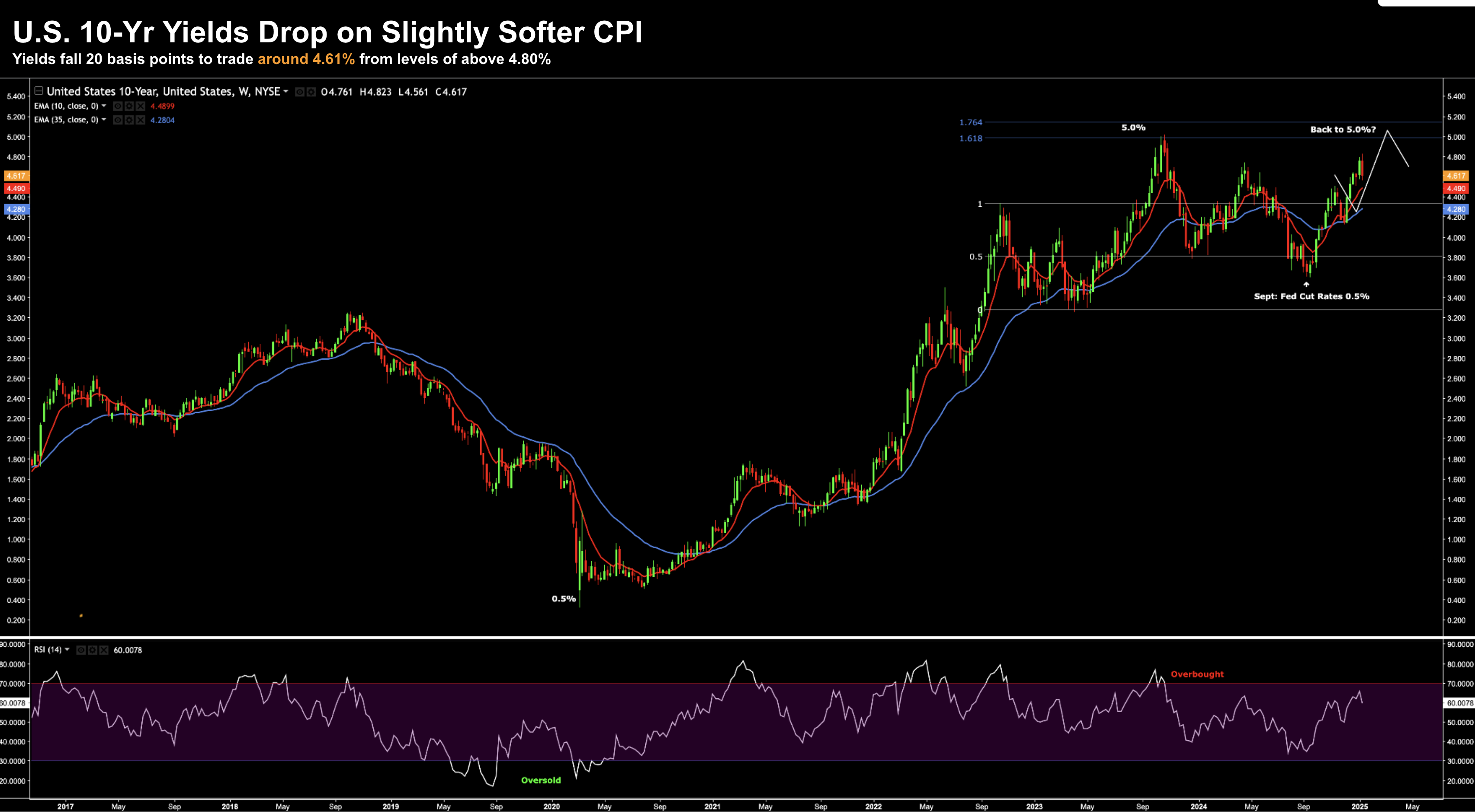
The new US Treasury Secretary - Scott Bessent - is focused on the right goal. He wants a lower US 10-year yield. The former Hedge Fund manager knows how important a lower US 10-year treasury is to the growth of the economy (and the government). His direct language reflects a reality - as most people don't borrow at the short end (i.e., the rate set by the Fed)

The Market’s Addiction

If you needed reminding the market remains closely tethered to monetary policy - we received it this week. Stocks surged on the back of two things: (i) CPI coming in slightly better than expectations; and (ii) the prospect of the Fed having more room to ease rates. Bond yields dropped and stocks jumped. There's nothing quite like the sniff of cheaper money to get the animal spirits moving. However, it's still far too premature to jump to conclusions.

Inflation x Rates = Uncertainty

The stock market could not be more optimistic. And perhaps not since the dot.com bubble of 1999 - have investors been so sure of the future. Excited by a business friendly government coming to power; lower inflation; consumers continuing to spend - what's not to like? I can think of one thing.... valuations. If buying stocks today - you're paying through the nose. And for me - that increases your risk.

The Trump Trade Stalls

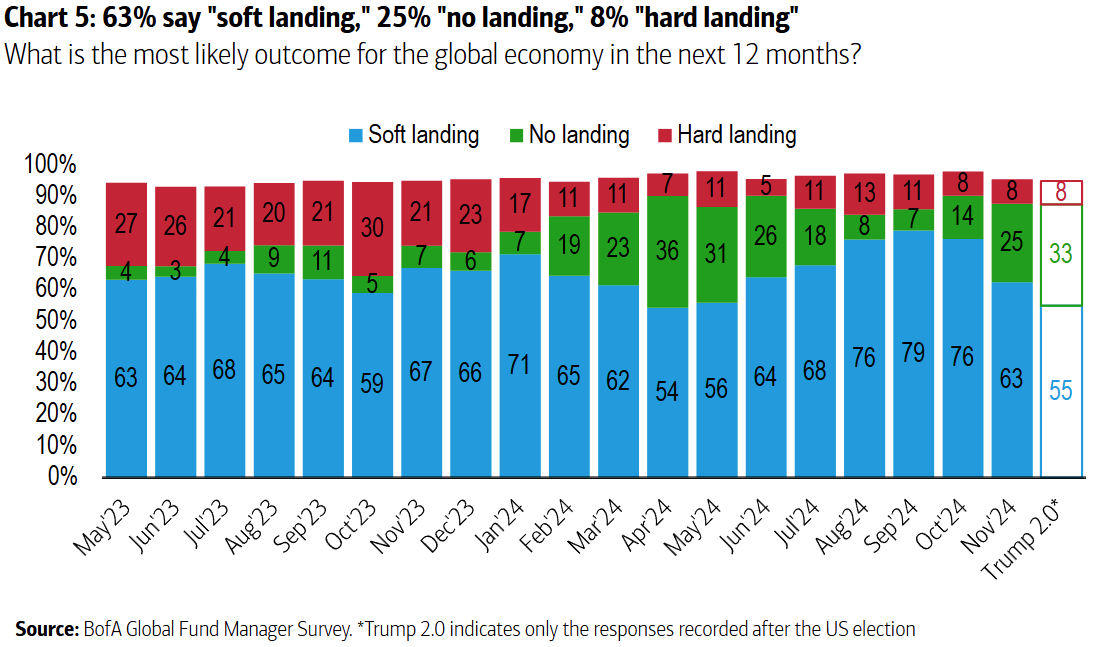
Last week when assessing the surge in markets - I offered examples of how market (sector) dynamics shifted. Adding to that theme - I was not overly surprised to read how institutional investors are putting money to work. For example, Bank of America Corp.’s monthly survey of global fund managers indicates that Trump's decisive win is perceived as a potential turning point for investment strategies. And whilst that could be true - it pays to look at history... what can we gauge from Trump 1.0 (and the impact on markets).