Category Inflation

Time to be Greedy or Fearful?

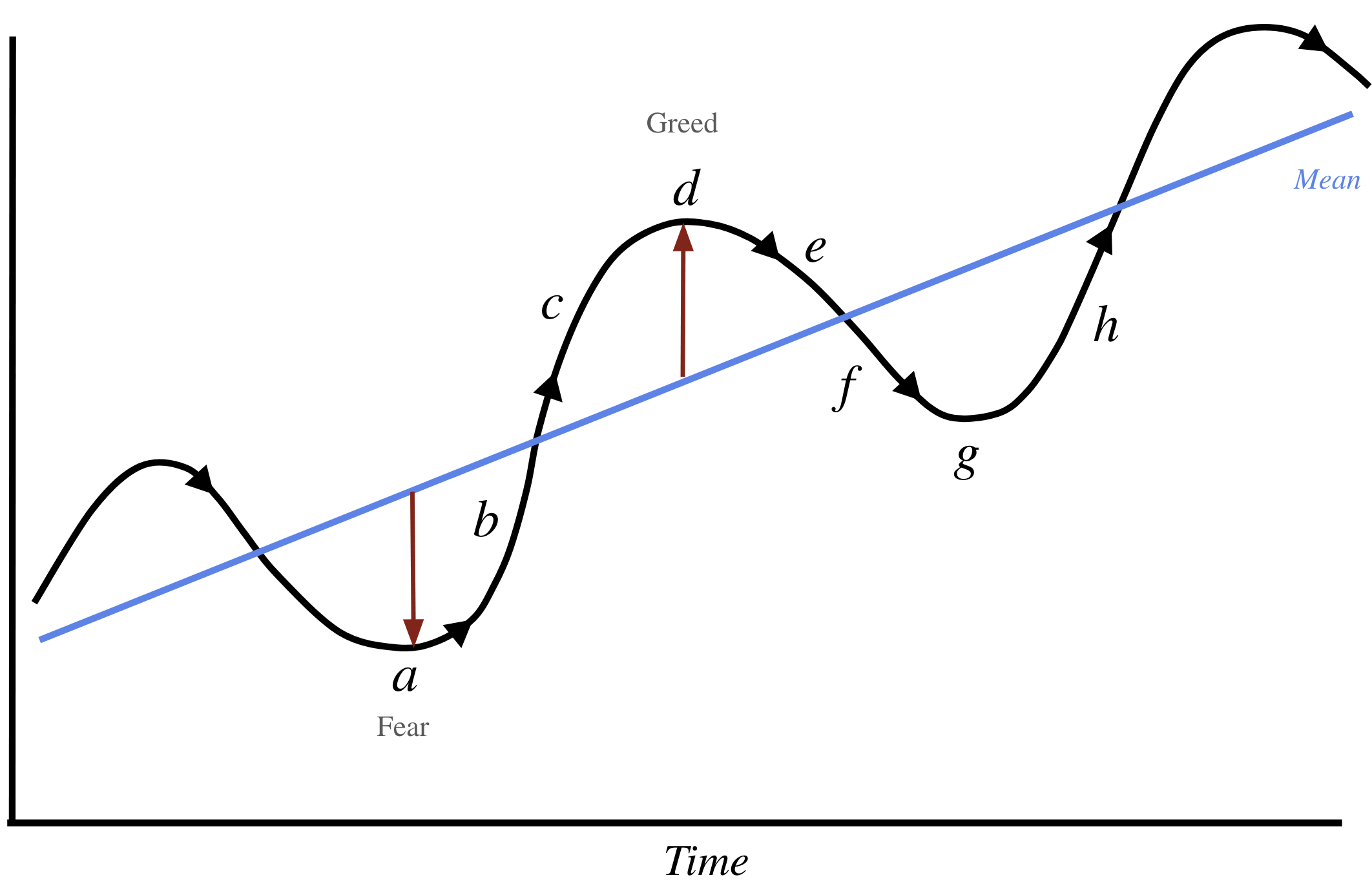
Warren Buffett is famous for saying "be fearful when others are greedy; and be greedy when they are fearful". Today the Oracle of Omaha sits on a record $325B in cash - a record for Buffett - and over 30% of his entire portfolio. Investor enthusiasm today is wildly optimistic about future growth and earnings post the election result. And whilst surging prices are a sign of confidence - markets are also notoriously fickle...
Stocks Losing Momentum

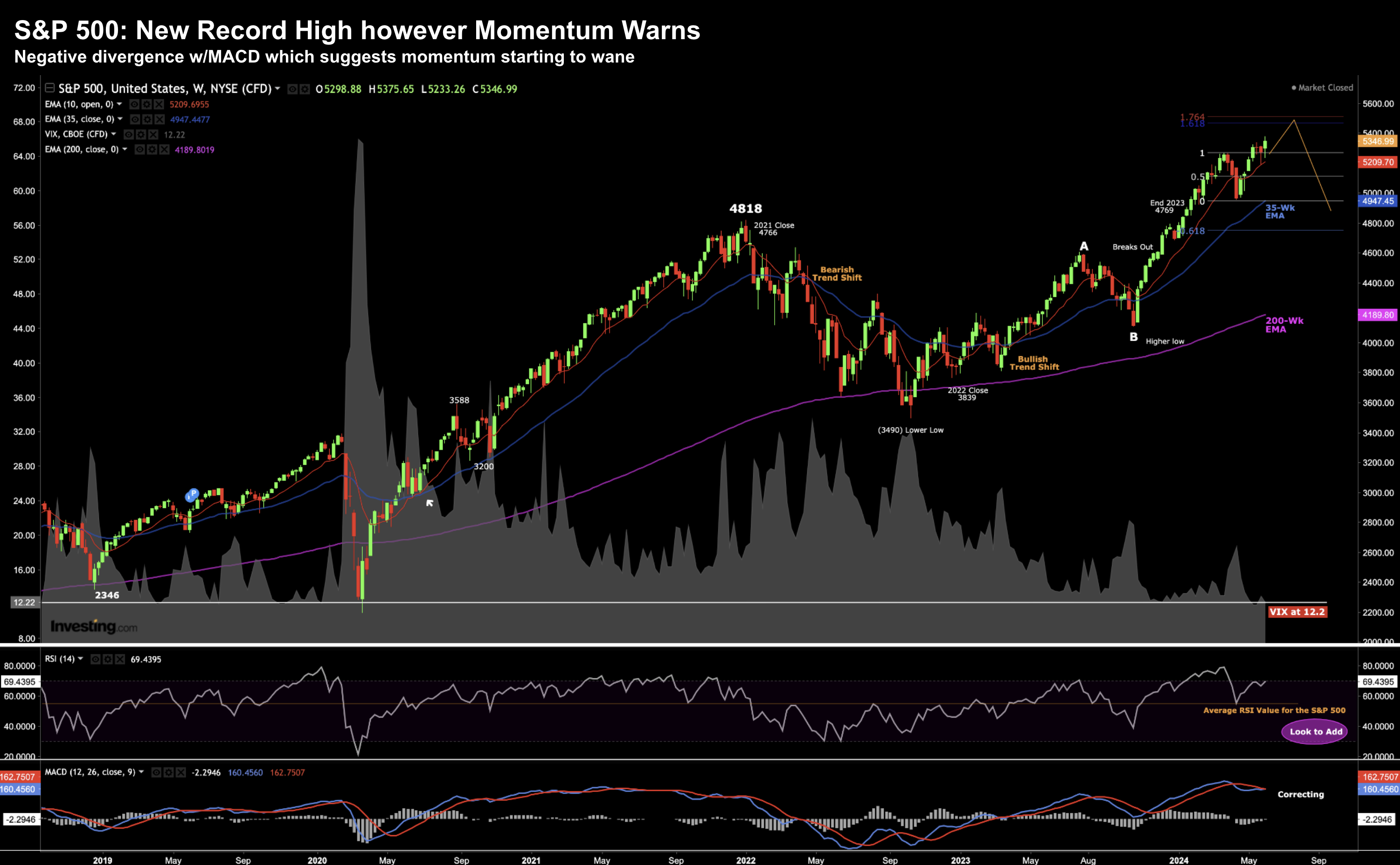
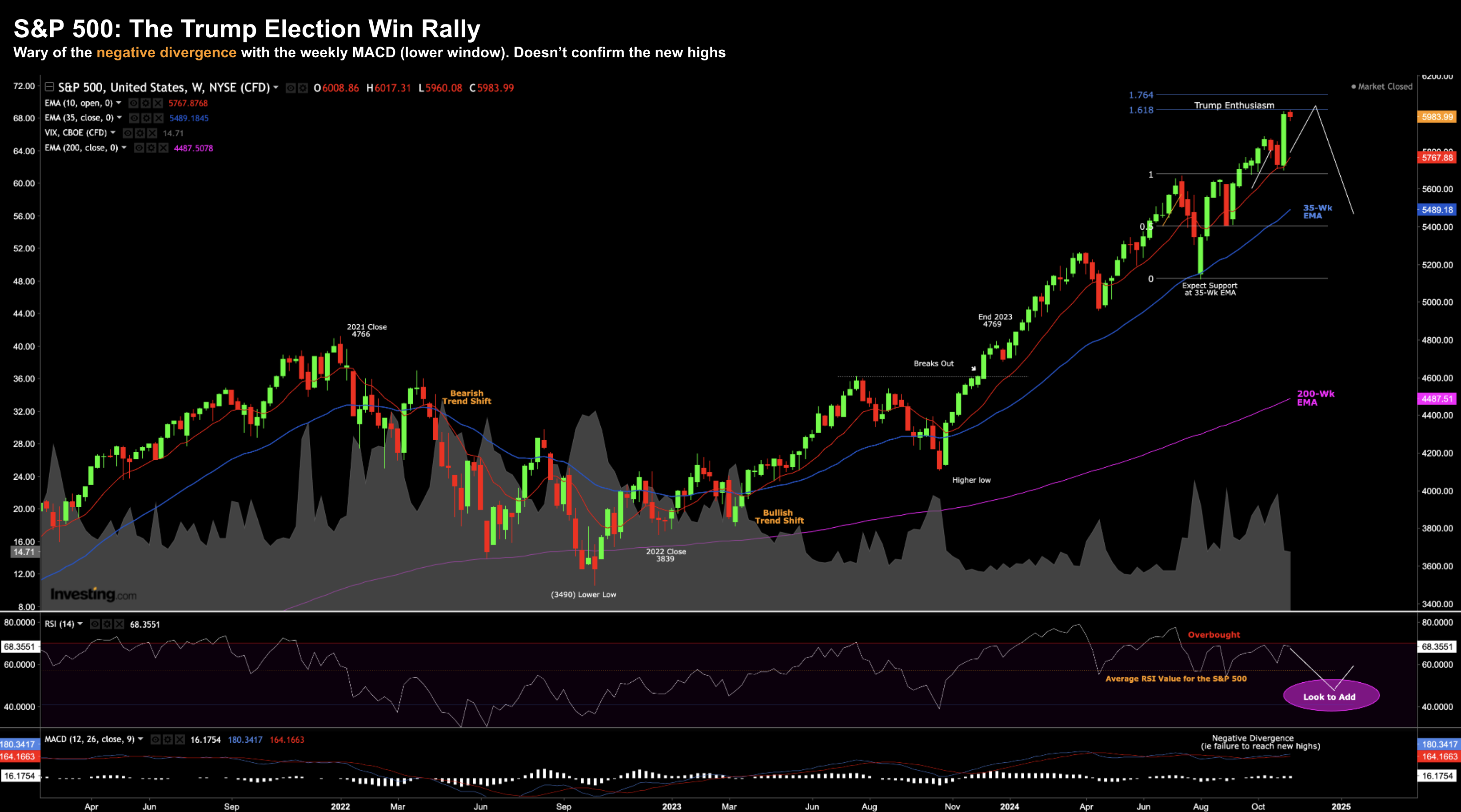
Are stocks starting to lose momentum? This week saw the S&P 500 reverse course - its first losing week since early September. Could there be more to come? My answer is yes - perhaps as much as 7-10%. However, it's a question of timing. Irrespective, paying 22x forward earnings is a higher-risk bet.

The Fiscal Tailwinds Helping Stocks

Will fewer rate cuts dampen the enthusiasm for stocks? It certainly hasn't to this point. And could higher bond yields impact stock valuations? So far the market is not bothered. These (and other) questions need to be weighed carefully with the S&P 500 trading ~21.5x forward earnings. And whilst the multiple is heavily skewed by the 'Mag 7' - 21.5x is far from cheap. What's more, from a historical perspective, paying a multiple above 20x offers investors a very low risk premium (e.g., with the risk free rate above 4.0%). But wait... what's to say stocks cannot rise further? We'll explore why they can...

The Inflation Puzzle: ‘Services’ Remain Sticky

In a perfect world, inflation should be boring. Boring is good. However, when you inject an additional $6+ Trillion into the economy with far fewer goods being produced, inflation becomes a story. Last month's inflation report showed headline (and core) CPI ticked higher. However, what caught my eye was "supercore" inflation - something the Fed says is a good predictor of future prices. Suerpcore is services inflation less shelter. This was up 4.4% YoY - also moving higher. The reason: pressures with wage growth - which remains around 4.7% YoY

Powell’s Ready to Cut… And Not Just Once

Today Fed Chair Powell delivered precisely what the market wanted to hear... help is on the way. As a perpetual (closet) dove - Powell did his best to stay balanced however the cat is now out of the bag. Rate cuts are coming. And there will be more than one. Consistent with other meetings - Powell said rate cuts are an option if economic data continues on its current path. In other words, it was the (same) scripted "data dependent" Fed.
However, there were some important nuances.

Quarterly Real PCE Up YoY… As Savings Fall

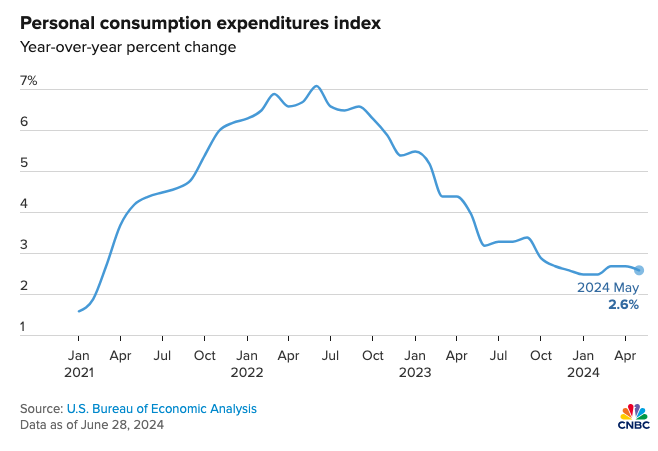
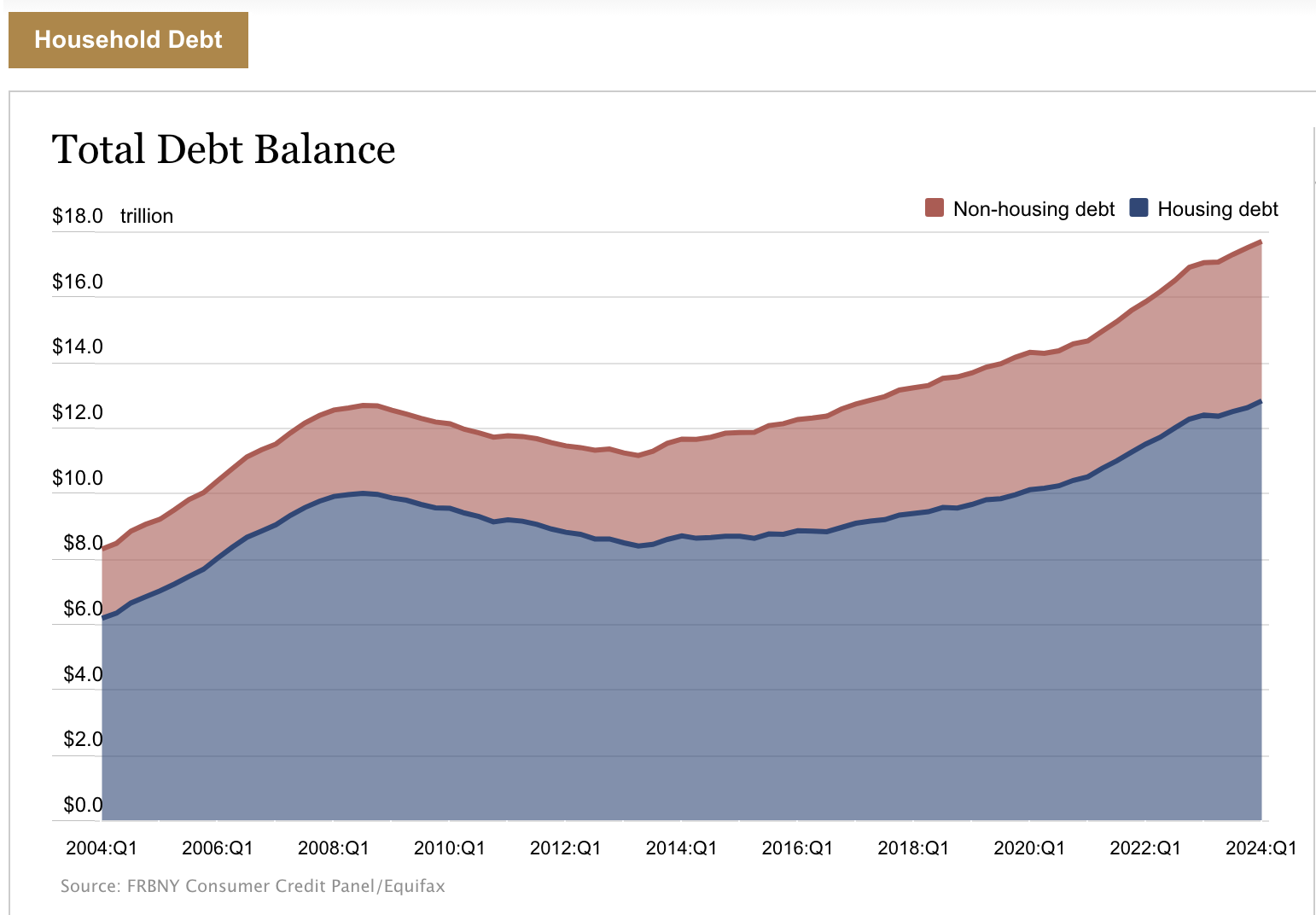
The market received three important data points this week - inflation, wages and consumer spending - and it was mostly good news. First up, inflation continues to moderate. The Fed's preferred inflation index - Core PCE - showed prices increased at a moderate pace for June— confirming excessively high inflation is behind us. However, prices are still ~30% higher than 3-years ago... they're just rising at a slower pace. Whilst inflation is important - I wanted to know if consumers are still spending? The answer is they are - and by whatever means possible. They are drawing down on their savings and ramping the use of credit cards - which has seen card delinquencies hit decade highs. But from equities perspective - higher spending is good news. This feeds the 'soft landing' narrative....

Cycles: Your Advantage over the Average Investor

I made a decision to reduce my exposure to large-cap tech a few months ago. The decision wasn't an easy one... these are great stocks. For example, did I sell prematurely? The answer will be more obvious in 6-12 months when the cycle has had sufficient time to play out. For now (as was the case when I sold) - I think the downside risks meaningfully outweighed further upside gains. In this post, I explained how selling is a way of managing your risk. I was ensuring I banked the appreciable gains realized over the past few years. In light of the rotation out large-cap tech we've seen this week - I thought it was opportune to share some thoughts on (a) how I calibrate my portfolio in a changing environment; and (b) when to be aggressive and when to play defense. It all comes back to understand the economic cycle...

Is the Market About to Broaden Beyond Tech?

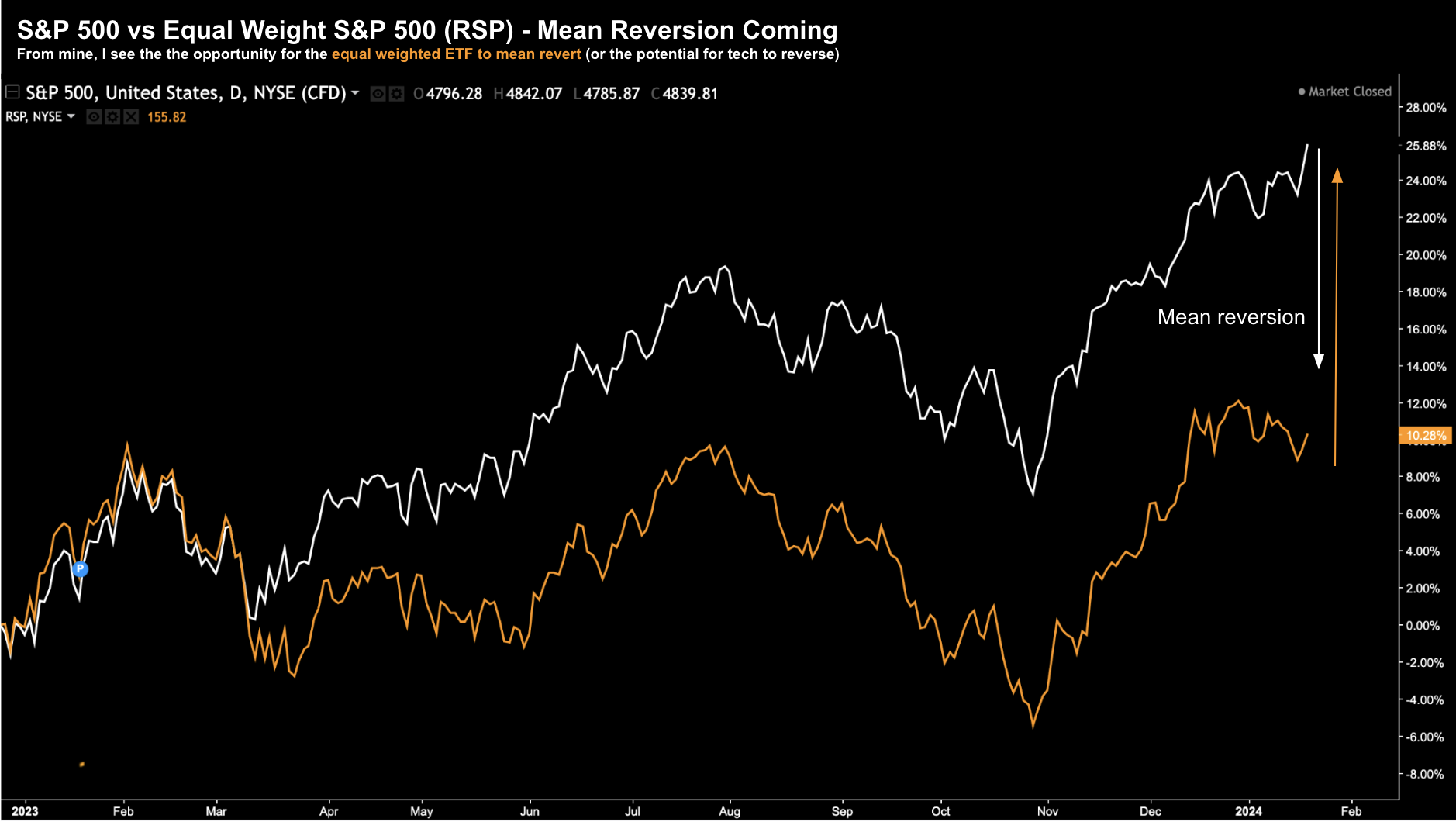
Has the market finally started to broaden beyond tech? Whilst it's still too early to answer - there were signs of life this week in sectors which have failed to work this year. By way of example, the Russell 2000 and the Equal Weighted Index caught a bid - as the market started to price in at least one rate cut before the end of the year. And that makes sense. Companies that depend on leverage to supplement cash flows will stand to benefit more from rates cuts (vs their larger cap peers - who profit from higher rates due to cash hoards)

Is Momentum Waning? More on Why I’m Bullish Bonds into 2025

As part yesterday's missive - I talked to why I think bond yields are too high. For example, I offered a chart showing the declining trend in nominal GDP growth vs what we see with the US 10-year yield. Economic growth is clearly slowing and yet yields are going the opposite way. Why? Therefore, investors should ask themselves what is the catalyst which will take us back to a 3.0% 'growth' mode (i.e. what we saw over Q3 and Q4 of 2023)? For example, is it the consumer? They make up ~70% of GDP with consumption - however they are mostly tapped out (as we have heard in the latest earnings reports). What will it be?

Nvidia Can’t Stop Stocks Wobbling

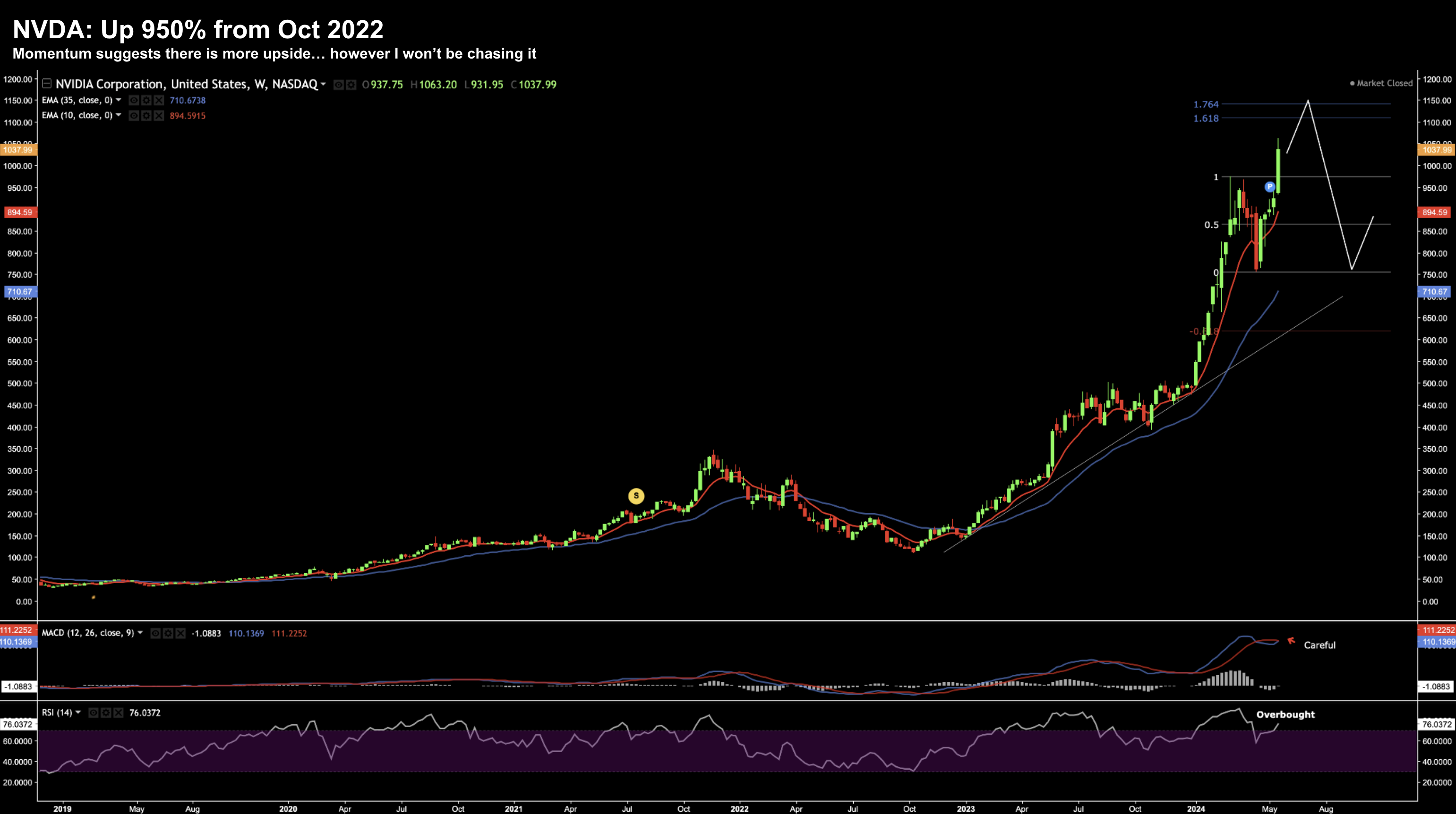
What we've seen from Nvidia the past 18 months reminds me of Cisco in the late 1990's. I wrote about this recently... not much has changed. The path of earnings and the share price have been similar. NVDA's revenues are up over 2.5x on a YoY basis, causing EPS to be up over 4x over the same period. 18% EPS growth in a single quarter is very impressive but here's my question... will we see that in 2 or 3 years from now? We didn't from CSCO - it collapsed. Time will be the judge of that.... not me. Despite the expected "beat and raise" from the AI chip maker - the rest of the market fell sharply. Without NVDA's ~9% share price gain - the S&P 500 would have been down 1.5% for the day. That tells us how narrow this market is - extremely dependent on stellar earnings from a handful of companies like NVDA. That's not a healthy setup.