Category Inflation

Two Reasons the Fed Could Cut Rates

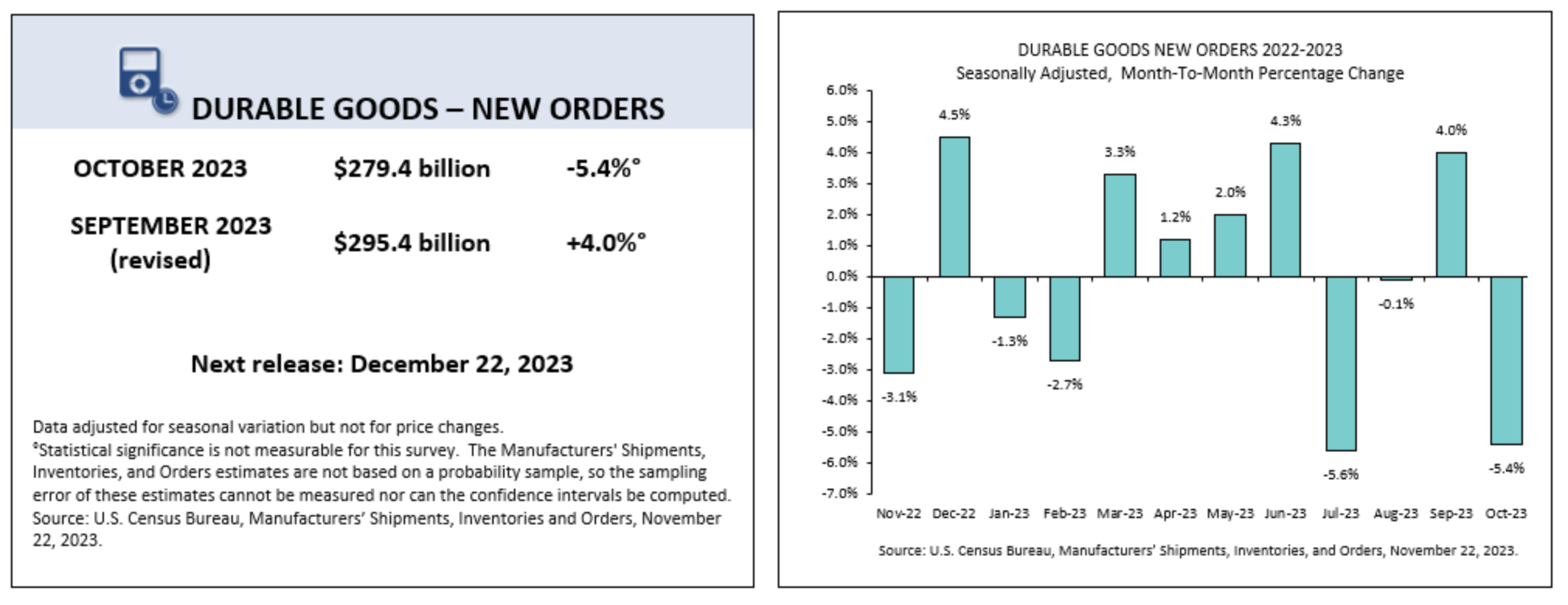
The latest set of economic numbers support a 'goldilocks' scenario for stocks. For example, durable goods orders continue to fall (a positive for inflation); and employment remains robust (a positive for growth). The question is what could cause the Fed to cut rates mid next year (given this is what is priced in)? I will offer two reasons... both of which I think are unlikely before June.
Inflation Trending Lower… But More to Do

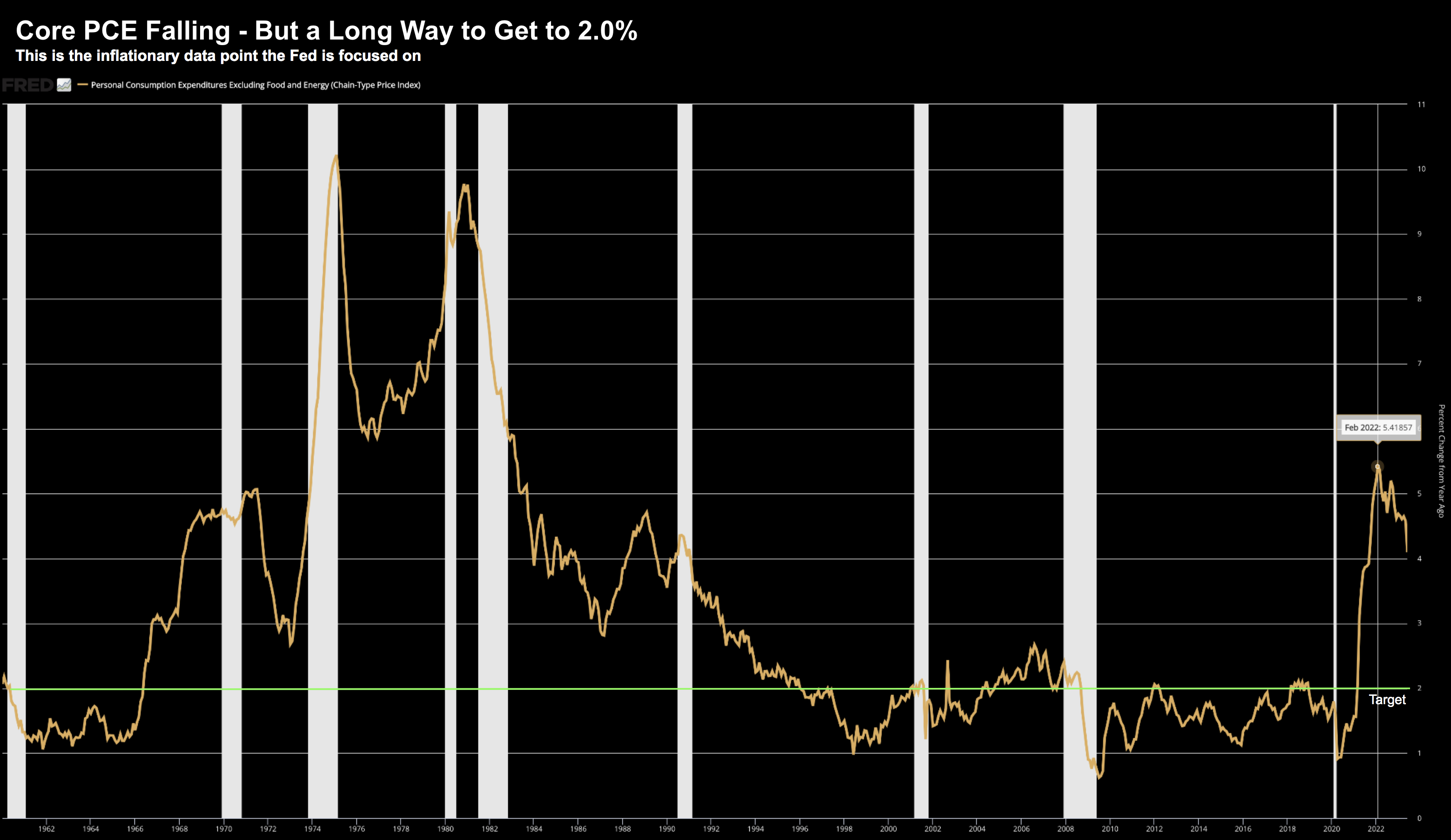
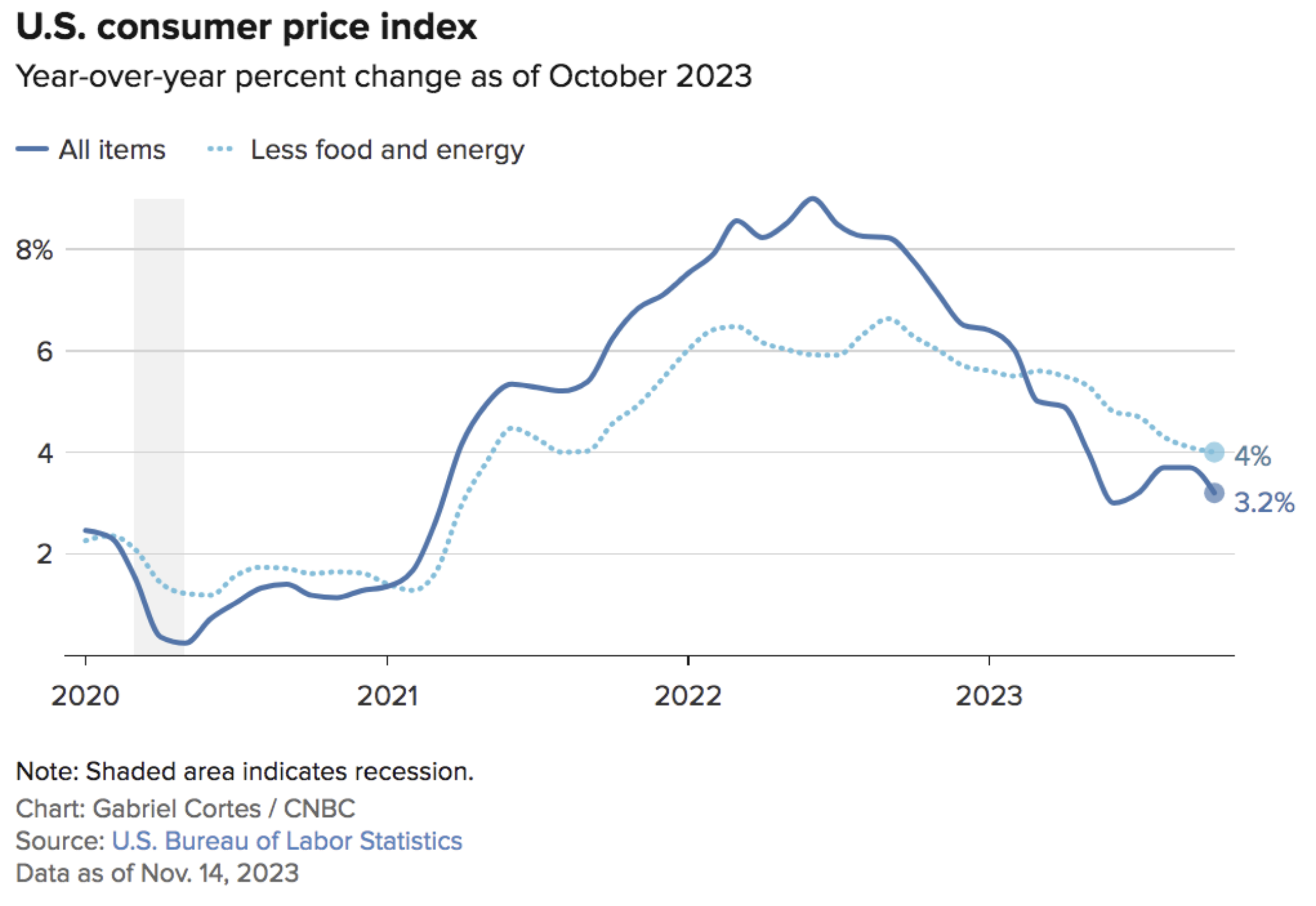
Today we received CPI for October. It was slightly softer than expected and continues to (slowly) trend lower. That's good news. However, stocks jumped on the data and feel its enough for the Fed to end further hikes. What's more - the market is now pricing in rate cuts as early as March. That feels like a dangerous (aggressive) assumption... I think there's a lot more work to do. Remember - getting inflation down from 4% to 2% is where the hard work begins. Wage growth for example remains at 4.2% YoY.

Sticky Inflation Equals Sticky Rates

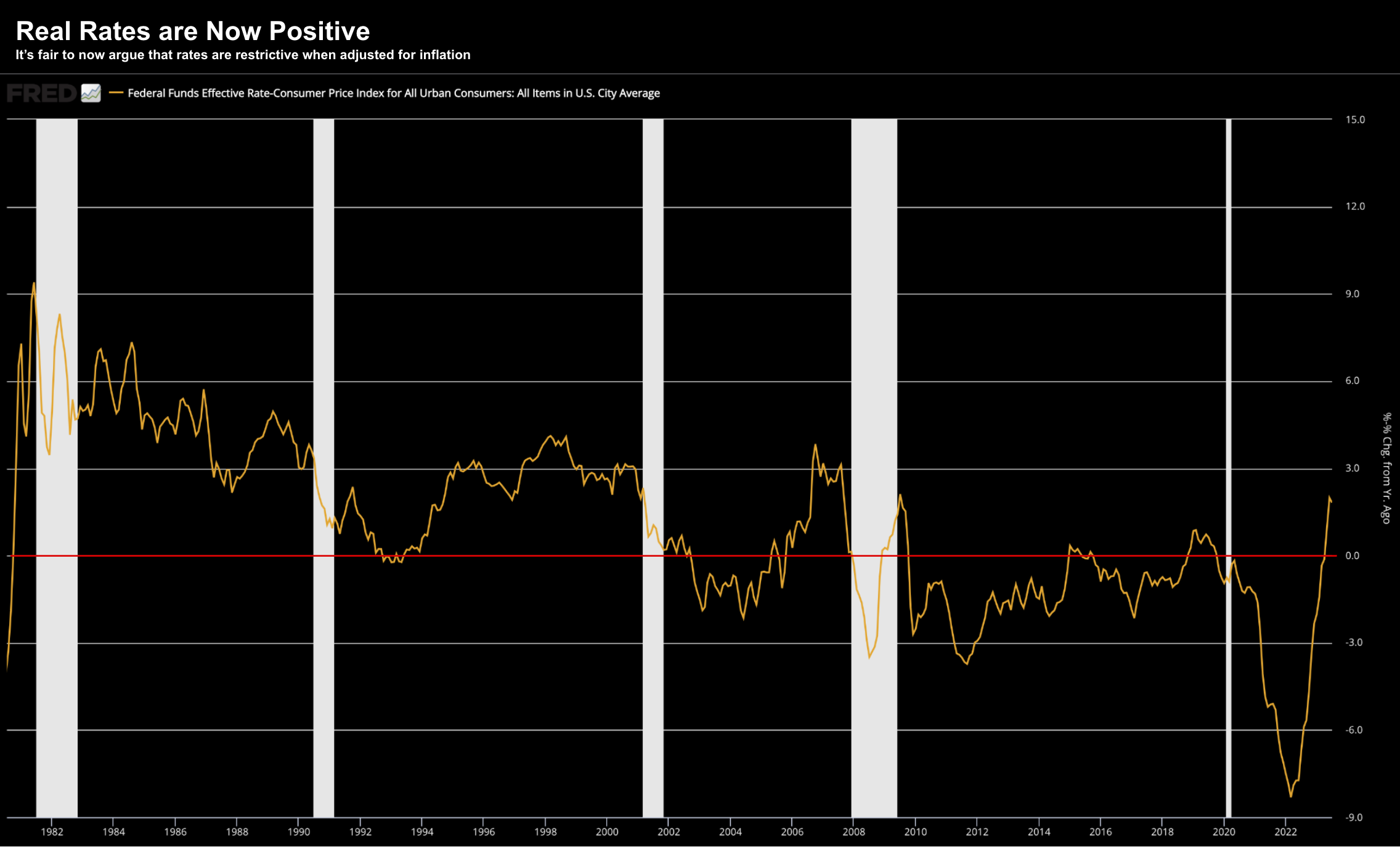
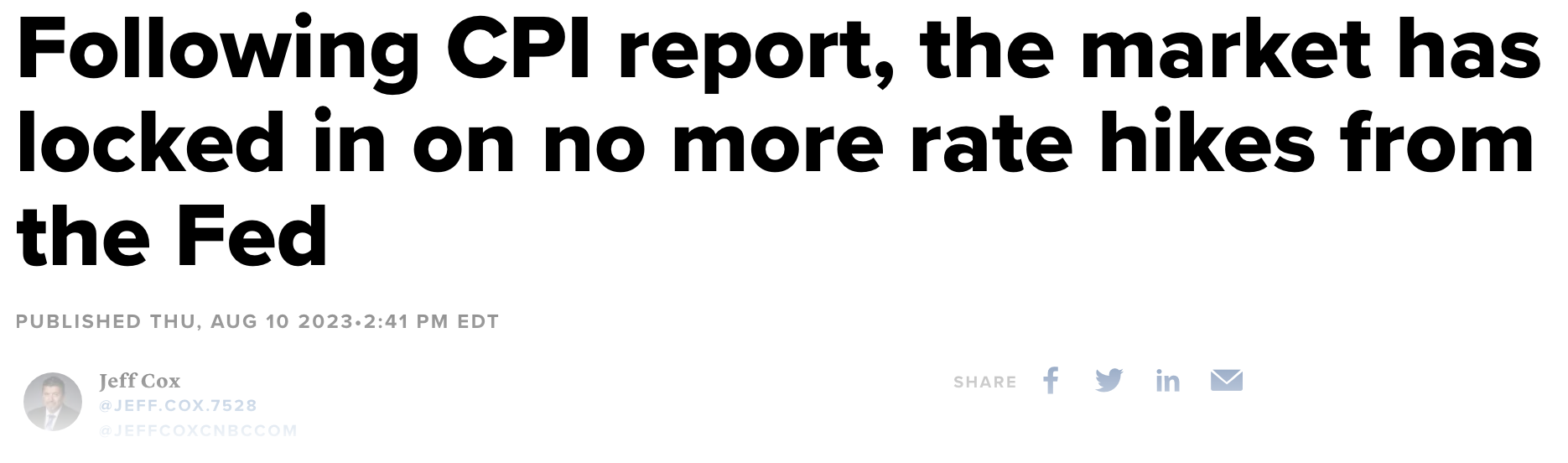
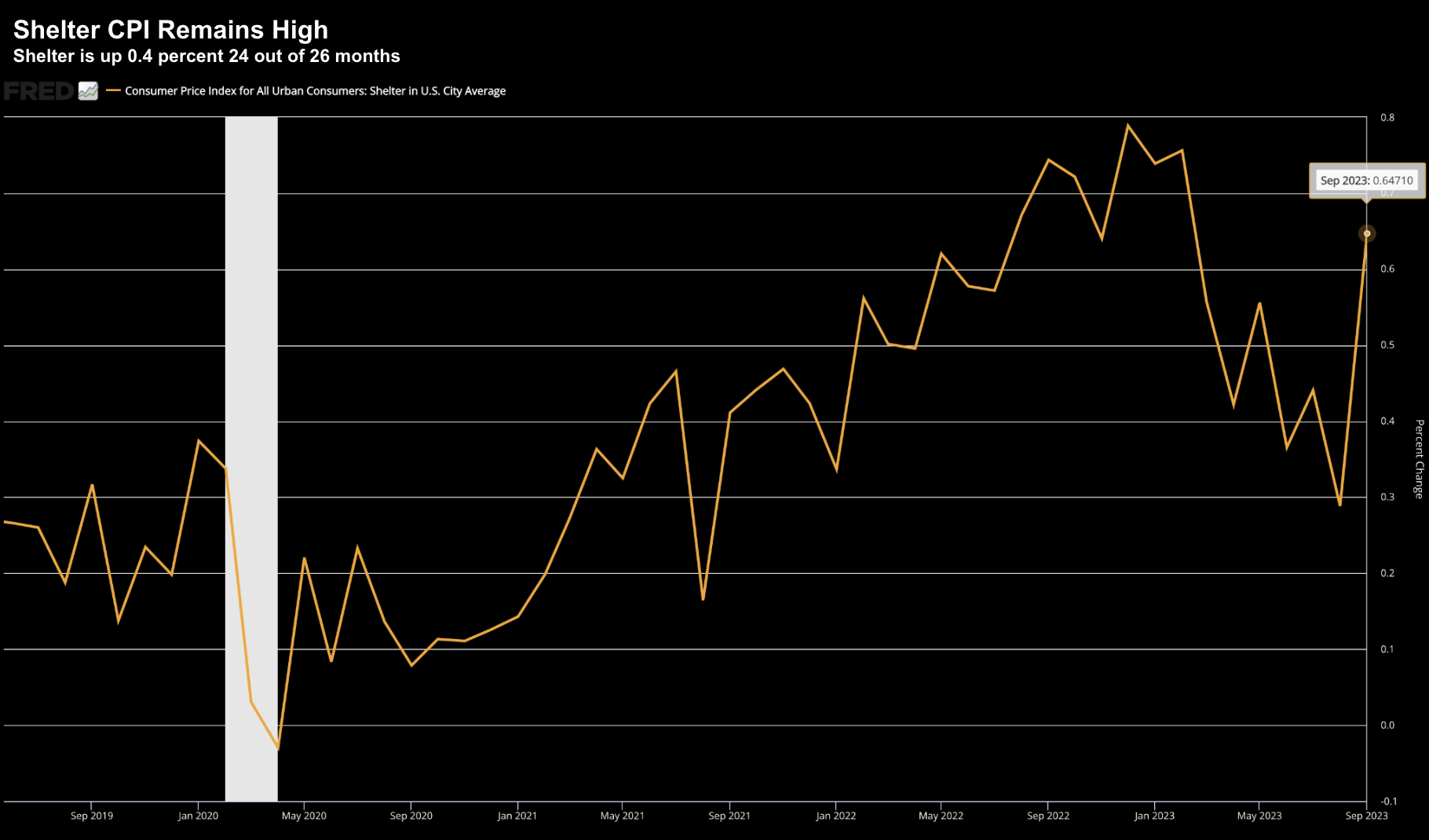
If we needed a reminder on how persistent some components of inflation are - we got it this week. Core consumer price inflation (CPI) remained more than double the Fed's target rate - with rents surging to 0.65% month-on-month. And whilst both headline and core were largely inline with expectations, inflation remains uncomfortably high. As soon as the CPI numbers hit the tape - probabilities of an additional 25 bps hike went up. Markets had not priced that in. What's more, the probabilities of rate cuts next year dropped. It's premature to conclude the Fed has hit their terminal rate...

Bye Bye Sugar High

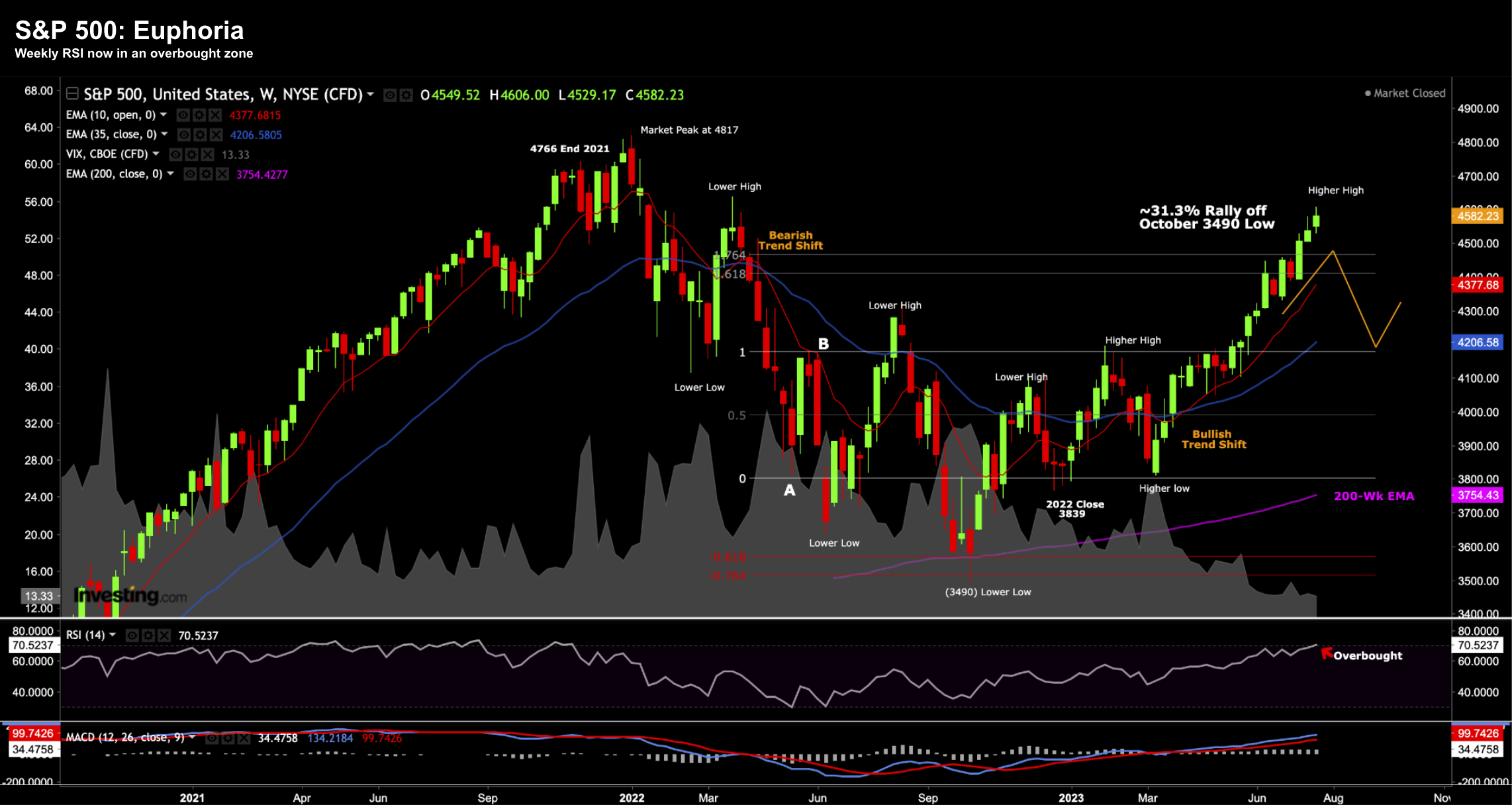
Are equities finally connecting the dots? Maybe. Whilst this has been a difficult market to trade - my sense was to approach with caution. From mine, there were too many open questions. For example, when the market was trading around 4600 - my sentiment was the downside risk outweighed any upside reward. We are now ~8% lower... closer to the zone of where I felt the S&P 500 could trade. In short, valuations were stretched. Put another way, the risk premium for owning stocks wasn't there. But markets pushed higher - taunting the Fed on their "higher for longer" script.

One Trend That Isn’t Sustainable

More "bad news is good news" hit the tape today... The monthly ADP private jobs number came in far weaker than expected. I say 'good news' as it potentially means less Fed (or at least that's the assumption). Here's CNBC: "Job creation in the United States slowed more than expected in August, according to ADP, a sign that the surprisingly resilient U.S. economy might be starting to ease under pressure from higher interest rates"

“Navigating by the Stars Under Cloudy Skies”

Today Fed Chair Jay Powell offered his latest sentiment on the economy and monetary policy from the Jackson Hole Summit. Whilst he leant hawkish (my expectation) - he also admitted he doesn't know what's ahead. Nothing wrong with that... better decision making starts by first recognizing what we don't (or can't) know. Powell stated "... as is often the case, we are navigating by the stars under cloudy skies". Question is - what does that mean for markets and rates ahead?

Why Core Inflation Will Remain Sticky

Markets got excited on news of the softer-than-expected CPI headline print today. Headline inflation came in at 3.2% YoY vs expectations of 3.3%. However, what deserves closer scrutiny is not the headline number - it's Core CPI at 4.7% YoY and shelter costs. For e.g., two-thirds of the monthly inflation increase came from shelter - where rents rose 0.4% MoM. This is now the 18th straight month the price of shelter has risen at least 0.4% MoM. But here's the thing - there isn't. much the Fed can do with monetary policy to change this.

Buffett is Buying Bonds

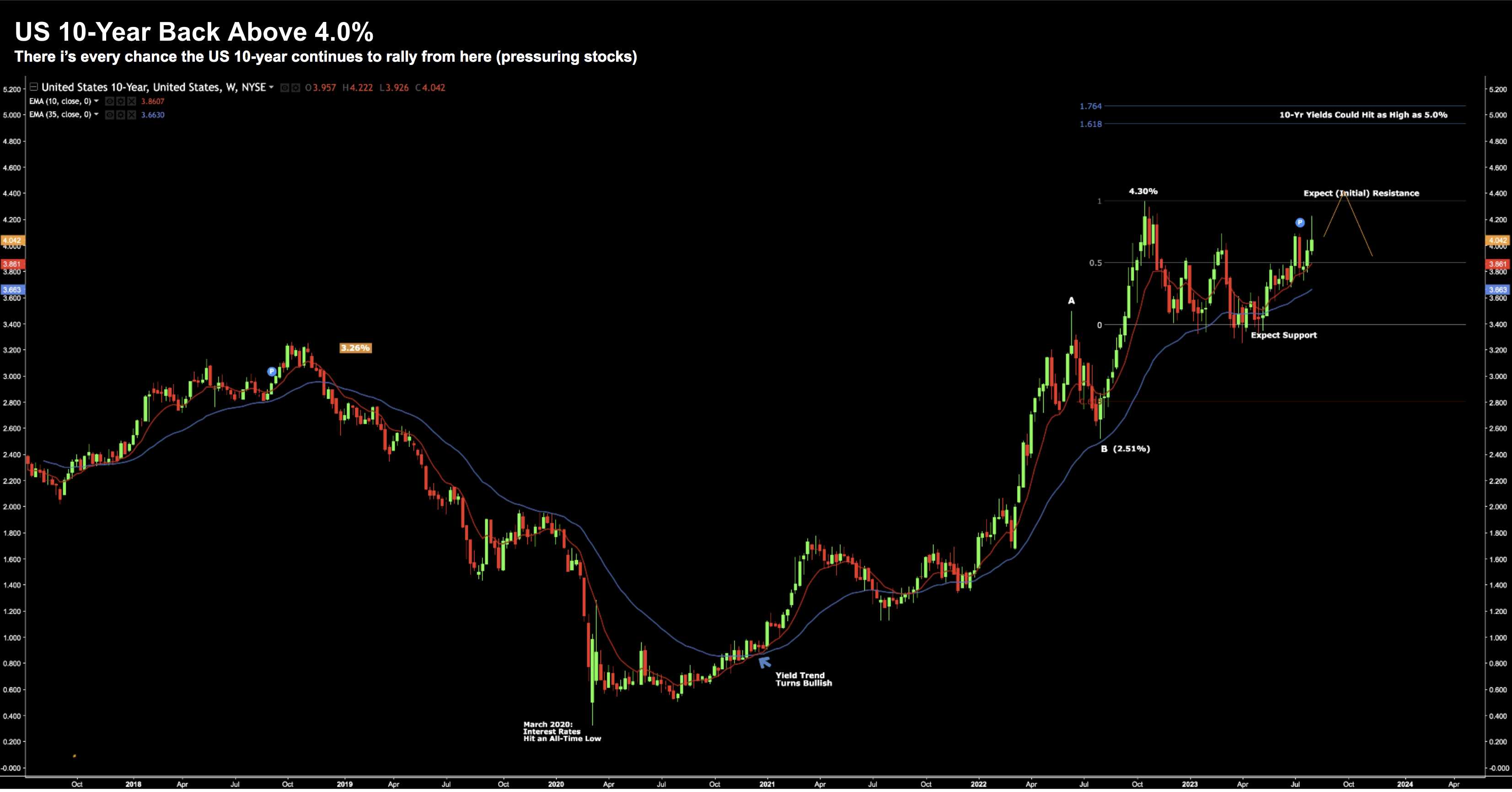
Warren Buffett is pouring tens of billions of Berkshire money into short and longer-term bonds. And I'm not surprised... For e.g., Jul 9th I offered this post "Think About Adding Bonds". Shorter-term bills were offering investors ~5.50% and the longer-date 10-year bond above 4.0%. That's attractive for a number of reasons... this post explains why.

Half Way Through Earnings: 81% Beat on EPS

This week was the busiest week of earnings on the calendar. Half of all S&P 500 companies have now reported for Q2. So far so good! 81% of companies have beaten earnings per share (EPS) expectations - by an average of about 6.4%. By way of comparison - prior to COVID - the average EPS beat was in the realm of ~3%. What's more, about 64% of all companies have also beaten top line expectations. The question is will this continue in the second half?

Can Consumers Continue to ‘Shop ’til they Drop’?

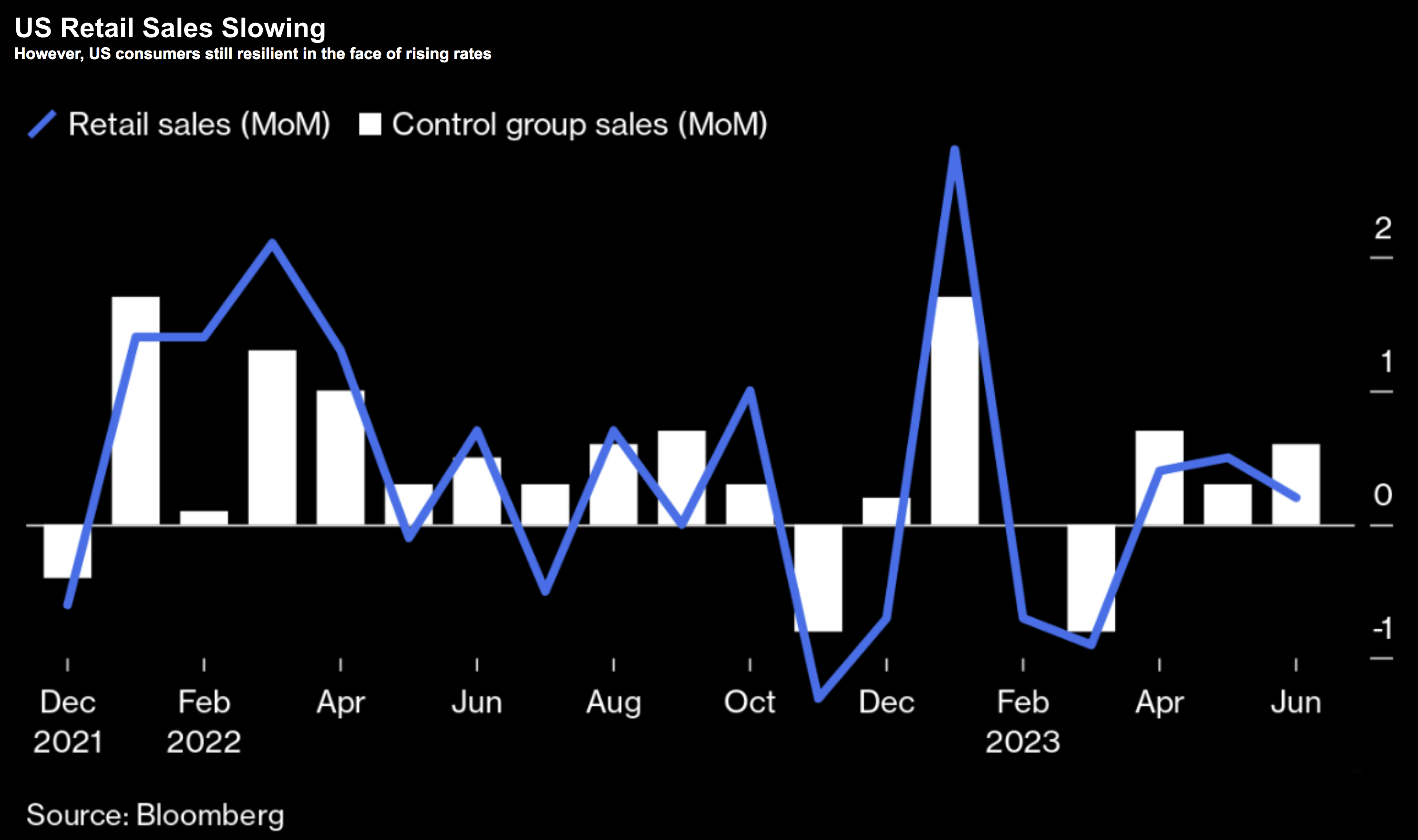
Never underestimate the US consumer's willingness to spend. And from mine, that's been the story of this year. Consumers have used whatever means available to spend, spend, spend. With ~70% of US GDP consumption based - that has also meant the economy managed to keep its head above water. But what does it look like going forward?Do consumers still have ultra-strong balance sheets to keep it up? And are rates eventually going to bite? I ask this because if US consumers are closer to maxing out their credit cards (with more than $1T in debt)... the odds of a recession sharply increase.