Category Interest Rates / Bonds

In Warsh We Trust In Warsh We Trust

In Warsh We Trust

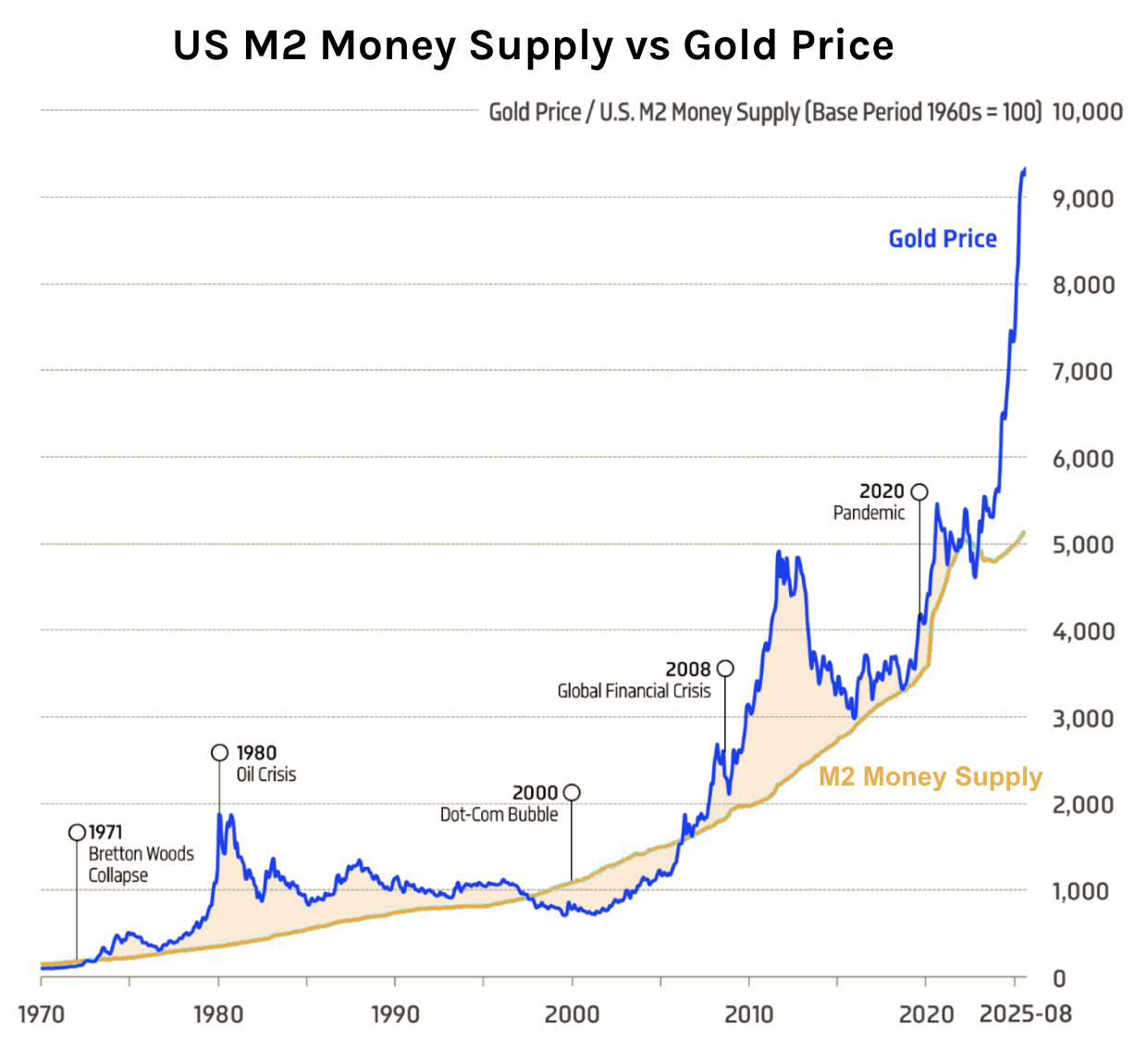
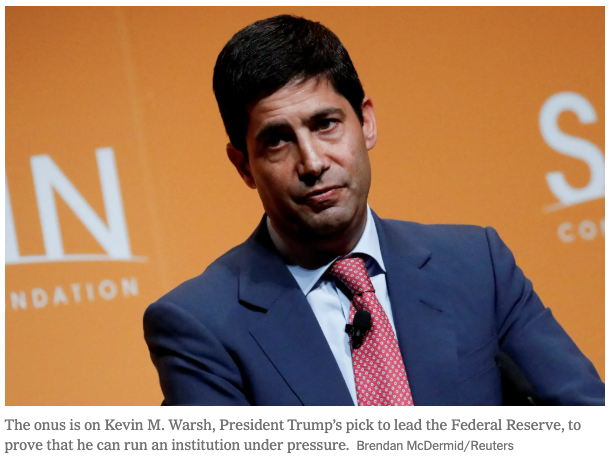
Trust is the invisible architecture of the global financial system. When central bank independence is questioned or fiscal discipline slips, markets don't just adjust—they convulse. While Kevin Warsh’s nomination as Fed Chair provides a stabilizing institutional anchor, it doesn't end the "debasement trade." With gold and silver undergoing a violent but necessary reset, investors must distinguish between technical profit-taking and the long-term diversification away from dollar-centric reserves. In modern macro, it’s always a matter of trust.
Global Bond Markets Warn Global Bond Markets Warn

Global Bond Markets Warn

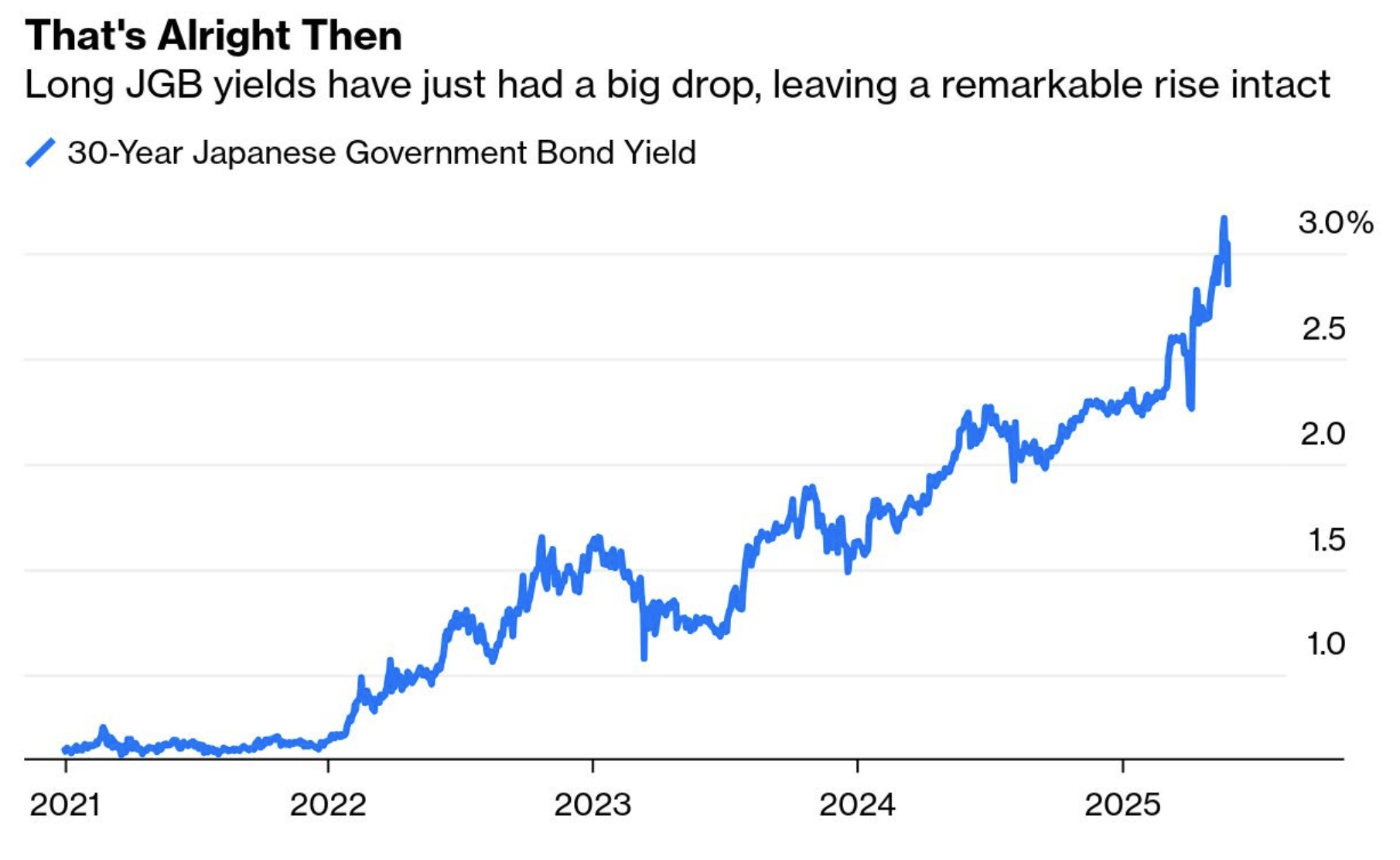
U.S. equities just suffered their worst session since October, but tariffs and geopolitics may be a sideshow. The real source of market unease lies beneath the surface — in global bond markets. From Tokyo to U.S. Treasuries, long-dated yields are rising sharply, challenging years of monetary suppression. When bond vigilantes stir, markets begin to question fiscal credibility, not headlines. And history shows those moments rarely stay contained for long.

Japan: Land of Rising Yields Japan: Land of Rising Yields

Japan: Land of Rising Yields

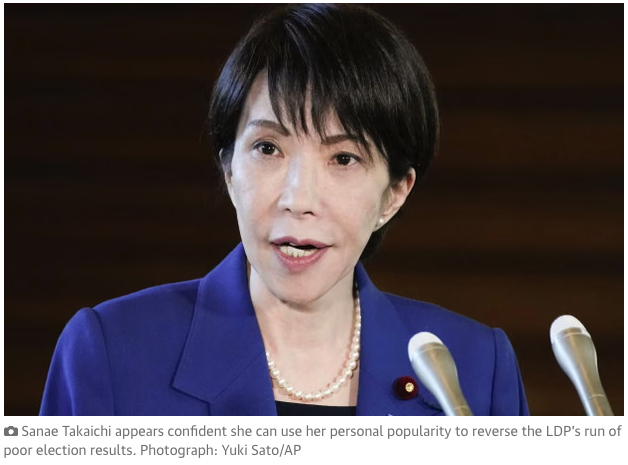
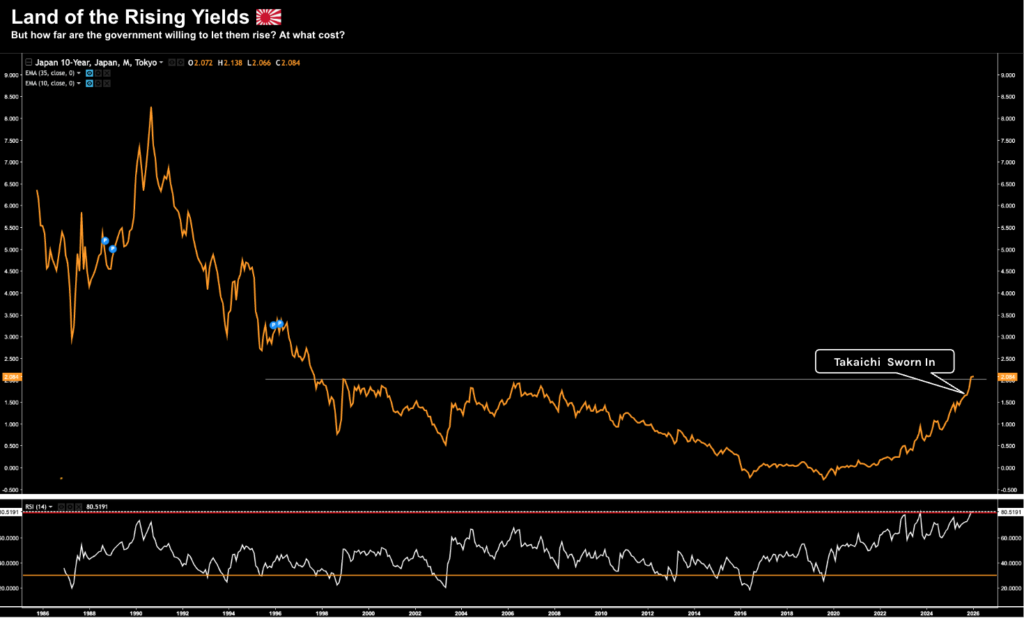
For decades, shorting Japanese Government Bonds earned the nickname “the widow maker,” destroying capital despite seemingly sound logic. Japan’s massive debt, near-zero rates, and dormant inflation suggested yields had nowhere to go but up—yet markets punished premature bets. That dynamic has now shifted. Rising yields signal a genuine regime change driven by fiscal expansion, political influence within the ruling LDP, and a decisive pivot by the Bank of Japan away from yield curve control. For the first sustained period since 2019, bondholders are being rewarded. This shift carries broad implications for global capital flows, currencies, and equity markets

Gold: Has it Gone Too Far?

While the S&P 500 trades at a rich 24x forward earnings, its gains are heavily concentrated in the 'Mag 7,' whose towering Price-to-Free Cash Flow multiples (eg AMZN’s 174.4x) suggest a market dangerously "priced to perfection." But a deeper unease is driving gold. Up over 50% this year, its rally resembles the 2011 credit downgrade panic, fueled by fears of currency debasement and US fiscal recklessness, despite moderate 3% inflation. With gold’s recent 8.5% plunge hinting at volatility, investors may be wise to trim those spectacular gains, while the Mag 7 face an extremely high earnings bar

When Will Bad News be Bad News?

History shows that central bank easing cycles generally benefit stock markets. However, we should ask why central banks are cutting. If the Fede cuts rates to combat a slowing economy, the news may not be as positive as it seems. A weakening economy means lower corporate earnings and reduced consumer spending, which are ultimately negative for stock prices. Several bleak monthly jobs reports is evidence that the economy is struggling. But is just a soft patch or something worse? I suggest exercising caution - rate cuts are not always a positive.

Powell in No Hurry to Cut Rates

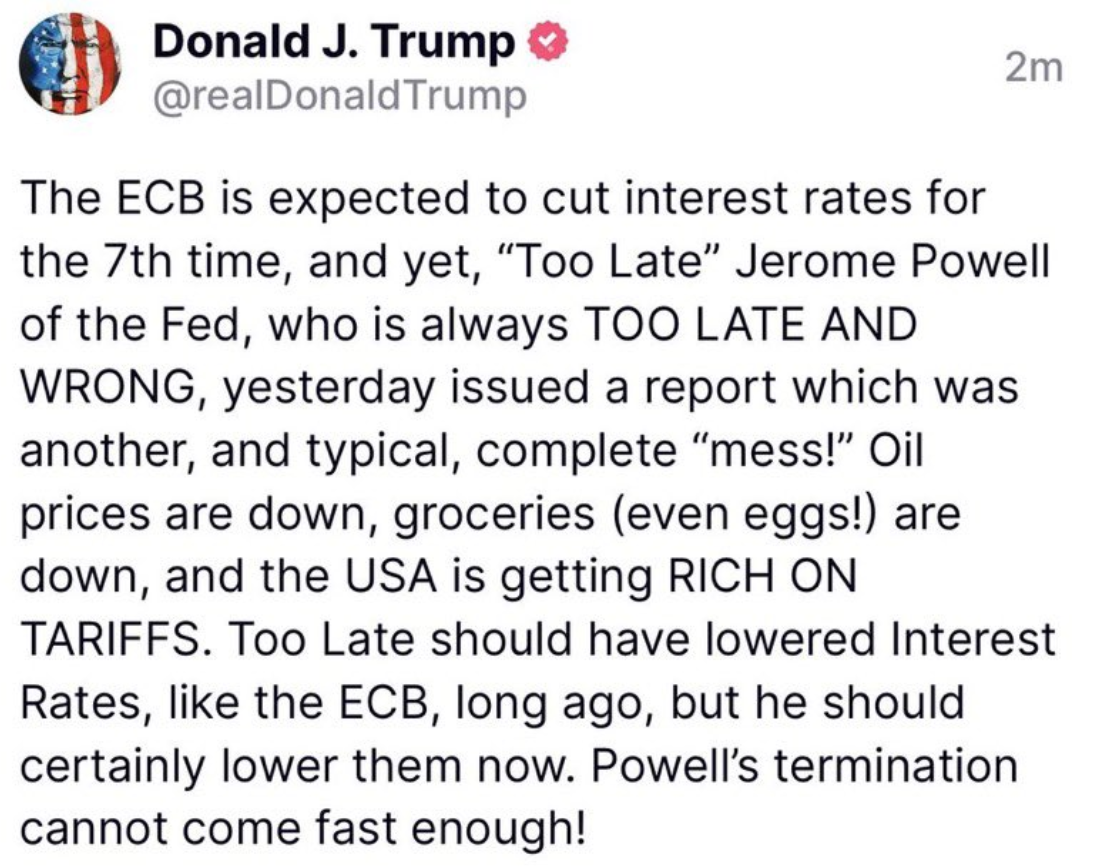
You have to feel for Jay Powell. He's in a tough spot - facing pressure from the market and the President to cut rates. However, to his credit - he can separate the noise from the signal. The Fed Chairman reiterated his narrative - signaling the need for a more cautious stance amid ongoing economic uncertainty. In addition, he emphasized the Fed needs to maintain credibility and independence. However, there was some dissent within the ranks...

Powell’s Limited Options

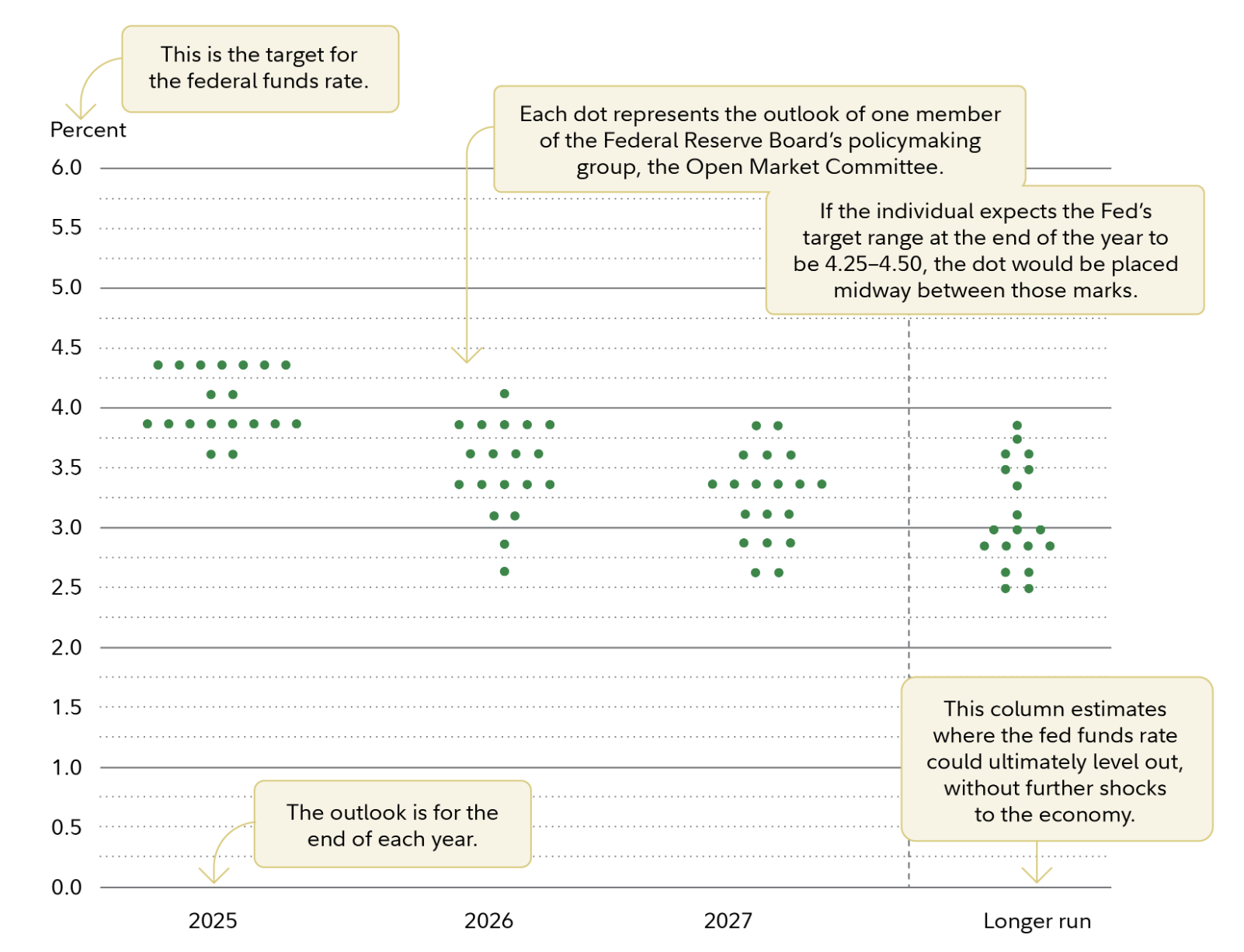
Not for the first time, the Fed is in a very difficult spot. Whilst always a dominant force in global markets, for now, Powell's team is not in the front seat. We learned this week the direction of U.S. monetary policy (over the coming months) depends heavily on developments well beyond the Fed's control. And unfortunately for investors - it could be a long (US) summer. In its latest decision, the Fed held rates steady, as expected, citing strong economic activity, low unemployment, and persistent—but slightly elevated—inflation.

Borrowing Costs Are Going Up

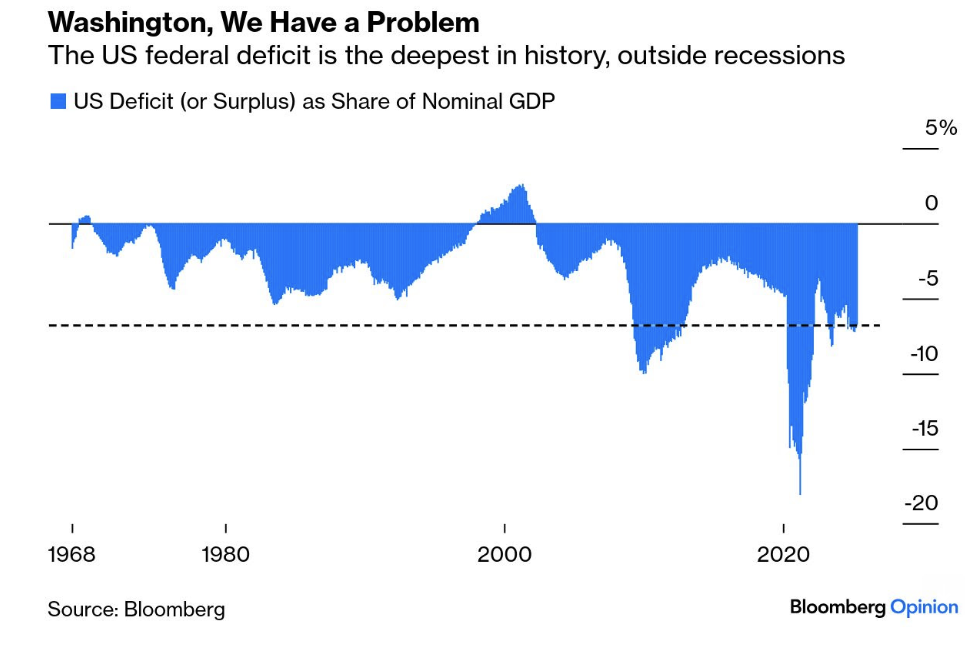
Can the stock market significantly advance with bond yields going higher? That's what investors are trying to gauge. As governments around the world look increase their (already high) levels of borrowing and spending -- it's plausible bond yields are set to rise further. And it's not hard to explain why... demand is falling as supply increases. But at what point does the stock market say enough?

Bond Vigilantes To Have the Final Vote

Markets paused to take a breath this week following a six-week ~22% surge. The S&P 500 surrendered a routine ~2.80% - after touching a 12-week high of 5,968. With the market trading at 22x fwd earnings (a premium in any environment) - investors are arguably more mindful of (a) ongoing tariff risks- with new threats from Trump on Europe and Apple; and (b) the thread of rising bond yields - and any potentially widening of the deficit.

Brand USA Downgraded

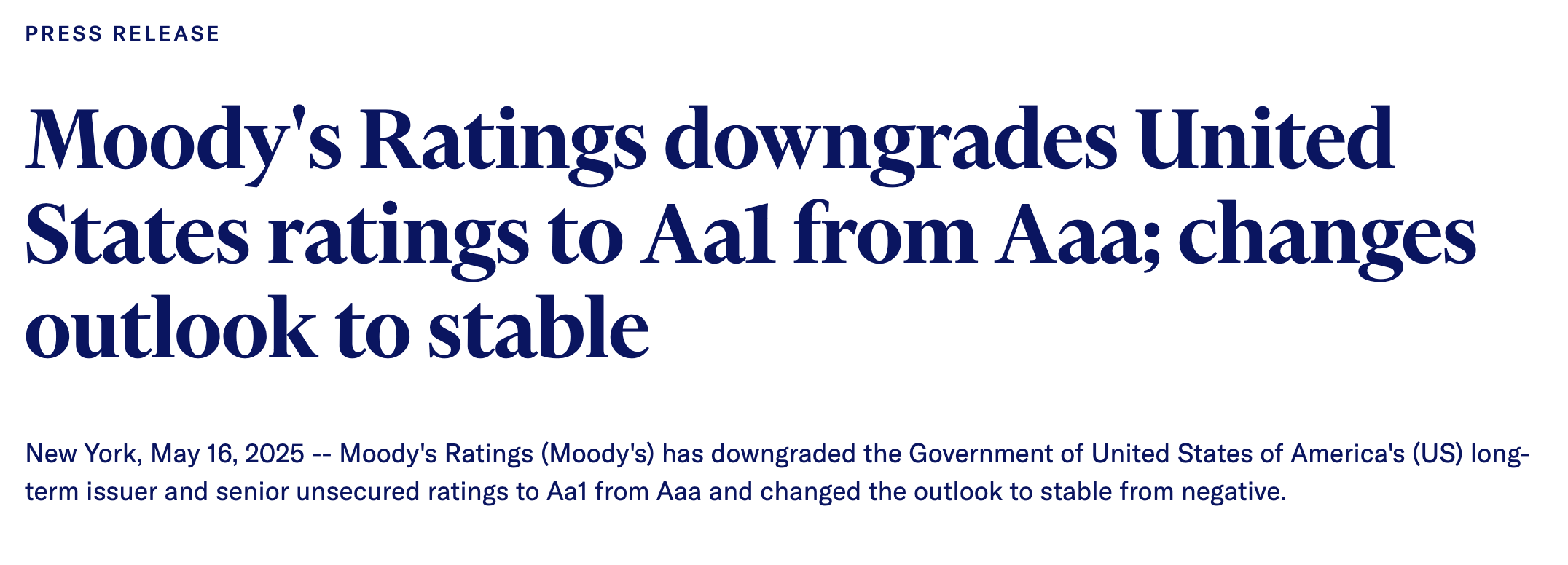
The stock market has risen at a dizzying speed the past six weeks - up over 20%. I would reduce risk at these levels. We're now back at valuations similar to the beginning of the year - however the risks are now considerably higher. But let's say the net result is a tariff rate in the realm of between 10% and 30% - that would be disastrous. My back-of-the-envelope math estimates a substantial $300B "economic burden" that both companies and consumers will be forced to bear.