Category Investing Lessons

Buffett’s Letter: Time Not to be Greedy

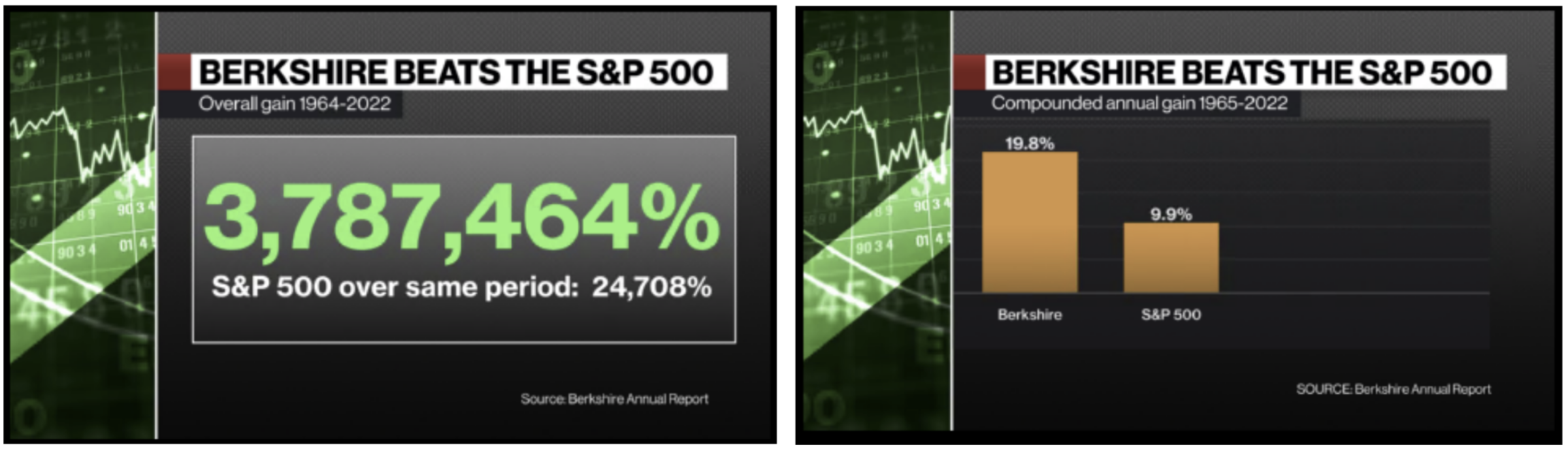
If we needed confirmation the market isn't cheap - the Oracle of Omaha told us as much in his annual letter to shareholders. He sits on a record amount of cash - over $167B. But he is no hurry to overpay. Buffett's letter is compulsory reading for anyone who is serious about investment. It's filled with timeliness insights from the mind of one of the world's greatest investors (arguably the greatest). For example, very few (if any?) have averaged a CAGR of 19.8% for 58 years (see page 17) vs the S&P 500 10.2%

Mean Reversion: Index Risks & the ‘M7’

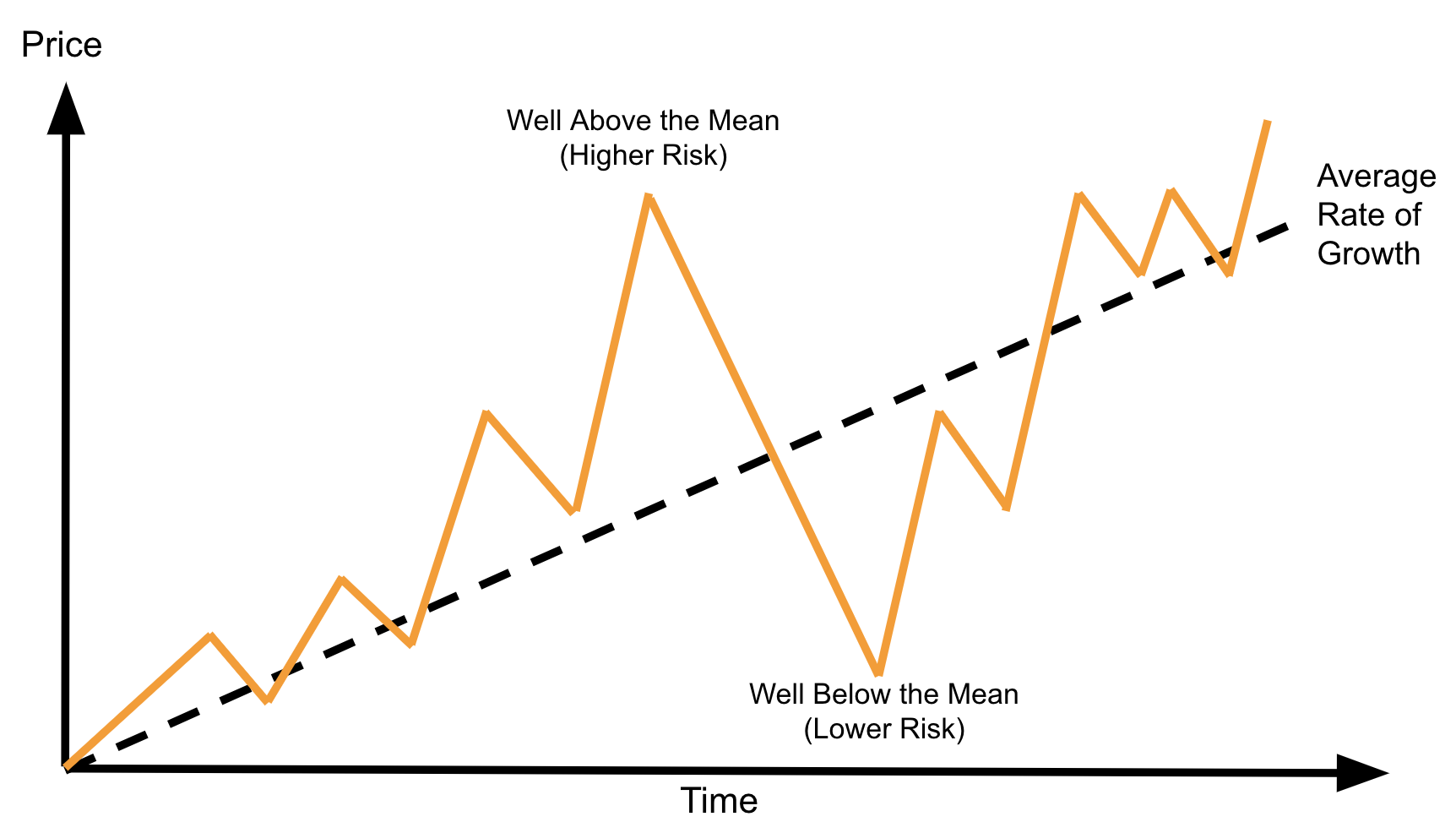
In the game of asset speculation – mean reversion suggests that over time an asset will eventually return to its average price if it drifts or spikes too far from that average level. If applied, it can often help you avoid paying too much. My thinking is the S&P 500 has now drifted too far from the longer-term mean. History has always told us that inevitably prices will mean revert. This post explores the potential risks to investors if simply choosing to passively invest via the benchmark Index. Look no further than the so-called "Mag 7" - which constitute more than a 30% weight.

Three Cheers for 5,000!

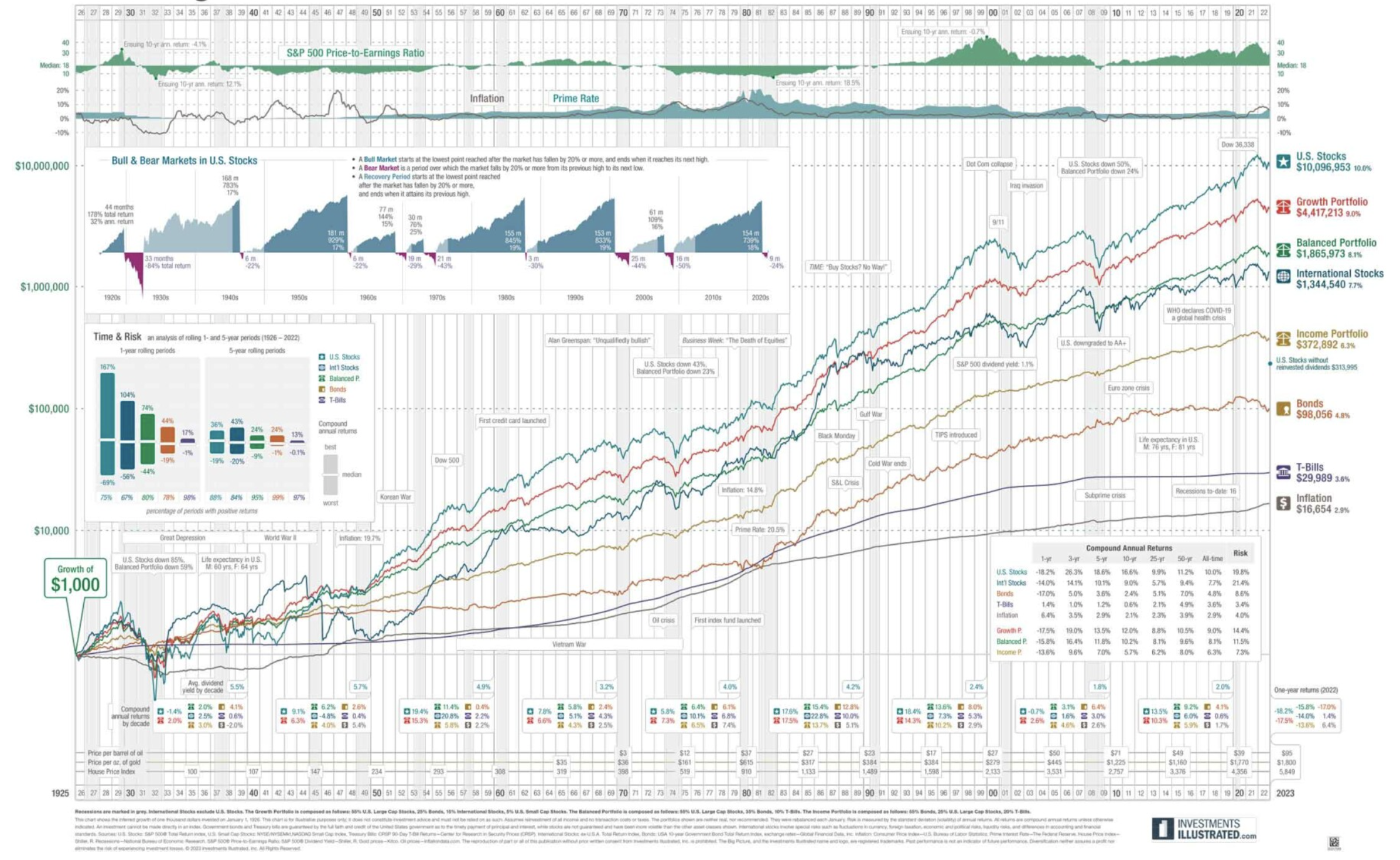
This week the S&P 500 closed above 5,000 for the first time. Another milestone as we climb the 'wall of worry'. Over the past 100+ years the S&P 500 has averaged capital gains of ~8.5% per year plus dividends of ~2.0%. That's a total return of close to 10.5% (on average). If you compound 10.5% per year over 20 years (i.e., 'CAGR') - that's a 637% increase. But as we know, the pathway is rarely smooth. Some years the market may "add 20%" and others it could give back a similar margin (or worse). And we saw this happen recently. However over the long run - markets will rise more often than they fall.

Charlie: More than a Brilliant Investor

"The best thing a human being can do is to help another human being know more" - Charlie Munger. Very few things will change your trajectory in life (and/or business) as much as learning and education.The more you dedicate your time to obtaining knowledge - the better you will be. But take it a step further... the pathway your life takes will be a function of the decisions you make. Which begs the question - how does one make higher-quality decisions and/or fewer mistakes? Charlie Munger offered us a framework of mental models to do just that... this will be his real legacy.

The Folly of Forecasting

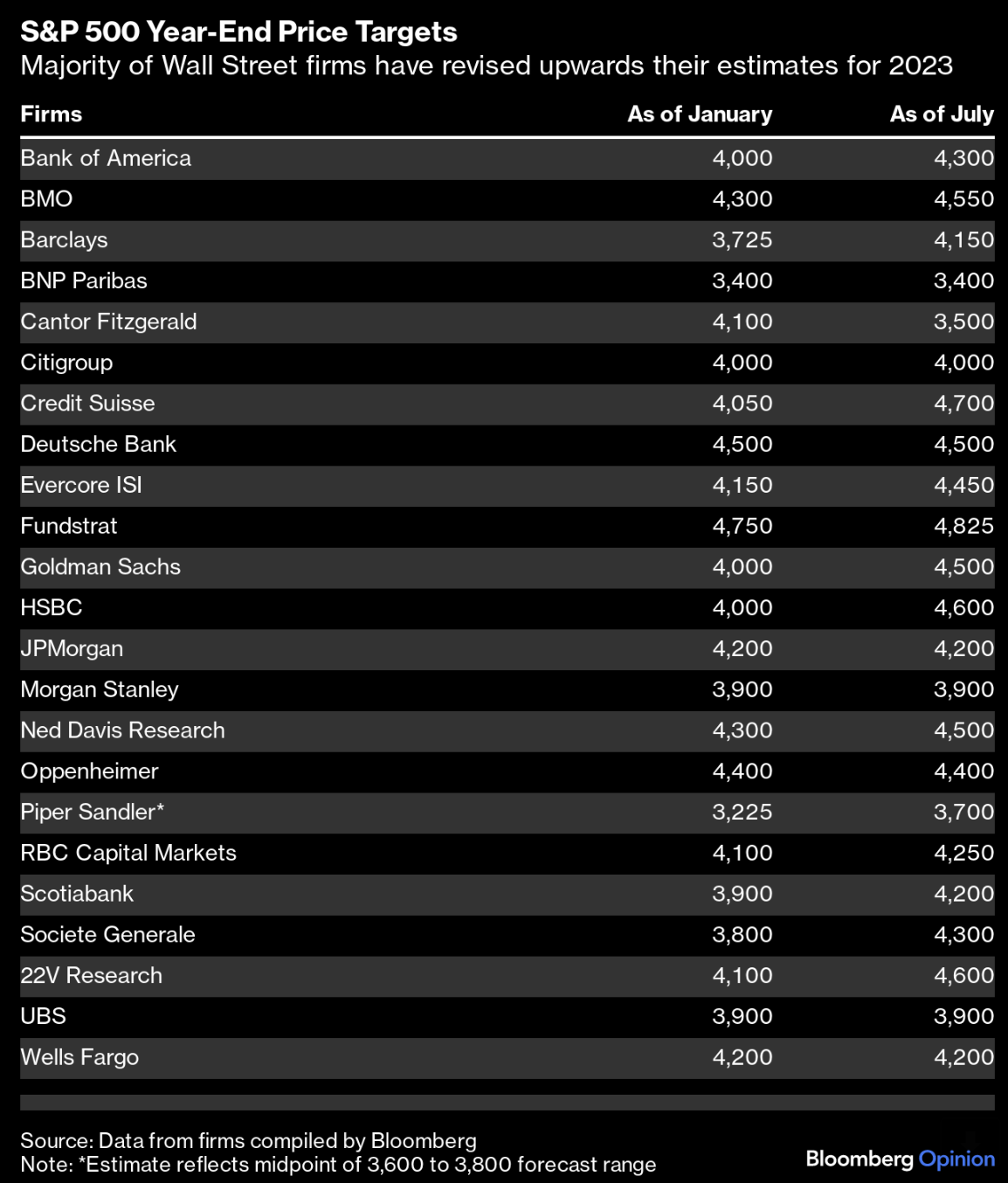
July 24 this year the S&P 500 traded around 4600. At the time, gains were almost 20% for the year. The bulls had all the momentum and analysts were ratcheting up their end of year forecasts. Some felt 20% YTD gains were not enough - calling for even greater upside. What happened? Stocks corrected around 10% offering investors a better opportunity. The game of near-term forecasting is a fool's errand...

4 Ways to Invest in Bonds

If you've been following my posts the past few weeks - I've suggested it's a good time to start increasing your exposure to bonds. As part of these missives - I've also had many reader emails asking me how? This missive will offer you a guide on some of the simple ways you can increase your exposure to fixed income. But let me offer a caveat... bonds are not risk free (nothing is)

Bifurcated Markets Usually End the Same Way

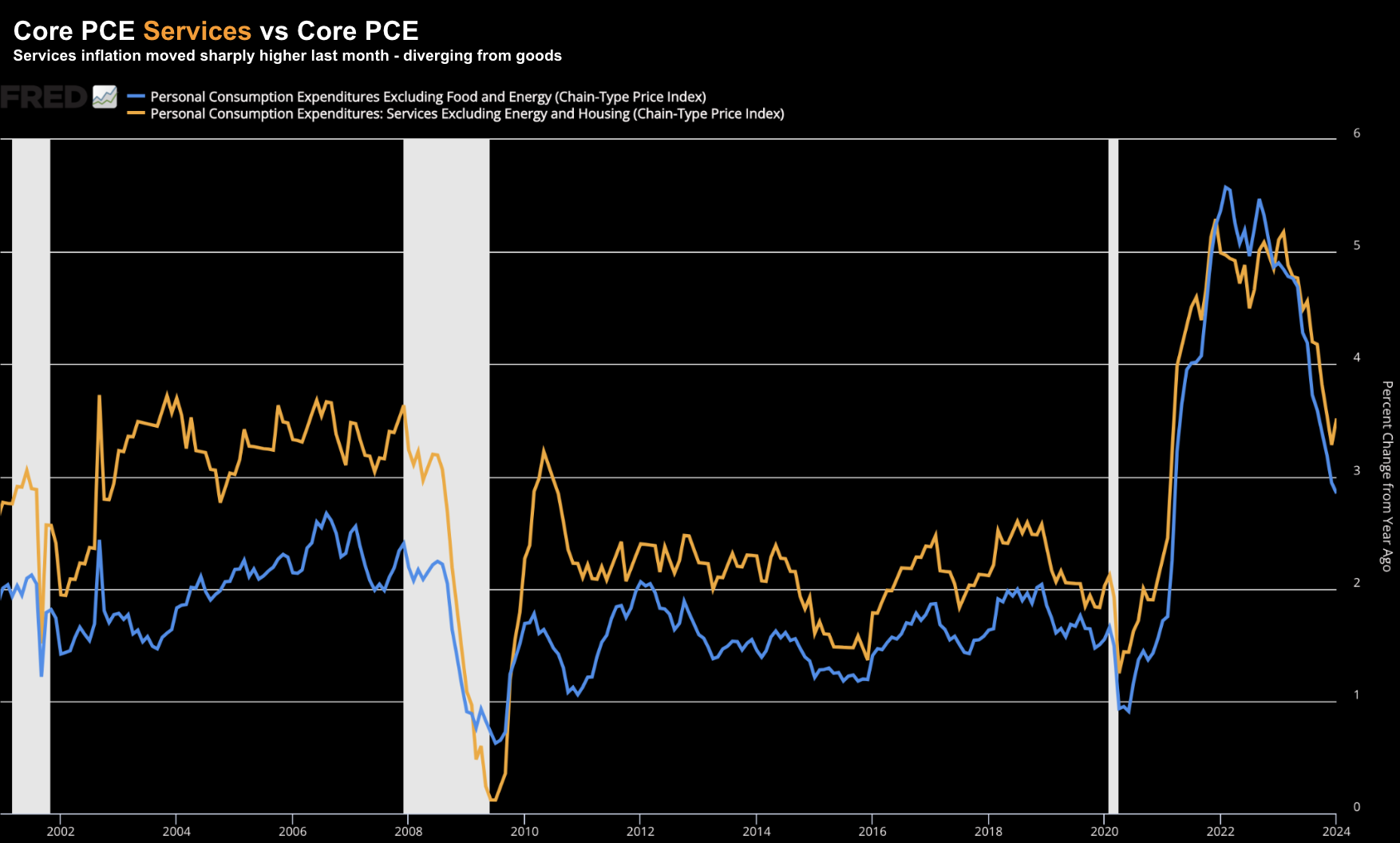
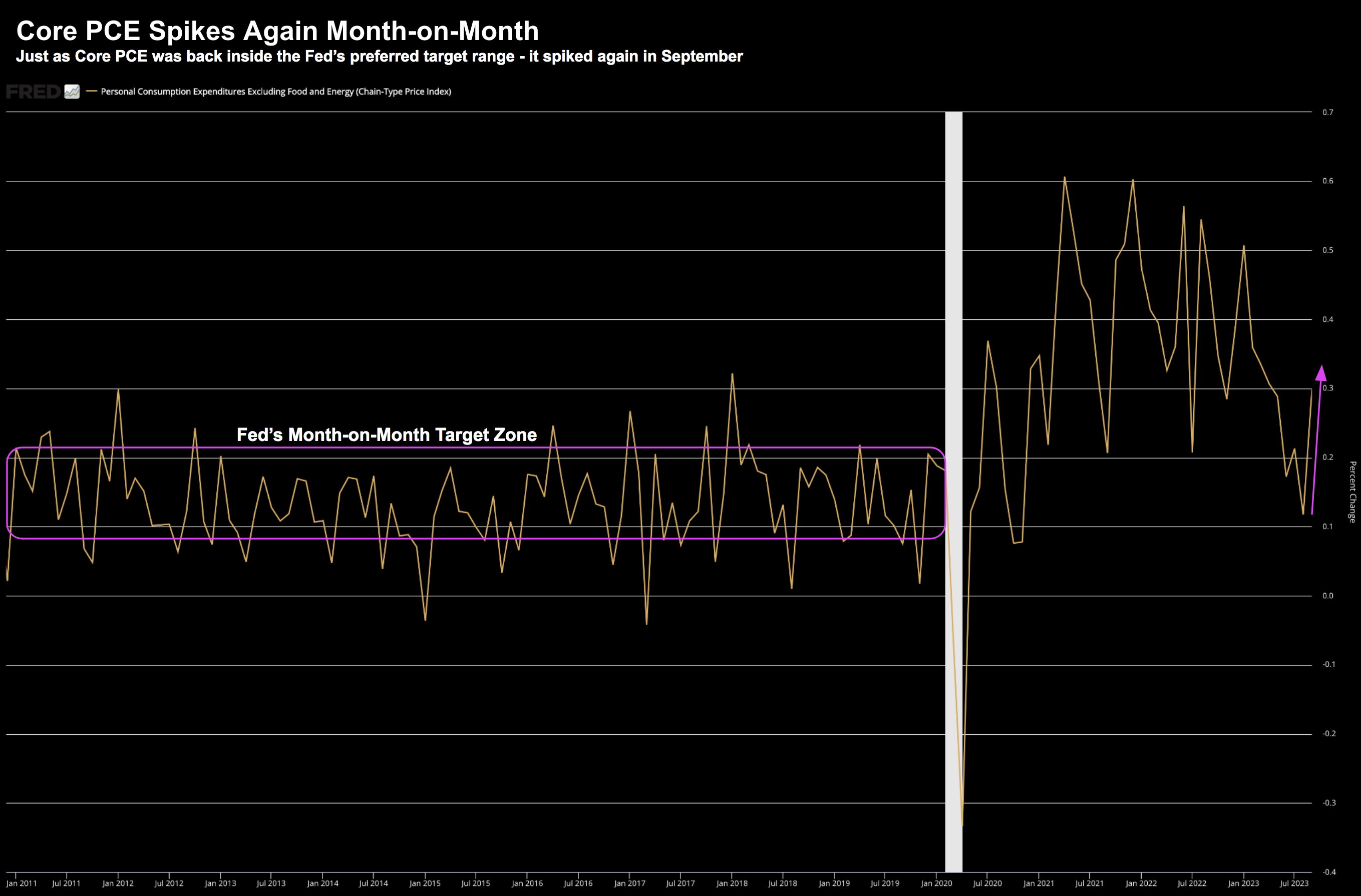
If you're long the market - it was another rough week. My portfolio was no exception. My largest position (Google) was smoked - losing around 10%. The Index is now only up 7.24% for the year.... a long way from almost 20% higher in June. The next hurdle for the market comes next week - when we get payrolls. A soft print might give the market hope the Fed is almost done. However, if it comes in hot, the Fed may have no other choice but to hike again in December... given the uncomfortably high Core PCE last week.

Rethinking Asset Allocation

Last week we were treated to another thought provoking memo from Howard Marks. Apart from Warren Buffett and Stan Druckenmiller - very few investment managers boast a better 40+ year record than Marks. These investing legends rarely speak. But when they do - pay close attention. Marks' note was follow-up to his previous memo titled "Sea Change". Here's the TL;DR: investors need to re-think their longer-term investment strategies. He is of the view the next decade (or more) won't be the same as the last. A rising tide is unlikely to lift all boats. However, this also brings meaningful new opportunities for double-digit returns. We just need to start looking in different 'pockets'.

One Case for Bond Yields Falling in 2024

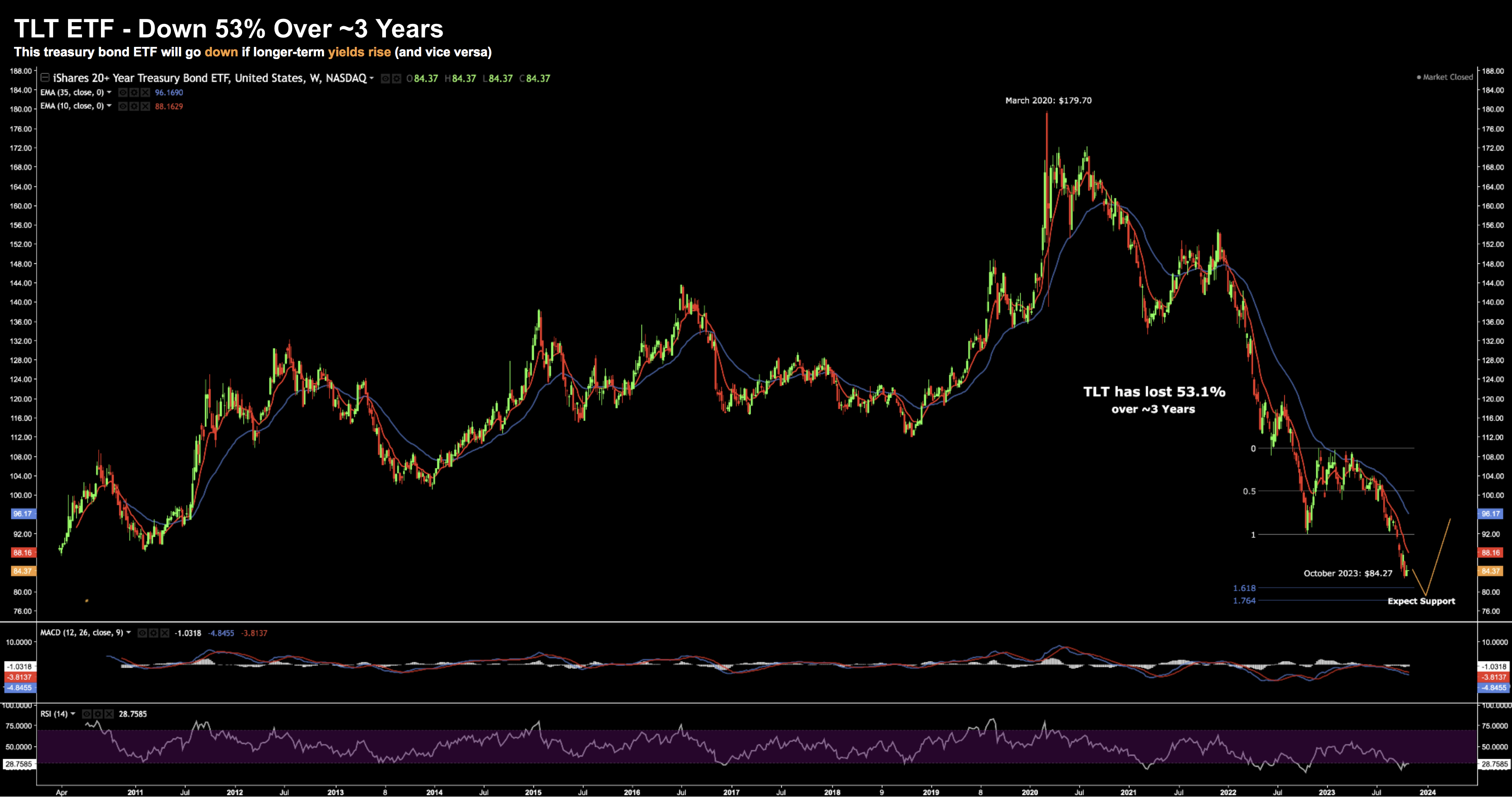
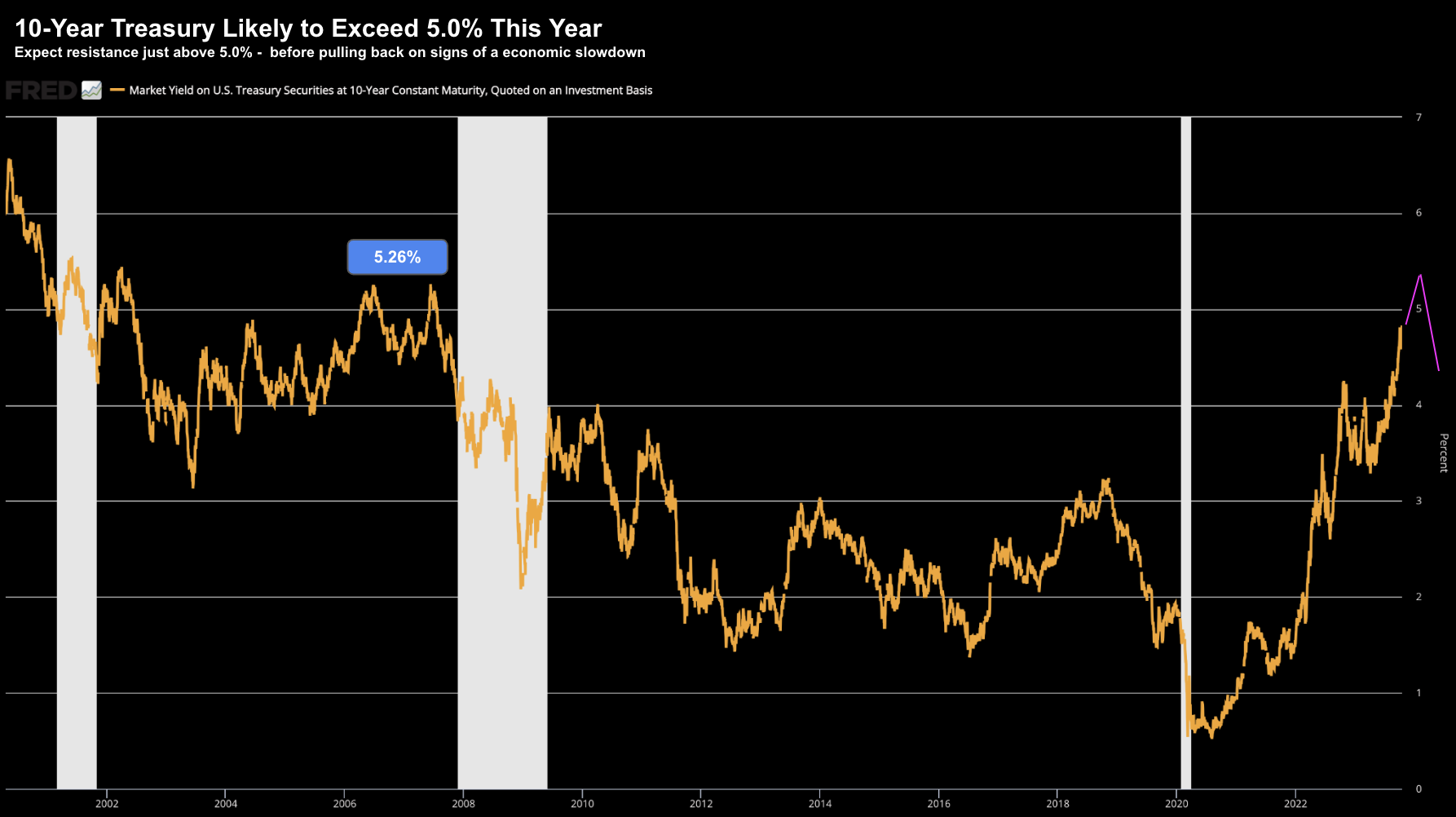
It's been a horrible 3-years for bond / fixed income investors. In short, they have been slaughtered as yields shot higher. For example, losses in long-maturity bonds (e.g. greater than 10 years in duration) are close to historical levels. Consider the all-important US 10-year treasury.... an asset which underpins every financial asset. It has plunged 46% since peaking in March 2020. Put another way, these yields went from ~0.5% at their lows to ~4.8% last week. What we've seen in the bond market is one of the most severe market crashes on record. 30-year bonds have plunged ~53%. As a parallel, the equity market crashed 57% during the 2007-09 financial crisis

History Lessons 

History offers us valuable lessons. During the week, I read an interesting Bloomberg article citing research from financial historian Paul Schmelzing. He explained at a Jefferies (Hong Kong) forum that it’s effectively impossible for data from recent decades to offer insight into whether there’ll be a lasting impact on borrowing costs from the pandemic. This is interesting as the popular narrative is rates will remain high for a very long time.... but will they?