Category Macro / Economy

Real PCE: “Robust” Economy or Signs of Rust? Real PCE: “Robust” Economy or Signs of Rust?

Real PCE: “Robust” Economy or Signs of Rust?

Headline indicators suggest economic resilience, but underlying data reveals structural cracks. While personal consumption remains high, it is increasingly fueled by government transfers rather than private wages. With real spending outpacing income and pending home sales plunging 9.3%, Real PCE serves as a critical leading indicator of an approaching market downturn

Recession or Weakening? 

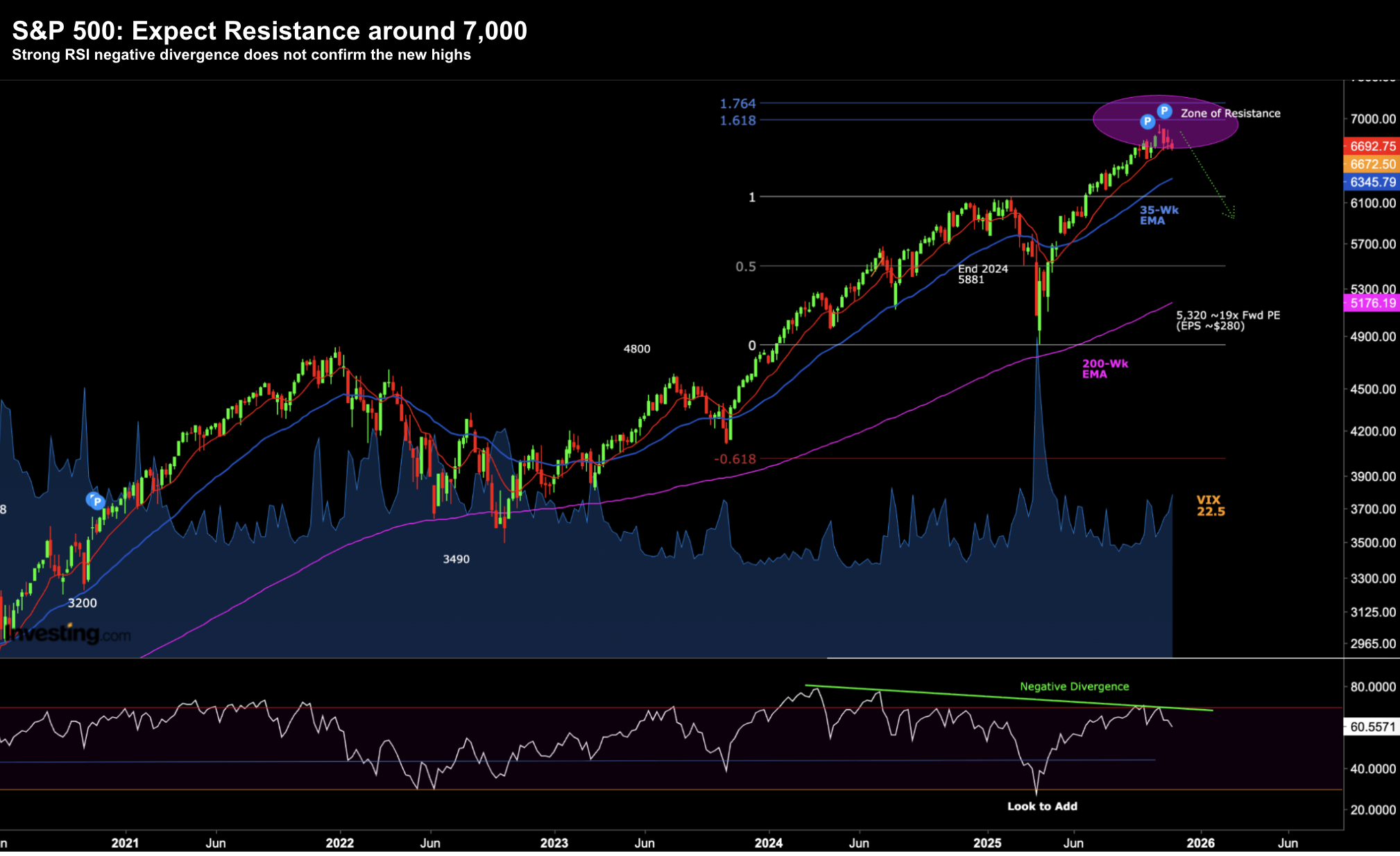
Despite signs of a weakening U.S. labor market, including a recent record-downward revision to job growth figures, investor bullishness remains at record highs. However, it's pure optimism that has pushed stock market valuations to expensive levels, with the S&P 500 trading at over 22 times forward earnings. While market psychology and momentum can drive prices in the short term, fundamentals will eventually prevail. Prudent investors should prioritize buying high-quality companies at attractive valuations, a strategy that currently requires patience.

15%+ Tariffs Are Not Reason to Cheer

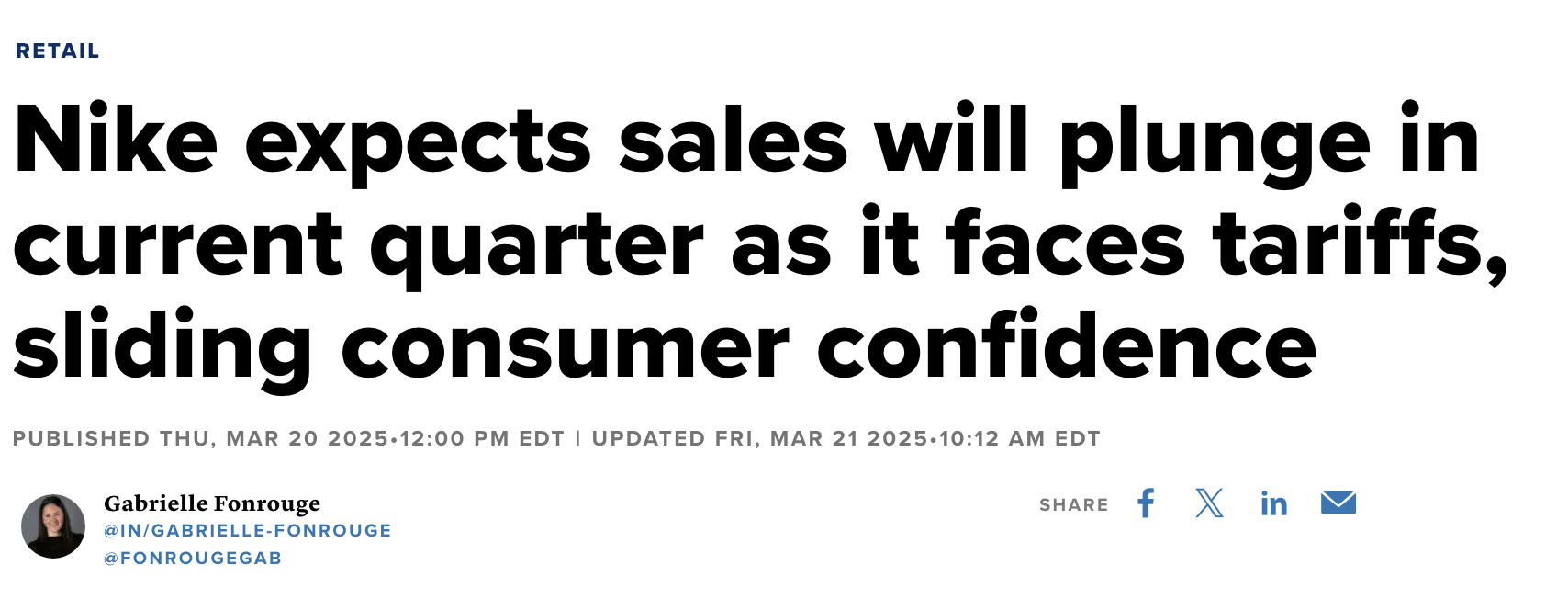
The market is cheering the "better than feared" trade deals with the likes of Europe and Japan. Yes, 15% is better than 30%. But 30% would be an embargo - not a tariff. 15% will not be good for global trade. Growth will slow; consumption will fall; resulting in fewer jobs. Trump's terrible tariffs will be at least ~12% more than what we had at the beginning of the year. This consumption tax will need to be paid by someone... just a question of who. The market is not pricing this in....

S&P 500 Hits Stall Speed

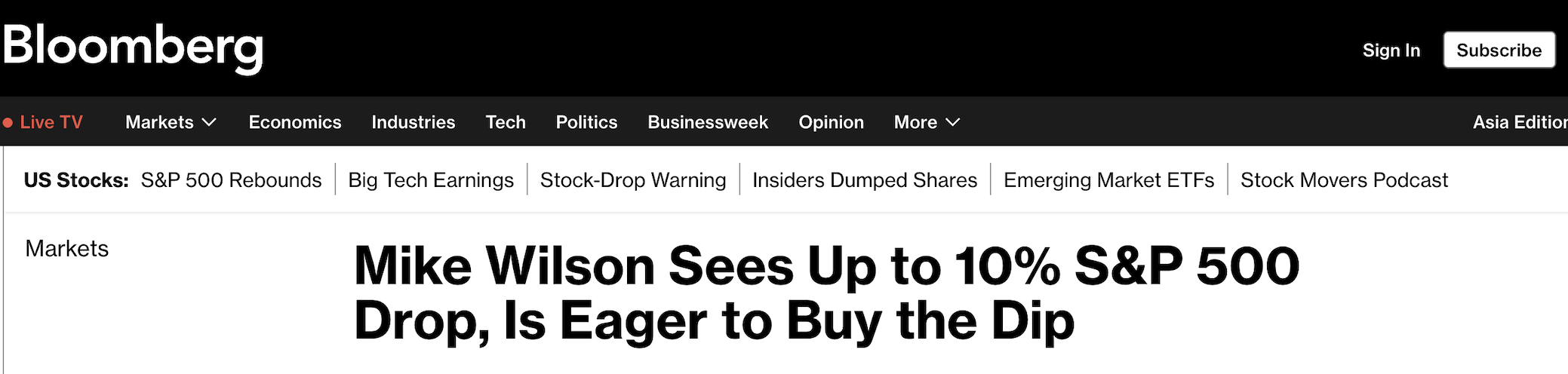
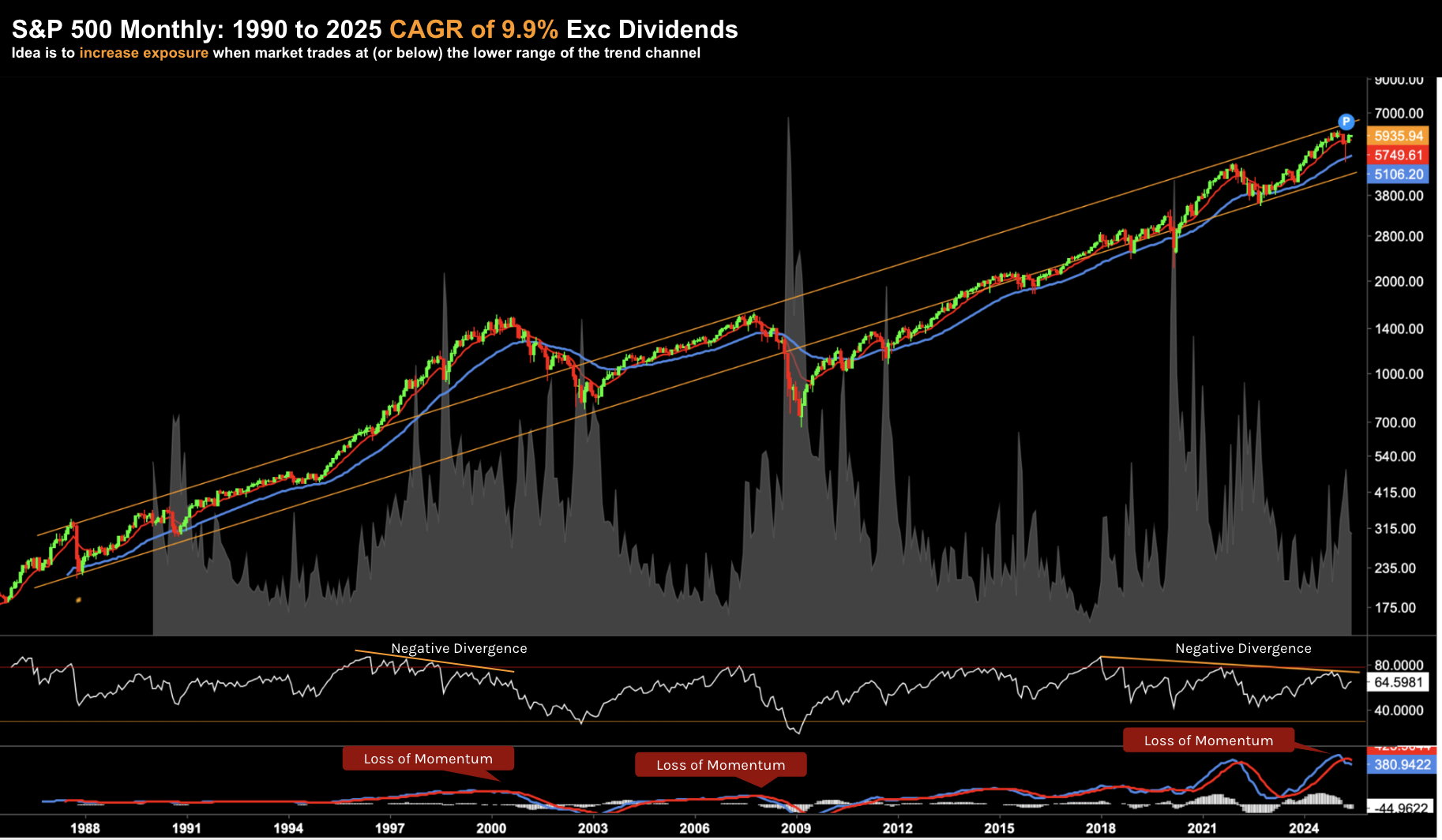
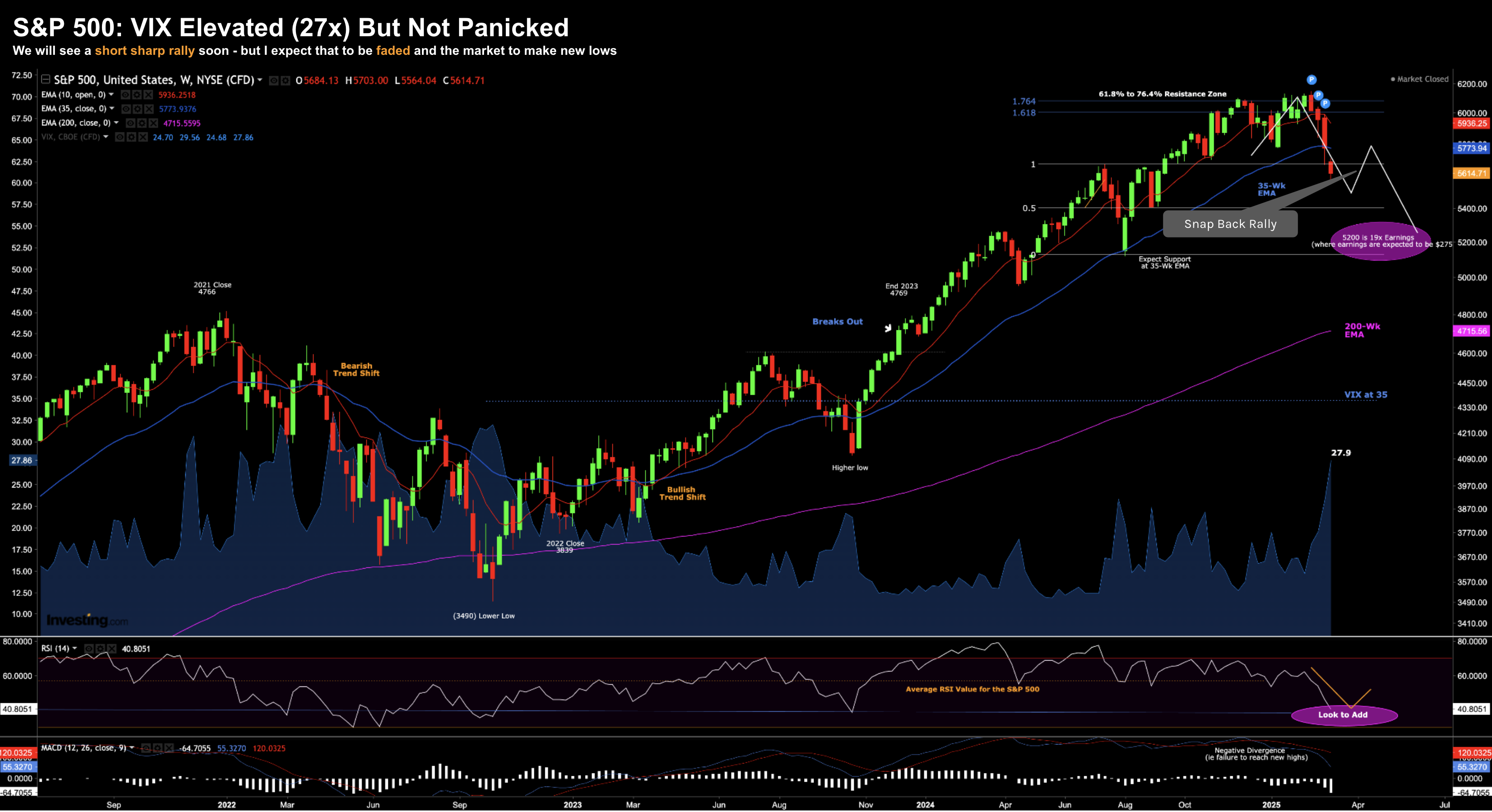
Another week comes to close - as we draw near the end of the second quarter. For the past two weeks or so - investors are reluctant to push prices much higher. From mine, the index is not only expensive - trading near a forward price-to-earnings (PE) ratio of 22x - the downside risks don't handily offset the (possible) upside reward. For eg, it would not surprise me to see the S&P 500 trade up to a zone of 6,200 (adding another 5% or so). However, equally I see a possibility for a 10% to 20% move lower given the risks to earnings growth, inflation (from tariffs), employment and geopolitical tensions.

What Does Kolanovic See That Others Don’t?

Most analyst year-end S&P 500 targets range from 4200 to 5600 for equities; and 3.00% to 4.75% for 10-year yields. My guess is we will land somewhere in between these zones. On the whole, it's fair to suggest Wall Street feels 'comfortable' with holding equities. Consensus year end targets average 5400 - which tells me most don't expect stocks to do much between now and year's end. More important - they don't expect stocks to lose any ground. This post expands what I think is the single most important variable (and risk) with these forecasts: the relative health of the US consumer and their ability to continue spending.

Is Momentum Waning? More on Why I’m Bullish Bonds into 2025

As part yesterday's missive - I talked to why I think bond yields are too high. For example, I offered a chart showing the declining trend in nominal GDP growth vs what we see with the US 10-year yield. Economic growth is clearly slowing and yet yields are going the opposite way. Why? Therefore, investors should ask themselves what is the catalyst which will take us back to a 3.0% 'growth' mode (i.e. what we saw over Q3 and Q4 of 2023)? For example, is it the consumer? They make up ~70% of GDP with consumption - however they are mostly tapped out (as we have heard in the latest earnings reports). What will it be?

For Now… Bad News is Still Good News 

Never confuse the stock market for the economy. They are two very different things. And whilst there are times when the two will trade in unison - there are also plenty of occasions when they diverge. Now is possibly the latter. For example, this week we had a plethora of 'less than positive' economic news. But it didn't stop the market surging back to near record highs. Why? Every bit of bad (or soft) economic news is a step closer for the Fed to lower rates.

Rate Cuts and Small Business Optimism Fades

Make that three in a row. Jan, Feb and Mar CPI all exceeded expectations - showing how stubborn inflation can be. And whilst the Fed focuses more on Core PCE (due at the end of the month) - this remains a concern. Here's the thing: non-core inflation continues to hurt real America. Take small business - their confidence is now at 2012 lows. Their primary concern: inflation and higher input costs.

How About Zero Rate Cuts this Year?

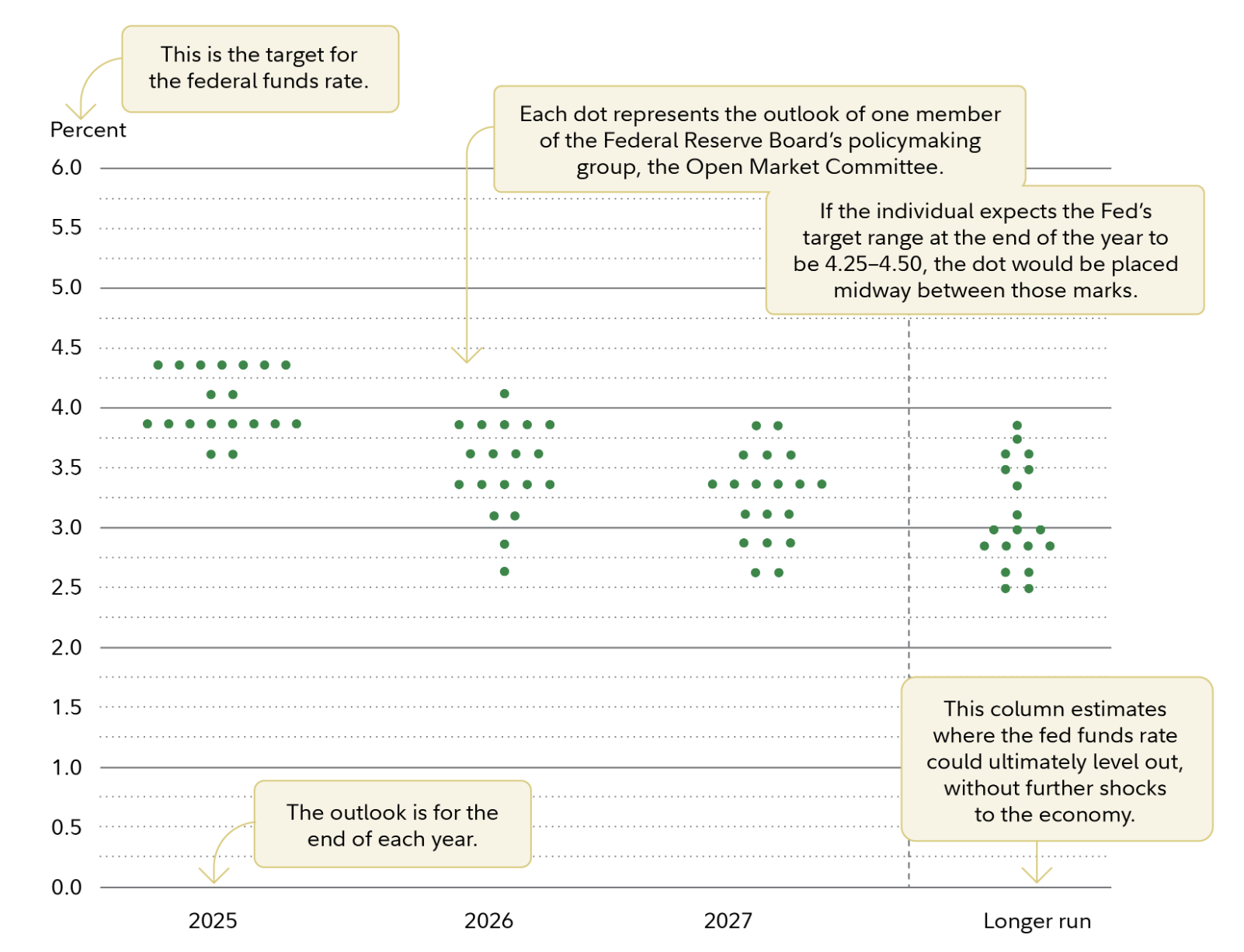
At the time of writing (April 7) - the market is pricing in three rate cuts this year. I don't see it. In fact, I think there is a very good chance of NO rate cuts this year. Now that is not a scenario the market is pricing in. However, with inflation likely to remain stubbornly high - where property prices are not falling - and the labor market remains tight - why would the Fed cut? Let's explore....

It’s Not If “Long & Variable Lags” Hit… It’s When

Milton Friedman coined the expression "monetary policy operates with long and variable lags". In the 1970s - he felt it was up to around two years before those effects are felt. Today it's believed to be sooner - given open transparency of Fed speak and data tools available. But is it? It's been two years since the Fed's first hike and we're just starting to see labor markets soften and consumer demand weaken. Have the full effects of tighter policy been absorbed? I don't think so.