Category Monetary policy

In Warsh We Trust In Warsh We Trust

In Warsh We Trust

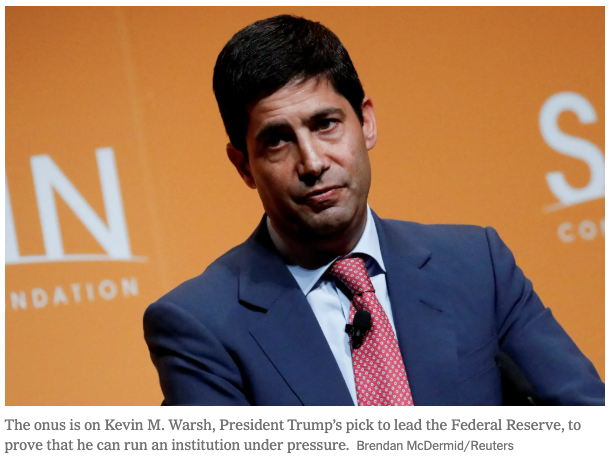
Trust is the invisible architecture of the global financial system. When central bank independence is questioned or fiscal discipline slips, markets don't just adjust—they convulse. While Kevin Warsh’s nomination as Fed Chair provides a stabilizing institutional anchor, it doesn't end the "debasement trade." With gold and silver undergoing a violent but necessary reset, investors must distinguish between technical profit-taking and the long-term diversification away from dollar-centric reserves. In modern macro, it’s always a matter of trust.

One Big Beautiful Inflation Bill

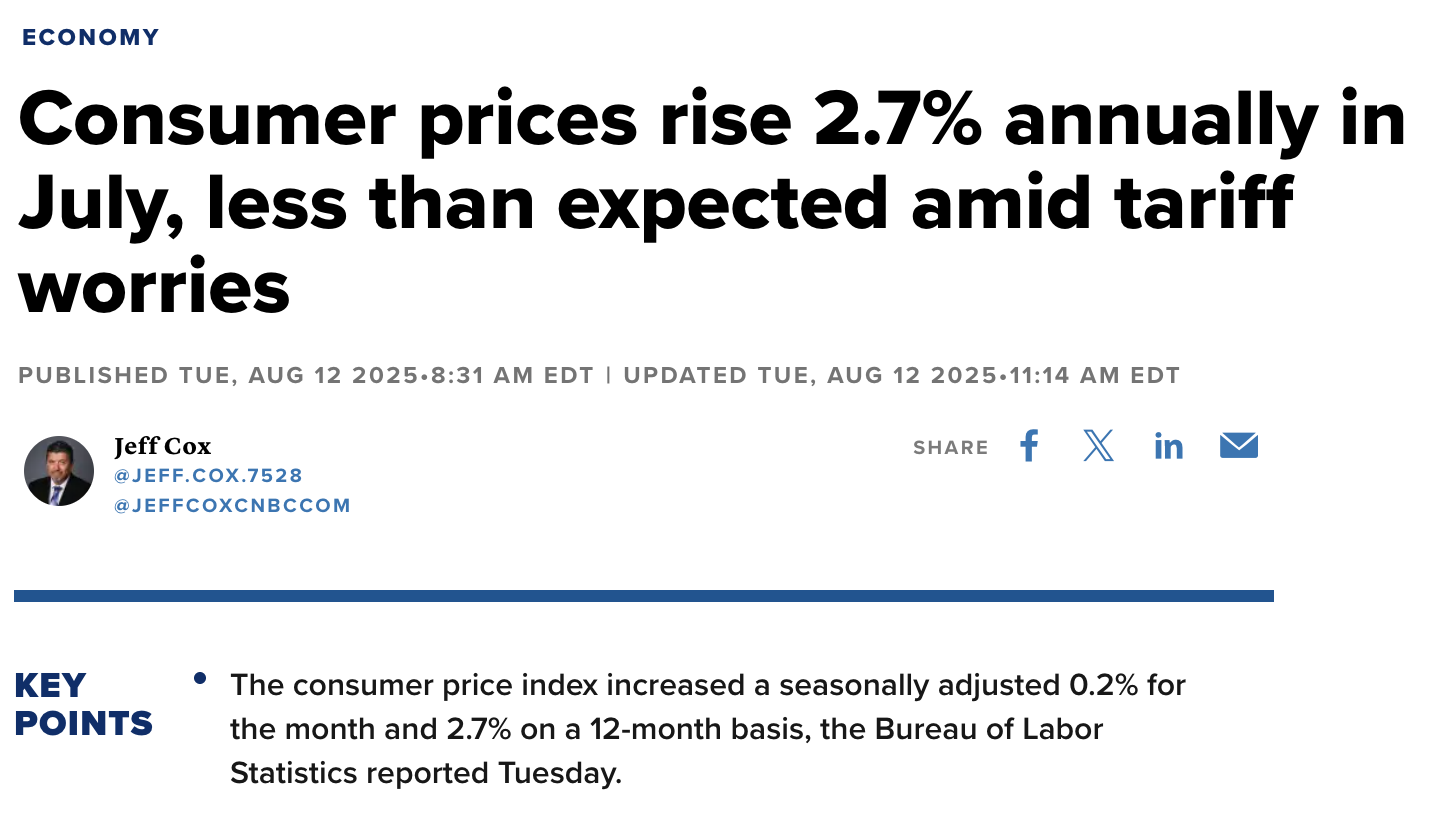
Market speculators held their breath for the latest inflation data, betting on a "soft" reading that would pave the way for a long-awaited rate cut. With stocks at record highs, their hopes were clearly pinned on a favorable outcome. While the headline CPI number was lower than expected, the Fed's preferred measure of core inflation, which excludes food and energy, continues to creep higher. This suggests that prices for most goods and services are still on the rise. Meanwhile, a chorus of voices, including political appointees, are urging the Fed to cut rates.

Do You Trust this V-Shaped Rally?

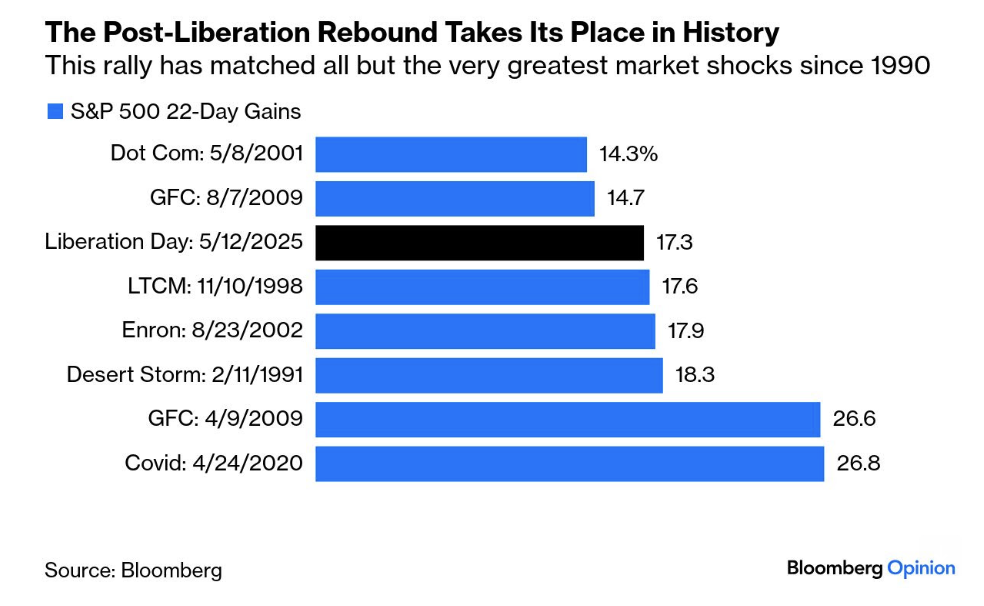
Markets staged a 'rip your face off' rally on the back of Trump's 90-day pause on 145% tariffs with China. Over the past three months - the rally ranks among the best we've seen in three decades. The question is can it continue; and what needs to happen? My primary concern - it's not supported by any major change in monetary policy...

Market Sweats Trump Tweets Over Powell

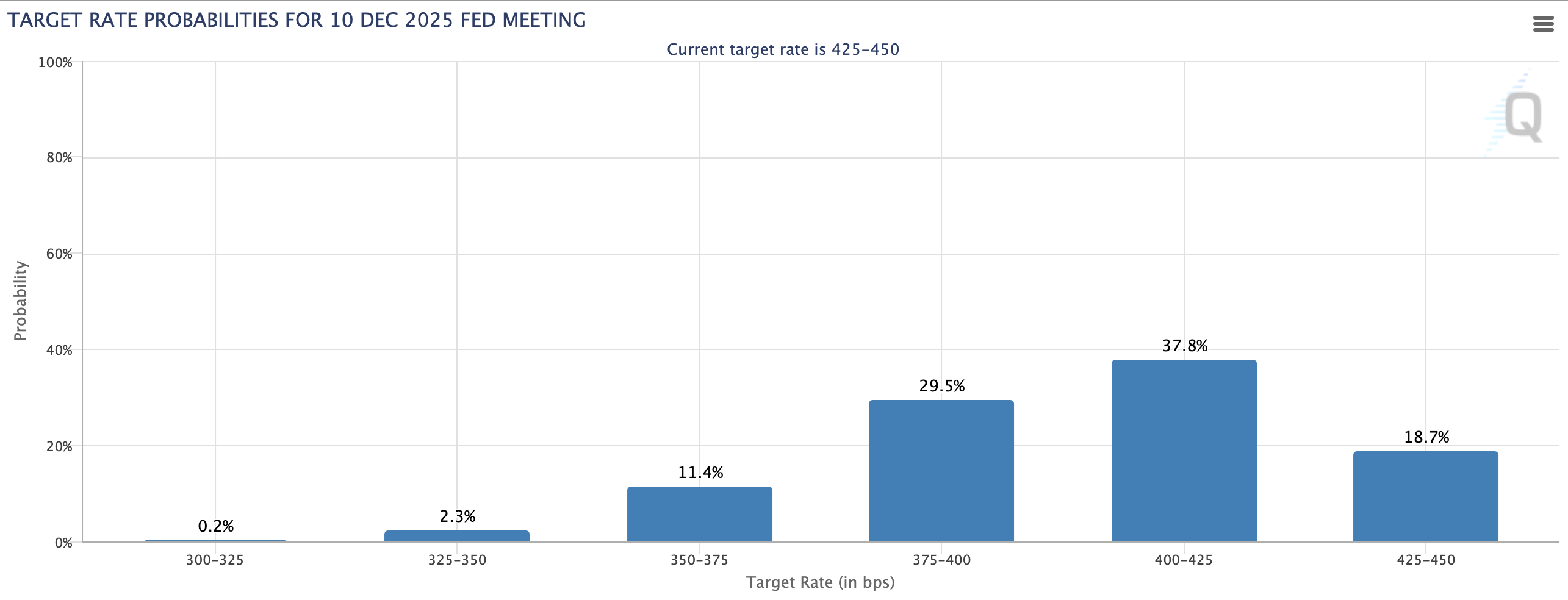
What matters more to the market: (a) a Trump tweet on any potential trade deal; or (b) Jay Powell's statement on monetary policy? If you ask me it's the former. Today's statement from the Fed was almost a non-event for the market. Powell maintained rates in the 4.25% to 4.50% target range (which was expected). However he told the market that the risk of "higher unemployment and higher inflation" have risen since their last meeting. That's problematic...

Worst Week of the Year… Uncertainty Weighs

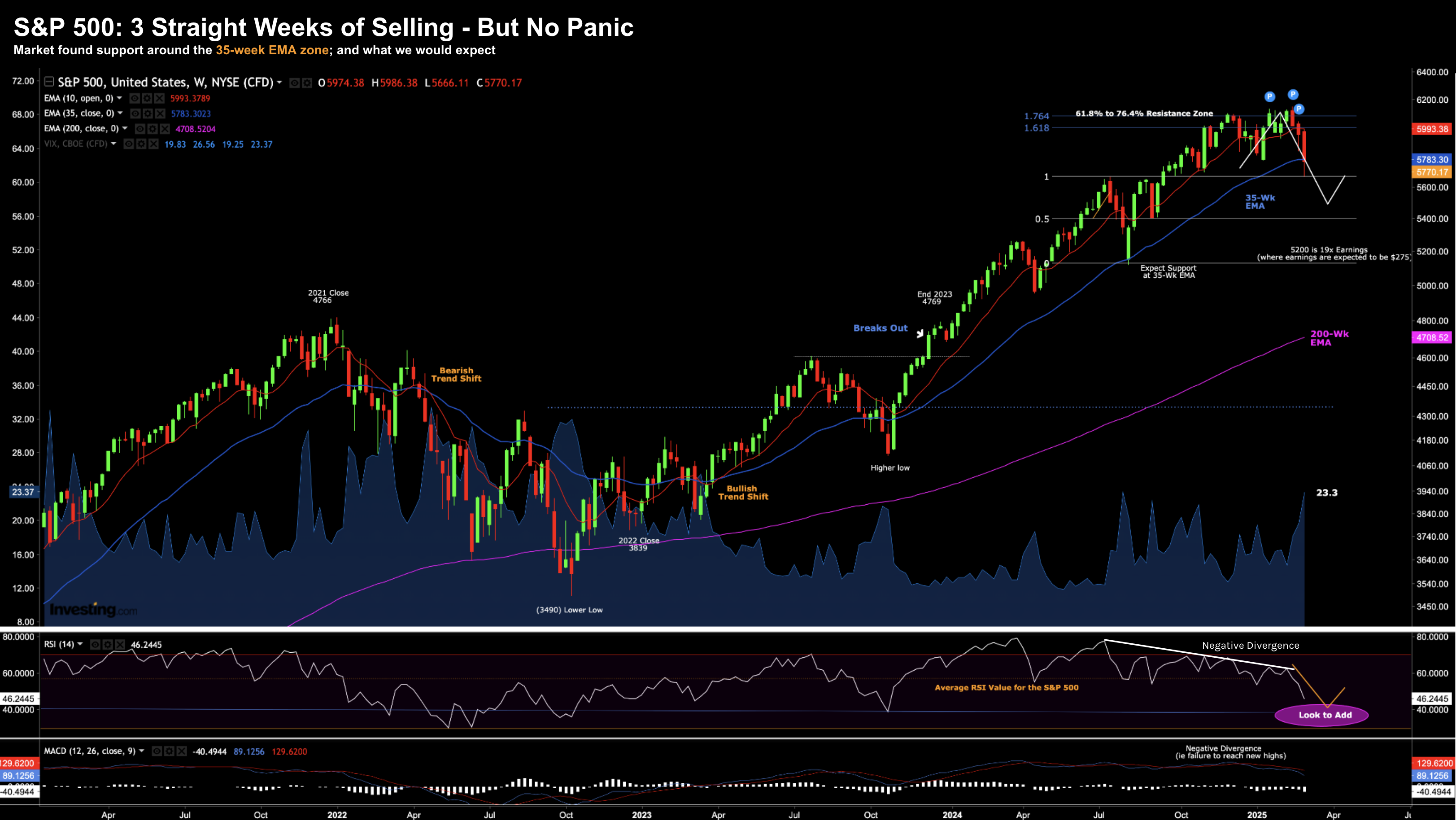
Approx 2 months ago - it felt like markets were starting to hedge their bets. How could I tell? Whilst the market was trading near record highs (around 6100) - momentum was fading. I commented on both the weekly MACD and RSI falling - whilst prices remained high. Technicians call this "negative divergence". Quite often it suggests prices are at greater risk of easing. Since then they've dropped ~6%. The week ending March 7th was the worst week for the year and the third straight week of losses... more to come? I think so...

Fed Minutes: Time to Pause QT?

Four things caught my eye with yesterday's release of the January Fed Minutes: (i) worries over tariffs and their impact on inflation; (ii) some members suggesting the fed funds rate is now close to neutral (not the majority); (iii) concerns over the pace of balance sheet reduction targets; and (iv) inflation needing to come down more before lowering rates further. Makes sense to me... But I can't help but wonder when Powell ran a victory lap last September - whether it was premature.

The Key to Growth: Business Investment

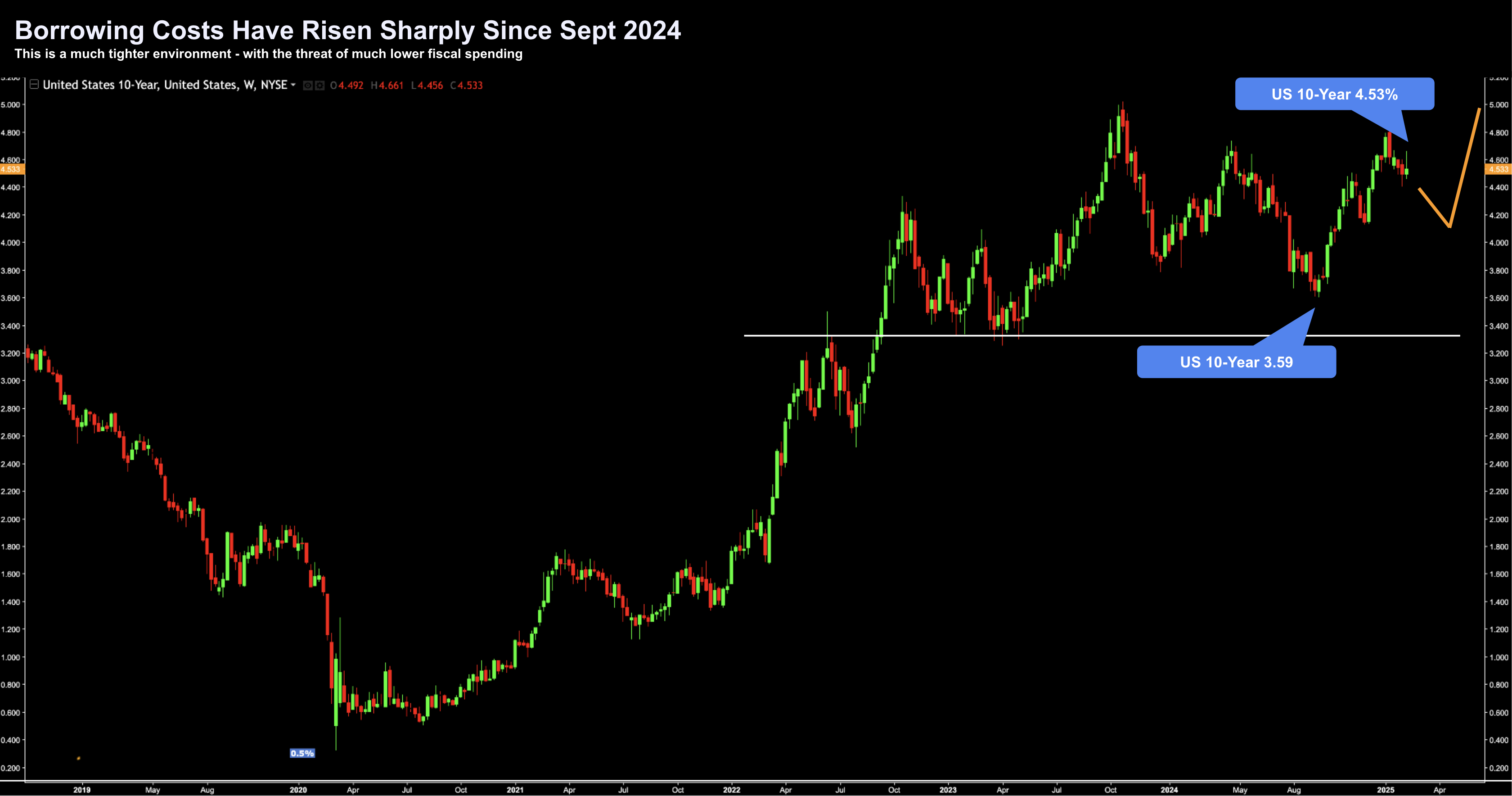
With 10-year yields trading around 4.50% (with the possibility to go higher) - why haven't equities sharply corrected? It's a good question. For e.g., on the surface, one might think equities would struggle given the zero risk premium investors are receiving. But that has not been the case. The stock market has withstood the sharp rise in bond yields (for now anyway). However, I believe there is a simple explanation. It's the amount of liquidity in the system. Liquidity is abundant - evidenced by the very low credit spreads in the market (participants see very little risk). Generally credit spreads widening are your first sign of trouble.

Ready for a ‘Growth Scare’?

We started this year with the market pricing in only "good things". We had (a) the Fed ready to continue its easing cycle; (b) business friendly administration looking to cut taxes and lower regulation; and (c) the promise 'limitless' returns from AI. Investor expectations were very high - evidenced by the valuation multiples they were willing to pay (whether it was P/E; P/FCF; EV/EBIT etc). Traders were all leaning to one side of the boat. However, shares prices have lost all momentum the past 12+ weeks.

Fed’s Balancing Act for 2025

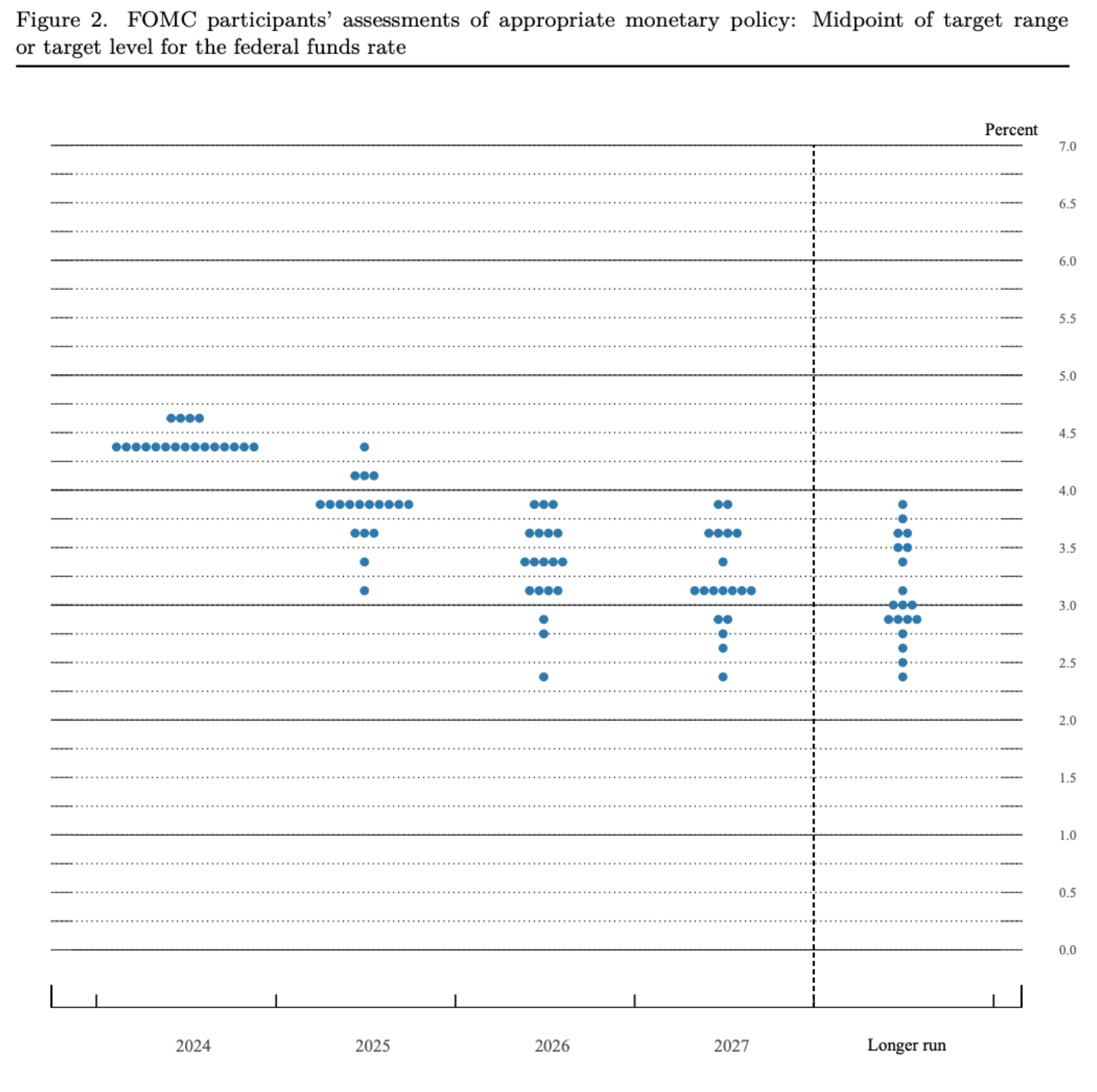
2025 will not be without its challenges for both investors and central baks. For example, if we consider: monetary and fiscal policy risks; likely introduction of tariffs and price increases; geopolitical risks as global central banks navigate U.S. policy; a stronger US dollar with a rising 10-year treasury yield; ongoing debt and deficits concerns; the risk of stubborn inflation (notably services); and a weakening employment picture - this presents a complex web of related variables or risks. How are markets pricing this in? For now they remain complacent - trading at record highs - at near 22x forward earnings.