
Category NVDA

3-Years Since ChatGPT Launched… What’s Changed? 

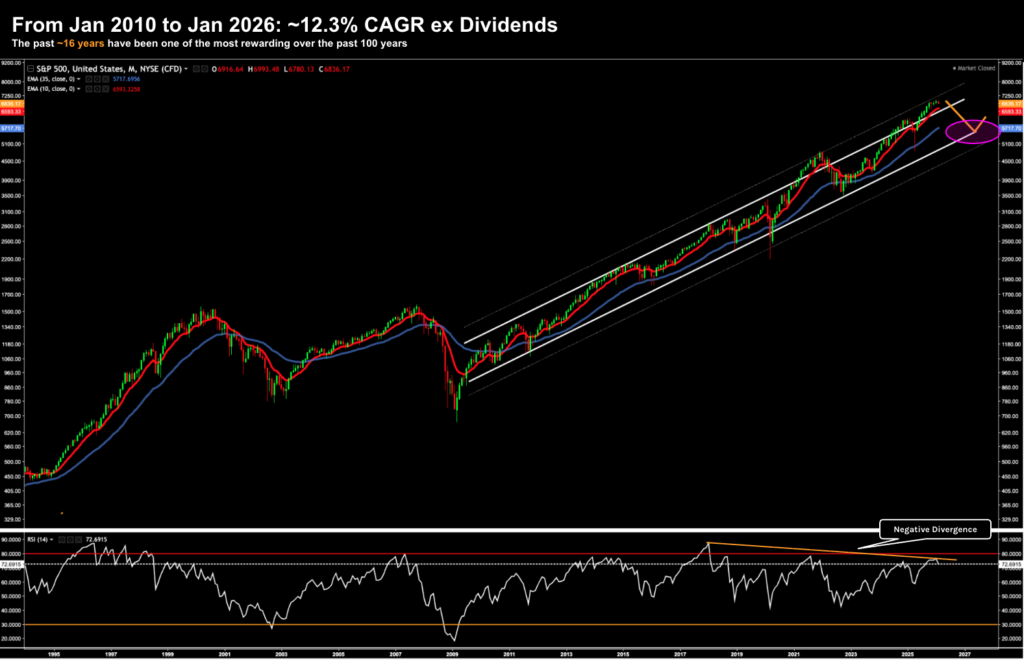
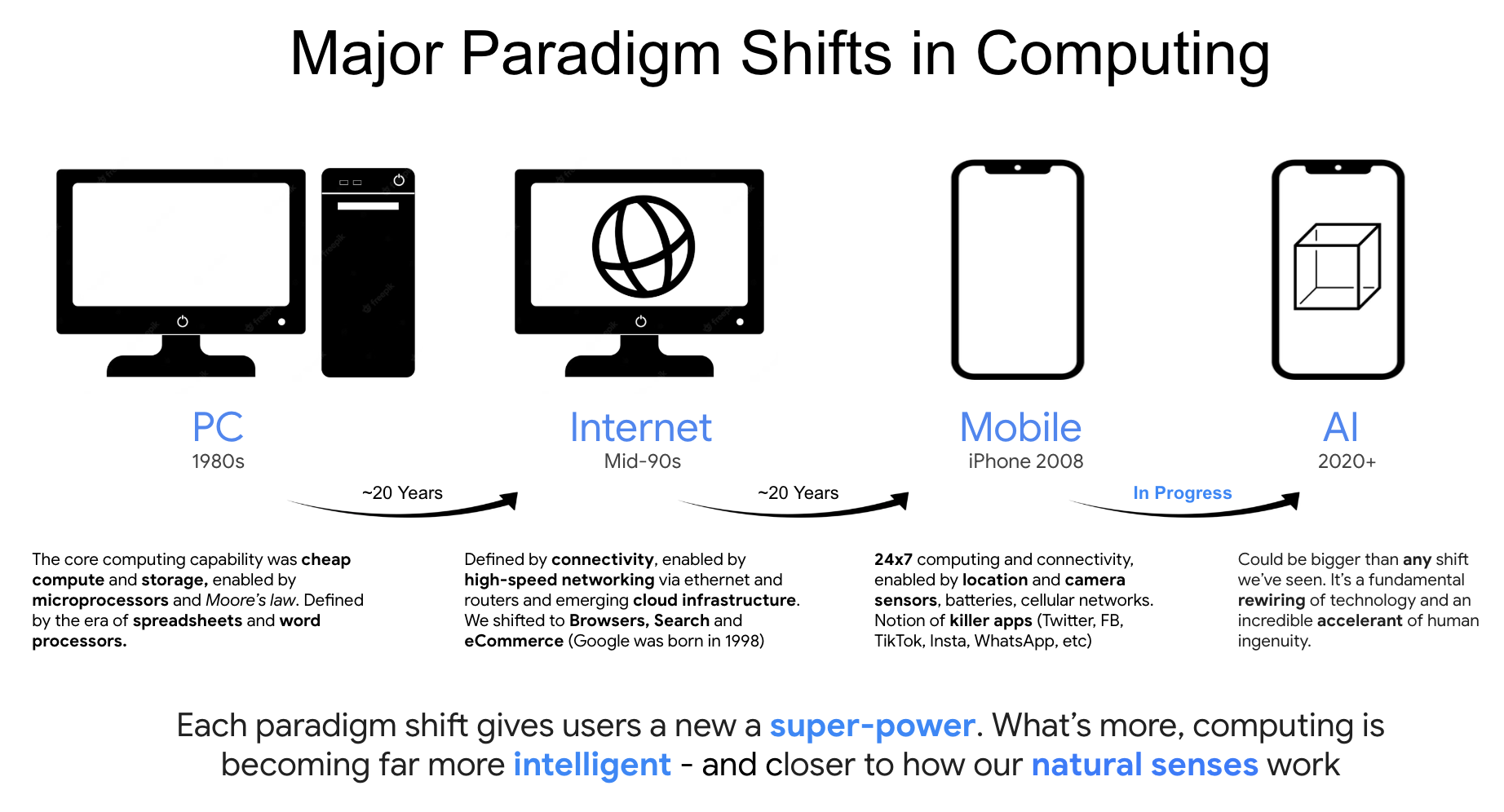
The seismic shift triggered by ChatGPT 3 years ago reminds me of 1995 when Netscape hit our screen. But as we approach the year 2000 - several "greey swans" emerged. Could 2026 be similar. This post discusses some of the possible risks looming for next year. This AI revolution has many of the hallmarks we saw some 30 years ago; i.e., creating extreme capital concentration in giants like Nvidia. As we enter what I think is a late-cycle phase, our focus shifts to systemic risks—from AI disillusionment to credit volatility.

Nvidia is Cheaper… But Not Cheap

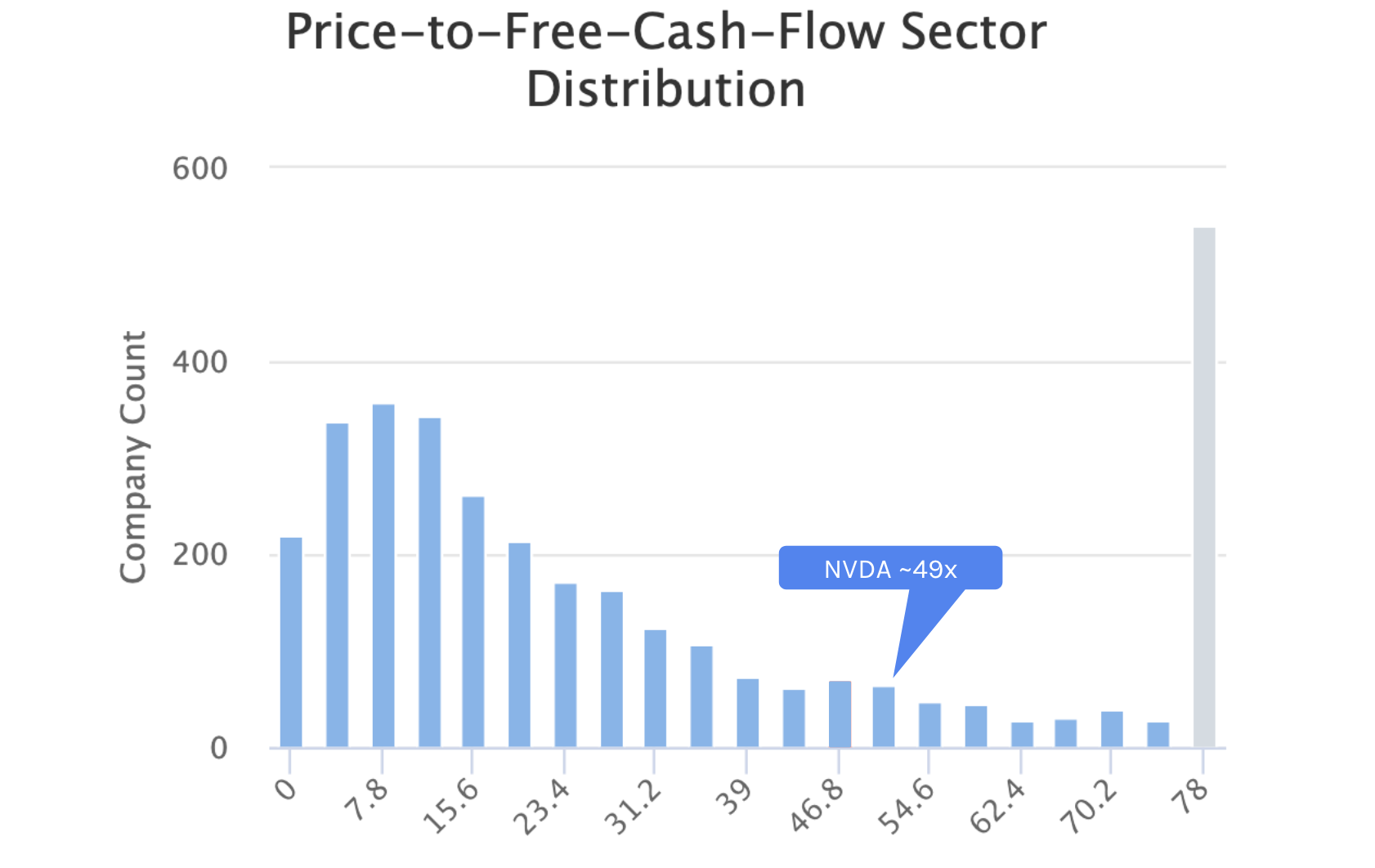
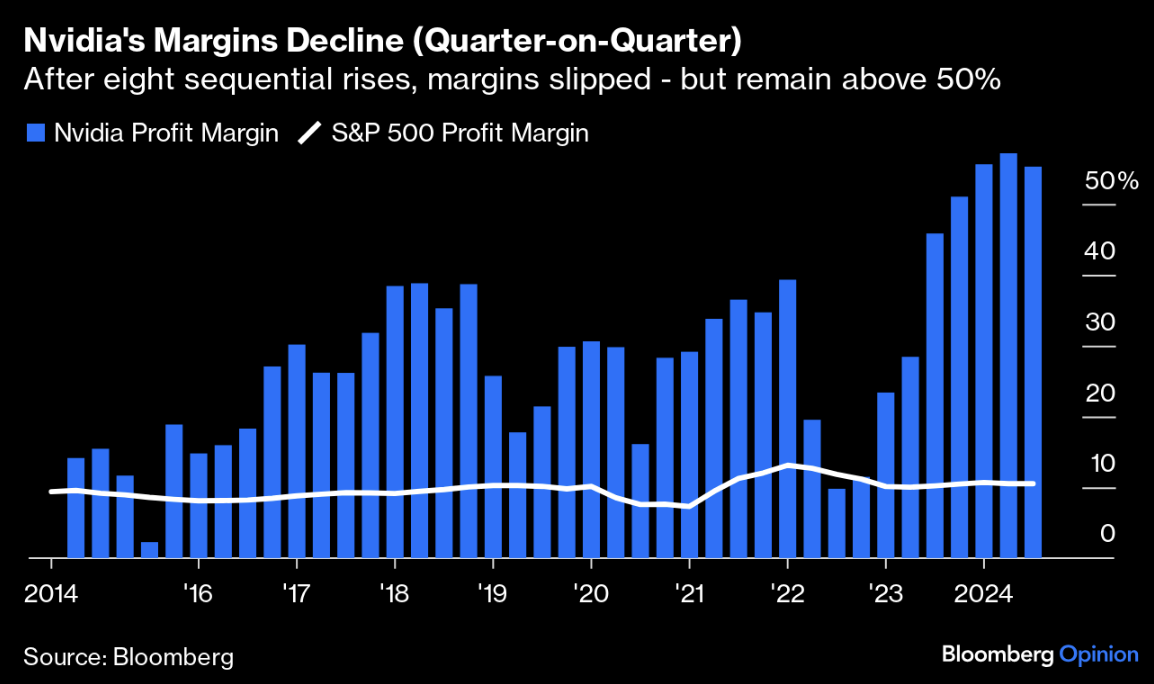
Nvidia's latest quarterly numbers were very impressive - producing 78% sales growth. They dominate the market for AI chips. A small nitpick could be the three point decline in gross margins (but that's expected). Let's not forget - those gross margins are still 73%. No-one else comes close in the semiconductor industry. So why would the stock tank 8.5%? Simple: expectations. The market knew that Nvidia was going to grow at revenue at least 70%+ where gross margins would be north of 70%. But growth is slowing (as they get bigger) and margins are declining (as competition starts to ramp up)

Investor’s (Valid) Capex Concerns w/AI

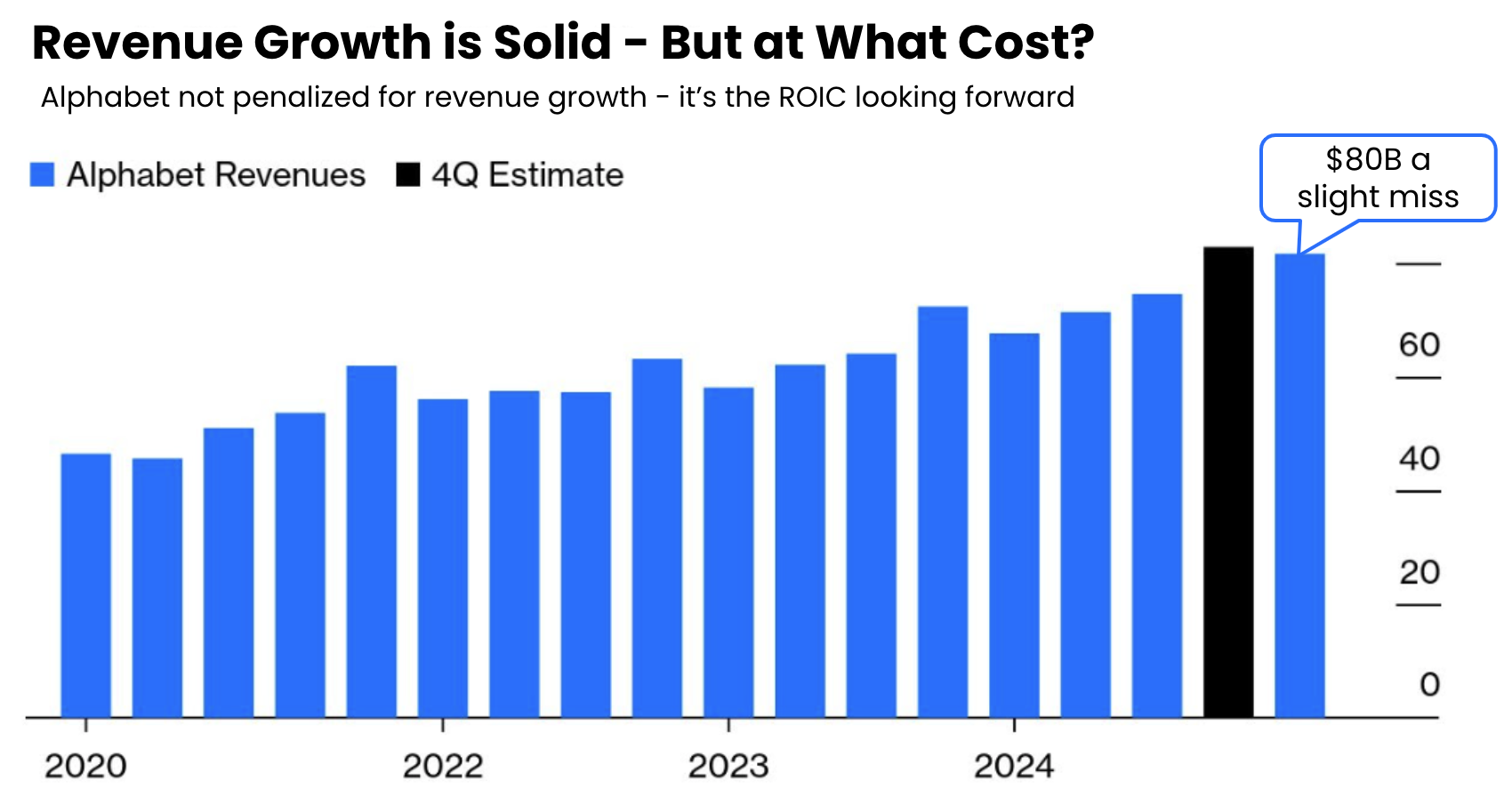
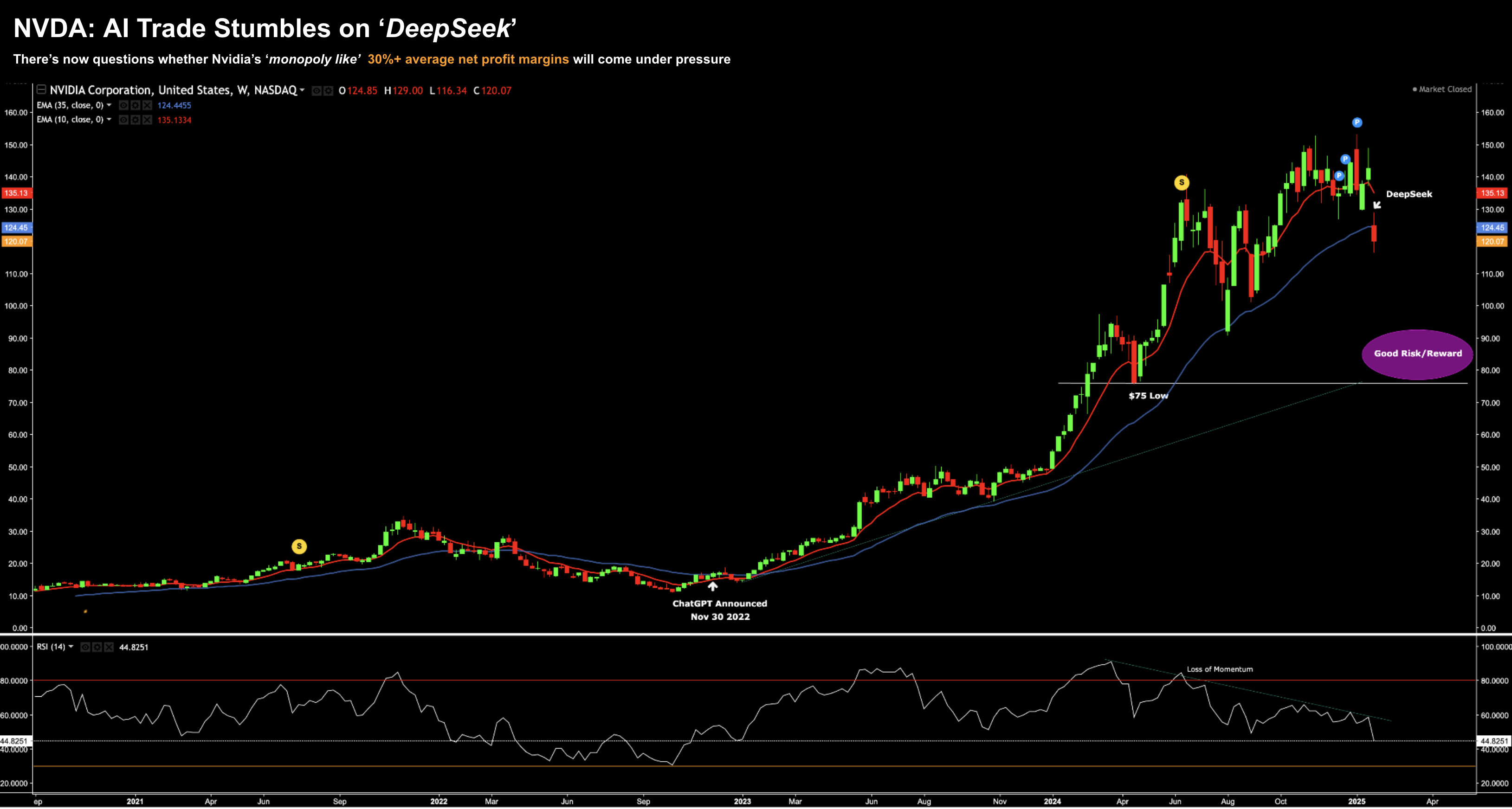
Large-cap tech's planned capex for 2025 is worrying investors. What will be the return on that capital? Never before have these companies made such large bets. Before DeepSeek, it was assumed the tech giants - with their deep pockets and almost limitless resources - would enjoy a wide moat in the AI arena. And from there, that justified the high valuation multiples. Not now. DeepSeek’s arrival challenges those long held assumptions (and valuations).

Investors Starting to Question AI’s ROIC

AI investors were caught off guard this week on news of China's ChapGPT rival "DeepSeek". It's alleged DeepSeek was developed far more cost-effectively (millions vs billions) than OpenAI's ChatGPT (and similar large language models). If true (and we don't know) - this raises questions about the sustainability of current U.S. AI infrastructure investments - forecast to top $1 Trillion next year. All of a sudden - valuations for these AI stocks are being questioned.

NVDA: What Do You Pay for Growth?

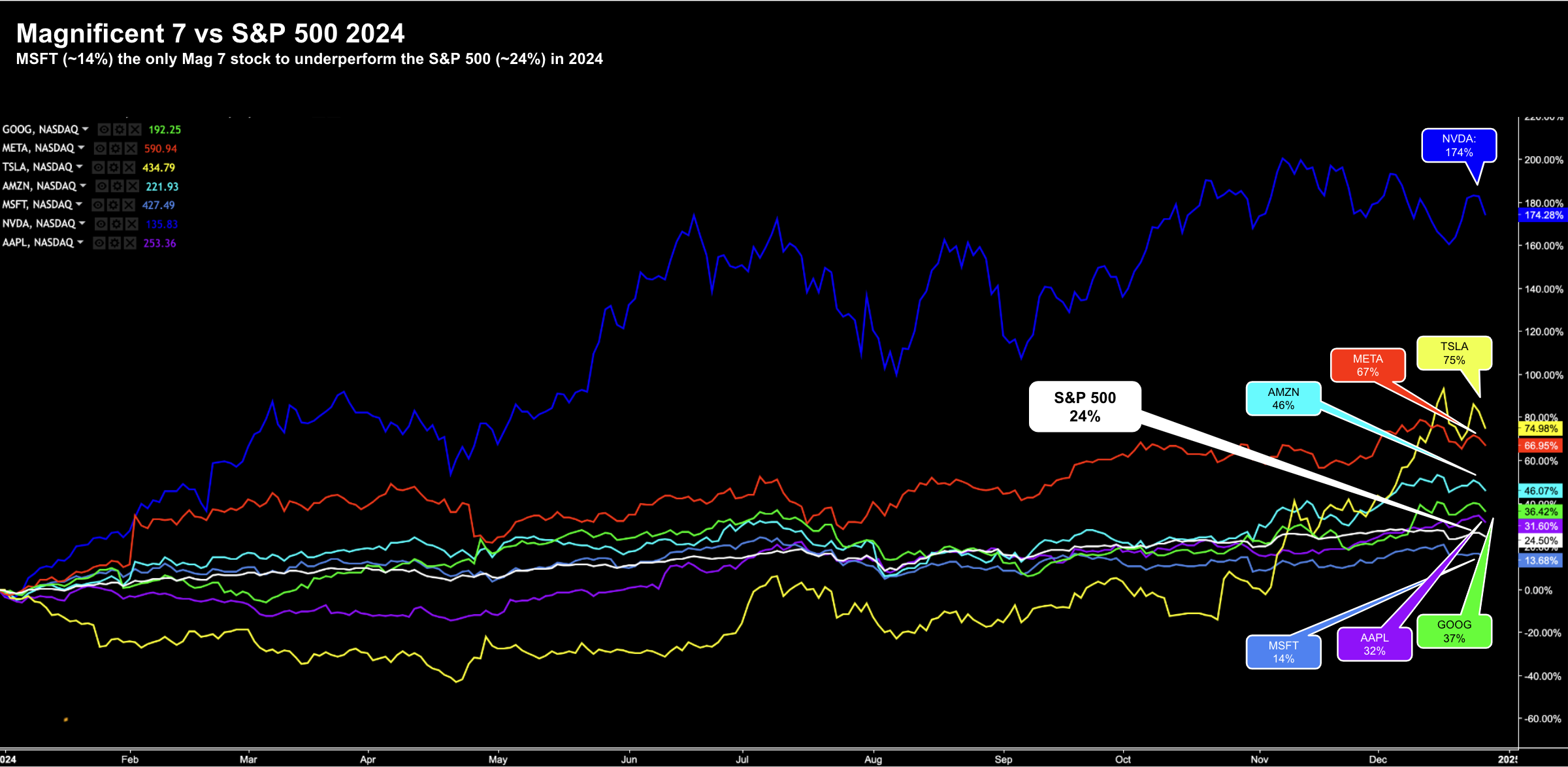
2024 will go down as another great year for stocks in the trader's almanack. However, what won't be recorded is just seven stocks comprised ~54% of the S&P 500 total gains (~24% with two trading days remaining). It's a bit like golf - you only need to record the final score - not how you did it. However, the how matters (not just the 'what'). This post will address the question of what to pay for one the most popular stocks today - Nvidia (NVDA). The asking price is $137 at 32x forward earnings. But does that represent great value given its growth assumptions?

It Wouldn’t be September Without a Few Bumps

September has started in a very typical September fashion. Down! It's traditionally the worst month of the year in terms of returns. But that's not a bad thing... As longer-term investors - it's great when things go on sale. That's when we get to sharpen our pencils on higher quality businesses. And for those who missed out four weeks ago (where you needed to act fast) - it's possible you will get another chance this month. As I wrote recently - the rapid 10% surge in equities over 4 weeks did not fill me with a lot of confidence...

Nvidia Beats Expectations… But Disappoints on Guidance

Rarely has a single stock been so 'hyped' coming into earnings as Nvidia. The leading AI chip maker is widely seen as the 'AI' barometer... making their earnings more important than most. My expectation was they would handily beat Q2 revenue and earnings - however issue a softer-than-expected guide. It turns out that's what we got. Make no mistake - this was another exceptionally strong quarter. And despite the softer guide - "only" falling 6.4% should be considered a good result. This post talks about whether Nvidia is still worth a bet post their results. The answer is it depends on your timeframe... but long-term (3+ years) the answer is absolutely yes.

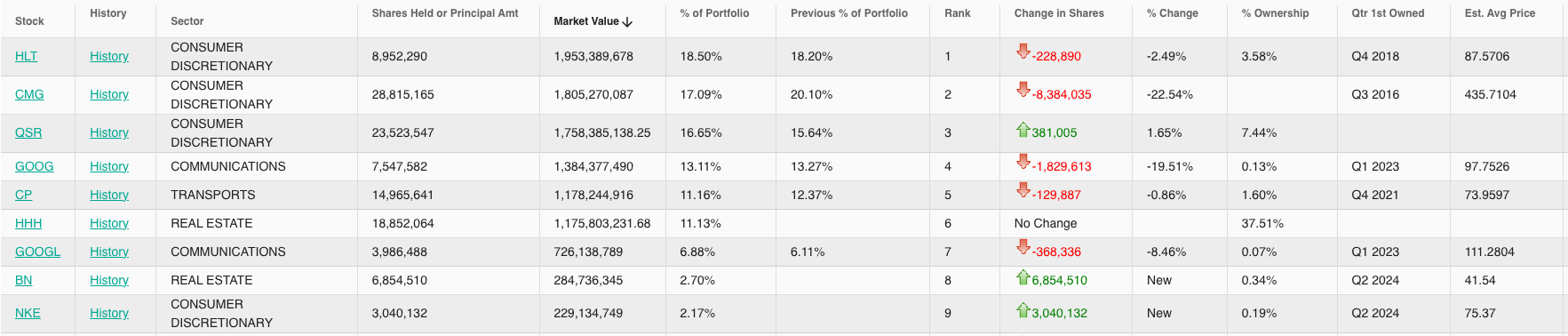
Smart Money Sells Big Tech… Invests in NKE & SBUX

Something I do four times a year is pore through something known as "13Fs". A 13F is a quarterly report that institutional investment managers with over $100 million in assets must file with the US Securities and Exchange Commission. And whilst these filings are submitted around 45 days after the quarter ends (e.g. August 15 deadline for June 30 quarter end) - they offer us insight into how the "smart money" is thinking about certain assets. Some names I follow include (not limited to) Warren Buffett, Bill Ackman, David Tepper, Howard Marks, Stan Druckenmiller and Seth Klarman. Now there was a consistent trend during Q2 - where large cap tech exposure was being reduced.

Nvidia Can’t Stop Stocks Wobbling

What we've seen from Nvidia the past 18 months reminds me of Cisco in the late 1990's. I wrote about this recently... not much has changed. The path of earnings and the share price have been similar. NVDA's revenues are up over 2.5x on a YoY basis, causing EPS to be up over 4x over the same period. 18% EPS growth in a single quarter is very impressive but here's my question... will we see that in 2 or 3 years from now? We didn't from CSCO - it collapsed. Time will be the judge of that.... not me. Despite the expected "beat and raise" from the AI chip maker - the rest of the market fell sharply. Without NVDA's ~9% share price gain - the S&P 500 would have been down 1.5% for the day. That tells us how narrow this market is - extremely dependent on stellar earnings from a handful of companies like NVDA. That's not a healthy setup.

Are Semi’s Set to Cool their Gen-AI Heels?

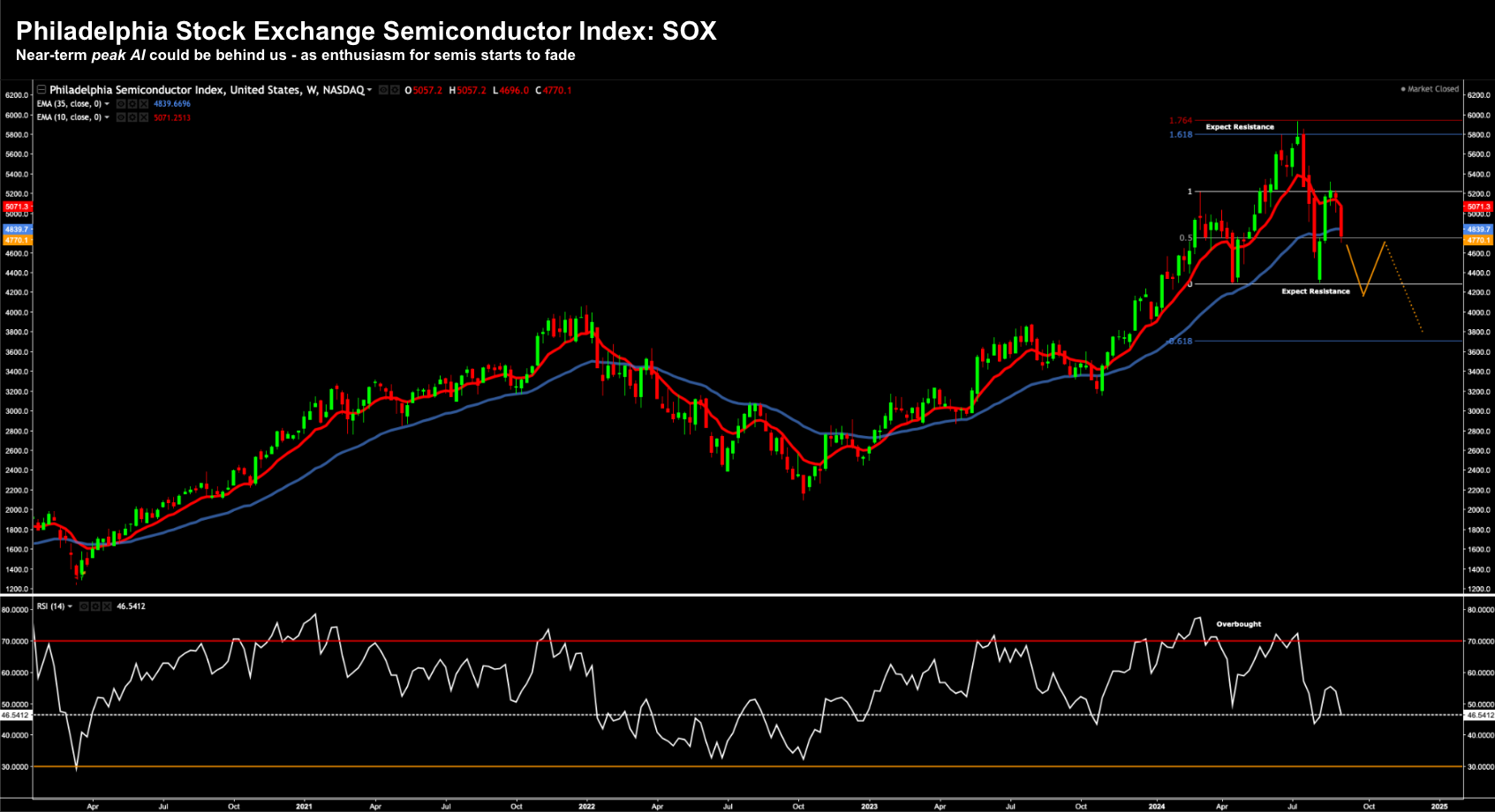
Whilst the technology sector is outperforming the benchmark index this year -- semiconductor stocks have done the bulk of the heavy lifting. And it's not difficult to explain investor FOMO. It's entirely due to the hype around "AI" and specifically something called "Generative AI". For example, in a report by Grand View Research, they valued Gen-AI at ~$13B last year. However, its anticipated CAGR is estimated to be ~36% - which puts the industry hitting $109B by 2030. That's a sharp ramp higher from basically zero two years ago. And today - there a very few chipmakers who produce the GPUs required to meet the insatiable demand. However, is the demand semis are seeing today (and revenue) sustainable long-term? That's unlikely.