Category Recession

Recession or Weakening? 

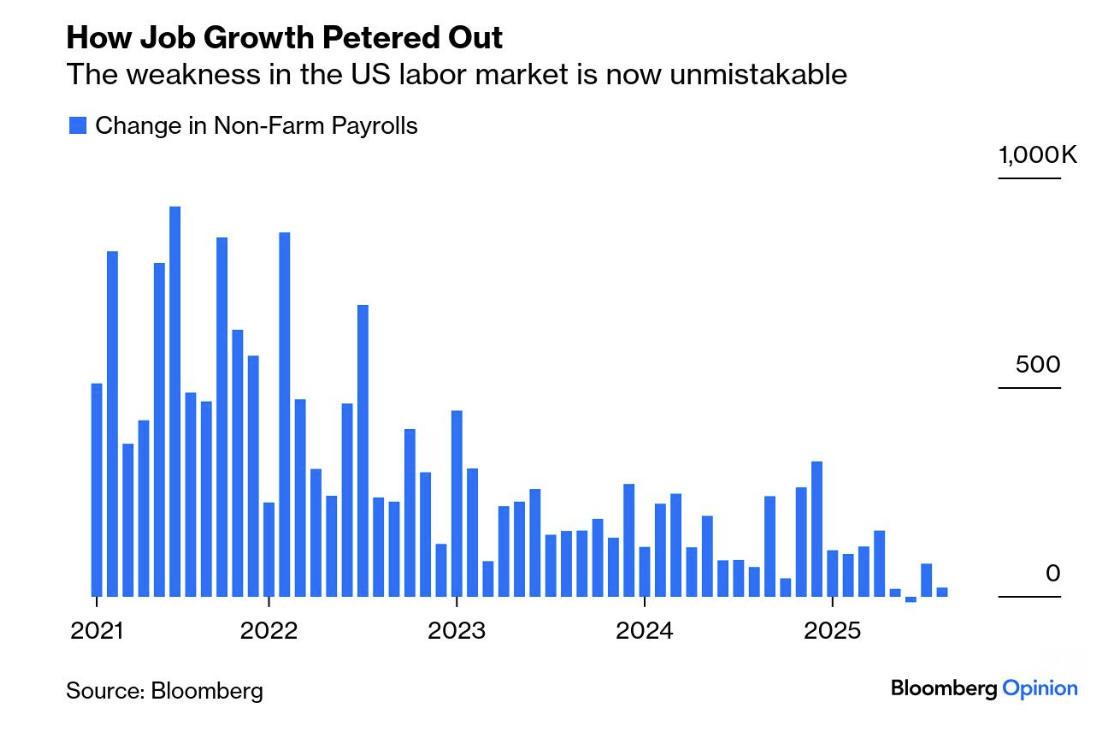
Despite signs of a weakening U.S. labor market, including a recent record-downward revision to job growth figures, investor bullishness remains at record highs. However, it's pure optimism that has pushed stock market valuations to expensive levels, with the S&P 500 trading at over 22 times forward earnings. While market psychology and momentum can drive prices in the short term, fundamentals will eventually prevail. Prudent investors should prioritize buying high-quality companies at attractive valuations, a strategy that currently requires patience.
Relief Rally Likely to be Temporary

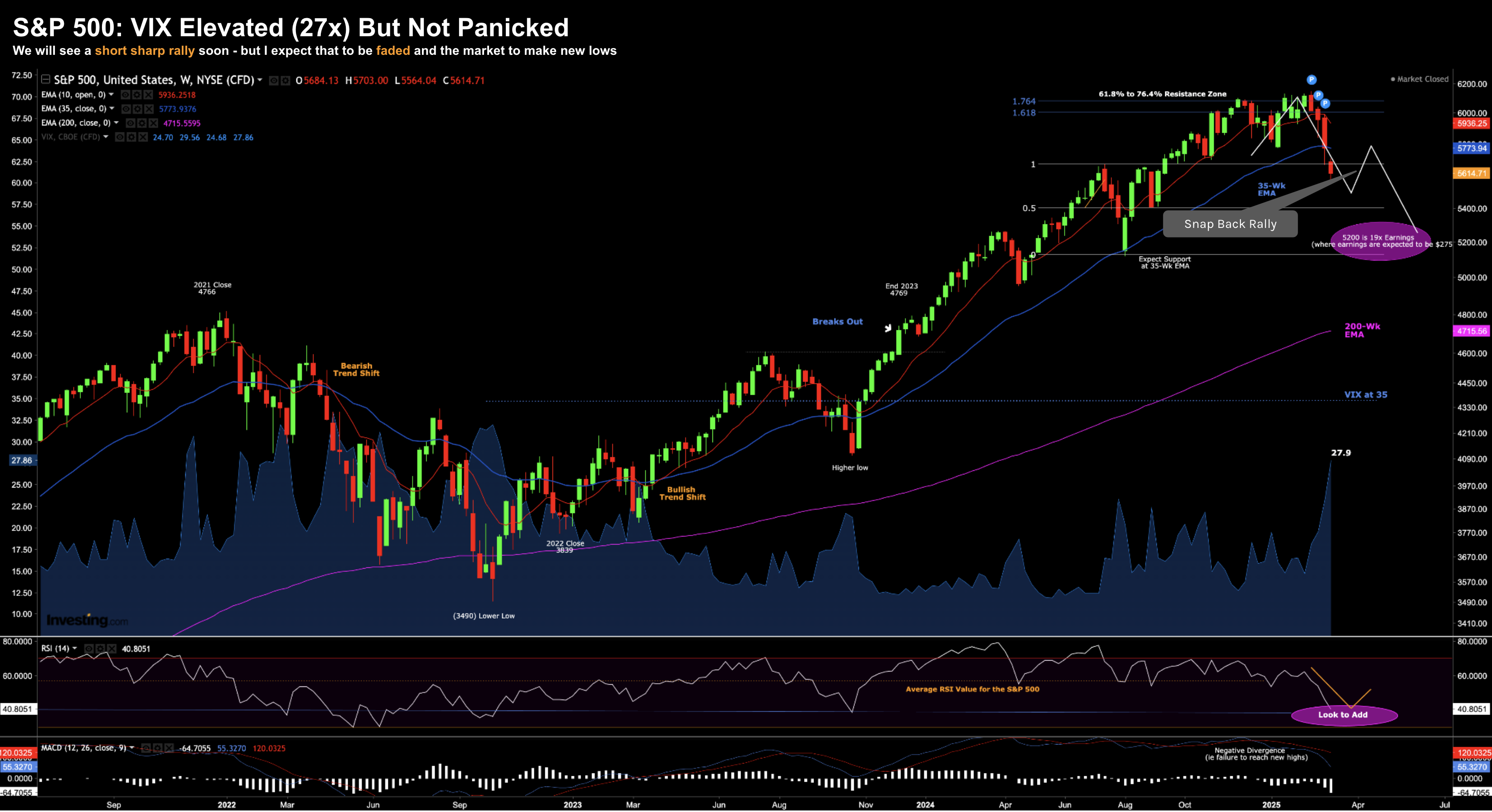
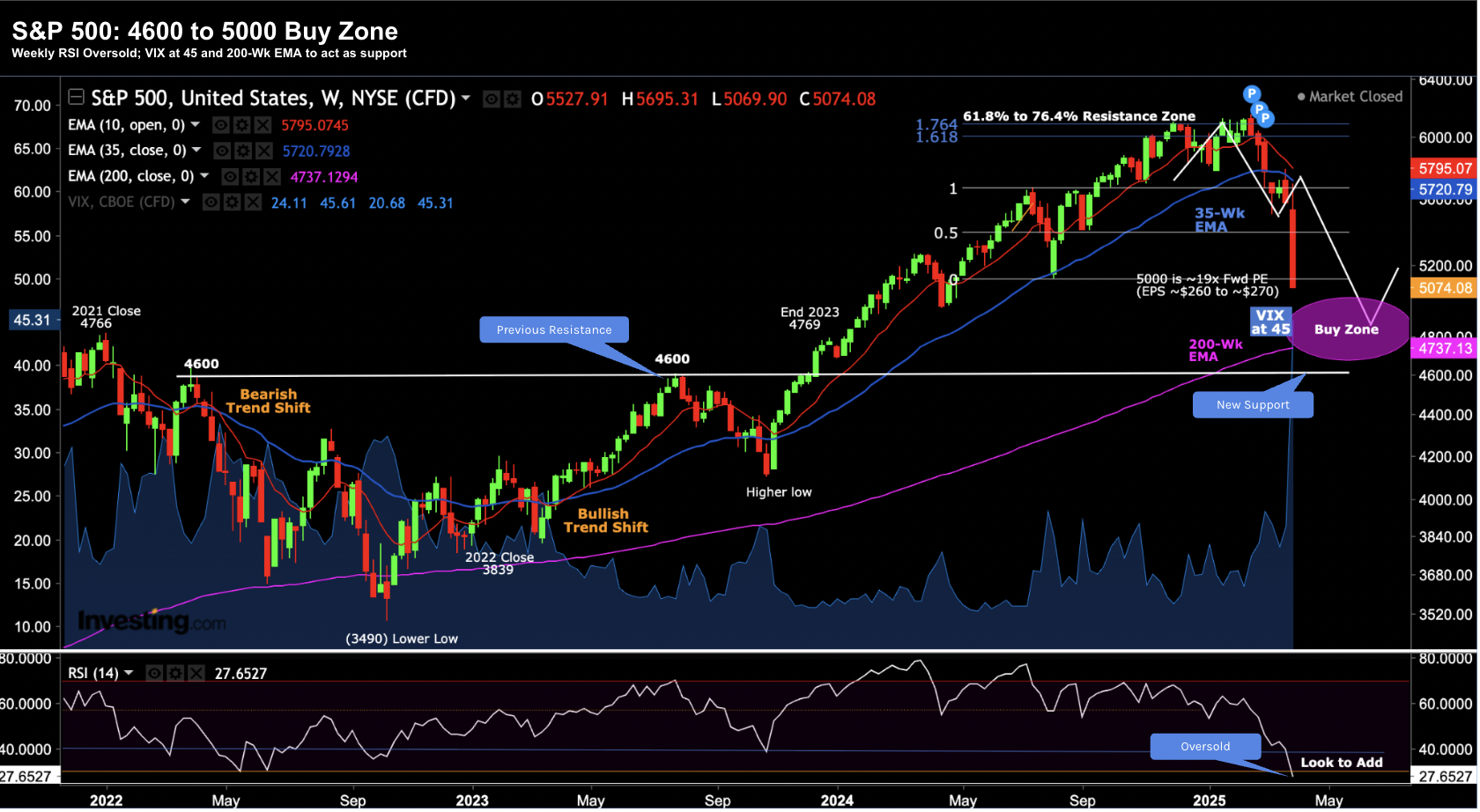
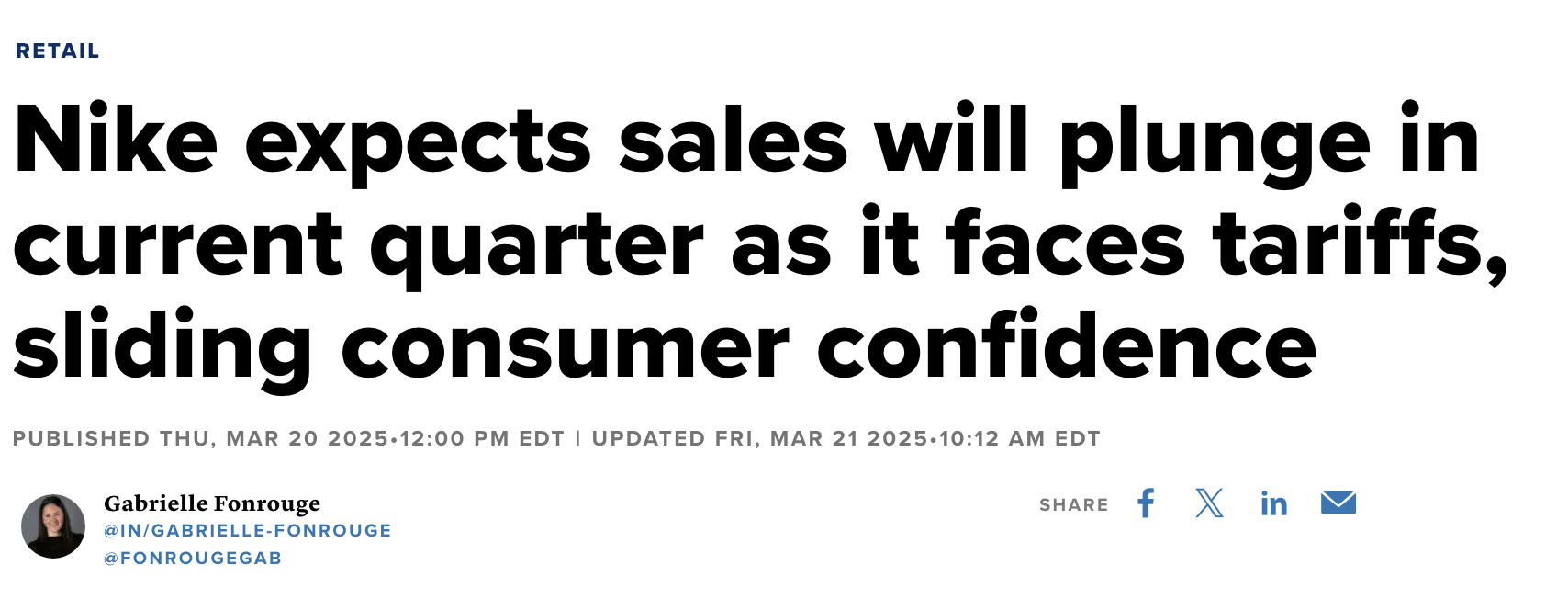
Despite the welcomed relief rally - stocks are not out of the woods. The uncertainty introduced from Trump has inflicted a lot of damage. Not only on the market and its earnings - but on investor, consumer and business confidence. However, the full extent of the damage will only be felt in the months (years) ahead. For example, Bankim Chadha of Deutsche Bank has reduced his target for the S&P 500 for the year, citing doubts over whether tariff policies will be abandoned before they have already driven the economy into a recession. This echoes what I said recently "we could already be in recession"

The Slowdown is Here… Now What?

Feb 15th I asked this question: "Ready for a Growth Scare?" Markets were yet to correct at the time... however fast forward ~5 weeks and the growth scare has arrived. Now investors are taking notice. The Fed warned growth is likely to slow this week - where Chair Powell said economists outside of the central bank have generally moved up their estimated chance of a recession. The Fed downgraded its economic growth outlook while raising its inflation projection. They see the U.S. economy growing at a 1.7% pace this year, down 0.4 percentage points from what it forecast in December.

Buckle Up Buttercup…

Fasten your seatbelts - things could get bumpy. Trump has amplified the seeds of worry stating he was willing to work through a "bit of disruption" - as it will lead to longer-term gains. And whilst a recession was not on anyone's bingo card last month - those probabilities are increasing.

10-Yr Yield Rallies… as ‘Bear Steepener’ Warns

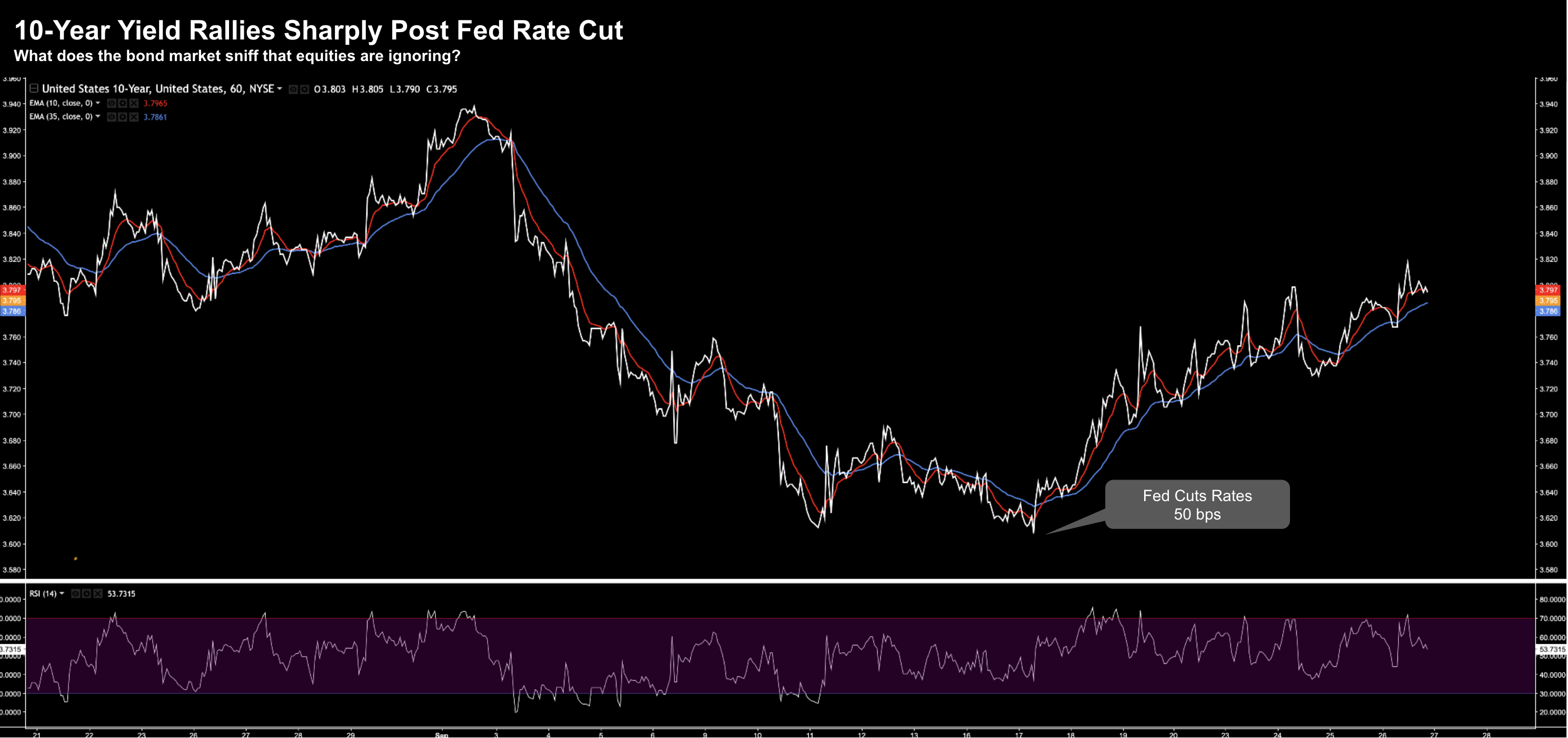
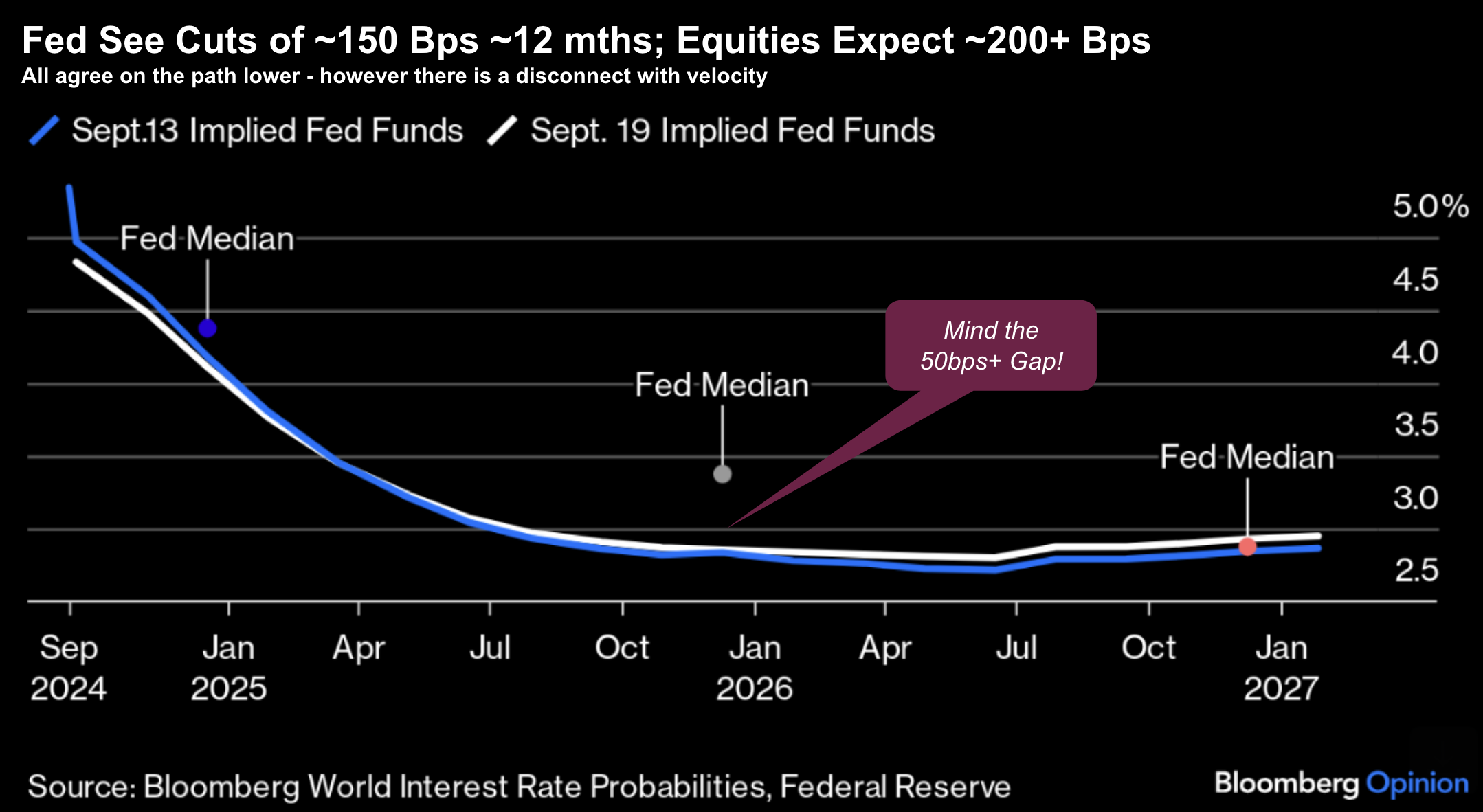
After the Fed initiated its easing cycle with a jumbo cut (50 bps) - the soft landing script kicked into full gear. Markets roared higher as they price in strong economic growth in the months and years ahead. And who knows - maybe that's what we get? But have you noticed what we've seen with bonds post the Fed - especially the long end? Those yields have been rising - not falling. The closely watched benchmark US 10-year yield for example is up 17 basis points (where one basis point equals 0.01%.) That wasn't Powell's plan.

Time to Forget About Recession Risks?

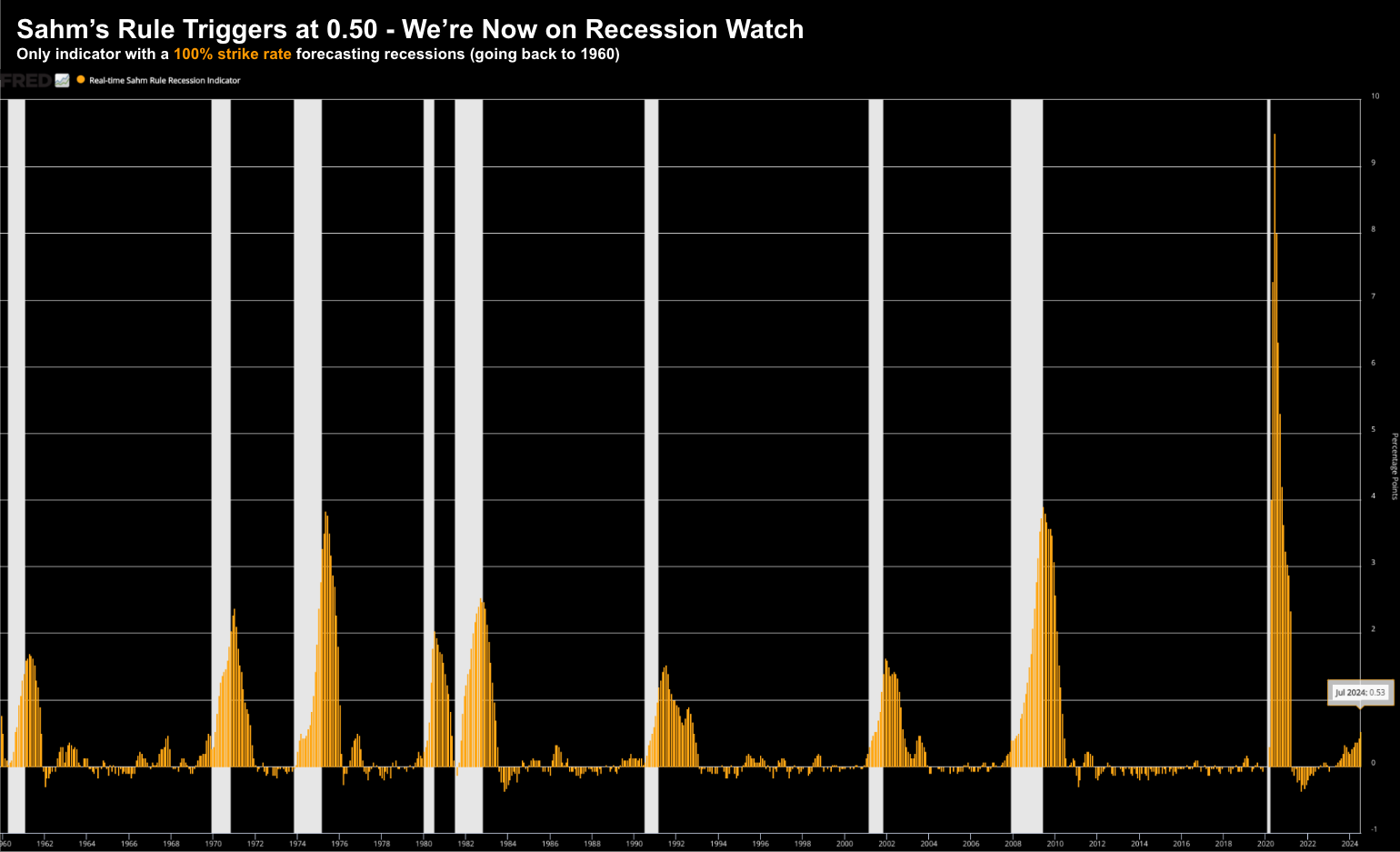
Known to many as the 'bond king' - DoubleLine Capital's founder and CEO - Jeff Gundlach - is well known for his contrarian calls. This week on CNBC he made the comment that he feels that we will look back at Sept 2024 and say "this was the start of the 2024/25 recession". If Gundlach is correct - the recession has already hit the US economy. Therefore, this would imply the jumbo sized cut from the Fed this week is already too late - and will do very little to course correct a rapidly slowing economy (especially given the 9-12 month lag effect of monetary policy).

So Maybe Valuations Matter?

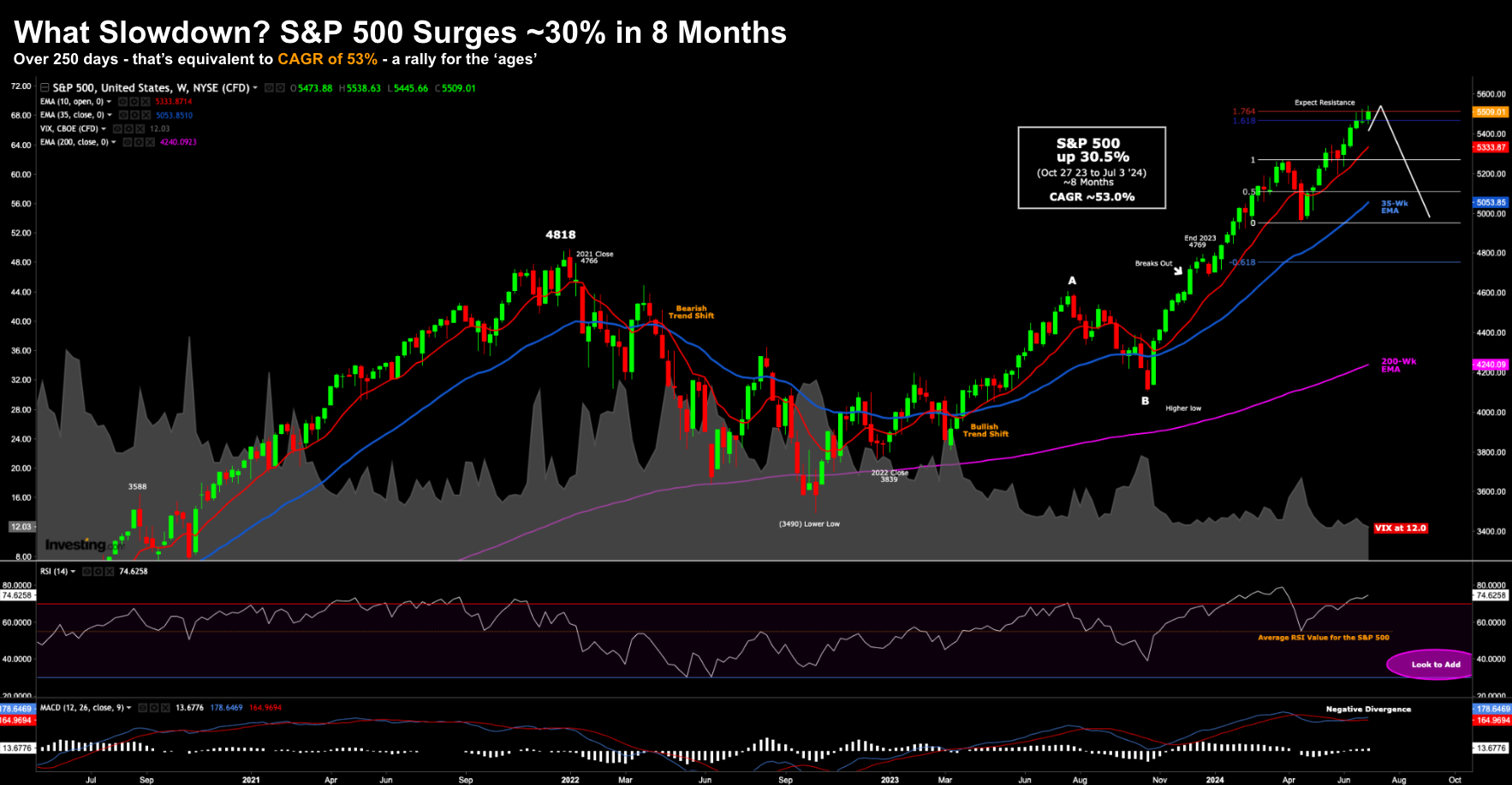
When I made the difficult decision to reduce my exposure to large-cap tech earlier this year - I wasn't sure how things would pan out. In the short-term - I looked foolish. These stocks surged higher without me. However, since then, large-cap tech is trading lower than when I sold it (on average). But is this a dip you should buy? I don't think so - not just yet. The broader index is only 6% off its all-time high. That's nothing in the larger scheme of things. I'm choosing to remain a little more patient - where I think the index could correct somewhere in the realm to 10-12%.

Real PCE: Seeing Around Corners

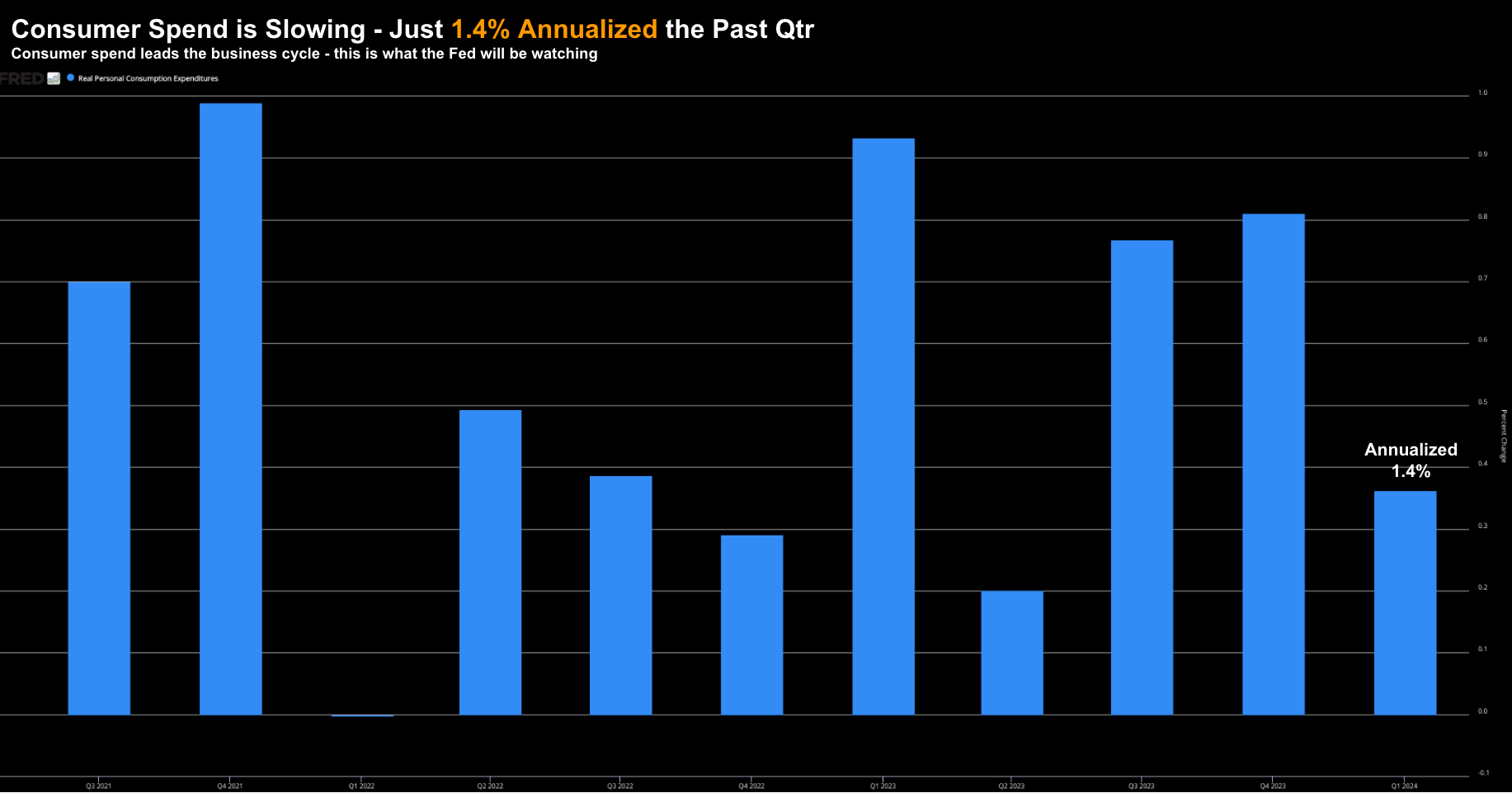
As an investor, your job is to carefully assess the risks against the rewards. A large part of that equation is knowing exactly where we are in the business cycle. For example, consider the following questions: (a) do you think we're at the beginning or middle of an economic advance (with more to go)? or (b) do you think we're about to encounter a significant change in direction? and (c) if so, is that change for the better or for the worse? Your answer is very important. It's far better to invest (or take more risk) at the start of the business cycle vs the end. Therefore, how will make that decision? How are you able to determine where we are? I will offer a market signal which is arguably more consistent and reliable than most indicators.

Wall Street Cheer a “Strong Jobs” Report…  Should They?

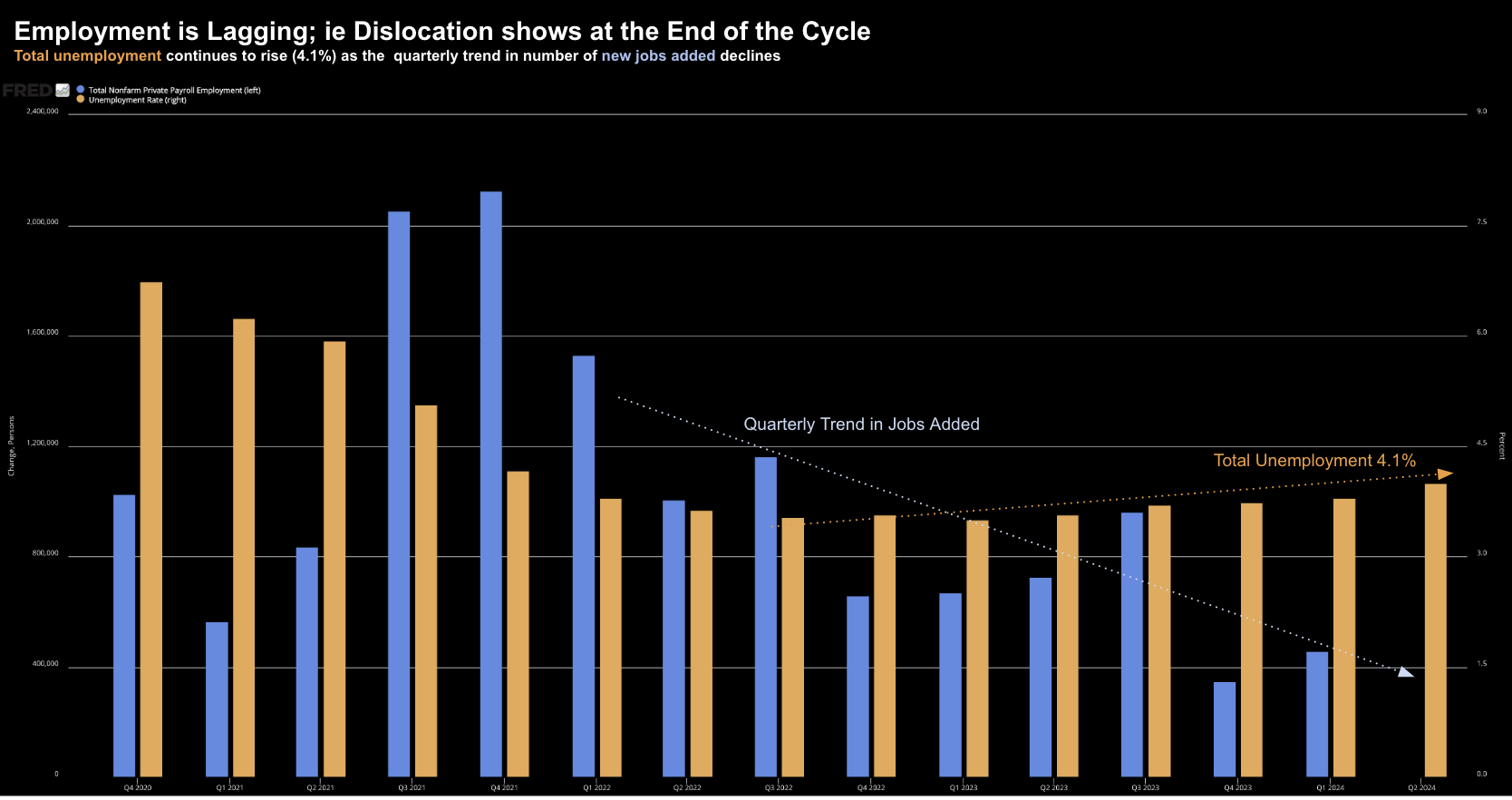
Wall St. cheered a perceived 'strong' monthly June jobs report. The economy added 206K jobs last month - however the unemployment rate moved to 4.1% - its highest level in 2 years. Here's the thing: there was a lot of weakness in the labor market - with most of the jobs coming from government. In addition, April's job gains were revised lower by 111K. And May was revised lower by almost 60K. I think there is material underlying weakness (reflected in slower Real GDP and PCE) and perhaps enough for the Fed to start cutting rates in September or November.

Why ‘Soft Landings’ Deserve Scrutiny

What impact will a 'soft-landing' have on current stock valuations And does there need to be a recession to experience a meaningful (e.g. 12%+) decline? My short answer is no. The gist of this post is to remind investors that you don't need a definitive line-of-sight to a potential recession before protecting gains. I say that because recessions are lagging events - which come at the very end of the cycle. By the time they arrive - the economic damage is already done. Therefore, we need to be in front of the curve. Typically in the 9-months leading up to a recession - stocks continue to trade at or near highs - as analysts raise their outlooks. Unemployment and earnings are usually strong - as GDP keeps its head above zero. But those who are able to understand where we are in the business cycle will pay careful attention to what's happening shortly after peak economic growth.