Category Risk

3-Years Since ChatGPT Launched… What’s Changed? 

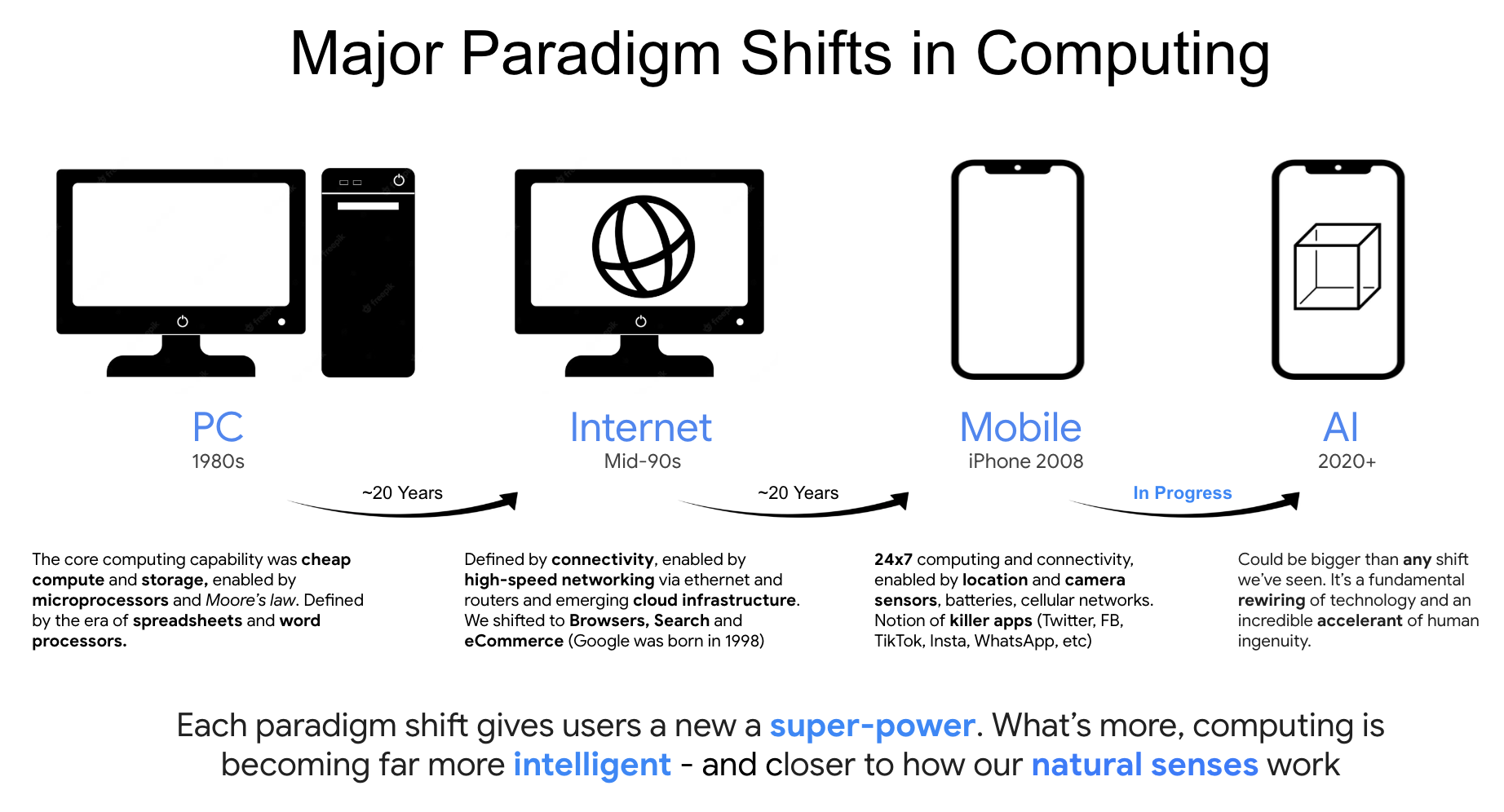
The seismic shift triggered by ChatGPT 3 years ago reminds me of 1995 when Netscape hit our screen. But as we approach the year 2000 - several "greey swans" emerged. Could 2026 be similar. This post discusses some of the possible risks looming for next year. This AI revolution has many of the hallmarks we saw some 30 years ago; i.e., creating extreme capital concentration in giants like Nvidia. As we enter what I think is a late-cycle phase, our focus shifts to systemic risks—from AI disillusionment to credit volatility.
Don’t Choke On Your TACOs

The market is betting Trump is all bluster and no action. The acronym "Trump Always Chickens Out" (TACO) is sure to piss the President off. Now, if the TACO trade is right, then Trump's threats will lose their power as a negotiating tactic. Therefore, on the assumption Trump believes in protectionism - he may have to follow through on some of his rhetoric. Markets seem to think that won't happen...

Are We Closer to a Market Bottom?

It's very difficult to know if we're at or close to a market bottom. They rarely occur over the space of weeks - it generally takes months. But I cannot predict when (or what) the bottom will be. However, I think the ~20% correction from the market high (6147) to the low (4834) tells me a large portion of the selling is behind us. For example, we're now starting to see equity exposure significantly reduced and cash levels raised. This is a good sign... as there are a lot less people to sell.

Downside Unlikely Over

From the moment Trump announced his blanket 10% tariffs in addition to so-called "reciprocal levies" - it's been an exodus from risk assets. The selling was immediate and sharp - something we've not seen since the pandemic five years ago. However, as I will demonstrate, there could be more to come. And from mine - further sharp selling could set up a great buying opportunity for long-term investors.

Uncertainty Weighs

It doesn't take much these days to knock investors off balance. This week it was Trump's 25% on auto tariffs and a slightly hotter-than-expected inflation print. Tariffs are inflationary... a tax on the consumer. And with (services) inflation remaining stubborn... it gives the Fed very little wiggle room to cut rates. In combination with various geopolitical developments and aggressive government spending cuts from the Department of Government Efficiency (DOGE) - this has pushed policy uncertainty to its highest levels since late 2020.

Why Buffett’s Mentor Would Reduce Risk

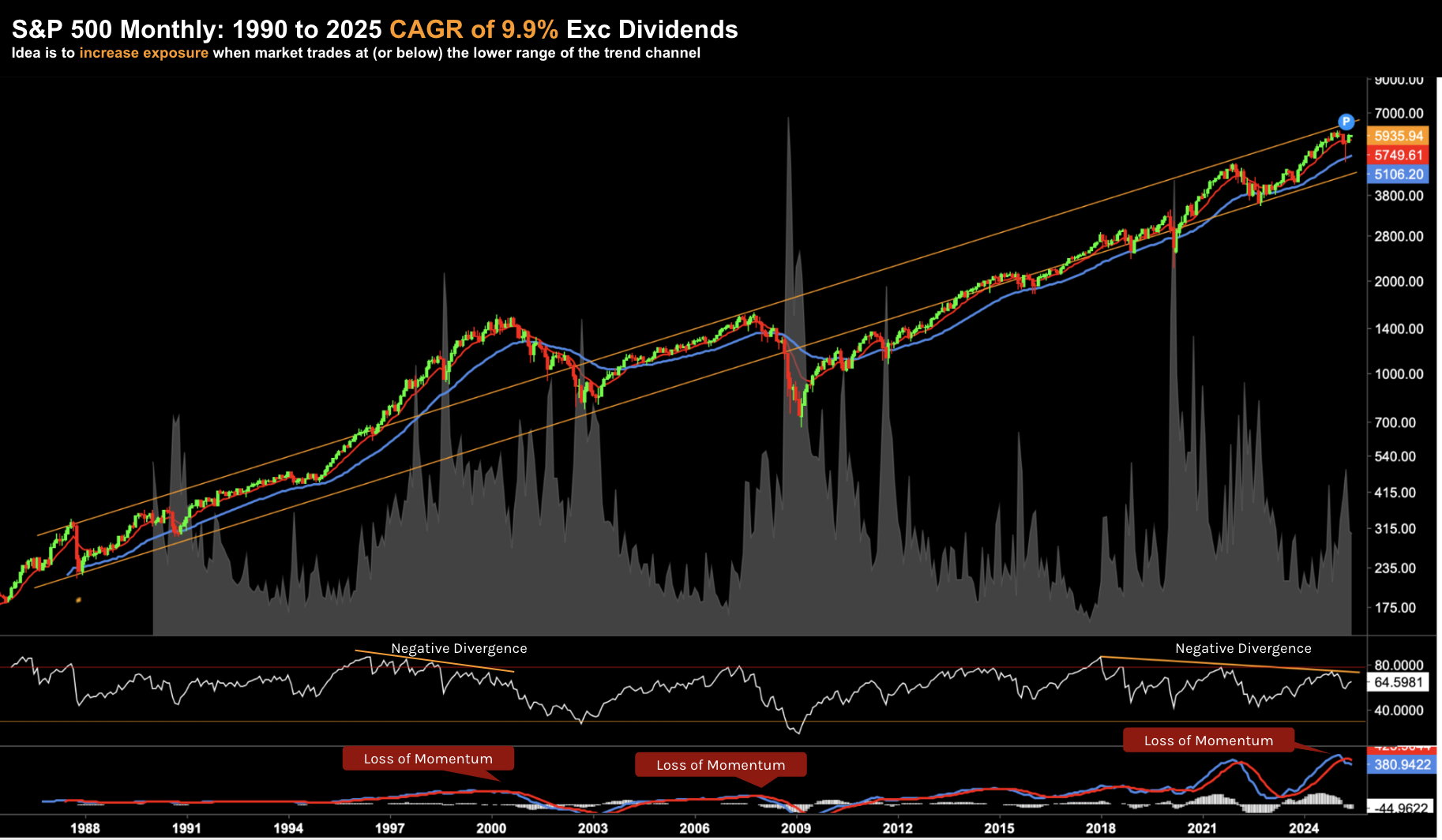
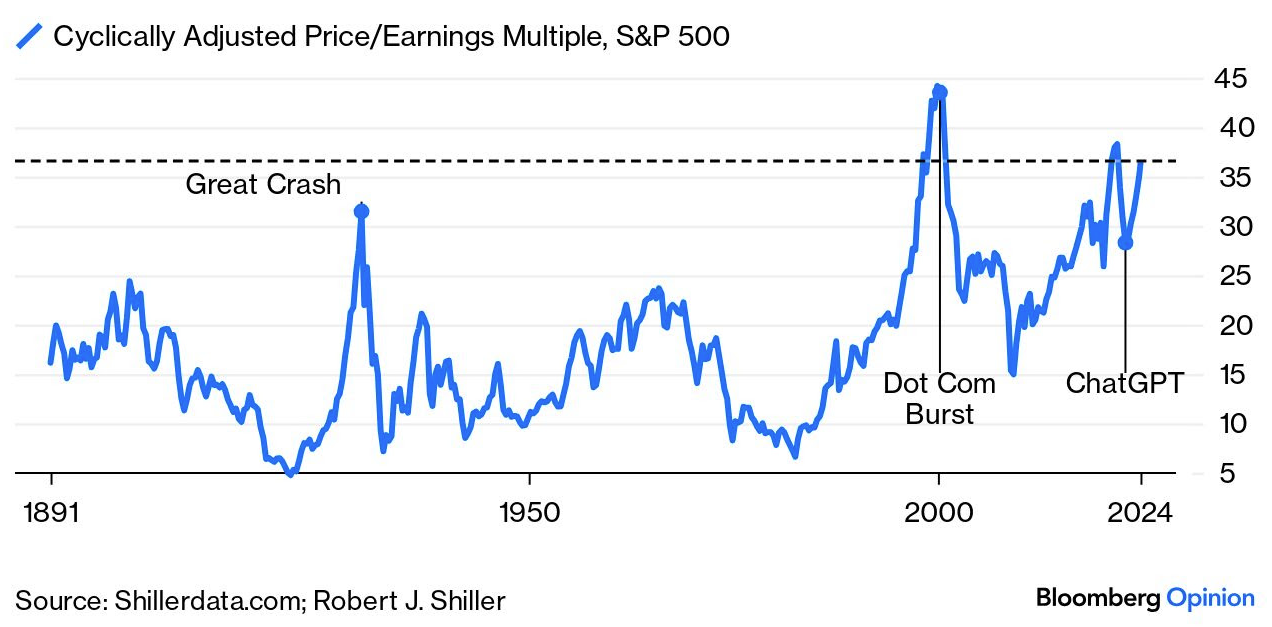
I've been re-reading "The Intelligent Investor" by Benjamin Graham. Warren Buffett called it "by far the best book on investing ever written" - crediting Graham with laying the foundation for his entire investment philosophy. The book taught me three powerful lessons: (1) above all else, investing is about protecting your capital; (2) investors should strive to pursue adequate and sustainable gains; and (3) it requires overcoming self-defeating behaviors (e.g., fear, greed and bias). The lessons could not be more timely given today's excessive valuations.

Time to Forget About Recession Risks?

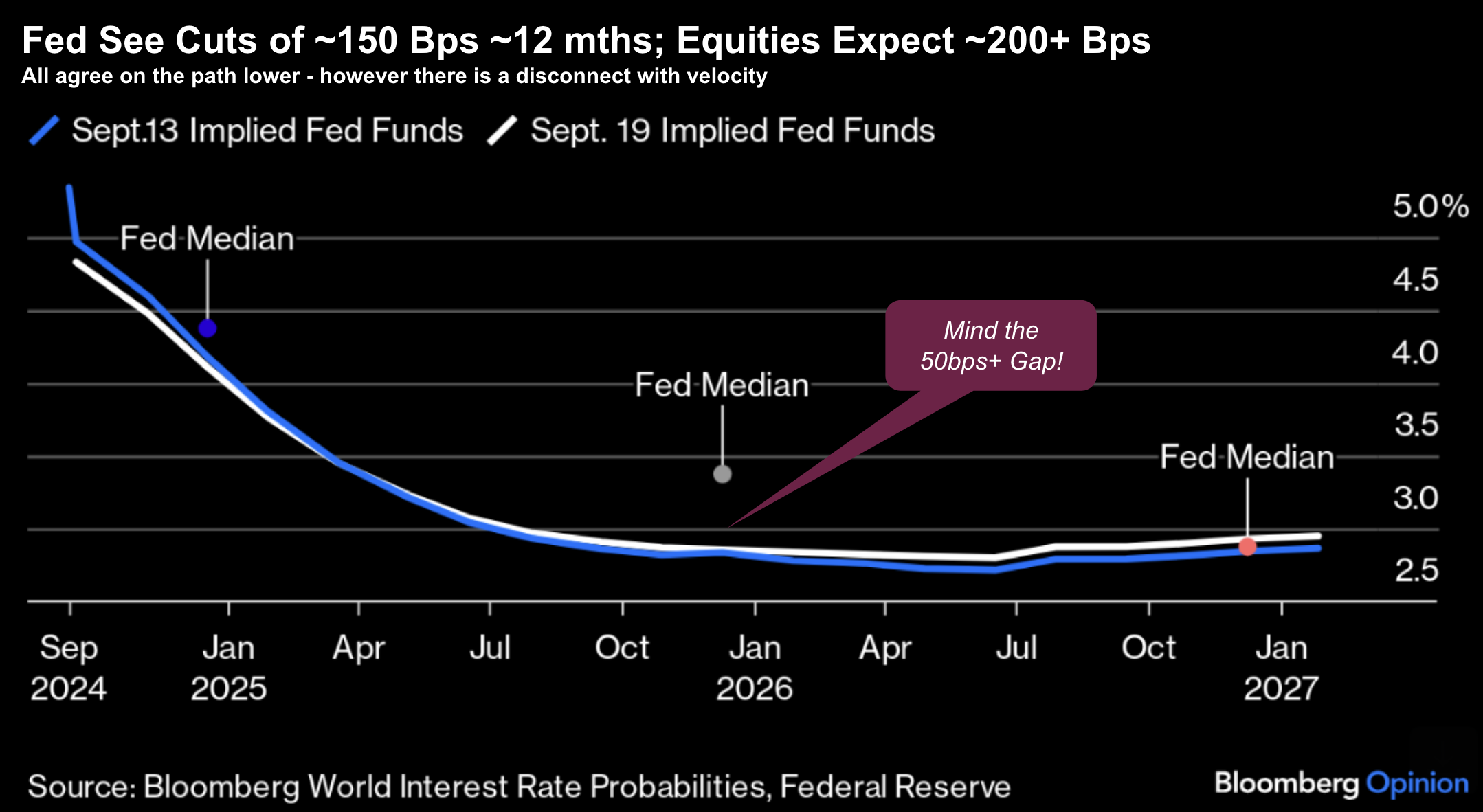
Known to many as the 'bond king' - DoubleLine Capital's founder and CEO - Jeff Gundlach - is well known for his contrarian calls. This week on CNBC he made the comment that he feels that we will look back at Sept 2024 and say "this was the start of the 2024/25 recession". If Gundlach is correct - the recession has already hit the US economy. Therefore, this would imply the jumbo sized cut from the Fed this week is already too late - and will do very little to course correct a rapidly slowing economy (especially given the 9-12 month lag effect of monetary policy).

Defensive Sponges Soaking Up Liquidity

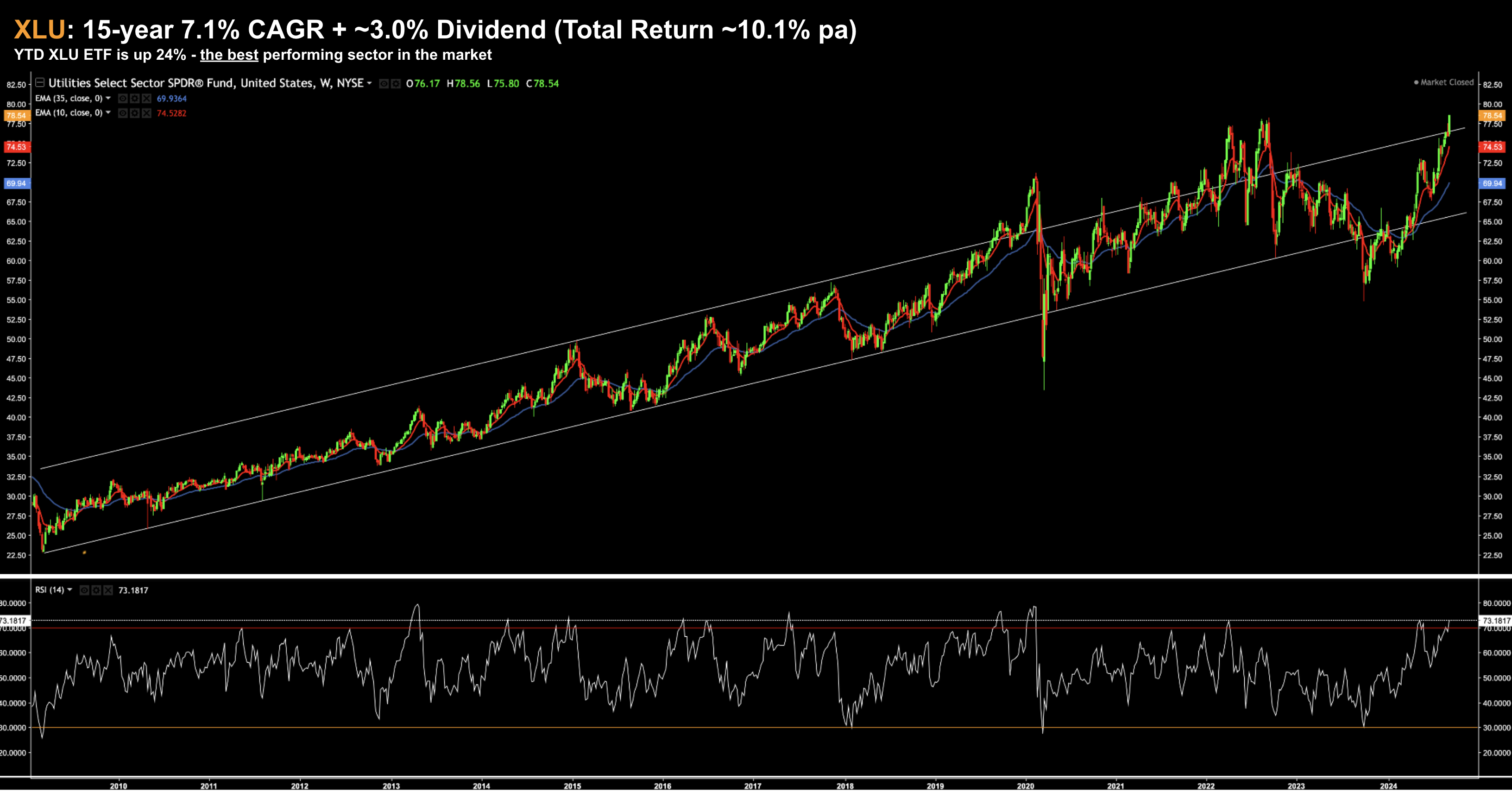
After enduring its worst week since March 2023, the S&P 500 rebounded with its best performance of the year. From mine, this kind of week-to-week unpredictability highlights the futility of attempting to predict short-term gyrations. It's not something I pretend to be able to do. My approach prioritizes a longer-term perspective - as it increases the odds of success. It's near impossible to attempt to trade around Mr. Market - you can never know what his mood will be from one day to the next. Therefore I choose to maintain a cautiously invested strategy - where ~65% of my capital remains in high quality stocks.

Real PCE: Seeing Around Corners

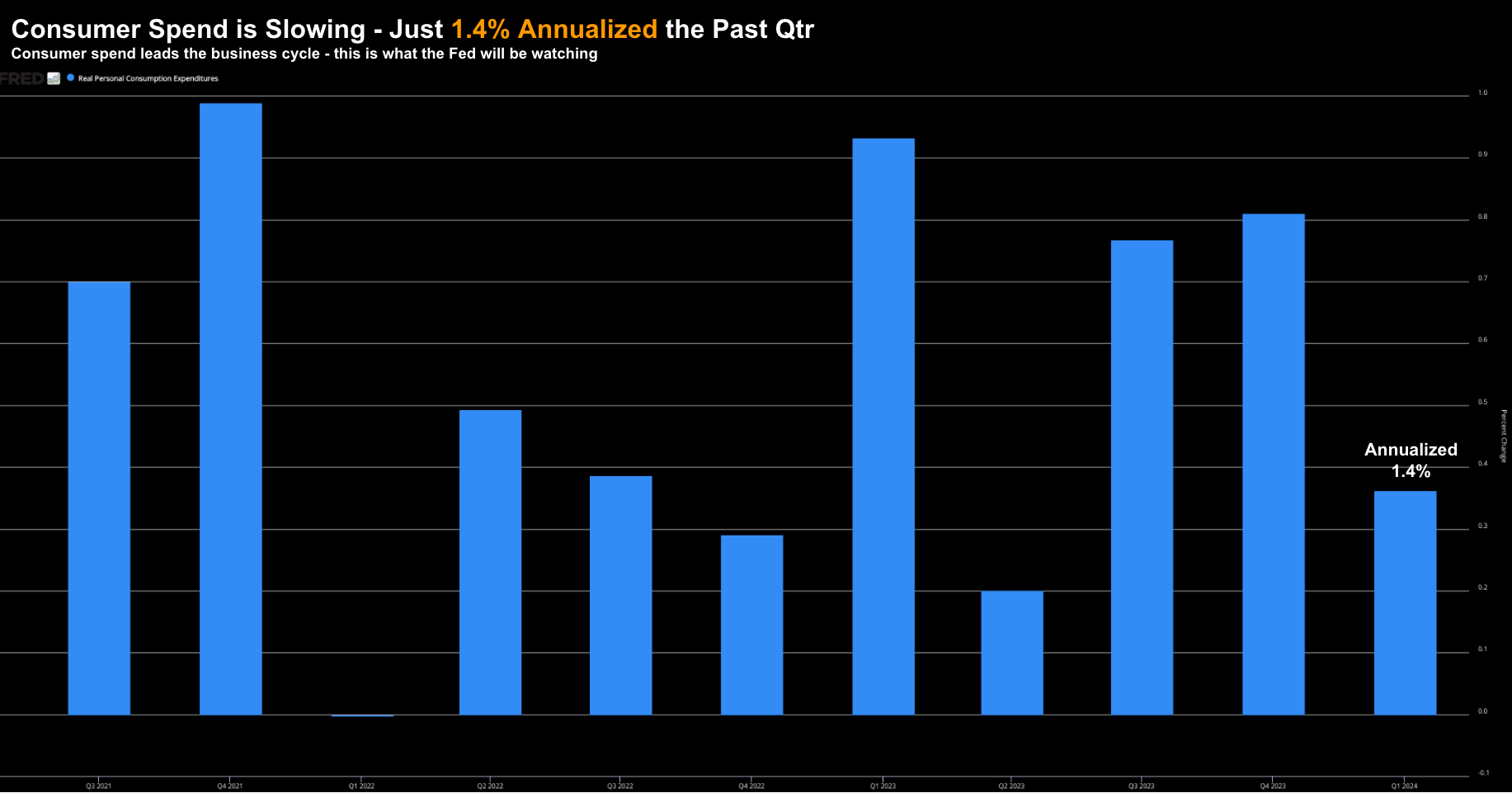
As an investor, your job is to carefully assess the risks against the rewards. A large part of that equation is knowing exactly where we are in the business cycle. For example, consider the following questions: (a) do you think we're at the beginning or middle of an economic advance (with more to go)? or (b) do you think we're about to encounter a significant change in direction? and (c) if so, is that change for the better or for the worse? Your answer is very important. It's far better to invest (or take more risk) at the start of the business cycle vs the end. Therefore, how will make that decision? How are you able to determine where we are? I will offer a market signal which is arguably more consistent and reliable than most indicators.

Buying is Easy… Selling is Hard

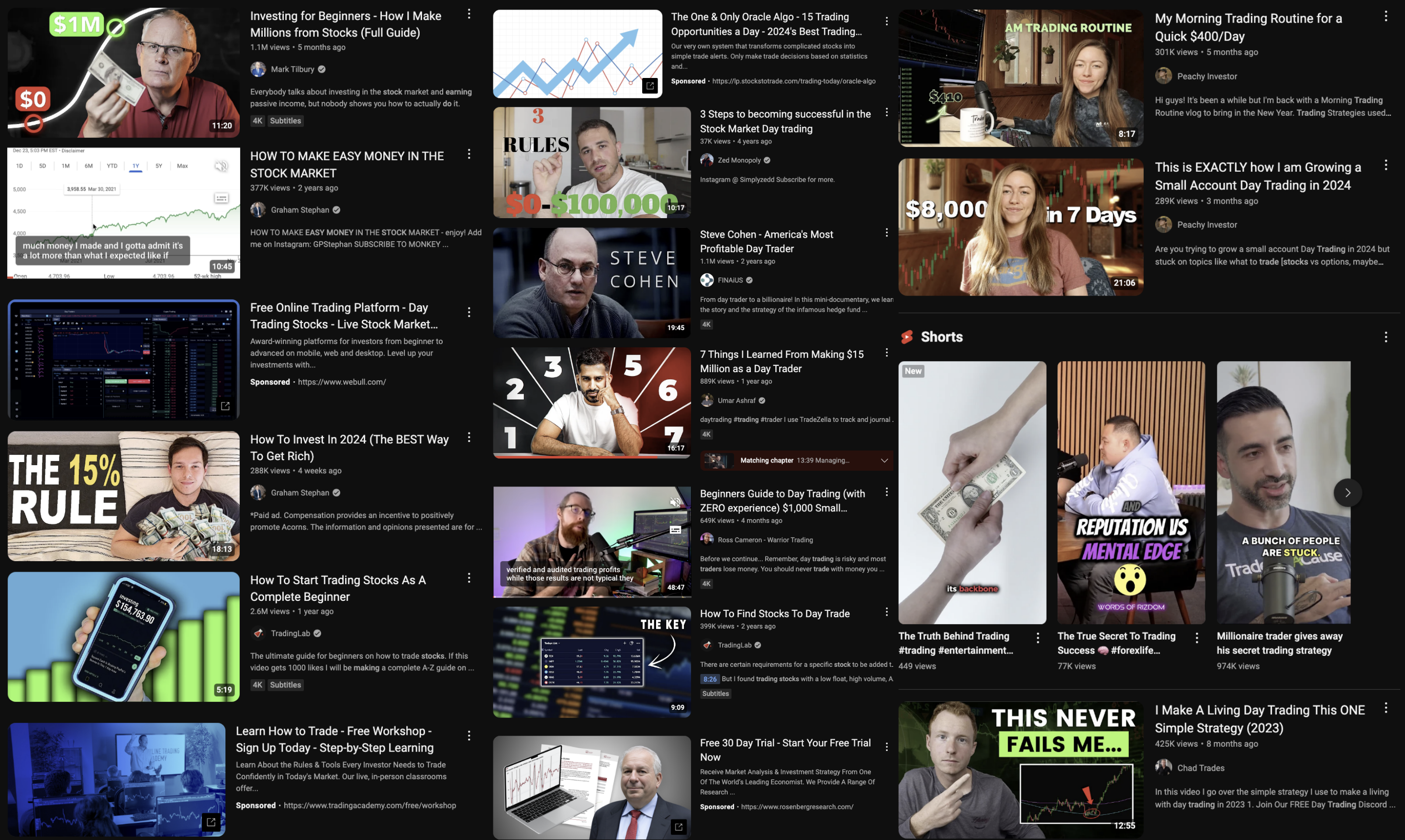
Do you consider yourself a "good" or "bad" investor? For example, one might say a good investor is someone who beats the returns of the Index over a long period (10.5% annualized). Beating the Index over the long-run is difficult to do... very few fund managers are able to do it. But what if I framed the question this way: (i) bad investors think of ways to make money; vs (ii) good investors think of ways not to lose money. Which one best summarizes your approach to speculation? Of the several thousand posts I've written the past 13+ years - this is arguably the most important question you could ask. If you understand the gravity of this distinction... you have a good chance of succeeding.