Category S&P500

How Far Will Multiple Expansion Take Us?

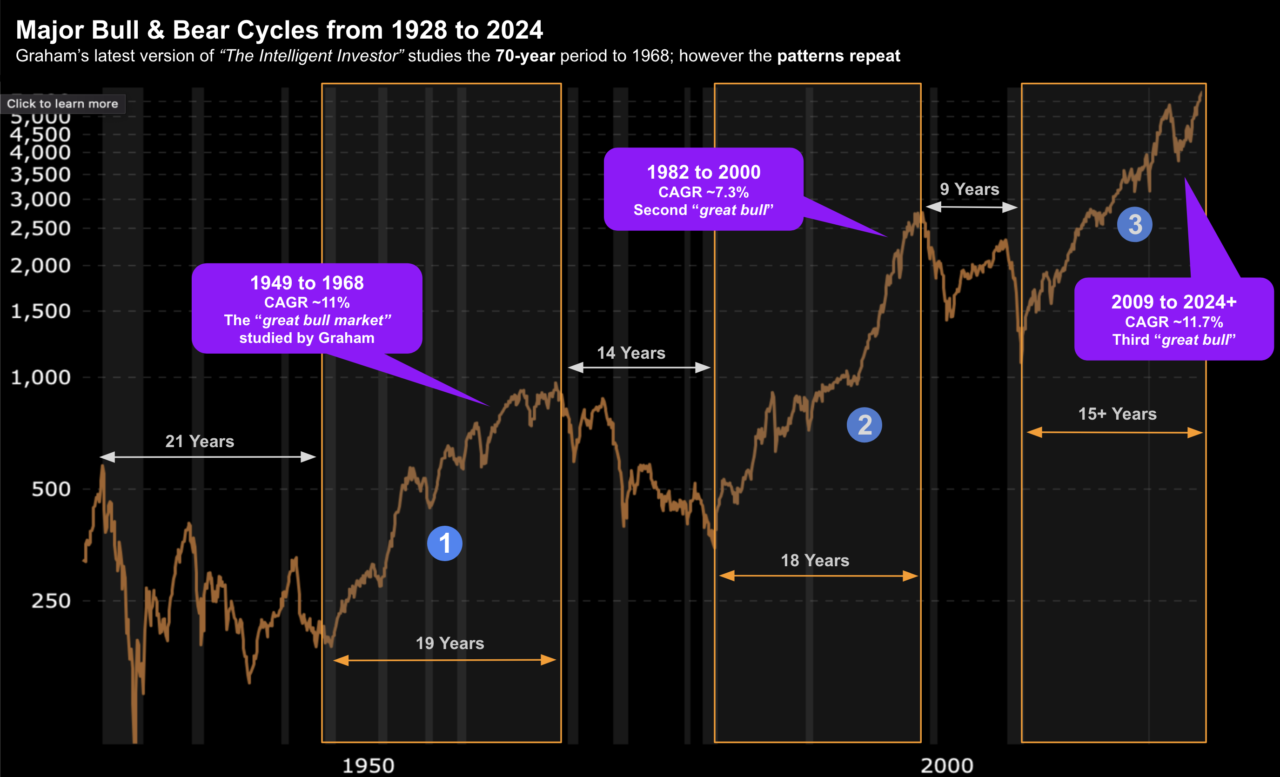
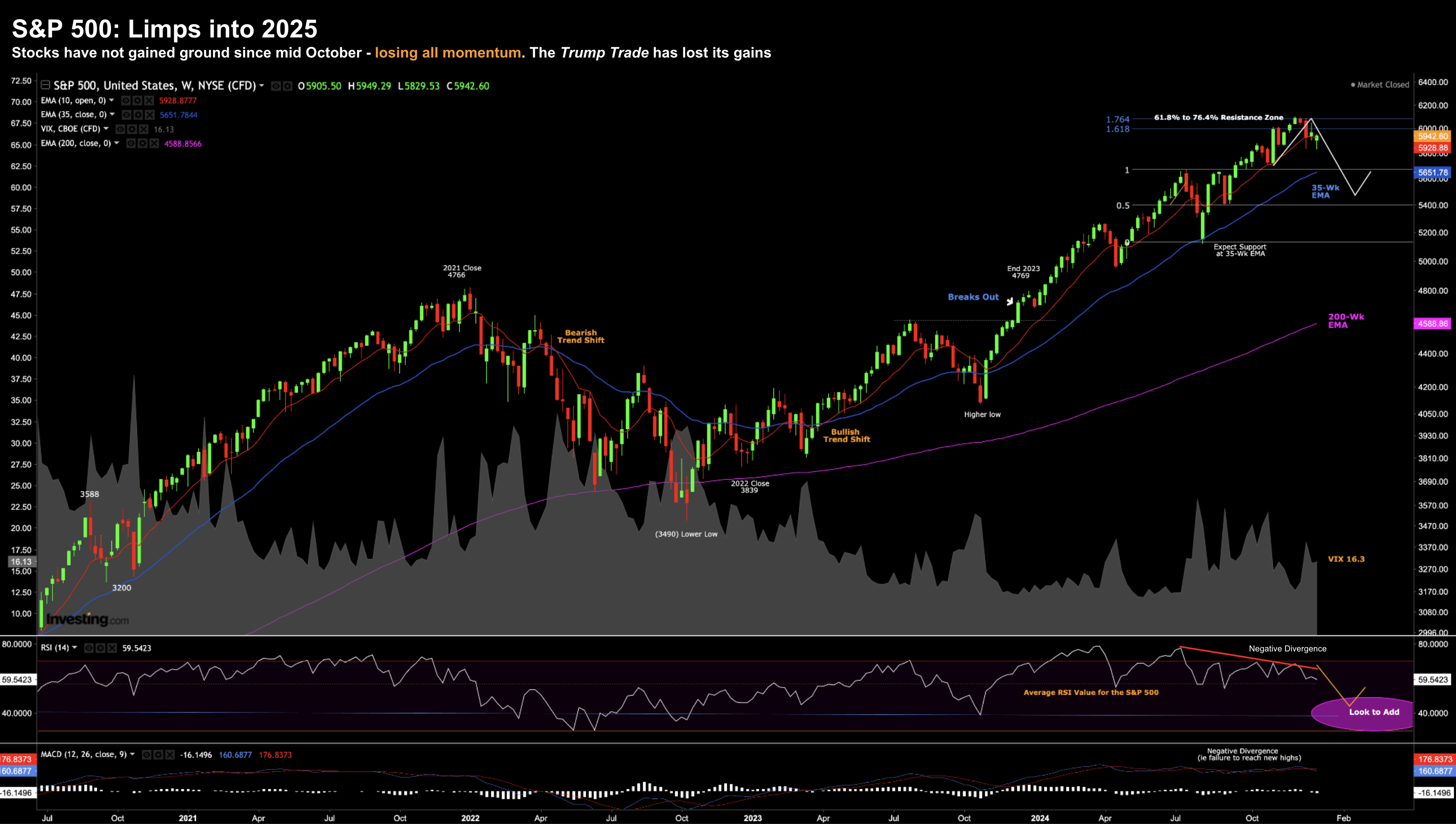
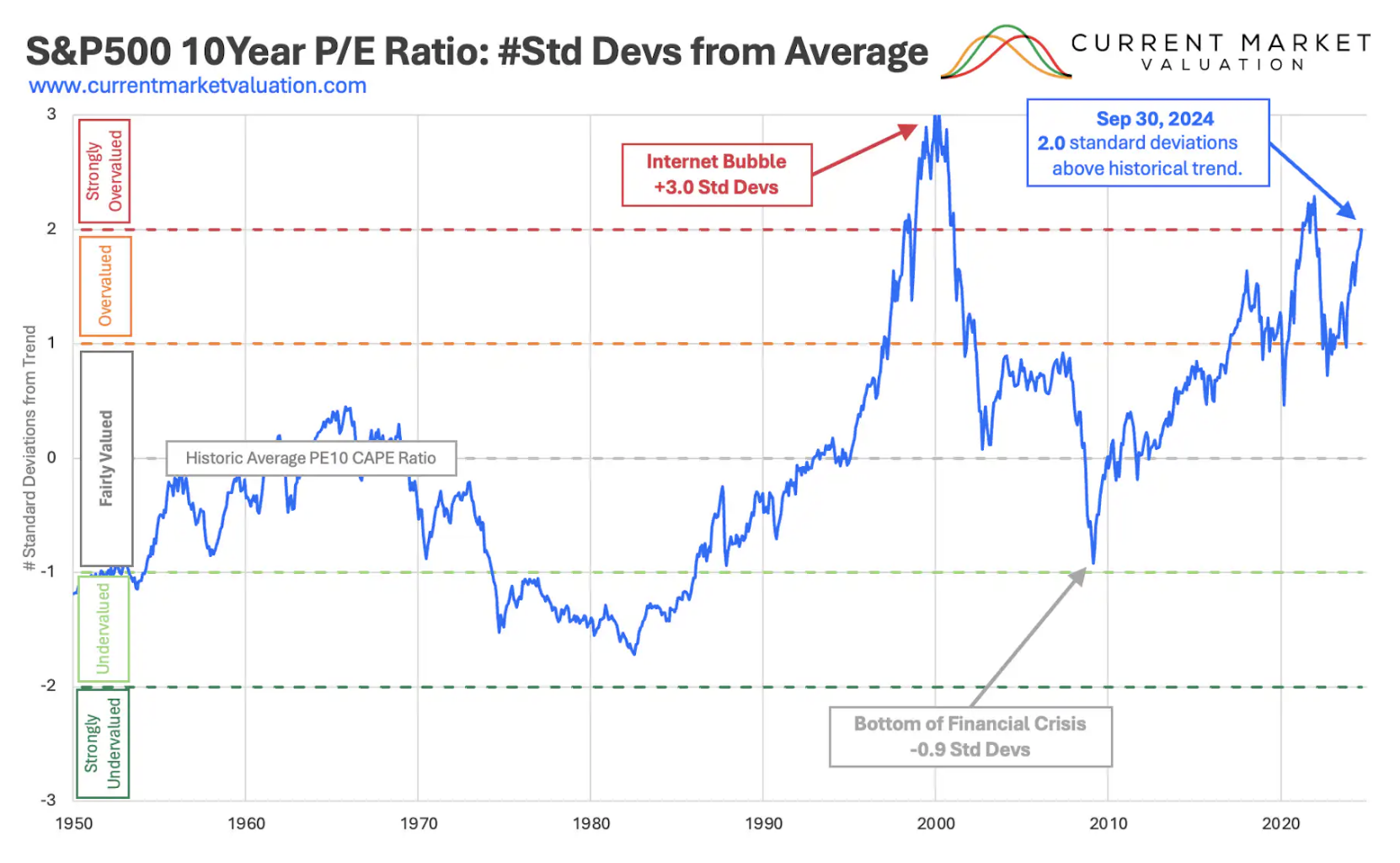
Earnings per share growth has averaged 8.3% pa from 2015 through today. However, capital appreciation in stocks (exclduing dividends) has seen a CAGR of 11.0% over the same 10-year period. This divergence is widening which indicates multiple expansion. From mine, investors should be braced for mean reversion.

Markets Hedge as Momentum Wanes

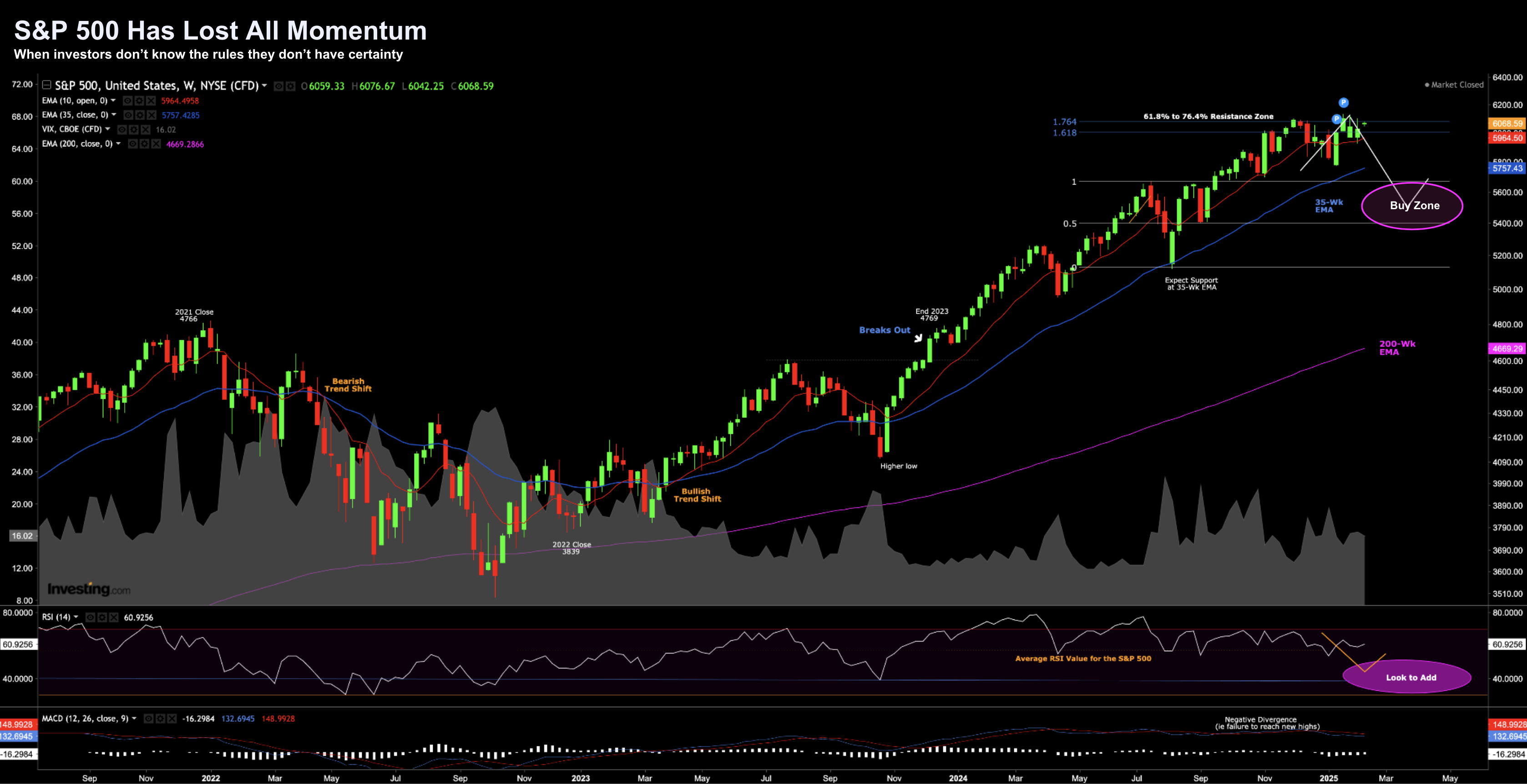
As an investor - it's very important to know the rules. For example, if the rules are constantly influx - it leads to uncertainty. With heightened uncertainty - you pull back. That's what faces investors. For example, consider the following: (i) direction of monetary policy (e.g., as Powell raised concerns on inflation); (ii) A torrent of policy shifts from the White House; and (iii) major disruption with artificial intelligence - as investors question return on capital invested. Uncertainty in each of these buckets makes it hard to commit to stocks with conviction.

The Market’s Addiction

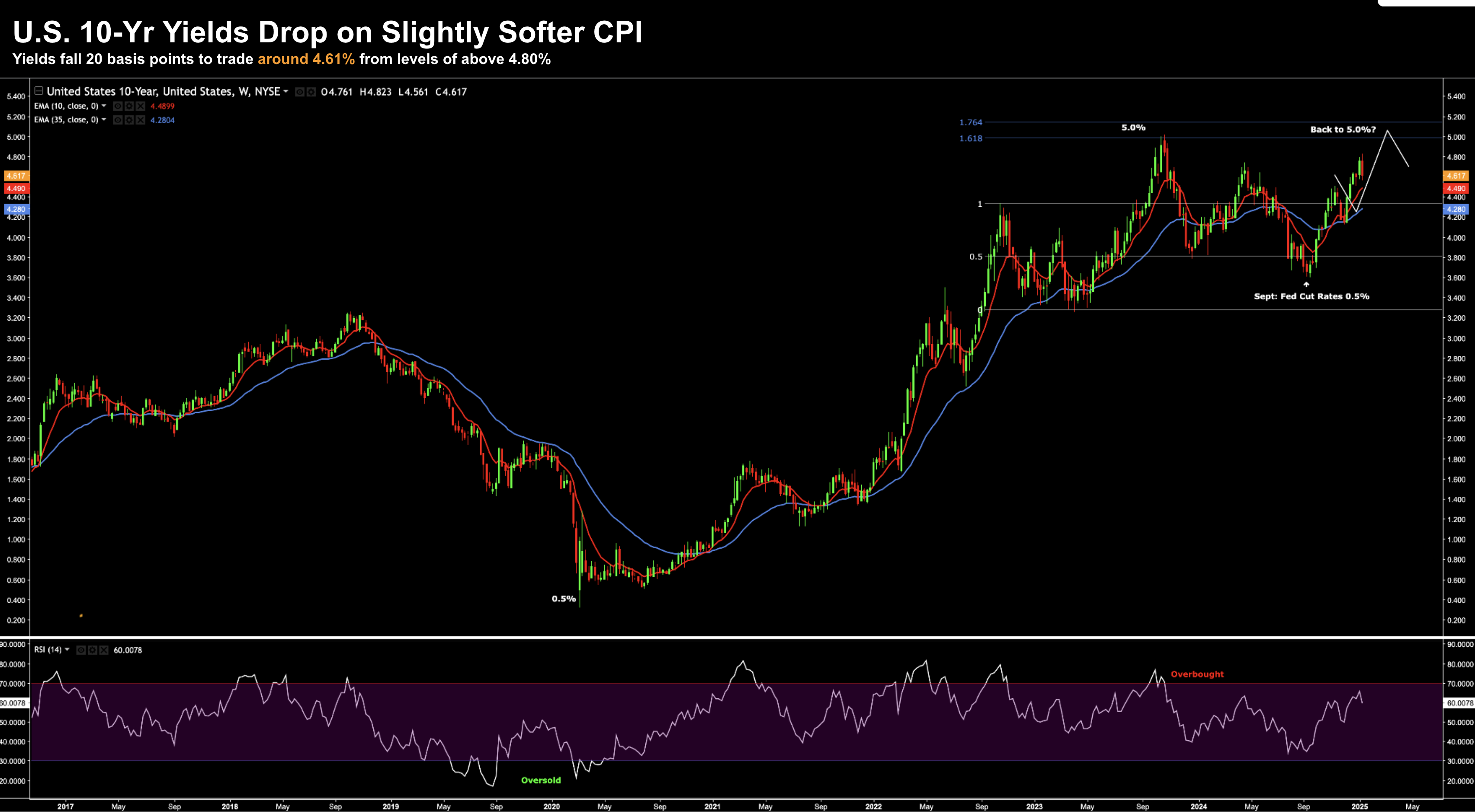
If you needed reminding the market remains closely tethered to monetary policy - we received it this week. Stocks surged on the back of two things: (i) CPI coming in slightly better than expectations; and (ii) the prospect of the Fed having more room to ease rates. Bond yields dropped and stocks jumped. There's nothing quite like the sniff of cheaper money to get the animal spirits moving. However, it's still far too premature to jump to conclusions.

A Bad Day for the Fed

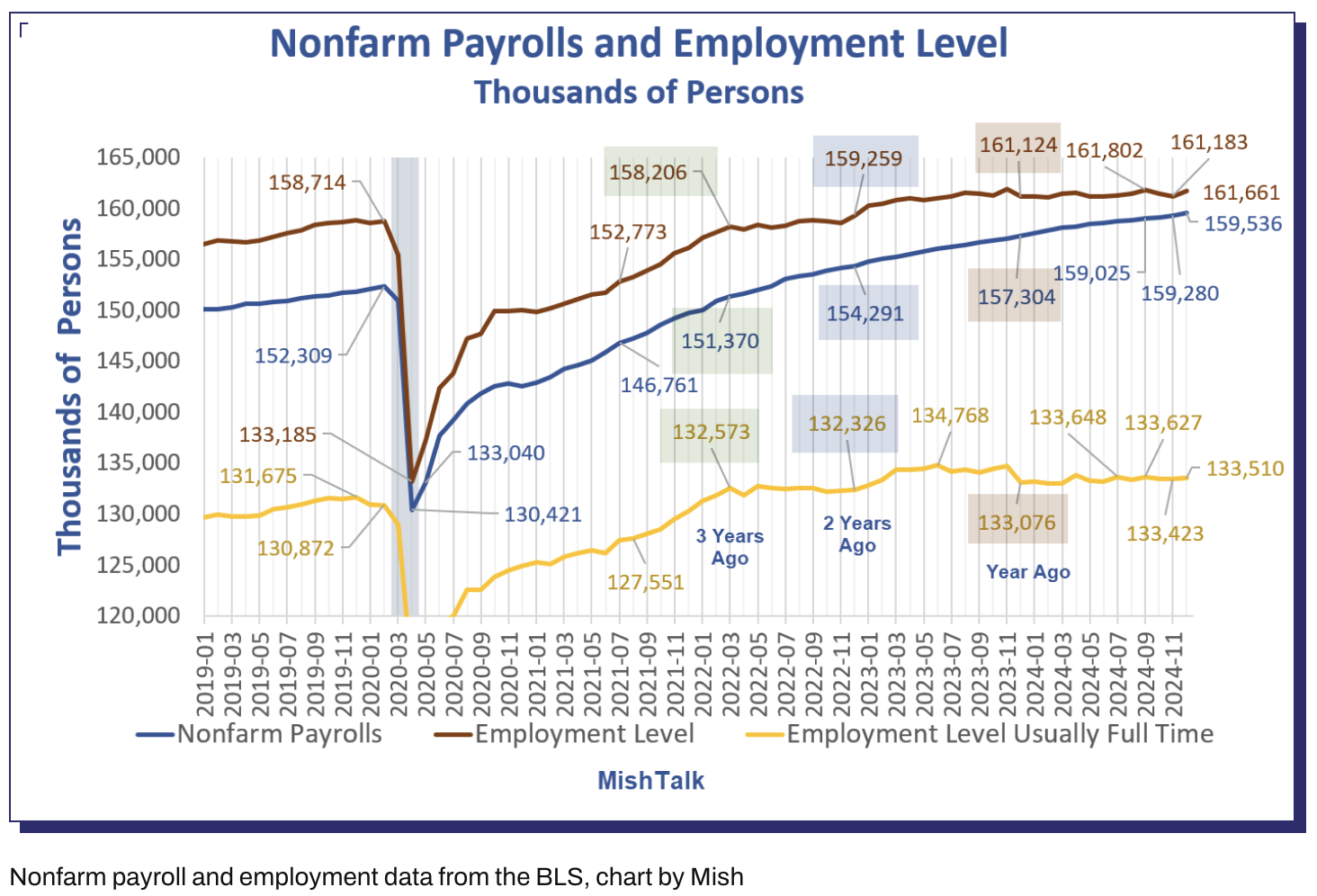
A few months ago Jay Powell claimed victory. Last Sept he said words to the effect of "the time has come to start easing rates". He initially cut rates by 50 points - followed by two more cuts of 25 basis points. Markets were thrilled at the thought of more cheap money - pricing in as many as 6 or 7 rate cuts over the next 12 months. However, at the time I asked why the need to cut? The data simply didn't support it. Jobs were fine. The economy was growing. Inflation was not yet at its desired level. Why cut? However, whilst the Fed was busy running a victory lap - the bond market was less convinced. The US 10-year yield went the other direction -- and appears likely to retest 5.0% in the next few months. What does this do to valuations?

And The New Year Begins… Slowly

The trading year for 2025 is under way. Markets have worked their way through the so-called Santa Clause Rally. For those less familiar - this refers to a period of trading between the last five trading days of December and the first two trading days of January. This year Santa delivered a fat lump of coal. The market lost ground. So what does that mean for 2025? Absolutely nothing! Don't read anything into it! What's more important is Q4 earnings season... and how company's perform.

2025 – Finding Quality at Reasonable Prices

The S&P 500 recorded a 23.3% gain for 2024. For the first time since 1998 - posted two consecutive years of gains above 20%. Not bad right? Well if we extend our time horizon to include 2022 - the market's CAGR is just 7.2% (below its long-term average of ~8.0% exc dividends) Mmm. Not as good. And over 5 years - the S&P 500 CAGR is is 12.7%; and over 10 years its 12.4%. It's important we measure results over a period of at least 5 years (preferably 10). 2-3 years is a very short amount of time... where all kinds of distortions will happen. But over time - these distortions are always corrected. My point? Things always mean revert... and one should never 'cherry pick' dates to fit a narrative.

NVDA: What Do You Pay for Growth?

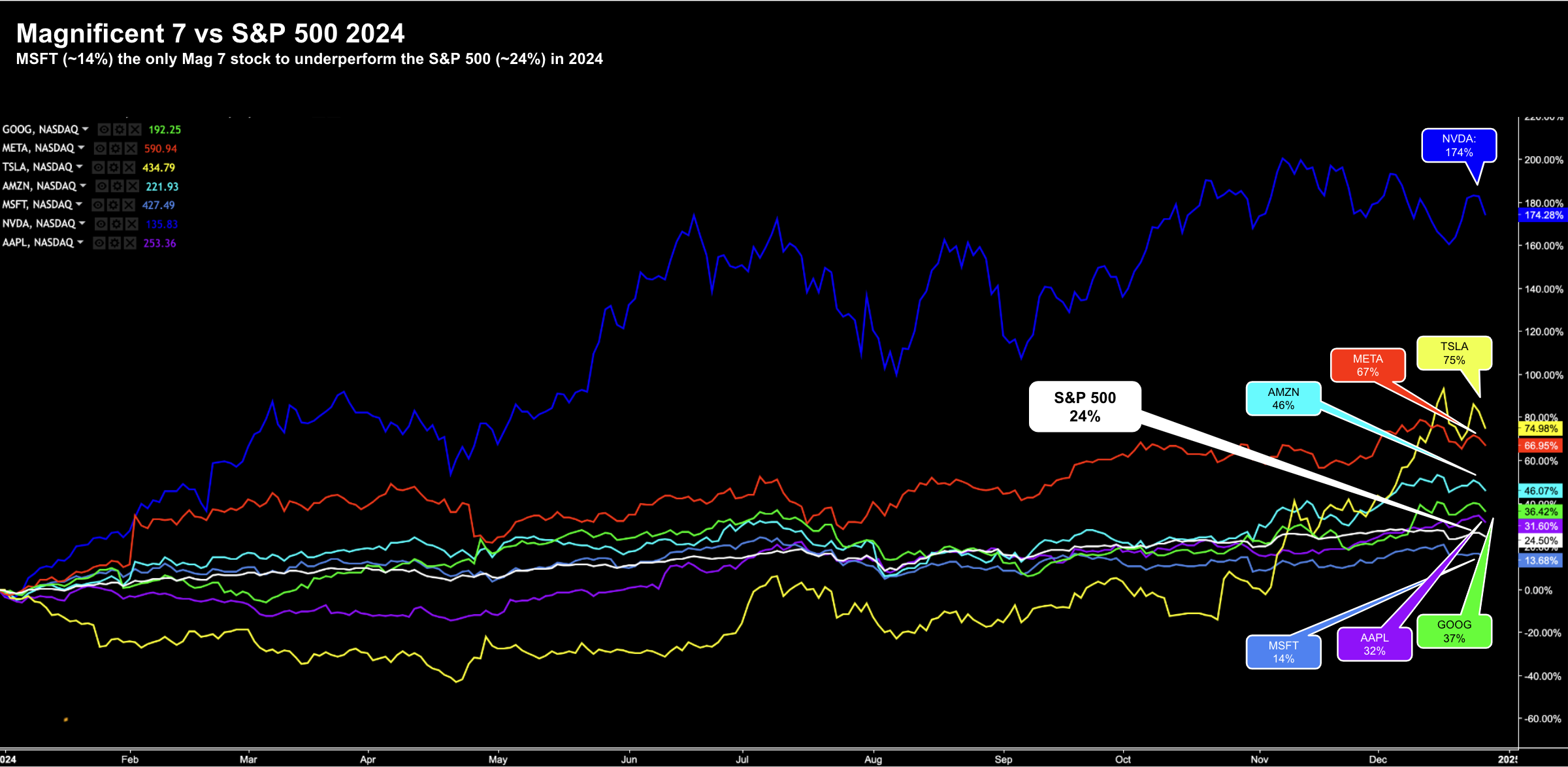
2024 will go down as another great year for stocks in the trader's almanack. However, what won't be recorded is just seven stocks comprised ~54% of the S&P 500 total gains (~24% with two trading days remaining). It's a bit like golf - you only need to record the final score - not how you did it. However, the how matters (not just the 'what'). This post will address the question of what to pay for one the most popular stocks today - Nvidia (NVDA). The asking price is $137 at 32x forward earnings. But does that represent great value given its growth assumptions?

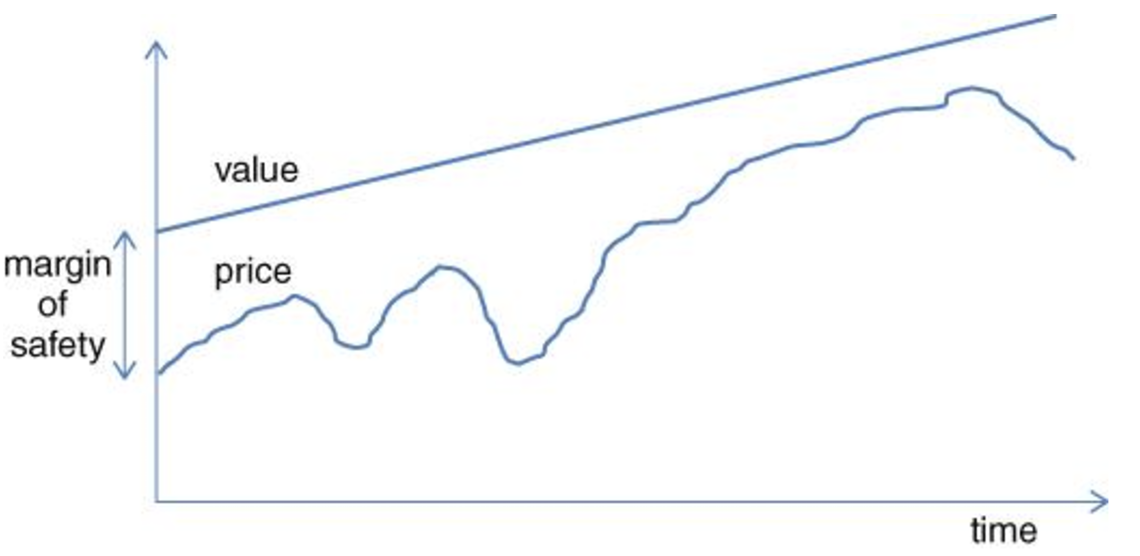
Price vs Value

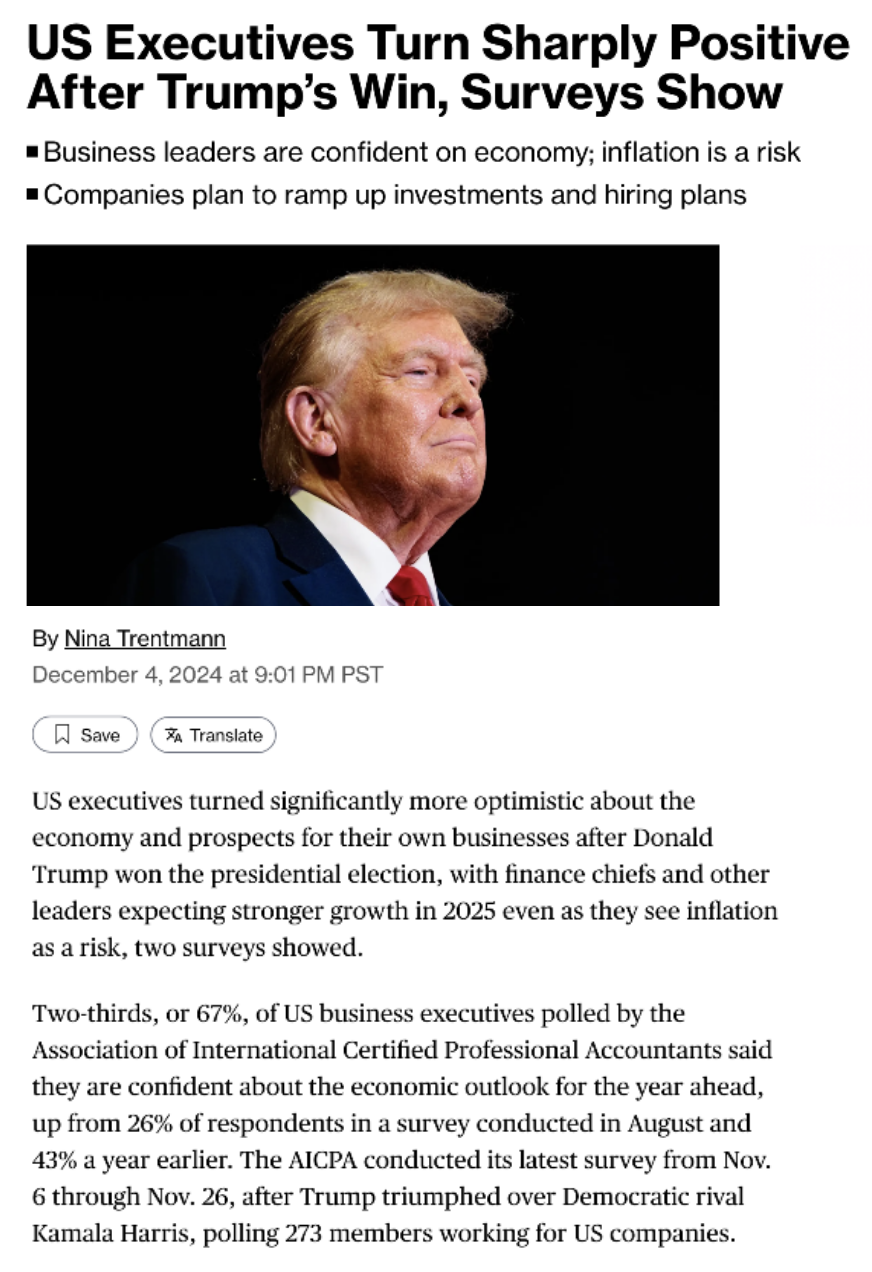
Markets could not be more optimistic about the future. We see it with consumer sentiment, spending and in the stock market. For example, the S&P 500 surged to a new record high 6090 - far exceeding the most bullish of forecasts from 12 months ago. Will analysts be equally bullish about 2025? Post Trump's Nov 5th win - the bulls have found another gear. Trump has painted a compelling vision of a US economic resurgence built on three primary pillars: (i) lower taxes; (ii) sweeping deregulation and government reform; and (iii) an
emphasis on domestic production. Why does this have corporate America very excited?

Tobin’s Q-Ratio Trades at Historical Highs

By just about any intrinsic measure - the stock market looks expensive. Ben Graham would be warning investors to heed caution. Now one of the more widely cited metrics is its forward price-to-earnings (PE) ratio - which trades at a very high 22x. However, another intrinsic measure is James Tobin's Q-Ratio - which now trades at a record high - exceeding that of the dot.com bust. And whilst not a great timing tool - it maintains a very reliable record of picking long-term secular highs.

Here Come the Foolish Forecasts

Once again, it's that time of year. Investment houses are set to release their forecasts for the upcoming year. Why they bother I don't know? And whilst there is still approx one month to go - if the markets finish anywhere near 5,800 - most forecasts made for 2024 will be abysmal. The average end-of-year forecast for 2024 was ~4600. The closest looks like being Ed Yardeni - who forecast 5400 - however at the time appeared wildly bullish. Well done Ed.J.P. Morgan told their clients we would finish 2024 around 4200 - currently more than 40% off the mark.... could it get any worse? So what do you think they will tell us for 2025? My guess "up in the realm of ~8%". Why? Because that's the 100-year average.