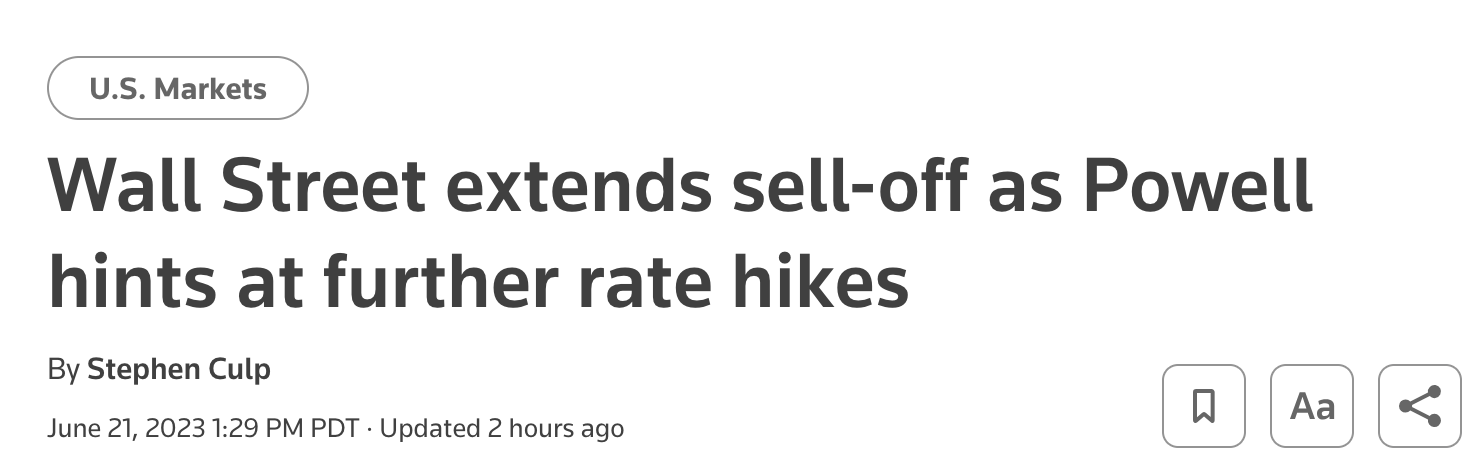
Category S&P500

Now less about the Fed… It’s about Bond Yields

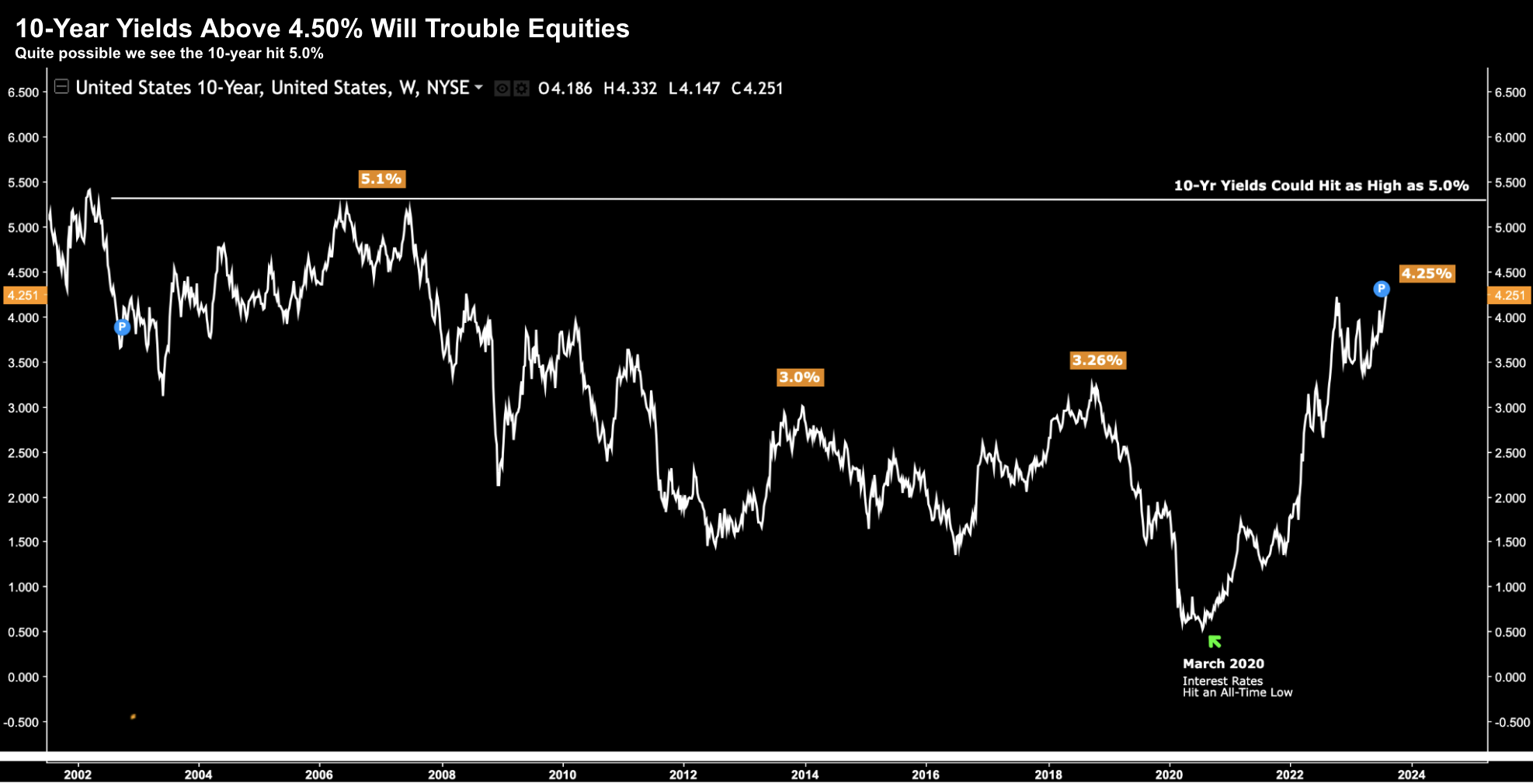
In ~11 years writing this blog - I've never seen a move in bond markets like the past 24 months. 10-year yields traded below 0.5% not that long ago. Money was next to free. Now that instrument will return 4.25% risk free. The 12-month T-Bill is a very attractive 5.34%. But it's not just in the US - it's global. Germany, Australia, Japan and the UK... yields on major fixed-income benchmarks are moving higher. In the UK, the 10-year gilt is yielding its most in 15 years. For me, where the market goes is more about bond yields than what the Fed do next...

“Big Short” Investor Goes Short… But Not on Housing

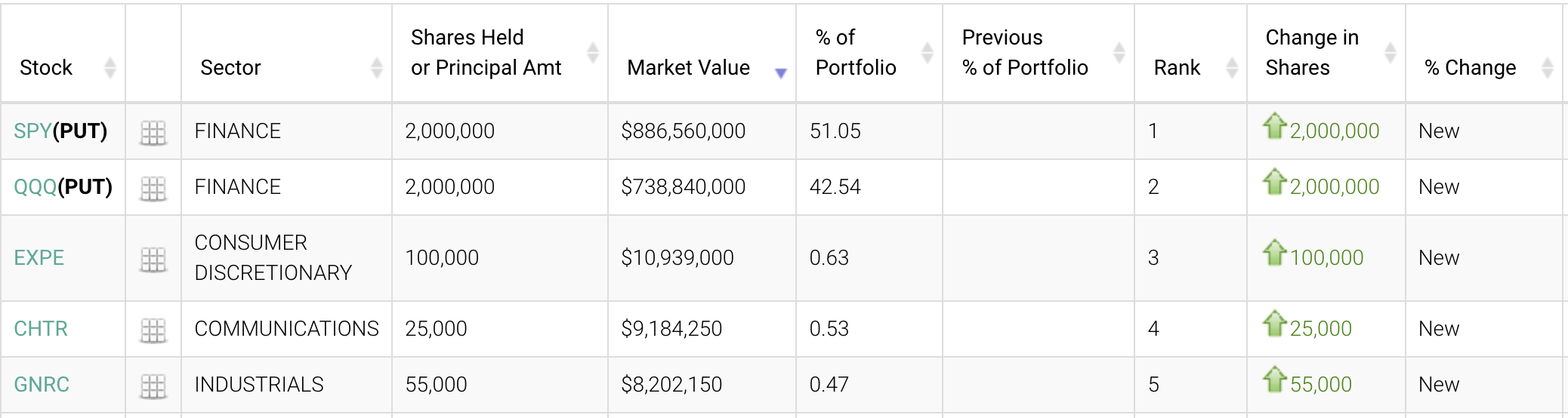
45 days after the end of every quarter - Wall Street's top fund managers are required to report their most recent holdings. These filings are known as 13Fs - and they reveal a lot about where the 'smart' money is going. Whilst there was nothing too out of the ordinary - a particular trade from Big Short investor - Michael Burry - caught my eye. He took a $1.6B short bet against the SPY and QQQ (in aggregate) using Put Options. Let's explore why he could have made that bet.... and he's not alone

Are Recession Callers Back-peddling?

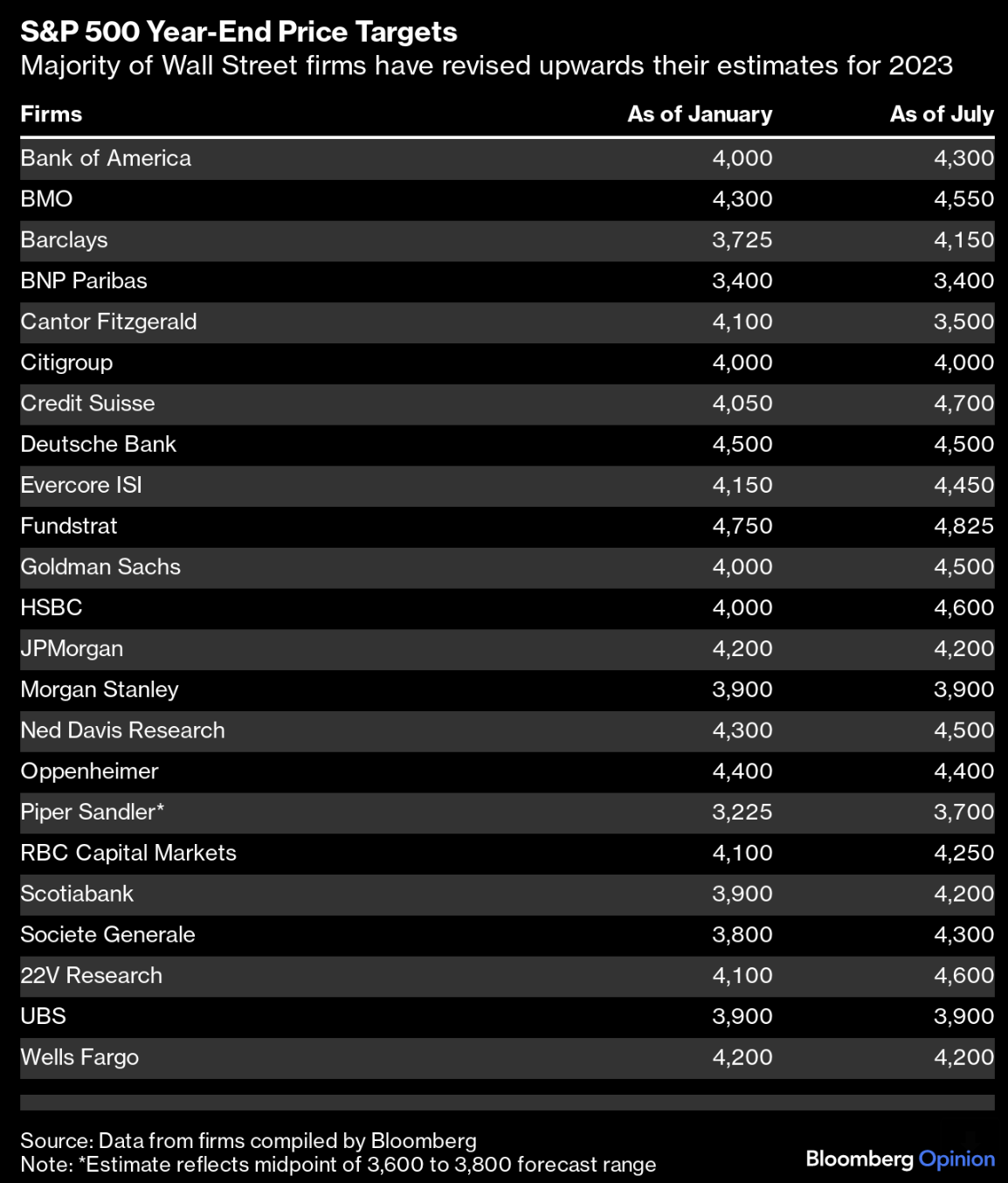
It's the rally everyone loves to hate. Why? Because very few got it right. Most fund managers missed this rally entirely... thinking it was only a matter of time before things collapsed. The thing is - they haven't. I will admit - I also got this wrong. My initial target at the start of the year was 4200. If that broke - I was looking at resistance around 4500. The S&P 500 now trades 4536 - making me look foolish (and it won't be the last time I am sure). We're now just past the mid-point of the year - with the S&P 500 up 18.2% YTD. Remarkable by any measure. What are Wall St saying about the second half?

Why Is it Different This Time?

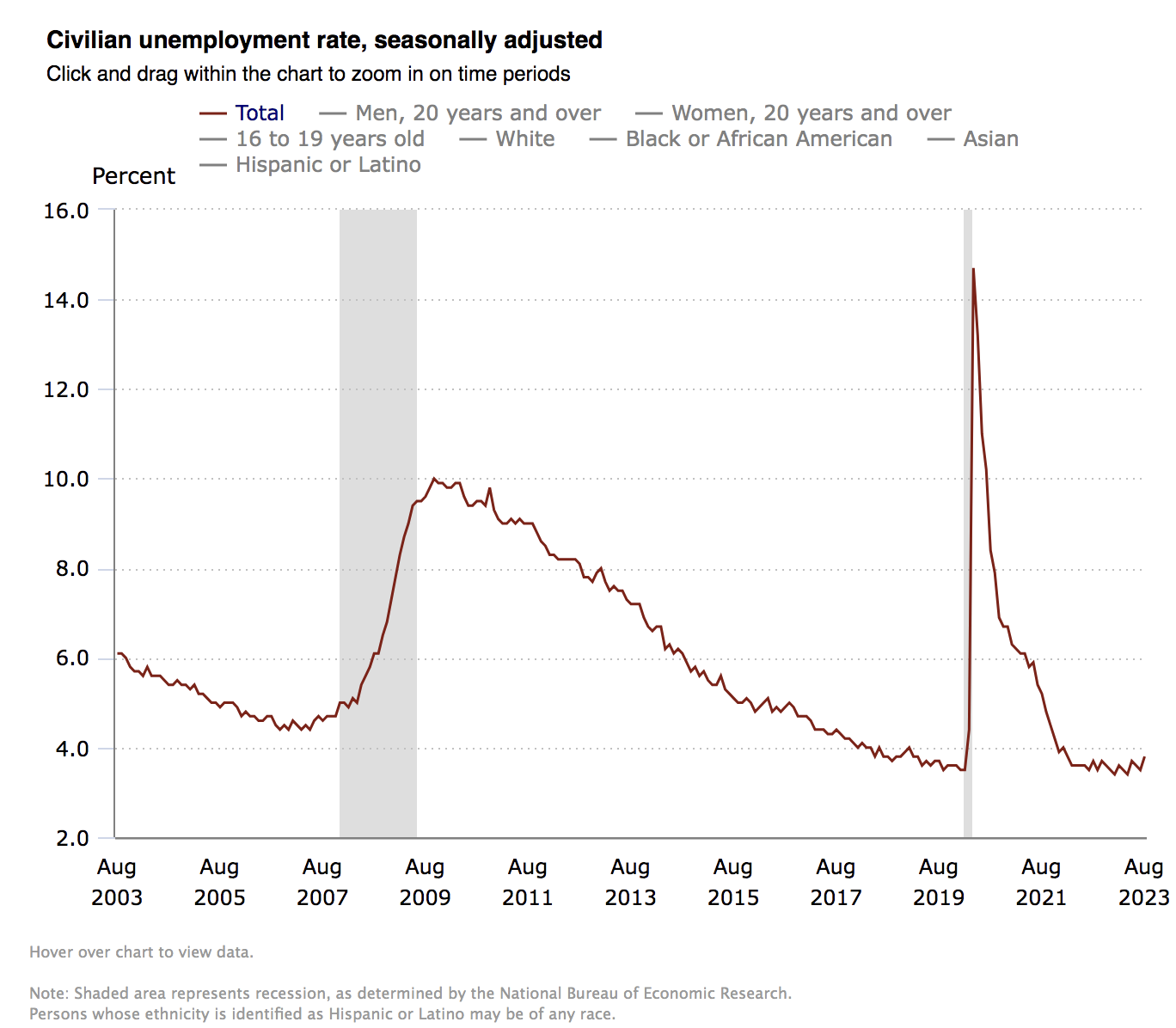
Whenever history looks like repeating - it's worth asking what's different this time? I say that because the past is never a guarantee of what's ahead. Put another way, if you are making decisions on that basis, you might be suffering from "confirmation bias". And that can be a blind spot. My (possible) blind spot is I think a recession is more than likely within the next 12 months. As such, I am only willing to put about 65% of my portfolio in risk assets. If I felt a recession was not likely - I would meaningfully increase my exposure. My bias is to lean into historical data (and leading indicators) which have reliably predicted recessions in the past. That feels logical. But I could be wrong.

S&P 500 Meets Resistance

There's a few good reasons to be bullish: (i) Q1 earnings were better than feared; (ii) Bank deposits have stabilized; (iii) Inflation is slowly (but surely) working its way down; (iv) The Fed is closer to its terminal rate; and (v) We're yet to see any major deterioration in credit. All of those are positives for risk assets. However, stocks have run a long way fast and are due to take a pause. I think that's what we will see...