Category Uncategorized

Focus on High Quality in Challenging Markets

It's my thesis market returns over the next few years are unlikely to match what we've seen over the past decade. However, I'm also of the view that will create great opportunities for savvy patient investors who think long-term. This missive defines what is meant by "quality" investments - and the attributes investors should focus on. And if we are see a more challenging climate the next few years - it's higher quality assets which will shine.
Worst Week of the Year… Uncertainty Weighs

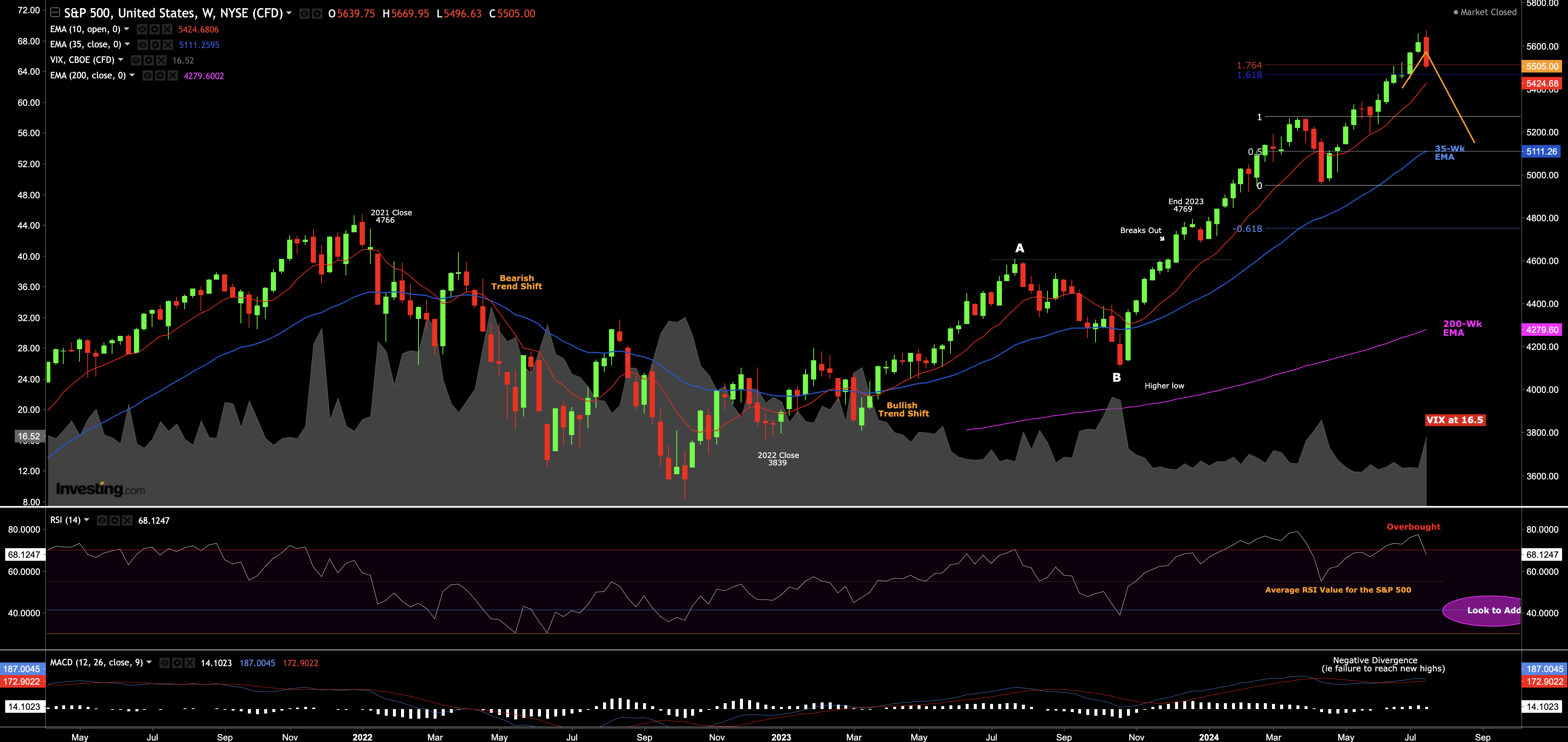
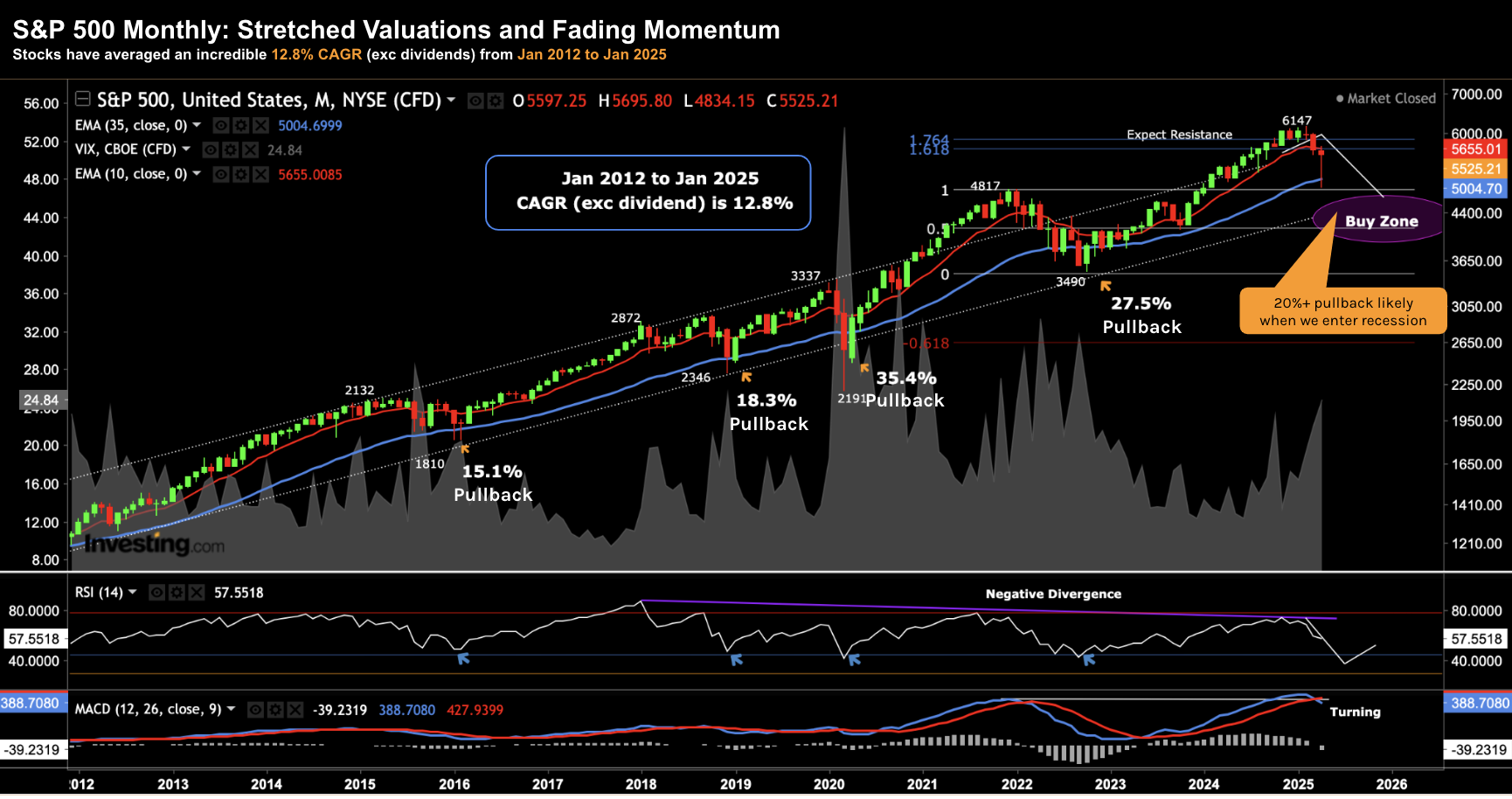
Approx 2 months ago - it felt like markets were starting to hedge their bets. How could I tell? Whilst the market was trading near record highs (around 6100) - momentum was fading. I commented on both the weekly MACD and RSI falling - whilst prices remained high. Technicians call this "negative divergence". Quite often it suggests prices are at greater risk of easing. Since then they've dropped ~6%. The week ending March 7th was the worst week for the year and the third straight week of losses... more to come? I think so...

Ready for a ‘Growth Scare’?

We started this year with the market pricing in only "good things". We had (a) the Fed ready to continue its easing cycle; (b) business friendly administration looking to cut taxes and lower regulation; and (c) the promise 'limitless' returns from AI. Investor expectations were very high - evidenced by the valuation multiples they were willing to pay (whether it was P/E; P/FCF; EV/EBIT etc). Traders were all leaning to one side of the boat. However, shares prices have lost all momentum the past 12+ weeks.

Markets Hedge as Momentum Wanes

As an investor - it's very important to know the rules. For example, if the rules are constantly influx - it leads to uncertainty. With heightened uncertainty - you pull back. That's what faces investors. For example, consider the following: (i) direction of monetary policy (e.g., as Powell raised concerns on inflation); (ii) A torrent of policy shifts from the White House; and (iii) major disruption with artificial intelligence - as investors question return on capital invested. Uncertainty in each of these buckets makes it hard to commit to stocks with conviction.

Powell Takes a Victory Lap

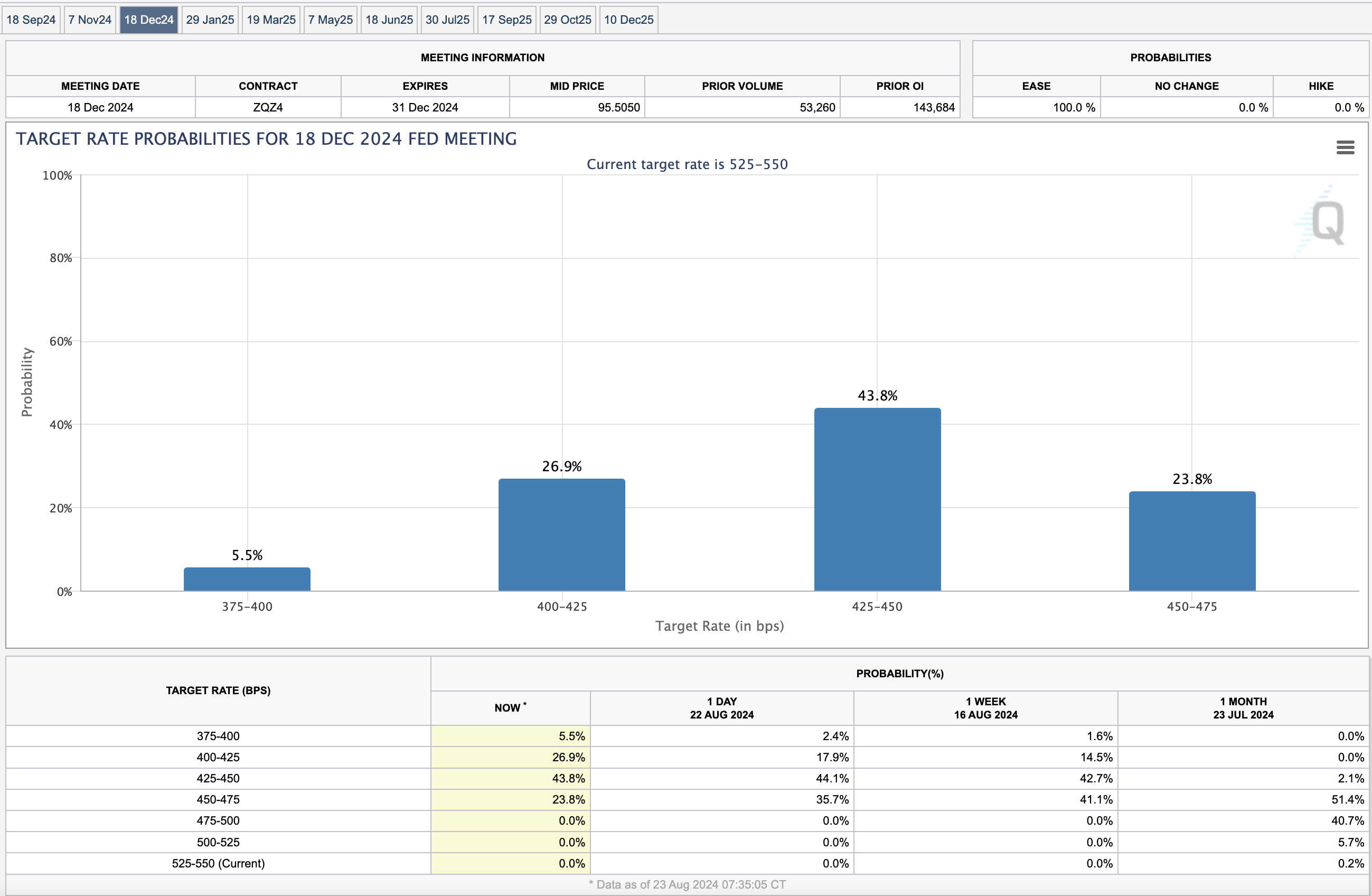
Fed Chair Powell didn't disappoint at Jackson Hole - giving the market what it wanted to hear... rate cuts are coming. All that remains how many and by when? That's not something Powell was ever going to offer (why remove optionality) - but the market is willing to bet we receive at least three cuts by year's end. All eyes now turn to two major economic reports: (i) PCE due Aug 6 and (ii) Aug nonfarm payrolls due Sep 6. For e.g., if Augusts payrolls are similar to June's (where only 114K jobs were added) - we could see the Fed cut rates 50 bps come Sept. What signal will that send to the market?

It’s Not Only Falling Inflation & Growth Risks Driving Rate Cuts

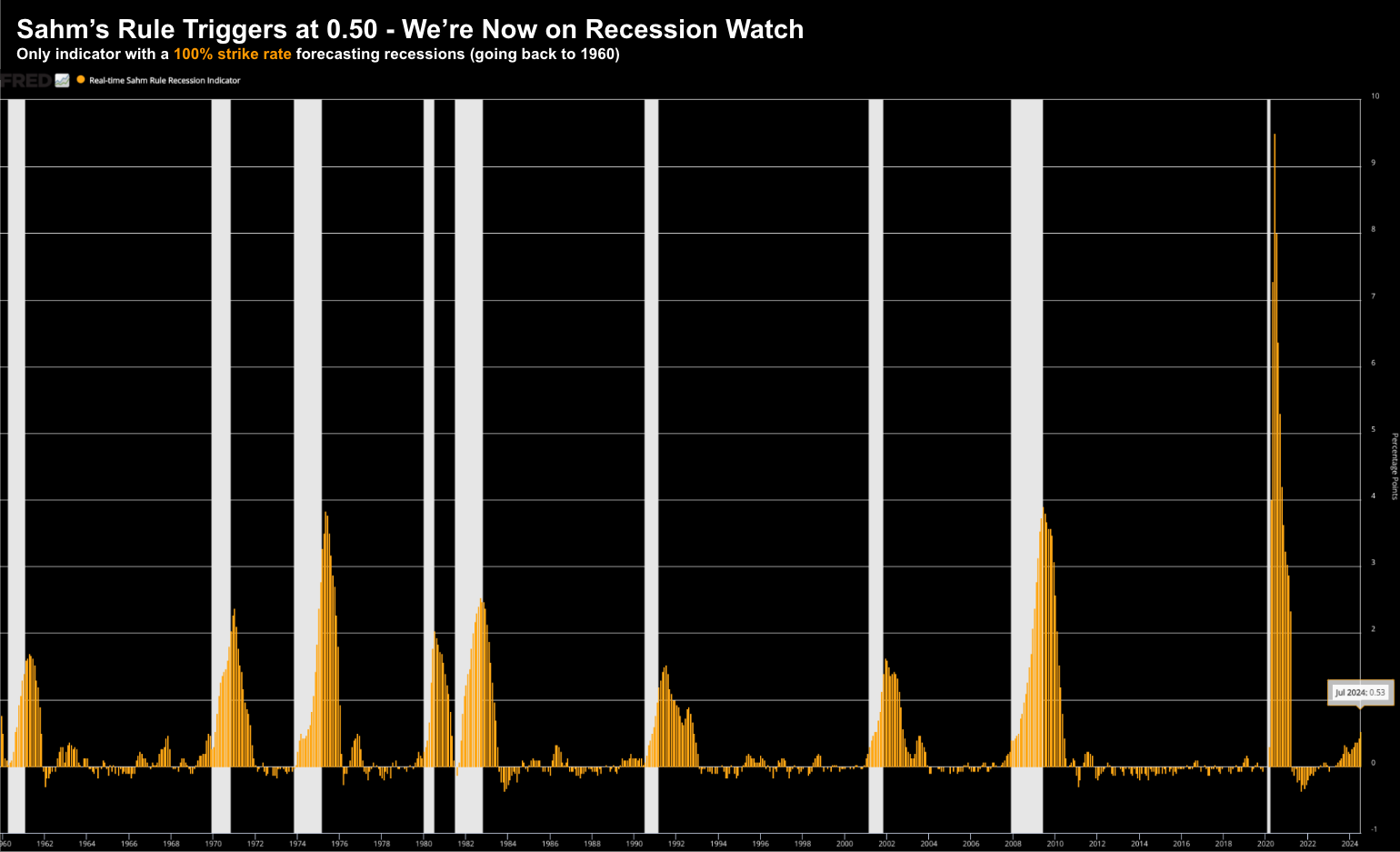
As inflation continues to moderate and the employment picture weakens - markets are trying to gauge just how much the central bank will move. A 25 basis point (bps) cut for September is now a 100% probability according to CME Group’s FedWatch tool. There's a 63.5% chance of a 25 bps cut; and 36.5% of a 50 bps cut. Markets clearly want 50 bps... but they also know that very rarely is there just "only one rate cut". This post explores the relationship between debt growth (across all sectors) and the overall trend for interest rates. It's a relationship which is not often discussed - but would be remiss of investors to ignore.

The Big Tech Unwind

Can the market let the air out of the bubble without consequence? The answer relates to my post on economic cycles. That is, panics and busts only occur after booms and bubbles. But what a minute - are you saying this is a bubble? My answer to that is look at where we are in relation to the long-term mean. That's your litmus test. For example, if we simply take the S&P 500 - it trades at ~22x forward earnings (on the assumption earnings growth this year is 12%). The 10-year average forward PE for the S&P 500 is ~18x (mostly as a function of long-term yields trading near zero). And the 100-year forward PE average is closer to 15.5x. And if we look at tech specifically - valuations are even more extreme.