Category Valuations

Finding Value in Apple’s $3+ Trillion Moat Finding Value in Apple’s $3+ Trillion Moat

Finding Value in Apple’s + Trillion Moat

In the last three months of 2025, the tech sector experienced what some called a “correction”. But what is a true correction? Technicians will be quick to say a drop of 10%. But for me that doesn”t work… I would…

Thoughts on 2026… Thoughts on 2026…

Thoughts on 2026…

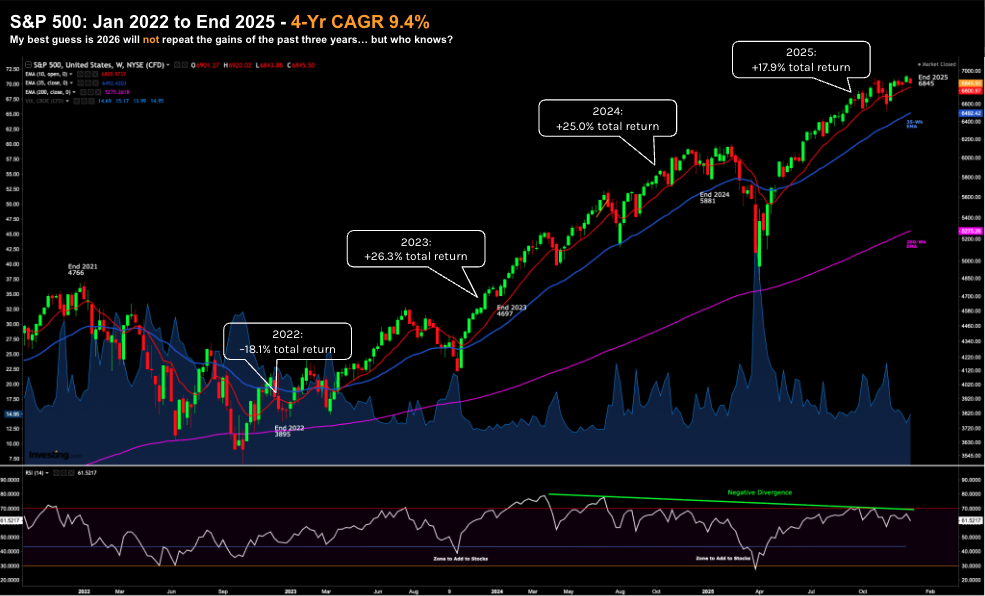
After three years of spectacular gains, 2026 demands a strategic pivot. I outline five critical themes determining market direction: rising unemployment risks, sticky inflation, a hawkish Fed, AI capex scrutiny, and a steepening yield curve. With valuations stretched, the easy money is gone. Investors should prioritize high-quality assets and cash optionality, preparing for a potential 15–20% correction. The focus now shifts from chasing momentum to preserving capital and awaiting reasonable valuations.

Things That Make You Go Hmmm

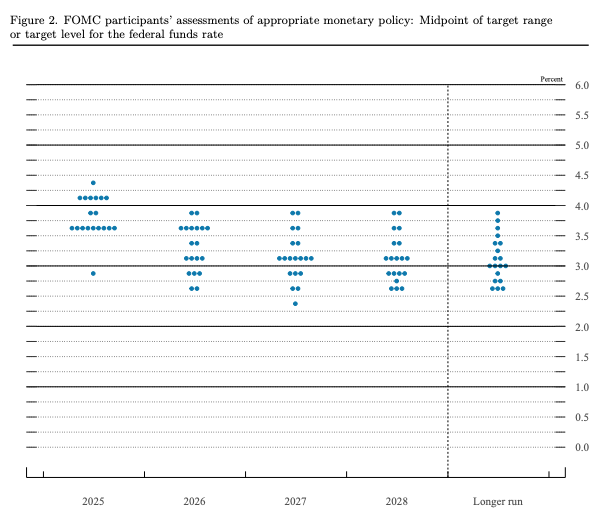
The Fed just delivered a "Christmas gift" with a 25bps cut to 3.75% and a surprise $40B monthly balance sheet expansion—essentially "Baby QE." While markets hit record highs, FOMC "group think" may be masking a deteriorating labor market and looming 2026 tariff inflation. With fwd PEs at ~23x, history warns that subsequent 10-yr returns are often near zero.

Market Correction Chorus Grows

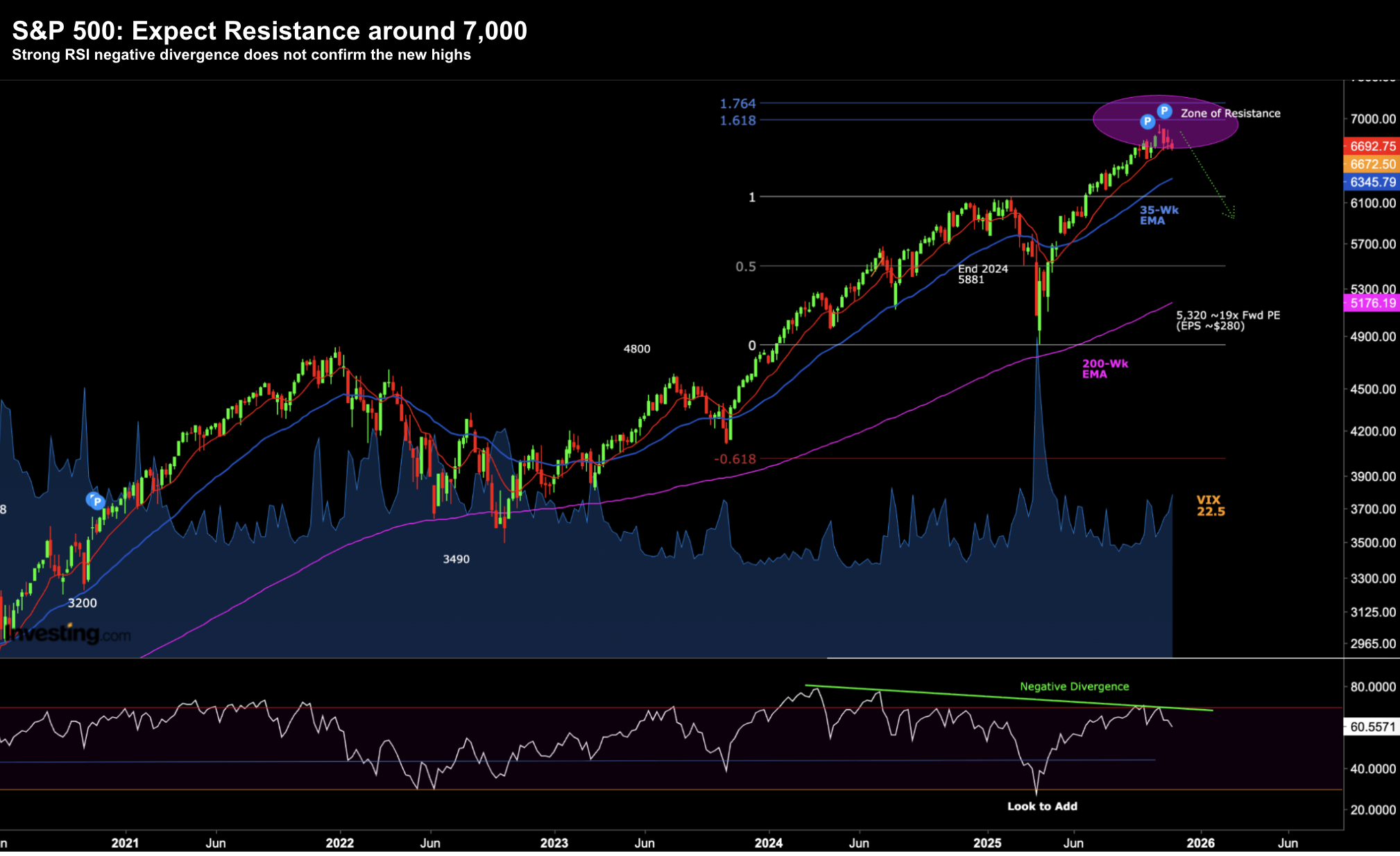
Goldman Sachs are warning of a 10-20% correction within the next 12-24 months. And whilst saying this would be a healthy outcome - it aligns with stretched valuations seen only during the dot-com bubble, according to the Shiller CAPE Ratio. The market's risk is concentrated: returns are currently driven by a handful of mega-cap tech stocks. As Michael Burry's short of Palantir highlights, the issue isn't business quality, but the extended prices being paid. From mine, better opportunities exist outside the Mag 7.

Are We in an AI Bubble? 

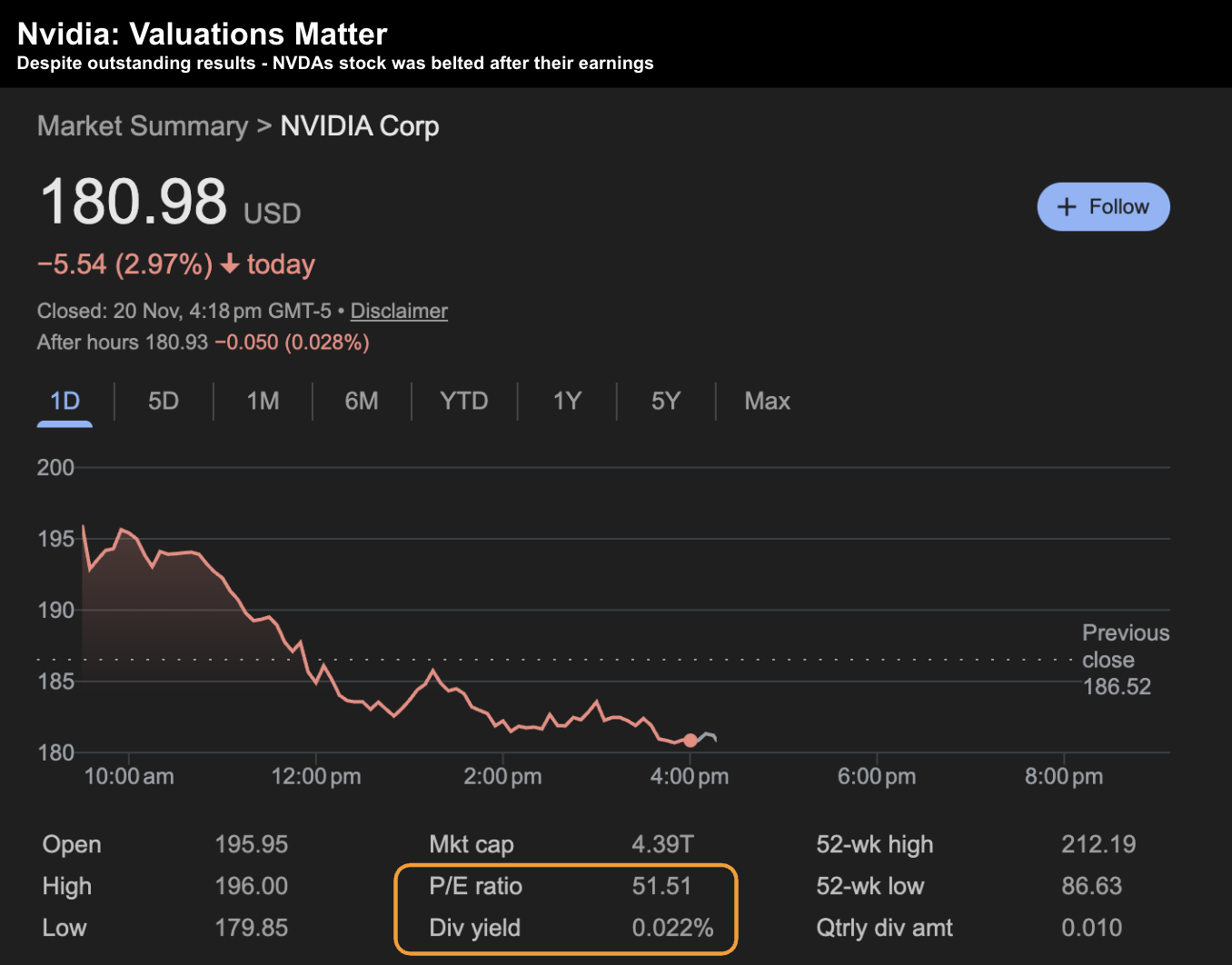
Investor enthusiasm for AI is reminiscent of the Internet boom circa 1995. Having worked at Google, I've seen AI's profound impact firsthand, from computer vision to self-driving Waymo vehicles that have achieved 10M rides. But as an investor, the focus must shift to economics: business models, monetization, and valuation. Billionaires like David Einhorn are sounding the alarm: spending hundreds of billions on AI infrastructure may lead to massive capital destruction if CapEx vastly exceeds consumption. History shows that while the technology transforms society, an oversupply creates painful market corrections. The question isn't if AI is the future—it's what price you pay for it.

Tepper: “Nothing is Cheap Anymore”

Long-term investing demands a careful balance: stocks typically rally on the promise of cheaper money from expected rate cuts, but this momentum clashes with clear structural economic weakness that necessitates the cuts. History favors stocks during easing cycles. However, the key risk lies in whether economic weakness persists and hammers corporate earnings, eventually undermining high valuations. The recent "hawkish cut" by the Fed surprised markets, indicating concern for a deteriorating jobs picture over inflation. While the market continues to rally on optimism, as legendary investor David Tepper warns, valuations are high. The strategy remains to maintain equity exposure to ride the easing cycle while holding significant cash to capitalize on any likely drawdown.

Borrowing Costs Are Going Up

Can the stock market significantly advance with bond yields going higher? That's what investors are trying to gauge. As governments around the world look increase their (already high) levels of borrowing and spending -- it's plausible bond yields are set to rise further. And it's not hard to explain why... demand is falling as supply increases. But at what point does the stock market say enough?

Do You Trust this V-Shaped Rally?

Markets staged a 'rip your face off' rally on the back of Trump's 90-day pause on 145% tariffs with China. Over the past three months - the rally ranks among the best we've seen in three decades. The question is can it continue; and what needs to happen? My primary concern - it's not supported by any major change in monetary policy...

Focus on High Quality in Challenging Markets

It's my thesis market returns over the next few years are unlikely to match what we've seen over the past decade. However, I'm also of the view that will create great opportunities for savvy patient investors who think long-term. This missive defines what is meant by "quality" investments - and the attributes investors should focus on. And if we are see a more challenging climate the next few years - it's higher quality assets which will shine.

‘Trump Dump’ Offers Opportunity

It's official... the stock market is now 'on sale'. Panic selling has set in with the VIX trading above 45 - something we have only seen 7 times over the past 25 years. For those who resisted chasing extreme valuations the past 12 months - your patience has been rewarded. Valuations have come down. In turn, the longer-term risk reward is now more attractive than what it was only a couple of months ago. But these are rare times. For e.g., it was the only third time this decade that the S&P 500 shed more than 10% in two days.