Category Valuations

Uncertainty Weighs

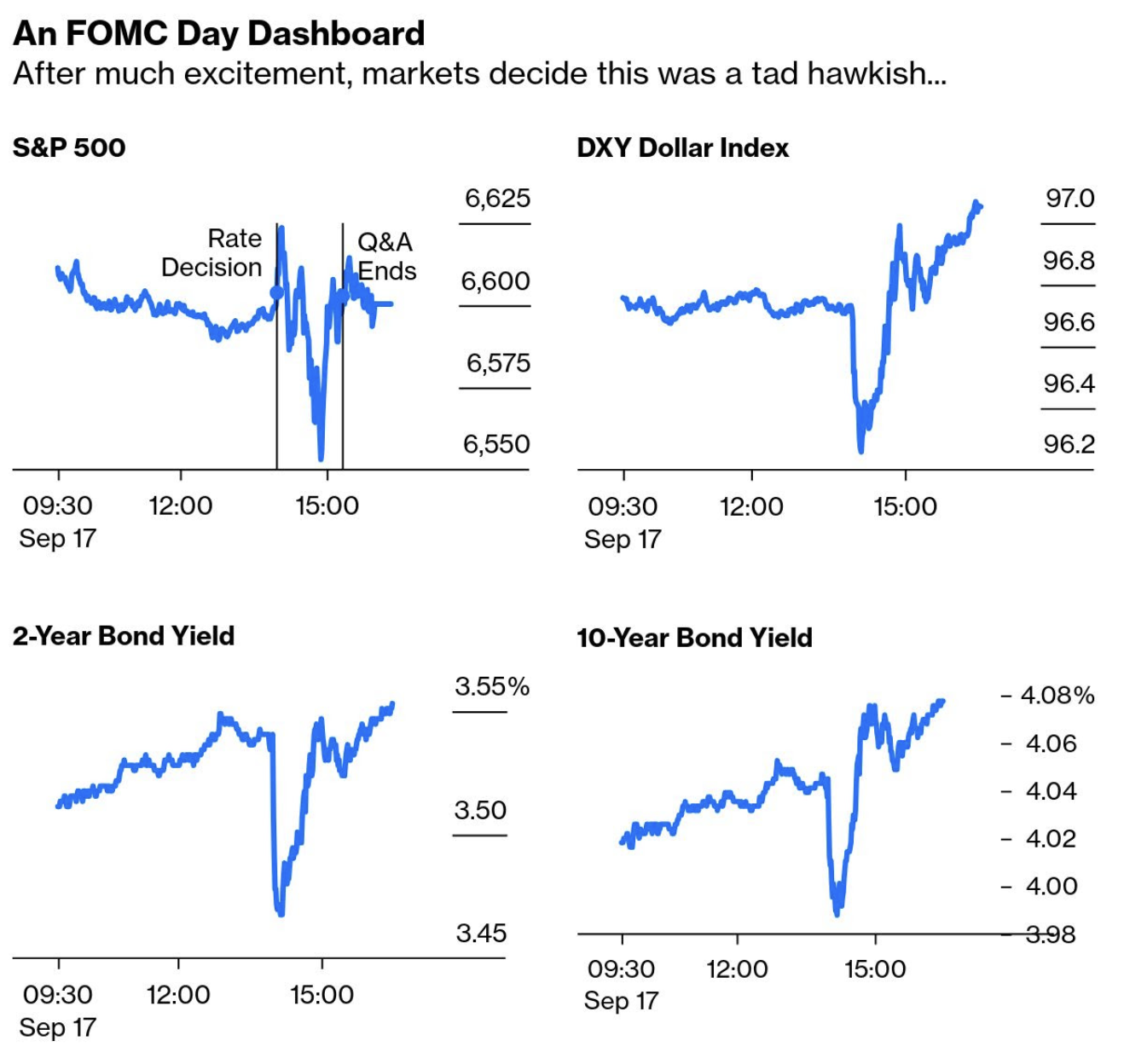
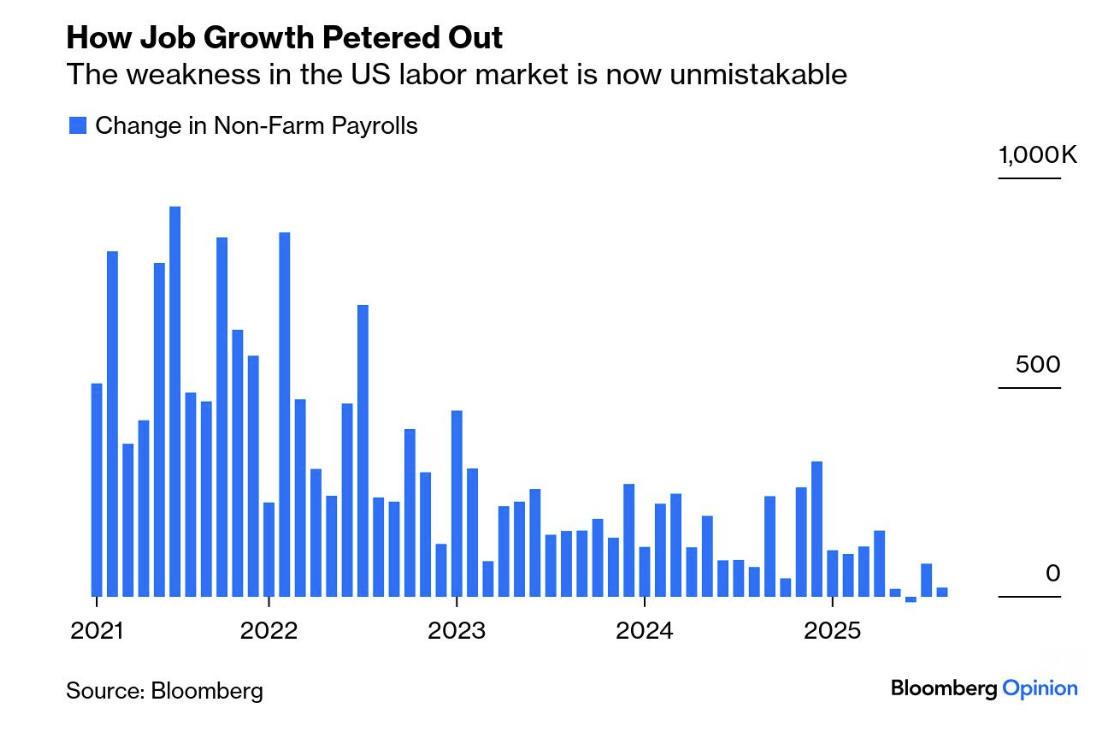
It doesn't take much these days to knock investors off balance. This week it was Trump's 25% on auto tariffs and a slightly hotter-than-expected inflation print. Tariffs are inflationary... a tax on the consumer. And with (services) inflation remaining stubborn... it gives the Fed very little wiggle room to cut rates. In combination with various geopolitical developments and aggressive government spending cuts from the Department of Government Efficiency (DOGE) - this has pushed policy uncertainty to its highest levels since late 2020.

How Far Will Multiple Expansion Take Us?

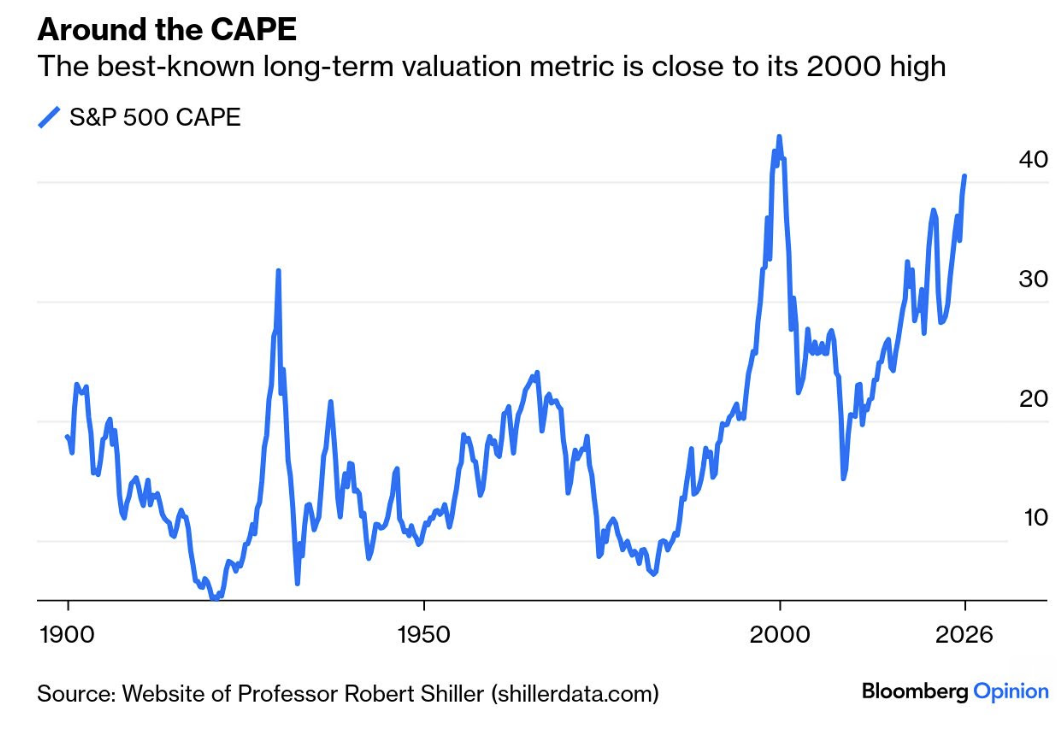
Earnings per share growth has averaged 8.3% pa from 2015 through today. However, capital appreciation in stocks (exclduing dividends) has seen a CAGR of 11.0% over the same 10-year period. This divergence is widening which indicates multiple expansion. From mine, investors should be braced for mean reversion.

How Buffett Built a $1.1 Trillion Cash Machine

How Buffett Built a .1 Trillion Cash Machine

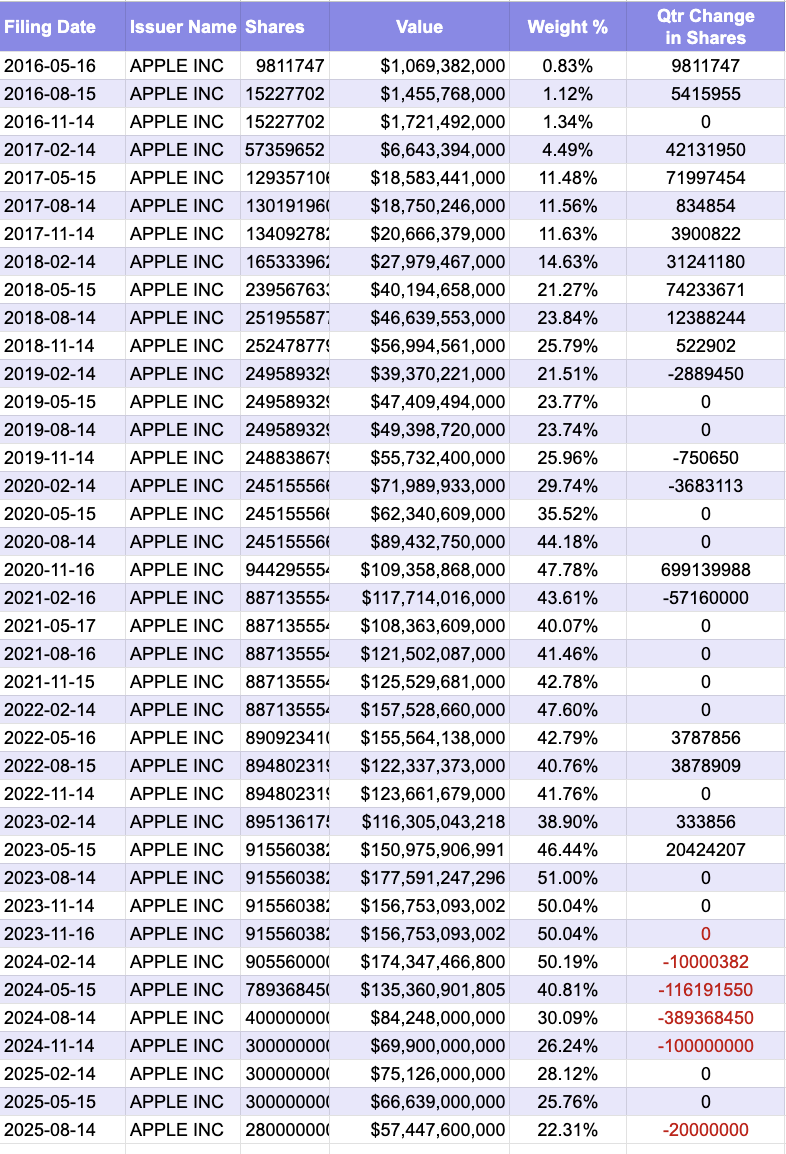
Whilst market's fret about slowing growth ("Ready for a Growth Scare?") - Warren Buffett sits back with a smile. His company - Berkshire Hathaway - rallied to fresh record high this week after the company reported a record high quarterly profit. Its market value is now over $1.1 Trillion. So how did Buffett build this incredible cash machine? I'll outline three (basic) reasons... all of which you can emulate.

Nvidia is Cheaper… But Not Cheap

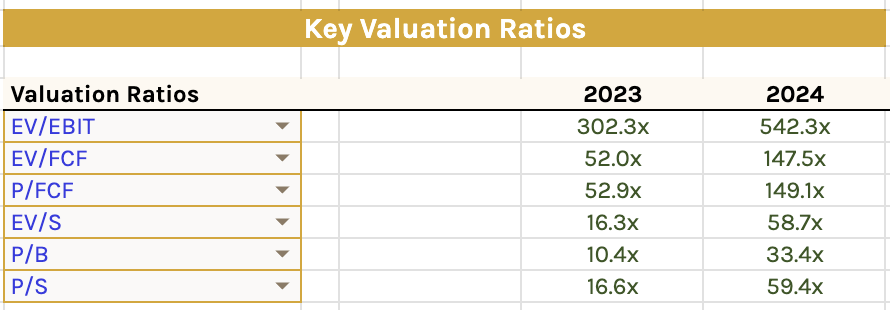
Nvidia's latest quarterly numbers were very impressive - producing 78% sales growth. They dominate the market for AI chips. A small nitpick could be the three point decline in gross margins (but that's expected). Let's not forget - those gross margins are still 73%. No-one else comes close in the semiconductor industry. So why would the stock tank 8.5%? Simple: expectations. The market knew that Nvidia was going to grow at revenue at least 70%+ where gross margins would be north of 70%. But growth is slowing (as they get bigger) and margins are declining (as competition starts to ramp up)

Buffett: “Often, Nothing looks Compelling”

Saturday Feb 22nd was circled on my calendar. It was the day Warren Buffett shared his annual shareholder letter. If you want to become a better long-term investor - it's worthwhile reading every one of his 59 letters (from 1965). With respect to valuations he offered this: “We are impartial in our choice of equity vehicles, investing in either variety based upon where we can best deploy your (and my family’s) savings. Often, nothing looks compelling; very infrequently we find ourselves 'knee-deep' in opportunities.”

Investor’s (Valid) Capex Concerns w/AI

Large-cap tech's planned capex for 2025 is worrying investors. What will be the return on that capital? Never before have these companies made such large bets. Before DeepSeek, it was assumed the tech giants - with their deep pockets and almost limitless resources - would enjoy a wide moat in the AI arena. And from there, that justified the high valuation multiples. Not now. DeepSeek’s arrival challenges those long held assumptions (and valuations).

Simplifying Quality & Value

Charlie Munger once joked "all I want to know is where I’m going to die, so I’ll never go there.” Jokes aside - it's the same approach you should apply with investing. And it's not difficult to do. The math is very simple -- addition, subtraction, division and multiplication. If you have access to a calculator - you're all set. The challenge is mastering your emotions (and any self-defeating behaviors). A calculator (or AI) can't help you with that. This game is more EQ than it is IQ. Think of it as a test of your character versus your intellect. For e.g. - many highly intelligent people get investing wrong (e.g., due to emotions such as greed, fear or some inherent bias). This post talks about how we can simplify our approach to avoid taking excessive risks

2025 – Finding Quality at Reasonable Prices

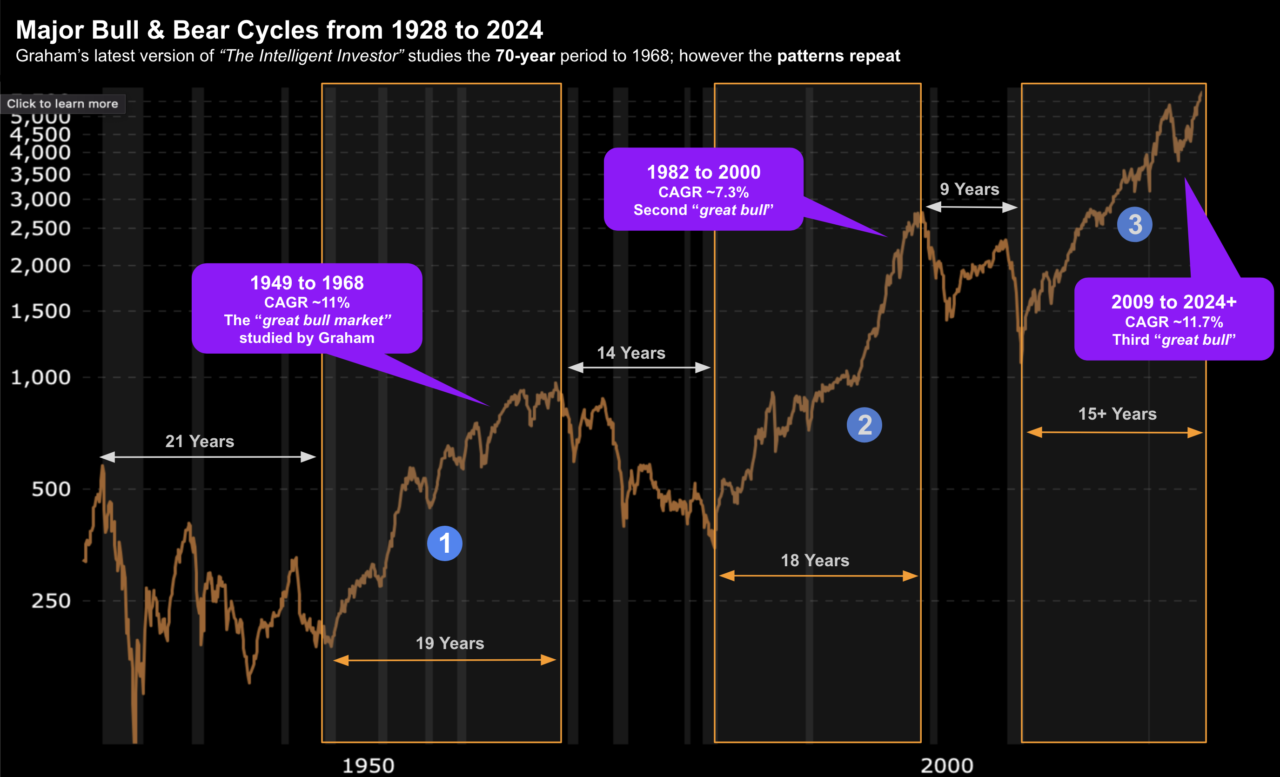
The S&P 500 recorded a 23.3% gain for 2024. For the first time since 1998 - posted two consecutive years of gains above 20%. Not bad right? Well if we extend our time horizon to include 2022 - the market's CAGR is just 7.2% (below its long-term average of ~8.0% exc dividends) Mmm. Not as good. And over 5 years - the S&P 500 CAGR is is 12.7%; and over 10 years its 12.4%. It's important we measure results over a period of at least 5 years (preferably 10). 2-3 years is a very short amount of time... where all kinds of distortions will happen. But over time - these distortions are always corrected. My point? Things always mean revert... and one should never 'cherry pick' dates to fit a narrative.

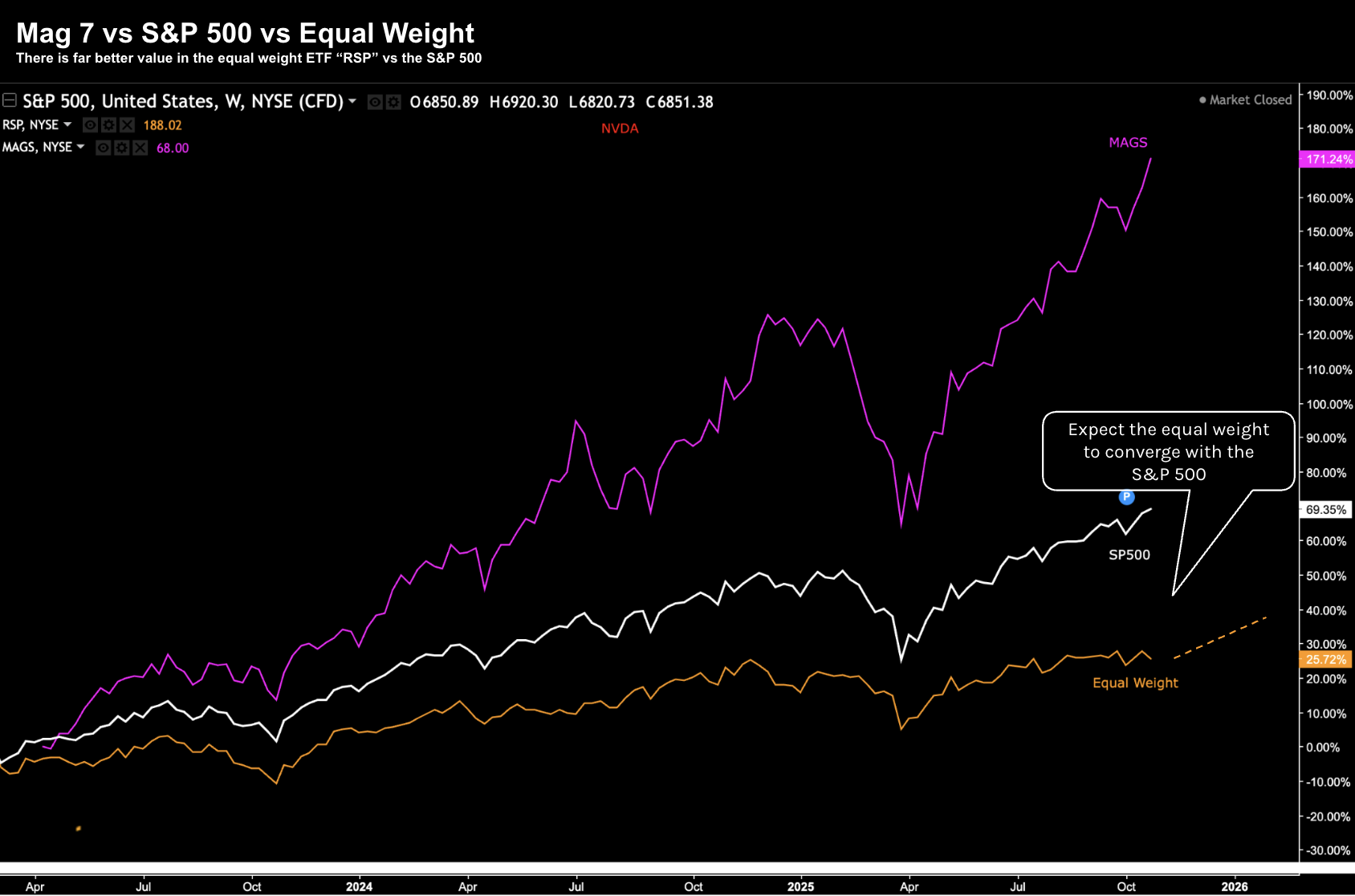
NVDA: What Do You Pay for Growth?

2024 will go down as another great year for stocks in the trader's almanack. However, what won't be recorded is just seven stocks comprised ~54% of the S&P 500 total gains (~24% with two trading days remaining). It's a bit like golf - you only need to record the final score - not how you did it. However, the how matters (not just the 'what'). This post will address the question of what to pay for one the most popular stocks today - Nvidia (NVDA). The asking price is $137 at 32x forward earnings. But does that represent great value given its growth assumptions?

Inflation x Rates = Uncertainty

The stock market could not be more optimistic. And perhaps not since the dot.com bubble of 1999 - have investors been so sure of the future. Excited by a business friendly government coming to power; lower inflation; consumers continuing to spend - what's not to like? I can think of one thing.... valuations. If buying stocks today - you're paying through the nose. And for me - that increases your risk.