Category Valuations

AI Infrastructure ROI: Why Investors are Questioning the $1 Trillion Capex Cycle AI Infrastructure ROI: Why Investors are Questioning the $1 Trillion Capex Cycle

AI Infrastructure ROI: Why Investors are Questioning the  Trillion Capex Cycle

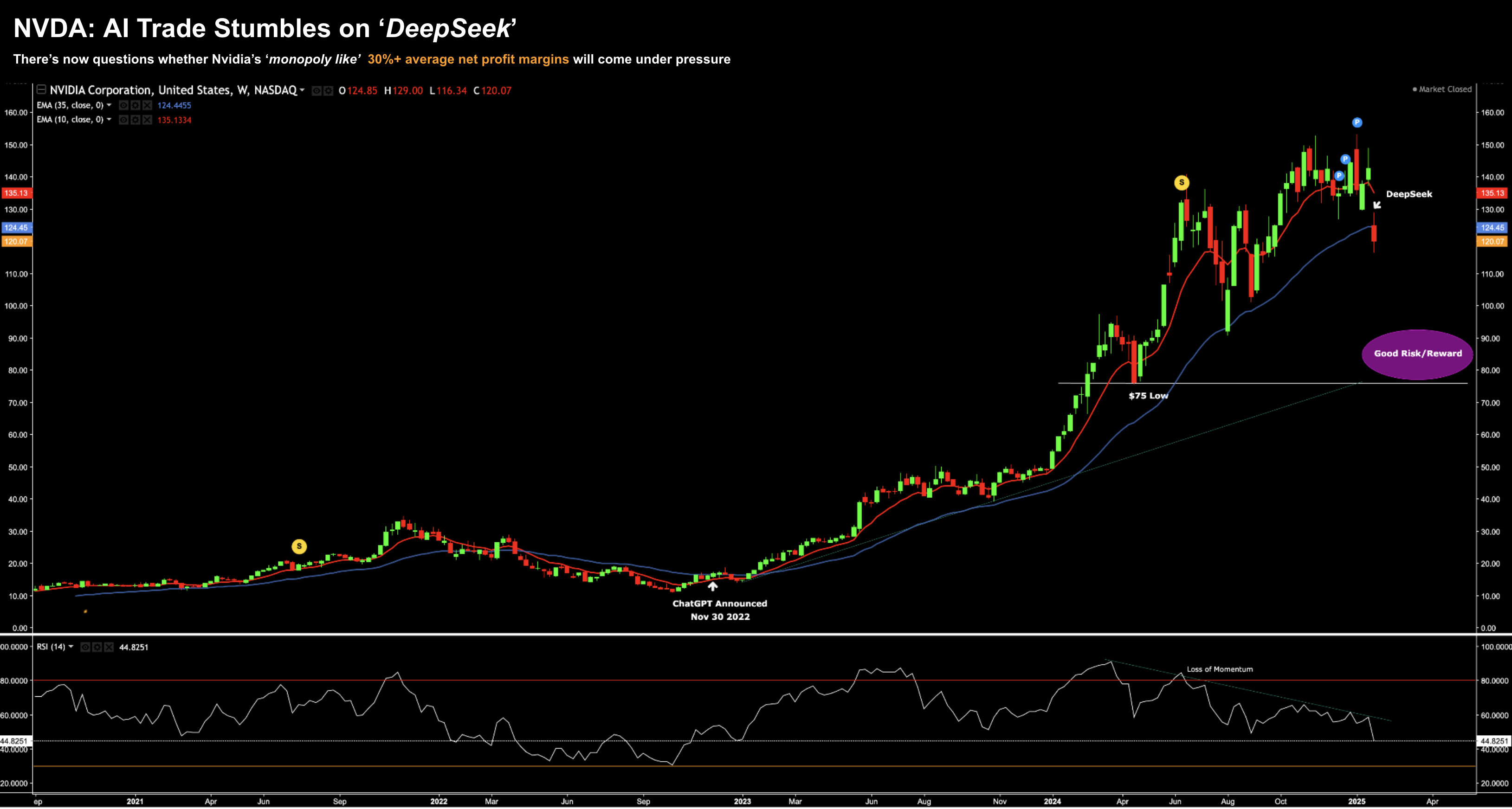
AI investors were caught off guard this week on news of China's ChapGPT rival "DeepSeek". It's alleged DeepSeek was developed far more cost-effectively (millions vs billions) than OpenAI's ChatGPT (and similar large language models). If true (and we don't know) - this raises questions about the sustainability of current U.S. AI infrastructure investments - forecast to top $1 Trillion next year. All of a sudden - valuations for these AI stocks are being questioned.
Why Warren Buffett Bought SiriusXM: A Deep Dive into ROIC, Cash Flow, and Value Trap Risks Why Warren Buffett Bought SiriusXM: A Deep Dive into ROIC, Cash Flow, and Value Trap Risks

Why Warren Buffett Bought SiriusXM: A Deep Dive into ROIC, Cash Flow, and Value Trap Risks

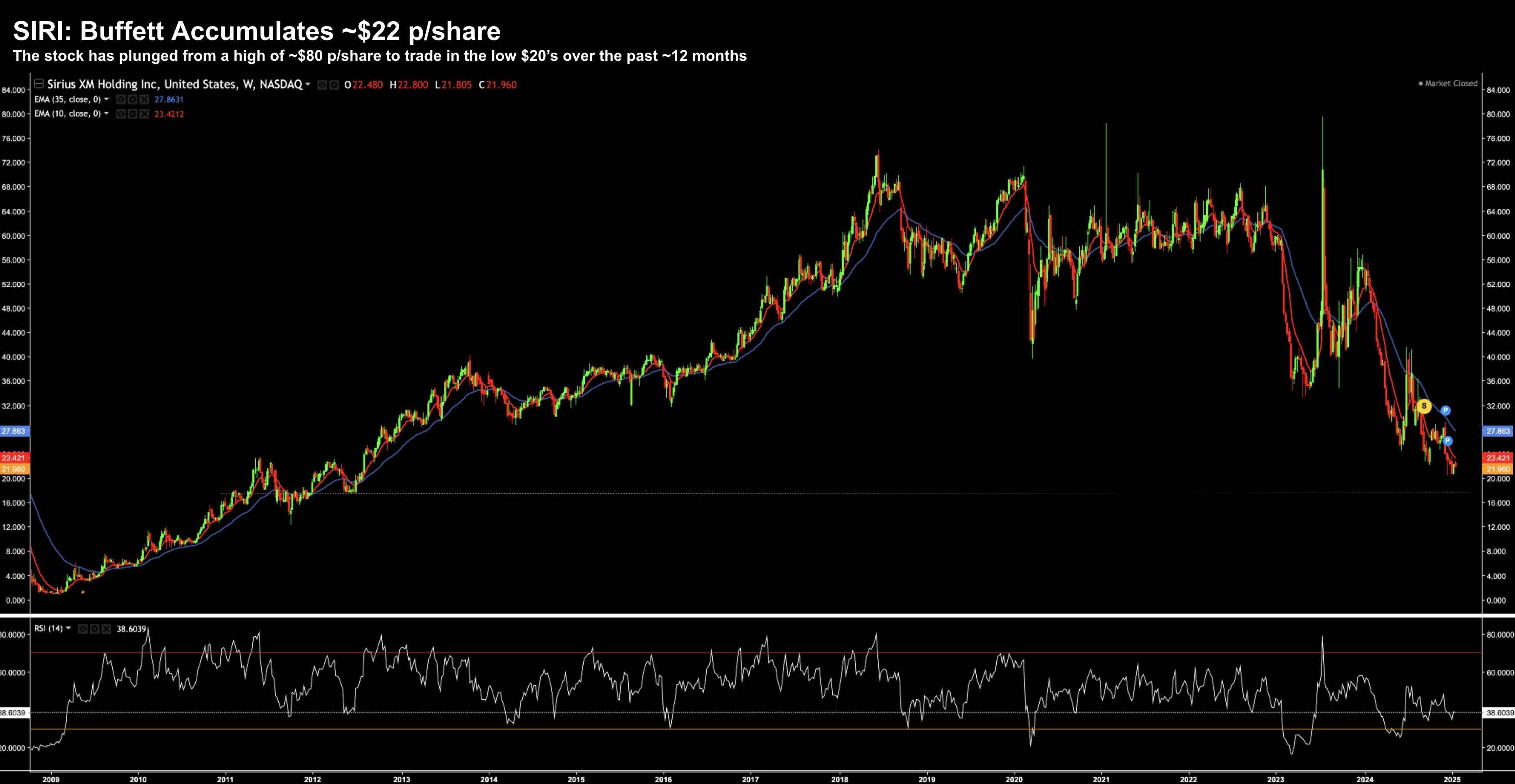
Recently Warren Buffett increased his stake in SiriusXM (SIRI) to over 32% of all available stock. However, with the company losing subscribers - where revenue and earnings in decline - why would the Oracle of Omaha increase his ownership? Two reasons: (a) first its return on invested capital and free cash flow; and (b) the value offered. This post explains both the quality and value arguments for Buffett choosing to increase his exposure to this unloved stock...

How to Identify High-Quality Stocks: A Simple Framework for Quality, Value, and ROIC How to Identify High-Quality Stocks: A Simple Framework for Quality, Value, and ROIC

How to Identify High-Quality Stocks: A Simple Framework for Quality, Value, and ROIC

Charlie Munger once joked "all I want to know is where I’m going to die, so I’ll never go there.” Jokes aside - it's the same approach you should apply with investing. And it's not difficult to do. The math is very simple -- addition, subtraction, division and multiplication. If you have access to a calculator - you're all set. The challenge is mastering your emotions (and any self-defeating behaviors). A calculator (or AI) can't help you with that. This game is more EQ than it is IQ. Think of it as a test of your character versus your intellect. For e.g. - many highly intelligent people get investing wrong (e.g., due to emotions such as greed, fear or some inherent bias). This post talks about how we can simplify our approach to avoid taking excessive risks

Margin of Safety: Why Valuation Guardrails Matter in Euphoric Markets Margin of Safety: Why Valuation Guardrails Matter in Euphoric Markets

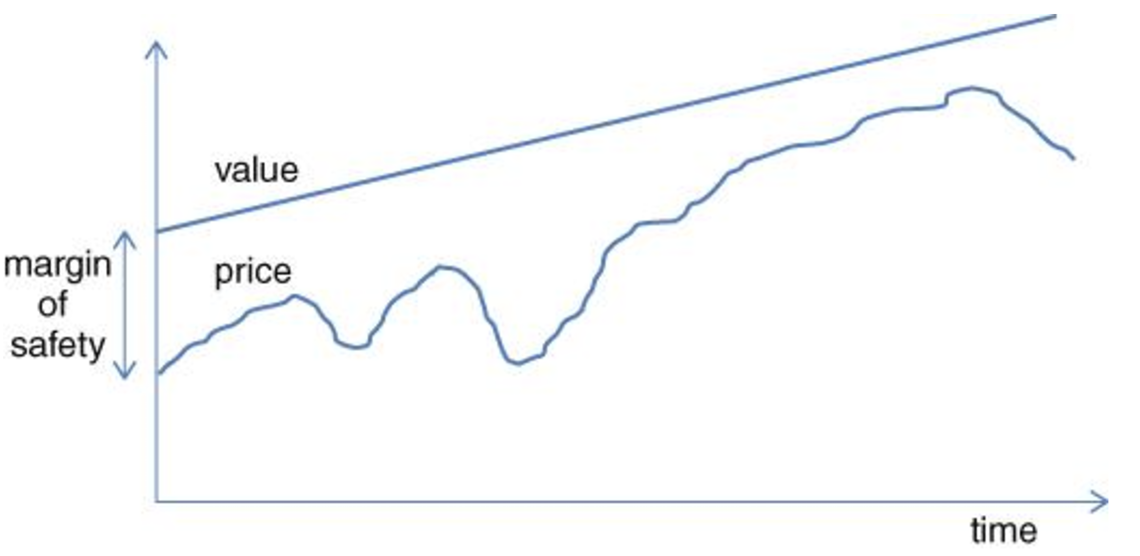
Margin of Safety: Why Valuation Guardrails Matter in Euphoric Markets

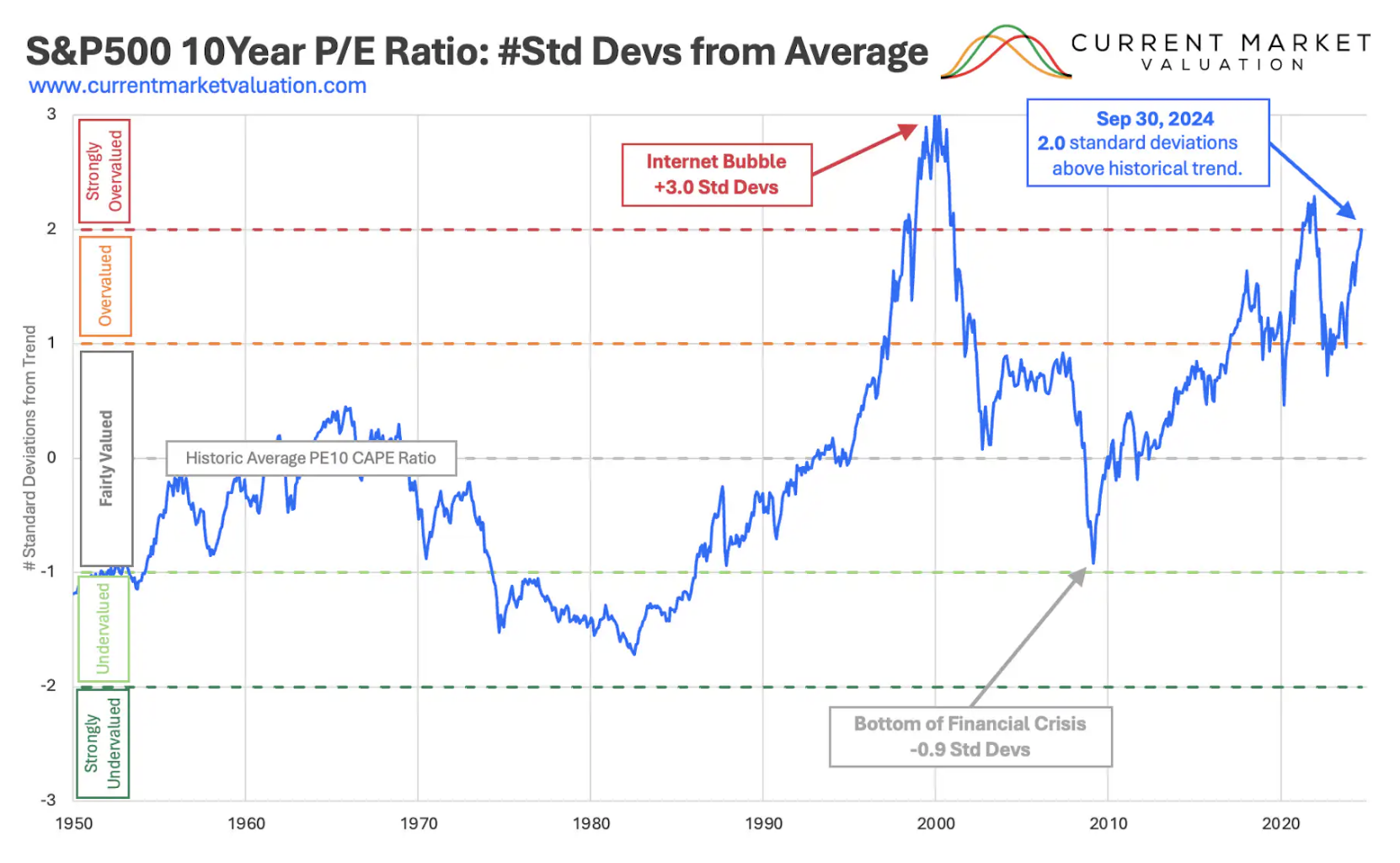
It would not surprise me to see 2025 repeat the drawdowns we saw in 2022. And we could see 10-15% lower in the first half. For example, during Q4 2021 - I warned of excessive valuations (specifically in tech). That was timely. However, it's different this time. 10-year yields are now above 4.70%. And should they continue their march towards 5.0% - valuations (and earnings) will be challenged. That said, Wall St. "experts" are assuming significant earnings growth for next year (evidenced by the average 6,600 2025 target at an expected 25x forward multiple). They're adopting a "lottery ticket" mentality - where the majority of investors naively expect extraordinary returns with little regard for downside risks.

2025 – Finding Quality at Reasonable Prices

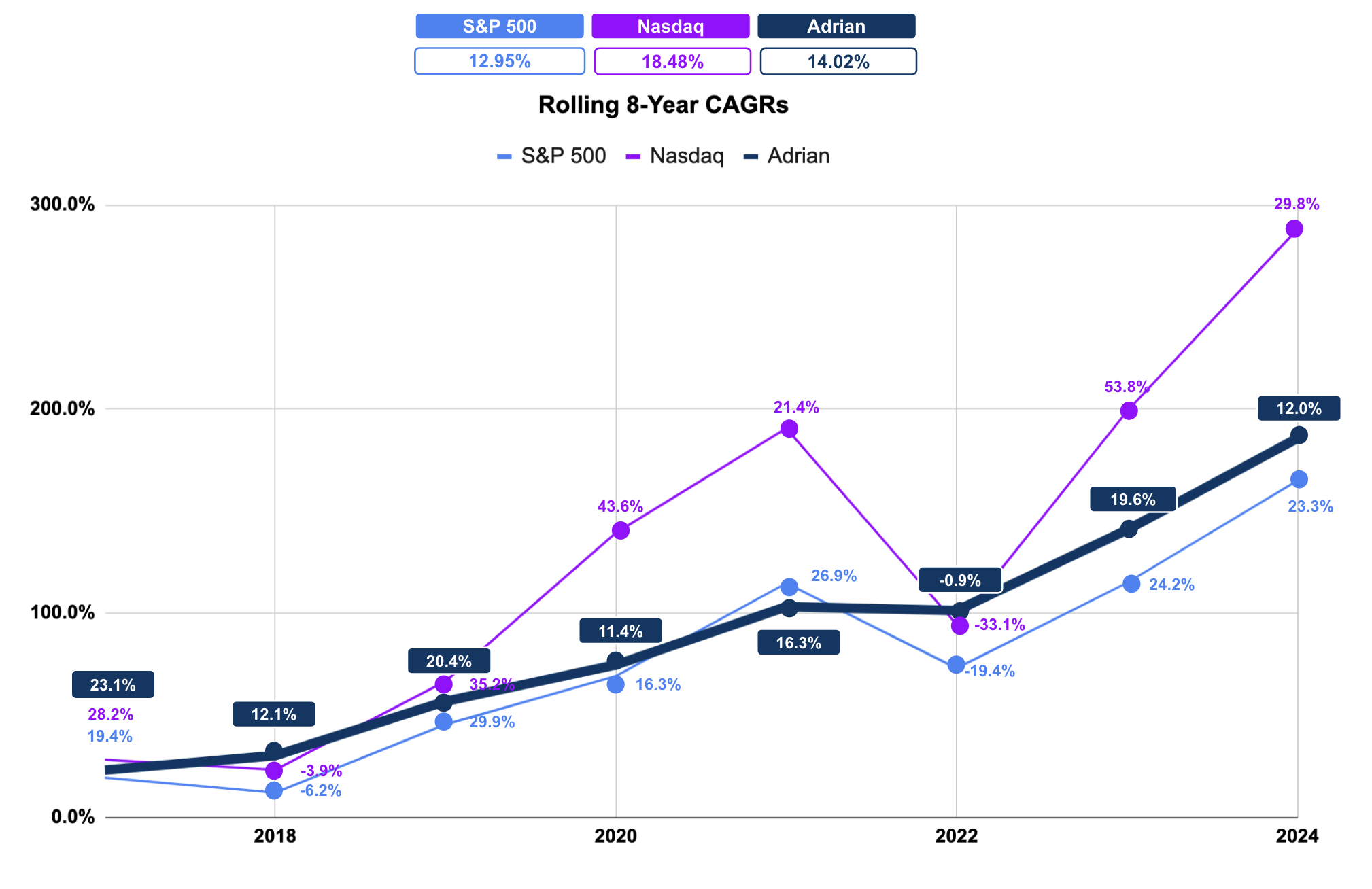
The S&P 500 recorded a 23.3% gain for 2024. For the first time since 1998 - posted two consecutive years of gains above 20%. Not bad right? Well if we extend our time horizon to include 2022 - the market's CAGR is just 7.2% (below its long-term average of ~8.0% exc dividends) Mmm. Not as good. And over 5 years - the S&P 500 CAGR is is 12.7%; and over 10 years its 12.4%. It's important we measure results over a period of at least 5 years (preferably 10). 2-3 years is a very short amount of time... where all kinds of distortions will happen. But over time - these distortions are always corrected. My point? Things always mean revert... and one should never 'cherry pick' dates to fit a narrative.

NVDA: What Do You Pay for Growth?

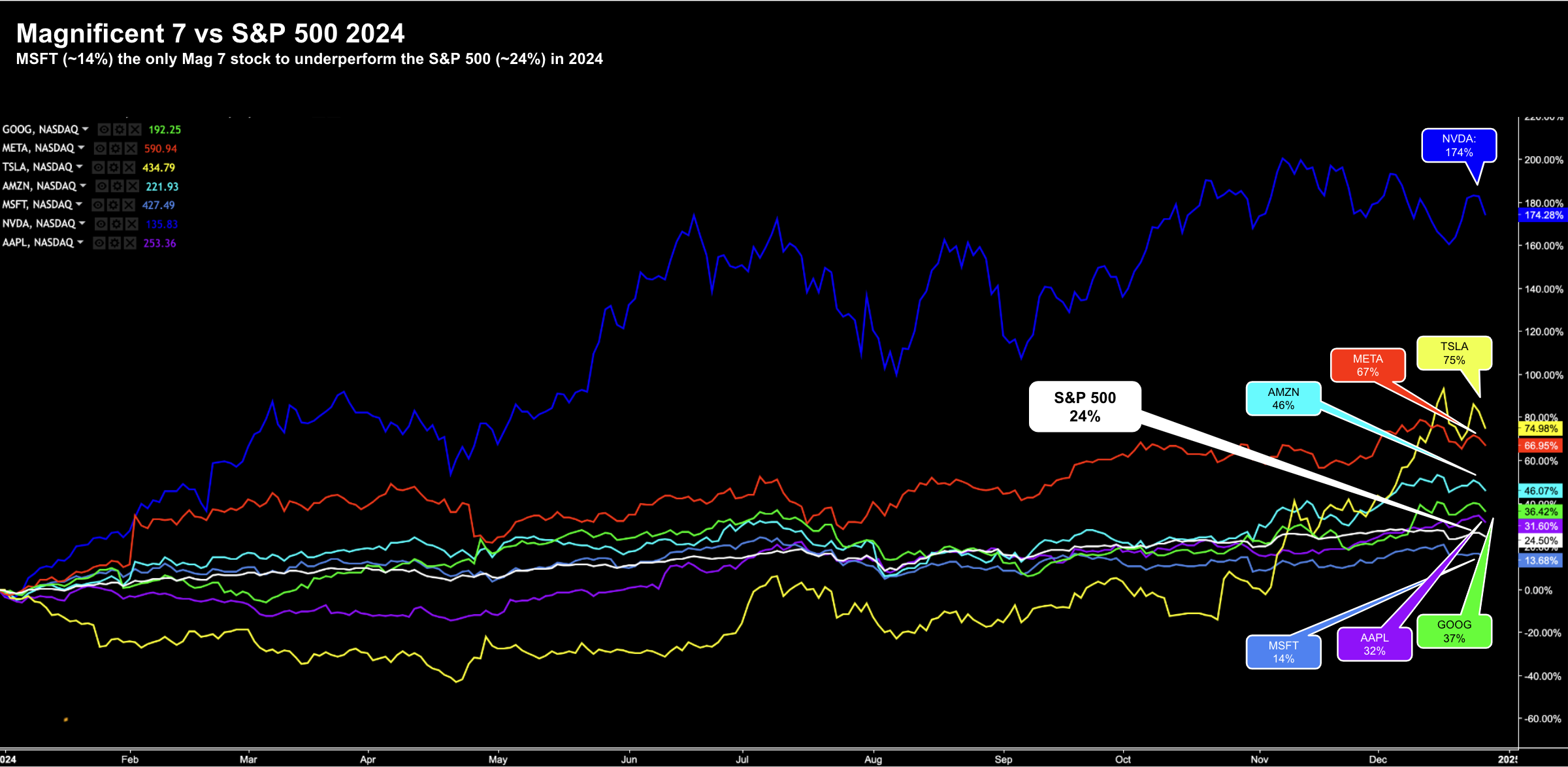
2024 will go down as another great year for stocks in the trader's almanack. However, what won't be recorded is just seven stocks comprised ~54% of the S&P 500 total gains (~24% with two trading days remaining). It's a bit like golf - you only need to record the final score - not how you did it. However, the how matters (not just the 'what'). This post will address the question of what to pay for one the most popular stocks today - Nvidia (NVDA). The asking price is $137 at 32x forward earnings. But does that represent great value given its growth assumptions?

Inflation x Rates = Uncertainty

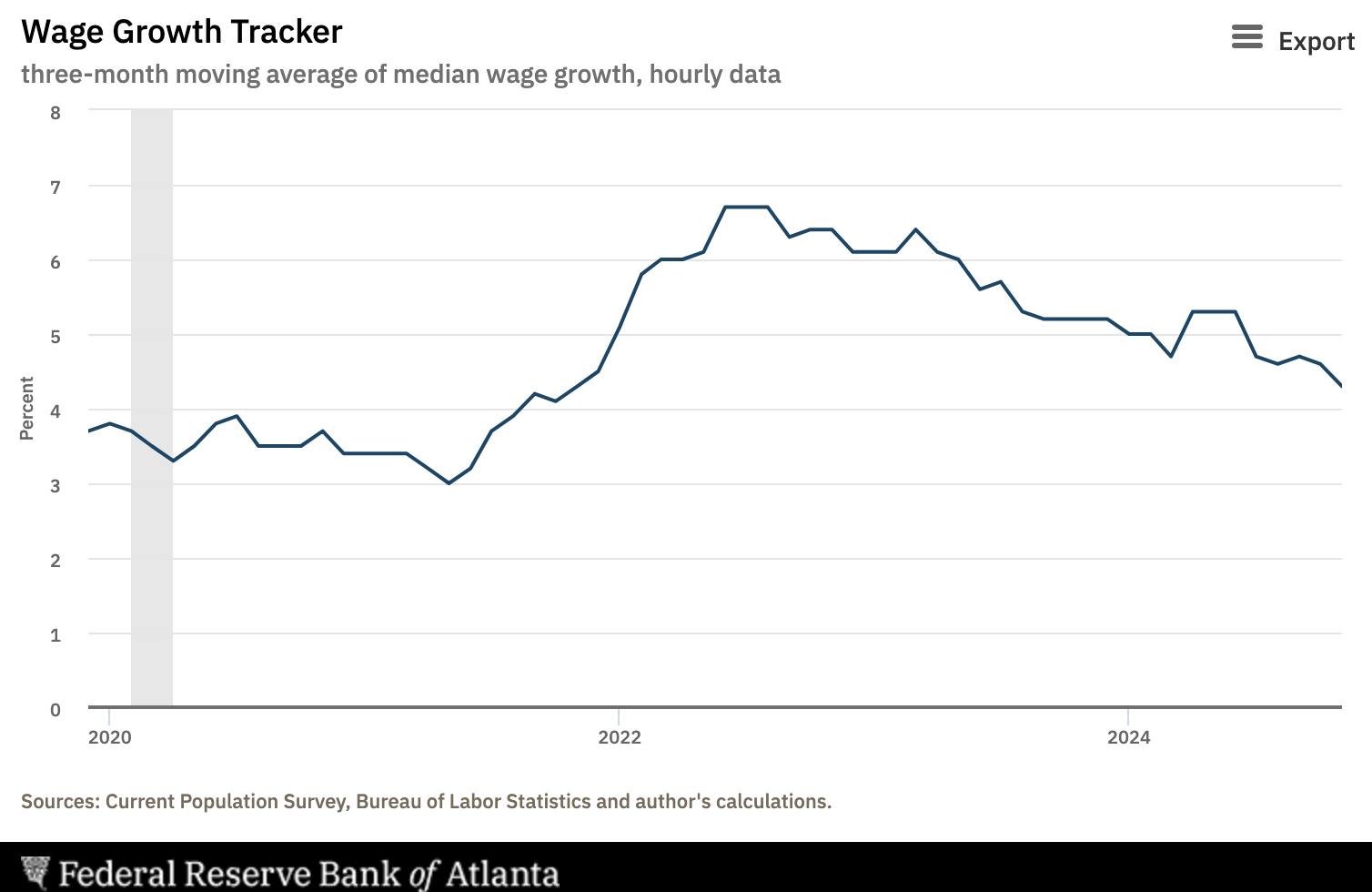
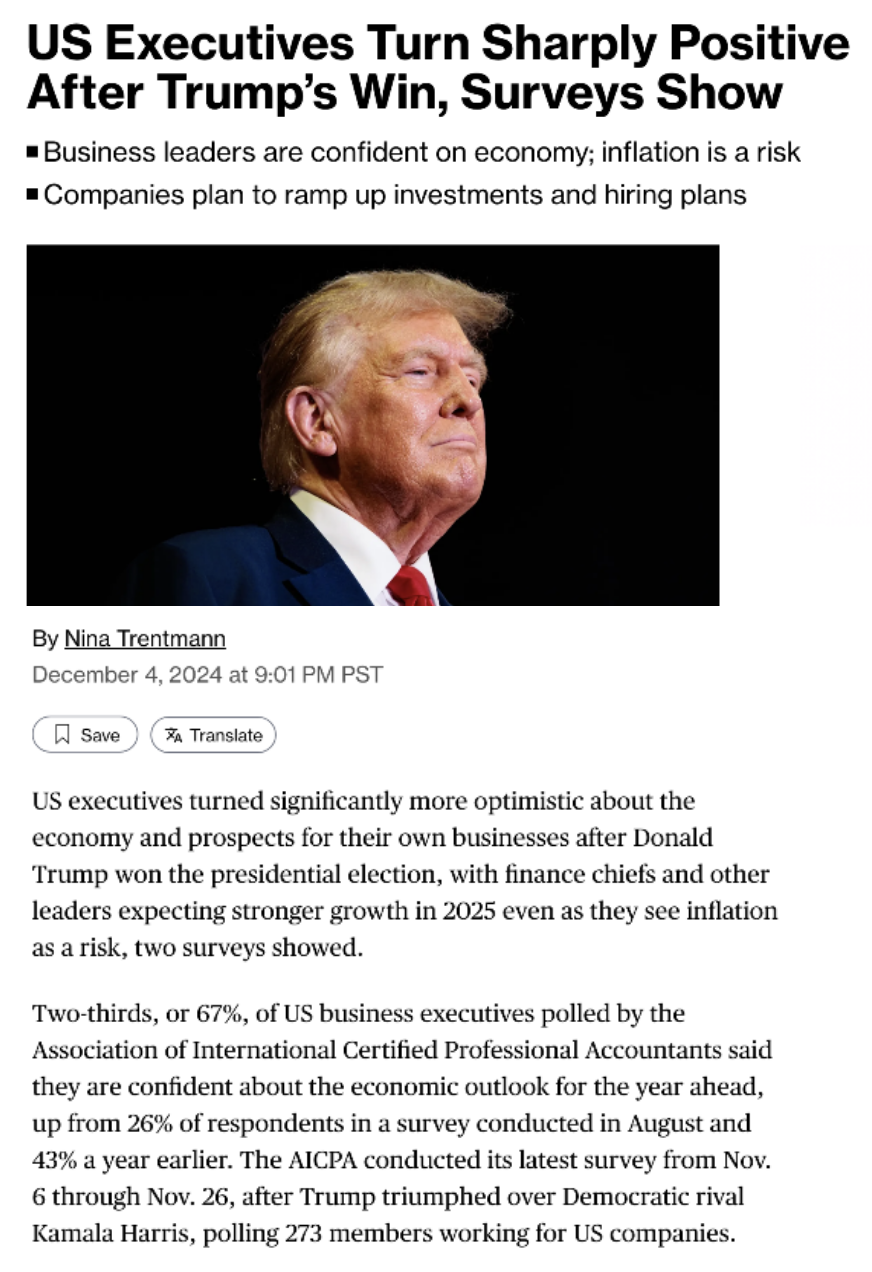
The stock market could not be more optimistic. And perhaps not since the dot.com bubble of 1999 - have investors been so sure of the future. Excited by a business friendly government coming to power; lower inflation; consumers continuing to spend - what's not to like? I can think of one thing.... valuations. If buying stocks today - you're paying through the nose. And for me - that increases your risk.

Price vs Value

Markets could not be more optimistic about the future. We see it with consumer sentiment, spending and in the stock market. For example, the S&P 500 surged to a new record high 6090 - far exceeding the most bullish of forecasts from 12 months ago. Will analysts be equally bullish about 2025? Post Trump's Nov 5th win - the bulls have found another gear. Trump has painted a compelling vision of a US economic resurgence built on three primary pillars: (i) lower taxes; (ii) sweeping deregulation and government reform; and (iii) an
emphasis on domestic production. Why does this have corporate America very excited?

Munger on Intelligent Investing

With markets at record highs - trading at very high valuations - I felt it was timely to revisit investing lessons from Charlie Munger. Sadly, Charlie passed away late last year - just shy of his 100th birthday. Whilst Charlie was an incredible investor - what I loved most was his ability to draw insights from many disciplines - which included the study of psychology, economics, physics, biology, history, architecture among other things. This enabled Charlie to develop a lattice of “mental models” to cut through difficult problems. Over the years, I've found Charlie's insights into investing, business and life not only rare but generally correct. What's more, they stand the test of time.

Tobin’s Q-Ratio Trades at Historical Highs

By just about any intrinsic measure - the stock market looks expensive. Ben Graham would be warning investors to heed caution. Now one of the more widely cited metrics is its forward price-to-earnings (PE) ratio - which trades at a very high 22x. However, another intrinsic measure is James Tobin's Q-Ratio - which now trades at a record high - exceeding that of the dot.com bust. And whilst not a great timing tool - it maintains a very reliable record of picking long-term secular highs.