Category Valuations

Benjamin Graham’s ‘The Intelligent Investor’

Over the 14 years writing this blog - I've mentored many people on how to become a better investor. It's something I enjoy and a large part of why I've written this blog for so long. As part of that, one of the (many) books I highly recommend is Benjamin Graham's timeless classic "The Intelligent Investor". Unfortunately this is not a great book for those beginning their investing career. It's very dense and requires a lot of time and focus. I had the idea to write a 20-part summary of the book -- where each part corresponds to a chapter. And where practical - I produced up-to-date examples of his principles - simply to illustrate that nothing changes. And whilst someone will always say "it's different this time" - the truth is very rarely is it different.
The Trump Trade Stalls

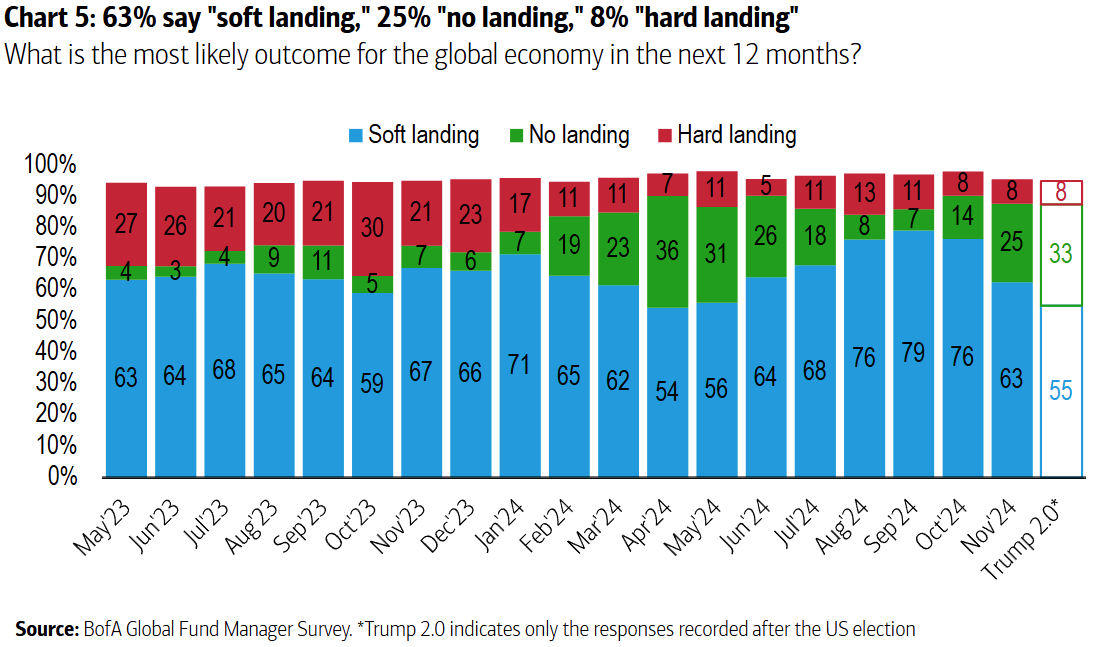
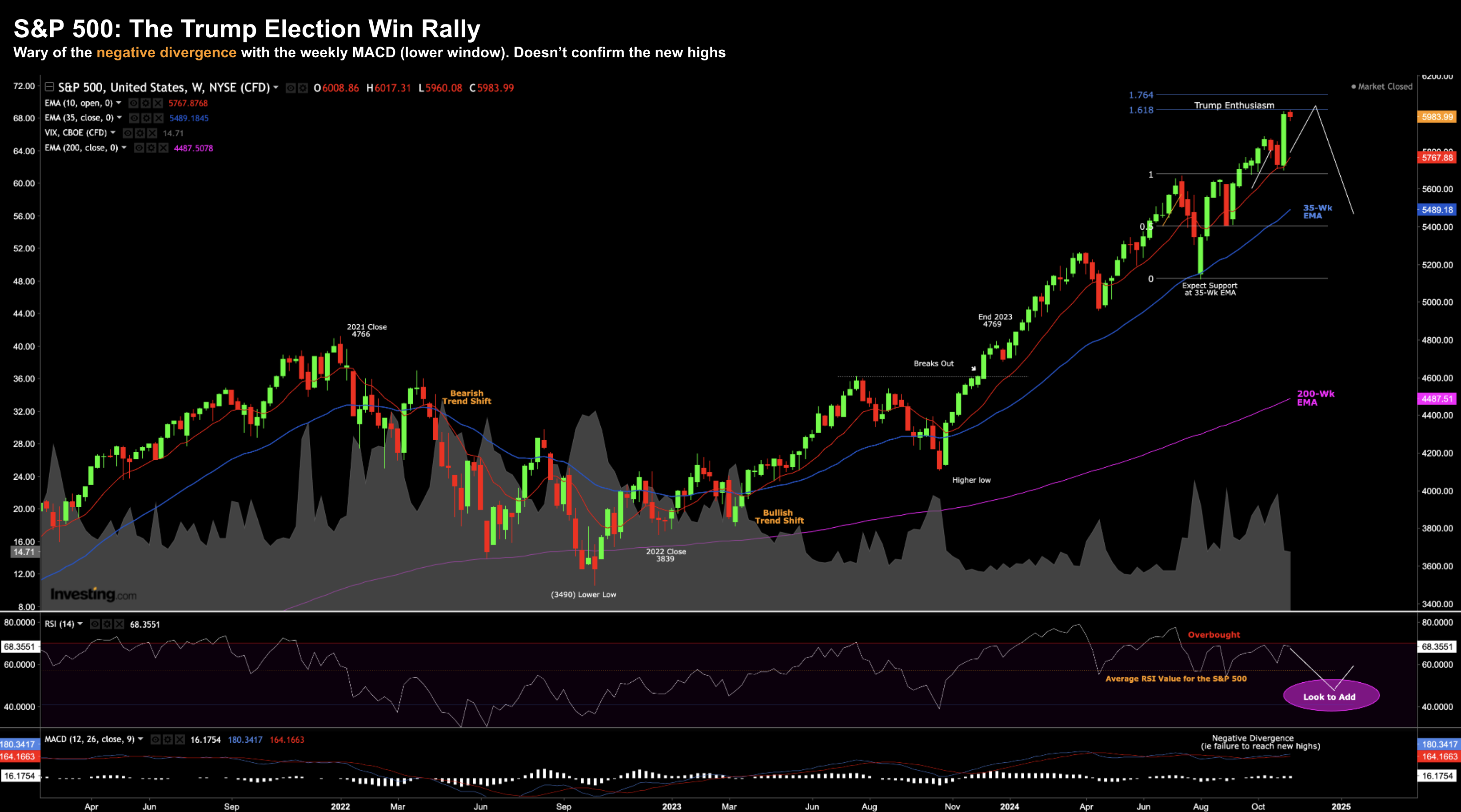
Last week when assessing the surge in markets - I offered examples of how market (sector) dynamics shifted. Adding to that theme - I was not overly surprised to read how institutional investors are putting money to work. For example, Bank of America Corp.’s monthly survey of global fund managers indicates that Trump's decisive win is perceived as a potential turning point for investment strategies. And whilst that could be true - it pays to look at history... what can we gauge from Trump 1.0 (and the impact on markets).

Time to be Greedy or Fearful?

Warren Buffett is famous for saying "be fearful when others are greedy; and be greedy when they are fearful". Today the Oracle of Omaha sits on a record $325B in cash - a record for Buffett - and over 30% of his entire portfolio. Investor enthusiasm today is wildly optimistic about future growth and earnings post the election result. And whilst surging prices are a sign of confidence - markets are also notoriously fickle...

Stocks Losing Momentum

Are stocks starting to lose momentum? This week saw the S&P 500 reverse course - its first losing week since early September. Could there be more to come? My answer is yes - perhaps as much as 7-10%. However, it's a question of timing. Irrespective, paying 22x forward earnings is a higher-risk bet.

Why Buffett’s Mentor Would Reduce Risk

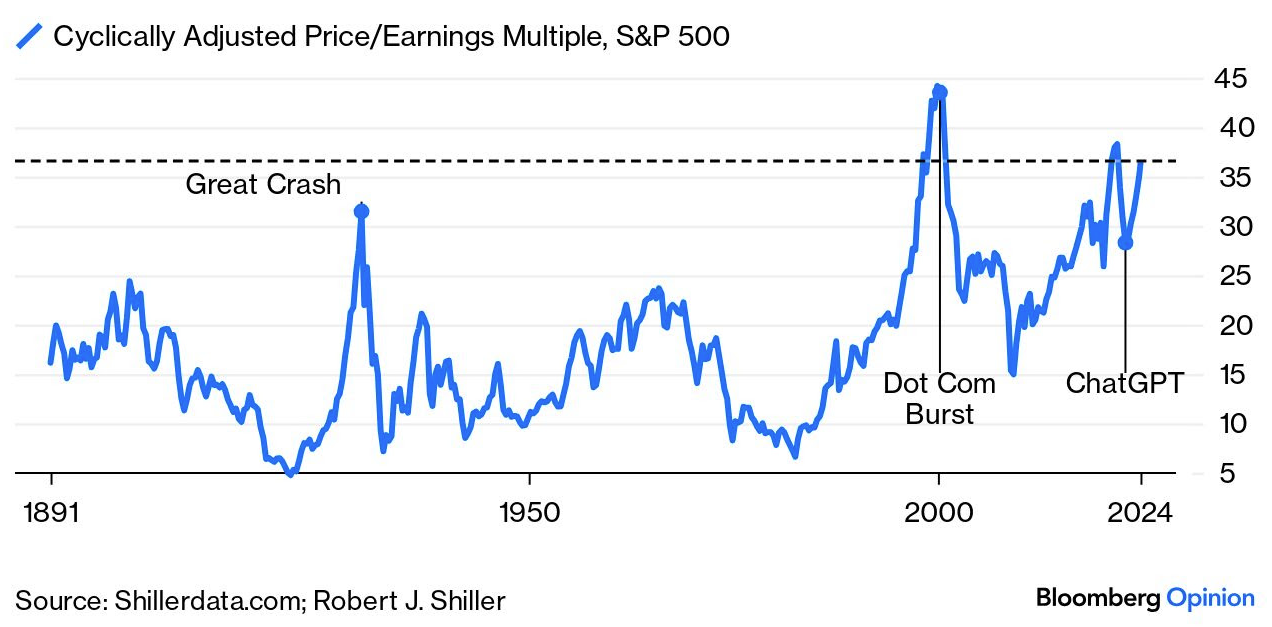
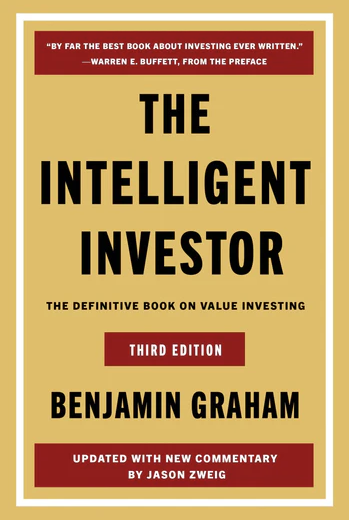
I've been re-reading "The Intelligent Investor" by Benjamin Graham. Warren Buffett called it "by far the best book on investing ever written" - crediting Graham with laying the foundation for his entire investment philosophy. The book taught me three powerful lessons: (1) above all else, investing is about protecting your capital; (2) investors should strive to pursue adequate and sustainable gains; and (3) it requires overcoming self-defeating behaviors (e.g., fear, greed and bias). The lessons could not be more timely given today's excessive valuations.

Not All Consumers Are Spending

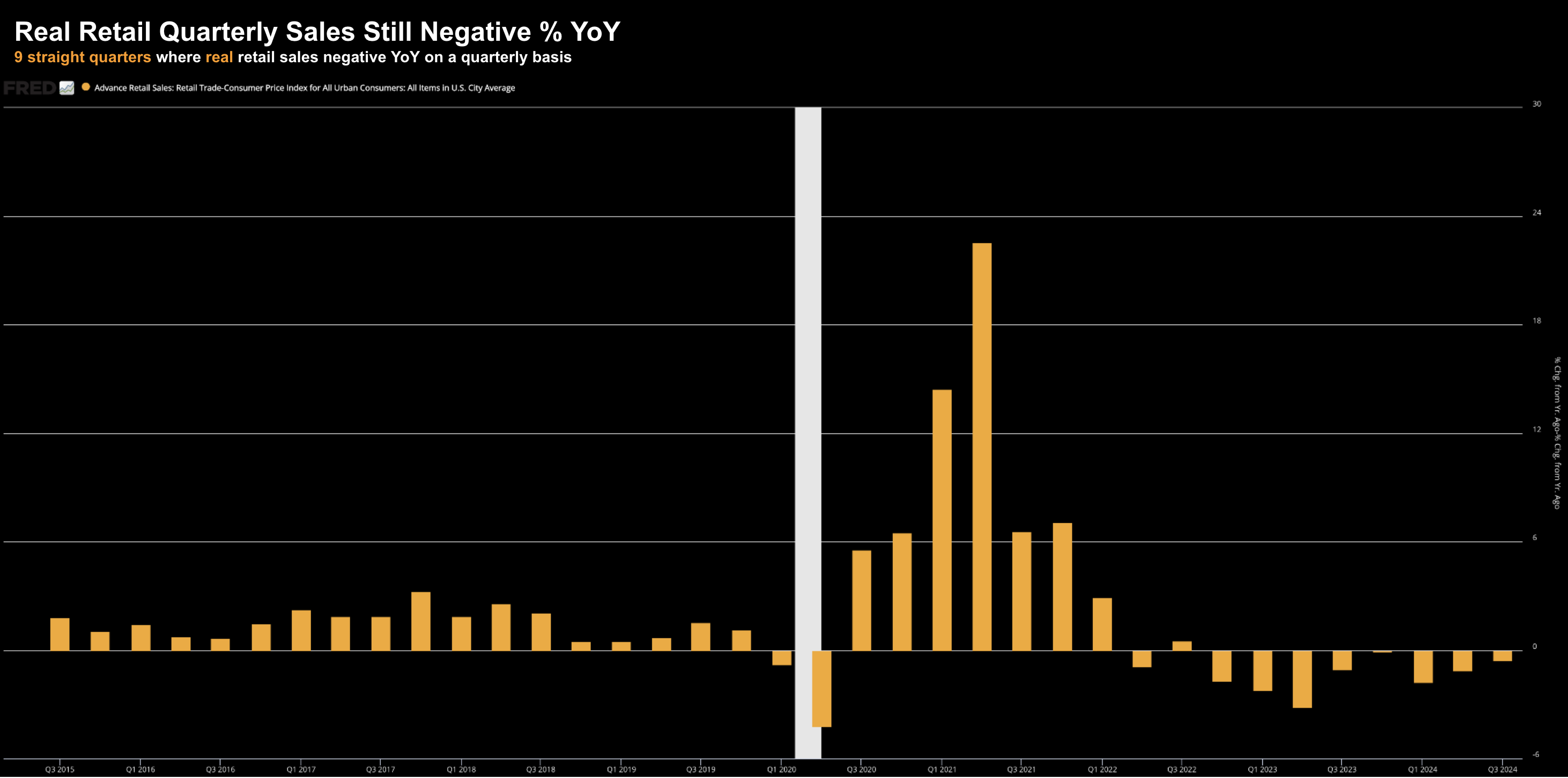
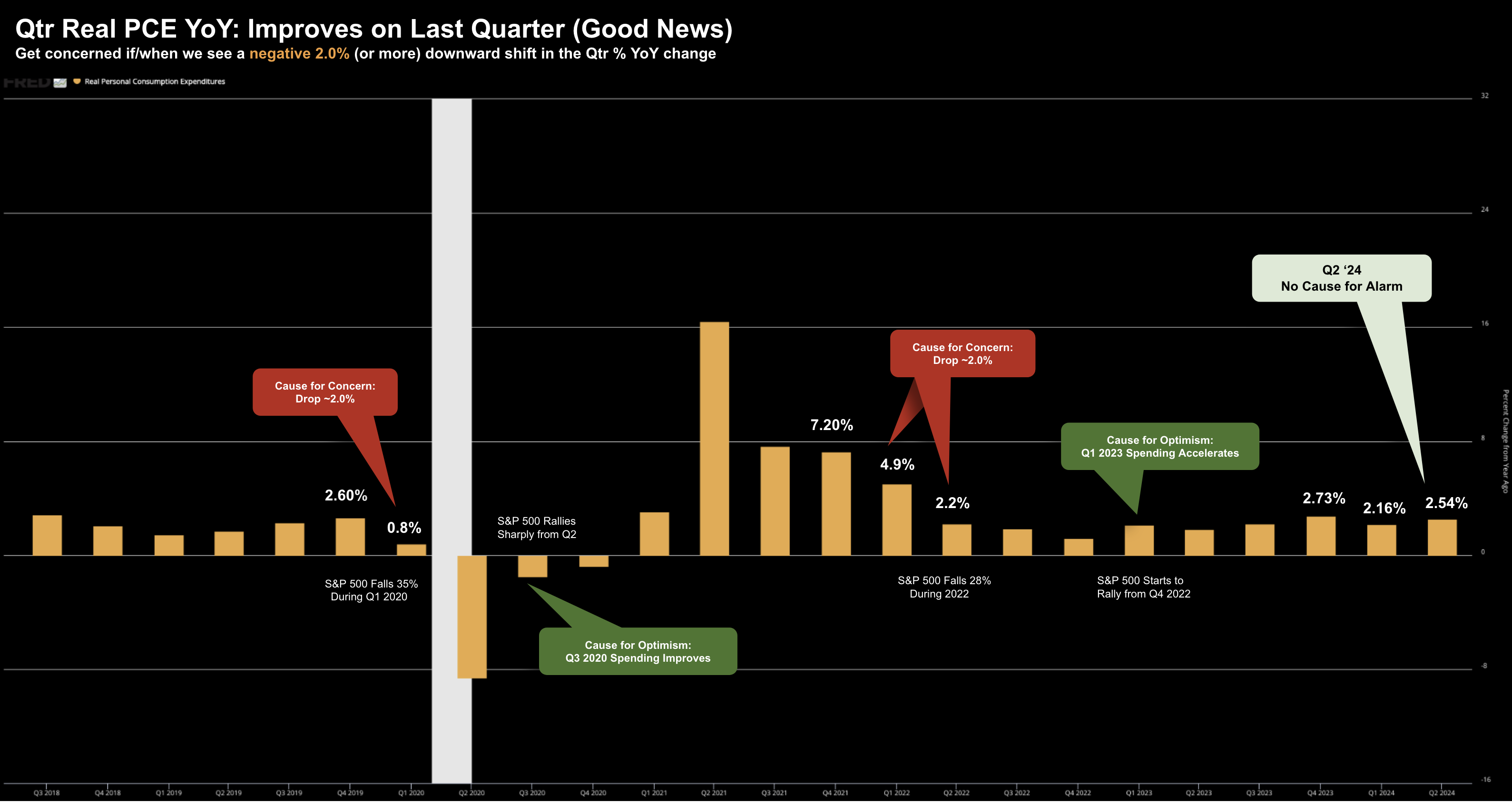
Never underestimate the U.S. consumers want to spend. Well some of them at least. Last month's retail figures exceeded expectations - up 1.7% YoY in nominal terms (not adjusted for inflation). But here's the important point - these are nominal sales and only one month of data. One month is not overly helpful. When averaged over one quarter (which helps remove noise) - adjusted for inflation ( real terms) - and assessing the year-over-year change - growth is negative. And they have been negative in real terms for 9 straight quarters... this matters.

The Fiscal Tailwinds Helping Stocks

Will fewer rate cuts dampen the enthusiasm for stocks? It certainly hasn't to this point. And could higher bond yields impact stock valuations? So far the market is not bothered. These (and other) questions need to be weighed carefully with the S&P 500 trading ~21.5x forward earnings. And whilst the multiple is heavily skewed by the 'Mag 7' - 21.5x is far from cheap. What's more, from a historical perspective, paying a multiple above 20x offers investors a very low risk premium (e.g., with the risk free rate above 4.0%). But wait... what's to say stocks cannot rise further? We'll explore why they can...

Don’t Bet on 50 Bps for Sept.

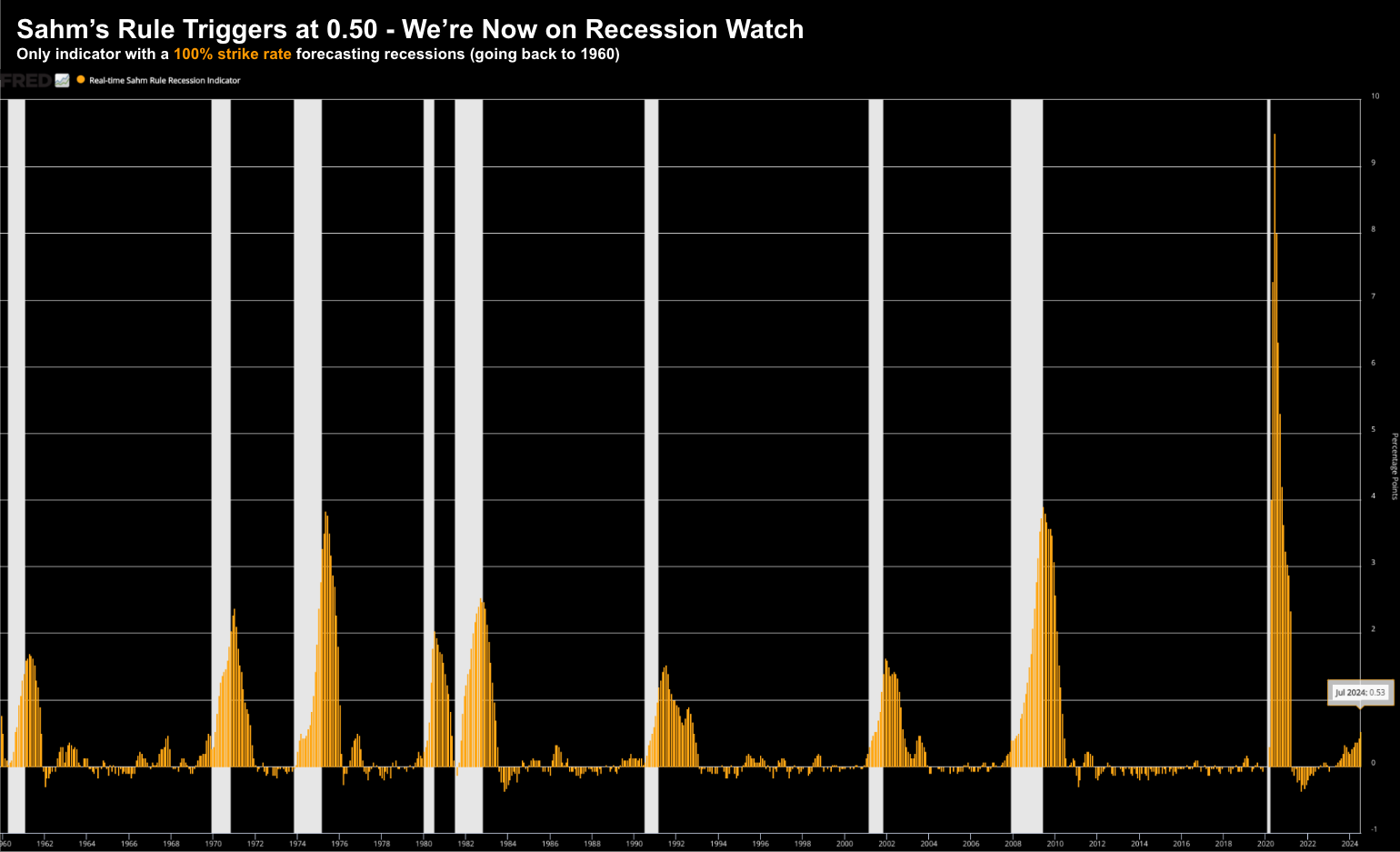
Do we have a 'good, solid' economy or one that's at risk of a recession? Is the employment market robust or one that's slowing sharply? Should the Fed cut 50 basis points or 25? And if 50... why? These are not easy questions to answer - as you can make the case either way (pending your lens). Regardless, the popular narrative is one favoring a soft-landing. Jay Powell echoed this sentiment with a victory lap at Jackson Hole. Former Fed Chair Janet Yellen supported this thesis over the weekend...

It’s Not Only Falling Inflation & Growth Risks Driving Rate Cuts

As inflation continues to moderate and the employment picture weakens - markets are trying to gauge just how much the central bank will move. A 25 basis point (bps) cut for September is now a 100% probability according to CME Group’s FedWatch tool. There's a 63.5% chance of a 25 bps cut; and 36.5% of a 50 bps cut. Markets clearly want 50 bps... but they also know that very rarely is there just "only one rate cut". This post explores the relationship between debt growth (across all sectors) and the overall trend for interest rates. It's a relationship which is not often discussed - but would be remiss of investors to ignore.

What Does Kolanovic See That Others Don’t?

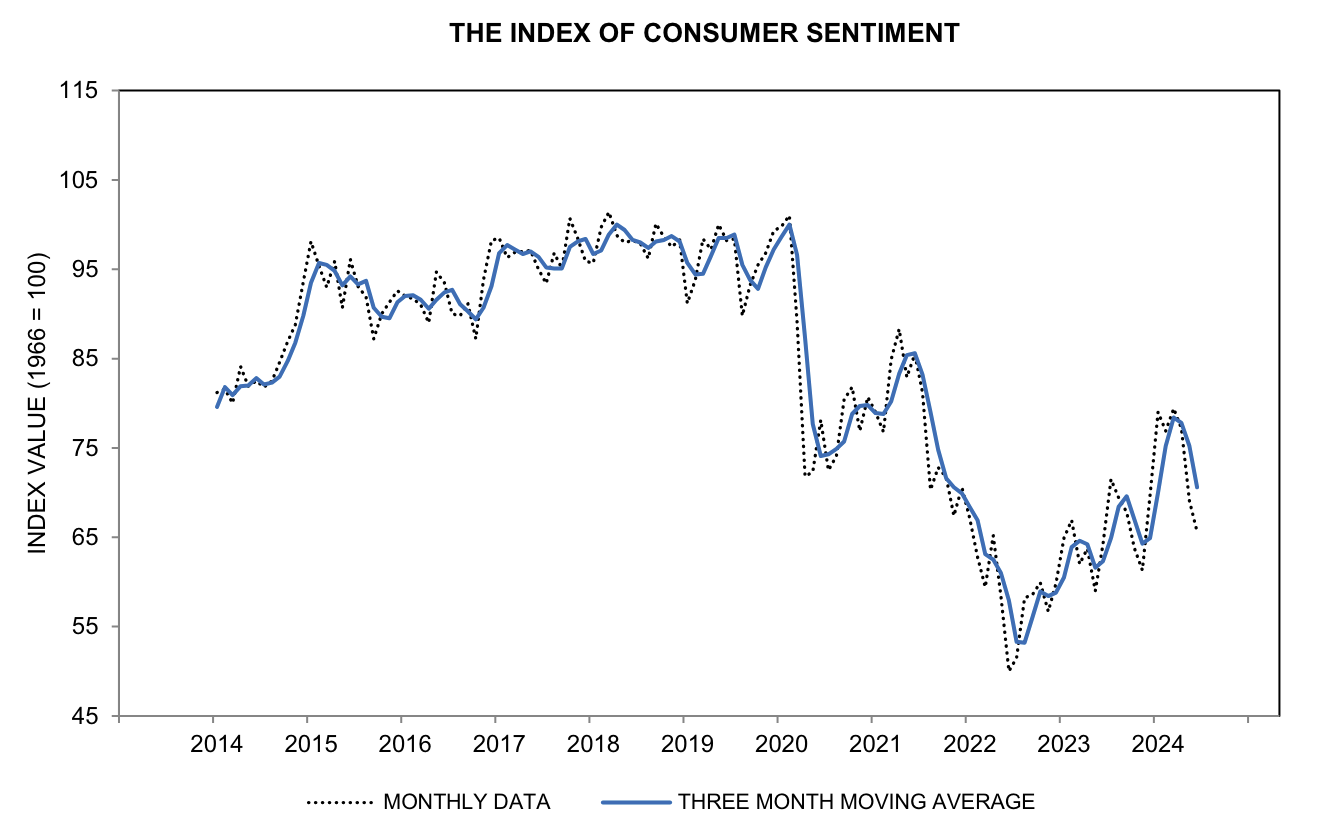
Most analyst year-end S&P 500 targets range from 4200 to 5600 for equities; and 3.00% to 4.75% for 10-year yields. My guess is we will land somewhere in between these zones. On the whole, it's fair to suggest Wall Street feels 'comfortable' with holding equities. Consensus year end targets average 5400 - which tells me most don't expect stocks to do much between now and year's end. More important - they don't expect stocks to lose any ground. This post expands what I think is the single most important variable (and risk) with these forecasts: the relative health of the US consumer and their ability to continue spending.