Category Warren Buffett

Jay Powell: “Stocks are Overvalued”

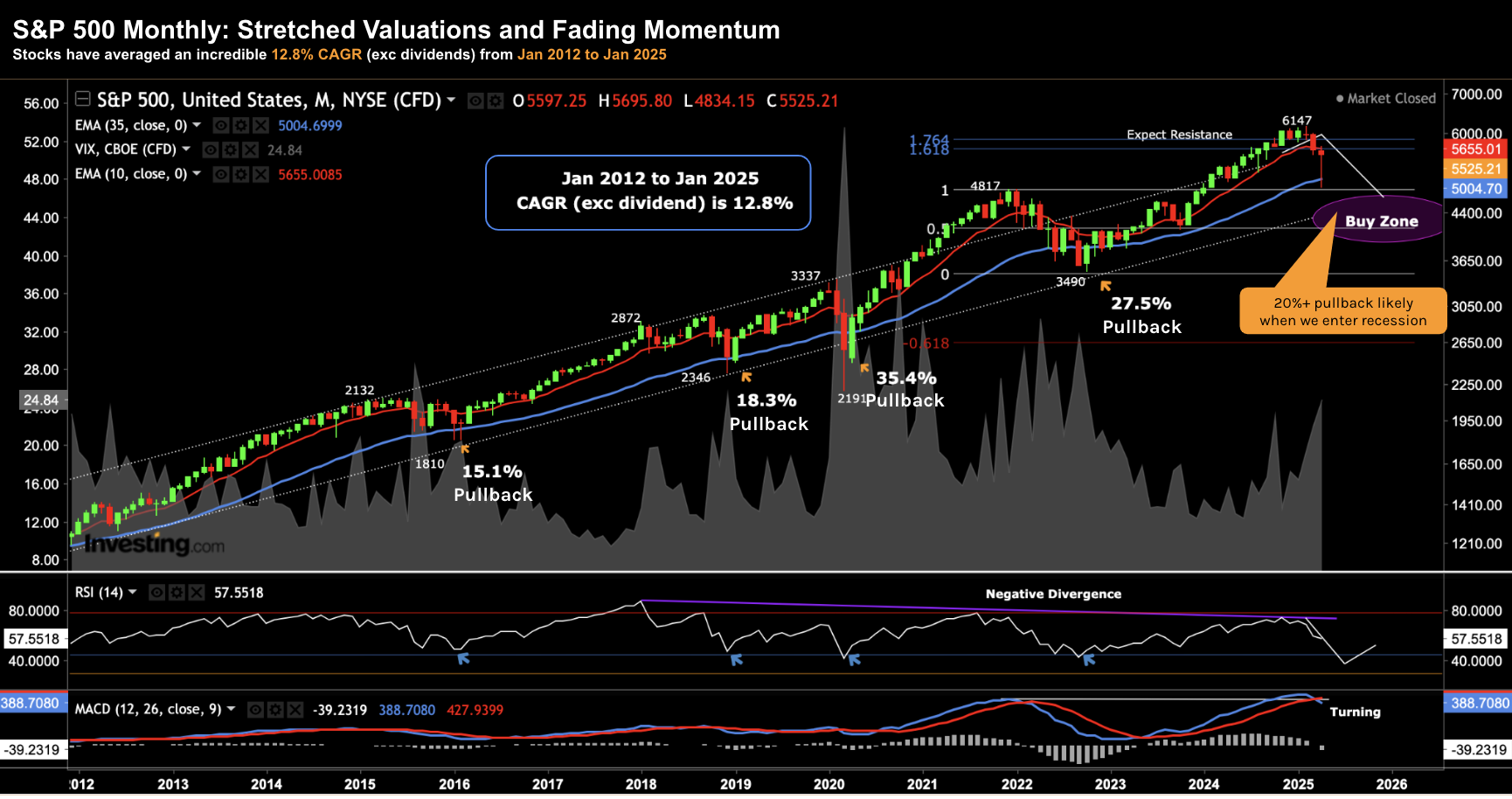
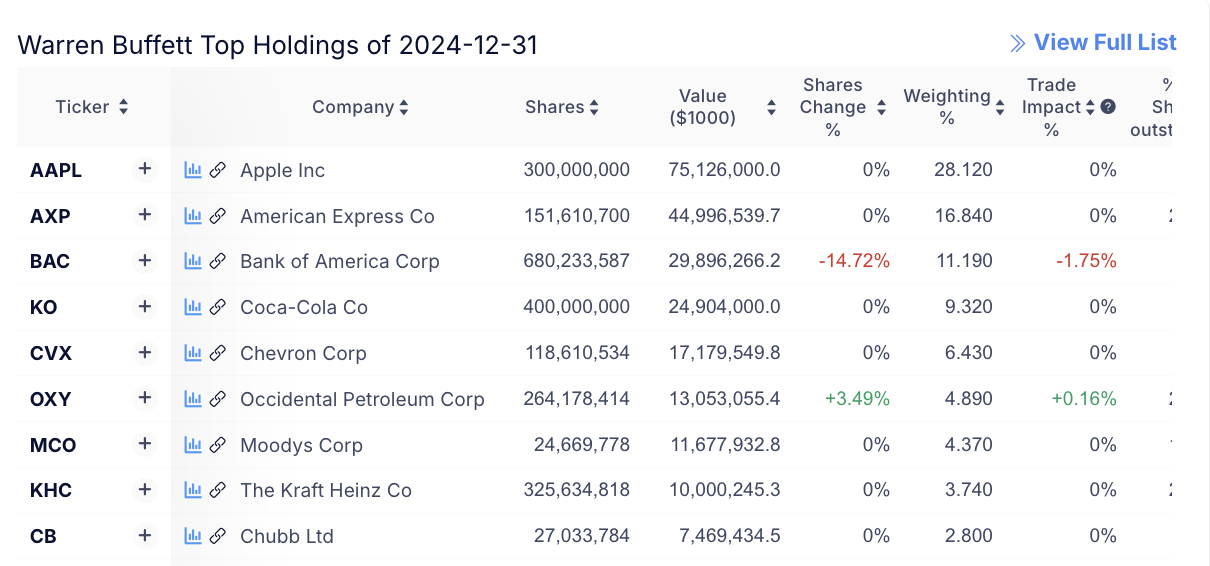
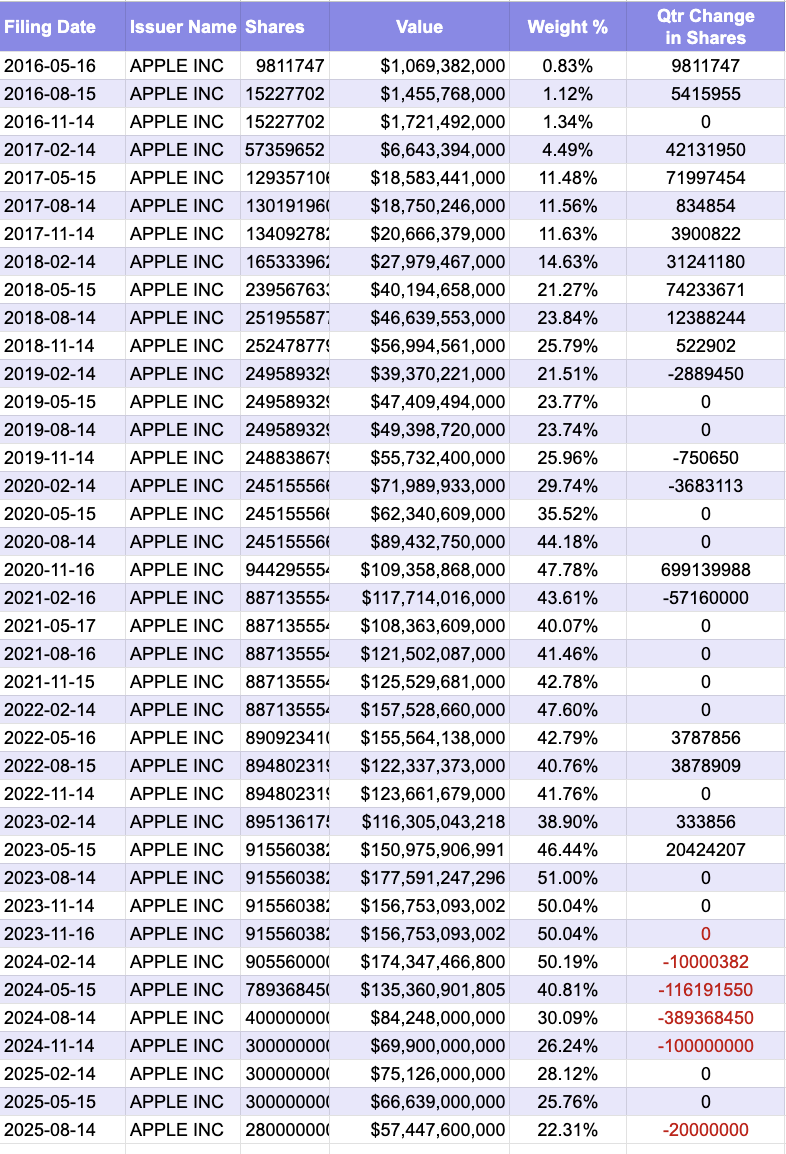
The current market presents a stark contradiction: stocks are high, but the Fed is entering an easing cycle. As billionaire David Tepper notes, he's "constructive on stocks" due to cheapening money but "miserable" because valuations are sky-high. Warren Buffett mirrors this caution, holding a record high of over $344 billion in cash. This balance reflects the core tension: stocks can easily run higher on investor optimism, yet the consensus is that forward earnings multiples are dangerously stretched. Like Buffett in 1969 and 1997, savvy long-term investors are prioritizing capital preservation, maintaining some exposure while waiting for the inevitable mean reversion to bring prices back down to a prudent level.
How Buffett Thinks About Selling

Selling stocks is harder than buying them. Drawing on lessons from Warren Buffett - investors should sell for four key reasons: (i) when a stock is overvalued relative to bonds, making bonds a more profitable option; (ii) when a superior investment opportunity emerges, though you should be careful not to "sell flowers to buy weeds."; (iii) when the business fundamentals change, and its competitive advantage is at risk; or (iv) When a predetermined price target is met.

Patience Alone Doesn’t Get it Done

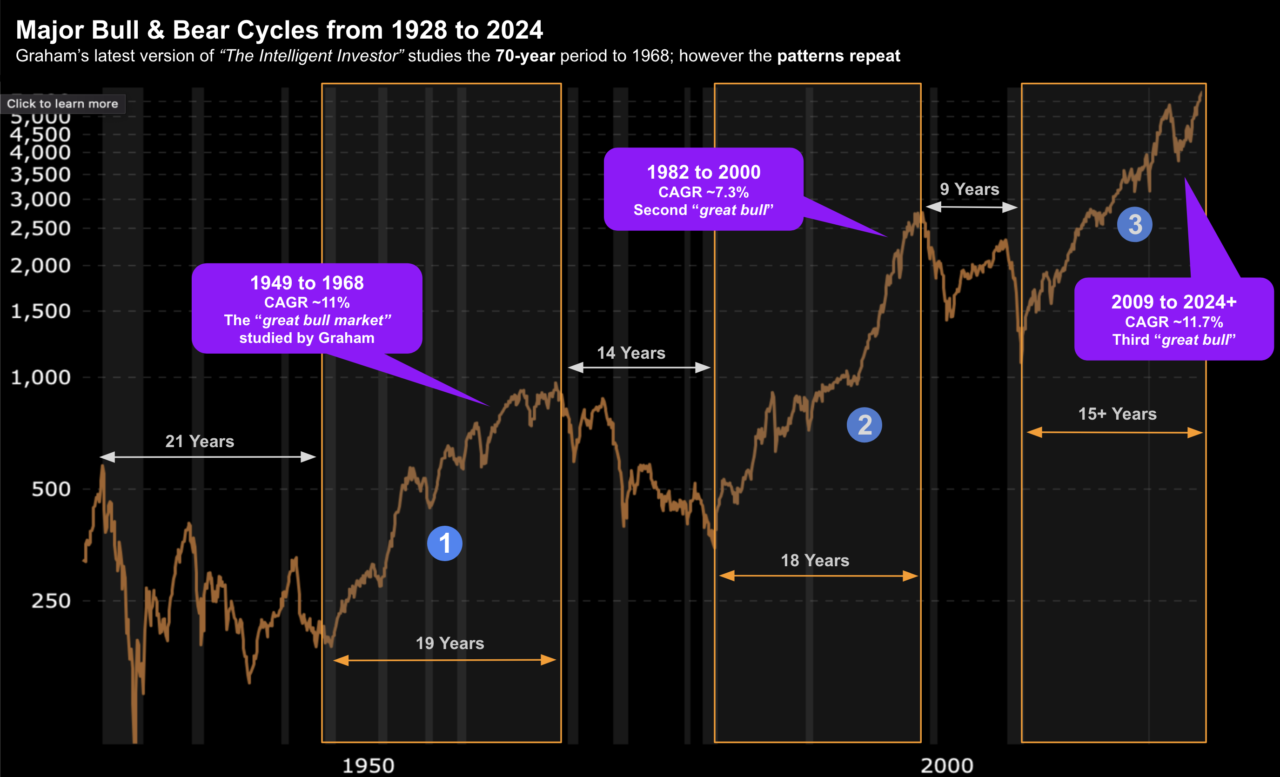
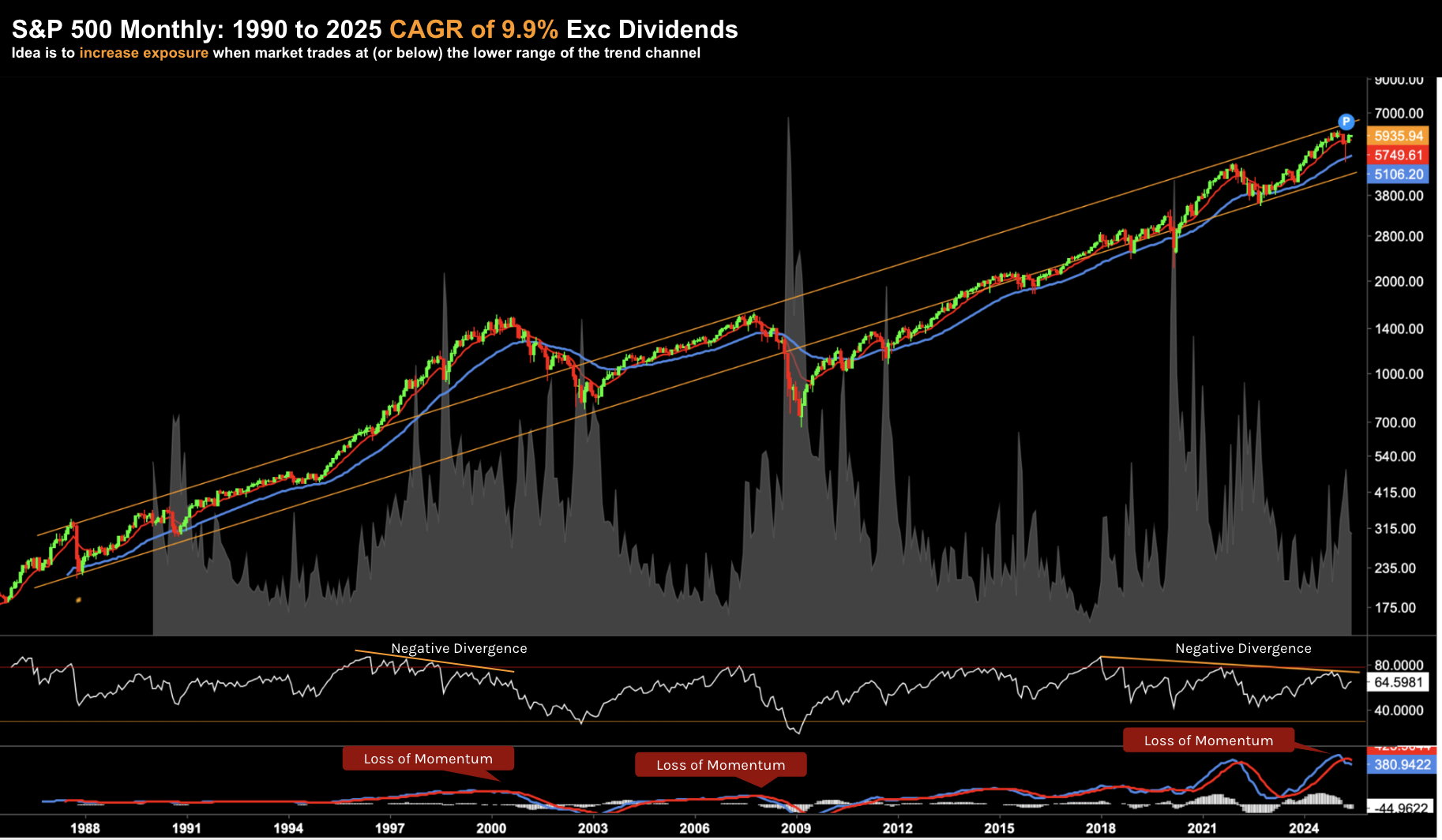
Over the past ~40+ years - the S&P 500 Index has returned an average of ~9.3% annually exc. dividends (i.e., 171.6 Jan 1985 to 5,979.5 Jan 2025). If we limit that to the past decade (from 2015) - that avg annual return increases to 11.4% (excluding dividends). But what matters most is (a) the price you pay; and (b) when you get out. Sitting tight for 10 years does not guarantee a 10% return...

Focus on High Quality in Challenging Markets

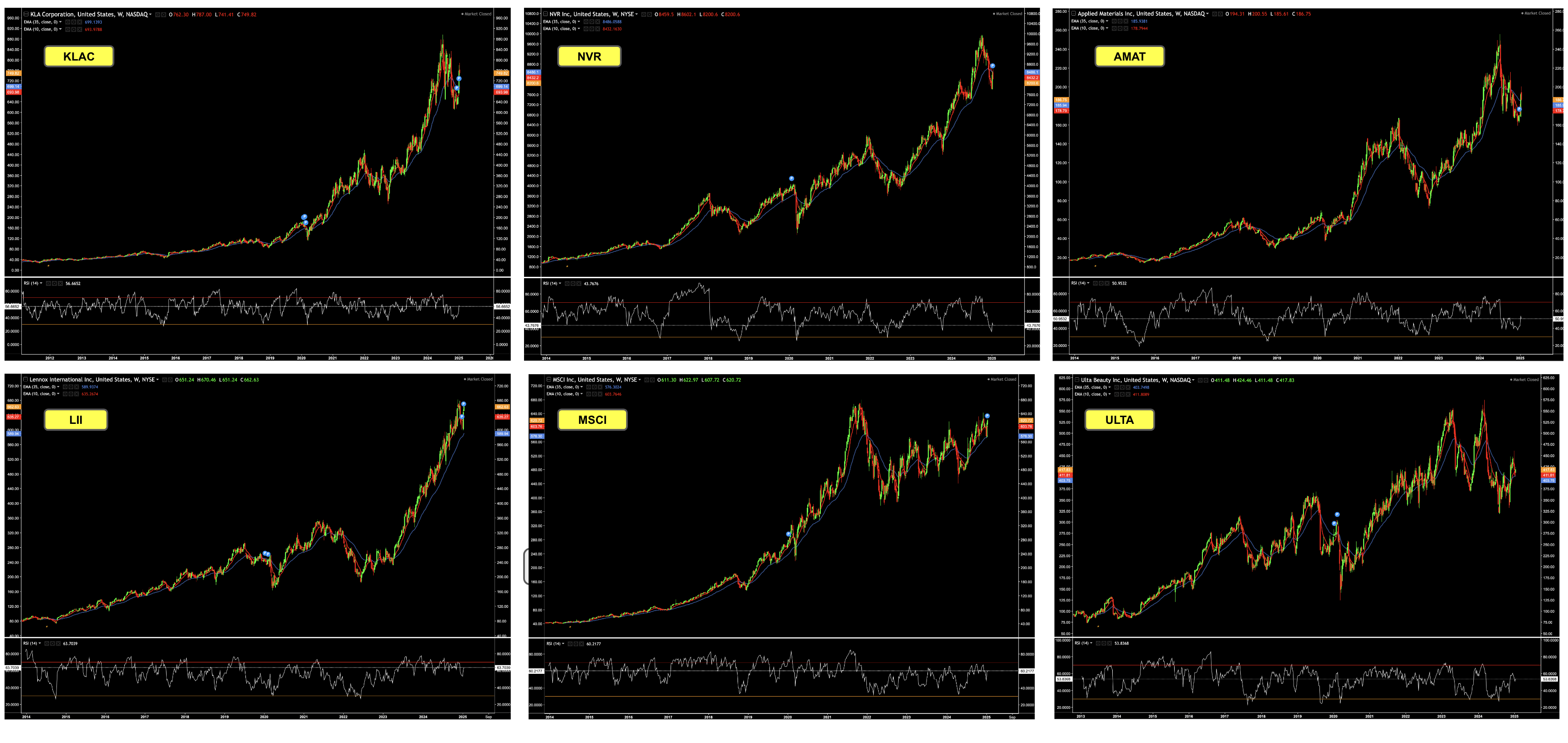
It's my thesis market returns over the next few years are unlikely to match what we've seen over the past decade. However, I'm also of the view that will create great opportunities for savvy patient investors who think long-term. This missive defines what is meant by "quality" investments - and the attributes investors should focus on. And if we are see a more challenging climate the next few years - it's higher quality assets which will shine.

How Buffett Built a $1.1 Trillion Cash Machine

How Buffett Built a .1 Trillion Cash Machine

Whilst market's fret about slowing growth ("Ready for a Growth Scare?") - Warren Buffett sits back with a smile. His company - Berkshire Hathaway - rallied to fresh record high this week after the company reported a record high quarterly profit. Its market value is now over $1.1 Trillion. So how did Buffett build this incredible cash machine? I'll outline three (basic) reasons... all of which you can emulate.

Buffett: “Often, Nothing looks Compelling”

Saturday Feb 22nd was circled on my calendar. It was the day Warren Buffett shared his annual shareholder letter. If you want to become a better long-term investor - it's worthwhile reading every one of his 59 letters (from 1965). With respect to valuations he offered this: “We are impartial in our choice of equity vehicles, investing in either variety based upon where we can best deploy your (and my family’s) savings. Often, nothing looks compelling; very infrequently we find ourselves 'knee-deep' in opportunities.”

Why Did Buffett Add to SiriusXM?

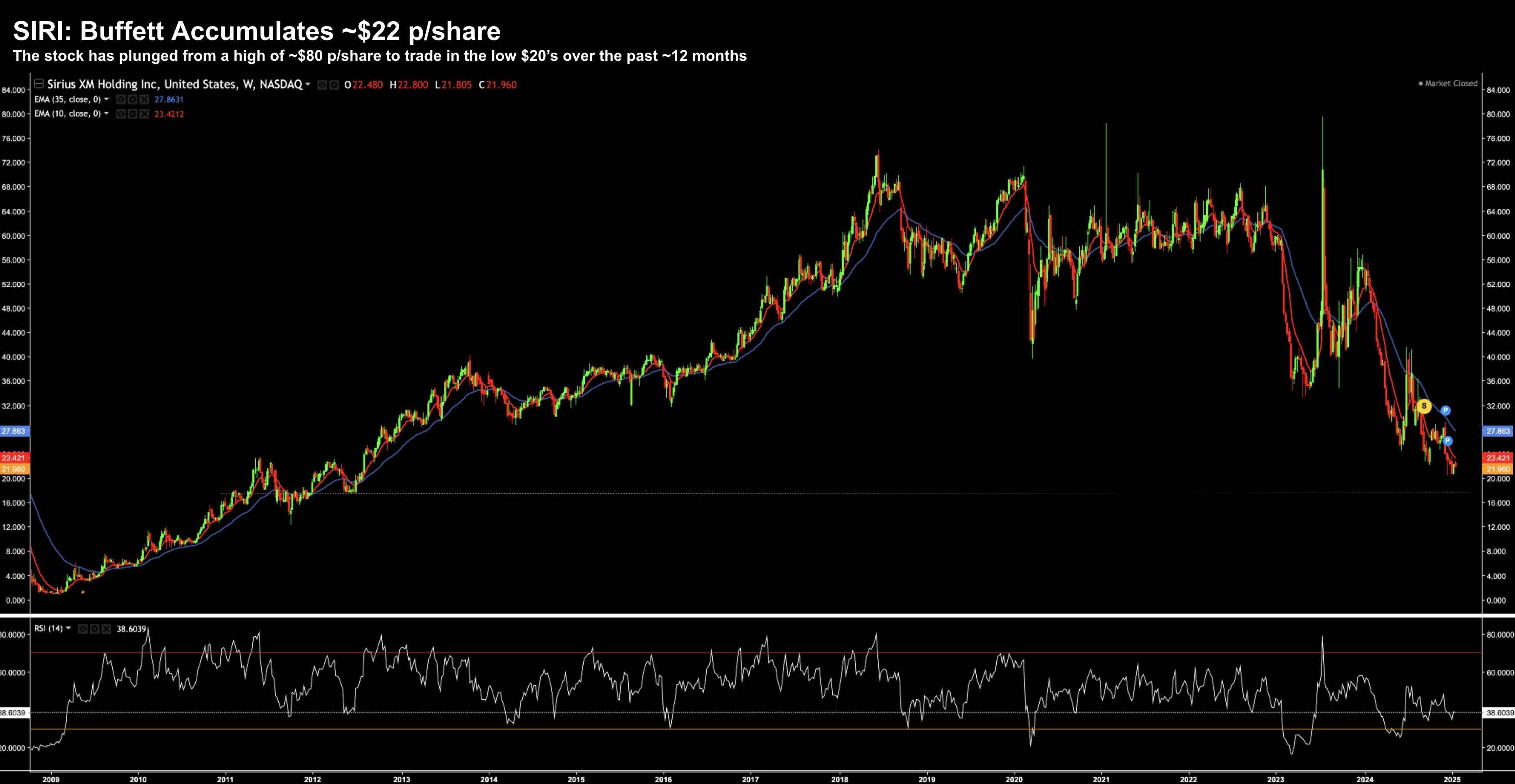
Recently Warren Buffett increased his stake in SiriusXM (SIRI) to over 32% of all available stock. However, with the company losing subscribers - where revenue and earnings in decline - why would the Oracle of Omaha increase his ownership? Two reasons: (a) first its return on invested capital and free cash flow; and (b) the value offered. This post explains both the quality and value arguments for Buffett choosing to increase his exposure to this unloved stock...

Simplifying Quality & Value

Charlie Munger once joked "all I want to know is where I’m going to die, so I’ll never go there.” Jokes aside - it's the same approach you should apply with investing. And it's not difficult to do. The math is very simple -- addition, subtraction, division and multiplication. If you have access to a calculator - you're all set. The challenge is mastering your emotions (and any self-defeating behaviors). A calculator (or AI) can't help you with that. This game is more EQ than it is IQ. Think of it as a test of your character versus your intellect. For e.g. - many highly intelligent people get investing wrong (e.g., due to emotions such as greed, fear or some inherent bias). This post talks about how we can simplify our approach to avoid taking excessive risks

Invert Your (Investing) Mindset

Charlie Munger once said "it is remarkable how much long-term advantage people like us have gotten by trying to be consistently not stupid, instead of trying to be very intelligent". There's a lot of wisdom to be gained in that quote. Now getting things wrong can be a good teacher if you're willing to learn from the experience. However they can also be very expensive. With respect to investing - our primary goal should be to eliminate (or meaningfully reduce) the possibility of making large costly mistakes. A large mistake can reduce our investable capital - impacting our returns for years to come. So how do we try to make fewer mistakes? There are two ways....

Munger on Intelligent Investing

With markets at record highs - trading at very high valuations - I felt it was timely to revisit investing lessons from Charlie Munger. Sadly, Charlie passed away late last year - just shy of his 100th birthday. Whilst Charlie was an incredible investor - what I loved most was his ability to draw insights from many disciplines - which included the study of psychology, economics, physics, biology, history, architecture among other things. This enabled Charlie to develop a lattice of “mental models” to cut through difficult problems. Over the years, I've found Charlie's insights into investing, business and life not only rare but generally correct. What's more, they stand the test of time.