Are Commodities Telling Us Something?

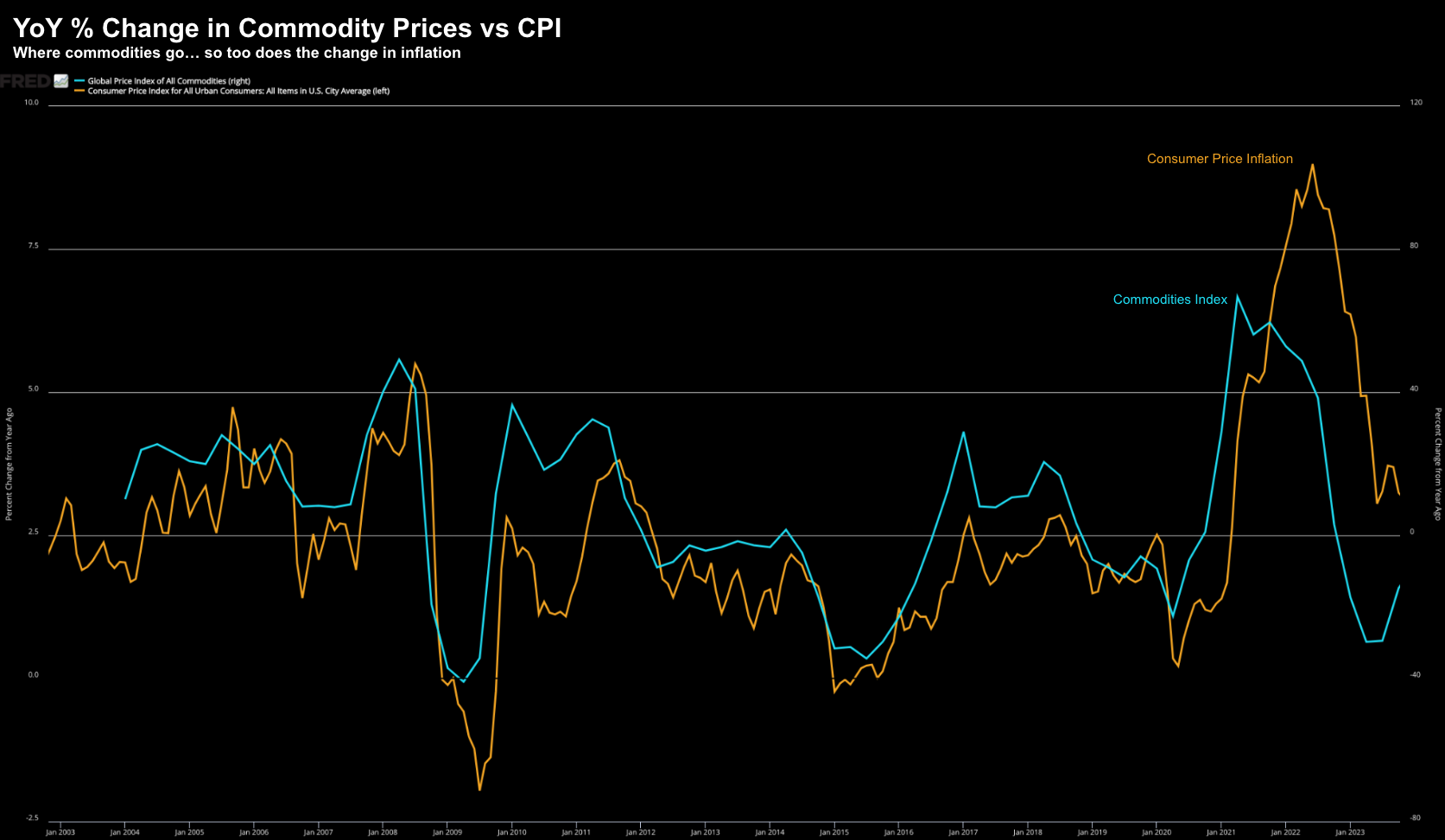
Forecasting things like (not limited to) GDP growth, unemployment and inflation is tricky business. Very few get it consistently right (especially policy makers). And whilst macro forecasting is generally a fool's errand - there are things we can observe to improve our probabilities of success (or at least reduce our risk). Consider inflation... whilst not perfect - there are a set of reasonably strong correlations which exist over extended periods. And it's these types of correlations we can use to our advantage.As I will demonstrate - over the past 5 decades (after the US dollar removed its peg to gold in 1971) - inflation levels have largely correlated to what we see with commodity prices.

Powell Appeases the Market… Or Does He?

For me, there were two (big) questions for the Powell this week: (1) are rate hikes off the table - given faster-than-expected inflation and continuing economic strength? and (2) when will the Fed commence QT tapering (and by how much)? Powell was unequivocal on possible rate hikes... forghedaboudit. Equities cheered. But why remove optionality? Why Powell is so convinced we don't see a re-acceleration in inflation? Admittedly it's a lower probability outcome... but we can't rule it out. But he apparently can...

‘AI’ Trumps the Fed, Inflation and the Economy

The Artificial Intelligence (AI) narrative continues to dominate sentiment. Whether it was Google, Meta or Microsoft... the (AI) earnings script was similar. Mega-cap tech companies so far have reported impressive earnings and revenue growth with respect to their AI strategies (across online ads, cloud and search). It was music to investor's ears. However, strength in tech earnings isn't necessary conflating to strength elsewhere. To that end, there is a strong bifurcation with earnings... and that raises some questions.

Risk vs Reward

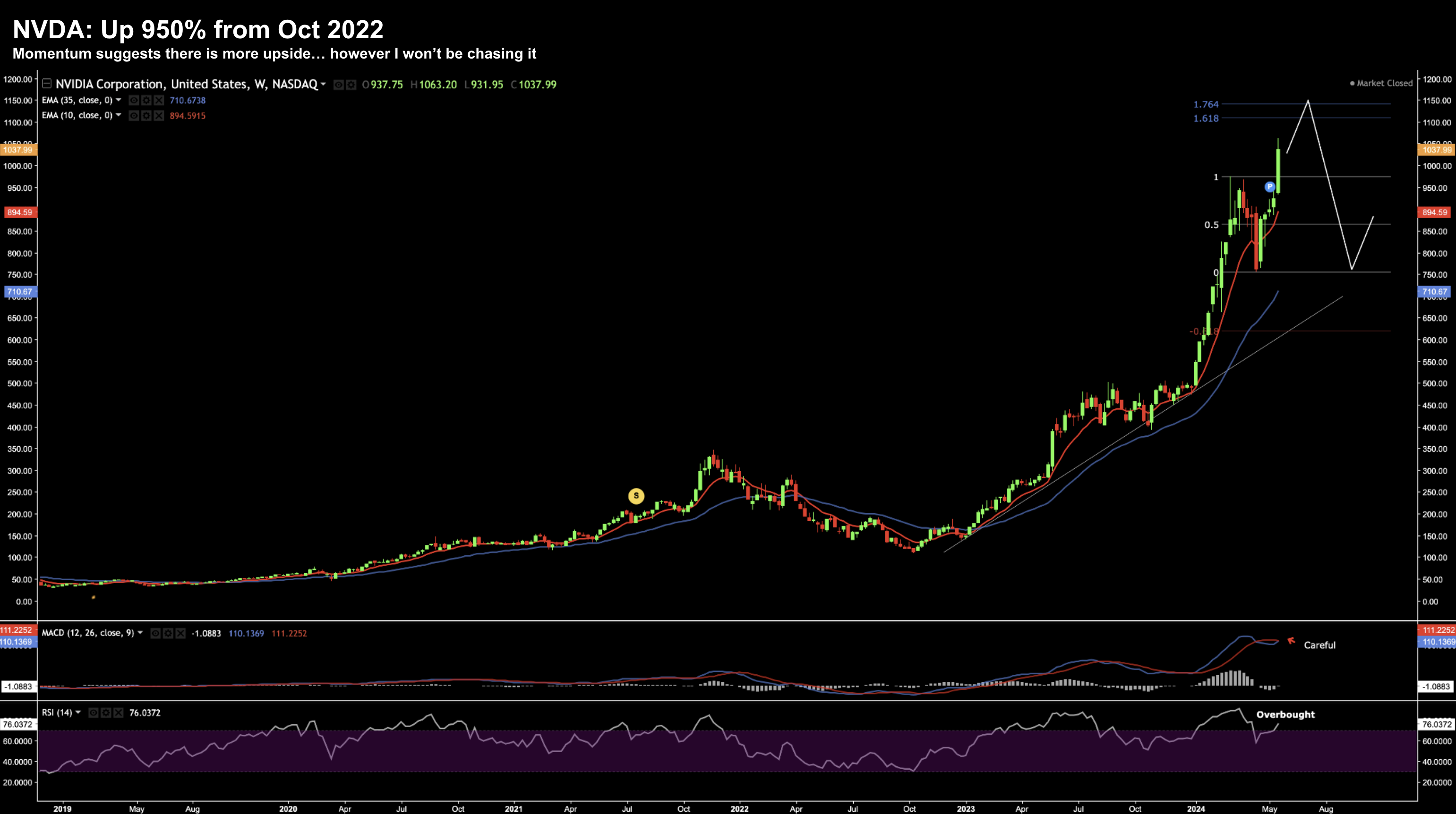
Warren Buffett once told us "the stock market is a device for transferring money from the impatient to the patient”. Which one are you? And while it sounds cliché, the power of patience is real. We need patience for two things: (i) allow our existing investments to work over time; and also (b) if buying, waiting for prices to come to us (eliminating FOMO). For example, some investors may have felt left out the past three months (I certainly did) - as 'hot' momentum stocks like Nvidia, Netflix, Meta and others surged. Fundamentals were not front of mind - where investors thought nothing of paying 40x plus earnings. The momentum trade had taken hold. But as we know - things inevitably revert to the mean.

Things Looking Better – But More to Do

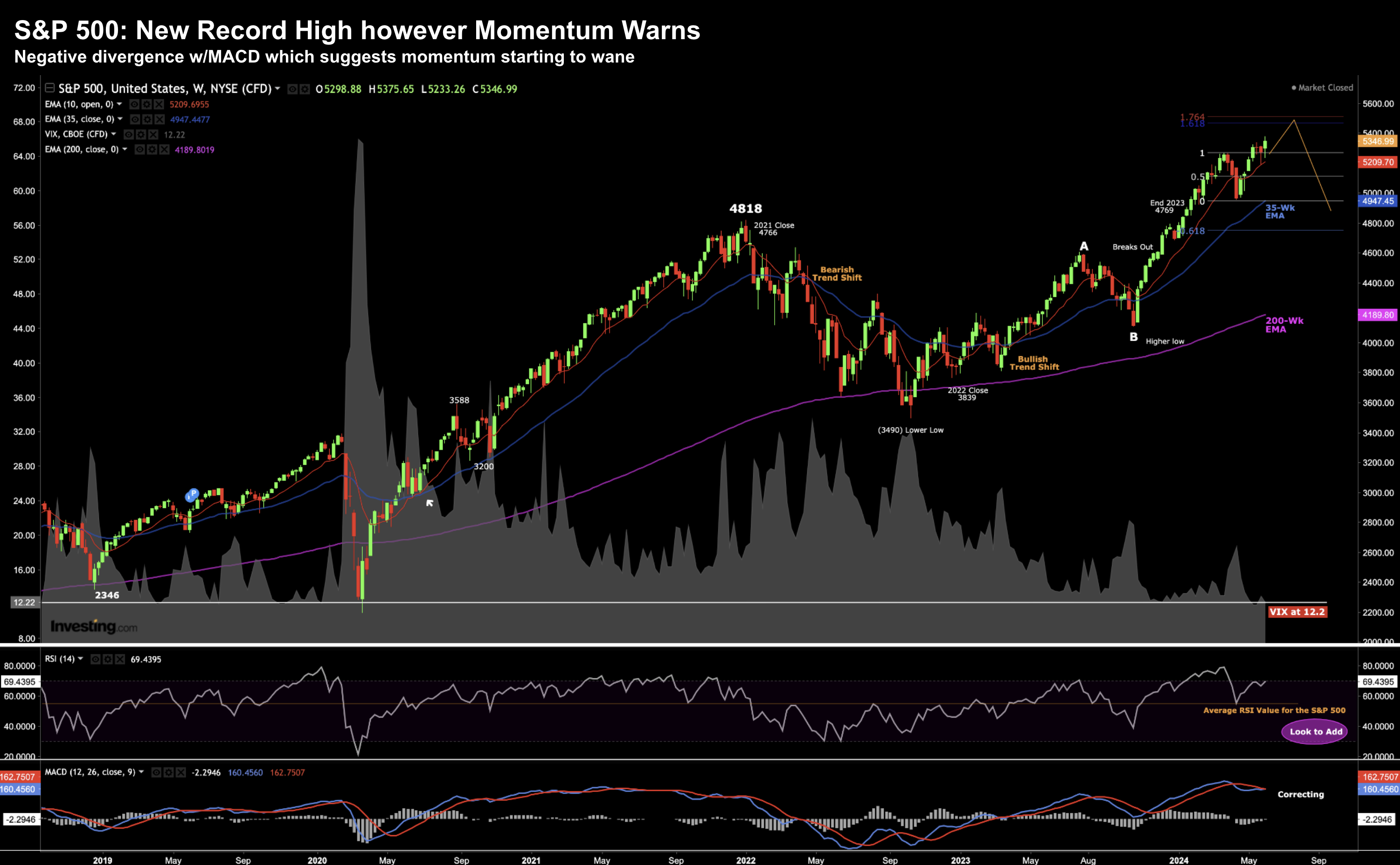
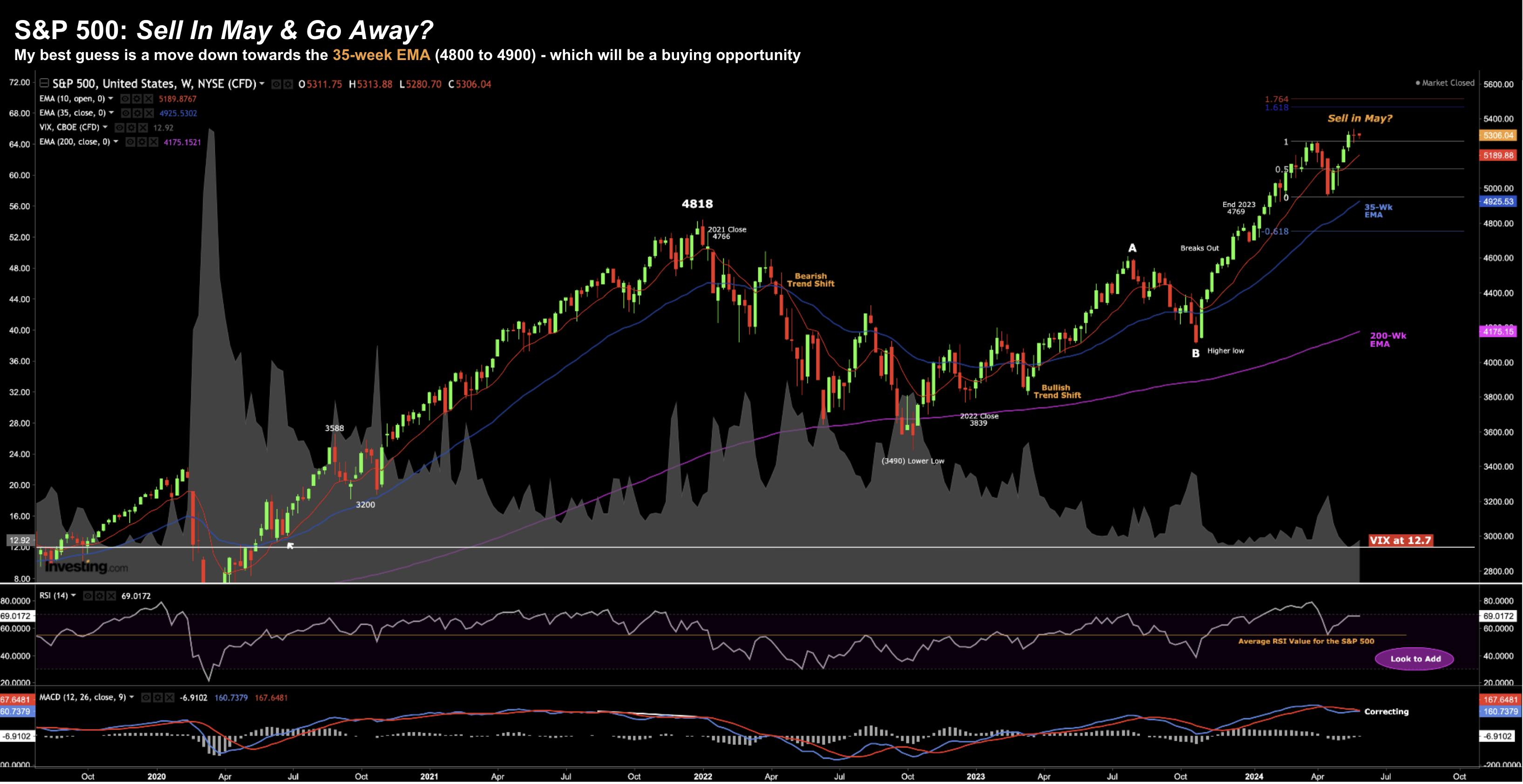
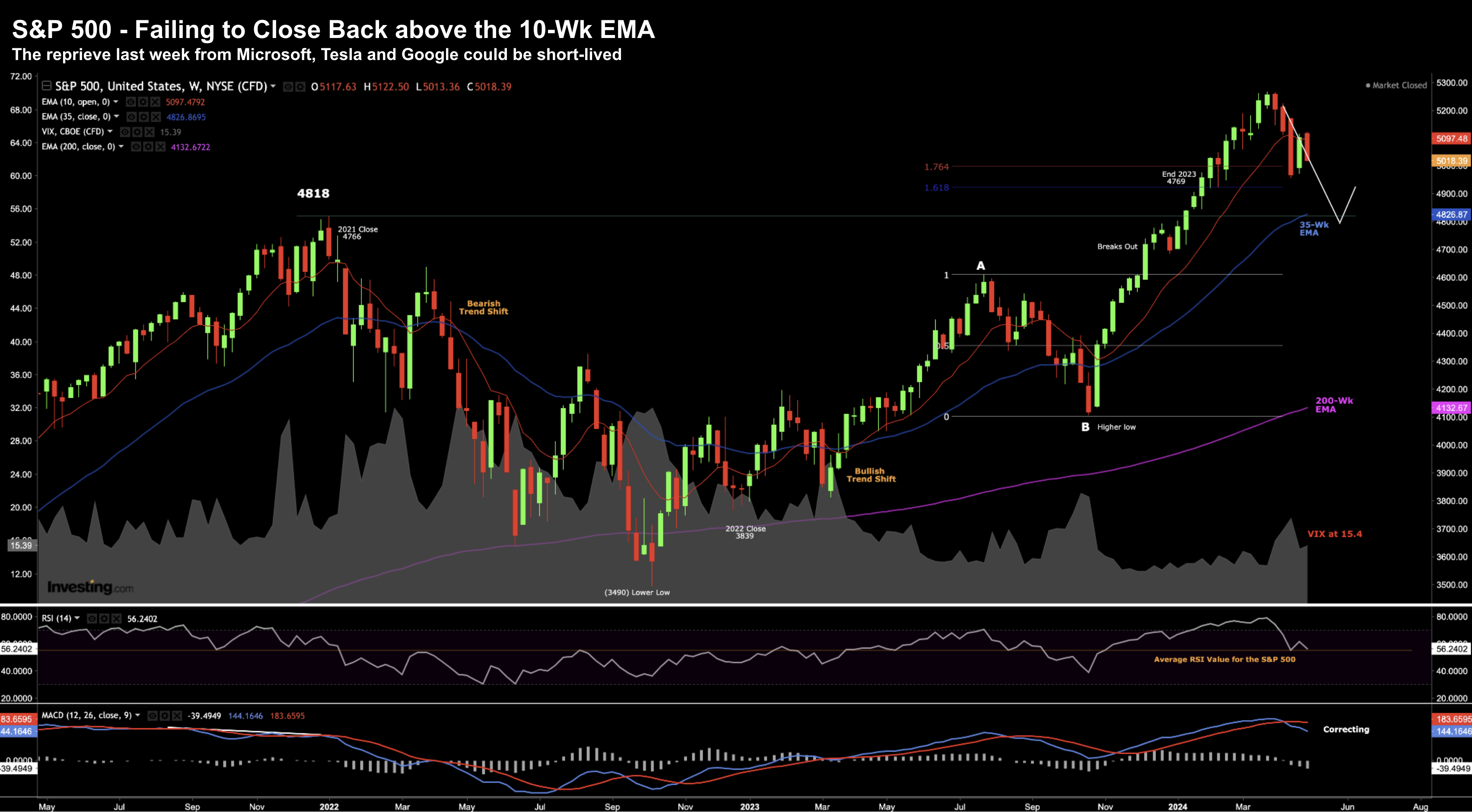
For 23 straight weeks (from late October) - the market has effectively gone straight up. It added ~$12T in market cap with barely a pause - a rally for the ages. Now for ten of those weeks, it was in overbought territory - where the (weekly) Relative Strength Index (RSI) traded above 70. I cautioned readers of a likely (technical) correction. And whilst I stressed the market can remain overbought for several weeks (and it did) - it's also an area to be cautious. This is where sell-offs start. And it seems we could be seeing the start of a 7-10% correction... however it's still early.

When Is the Right Time to Buy Bonds?

Treasury yields are surging... the U.S., 10-year treasury - a rate which every financial asset is tied to - has ripped back above 4.60%. Credit card rates, home loans, auto loans... you name it... have all increased. The last time UY.S. 10-year yields traded above 4.60% - the S&P 500 was ~20% lower. From mine, the divergence is a head-scratcher... however, what I can say is risk assets have a tougher time advancing when yields push beyond this zone. The question is - is now a good time to increase bond exposure? I think the answer is yes.. and here's why

Rate Cuts and Small Business Optimism Fades

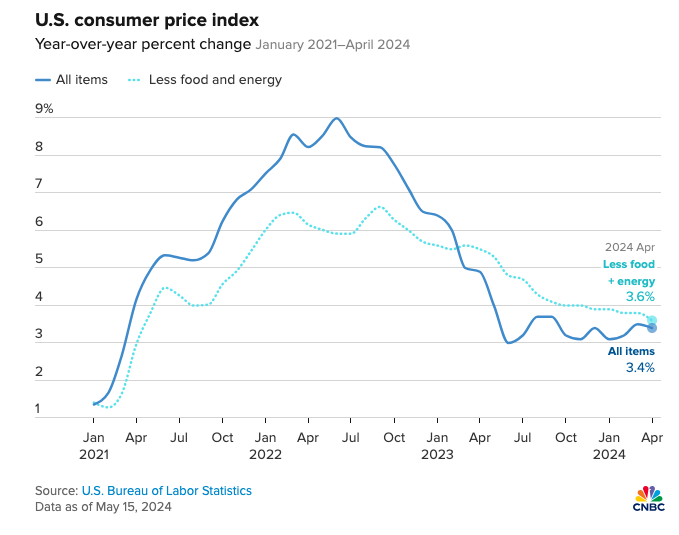
Make that three in a row. Jan, Feb and Mar CPI all exceeded expectations - showing how stubborn inflation can be. And whilst the Fed focuses more on Core PCE (due at the end of the month) - this remains a concern. Here's the thing: non-core inflation continues to hurt real America. Take small business - their confidence is now at 2012 lows. Their primary concern: inflation and higher input costs.

How About Zero Rate Cuts this Year?

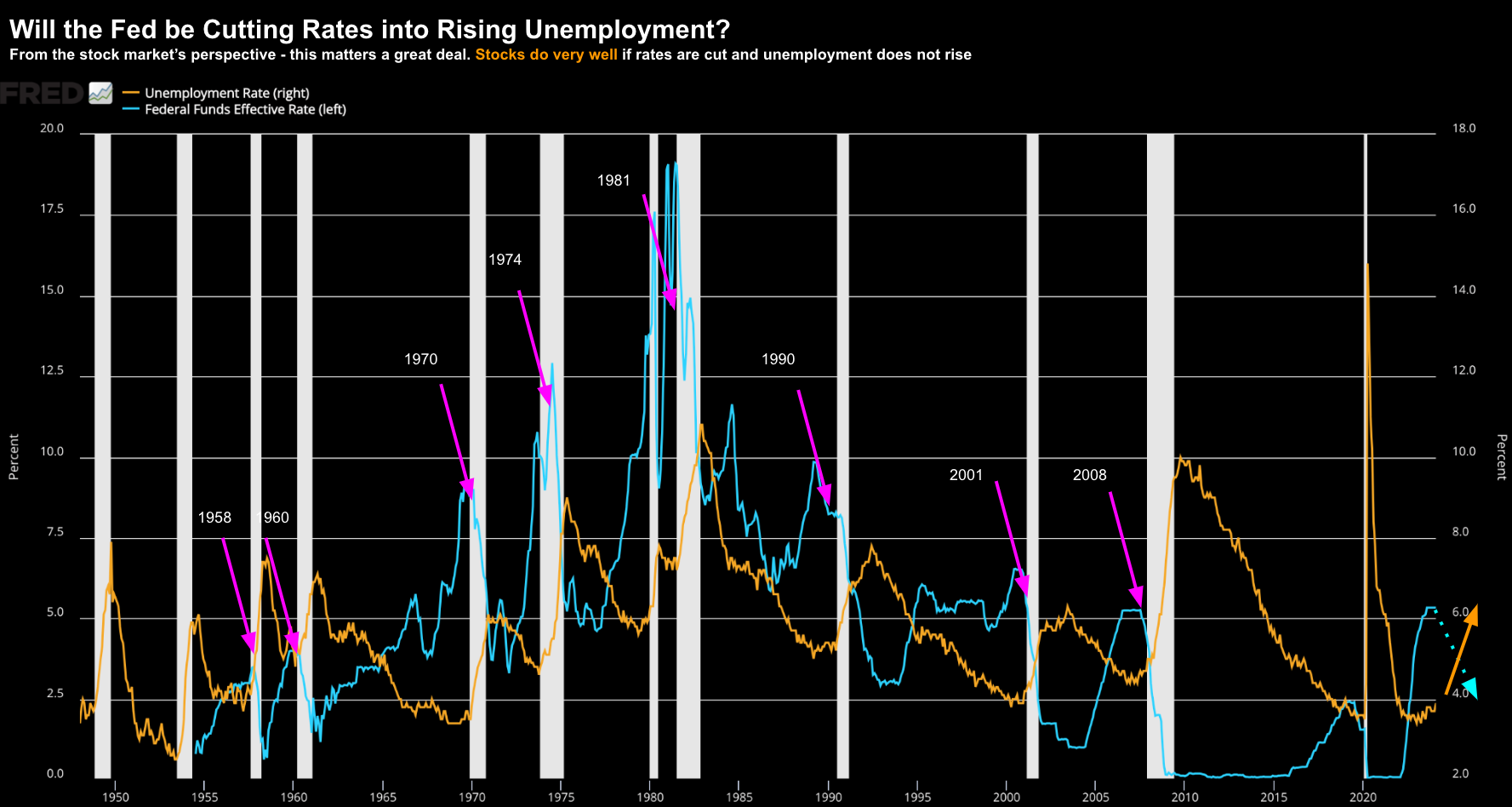
At the time of writing (April 7) - the market is pricing in three rate cuts this year. I don't see it. In fact, I think there is a very good chance of NO rate cuts this year. Now that is not a scenario the market is pricing in. However, with inflation likely to remain stubbornly high - where property prices are not falling - and the labor market remains tight - why would the Fed cut? Let's explore....

Immigration’s Impact on Jobs

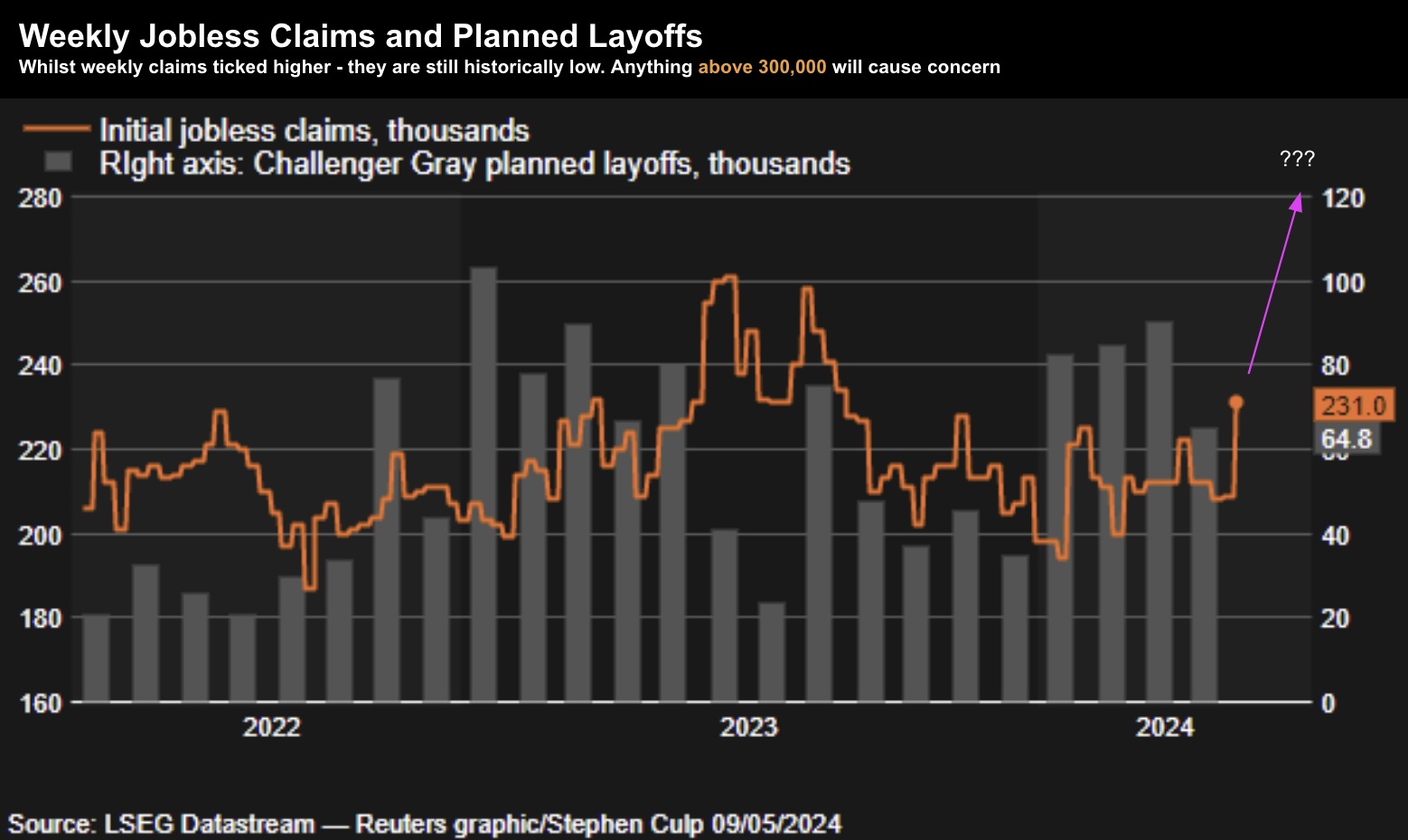
The headline will read 303K new jobs were added to the economy for the month of May. And on the surface, it gives the appearance of a very strong number. However, how many of these were full-time jobs? And where were the jobs being added? When we look into the details of the jobs report - it paints a very different picture. My take: the headline number is not as strong as some assume.

S&P 500 +10.1% for Q1 – Can it Continue?

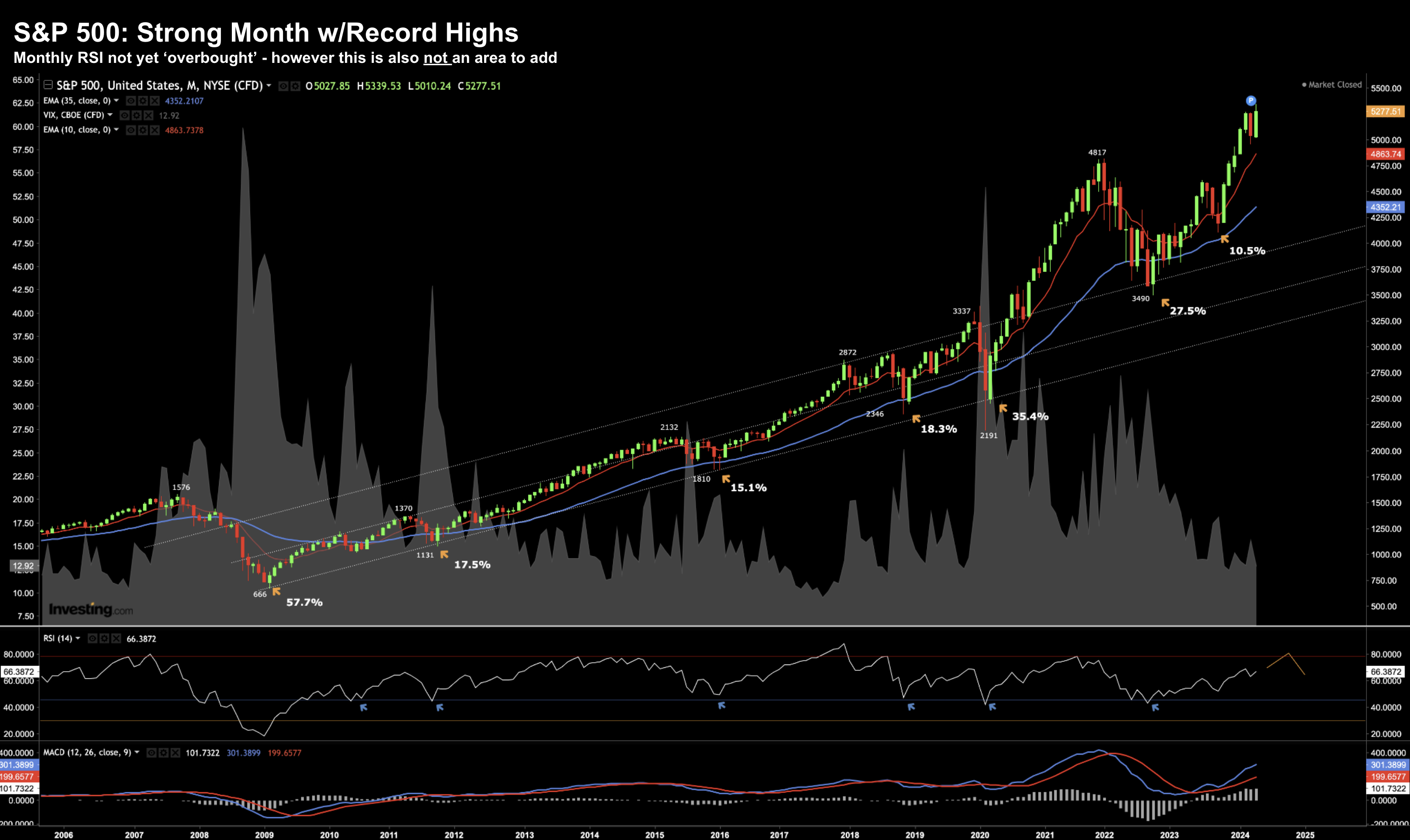
If you asked me at the end of December whether I thought the S&P 500 would be up ~10% at the end of the first quarter this year - I would have said "unlikely". And yet here we are. With the promise of (coming) interest rate cuts and continued strong economic growth (implying growth in earnings) - US equities have arguably exceeded most analysts full year targets. For we have already exceeded all but 1 of 18 full year S&P500 forecasts "experts" made at the beginning of the year.

Powell’s Itchy Trigger Finger

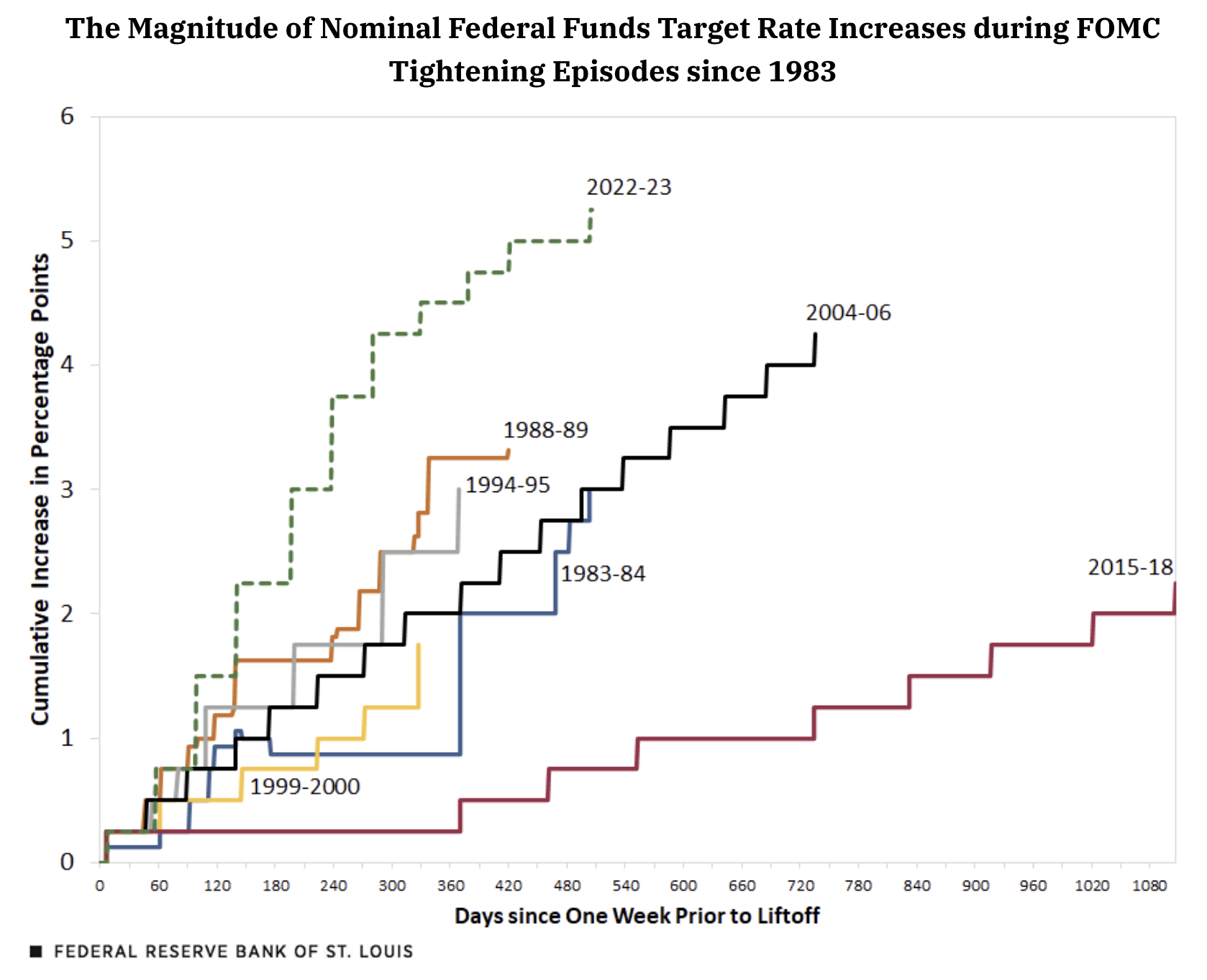
Why does Powell think the Fed needs to cut rates? For me it's curious. Itchy (trigger) finger maybe? What's he so worried about? I was surprised by his (continued) dovish rhetoric and contradiction(s) last meeting. For example, on the one hand, growth is accelerating, inflation is falling and we have a strong labor market. Great! But we still need to cut rates and taper QT (soon!). I must be missing something - it's hard to understand why the Fed is so keen to pull the trigger... what do they see we don't?

Don’t Fight the Fed…

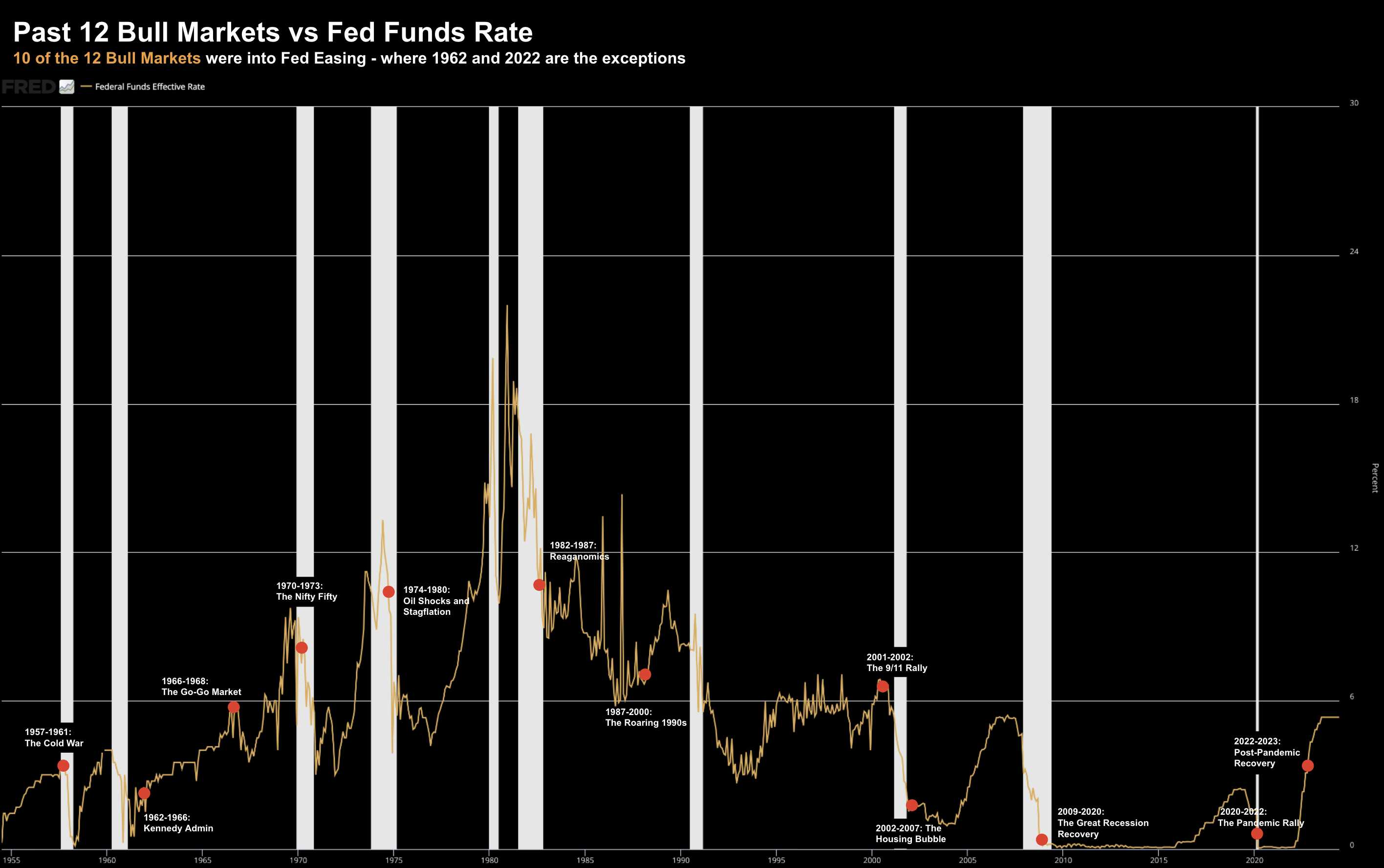
"Don't fight the Fed" is a popular Wall St. adage for investors. The phrase was coined by well known investor Marty Zweig in 1970. At the time, Zweig explained the Federal Reserve policy enjoys a strong correlation in determining the stock market’s direction. Fast forward ~50 years and his theory has proven mostly correct.