The Real Surprise with Powell’s (Dovish) Statement

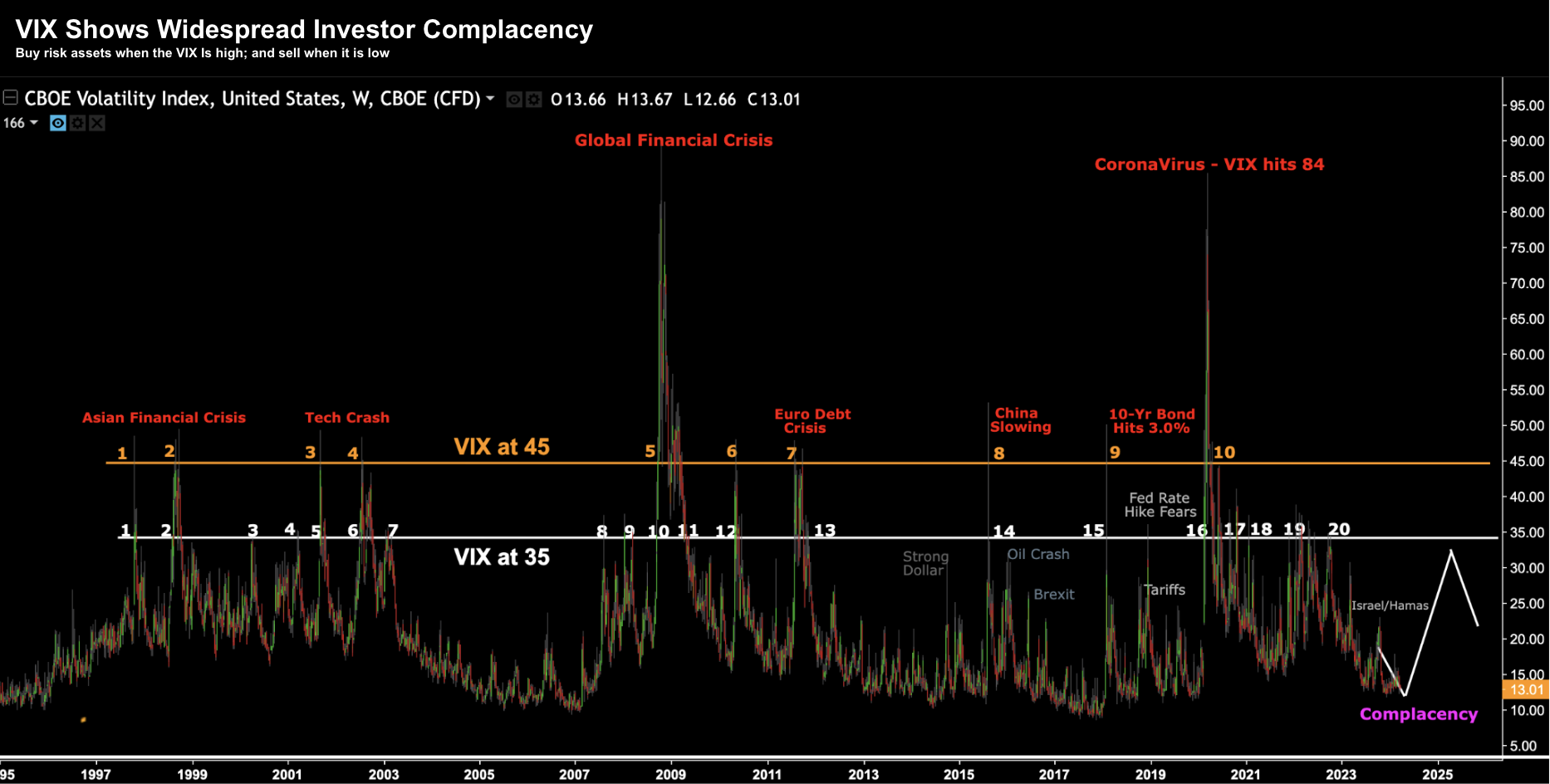
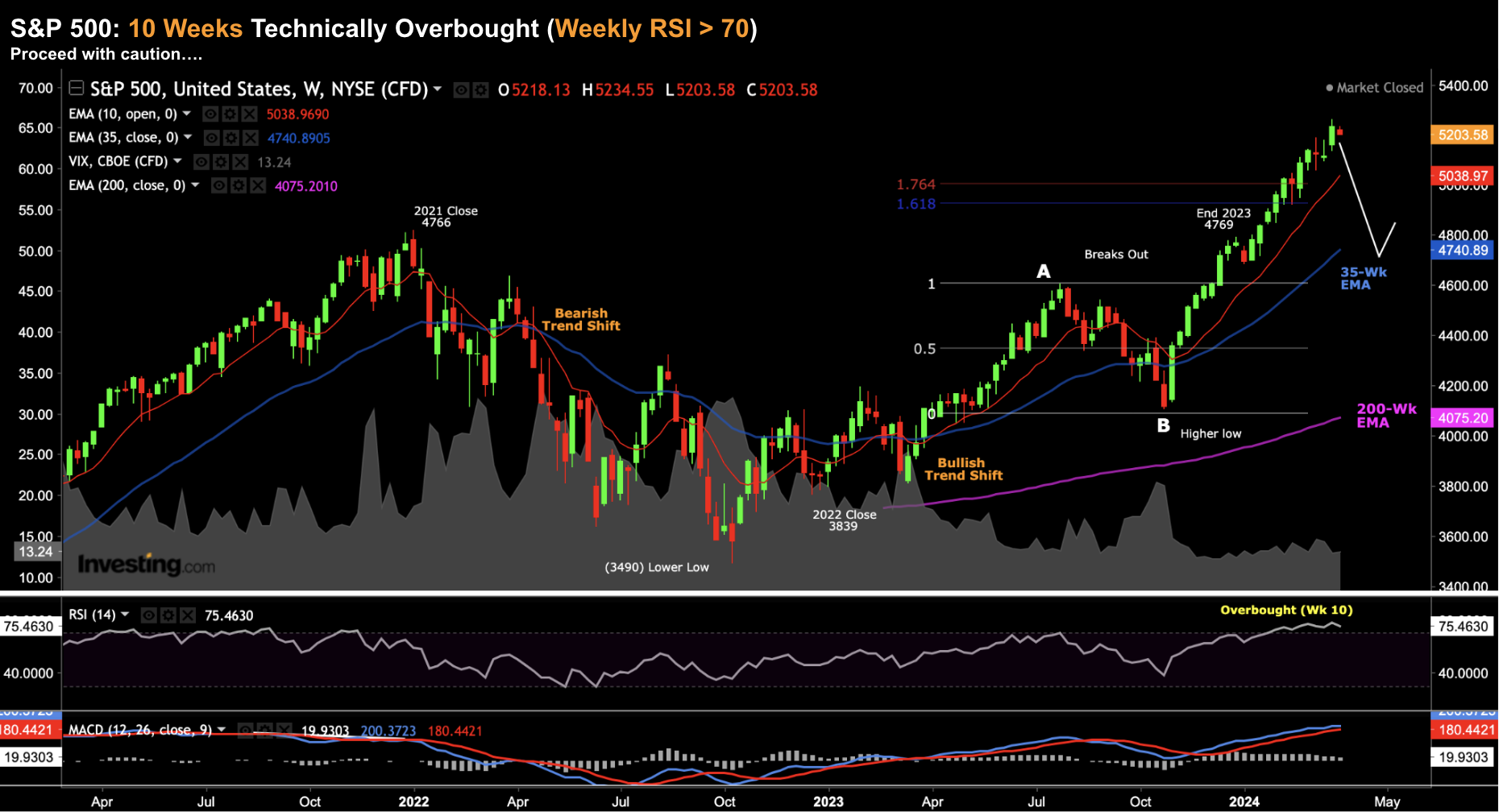
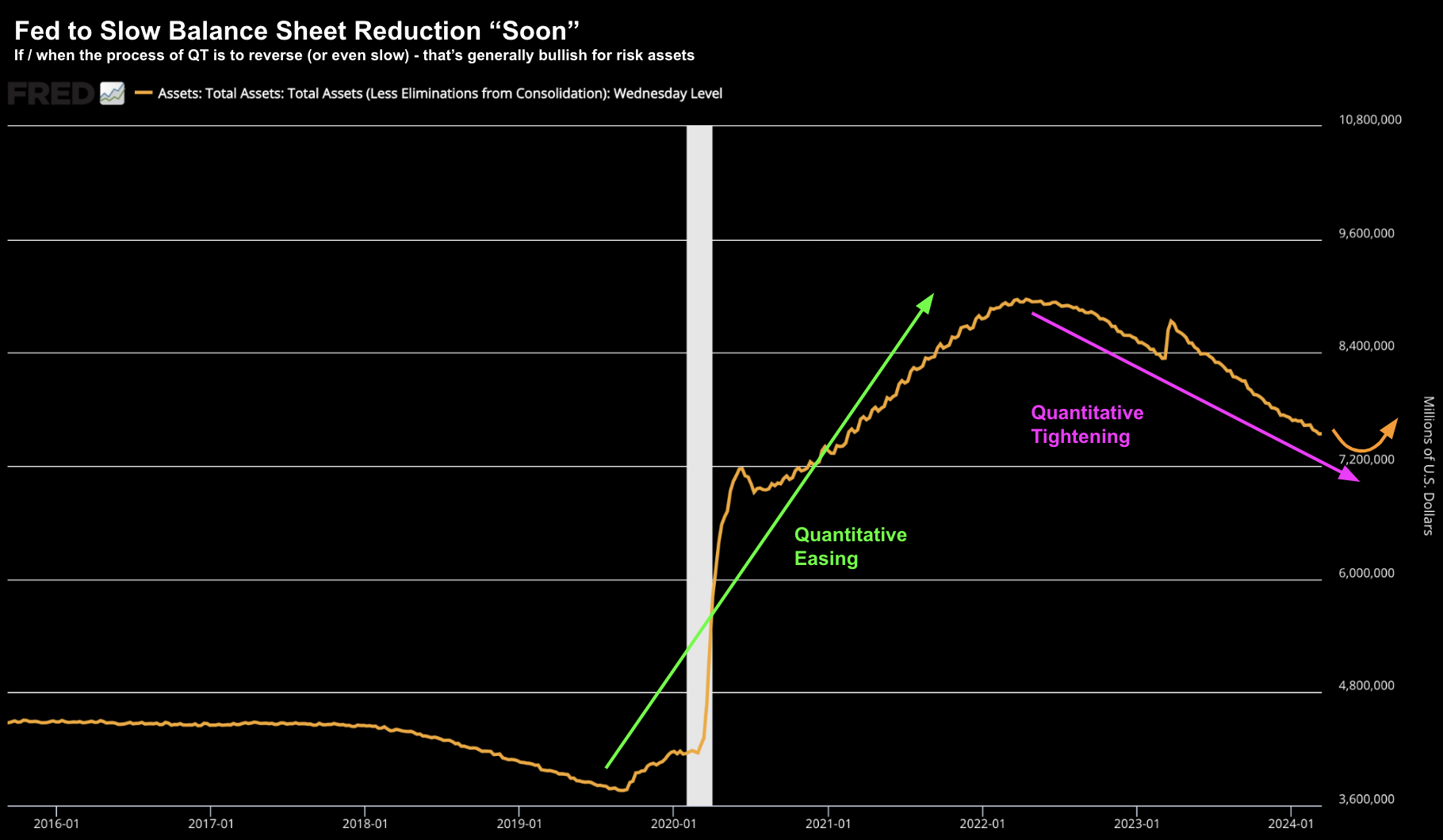
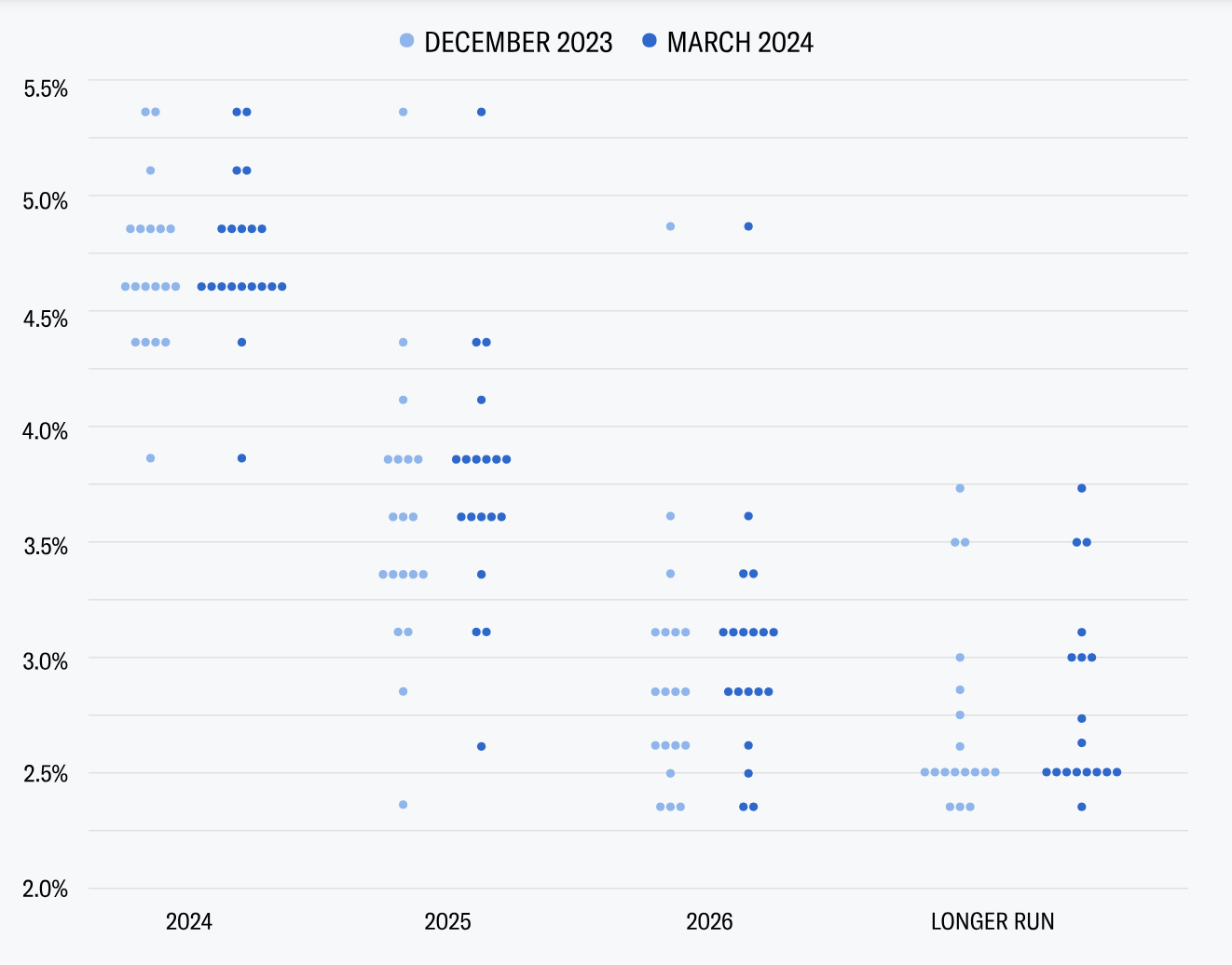
Investors were on tenterhooks going into today's Fed interest rate decision. Markets were up sharply the past few weeks - expecting Powell to remain dovish. However two consecutive months of hotter-than-expected inflation prints had some thinking twice. Turns out Powell is a dove. However, he delivered more dovish 'fuel' for stocks that what many expected.

Will Powell Heed Volcker’s Wisdom?

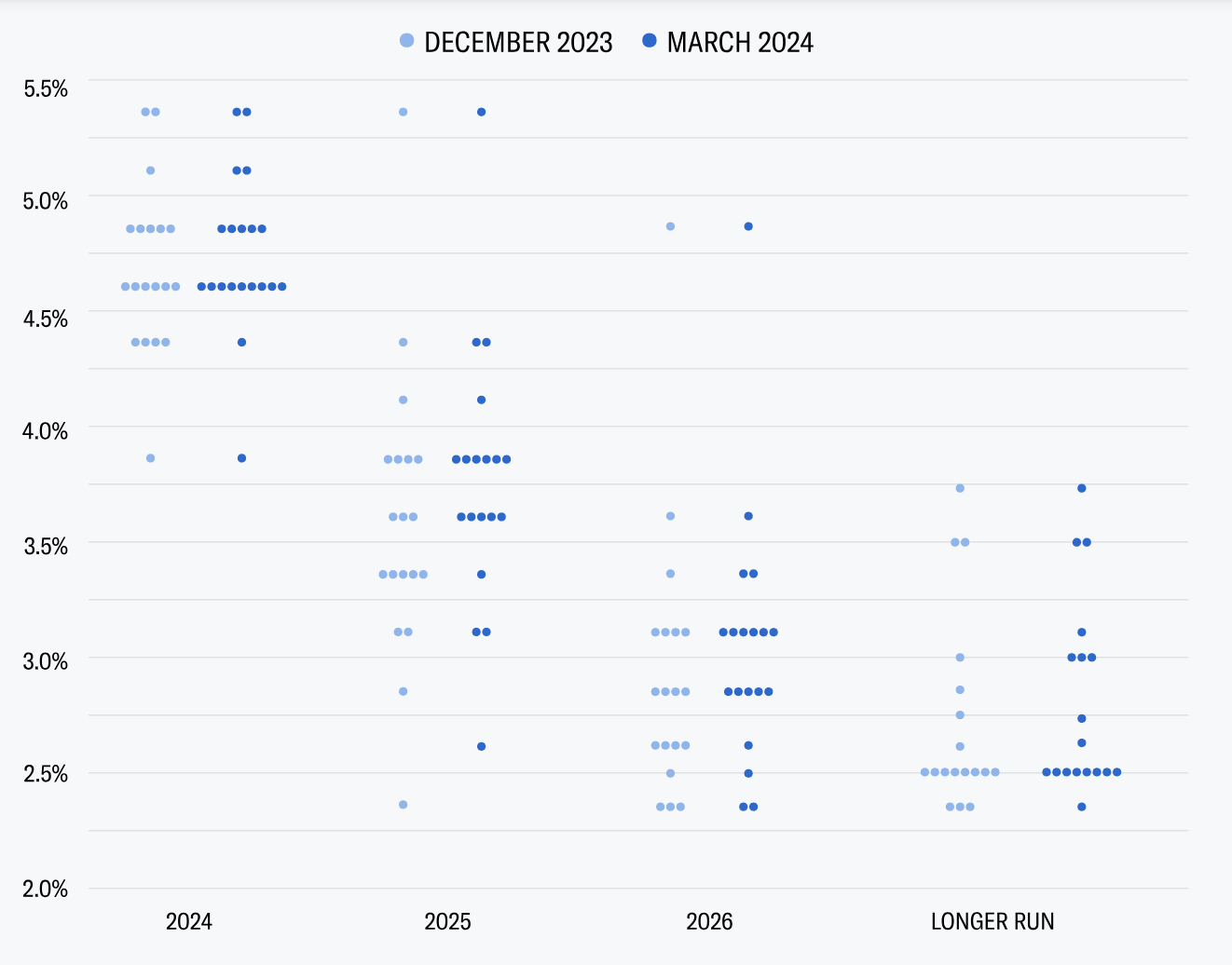
Next week Fed Chair Jay Powell will deliver the FOMC's March statement on monetary policy. Interest rates are not expected to change - however his sentiment might. When we last heard from Powell - he was dovish - igniting a rally in risk assets. However, with inflation heating up and a tight job market - Powell may perform another pivot. Markets expect three rate cuts this year - those expectations might be dialed back to just two.

A Different Lens on the ‘AI Bubble’

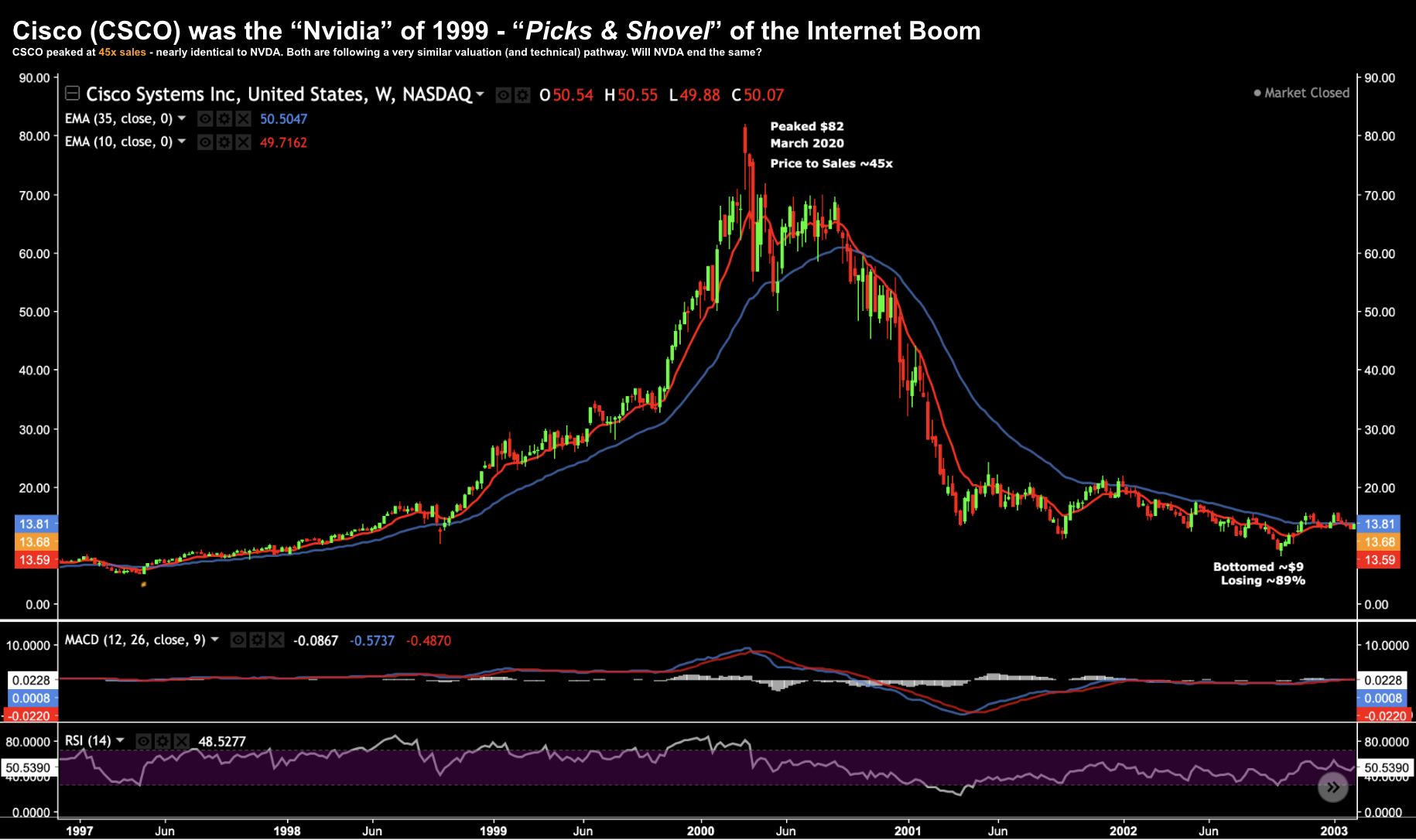
25 years ago Cisco (CSCO) was the largest company on the S&P 500 by market cap. Its shares soared on the demand for networking equipment. But it didn't last. The stock lost 89% of its value in two years. Nvidia is not only charting a very similar technical pattern to CSCO - there are also similarities with valuation metrics. Both the price-to-earnings ratio and price-to-sales multiples have been very similar. What we don't know (or cannot know) is whether the same fate lies ahead for NVDA (as investors pay a staggering 35x sales for a slice of the AI pie)

Are Semi’s Set to Cool their Gen-AI Heels?

Whilst the technology sector is outperforming the benchmark index this year -- semiconductor stocks have done the bulk of the heavy lifting. And it's not difficult to explain investor FOMO. It's entirely due to the hype around "AI" and specifically something called "Generative AI". For example, in a report by Grand View Research, they valued Gen-AI at ~$13B last year. However, its anticipated CAGR is estimated to be ~36% - which puts the industry hitting $109B by 2030. That's a sharp ramp higher from basically zero two years ago. And today - there a very few chipmakers who produce the GPUs required to meet the insatiable demand. However, is the demand semis are seeing today (and revenue) sustainable long-term? That's unlikely.

It’s Not If “Long & Variable Lags” Hit… It’s When

Milton Friedman coined the expression "monetary policy operates with long and variable lags". In the 1970s - he felt it was up to around two years before those effects are felt. Today it's believed to be sooner - given open transparency of Fed speak and data tools available. But is it? It's been two years since the Fed's first hike and we're just starting to see labor markets soften and consumer demand weaken. Have the full effects of tighter policy been absorbed? I don't think so.

Apple: Ready to Take Another Bite?

Apple is ~15% off its all time high as it lags its large cap peers. Concerns of iPhone growth and China have rattled investors. However, it's not unusual for this stock to pull back. Since 2107, we have seen 11 retraces - offering patient investors buying opportunity. From my lens, Apple is a reasonable long-term buy around $165. And if you can get it cheaper - add to it. Over the next 3 years - I think it will be well over $200 as earnings top $8.00 per share.

Money Supply is Expanding: Fuel for Stocks

When the supply of money expands - it's typically very good for stocks. For example, the S&P 500 index is said to appreciate at an average annualized pace of 14.02% when liquidity expands. However, when it contracts, that gain was only around 7.0%. Today money supply is once again expanding after one of the largest contractions in recent history. This has the potential to be very good for investors. As they say, it's always easier swimming with the tide.

Consumer Confidence Drops as Delinquencies Continue to Rise

Warren Buffett expressed caution around overpaying in his most recent letter. Jamie Dimon - JP Morgan CEO - said today there's a 50% chance of recession - with a soft landing slim. News of falling consumer confidence and rising credit delinquencies also hit the tape today. This begs a question: is the consumer in 2024 stronger than what we saw in 2023? My guess is no.

Buffett’s Letter: Time Not to be Greedy

If we needed confirmation the market isn't cheap - the Oracle of Omaha told us as much in his annual letter to shareholders. He sits on a record amount of cash - over $167B. But he is no hurry to overpay. Buffett's letter is compulsory reading for anyone who is serious about investment. It's filled with timeliness insights from the mind of one of the world's greatest investors (arguably the greatest). For example, very few (if any?) have averaged a CAGR of 19.8% for 58 years (see page 17) vs the S&P 500 10.2%

Something Doesn’t Add Up… 

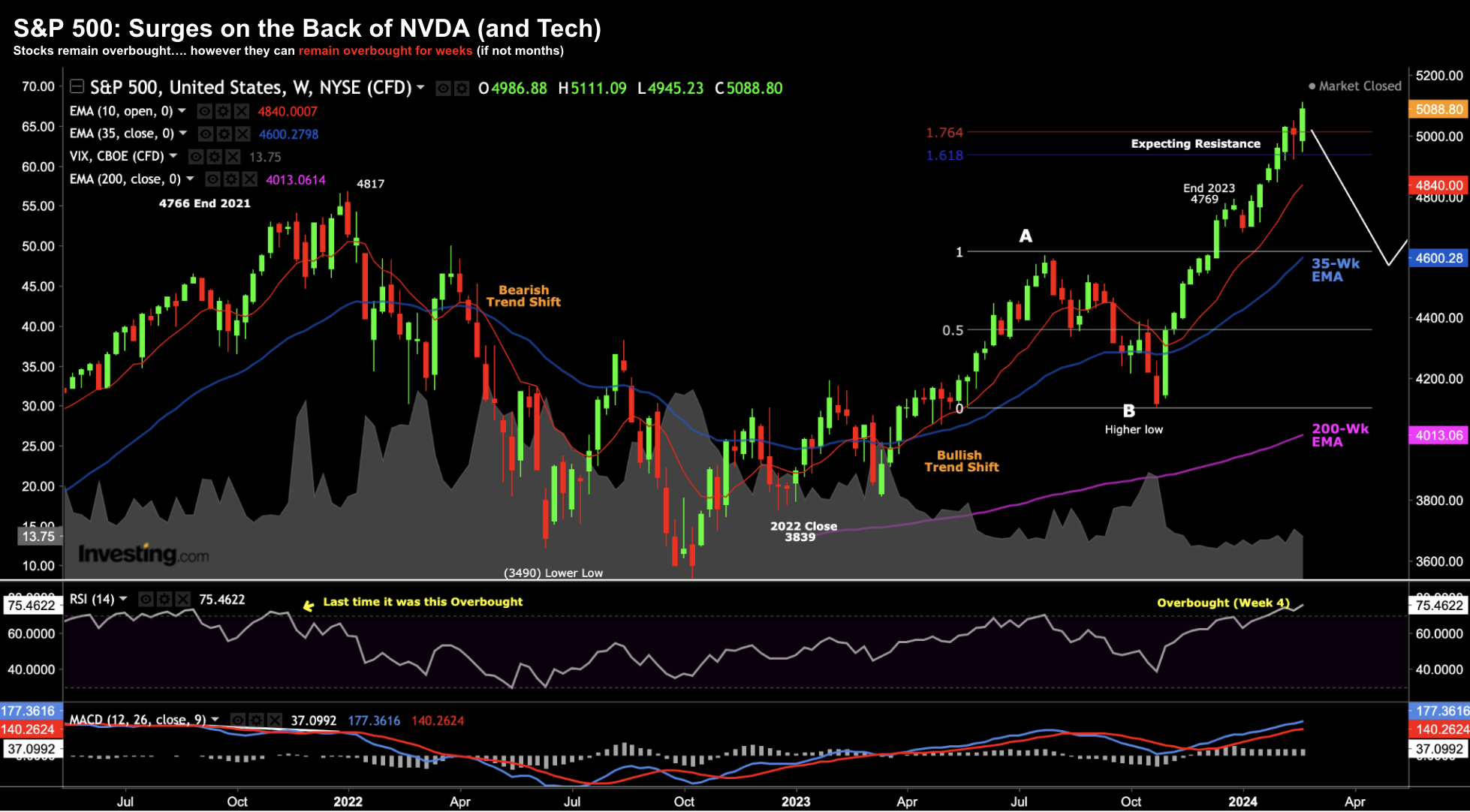
It's Nvidia's world and we're living in it (if you believe the stock market). The S&P 500 (and Nvidia) recorded all new highs post the AI chip maker's earnings. Be careful paying too much. The rapid rise in Nvidia's market cap has only seen the market narrow further. And from mine, that makes it more subject to both volatility and risk. Deutsche Bank’s Jim Reid dimensioned the risk another way. He shows how the Top 10% of stocks in the S&P 500 constitute ~75% of the total capitalization. We have not seen that since 1929! The only other time we saw something similar was the dot.com bubble...

Markets Expect only 3 Rate Cuts this Year – as Services Inflation Jumps

Expectations for rate cuts this year are coming down. For e.g., one month ago the market saw at least six rate cuts before the end of the year (possibly seven). I challenged that assumption - thinking three was more likely (not six). Following news of a hotter than expected Producer Price Inflation (PPI) print for January - those expectations are now down to just three cuts before year's end. That's more aligned to the Fed's intended path.

Traders: Forget “6 Rate Cuts” for ’24

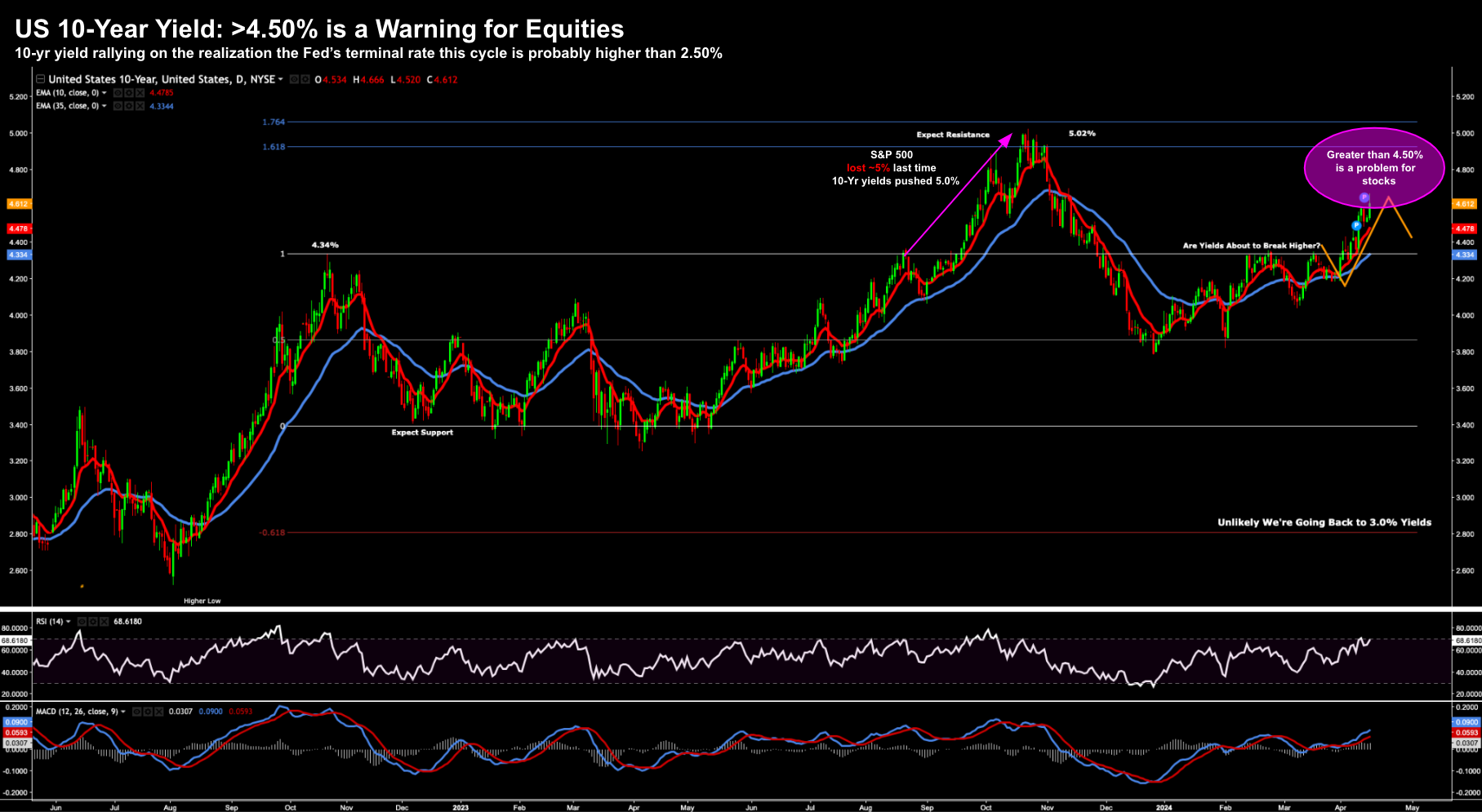
The much awaited January Consumer Price Index (CPI) came in hotter than expected - leading to a small sell off in equities (2%) and a jump in bond yields. The US 10-year pushed 4.30%. But the data should not have been a surprise - there are pockets of strong inflation (eg car insurance up 24% YoY). From mine there are two takeaways: (i) don't expect the Fed to cut "6 times" this year (as I've been saying); and (ii) inflation is not coming down as quickly as many assumed. The good news is the direction for inflation is lower - however the Fed may be forced to hold rates higher for longer. The question then is how will that impact middle-to-lower income earnings - who are already struggling? And what does that do for earnings?