Benjamin Graham’s ‘The Intelligent Investor’

Over the 14 years writing this blog - I've mentored many people on how to become a better investor. It's something I enjoy and a large part of why I've written this blog for so long. As part of that, one of the (many) books I highly recommend is Benjamin Graham's timeless classic "The Intelligent Investor". Unfortunately this is not a great book for those beginning their investing career. It's very dense and requires a lot of time and focus. I had the idea to write a 20-part summary of the book -- where each part corresponds to a chapter. And where practical - I produced up-to-date examples of his principles - simply to illustrate that nothing changes. And whilst someone will always say "it's different this time" - the truth is very rarely is it different.

Here Come the Foolish Forecasts

Once again, it's that time of year. Investment houses are set to release their forecasts for the upcoming year. Why they bother I don't know? And whilst there is still approx one month to go - if the markets finish anywhere near 5,800 - most forecasts made for 2024 will be abysmal. The average end-of-year forecast for 2024 was ~4600. The closest looks like being Ed Yardeni - who forecast 5400 - however at the time appeared wildly bullish. Well done Ed.J.P. Morgan told their clients we would finish 2024 around 4200 - currently more than 40% off the mark.... could it get any worse? So what do you think they will tell us for 2025? My guess "up in the realm of ~8%". Why? Because that's the 100-year average.

Consumer Resilience to be Tested

The post-pandemic resilience of the American consumer continues to show strength. October's retail sales data indicates continued spending, especially as the holiday season approaches. This is important, as consumption comprises 70% of all U.S. GDP. Overall US retail sales rose by 0.4% from the previous month, seasonally adjusted, and increased 2.8% year-over-year unadjusted. Good news. However, the question for today is what (if any) will policy changes impact spending behavior? For example, what could be the impact of tariffs? What if we see less government handouts? How will that impact lower-income households?

The Trump Trade Stalls

Last week when assessing the surge in markets - I offered examples of how market (sector) dynamics shifted. Adding to that theme - I was not overly surprised to read how institutional investors are putting money to work. For example, Bank of America Corp.’s monthly survey of global fund managers indicates that Trump's decisive win is perceived as a potential turning point for investment strategies. And whilst that could be true - it pays to look at history... what can we gauge from Trump 1.0 (and the impact on markets).

Time to be Greedy or Fearful?

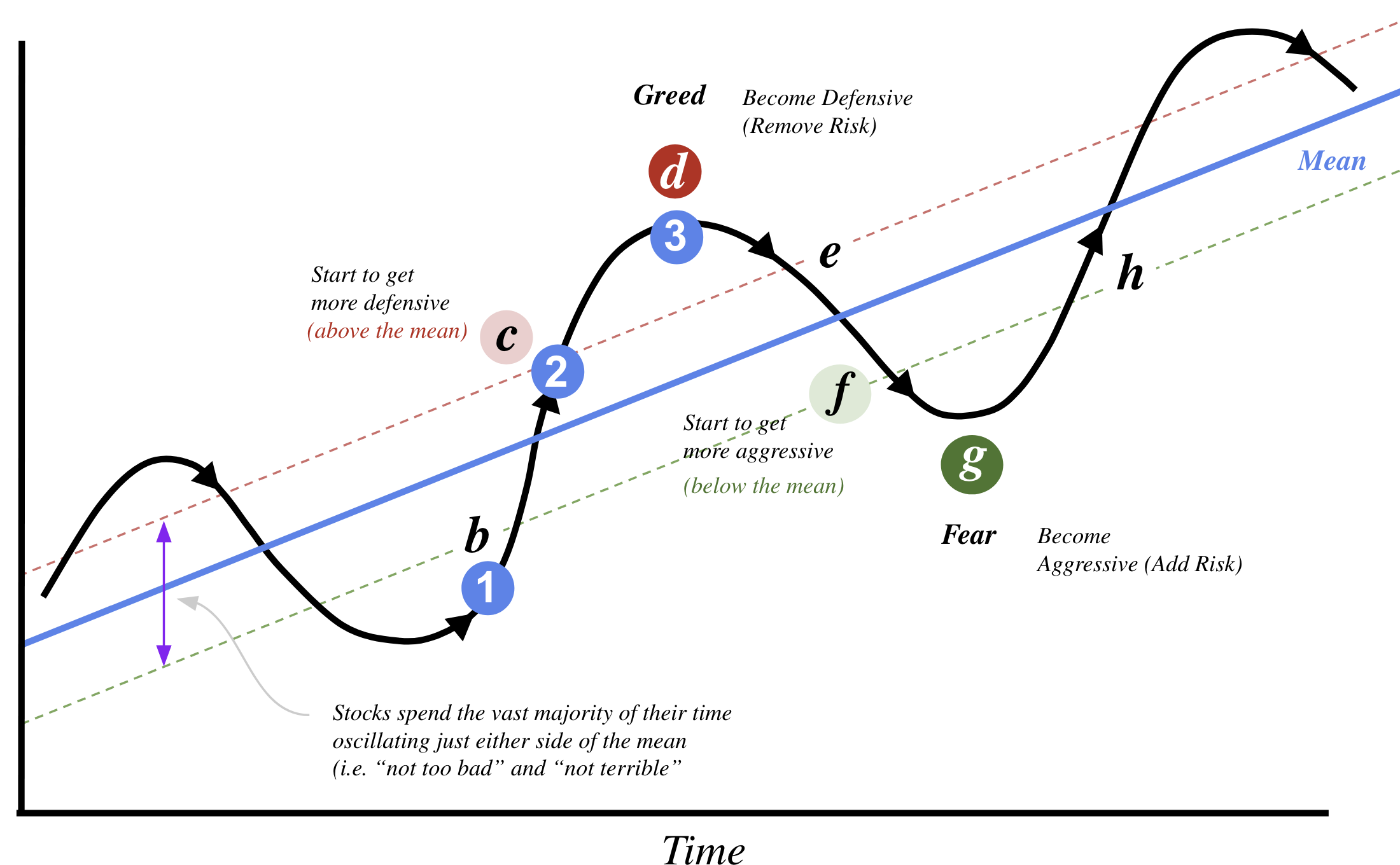
Warren Buffett is famous for saying "be fearful when others are greedy; and be greedy when they are fearful". Today the Oracle of Omaha sits on a record $325B in cash - a record for Buffett - and over 30% of his entire portfolio. Investor enthusiasm today is wildly optimistic about future growth and earnings post the election result. And whilst surging prices are a sign of confidence - markets are also notoriously fickle...

Red Sweep Turbocharges the Market

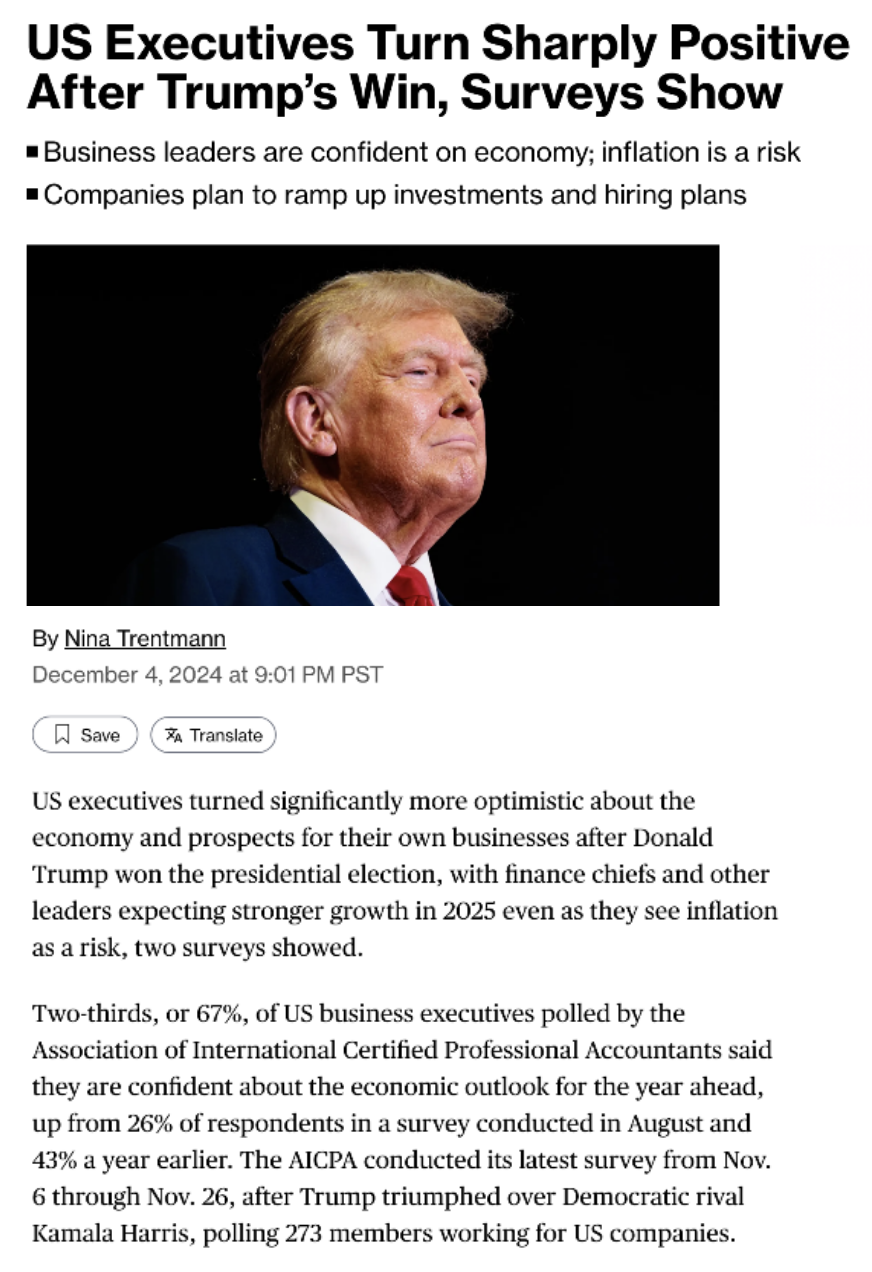
Trump's decisive win last week has seen significant shifts in market sentiment. Markets are optimistic that Trump's tax cuts and deregulation will turbocharge growth. And they might. But what implications will Trump's policies mean for the US dollar, long-term bond yields and foreign trade? As investors, you need to evaluate both what is seen vs unseen. There will be both opportunities and challenges... however they will be very sector specific.

Real PCE & Wages Trend: Consumers Keep Spending

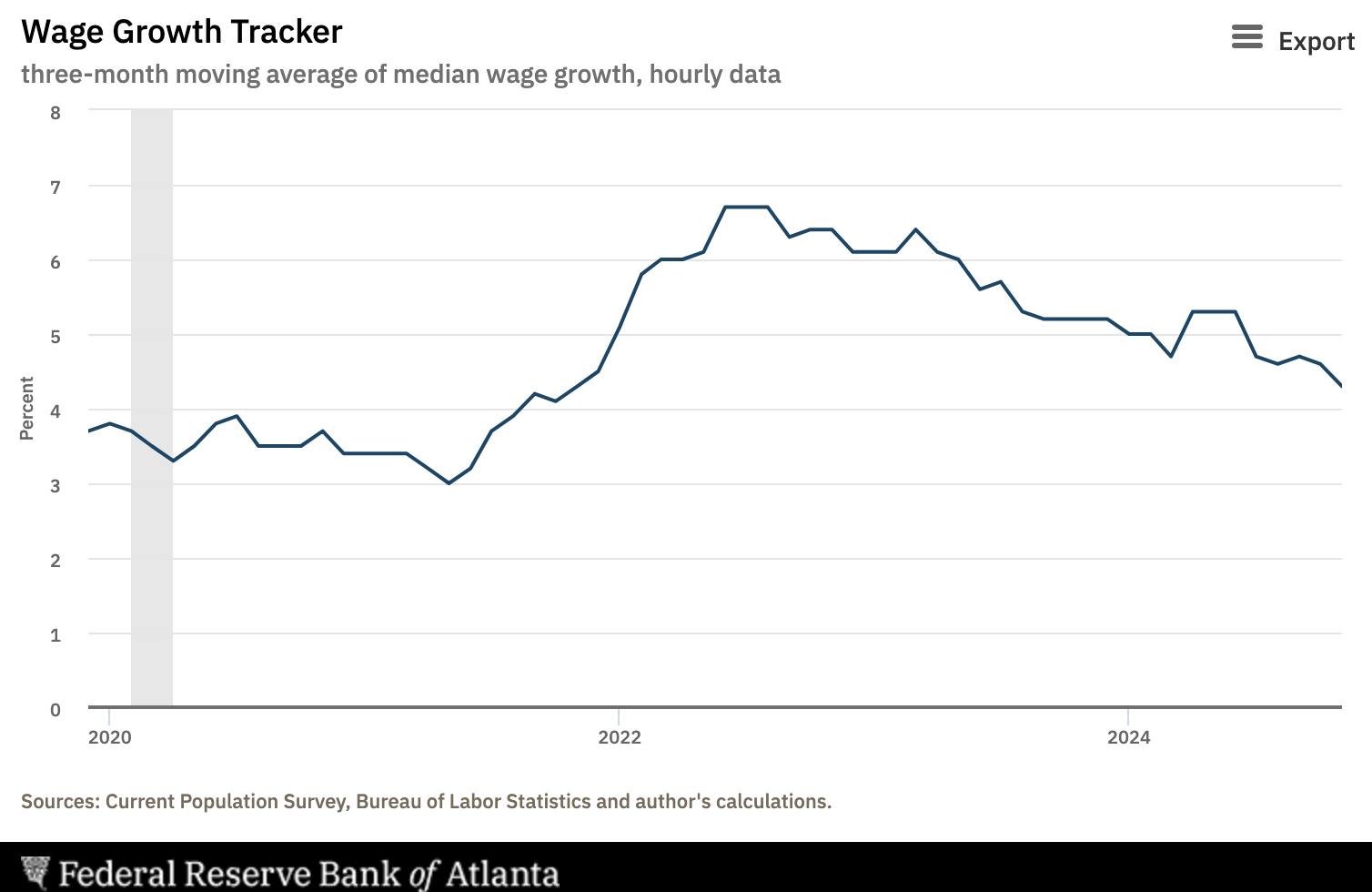
This week we received my preferred leading economic (and stock) indicator: real personal consumption expenditures (PCE). As a preface to this missive - as a long-term investor - our job is to carefully assess the risks. Part of that equation is knowing exactly where we are in the business cycle. For e.g., do you think we’re at the beginning or middle of an economic advance (with more to go)? Are we about to encounter a significant change in direction? If so, is that change for the better or for the worse?

Stocks Pause on ‘Less than Magnificent’ Earnings

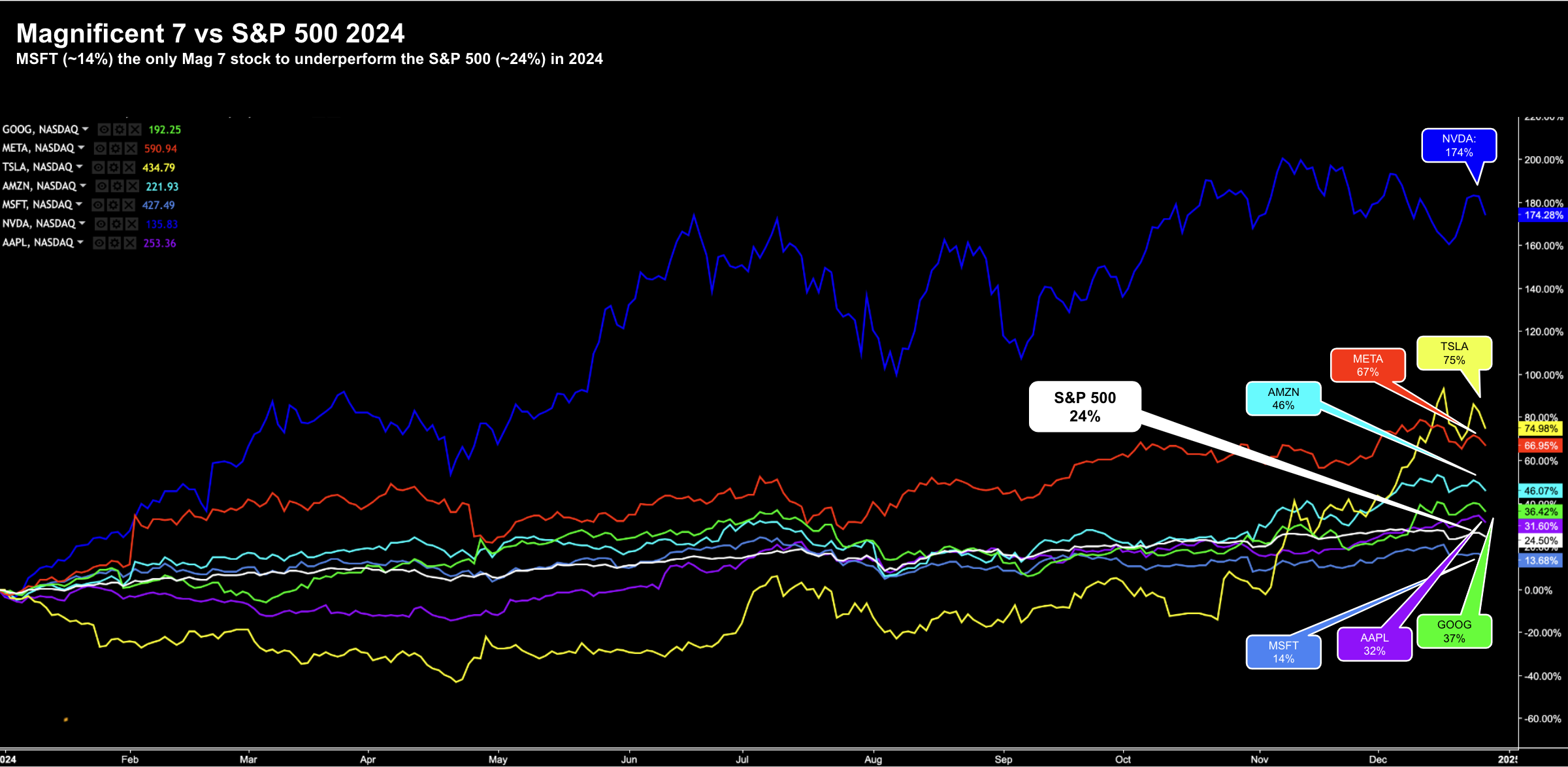
October - synonymous for delivering market jolts - passed with barely a whimper. However, it was the market's first negative month since April. Are stocks losing their mojo? In short, large cap tech earnings from five of the 'Mag 7' were less than magnificent. Meta, Apple and Microsoft all dropped post earnings. Google managed a small 5% rise initially - but gave it all back. Amazon managed hold gains of ~3%. This post talk to what the market expects from the nearly $1 Trillion in AI capex... and how their patience could be starting to wane...

Decoding the Drop in Oil

Middle East tensions are rising. However, oil prices are dropping. Why? The Israeli missile attacks on Iran, while not entirely unforeseen, triggered a negative response in the oil market. Now this may seem curious... contrary to expectations of a price surge due to heightened geopolitical tensions, crude oil prices plunged ~5%. In short, market sentiment tends to prioritize economic supply and demand concerns over (short-term) geopolitical risks

Stocks Losing Momentum

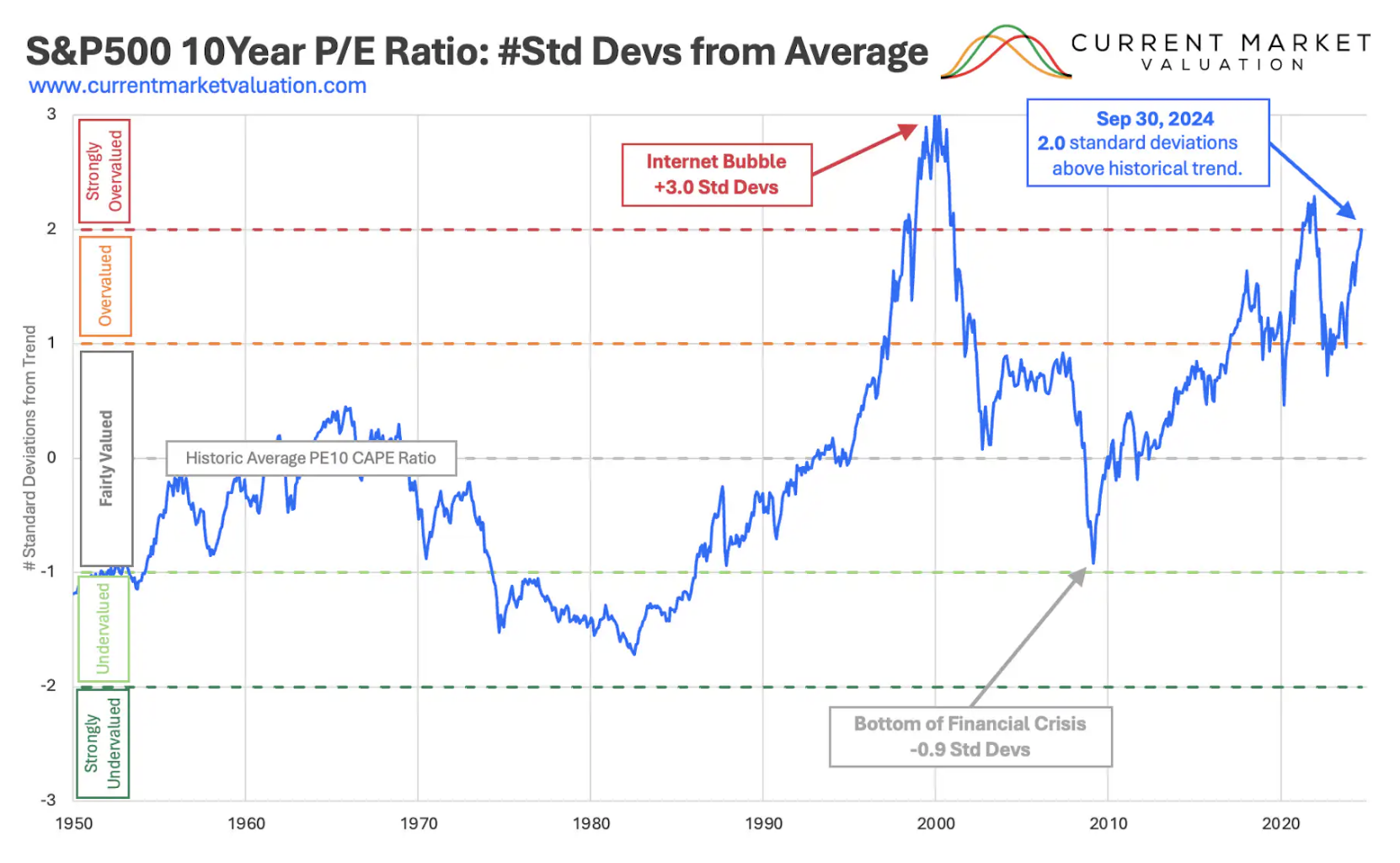
Are stocks starting to lose momentum? This week saw the S&P 500 reverse course - its first losing week since early September. Could there be more to come? My answer is yes - perhaps as much as 7-10%. However, it's a question of timing. Irrespective, paying 22x forward earnings is a higher-risk bet.

The Bond Vigilantes Strike Back

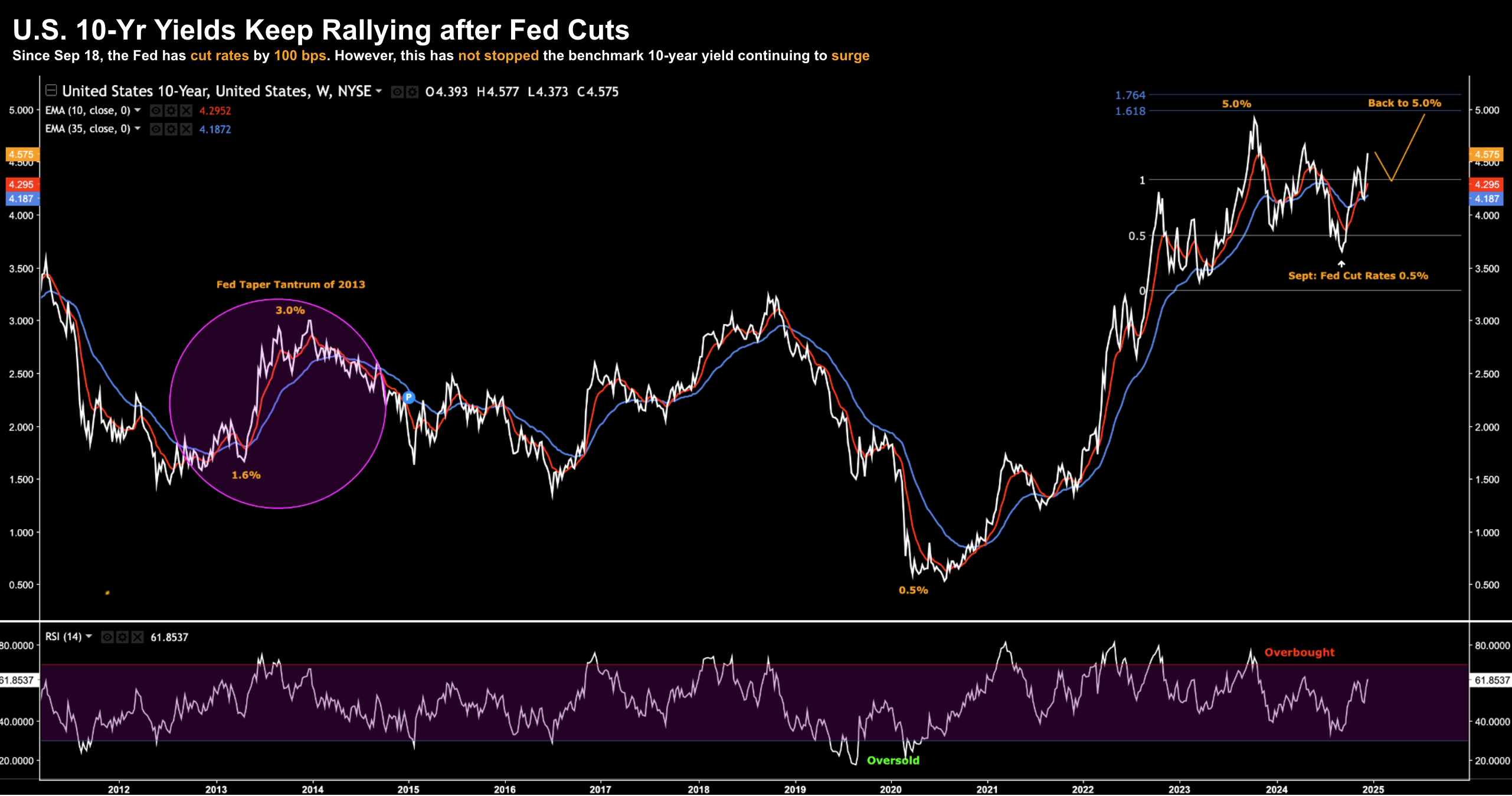
Several weeks ago I suggested investors consider reducing their exposure to 10-year treasuries. At the time, the world's most important debt security was yielding around 3.80%. They would continue to fall to a near-term low of 3.60%. In this case, the timing was good as these yields have rallied some 60 bps in turn crushing bond prices. For example, EDV and TLT have dropped more than 10%. So why are 10-year yields rising in the face of Fed cuts? There's a good reason: term premium. Bond owners demand a premium if owning the debt of a fiscally irresponsible government. And this has major implications for investors...

Why Buffett’s Mentor Would Reduce Risk

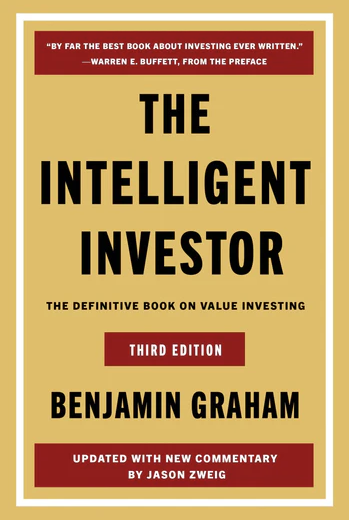
I've been re-reading "The Intelligent Investor" by Benjamin Graham. Warren Buffett called it "by far the best book on investing ever written" - crediting Graham with laying the foundation for his entire investment philosophy. The book taught me three powerful lessons: (1) above all else, investing is about protecting your capital; (2) investors should strive to pursue adequate and sustainable gains; and (3) it requires overcoming self-defeating behaviors (e.g., fear, greed and bias). The lessons could not be more timely given today's excessive valuations.