Market Volatility vs. True Panic: How to Use the VIX to Identify Peak Fear Market Volatility vs. True Panic: How to Use the VIX to Identify Peak Fear

Market Volatility vs. True Panic: How to Use the VIX to Identify Peak Fear

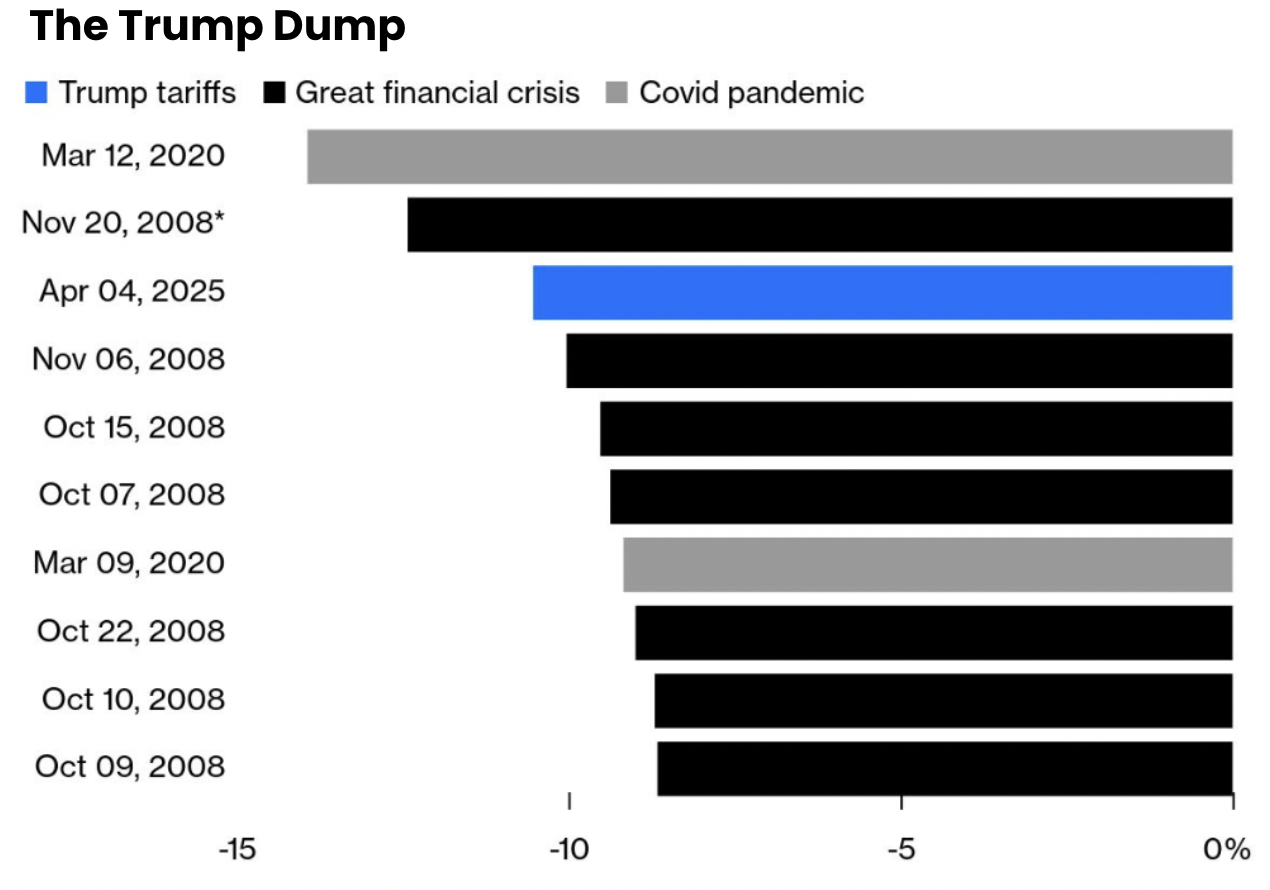
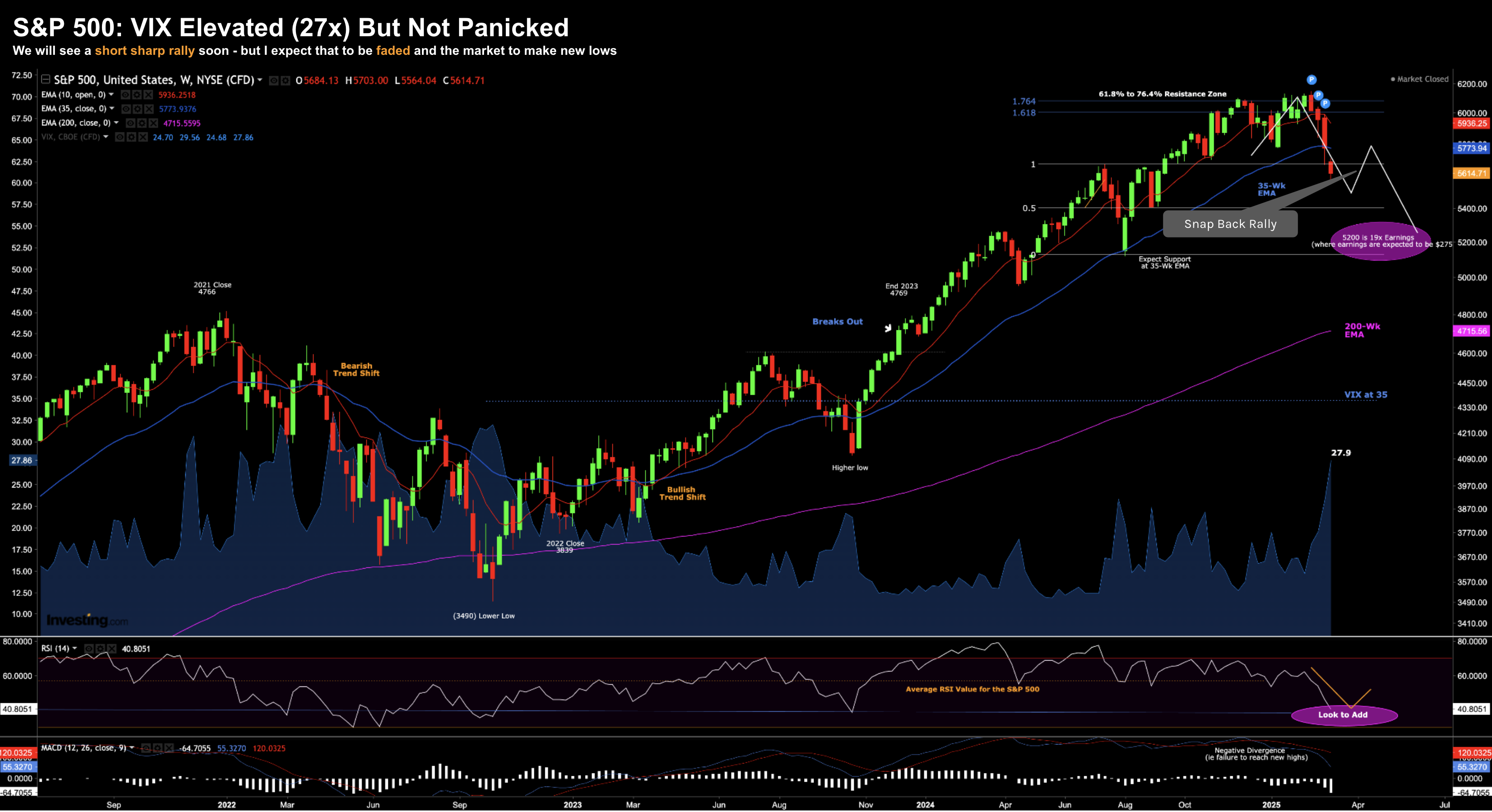
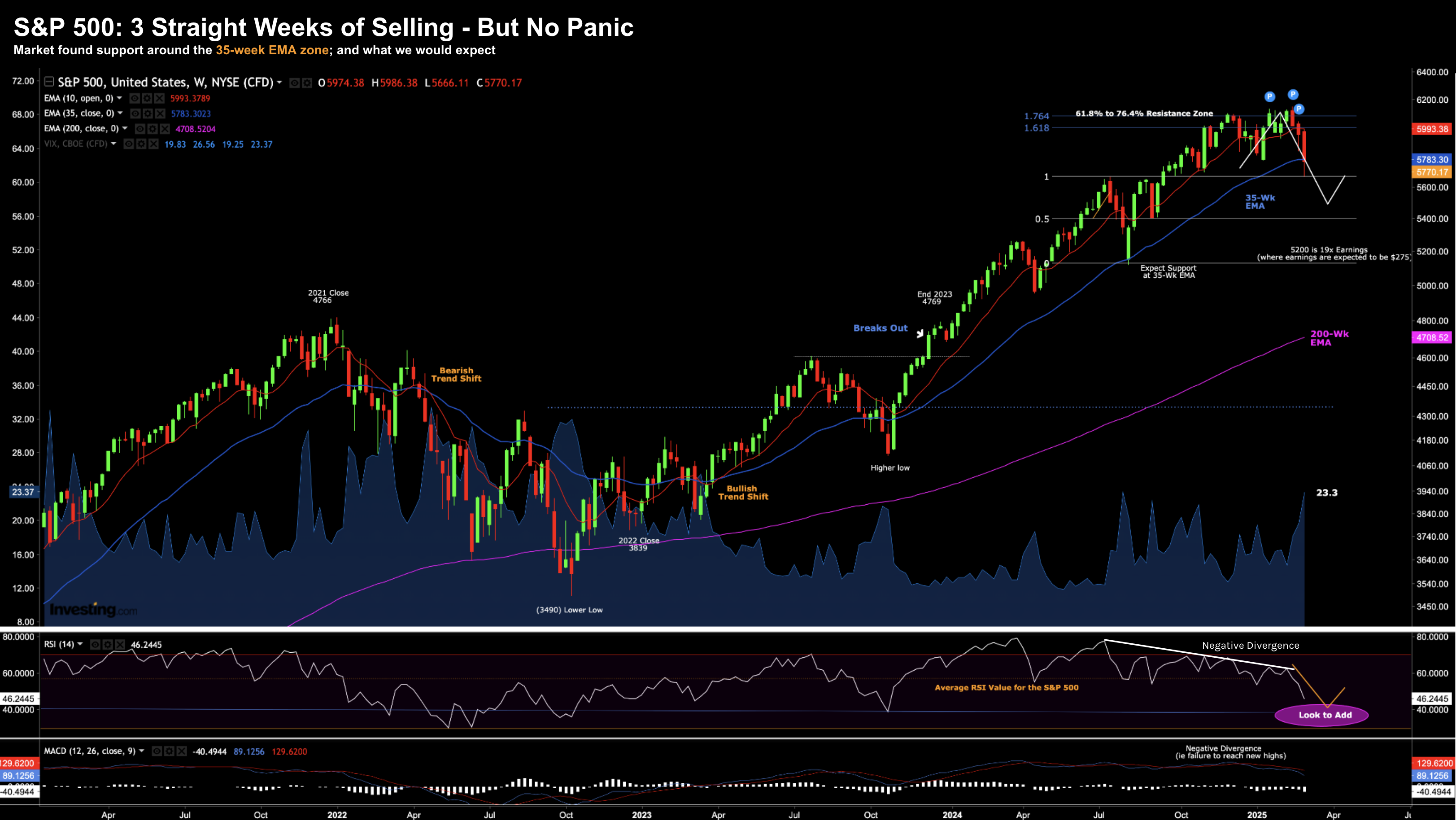
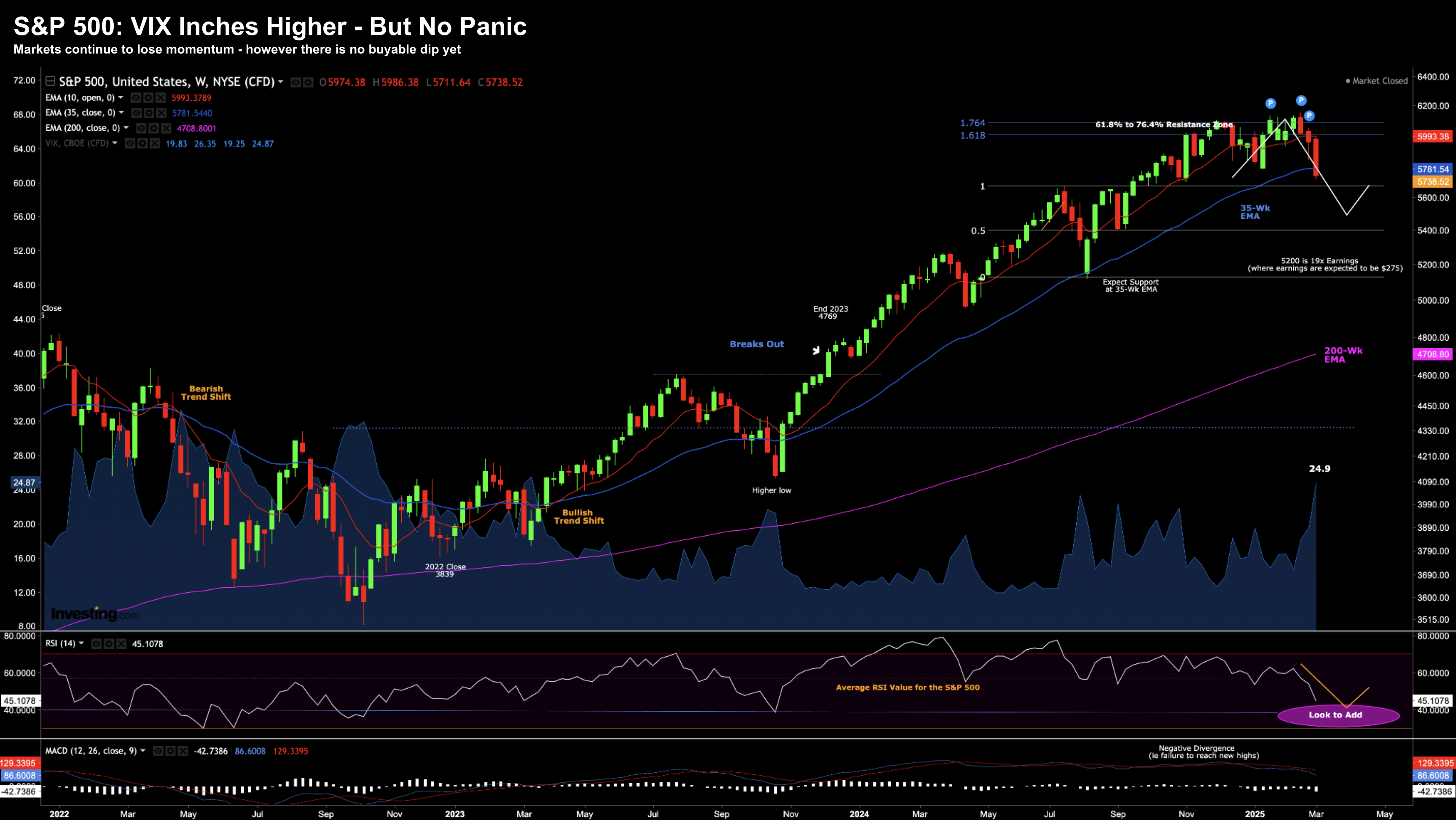
Are markets panicking? That depends on who you ask. A short-term trader might see the ~6% move lower as significant. On the other hand, those who invest for longer-term (such as myself) see a ~6% move down as nothing at all. From mine, panic isn't here yet. However, there is a measure which can help us identify when markets are overly fearful. And generally - they are great buying opportunities. But we are not there yet.

The Limits of Multiple Expansion: Why Price Appreciation Must Eventually Follow Earnings The Limits of Multiple Expansion: Why Price Appreciation Must Eventually Follow Earnings

The Limits of Multiple Expansion: Why Price Appreciation Must Eventually Follow Earnings

Earnings per share growth has averaged 8.3% pa from 2015 through today. However, capital appreciation in stocks (exclduing dividends) has seen a CAGR of 11.0% over the same 10-year period. This divergence is widening which indicates multiple expansion. From mine, investors should be braced for mean reversion.

The Math of Moats: Why ROIC and Free Cash Flow Trump Revenue Growth The Math of Moats: Why ROIC and Free Cash Flow Trump Revenue Growth

The Math of Moats: Why ROIC and Free Cash Flow Trump Revenue Growth

Whilst market's fret about slowing growth ("Ready for a Growth Scare?") - Warren Buffett sits back with a smile. His company - Berkshire Hathaway - rallied to fresh record high this week after the company reported a record high quarterly profit. Its market value is now over $1.1 Trillion. So how did Buffett build this incredible cash machine? I'll outline three (basic) reasons... all of which you can emulate.

Nvidia’s Expectations Gap: Why High Quality Doesn’t Always Mean High Returns Nvidia’s Expectations Gap: Why High Quality Doesn’t Always Mean High Returns

Nvidia’s Expectations Gap: Why High Quality Doesn’t Always Mean High Returns

Nvidia's latest quarterly numbers were very impressive - producing 78% sales growth. They dominate the market for AI chips. A small nitpick could be the three point decline in gross margins (but that's expected). Let's not forget - those gross margins are still 73%. No-one else comes close in the semiconductor industry. So why would the stock tank 8.5%? Simple: expectations. The market knew that Nvidia was going to grow at revenue at least 70%+ where gross margins would be north of 70%. But growth is slowing (as they get bigger) and margins are declining (as competition starts to ramp up)

The Art of Inaction: Strategic Positioning Beats Market Timing The Art of Inaction: Strategic Positioning Beats Market Timing

The Art of Inaction: Strategic Positioning Beats Market Timing

Saturday Feb 22nd was circled on my calendar. It was the day Warren Buffett shared his annual shareholder letter. If you want to become a better long-term investor - it's worthwhile reading every one of his 59 letters (from 1965). With respect to valuations he offered this: “We are impartial in our choice of equity vehicles, investing in either variety based upon where we can best deploy your (and my family’s) savings. Often, nothing looks compelling; very infrequently we find ourselves 'knee-deep' in opportunities.”

The Fed’s Balancing Act: Why Market Liquidity Matters More Than Interest Rates The Fed’s Balancing Act: Why Market Liquidity Matters More Than Interest Rates

The Fed’s Balancing Act: Why Market Liquidity Matters More Than Interest Rates

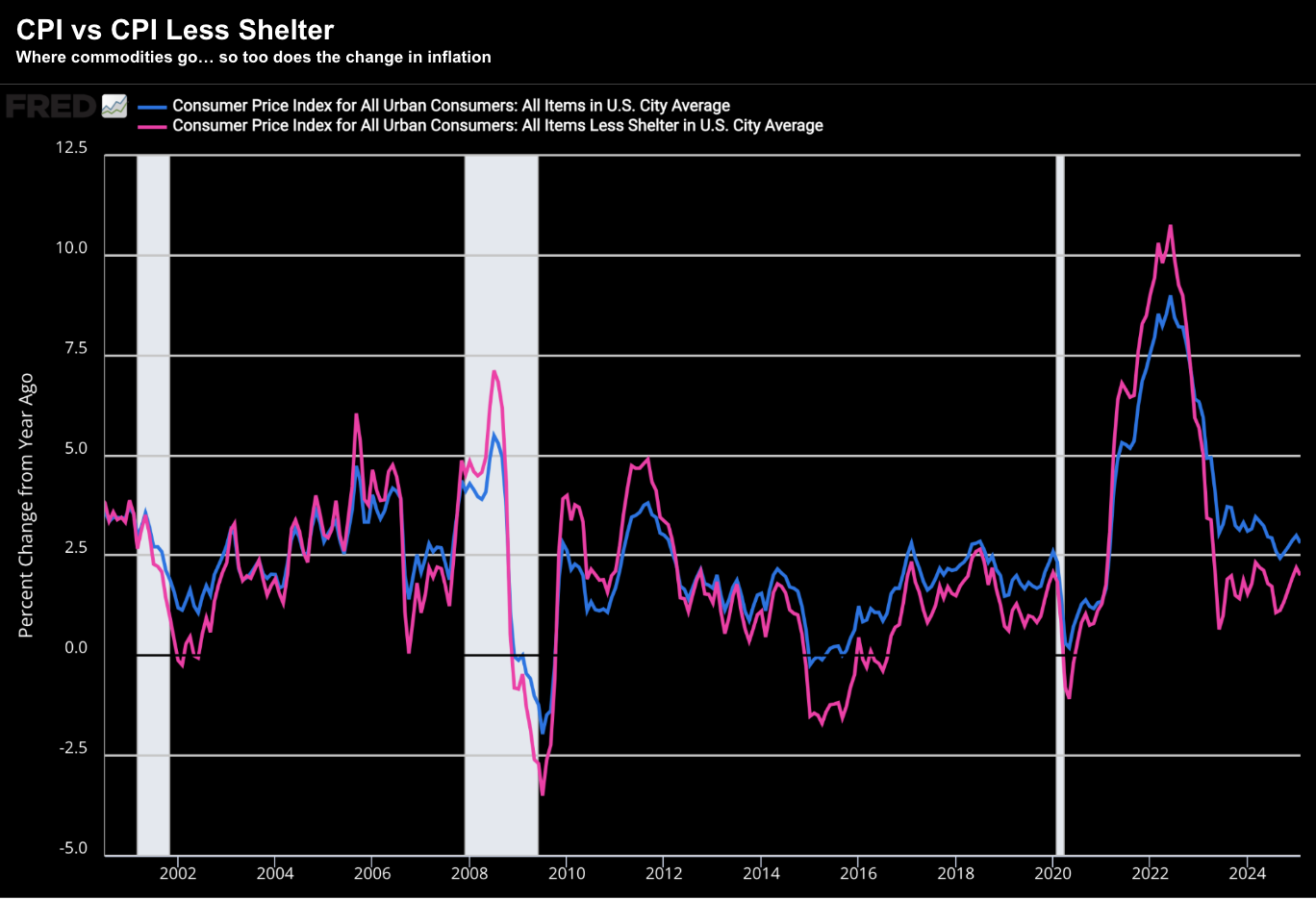
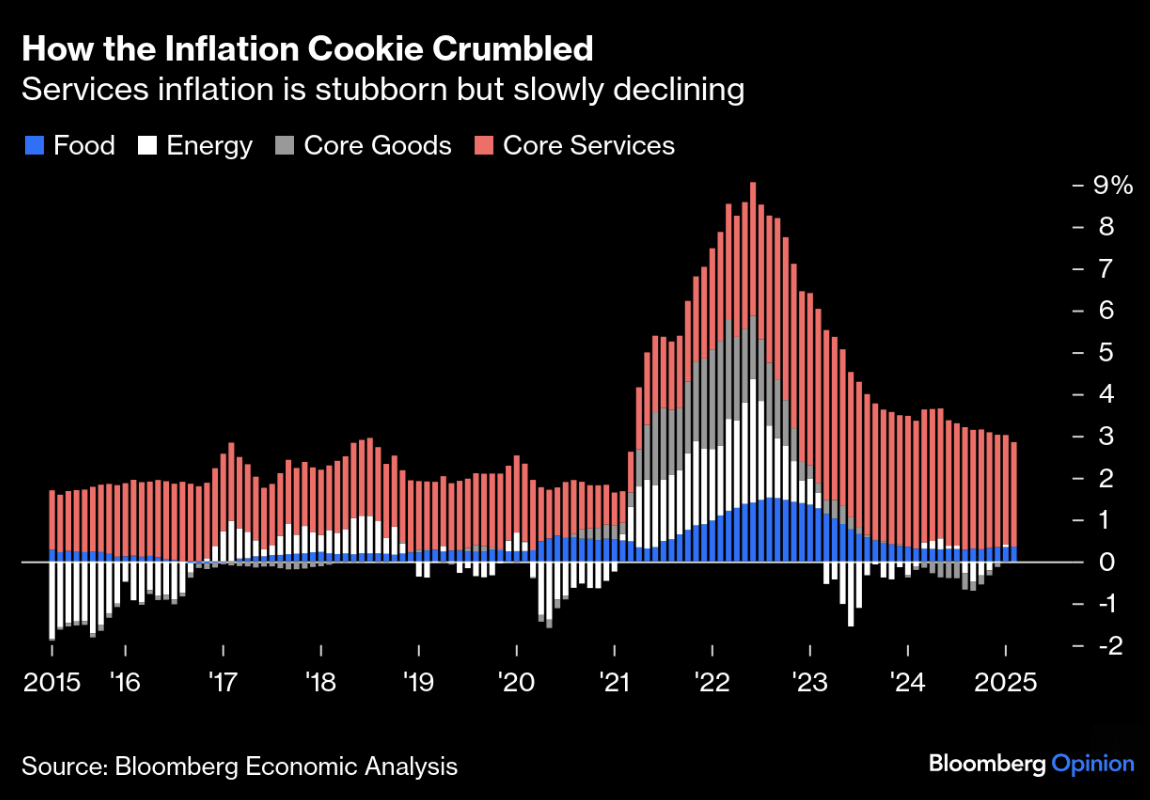
Four things caught my eye with yesterday's release of the January Fed Minutes: (i) worries over tariffs and their impact on inflation; (ii) some members suggesting the fed funds rate is now close to neutral (not the majority); (iii) concerns over the pace of balance sheet reduction targets; and (iv) inflation needing to come down more before lowering rates further. Makes sense to me... But I can't help but wonder when Powell ran a victory lap last September - whether it was premature.

The Inversion of Growth: Why Private Investment is the Only Way Out of Debt The Inversion of Growth: Why Private Investment is the Only Way Out of Debt

The Inversion of Growth: Why Private Investment is the Only Way Out of Debt

With 10-year yields trading around 4.50% (with the possibility to go higher) - why haven't equities sharply corrected? It's a good question. For e.g., on the surface, one might think equities would struggle given the zero risk premium investors are receiving. But that has not been the case. The stock market has withstood the sharp rise in bond yields (for now anyway). However, I believe there is a simple explanation. It's the amount of liquidity in the system. Liquidity is abundant - evidenced by the very low credit spreads in the market (participants see very little risk). Generally credit spreads widening are your first sign of trouble.

The Anatomy of a Growth Scare: How Tariffs, Tightening, and Inflation Impact Markets The Anatomy of a Growth Scare: How Tariffs, Tightening, and Inflation Impact Markets

The Anatomy of a Growth Scare: How Tariffs, Tightening, and Inflation Impact Markets

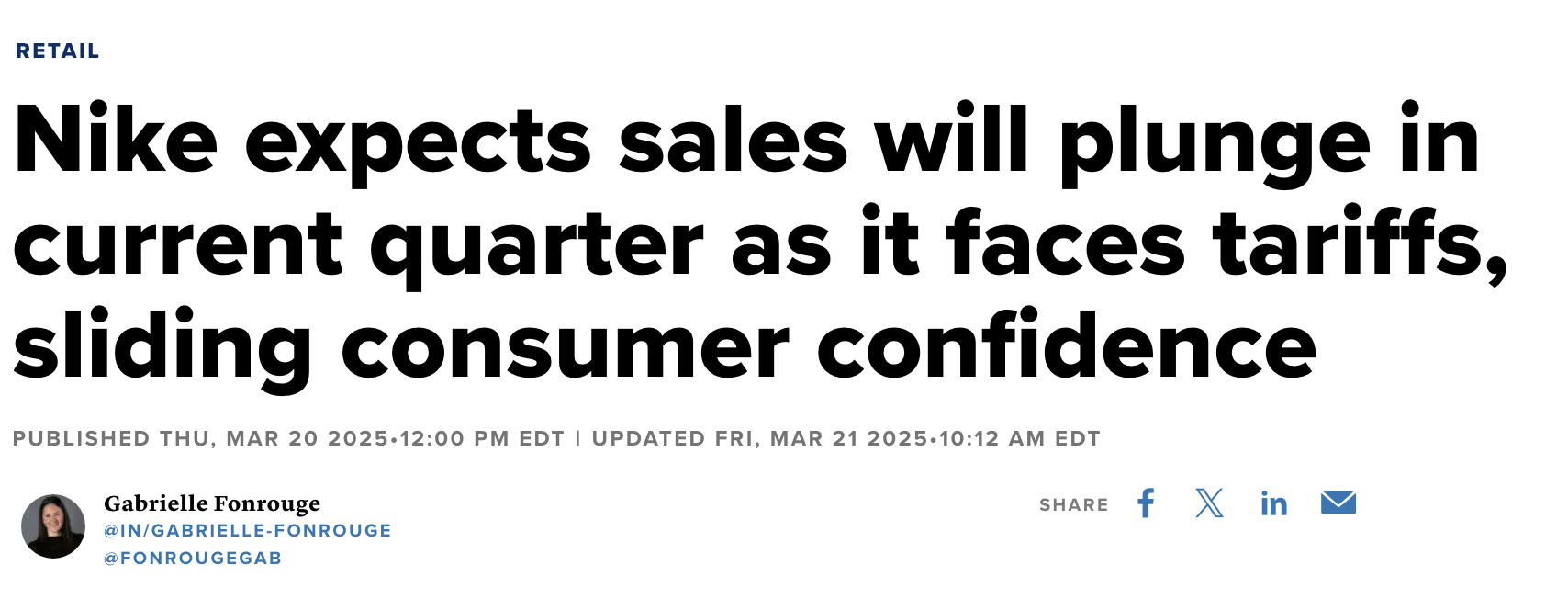
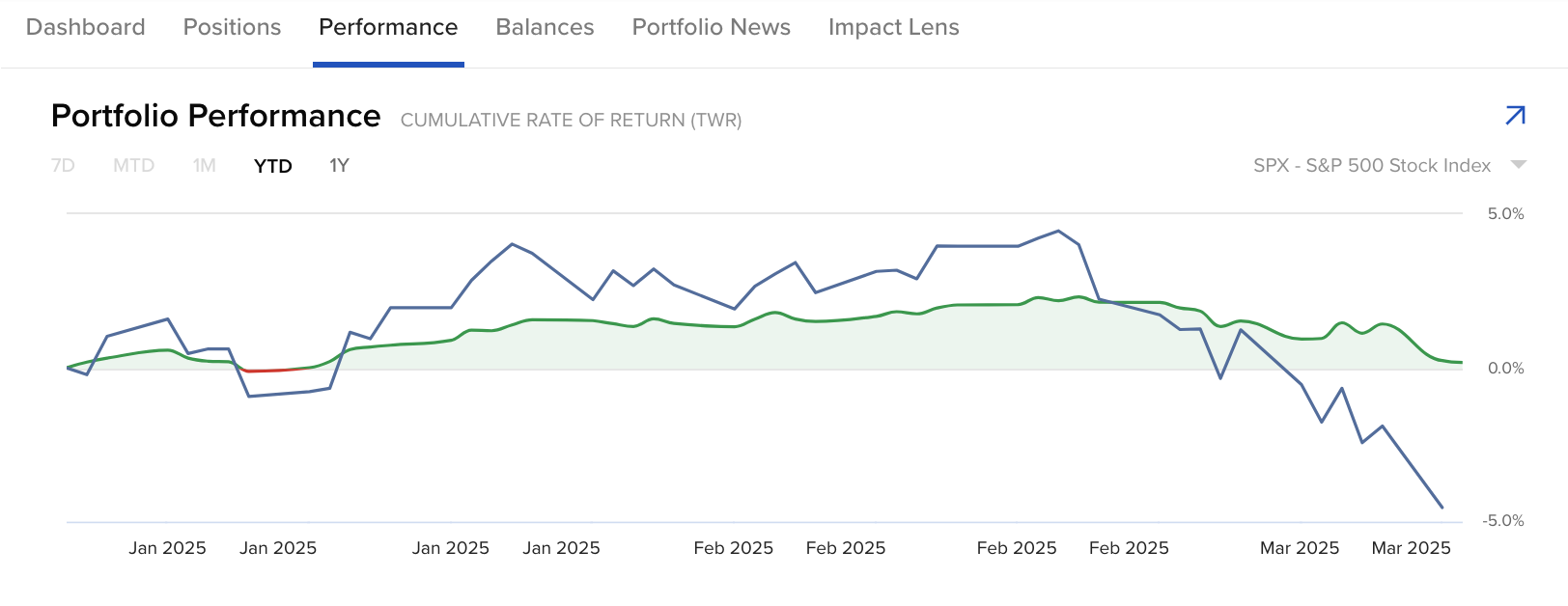
We started this year with the market pricing in only "good things". We had (a) the Fed ready to continue its easing cycle; (b) business friendly administration looking to cut taxes and lower regulation; and (c) the promise 'limitless' returns from AI. Investor expectations were very high - evidenced by the valuation multiples they were willing to pay (whether it was P/E; P/FCF; EV/EBIT etc). Traders were all leaning to one side of the boat. However, shares prices have lost all momentum the past 12+ weeks.

The Rules of Engagement: Navigating Market Uncertainty and the Tariff Tug-of-War The Rules of Engagement: Navigating Market Uncertainty and the Tariff Tug-of-War

The Rules of Engagement: Navigating Market Uncertainty and the Tariff Tug-of-War

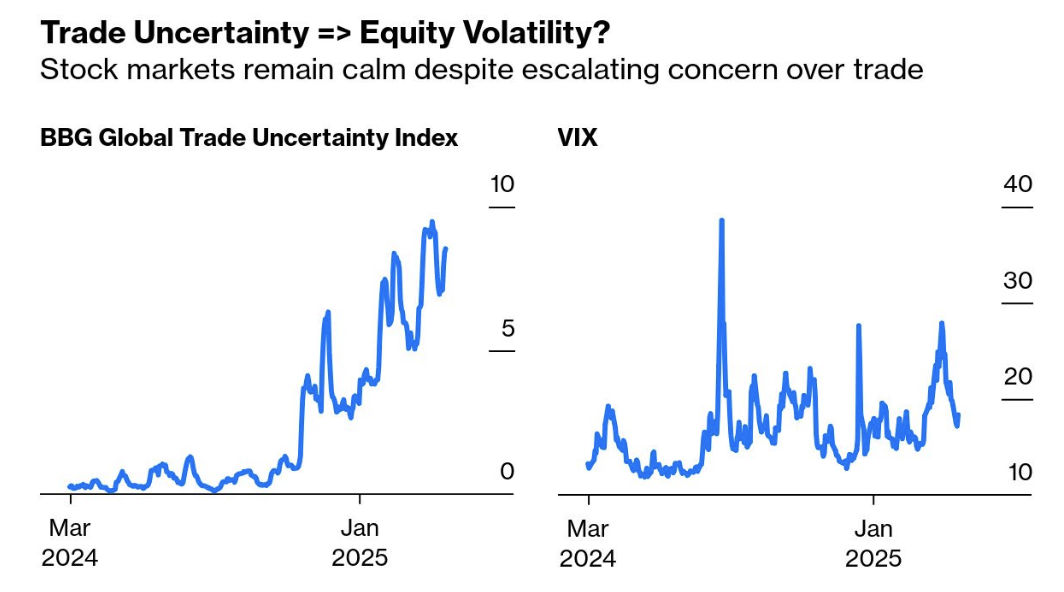
As an investor - it's very important to know the rules. For example, if the rules are constantly influx - it leads to uncertainty. With heightened uncertainty - you pull back. That's what faces investors. For example, consider the following: (i) direction of monetary policy (e.g., as Powell raised concerns on inflation); (ii) A torrent of policy shifts from the White House; and (iii) major disruption with artificial intelligence - as investors question return on capital invested. Uncertainty in each of these buckets makes it hard to commit to stocks with conviction.

The 10-Yr Yield Challenge: The Path to Fiscal Responsibility The 10-Yr Yield Challenge: The Path to Fiscal Responsibility

The 10-Yr Yield Challenge: The Path to Fiscal Responsibility

The new US Treasury Secretary - Scott Bessent - is focused on the right goal. He wants a lower US 10-year yield. The former Hedge Fund manager knows how important a lower US 10-year treasury is to the growth of the economy (and the government). His direct language reflects a reality - as most people don't borrow at the short end (i.e., the rate set by the Fed)

AI Capex vs. ROIC: Why Investors are Questioning Big Tech’s $1 Trillion Bet AI Capex vs. ROIC: Why Investors are Questioning Big Tech’s $1 Trillion Bet

AI Capex vs. ROIC: Why Investors are Questioning Big Tech’s  Trillion Bet

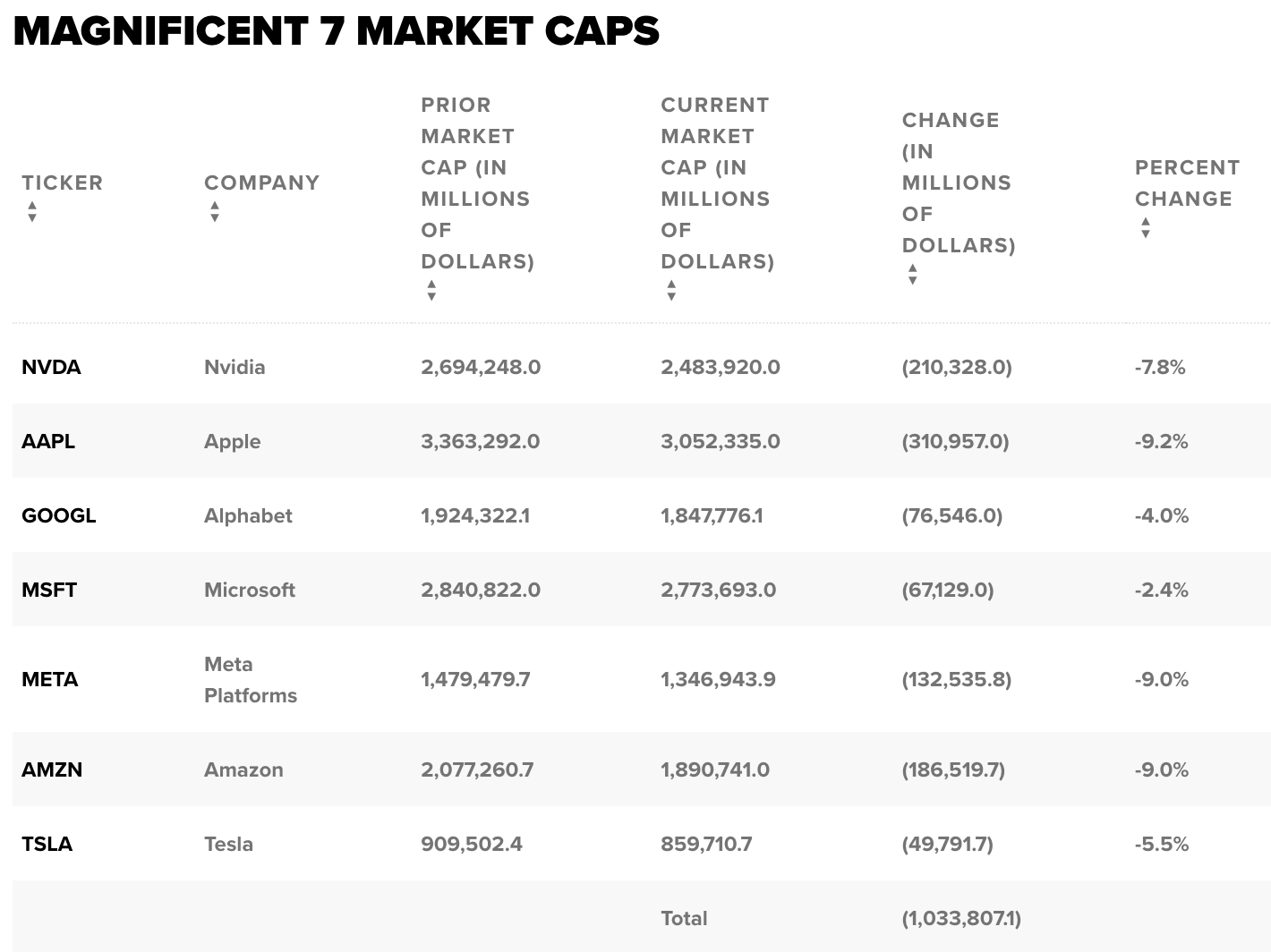
Large-cap tech's planned capex for 2025 is worrying investors. What will be the return on that capital? Never before have these companies made such large bets. Before DeepSeek, it was assumed the tech giants - with their deep pockets and almost limitless resources - would enjoy a wide moat in the AI arena. And from there, that justified the high valuation multiples. Not now. DeepSeek’s arrival challenges those long held assumptions (and valuations).

AI Infrastructure ROI: Why Investors are Questioning the $1 Trillion Capex Cycle AI Infrastructure ROI: Why Investors are Questioning the $1 Trillion Capex Cycle

AI Infrastructure ROI: Why Investors are Questioning the  Trillion Capex Cycle

AI investors were caught off guard this week on news of China's ChapGPT rival "DeepSeek". It's alleged DeepSeek was developed far more cost-effectively (millions vs billions) than OpenAI's ChatGPT (and similar large language models). If true (and we don't know) - this raises questions about the sustainability of current U.S. AI infrastructure investments - forecast to top $1 Trillion next year. All of a sudden - valuations for these AI stocks are being questioned.