AI Infrastructure ROI: Why Investors are Questioning the $1 Trillion Capex Cycle AI Infrastructure ROI: Why Investors are Questioning the $1 Trillion Capex Cycle

AI Infrastructure ROI: Why Investors are Questioning the  Trillion Capex Cycle

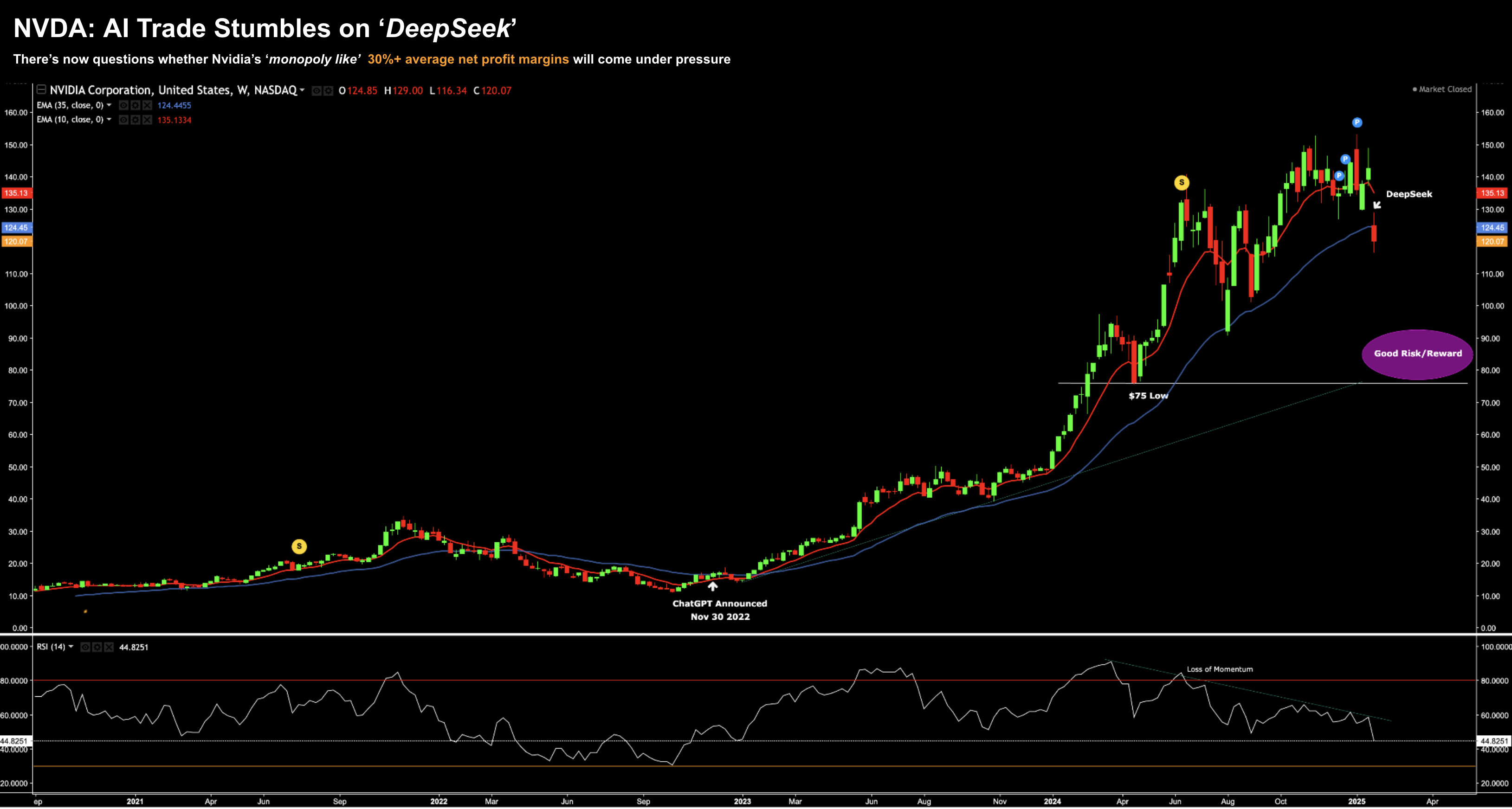
AI investors were caught off guard this week on news of China's ChapGPT rival "DeepSeek". It's alleged DeepSeek was developed far more cost-effectively (millions vs billions) than OpenAI's ChatGPT (and similar large language models). If true (and we don't know) - this raises questions about the sustainability of current U.S. AI infrastructure investments - forecast to top $1 Trillion next year. All of a sudden - valuations for these AI stocks are being questioned.

Why Warren Buffett Bought SiriusXM: A Deep Dive into ROIC, Cash Flow, and Value Trap Risks Why Warren Buffett Bought SiriusXM: A Deep Dive into ROIC, Cash Flow, and Value Trap Risks

Why Warren Buffett Bought SiriusXM: A Deep Dive into ROIC, Cash Flow, and Value Trap Risks

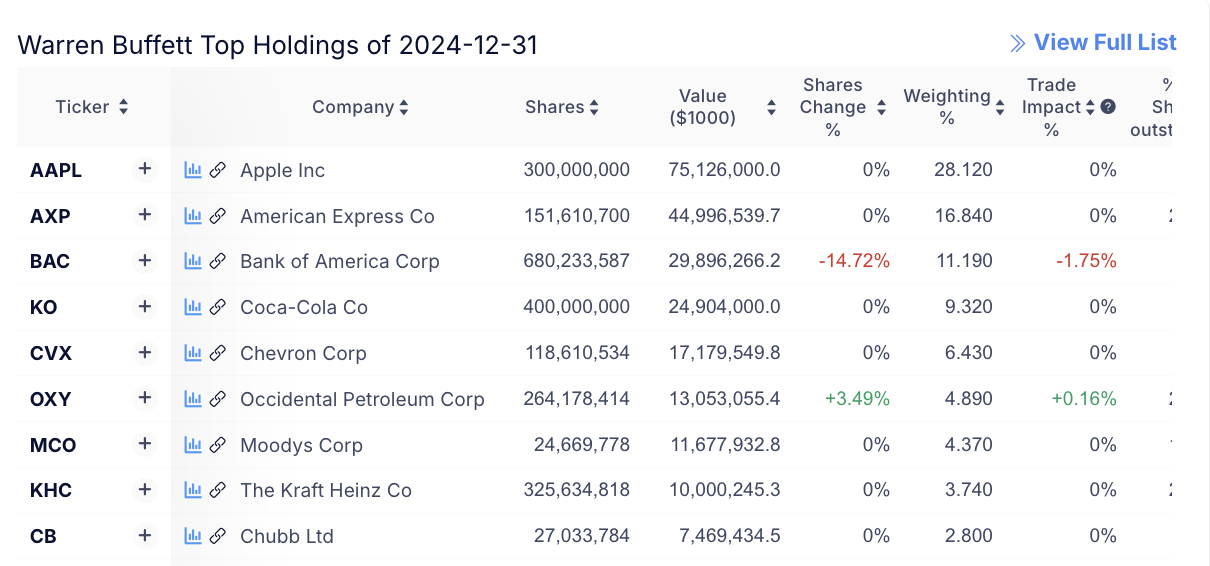
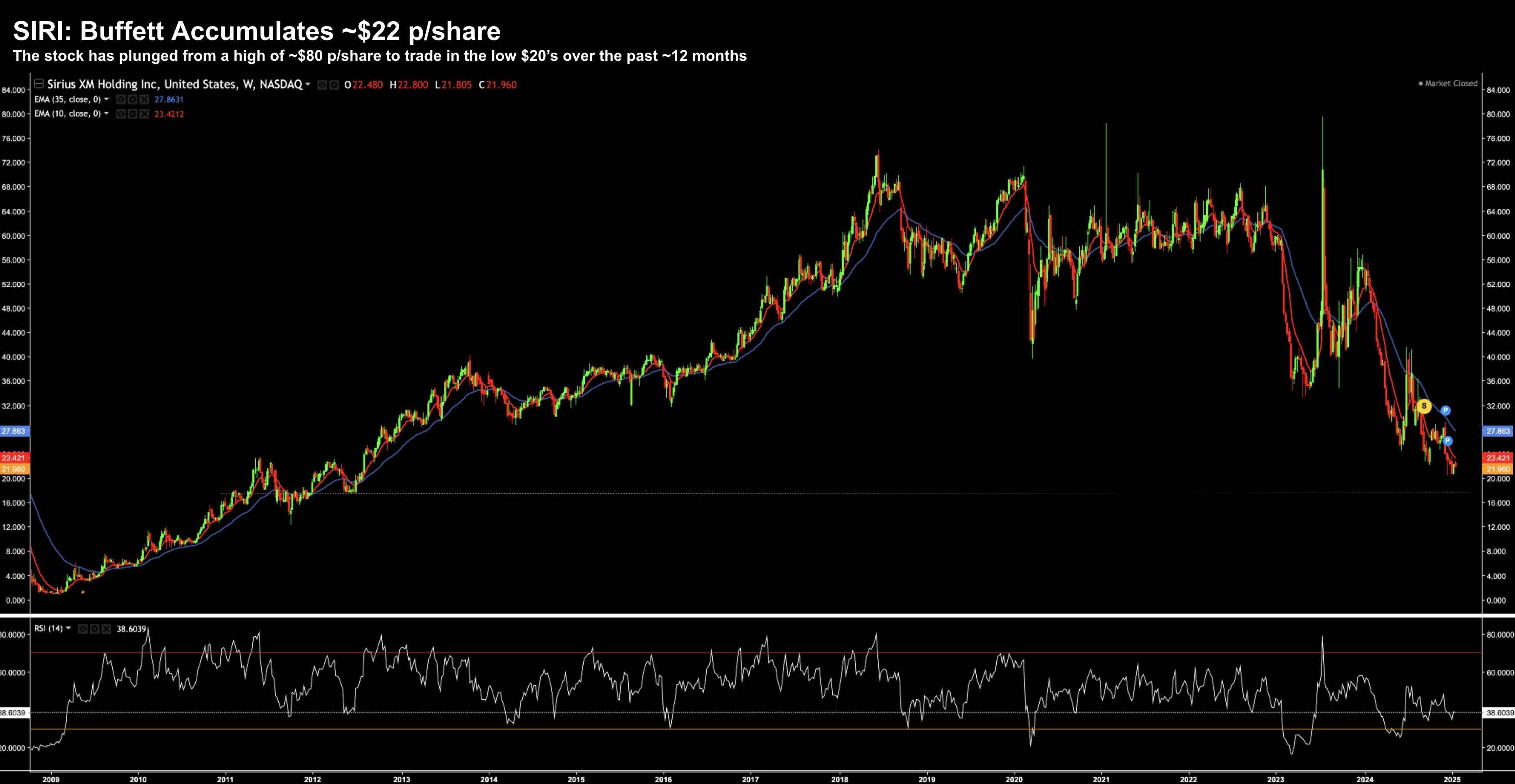
Recently Warren Buffett increased his stake in SiriusXM (SIRI) to over 32% of all available stock. However, with the company losing subscribers - where revenue and earnings in decline - why would the Oracle of Omaha increase his ownership? Two reasons: (a) first its return on invested capital and free cash flow; and (b) the value offered. This post explains both the quality and value arguments for Buffett choosing to increase his exposure to this unloved stock...

How to Identify High-Quality Stocks: A Simple Framework for Quality, Value, and ROIC How to Identify High-Quality Stocks: A Simple Framework for Quality, Value, and ROIC

How to Identify High-Quality Stocks: A Simple Framework for Quality, Value, and ROIC

Charlie Munger once joked "all I want to know is where I’m going to die, so I’ll never go there.” Jokes aside - it's the same approach you should apply with investing. And it's not difficult to do. The math is very simple -- addition, subtraction, division and multiplication. If you have access to a calculator - you're all set. The challenge is mastering your emotions (and any self-defeating behaviors). A calculator (or AI) can't help you with that. This game is more EQ than it is IQ. Think of it as a test of your character versus your intellect. For e.g. - many highly intelligent people get investing wrong (e.g., due to emotions such as greed, fear or some inherent bias). This post talks about how we can simplify our approach to avoid taking excessive risks

Investing with Inversion: How to Avoid Costly Market Mistakes and Master the Mental Game

Charlie Munger once said "it is remarkable how much long-term advantage people like us have gotten by trying to be consistently not stupid, instead of trying to be very intelligent". There's a lot of wisdom to be gained in that quote. Now getting things wrong can be a good teacher if you're willing to learn from the experience. However they can also be very expensive. With respect to investing - our primary goal should be to eliminate (or meaningfully reduce) the possibility of making large costly mistakes. A large mistake can reduce our investable capital - impacting our returns for years to come. So how do we try to make fewer mistakes? There are two ways....

Credit Cycles and Market Psychology: Navigating the Impact of Interest Rates on Long-Term Value Credit Cycles and Market Psychology: Navigating the Impact of Interest Rates on Long-Term Value

Credit Cycles and Market Psychology: Navigating the Impact of Interest Rates on Long-Term Value

If you needed reminding the market remains closely tethered to monetary policy - we received it this week. Stocks surged on the back of two things: (i) CPI coming in slightly better than expectations; and (ii) the prospect of the Fed having more room to ease rates. Bond yields dropped and stocks jumped. There's nothing quite like the sniff of cheaper money to get the animal spirits moving. However, it's still far too premature to jump to conclusions.

Why Bond Yields and Inflation are Challenging the Rate Cut Narrative Why Bond Yields and Inflation are Challenging the Rate Cut Narrative

Why Bond Yields and Inflation are Challenging the Rate Cut Narrative

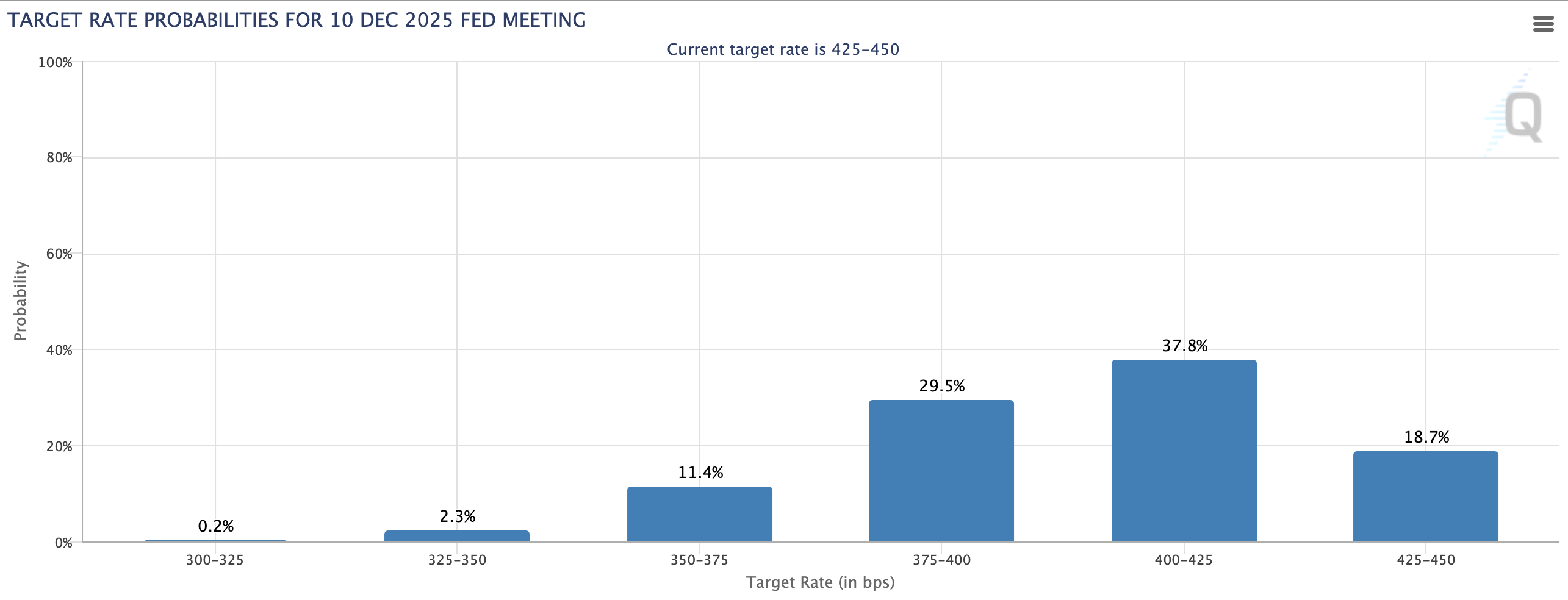
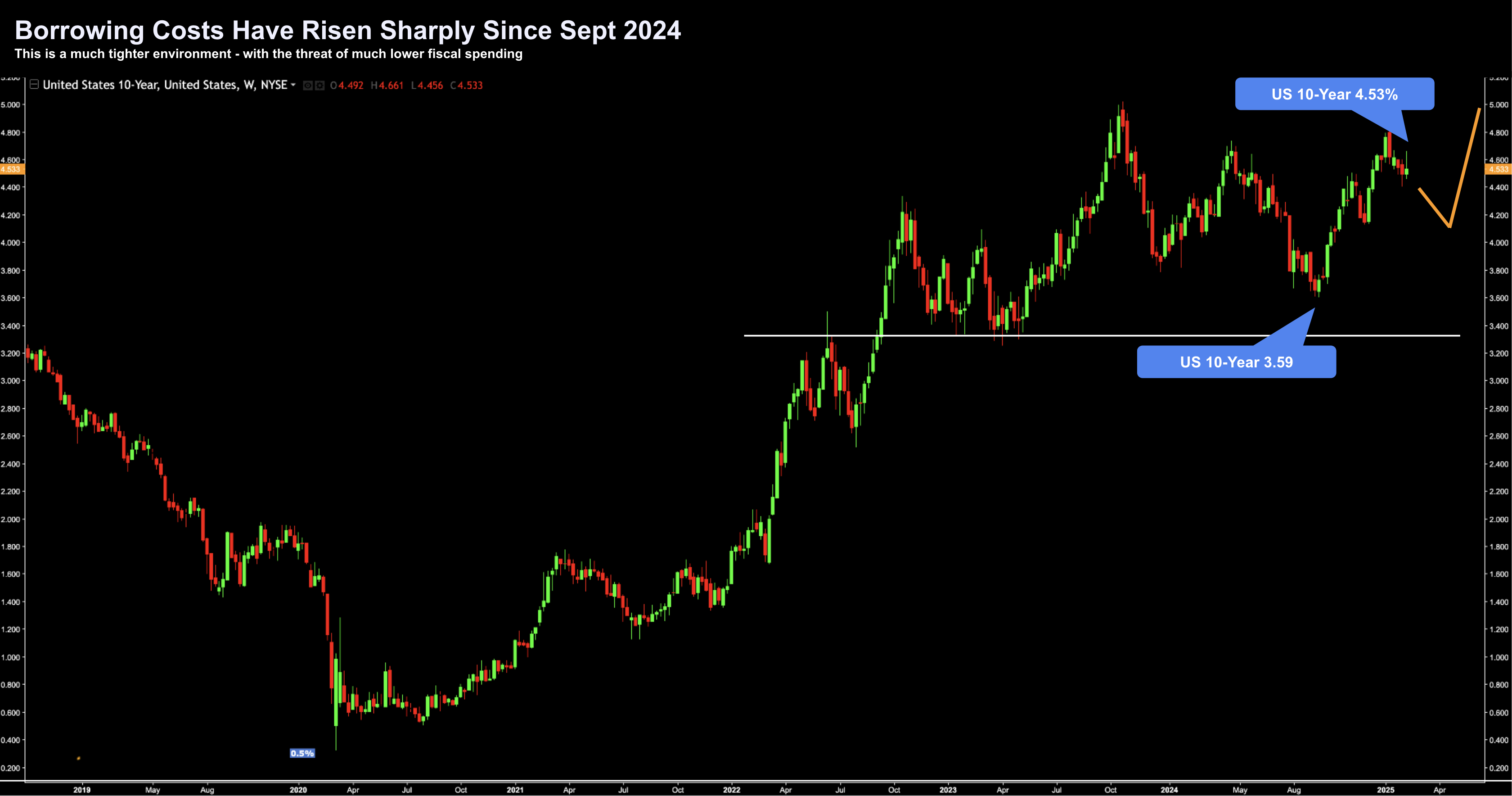
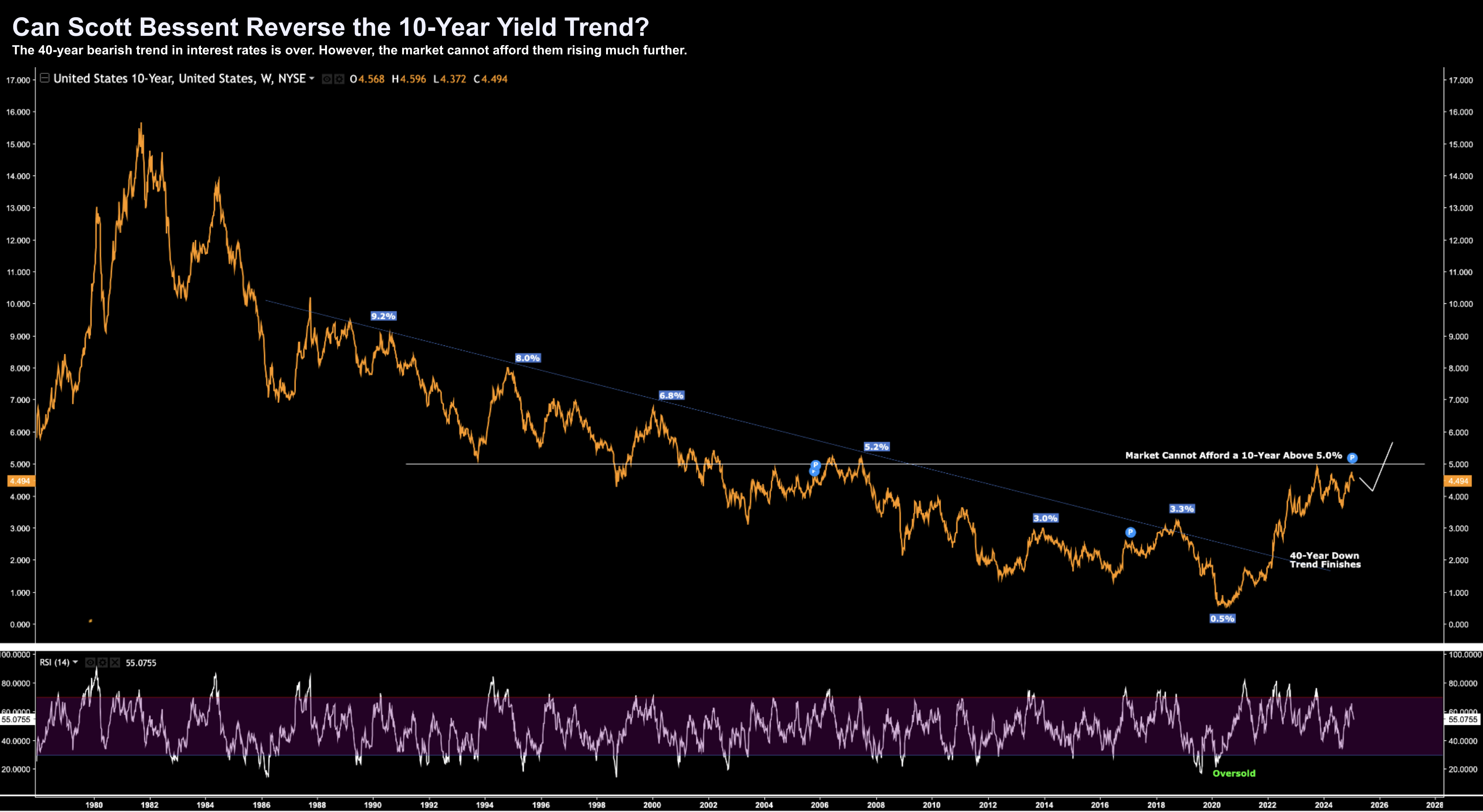
A few months ago Jay Powell claimed victory. Last Sept he said words to the effect of "the time has come to start easing rates". He initially cut rates by 50 points - followed by two more cuts of 25 basis points. Markets were thrilled at the thought of more cheap money - pricing in as many as 6 or 7 rate cuts over the next 12 months. However, at the time I asked why the need to cut? The data simply didn't support it. Jobs were fine. The economy was growing. Inflation was not yet at its desired level. Why cut? However, whilst the Fed was busy running a victory lap - the bond market was less convinced. The US 10-year yield went the other direction -- and appears likely to retest 5.0% in the next few months. What does this do to valuations?

Margin of Safety: Why Valuation Guardrails Matter in Euphoric Markets Margin of Safety: Why Valuation Guardrails Matter in Euphoric Markets

Margin of Safety: Why Valuation Guardrails Matter in Euphoric Markets

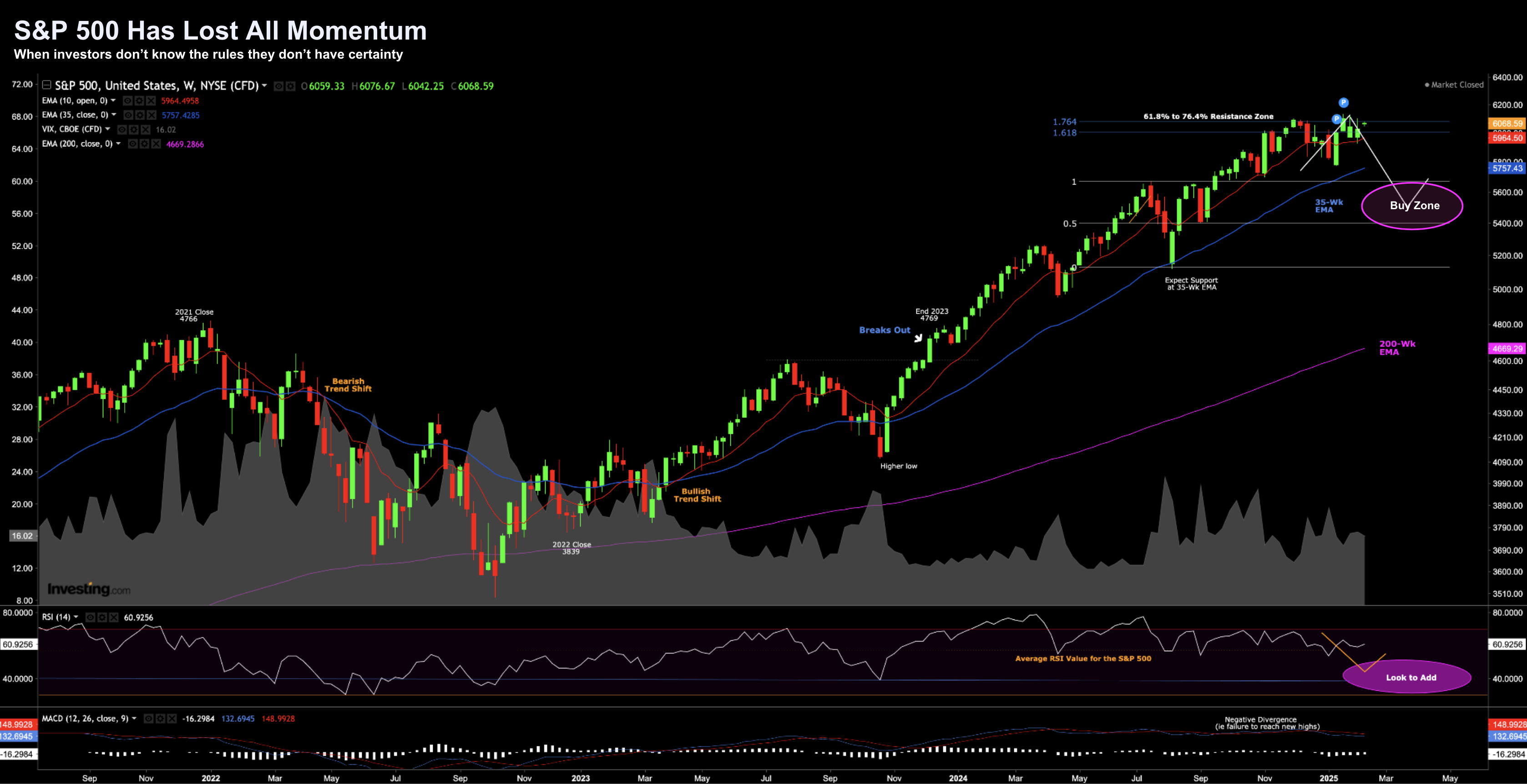
It would not surprise me to see 2025 repeat the drawdowns we saw in 2022. And we could see 10-15% lower in the first half. For example, during Q4 2021 - I warned of excessive valuations (specifically in tech). That was timely. However, it's different this time. 10-year yields are now above 4.70%. And should they continue their march towards 5.0% - valuations (and earnings) will be challenged. That said, Wall St. "experts" are assuming significant earnings growth for next year (evidenced by the average 6,600 2025 target at an expected 25x forward multiple). They're adopting a "lottery ticket" mentality - where the majority of investors naively expect extraordinary returns with little regard for downside risks.

And The New Year Begins… Slowly

The trading year for 2025 is under way. Markets have worked their way through the so-called Santa Clause Rally. For those less familiar - this refers to a period of trading between the last five trading days of December and the first two trading days of January. This year Santa delivered a fat lump of coal. The market lost ground. So what does that mean for 2025? Absolutely nothing! Don't read anything into it! What's more important is Q4 earnings season... and how company's perform.

2025 – Finding Quality at Reasonable Prices

The S&P 500 recorded a 23.3% gain for 2024. For the first time since 1998 - posted two consecutive years of gains above 20%. Not bad right? Well if we extend our time horizon to include 2022 - the market's CAGR is just 7.2% (below its long-term average of ~8.0% exc dividends) Mmm. Not as good. And over 5 years - the S&P 500 CAGR is is 12.7%; and over 10 years its 12.4%. It's important we measure results over a period of at least 5 years (preferably 10). 2-3 years is a very short amount of time... where all kinds of distortions will happen. But over time - these distortions are always corrected. My point? Things always mean revert... and one should never 'cherry pick' dates to fit a narrative.

NVDA: What Do You Pay for Growth?

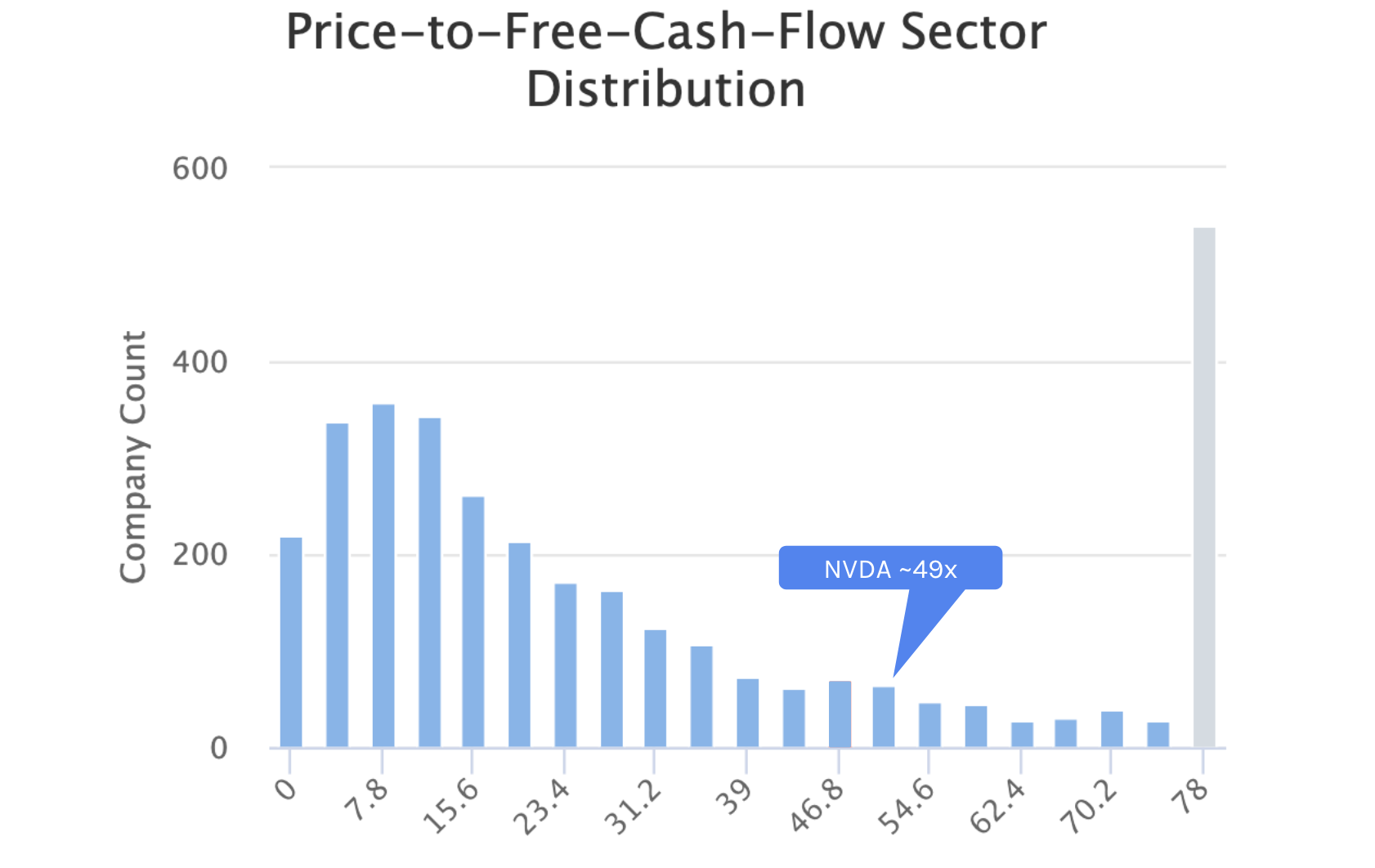
2024 will go down as another great year for stocks in the trader's almanack. However, what won't be recorded is just seven stocks comprised ~54% of the S&P 500 total gains (~24% with two trading days remaining). It's a bit like golf - you only need to record the final score - not how you did it. However, the how matters (not just the 'what'). This post will address the question of what to pay for one the most popular stocks today - Nvidia (NVDA). The asking price is $137 at 32x forward earnings. But does that represent great value given its growth assumptions?

Fed’s Balancing Act for 2025

2025 will not be without its challenges for both investors and central baks. For example, if we consider: monetary and fiscal policy risks; likely introduction of tariffs and price increases; geopolitical risks as global central banks navigate U.S. policy; a stronger US dollar with a rising 10-year treasury yield; ongoing debt and deficits concerns; the risk of stubborn inflation (notably services); and a weakening employment picture - this presents a complex web of related variables or risks. How are markets pricing this in? For now they remain complacent - trading at record highs - at near 22x forward earnings.

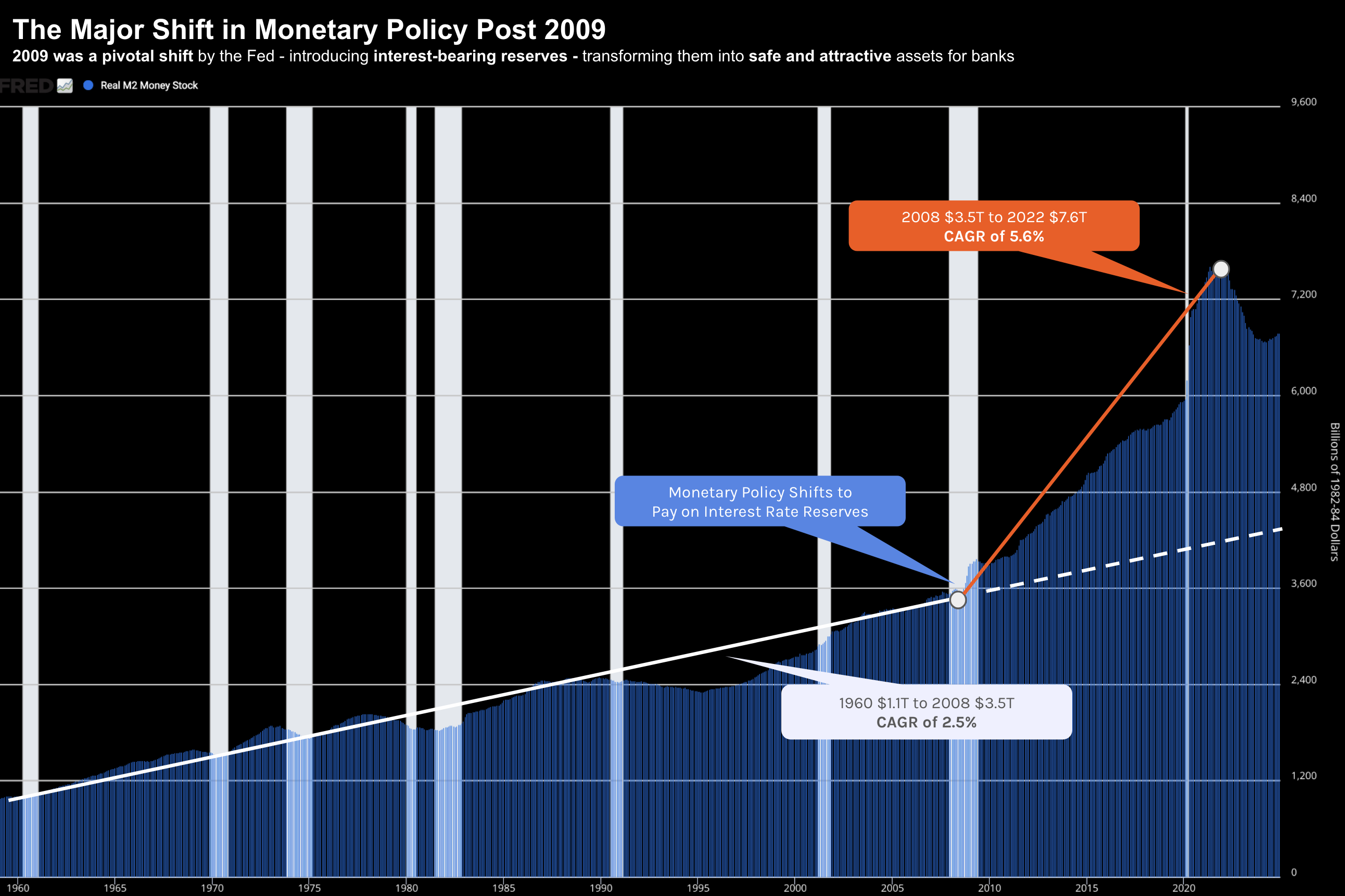
End of 20-Year Cheap Money Era

Equities were seemingly caught off balance with the Fed's 'surprise hawkish shift'. From mine - there was very little surprising about it - you only needed to look at the data. However, what I was more interested in was how Powell would explain why they were cutting rates. As it turns out he struggled - leading to a small sell off in stocks. The irony was Powell did a better job of explaining why rates should not be lowered (which is obviously at odds with their decision to cut).