adriant

adriant

It’s Not If “Long & Variable Lags” Hit… It’s When

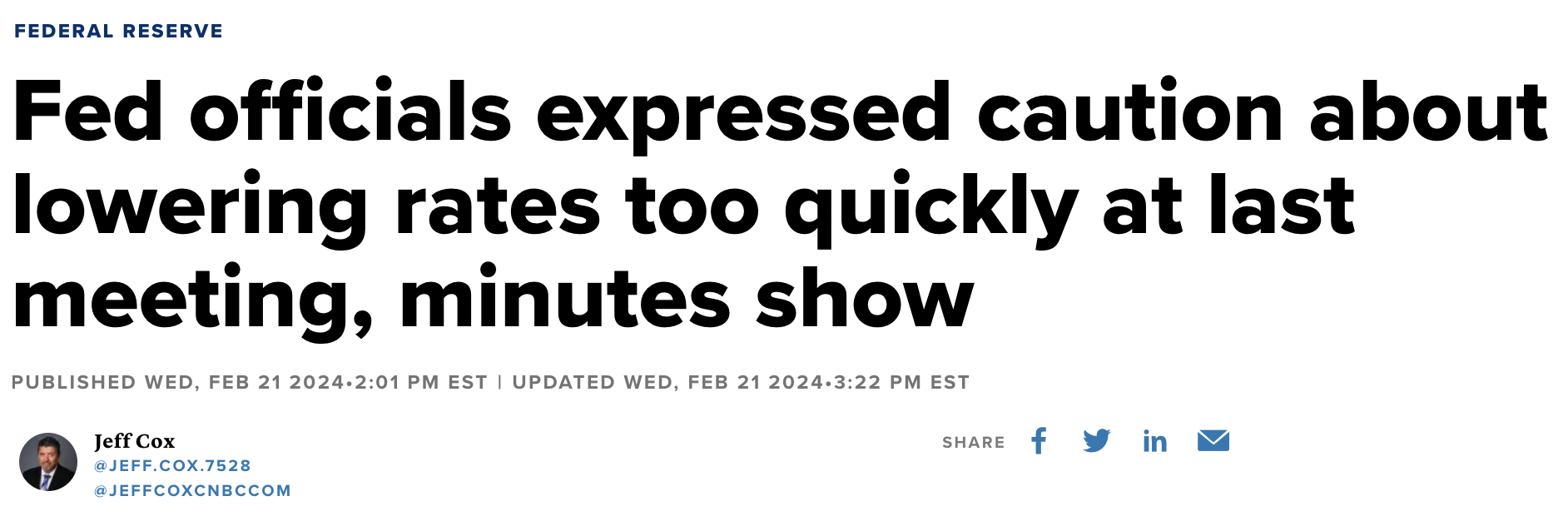
Milton Friedman coined the expression "monetary policy operates with long and variable lags". In the 1970s - he felt it was up to around two years before those effects are felt. Today it's believed to be sooner - given open transparency of Fed speak and data tools available. But is it? It's been two years since the Fed's first hike and we're just starting to see labor markets soften and consumer demand weaken. Have the full effects of tighter policy been absorbed? I don't think so.
Apple: Ready to Take Another Bite?

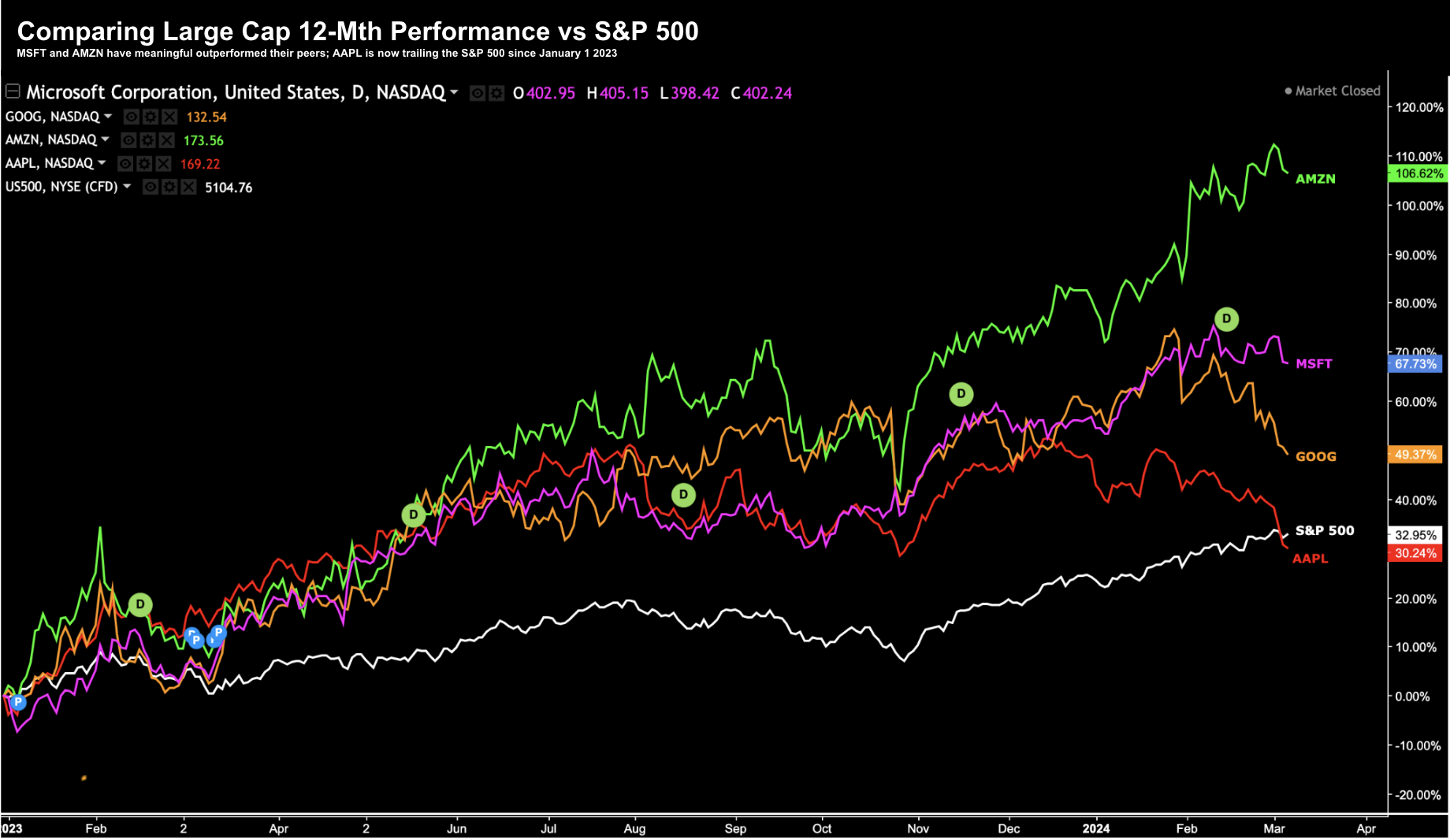
Apple is ~15% off its all time high as it lags its large cap peers. Concerns of iPhone growth and China have rattled investors. However, it's not unusual for this stock to pull back. Since 2107, we have seen 11 retraces - offering patient investors buying opportunity. From my lens, Apple is a reasonable long-term buy around $165. And if you can get it cheaper - add to it. Over the next 3 years - I think it will be well over $200 as earnings top $8.00 per share.

Money Supply is Expanding: Fuel for Stocks

When the supply of money expands - it's typically very good for stocks. For example, the S&P 500 index is said to appreciate at an average annualized pace of 14.02% when liquidity expands. However, when it contracts, that gain was only around 7.0%. Today money supply is once again expanding after one of the largest contractions in recent history. This has the potential to be very good for investors. As they say, it's always easier swimming with the tide.

Consumer Confidence Drops as Delinquencies Continue to Rise

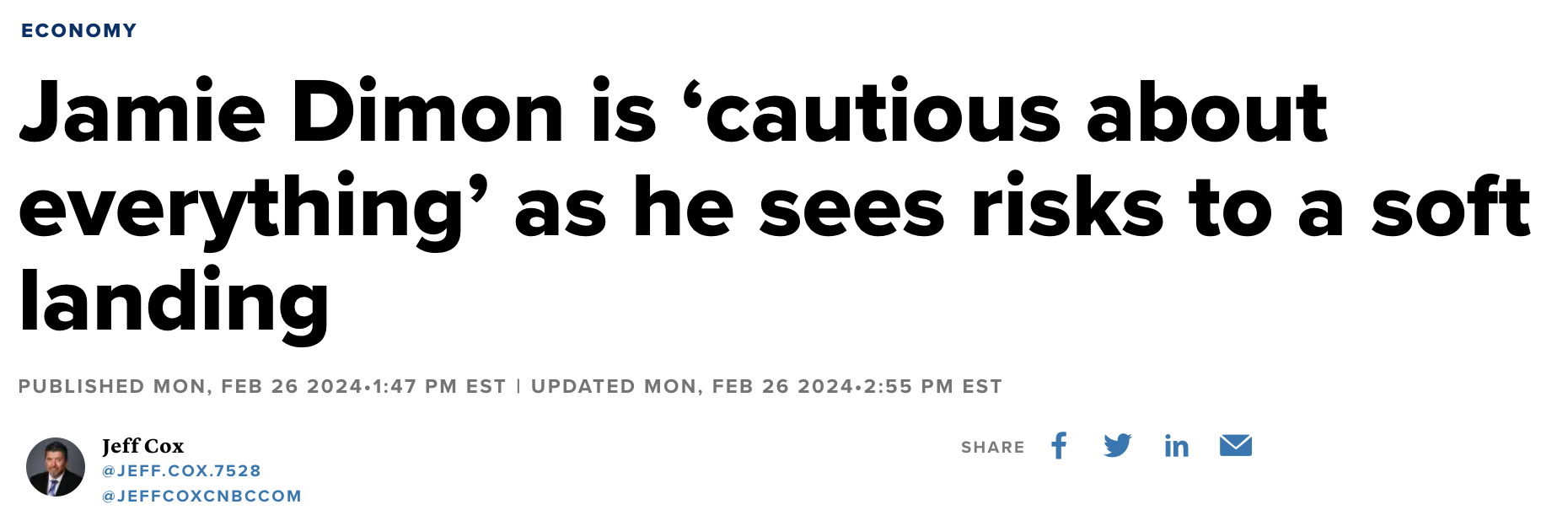
Warren Buffett expressed caution around overpaying in his most recent letter. Jamie Dimon - JP Morgan CEO - said today there's a 50% chance of recession - with a soft landing slim. News of falling consumer confidence and rising credit delinquencies also hit the tape today. This begs a question: is the consumer in 2024 stronger than what we saw in 2023? My guess is no.

Buffett’s Letter: Time Not to be Greedy

If we needed confirmation the market isn't cheap - the Oracle of Omaha told us as much in his annual letter to shareholders. He sits on a record amount of cash - over $167B. But he is no hurry to overpay. Buffett's letter is compulsory reading for anyone who is serious about investment. It's filled with timeliness insights from the mind of one of the world's greatest investors (arguably the greatest). For example, very few (if any?) have averaged a CAGR of 19.8% for 58 years (see page 17) vs the S&P 500 10.2%

Something Doesn’t Add Up… 

It's Nvidia's world and we're living in it (if you believe the stock market). The S&P 500 (and Nvidia) recorded all new highs post the AI chip maker's earnings. Be careful paying too much. The rapid rise in Nvidia's market cap has only seen the market narrow further. And from mine, that makes it more subject to both volatility and risk. Deutsche Bank’s Jim Reid dimensioned the risk another way. He shows how the Top 10% of stocks in the S&P 500 constitute ~75% of the total capitalization. We have not seen that since 1929! The only other time we saw something similar was the dot.com bubble...

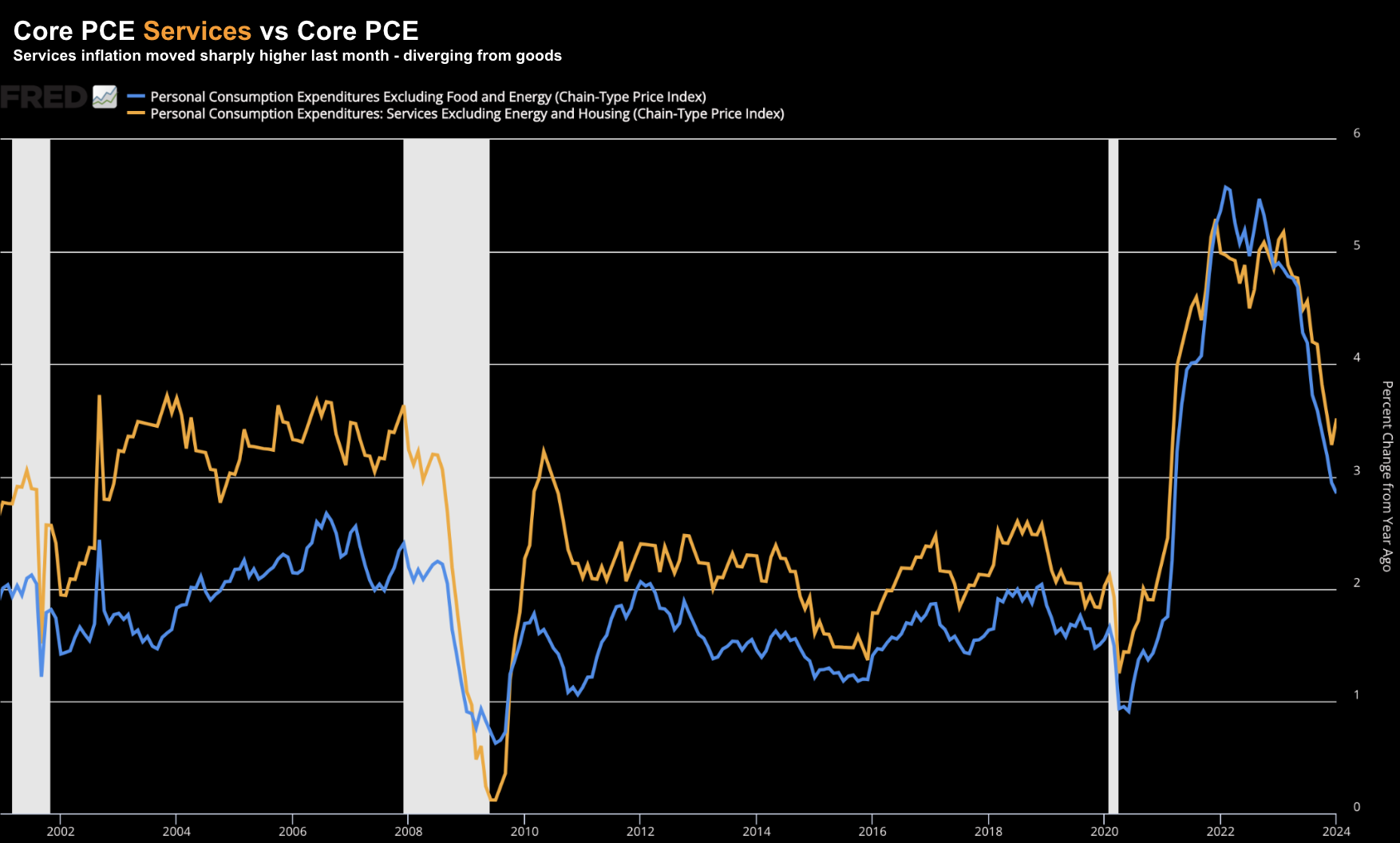
Markets Expect only 3 Rate Cuts this Year – as Services Inflation Jumps

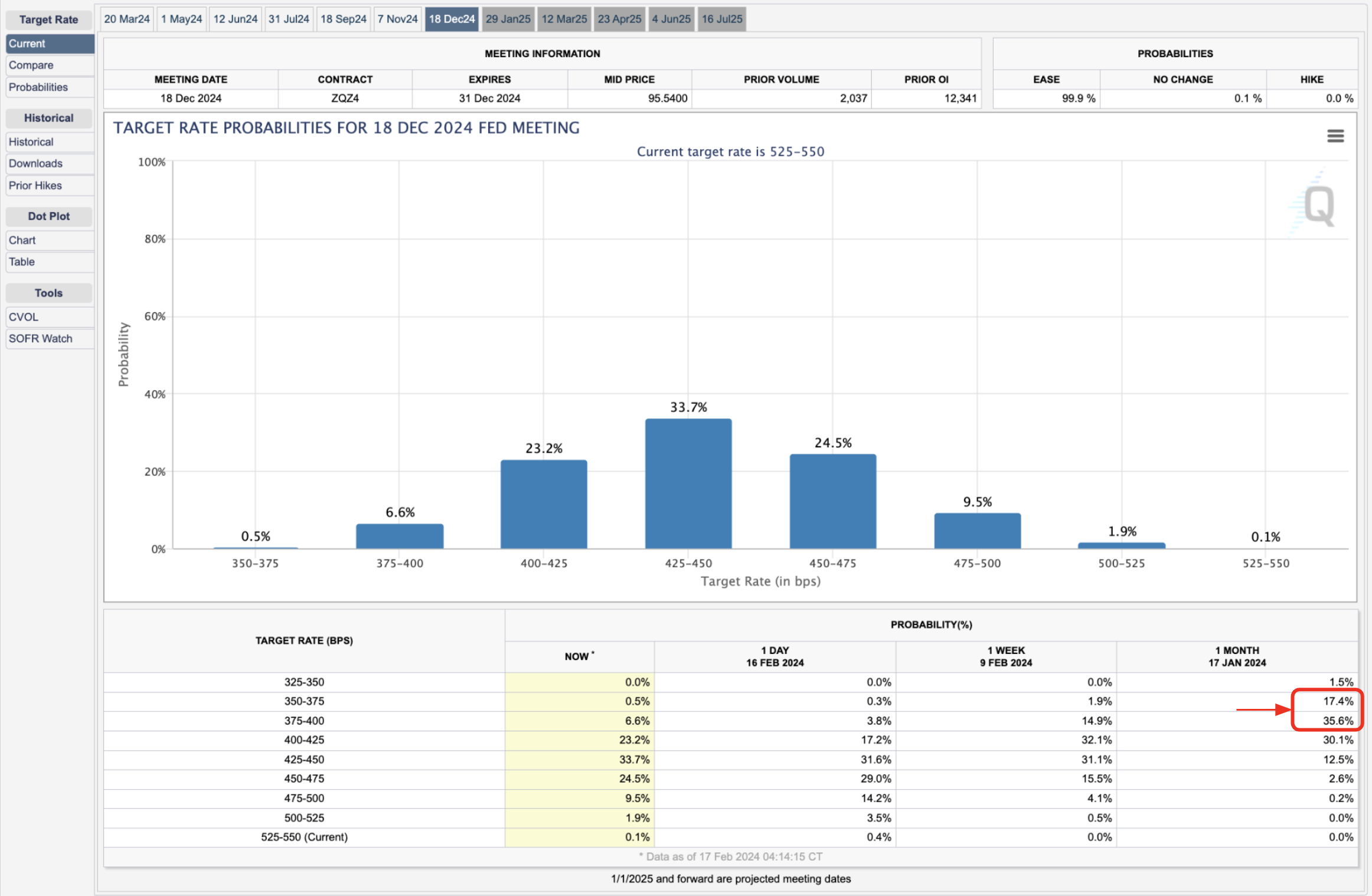
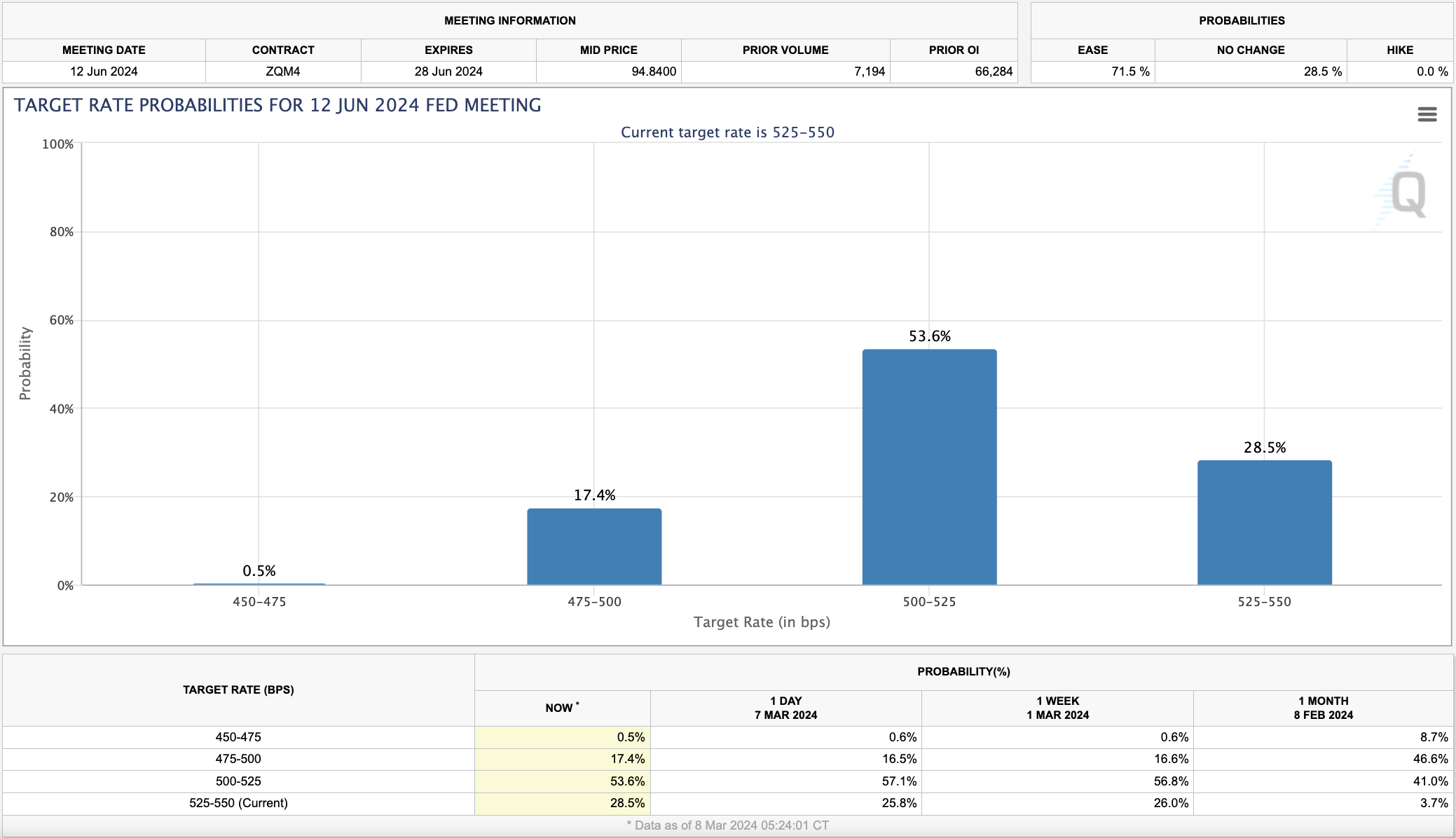
Expectations for rate cuts this year are coming down. For e.g., one month ago the market saw at least six rate cuts before the end of the year (possibly seven). I challenged that assumption - thinking three was more likely (not six). Following news of a hotter than expected Producer Price Inflation (PPI) print for January - those expectations are now down to just three cuts before year's end. That's more aligned to the Fed's intended path.

Traders: Forget “6 Rate Cuts” for ’24

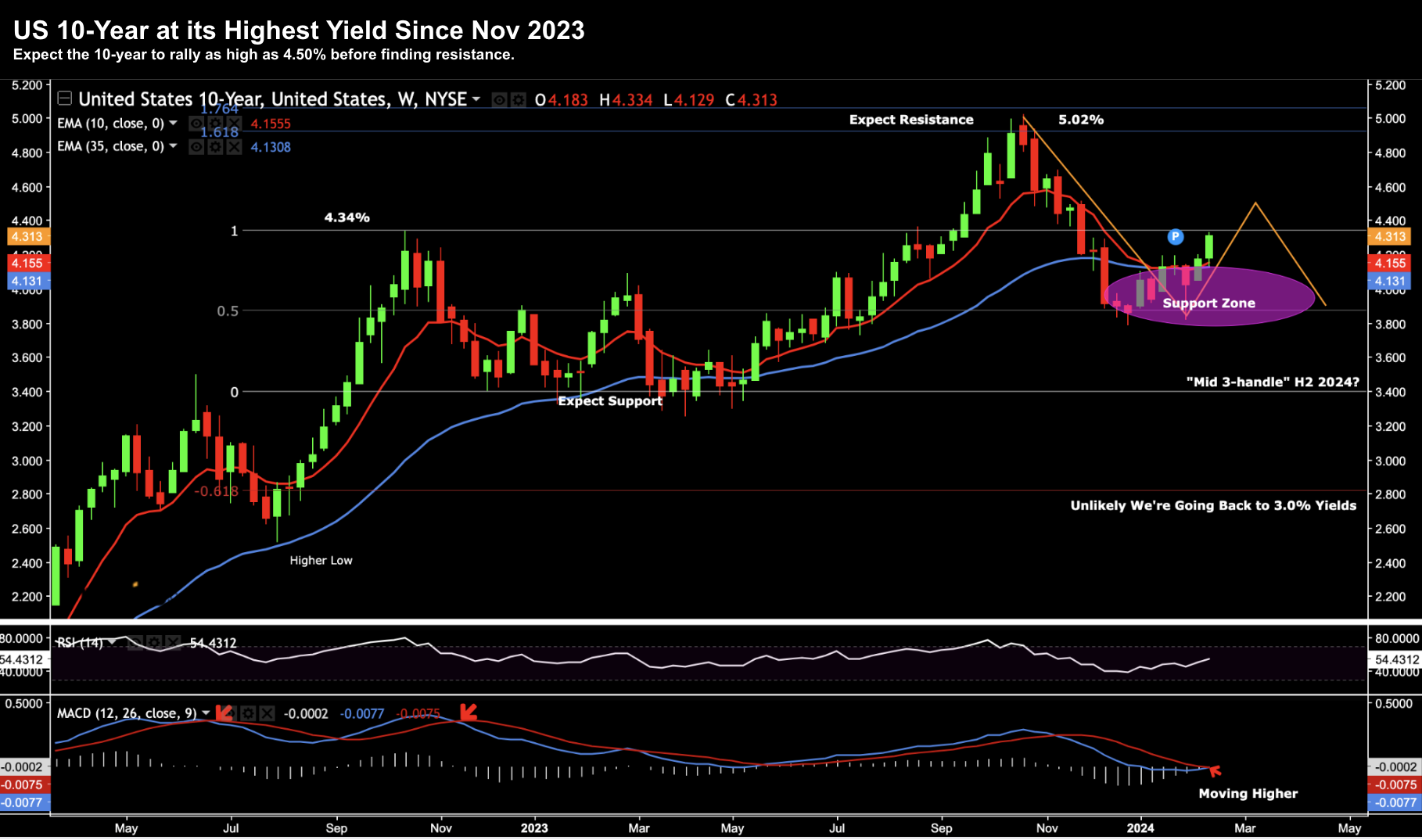
The much awaited January Consumer Price Index (CPI) came in hotter than expected - leading to a small sell off in equities (2%) and a jump in bond yields. The US 10-year pushed 4.30%. But the data should not have been a surprise - there are pockets of strong inflation (eg car insurance up 24% YoY). From mine there are two takeaways: (i) don't expect the Fed to cut "6 times" this year (as I've been saying); and (ii) inflation is not coming down as quickly as many assumed. The good news is the direction for inflation is lower - however the Fed may be forced to hold rates higher for longer. The question then is how will that impact middle-to-lower income earnings - who are already struggling? And what does that do for earnings?

Mean Reversion: Index Risks & the ‘M7’

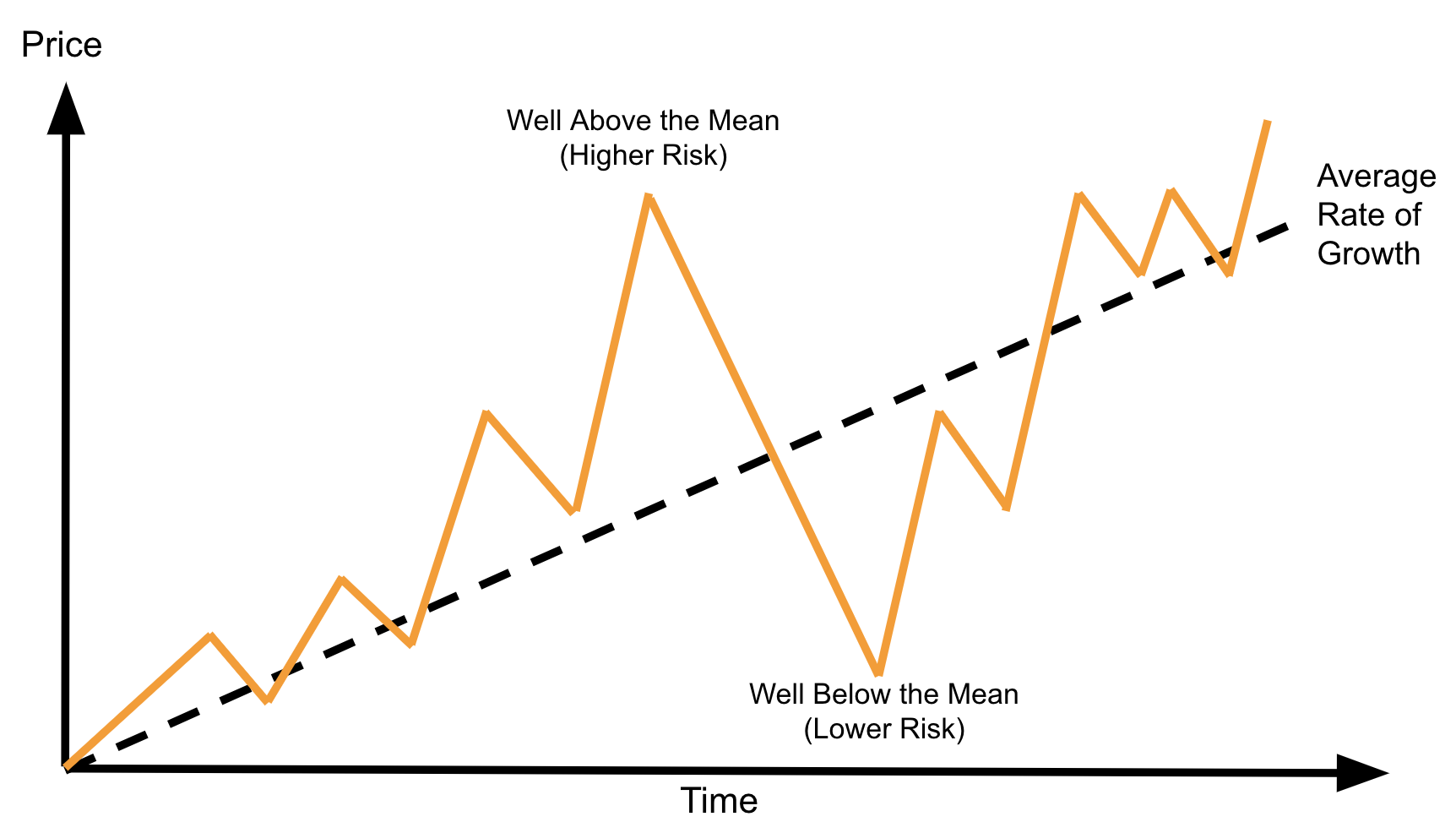
In the game of asset speculation – mean reversion suggests that over time an asset will eventually return to its average price if it drifts or spikes too far from that average level. If applied, it can often help you avoid paying too much. My thinking is the S&P 500 has now drifted too far from the longer-term mean. History has always told us that inevitably prices will mean revert. This post explores the potential risks to investors if simply choosing to passively invest via the benchmark Index. Look no further than the so-called "Mag 7" - which constitute more than a 30% weight.

Three Cheers for 5,000!

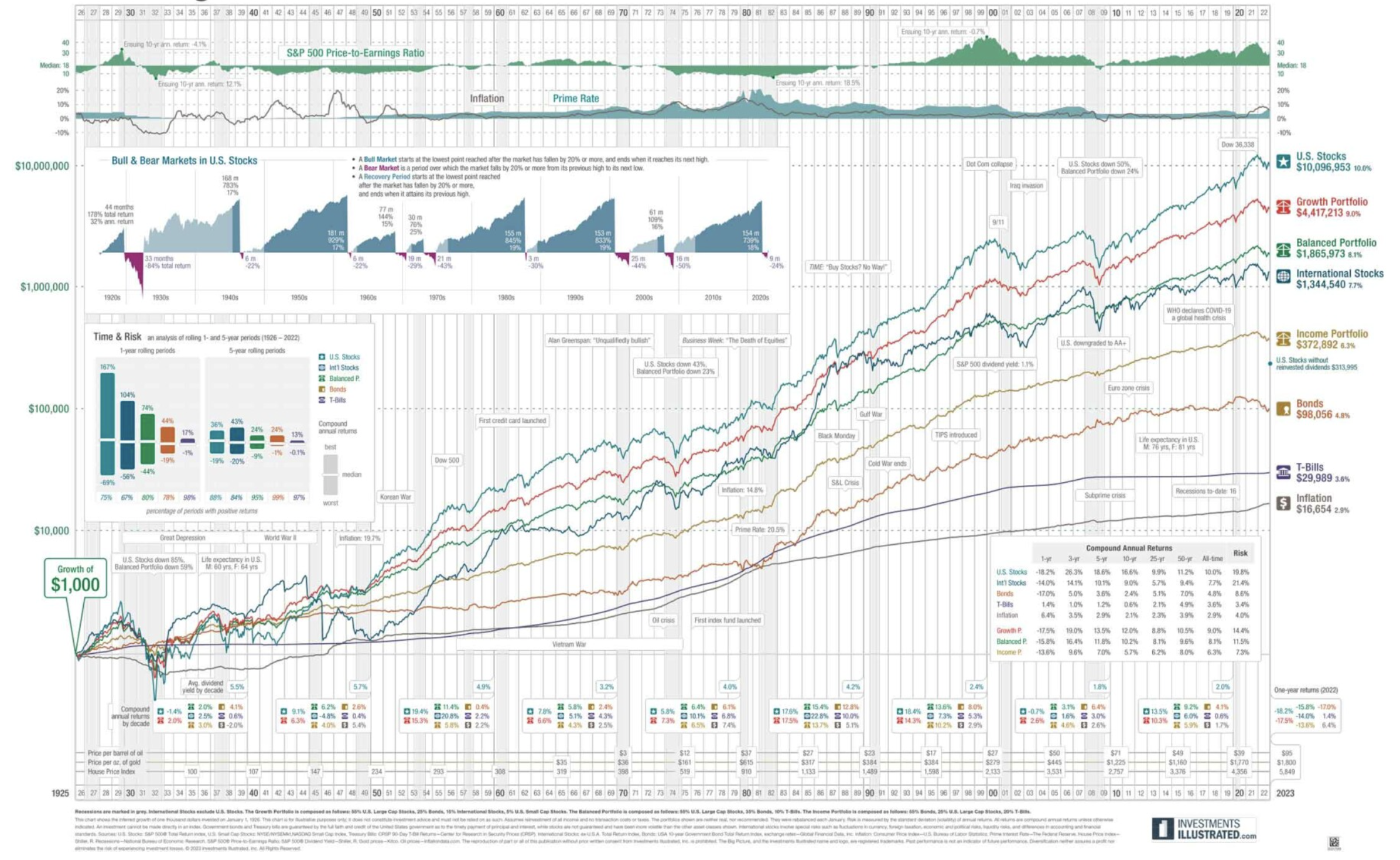
This week the S&P 500 closed above 5,000 for the first time. Another milestone as we climb the 'wall of worry'. Over the past 100+ years the S&P 500 has averaged capital gains of ~8.5% per year plus dividends of ~2.0%. That's a total return of close to 10.5% (on average). If you compound 10.5% per year over 20 years (i.e., 'CAGR') - that's a 637% increase. But as we know, the pathway is rarely smooth. Some years the market may "add 20%" and others it could give back a similar margin (or worse). And we saw this happen recently. However over the long run - markets will rise more often than they fall.