adriant

adriant

Will This Market Rally Continue?

Did we finally hear a 'less hawkish' Jay Powell yesterday? For the first time in months the Fed Chair may have slightly lowered his guard. But barely... as Powell is far from being a dove. A dovish Fed is one that is (a) cutting rates; and (b) ending quantitative tightening. Neither of those things are happening soon. But it wasn't just Powell's language which fired up the bulls. Janet Yellen also played a role - suggesting the government plans to sell less debt than expected... sending bond yields lower.
The Folly of Forecasting

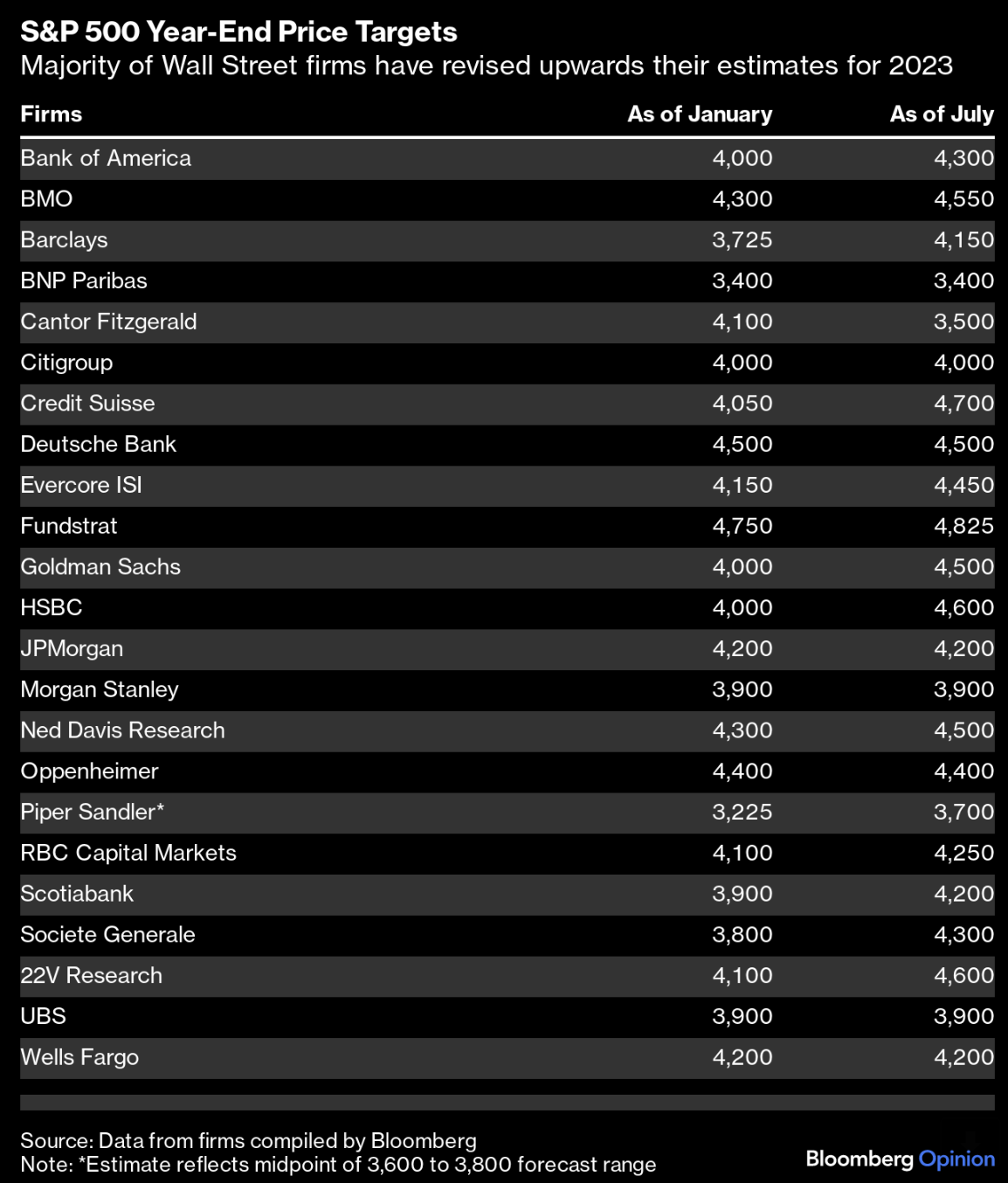
July 24 this year the S&P 500 traded around 4600. At the time, gains were almost 20% for the year. The bulls had all the momentum and analysts were ratcheting up their end of year forecasts. Some felt 20% YTD gains were not enough - calling for even greater upside. What happened? Stocks corrected around 10% offering investors a better opportunity. The game of near-term forecasting is a fool's errand...

4 Ways to Invest in Bonds

If you've been following my posts the past few weeks - I've suggested it's a good time to start increasing your exposure to bonds. As part of these missives - I've also had many reader emails asking me how? This missive will offer you a guide on some of the simple ways you can increase your exposure to fixed income. But let me offer a caveat... bonds are not risk free (nothing is)

Bifurcated Markets Usually End the Same Way

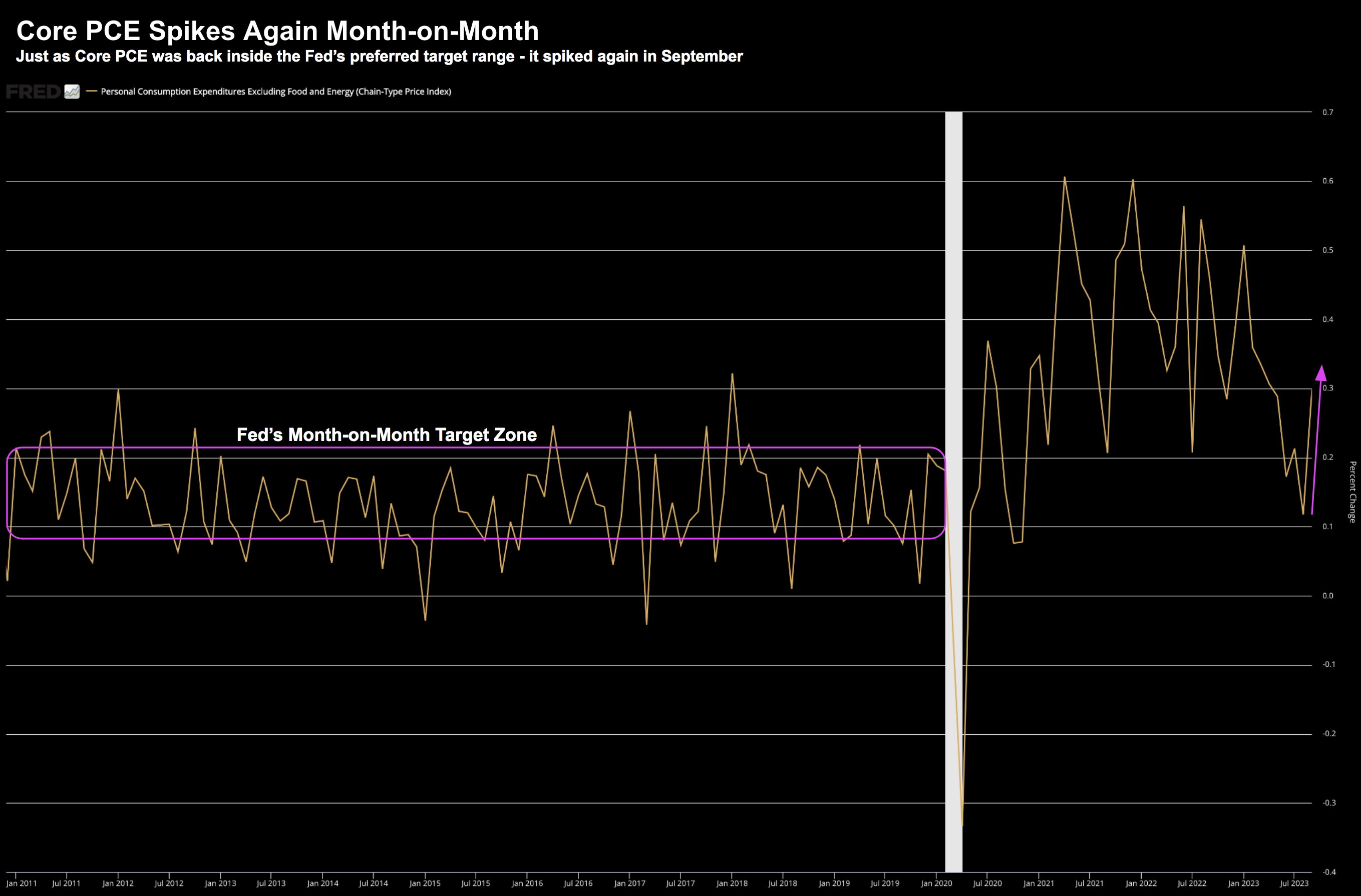
If you're long the market - it was another rough week. My portfolio was no exception. My largest position (Google) was smoked - losing around 10%. The Index is now only up 7.24% for the year.... a long way from almost 20% higher in June. The next hurdle for the market comes next week - when we get payrolls. A soft print might give the market hope the Fed is almost done. However, if it comes in hot, the Fed may have no other choice but to hike again in December... given the uncomfortably high Core PCE last week.

Did Ackman Just ‘Ring the Bell’ on Bond Yields?

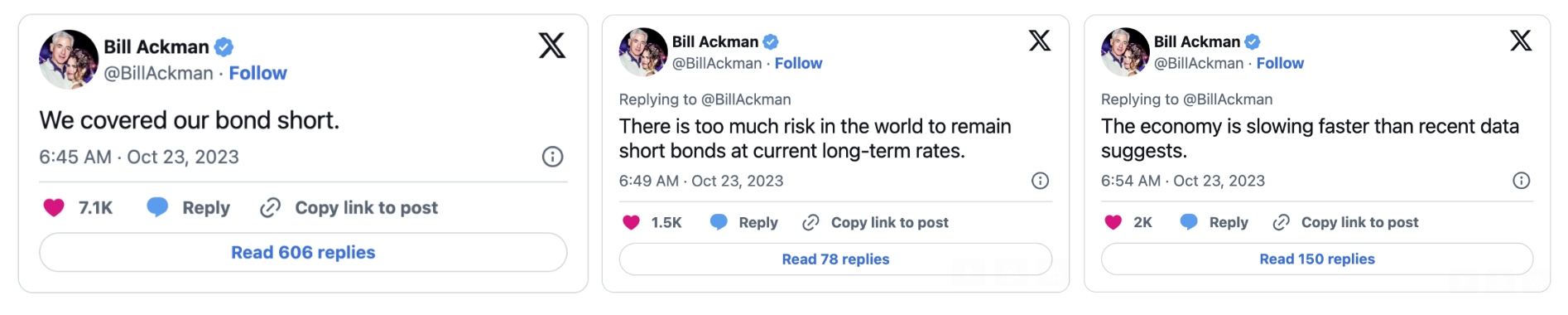
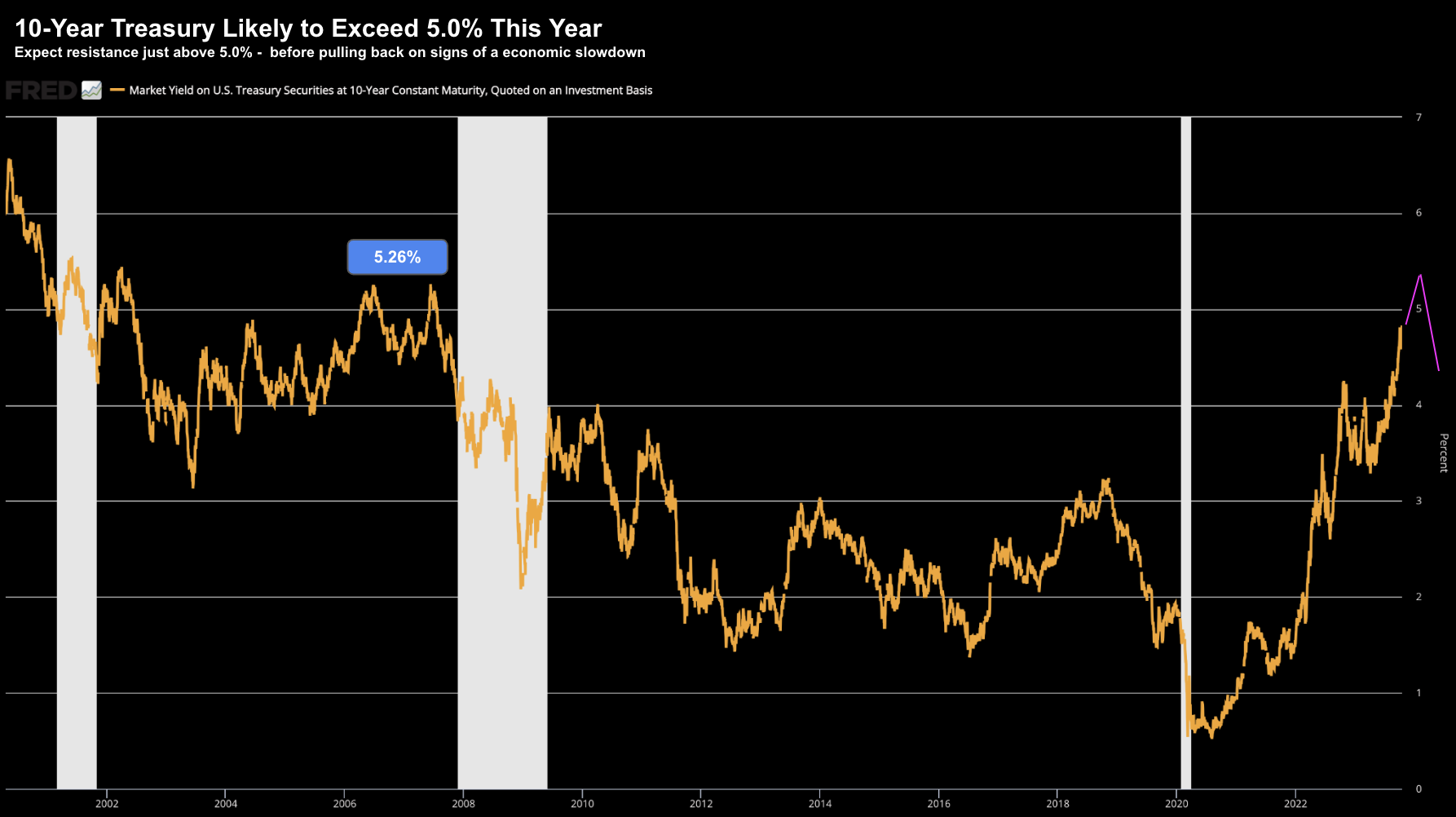
Over the weekend - I made the case for investing in fixed income. I think there's a compelling longer-term opportunity for investors - where fixed income warrants exposure in your portfolio. Turns out, it may not be just me thinking this way. For example, last week I referenced Howard Marks' latest memo. He explained how some are offering equity-like returns for investors (e.g., above 8% for non-investment grade debt). What's more, Warren Buffett said he was increasing his exposure to bonds (at the short and long-end) a couple of months ago. Today billionaire investors Bill Ackman and Bill Gross were sounding the horn. Question: are we getting closer to a near-term peak in long-term yields?

Investors Start Weighing the Risks

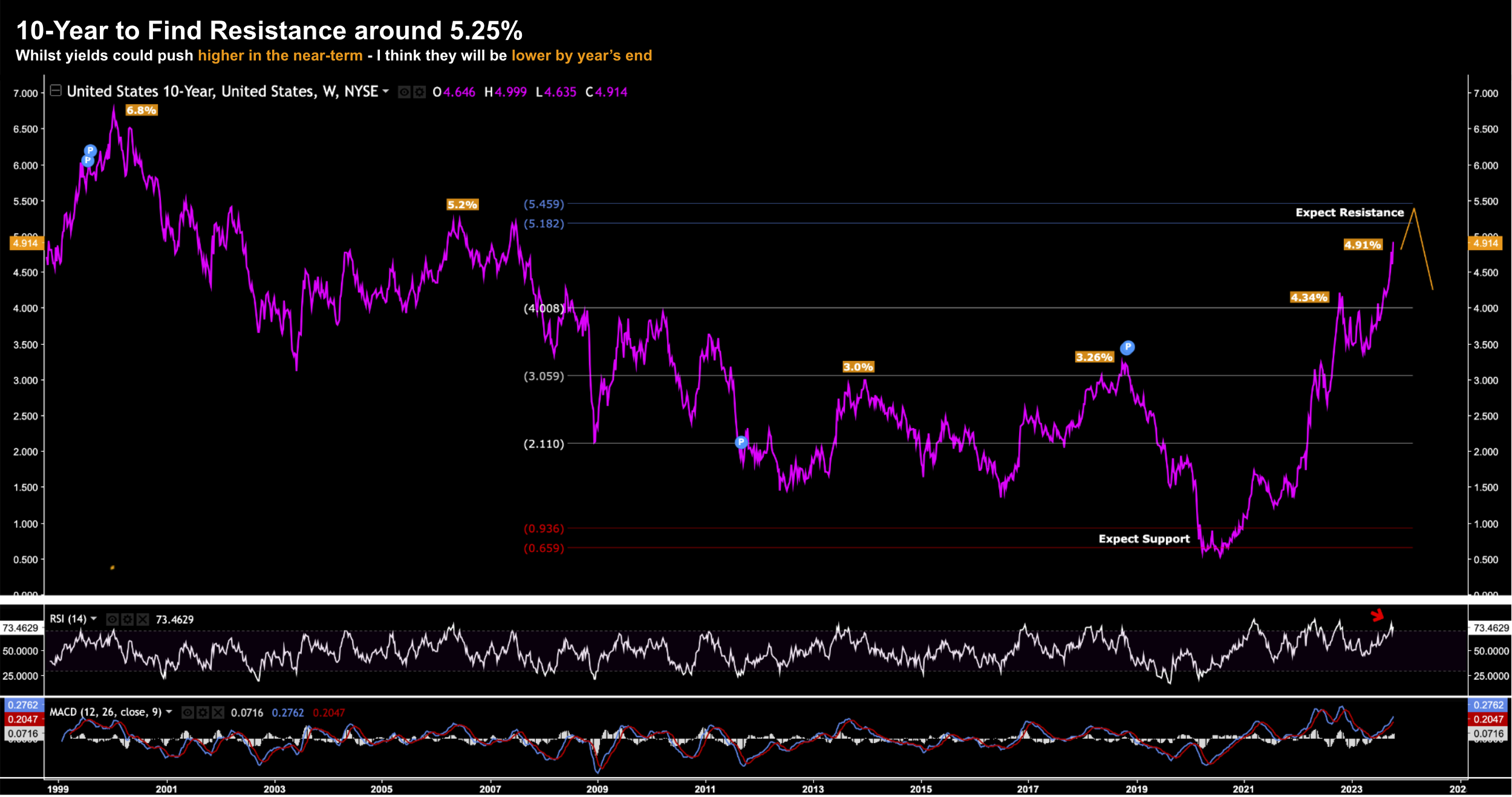
Investors have hit pause on equities - evaluating a new set of risks. For example, the S&P 500 is now trading close to the same level it was at the end of January. 8 months of gains gone! The world's largest index is up ~10% year to date... losing 2.4% this week. When you consider the S&P 500 lost ~19% last year.... it has not been a good two years. This post looks at why the outlook has deteriorated with 4 key charts: (i) 10-year yield; (ii) 10-2 yield curve; (iii) VIX; and (iv) gold - which touched $2,000 this week. What does it all mean?

Why Powell Oscillates b/w Dovish & Hawkish

Is Powell dovish or hawkish? The answer is he is both. And it's intentional. Part of the Chairman is looking in the rear-view mirror (strong jobs, GSP growth, wage pressure and inflation); and part of him is looking ahead (weaker growth; falling jobs; lower inflation). He straddles both sides. But what she he pay more attention to? The answer is the latter - but he can't ignore the former. That said, I also think the Chair's choice of language was interesting. He believes above trend growth and strong jobs are what's causing inflationary pressure - maybe in part. But I will argue it's the lagging effect of monetary policy... when you increase money supply by 40% in just 2 years.

Rethinking Asset Allocation

Last week we were treated to another thought provoking memo from Howard Marks. Apart from Warren Buffett and Stan Druckenmiller - very few investment managers boast a better 40+ year record than Marks. These investing legends rarely speak. But when they do - pay close attention. Marks' note was follow-up to his previous memo titled "Sea Change". Here's the TL;DR: investors need to re-think their longer-term investment strategies. He is of the view the next decade (or more) won't be the same as the last. A rising tide is unlikely to lift all boats. However, this also brings meaningful new opportunities for double-digit returns. We just need to start looking in different 'pockets'.

Sticky Inflation Equals Sticky Rates

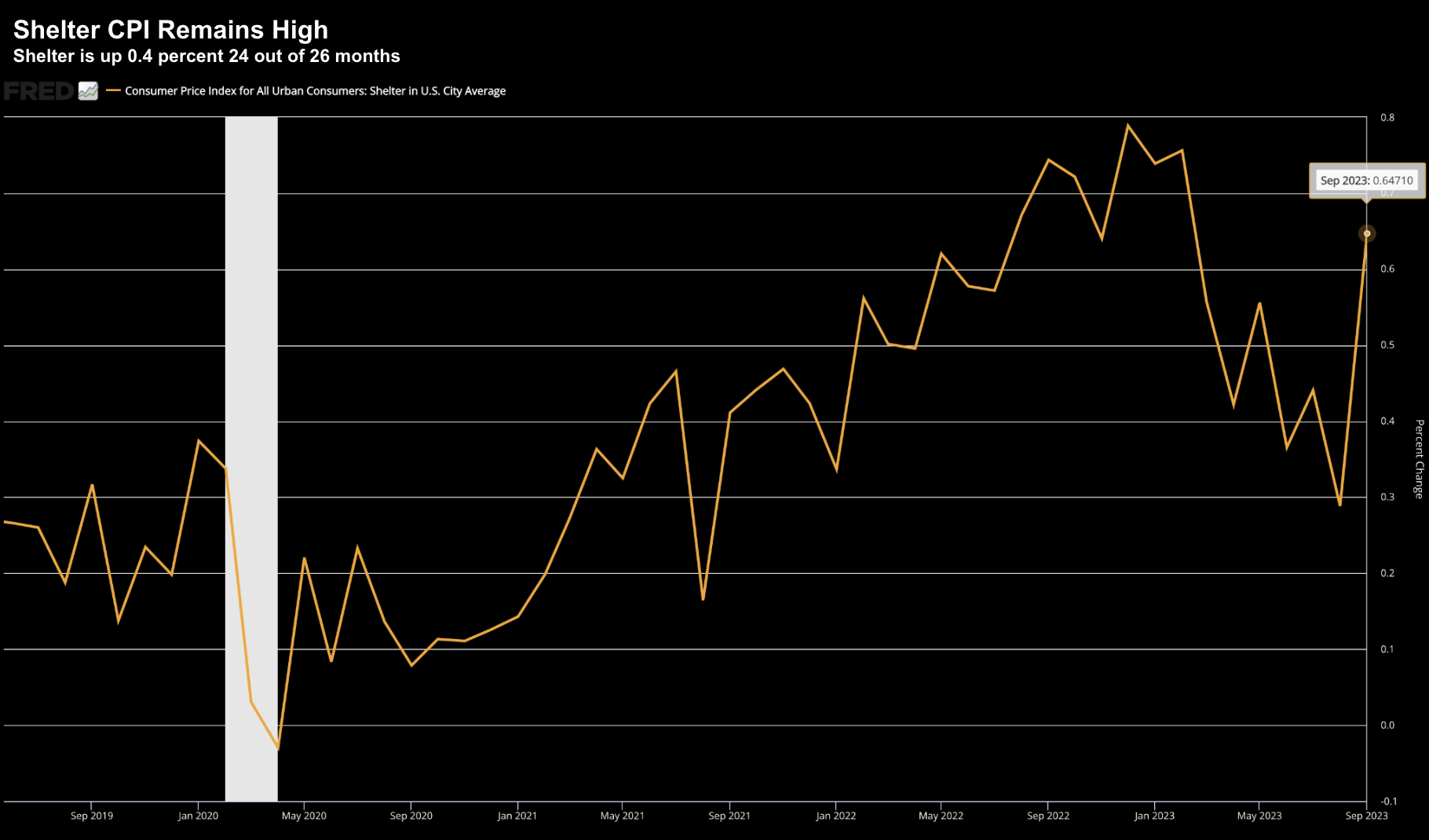
If we needed a reminder on how persistent some components of inflation are - we got it this week. Core consumer price inflation (CPI) remained more than double the Fed's target rate - with rents surging to 0.65% month-on-month. And whilst both headline and core were largely inline with expectations, inflation remains uncomfortably high. As soon as the CPI numbers hit the tape - probabilities of an additional 25 bps hike went up. Markets had not priced that in. What's more, the probabilities of rate cuts next year dropped. It's premature to conclude the Fed has hit their terminal rate...

One Case for Bond Yields Falling in 2024

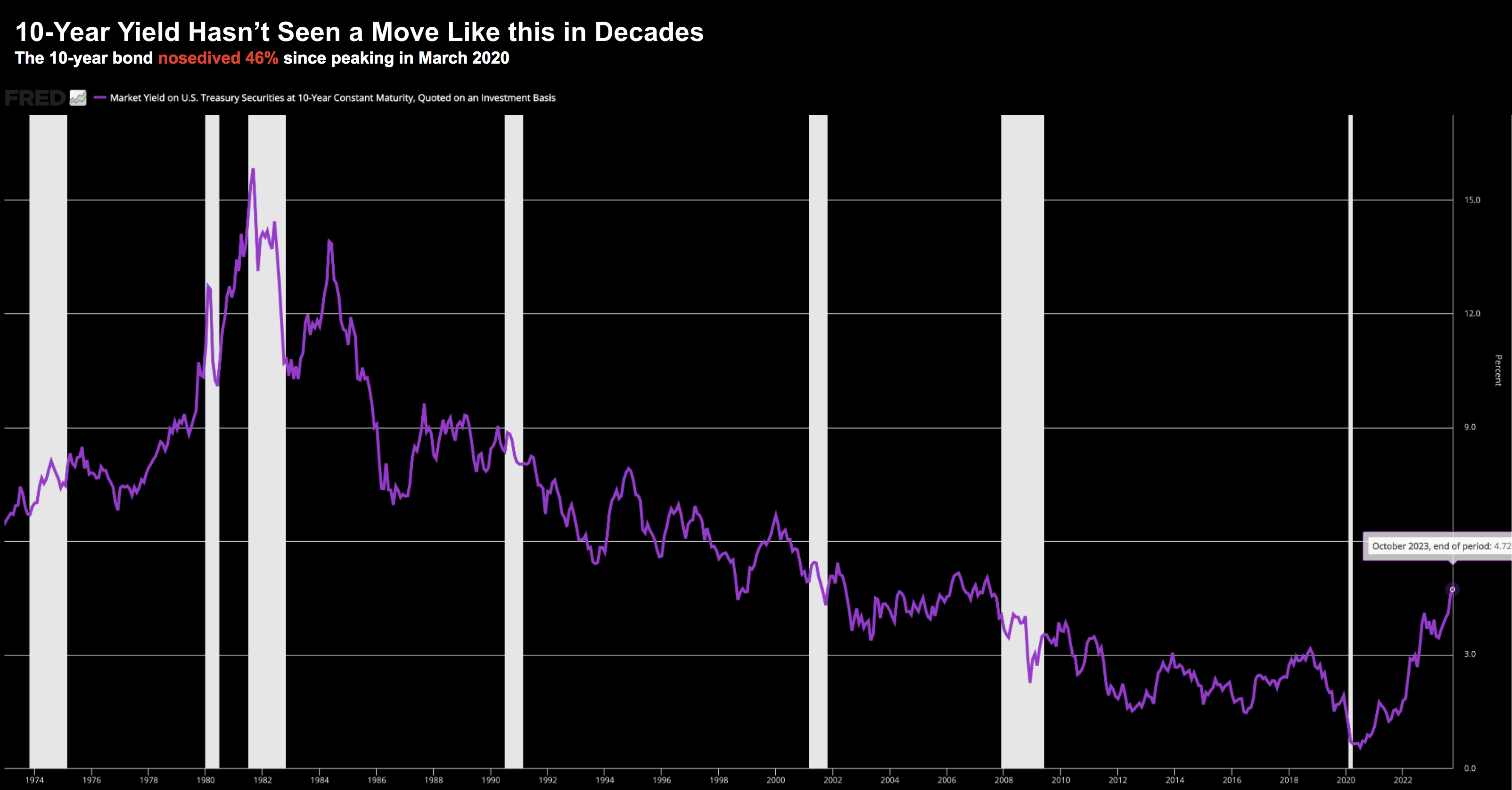
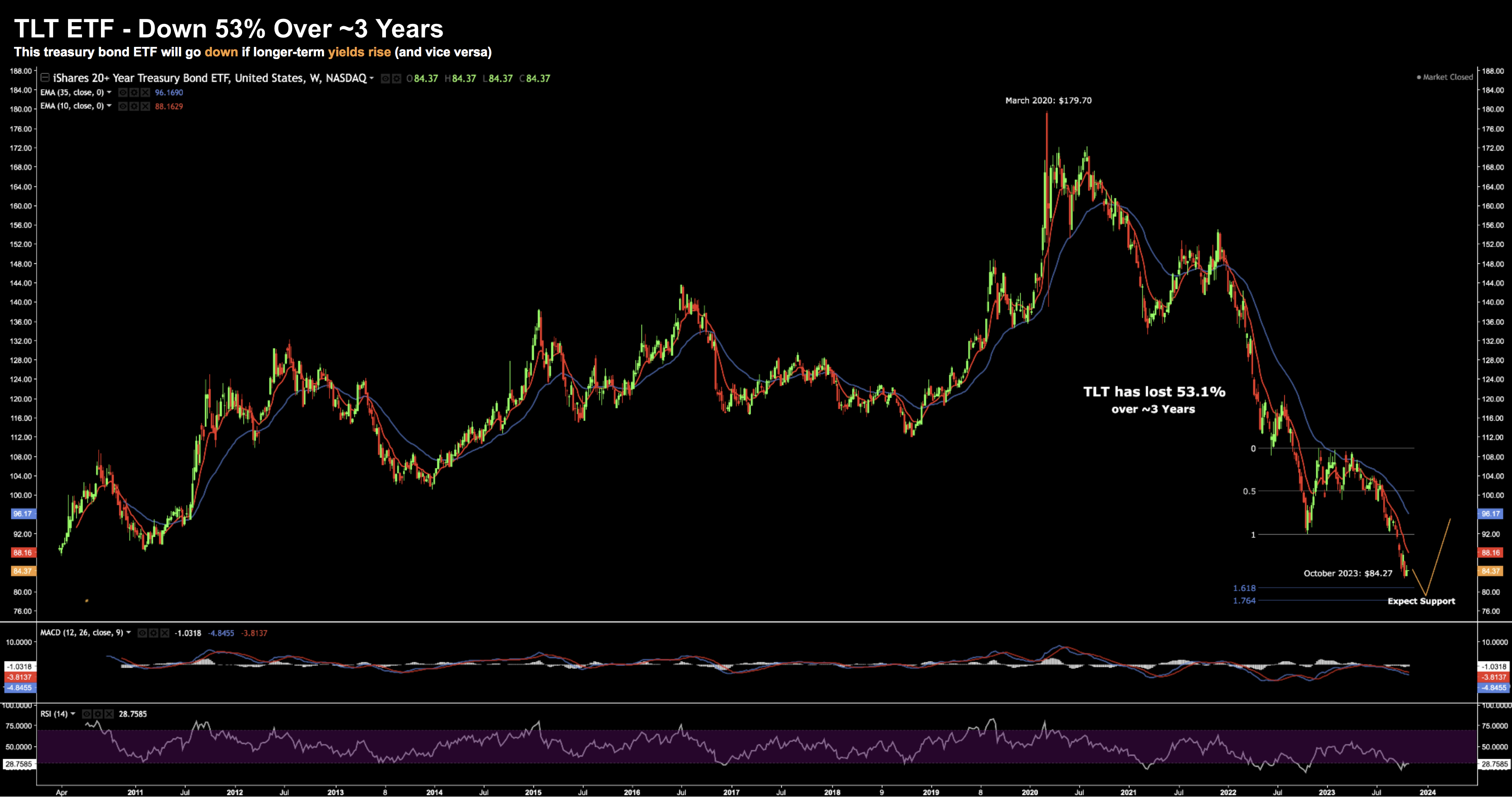
It's been a horrible 3-years for bond / fixed income investors. In short, they have been slaughtered as yields shot higher. For example, losses in long-maturity bonds (e.g. greater than 10 years in duration) are close to historical levels. Consider the all-important US 10-year treasury.... an asset which underpins every financial asset. It has plunged 46% since peaking in March 2020. Put another way, these yields went from ~0.5% at their lows to ~4.8% last week. What we've seen in the bond market is one of the most severe market crashes on record. 30-year bonds have plunged ~53%. As a parallel, the equity market crashed 57% during the 2007-09 financial crisis