
Category Quality

The AI Adoption Gap: Applying the Toothbrush Test to Generative AI Valuations The AI Adoption Gap: Applying the Toothbrush Test to Generative AI Valuations

The AI Adoption Gap: Applying the Toothbrush Test to Generative AI Valuations

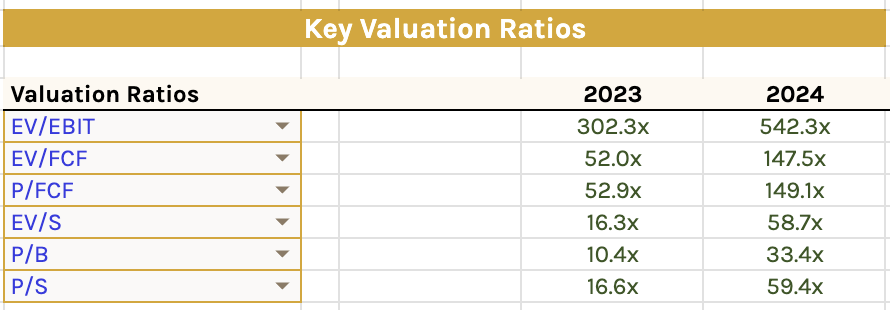
While AI remains undeniably impressive, its transition from a helpful assistant to a mission-critical necessity is facing a significant adoption gap. With daily active use remains thin, investors are beginning to question the durability of "asset-light" returns as capital expenditure soars into the hundreds of billions. This shift from software-driven scalability to hardware-heavy reinvestment suggests a major reassessment of valuations is underway, as markets weigh the probability of long-term value capture against extreme multiples.

Valuing Apple’s Moat: Why Even the World’s Best Business Fails the 20x EV/EBIT Test Valuing Apple’s Moat: Why Even the World’s Best Business Fails the 20x EV/EBIT Test

Valuing Apple’s Moat: Why Even the World’s Best Business Fails the 20x EV/EBIT Test

In the last three months of 2025, the tech sector experienced what some called a “correction”. But what is a true correction? Technicians will be quick to say a drop of 10%. But for me that doesn”t work… I would…

The Alchemy of 10x Returns: Why FCF Yield Beats Revenue Hype The Alchemy of 10x Returns: Why FCF Yield Beats Revenue Hype

The Alchemy of 10x Returns: Why FCF Yield Beats Revenue Hype

A new Feb 2025 study, The Alchemy of Multi-bagger Stocks, challenges conventional investing wisdom. Analyzing 464 companies with 10x-plus returns, the research found that factors like revenue and earnings growth were irrelevant. Instead, the strongest predictor was free cash flow yield, proving that a company's ability to generate cash is more important than its reported profits. The study also highlighted the importance of small size, cheap valuations, and contrarian timing—buying stocks near their lows rather than joining the crowd. This research offers a powerful new framework for finding truly exceptional investment opportunities

INVESTCON 5: Trimming Growth and the Calculus of Value INVESTCON 5: Trimming Growth and the Calculus of Value

INVESTCON 5: Trimming Growth and the Calculus of Value

Howard Marks reminds us, true success lies in understanding the critical difference between price and value. Price is what you pay for an asset—a number driven by market sentiment, optimism, and fear. Value, on the other hand, is what you get—an asset's inherent worth based on its ability to generate future cash flows. While markets may act as a voting machine in the short term, pushing prices to extremes, they behave like a weighing machine over the long run, eventually reflecting true value. By focusing on value over price, investors can avoid costly mistakes.

Pricing Power in an Inflationary Shock: The Helen of Troy vs. Conagra Test Pricing Power in an Inflationary Shock: The Helen of Troy vs. Conagra Test

Pricing Power in an Inflationary Shock: The Helen of Troy vs. Conagra Test

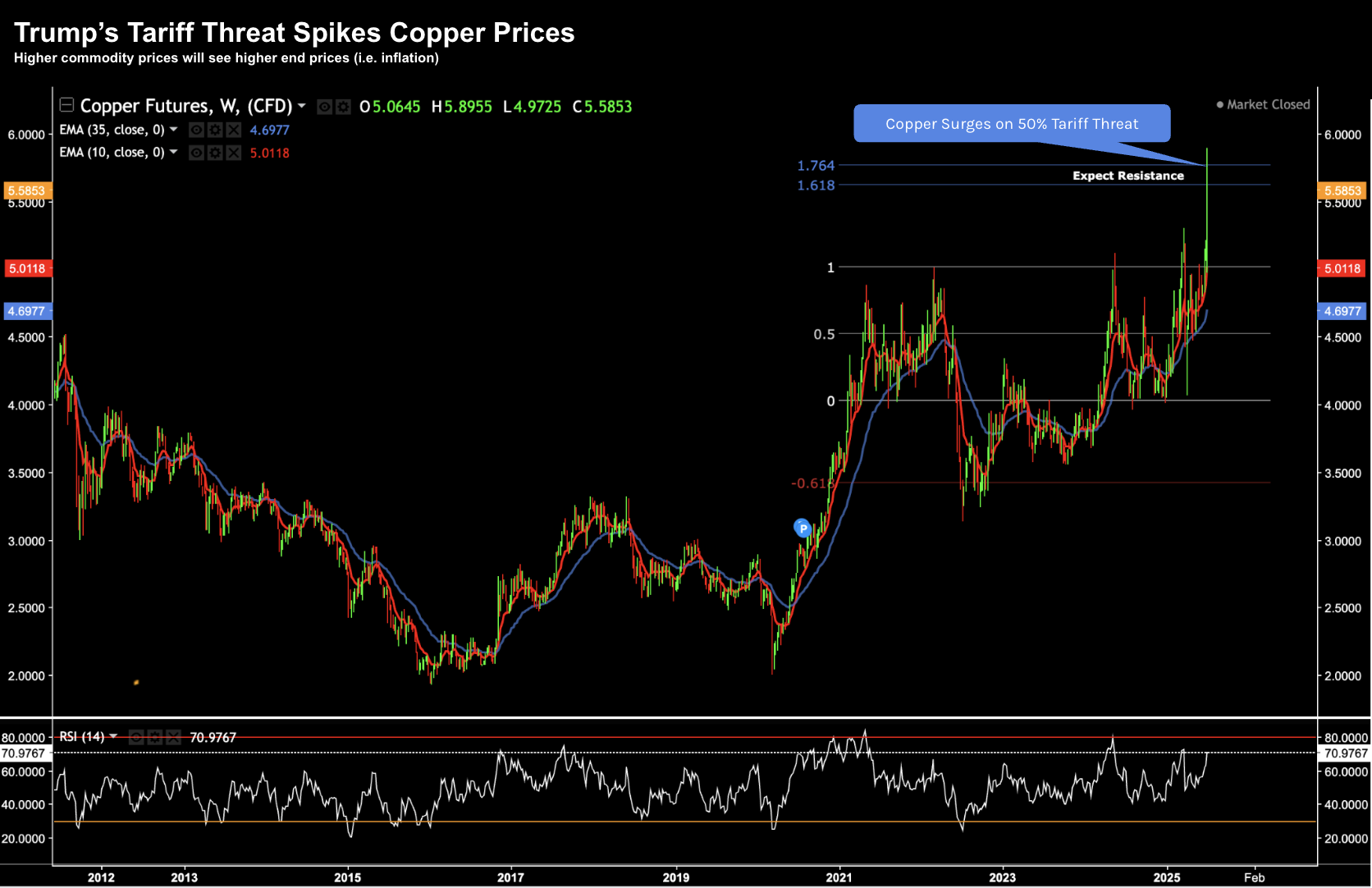
Recent developments in Trump's draconian trade policies — marked by steep tariffs, fluctuating commodity markets and geopolitical maneuvers — present a highly complex and uncertain landscape. Despite dramatic announcements and headline-grabbing tariff threats, markets have remained oddly resilient, while underlying forces quietly shift. For e.g., Trump's imposition of steep tariffs—such as 200% on pharmaceuticals and 50% on copper—has less to do with traditional economic rationale and more with political leverage

The Quality Filter: Why a 15% Net Margin and 10-Year ROIC are the Only Antidotes to a Sideways Market The Quality Filter: Why a 15% Net Margin and 10-Year ROIC are the Only Antidotes to a Sideways Market

The Quality Filter: Why a 15% Net Margin and 10-Year ROIC are the Only Antidotes to a Sideways Market

It's my thesis market returns over the next few years are unlikely to match what we've seen over the past decade. However, I'm also of the view that will create great opportunities for savvy patient investors who think long-term. This missive defines what is meant by "quality" investments - and the attributes investors should focus on. And if we are see a more challenging climate the next few years - it's higher quality assets which will shine.

How to Identify High-Quality Stocks: A Simple Framework for Quality, Value, and ROIC How to Identify High-Quality Stocks: A Simple Framework for Quality, Value, and ROIC

How to Identify High-Quality Stocks: A Simple Framework for Quality, Value, and ROIC

Charlie Munger once joked "all I want to know is where I’m going to die, so I’ll never go there.” Jokes aside - it's the same approach you should apply with investing. And it's not difficult to do. The math is very simple -- addition, subtraction, division and multiplication. If you have access to a calculator - you're all set. The challenge is mastering your emotions (and any self-defeating behaviors). A calculator (or AI) can't help you with that. This game is more EQ than it is IQ. Think of it as a test of your character versus your intellect. For e.g. - many highly intelligent people get investing wrong (e.g., due to emotions such as greed, fear or some inherent bias). This post talks about how we can simplify our approach to avoid taking excessive risks