Category S&P500

Why ‘Soft Landings’ Deserve Scrutiny

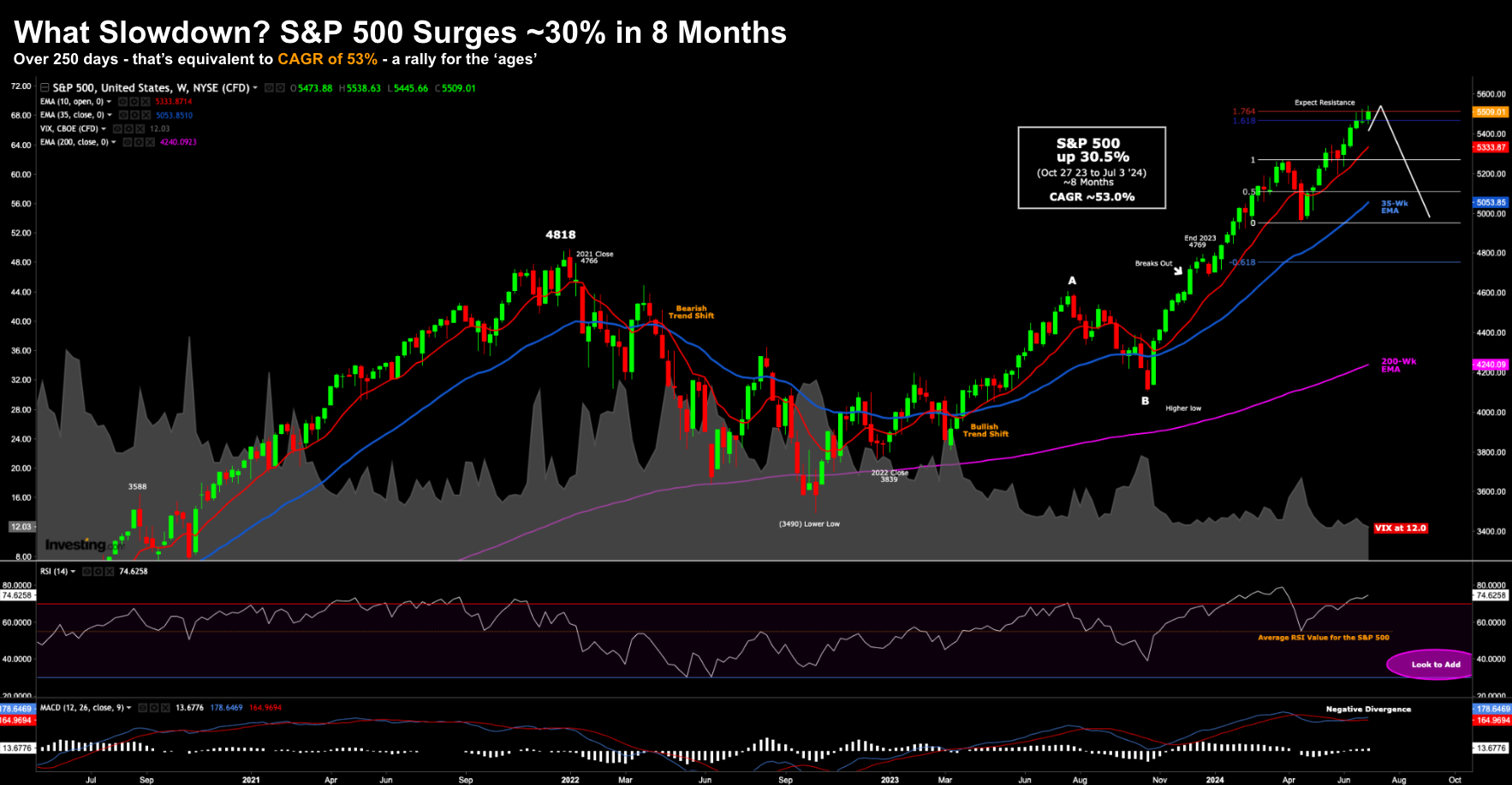
What impact will a 'soft-landing' have on current stock valuations And does there need to be a recession to experience a meaningful (e.g. 12%+) decline? My short answer is no. The gist of this post is to remind investors that you don't need a definitive line-of-sight to a potential recession before protecting gains. I say that because recessions are lagging events - which come at the very end of the cycle. By the time they arrive - the economic damage is already done. Therefore, we need to be in front of the curve. Typically in the 9-months leading up to a recession - stocks continue to trade at or near highs - as analysts raise their outlooks. Unemployment and earnings are usually strong - as GDP keeps its head above zero. But those who are able to understand where we are in the business cycle will pay careful attention to what's happening shortly after peak economic growth.

What Does Kolanovic See That Others Don’t?

Most analyst year-end S&P 500 targets range from 4200 to 5600 for equities; and 3.00% to 4.75% for 10-year yields. My guess is we will land somewhere in between these zones. On the whole, it's fair to suggest Wall Street feels 'comfortable' with holding equities. Consensus year end targets average 5400 - which tells me most don't expect stocks to do much between now and year's end. More important - they don't expect stocks to lose any ground. This post expands what I think is the single most important variable (and risk) with these forecasts: the relative health of the US consumer and their ability to continue spending.

Swoooosh

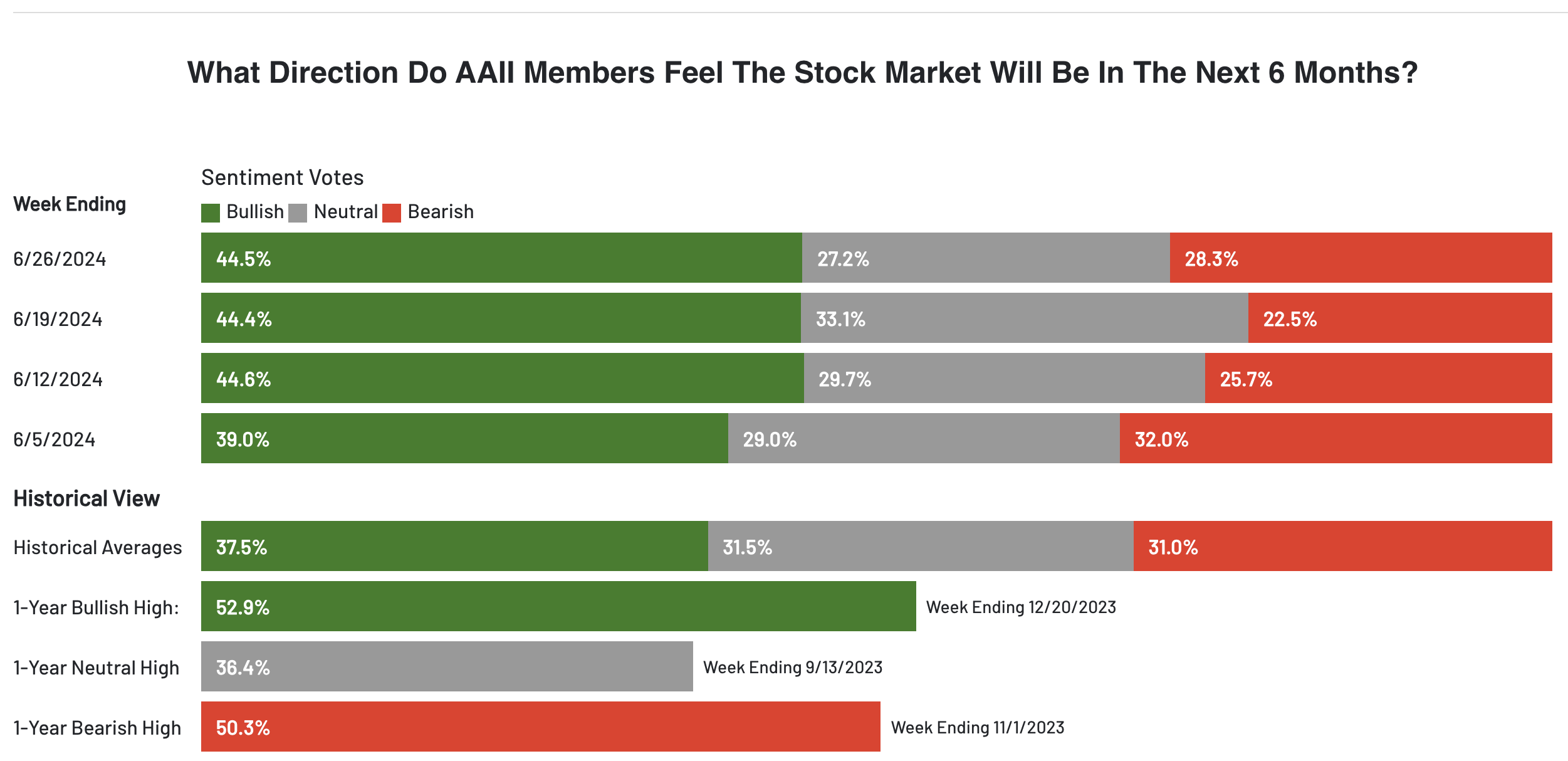
Is the market overconfident? Does it only see upside? What weight does it assign to the risks? And are the 'sirens' of perpetually higher prices too hard to ignore? One popular measure of confidence is the weekly AAII Investor Sentiment Survey. As at June 26th - 44.5% of all investors lean bullish - up from 39.0% June 5th. Analysts have also been busy hiking their S&P 500 targets for year end - with the average now around 5400. But not all analysts are aligned. Separately, we look at the record 20% one-day decline in Nike... they are warning of sales declines next year. Is this a great long-term (3-year) opportunity; or a signal to stay clear?

Buying is Easy… Selling is Hard

Do you consider yourself a "good" or "bad" investor? For example, one might say a good investor is someone who beats the returns of the Index over a long period (10.5% annualized). Beating the Index over the long-run is difficult to do... very few fund managers are able to do it. But what if I framed the question this way: (i) bad investors think of ways to make money; vs (ii) good investors think of ways not to lose money. Which one best summarizes your approach to speculation? Of the several thousand posts I've written the past 13+ years - this is arguably the most important question you could ask. If you understand the gravity of this distinction... you have a good chance of succeeding.

Divergent Signals

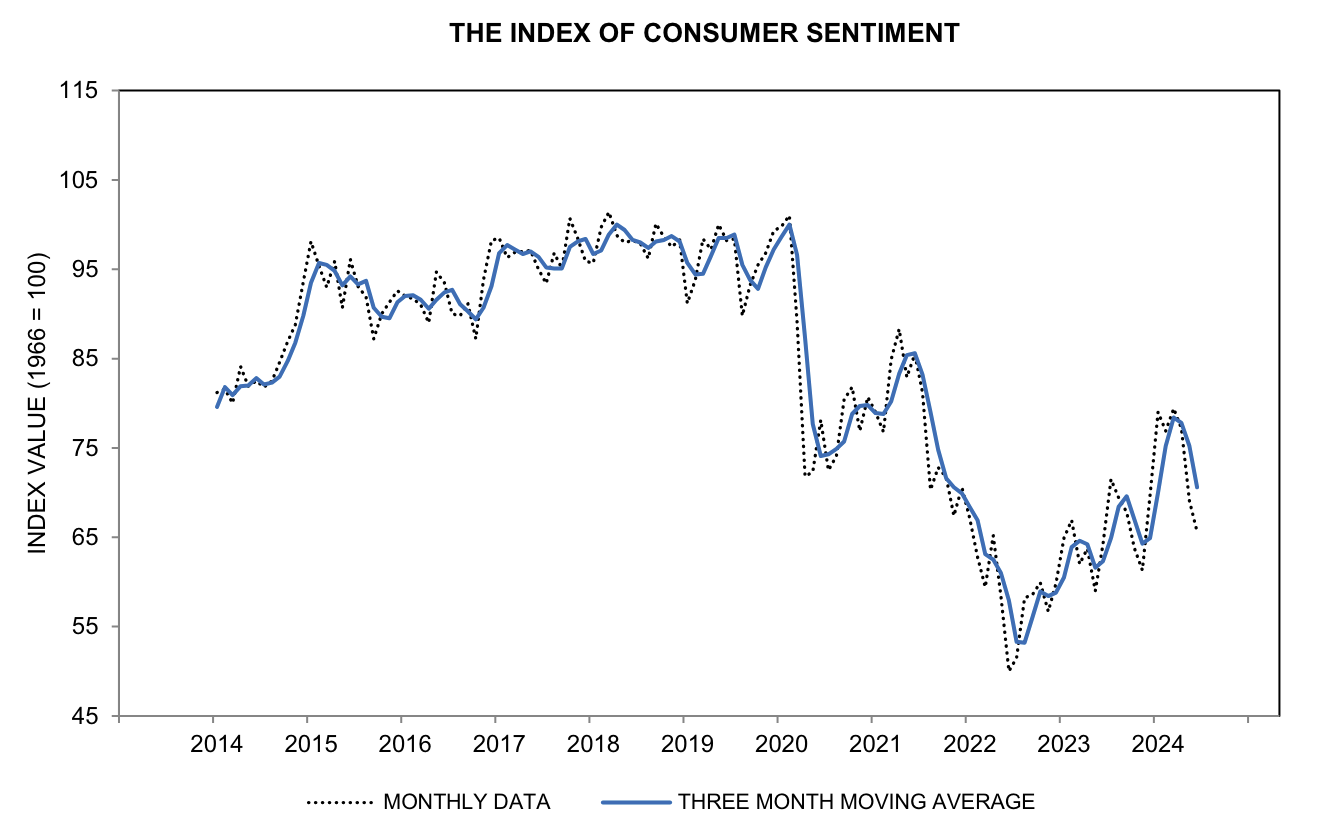
The market is wildly enthusiastic about all things "AI". If you're a company - and you don't have an AI narrative - the market doesn't want to know you. However, I also think this is potentially a blind spot. AI will undoubtedly be important and will change the way we do things (as we effectively re-wire tech) - but it's a tool. For example, whilst Wall Street celebrates that an iPhone might be able to better answer our questions - Main Street sees things very differently. Do you think the majority of consumers understand the optimism on Wall Street? And similarly, do you think Wall Street understands why consumers are complaining?

Is the Market “Euphoric”?

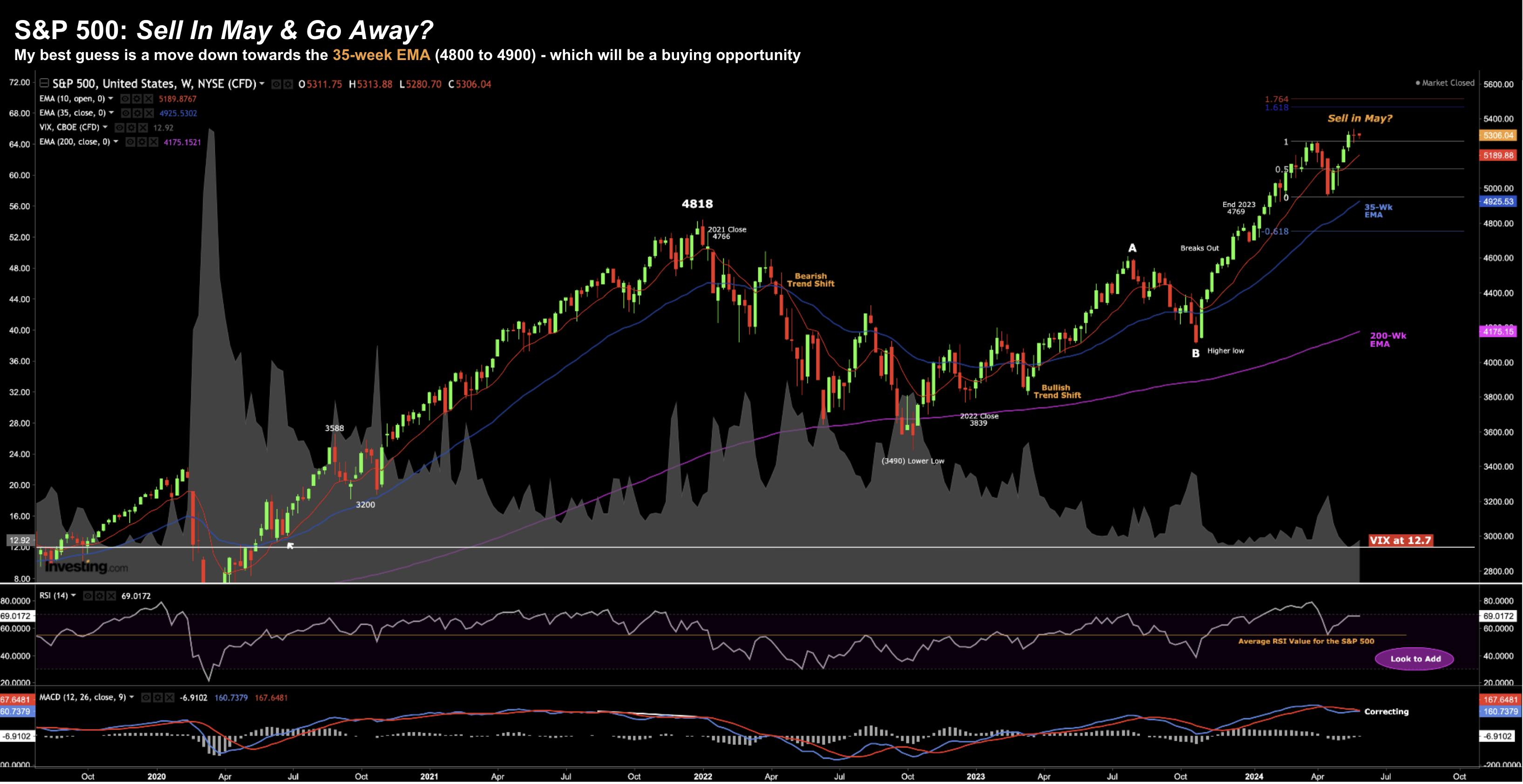
It's that time of year... where "Sell in May and Go Away" makes its typically annual appearance. Personally I don't give it much weight... basically none. Who invests with the timeframe a few months? Not many that consistently make money. But therein lies the rub - this saying is only relevant as a function of how you choose to invest. Your time horizons are likely very different to mine. This post will offer background where the adage comes from. From there, I will try and answer the question of whether the market is "euphoric". And finally, I'll share some names that I've been adding to.... it's not NVDA.

“Heads I Win and Tails You Lose”

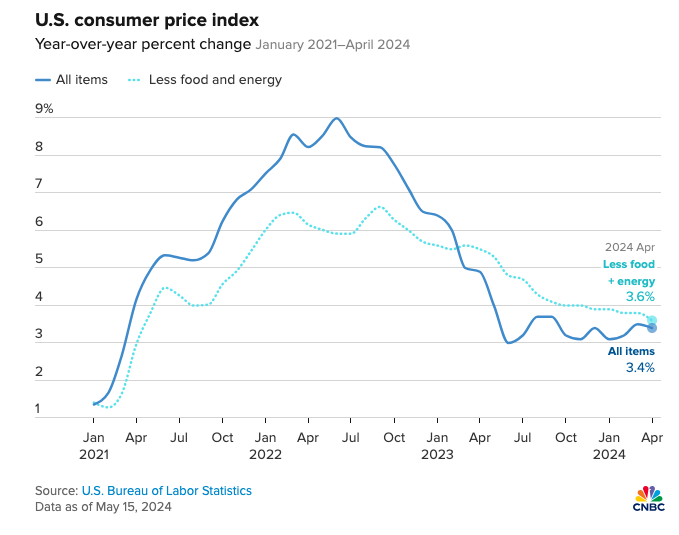
After almost three decades at this game - something you learn is not to fight the tape. Trade against momentum at your own peril. Consider the news today... it was both bad and good. I will start with the (perceived) 'good'. The Consumer Price Index (CPI) was slightly cooler than expected. And whilst it's still a long way above the Fed's target of 2.0% - the market was thrilled it was only up 0.3% MoM and 3.4% YoY. Bond yields plunged and stocks ripped. Sure... 3.4% isn't great... but that's Main Street's problem... Wall Street doesn't care. However, the bad news was retail sales plunged. But wait a minute - that's also "good news" - as it could mean a more accommodative Fed. Heads I win and tails you lose.

Powell Appeases the Market… Or Does He?

For me, there were two (big) questions for the Powell this week: (1) are rate hikes off the table - given faster-than-expected inflation and continuing economic strength? and (2) when will the Fed commence QT tapering (and by how much)? Powell was unequivocal on possible rate hikes... forghedaboudit. Equities cheered. But why remove optionality? Why Powell is so convinced we don't see a re-acceleration in inflation? Admittedly it's a lower probability outcome... but we can't rule it out. But he apparently can...

‘AI’ Trumps the Fed, Inflation and the Economy

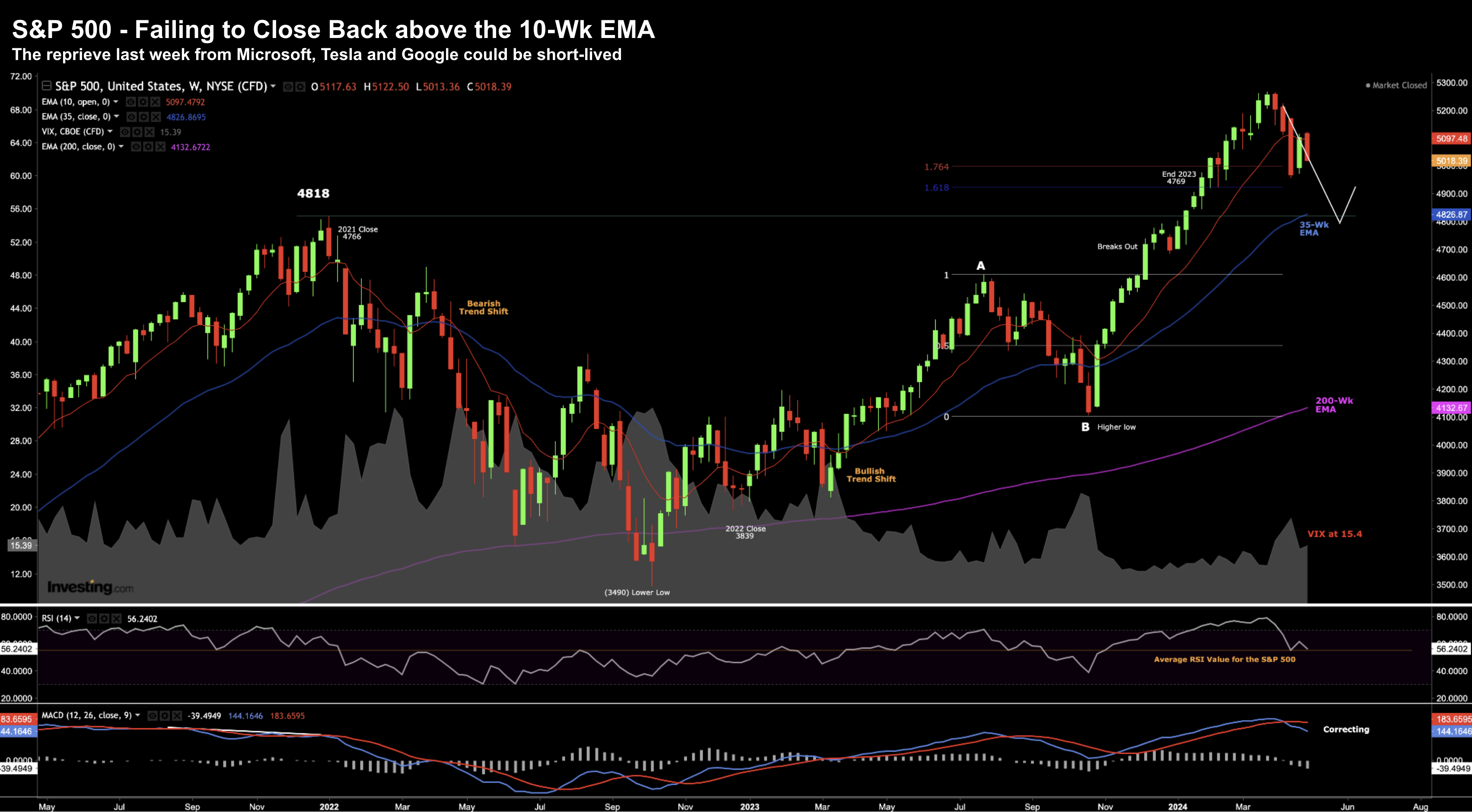
The Artificial Intelligence (AI) narrative continues to dominate sentiment. Whether it was Google, Meta or Microsoft... the (AI) earnings script was similar. Mega-cap tech companies so far have reported impressive earnings and revenue growth with respect to their AI strategies (across online ads, cloud and search). It was music to investor's ears. However, strength in tech earnings isn't necessary conflating to strength elsewhere. To that end, there is a strong bifurcation with earnings... and that raises some questions.

Risk vs Reward

Warren Buffett once told us "the stock market is a device for transferring money from the impatient to the patient”. Which one are you? And while it sounds cliché, the power of patience is real. We need patience for two things: (i) allow our existing investments to work over time; and also (b) if buying, waiting for prices to come to us (eliminating FOMO). For example, some investors may have felt left out the past three months (I certainly did) - as 'hot' momentum stocks like Nvidia, Netflix, Meta and others surged. Fundamentals were not front of mind - where investors thought nothing of paying 40x plus earnings. The momentum trade had taken hold. But as we know - things inevitably revert to the mean.