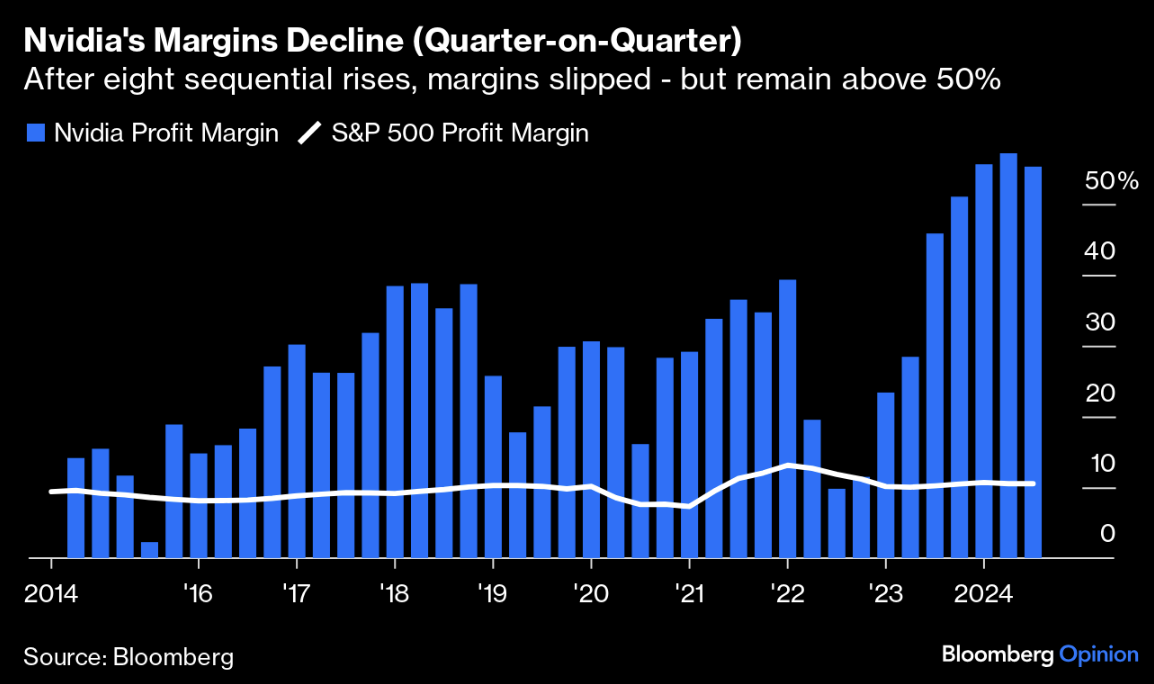
So Maybe Valuations Matter?

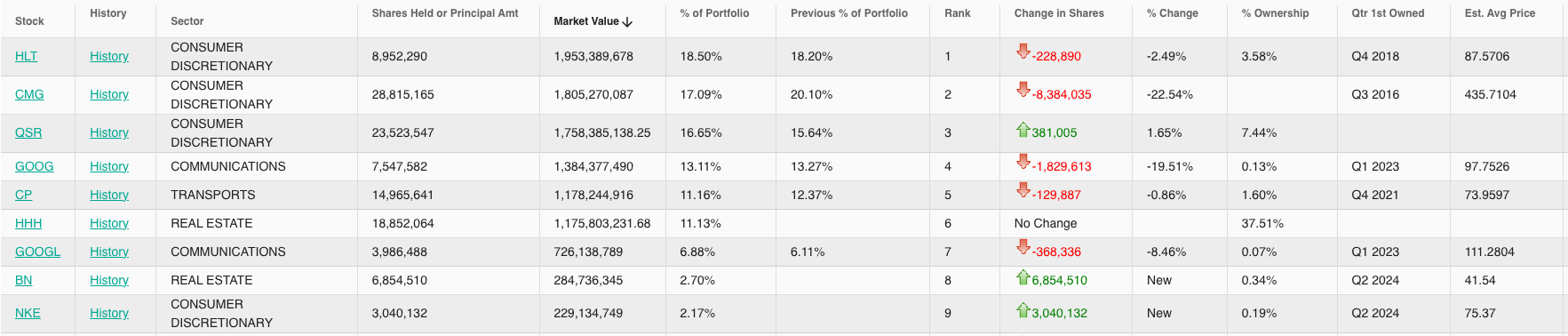
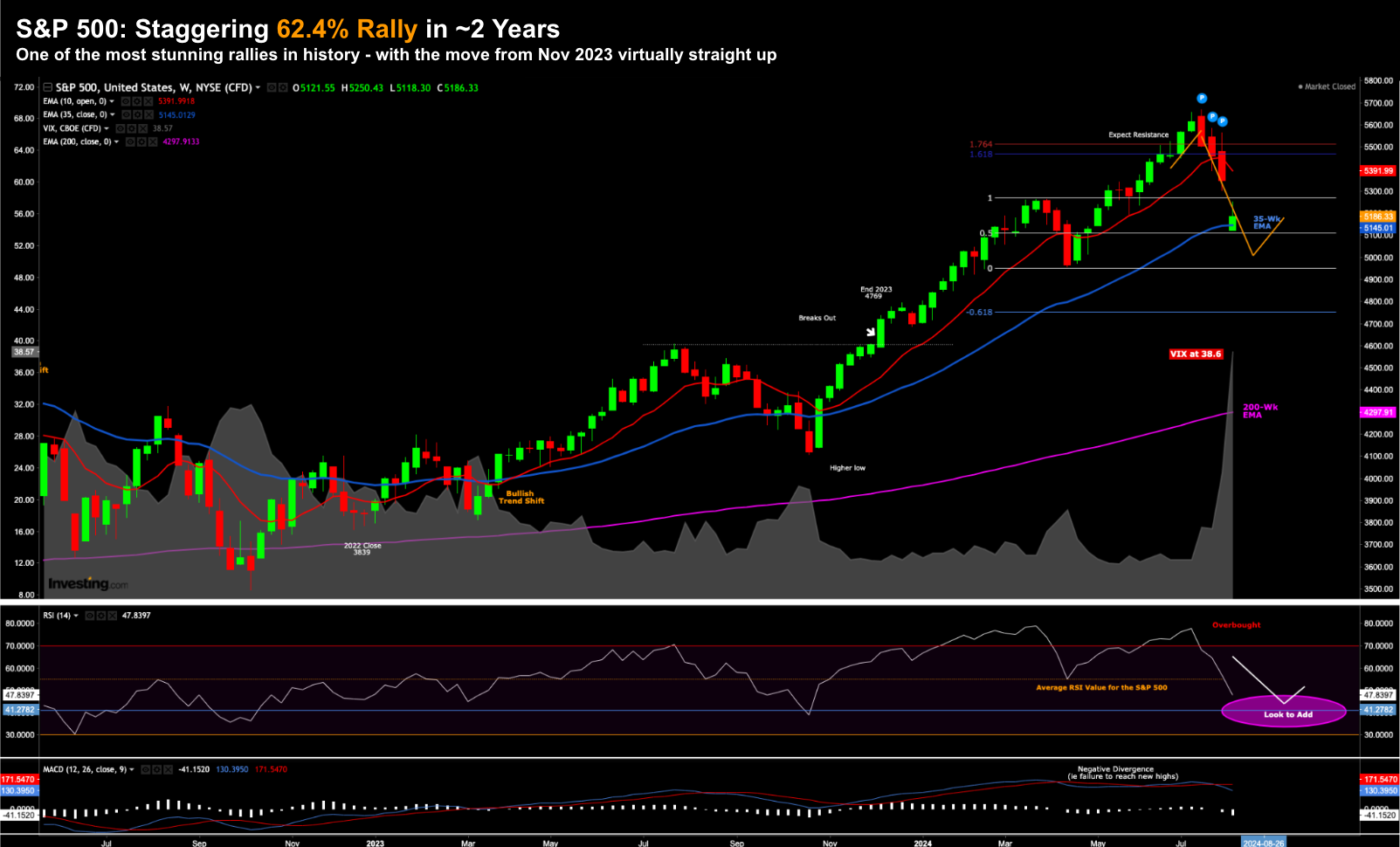
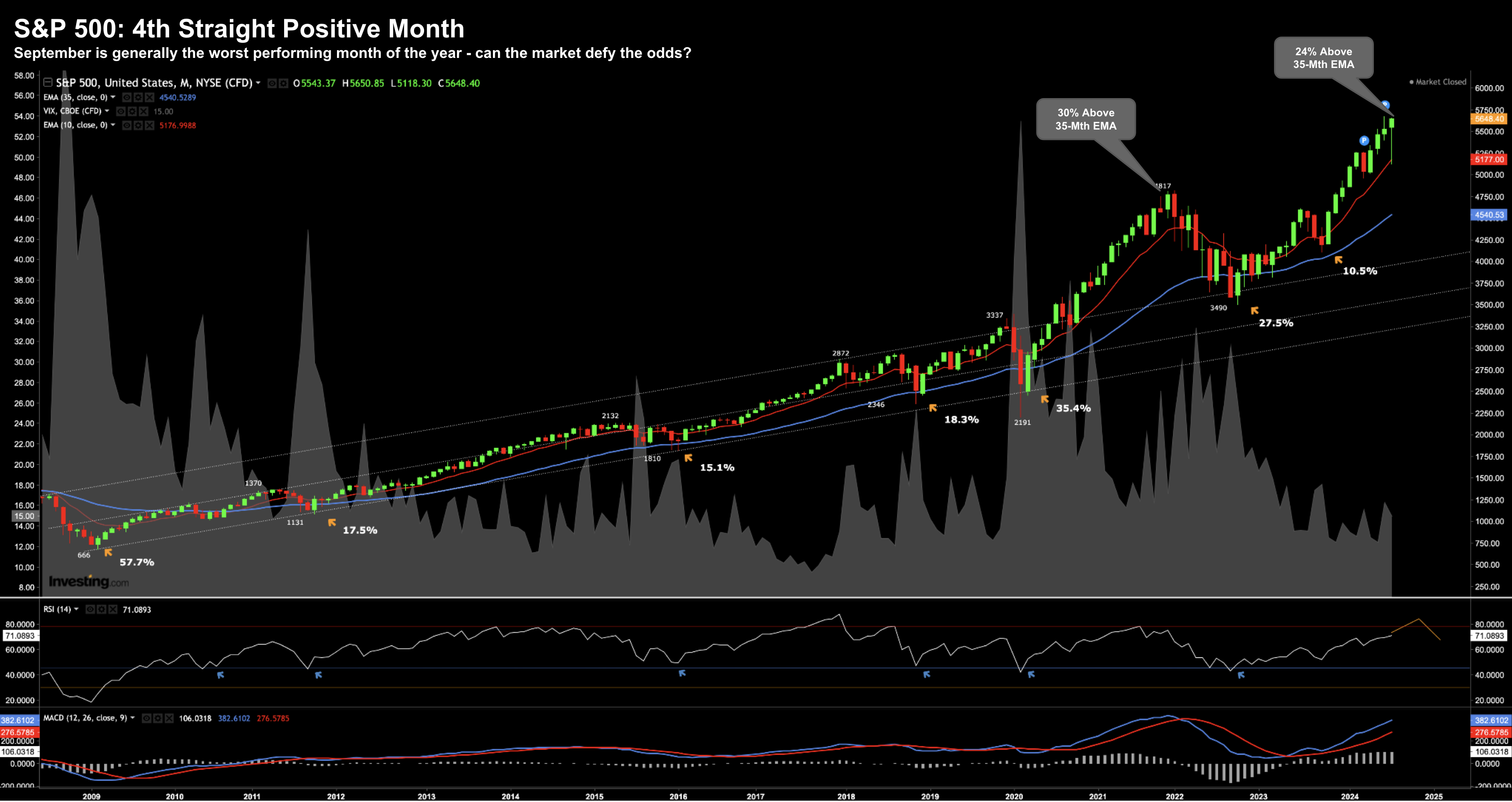
When I made the difficult decision to reduce my exposure to large-cap tech earlier this year - I wasn't sure how things would pan out. In the short-term - I looked foolish. These stocks surged higher without me. However, since then, large-cap tech is trading lower than when I sold it (on average). But is this a dip you should buy? I don't think so - not just yet. The broader index is only 6% off its all-time high. That's nothing in the larger scheme of things. I'm choosing to remain a little more patient - where I think the index could correct somewhere in the realm to 10-12%.

Powell’s Ready to Cut… And Not Just Once

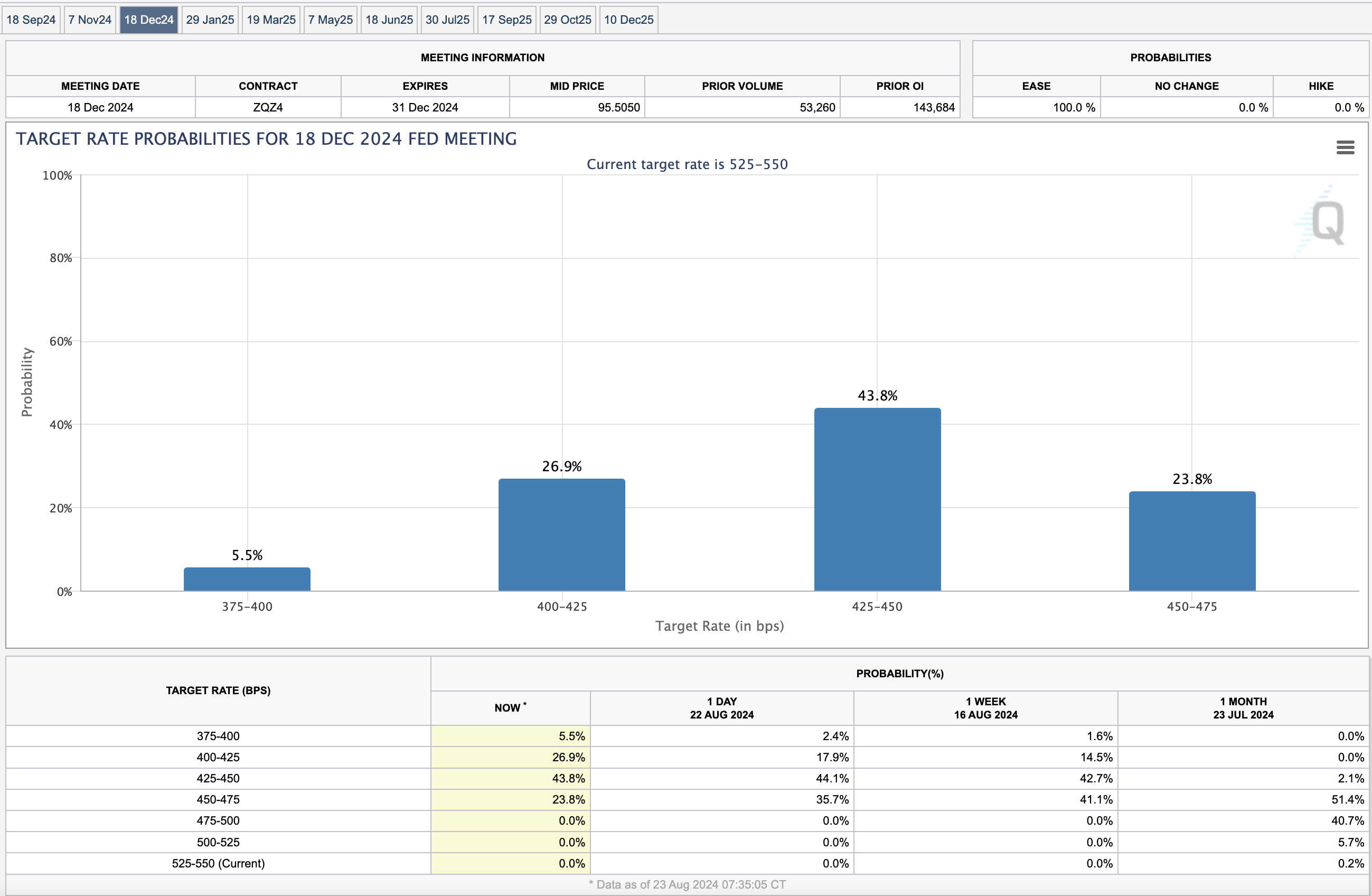
Today Fed Chair Powell delivered precisely what the market wanted to hear... help is on the way. As a perpetual (closet) dove - Powell did his best to stay balanced however the cat is now out of the bag. Rate cuts are coming. And there will be more than one. Consistent with other meetings - Powell said rate cuts are an option if economic data continues on its current path. In other words, it was the (same) scripted "data dependent" Fed.
However, there were some important nuances.

Quarterly Real PCE Up YoY… As Savings Fall

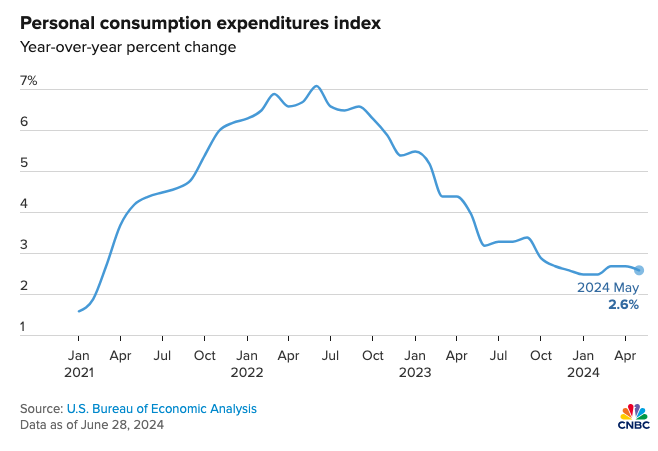
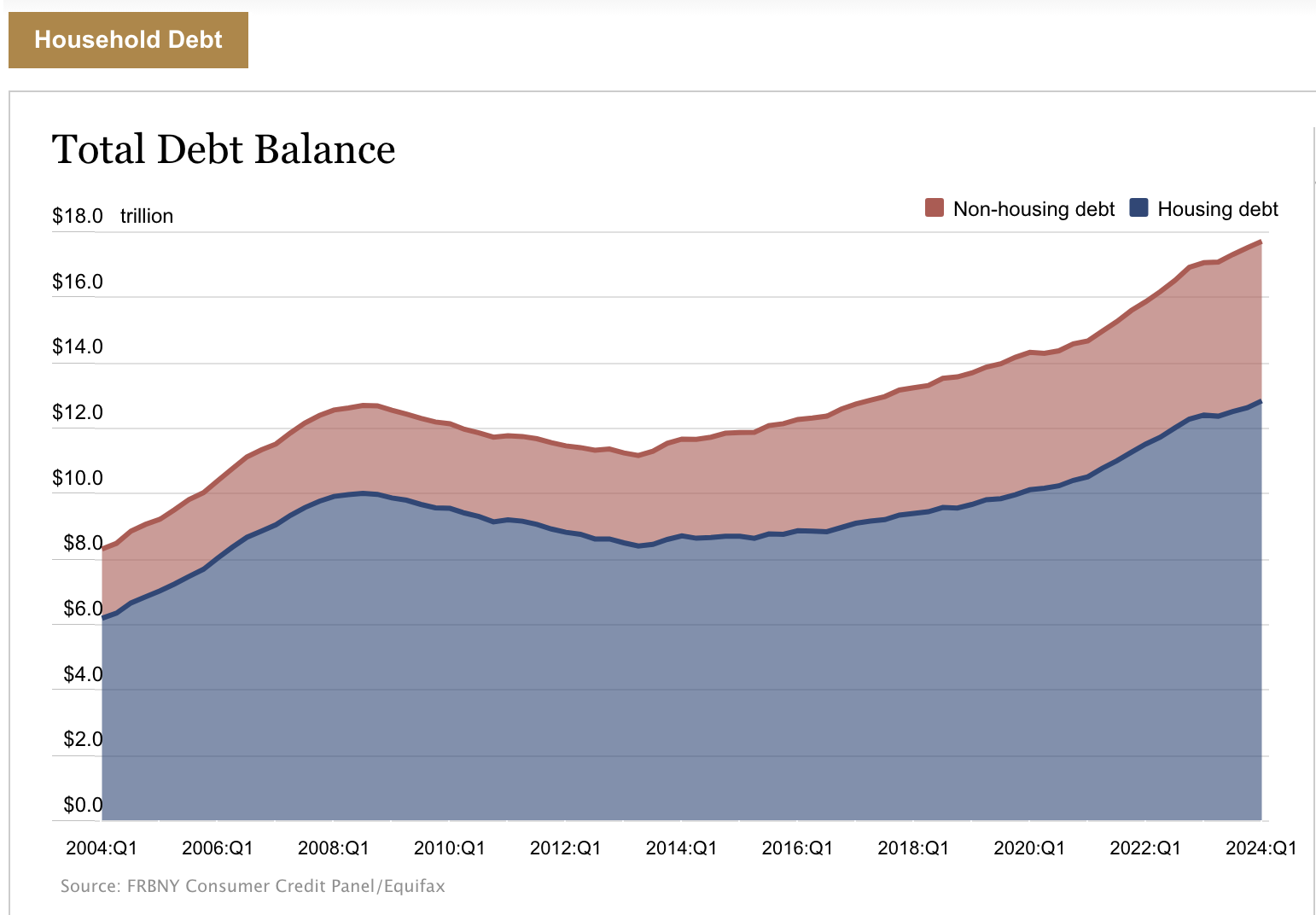
The market received three important data points this week - inflation, wages and consumer spending - and it was mostly good news. First up, inflation continues to moderate. The Fed's preferred inflation index - Core PCE - showed prices increased at a moderate pace for June— confirming excessively high inflation is behind us. However, prices are still ~30% higher than 3-years ago... they're just rising at a slower pace. Whilst inflation is important - I wanted to know if consumers are still spending? The answer is they are - and by whatever means possible. They are drawing down on their savings and ramping the use of credit cards - which has seen card delinquencies hit decade highs. But from equities perspective - higher spending is good news. This feeds the 'soft landing' narrative....

The Three Stages of a Bull Market

Charlie Munger once warned us when wishful thinking takes hold - investors tend to believe that good times will be followed by more good times. This mentality feeds on itself - driving momentum - pushing prices higher. It's what fuels the final stages of a bull market. Attributes such as independent thought, logic, rationale and objectivity give way to herd behavior. That's when your internal alarm bells start ringing... and you start thinking differently from the crowd. Very few people have the ability to do that... but it's what's required.

The Big Tech Unwind

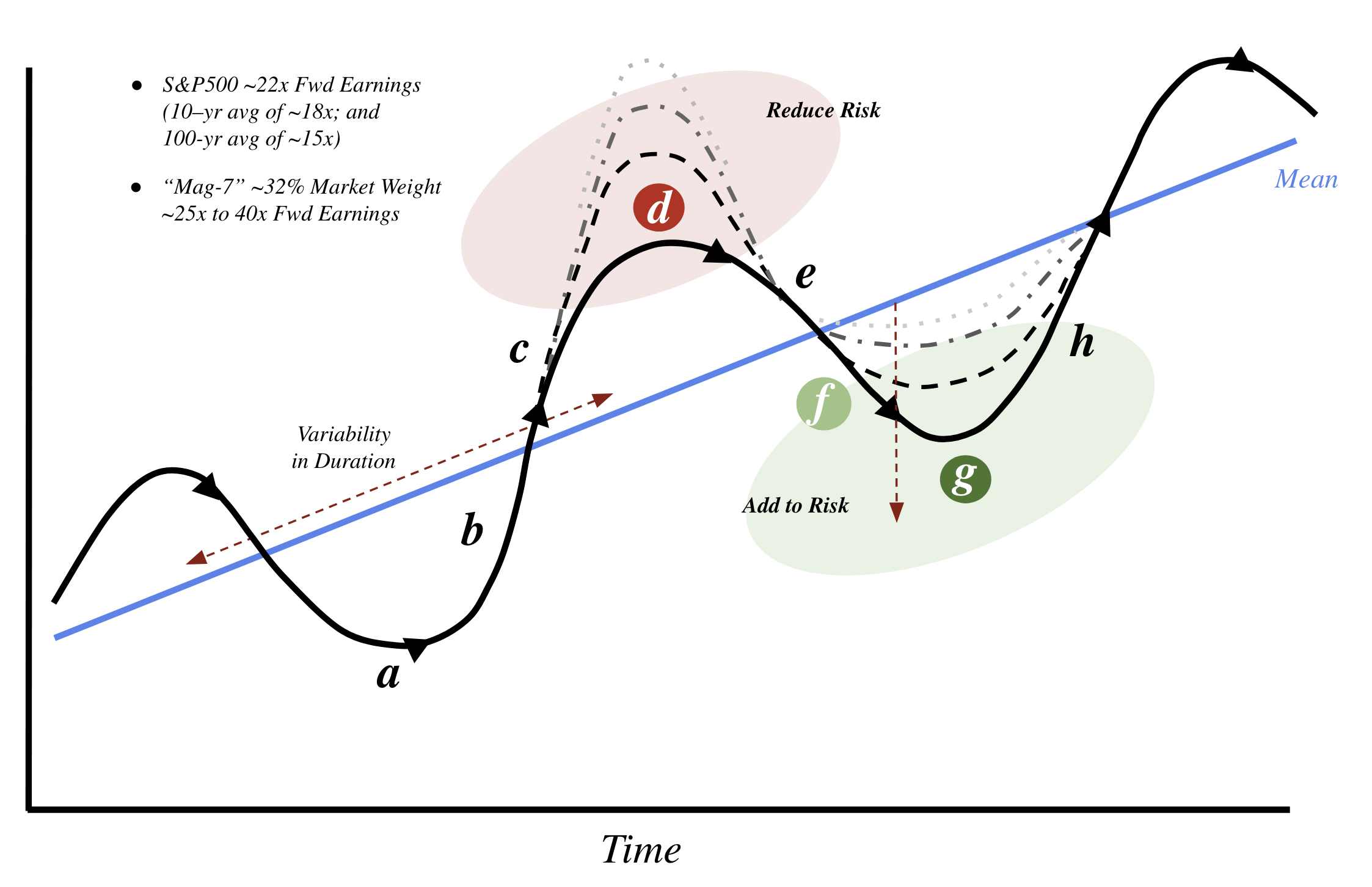
Can the market let the air out of the bubble without consequence? The answer relates to my post on economic cycles. That is, panics and busts only occur after booms and bubbles. But what a minute - are you saying this is a bubble? My answer to that is look at where we are in relation to the long-term mean. That's your litmus test. For example, if we simply take the S&P 500 - it trades at ~22x forward earnings (on the assumption earnings growth this year is 12%). The 10-year average forward PE for the S&P 500 is ~18x (mostly as a function of long-term yields trading near zero). And the 100-year forward PE average is closer to 15.5x. And if we look at tech specifically - valuations are even more extreme.

Cycles: Your Advantage over the Average Investor

I made a decision to reduce my exposure to large-cap tech a few months ago. The decision wasn't an easy one... these are great stocks. For example, did I sell prematurely? The answer will be more obvious in 6-12 months when the cycle has had sufficient time to play out. For now (as was the case when I sold) - I think the downside risks meaningfully outweighed further upside gains. In this post, I explained how selling is a way of managing your risk. I was ensuring I banked the appreciable gains realized over the past few years. In light of the rotation out large-cap tech we've seen this week - I thought it was opportune to share some thoughts on (a) how I calibrate my portfolio in a changing environment; and (b) when to be aggressive and when to play defense. It all comes back to understand the economic cycle...

Real Retail Sales Continue to Warn

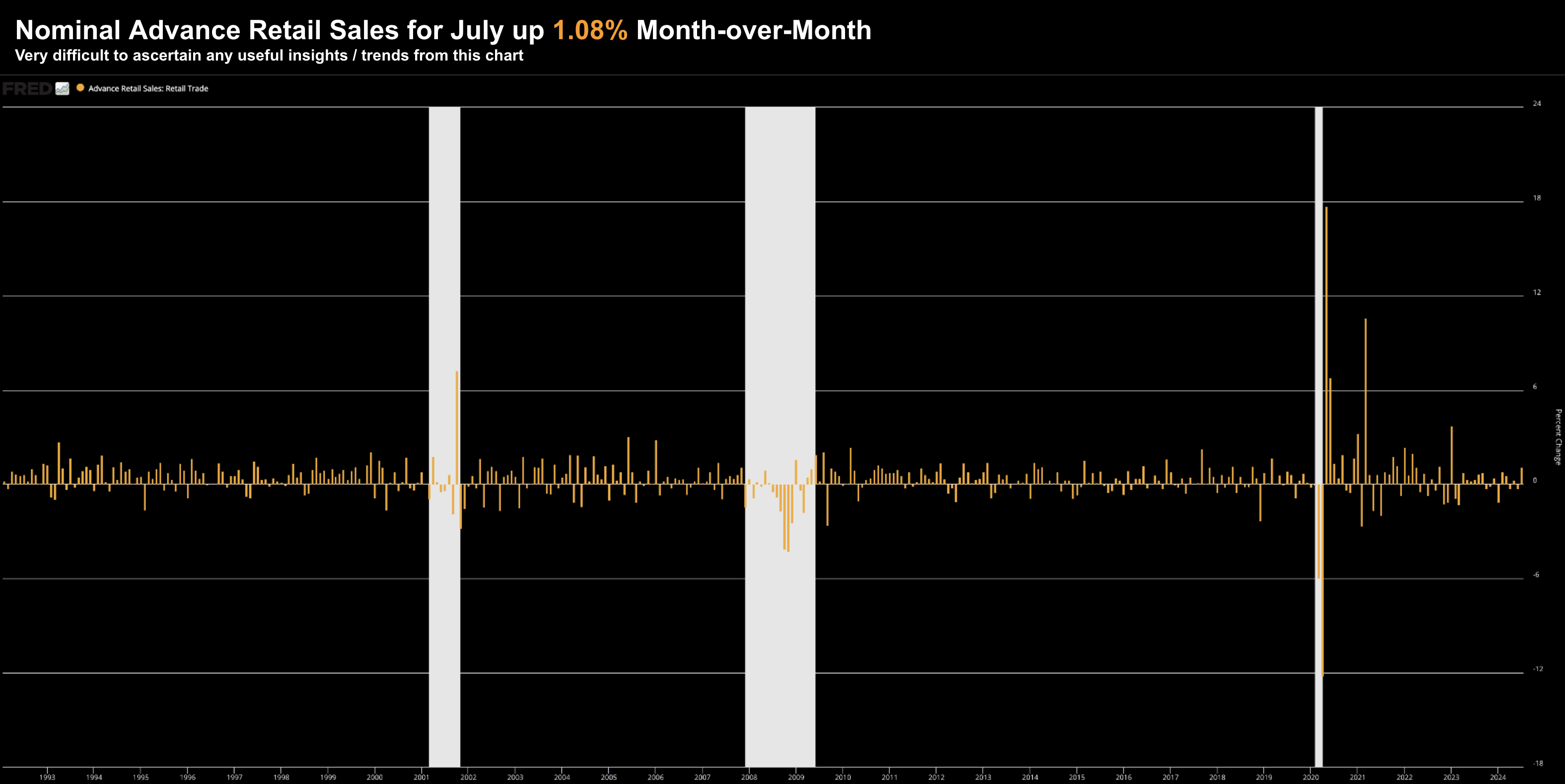
When I caught the headline "retail sales hold up in June - better than expected" - I was curious to read the detail. Yes, it's true that nominal sales were flat MoM. But that's not what it states. They don't mention "nominal". As analysts and investors - nominal values are of very little use. What helps us more when forecasting trends (and assessing risks) is real sales. Real retail sales are those adjusted for inflation. And with inflation stubbornly high ~3.0% year-over-year (approximately) - that makes a big difference. When viewed through this prism - real retail sales have been declining for months.

Is the Market About to Broaden Beyond Tech?

Has the market finally started to broaden beyond tech? Whilst it's still too early to answer - there were signs of life this week in sectors which have failed to work this year. By way of example, the Russell 2000 and the Equal Weighted Index caught a bid - as the market started to price in at least one rate cut before the end of the year. And that makes sense. Companies that depend on leverage to supplement cash flows will stand to benefit more from rates cuts (vs their larger cap peers - who profit from higher rates due to cash hoards)

Real PCE: Seeing Around Corners

As an investor, your job is to carefully assess the risks against the rewards. A large part of that equation is knowing exactly where we are in the business cycle. For example, consider the following questions: (a) do you think we're at the beginning or middle of an economic advance (with more to go)? or (b) do you think we're about to encounter a significant change in direction? and (c) if so, is that change for the better or for the worse? Your answer is very important. It's far better to invest (or take more risk) at the start of the business cycle vs the end. Therefore, how will make that decision? How are you able to determine where we are? I will offer a market signal which is arguably more consistent and reliable than most indicators.

Wall Street Cheer a “Strong Jobs” Report…  Should They?

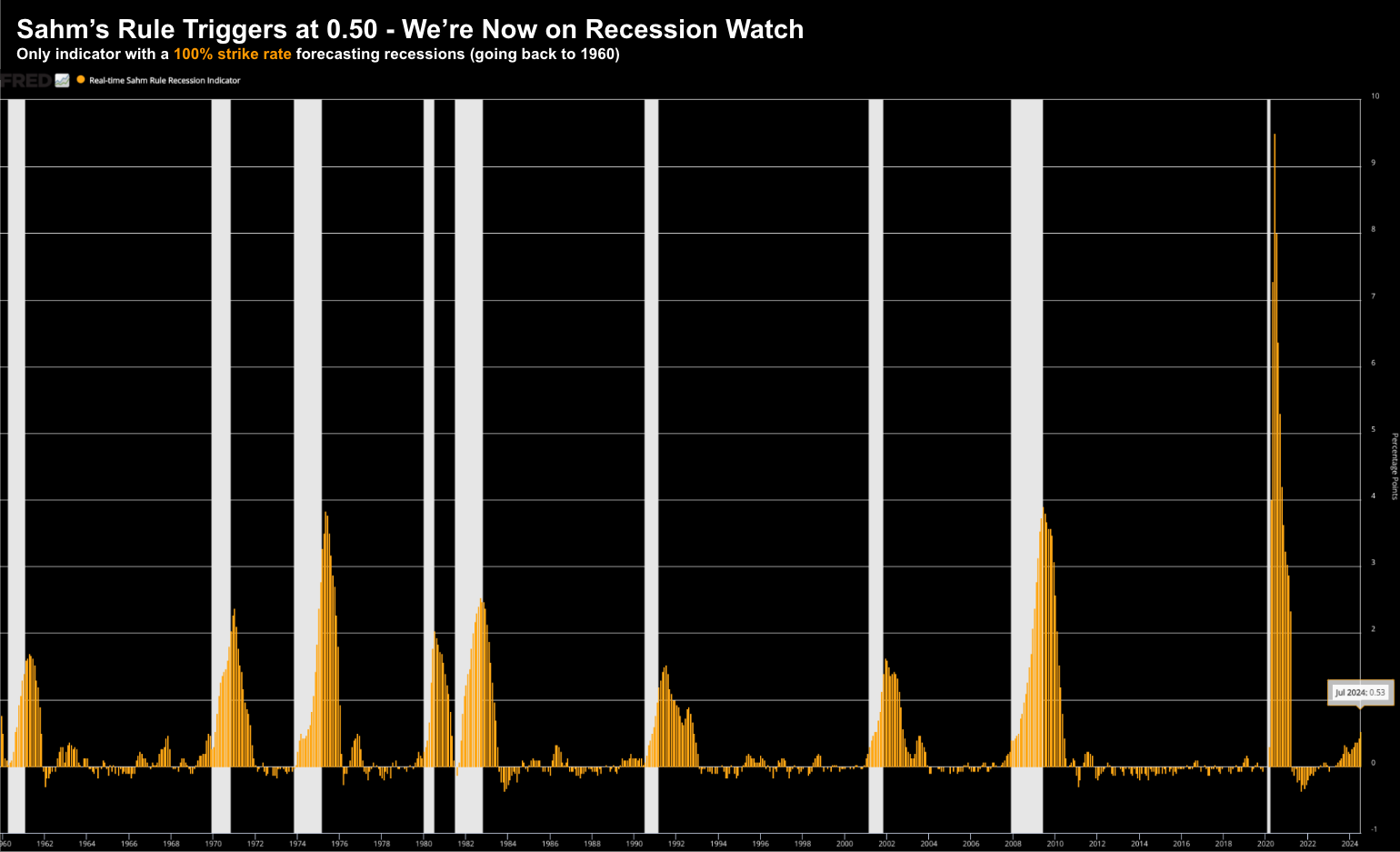
Wall St. cheered a perceived 'strong' monthly June jobs report. The economy added 206K jobs last month - however the unemployment rate moved to 4.1% - its highest level in 2 years. Here's the thing: there was a lot of weakness in the labor market - with most of the jobs coming from government. In addition, April's job gains were revised lower by 111K. And May was revised lower by almost 60K. I think there is material underlying weakness (reflected in slower Real GDP and PCE) and perhaps enough for the Fed to start cutting rates in September or November.

Why ‘Soft Landings’ Deserve Scrutiny

What impact will a 'soft-landing' have on current stock valuations And does there need to be a recession to experience a meaningful (e.g. 12%+) decline? My short answer is no. The gist of this post is to remind investors that you don't need a definitive line-of-sight to a potential recession before protecting gains. I say that because recessions are lagging events - which come at the very end of the cycle. By the time they arrive - the economic damage is already done. Therefore, we need to be in front of the curve. Typically in the 9-months leading up to a recession - stocks continue to trade at or near highs - as analysts raise their outlooks. Unemployment and earnings are usually strong - as GDP keeps its head above zero. But those who are able to understand where we are in the business cycle will pay careful attention to what's happening shortly after peak economic growth.

What Does Kolanovic See That Others Don’t?

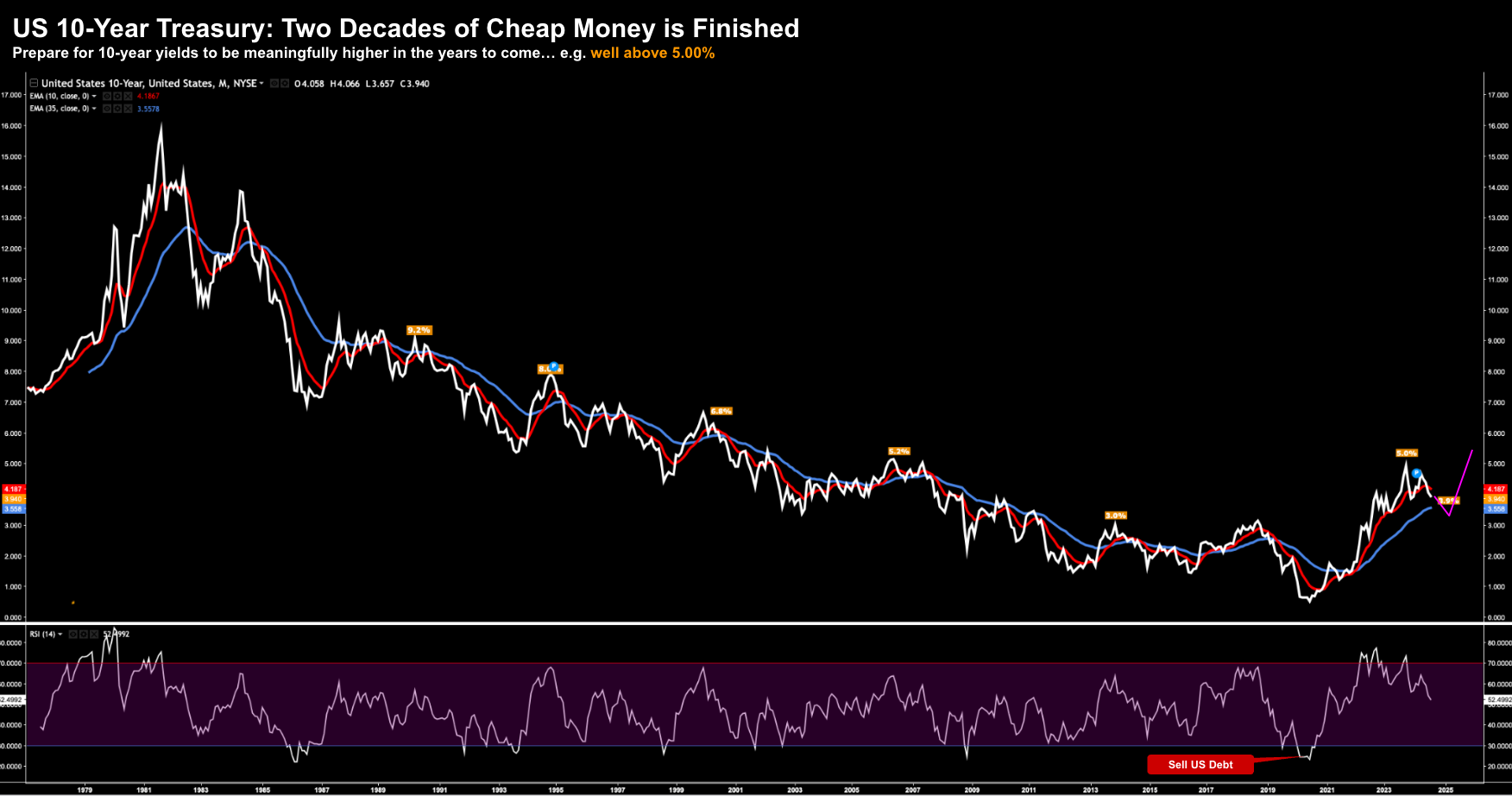
Most analyst year-end S&P 500 targets range from 4200 to 5600 for equities; and 3.00% to 4.75% for 10-year yields. My guess is we will land somewhere in between these zones. On the whole, it's fair to suggest Wall Street feels 'comfortable' with holding equities. Consensus year end targets average 5400 - which tells me most don't expect stocks to do much between now and year's end. More important - they don't expect stocks to lose any ground. This post expands what I think is the single most important variable (and risk) with these forecasts: the relative health of the US consumer and their ability to continue spending.