Mean Reversion: Index Risks & the ‘M7’

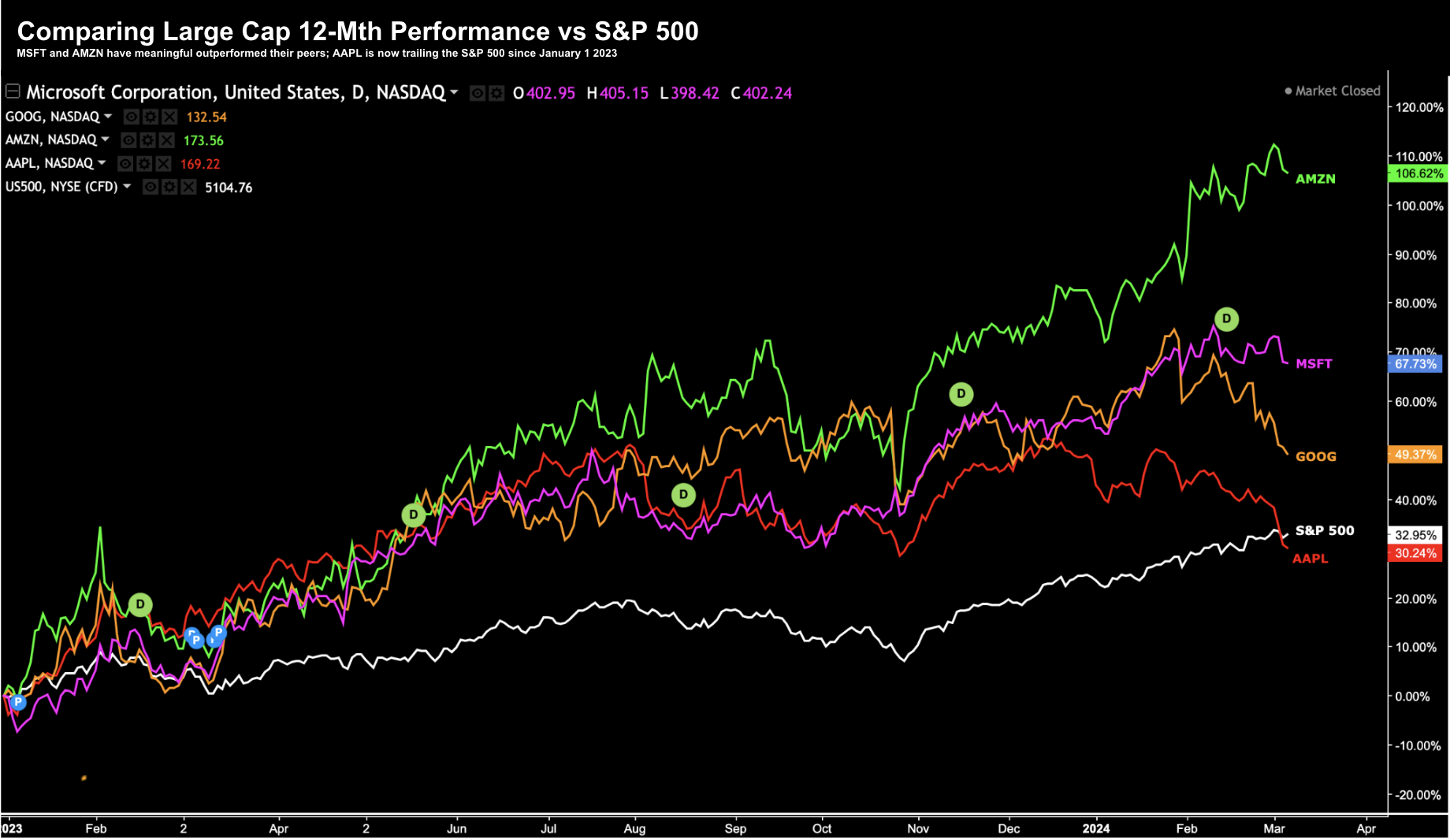
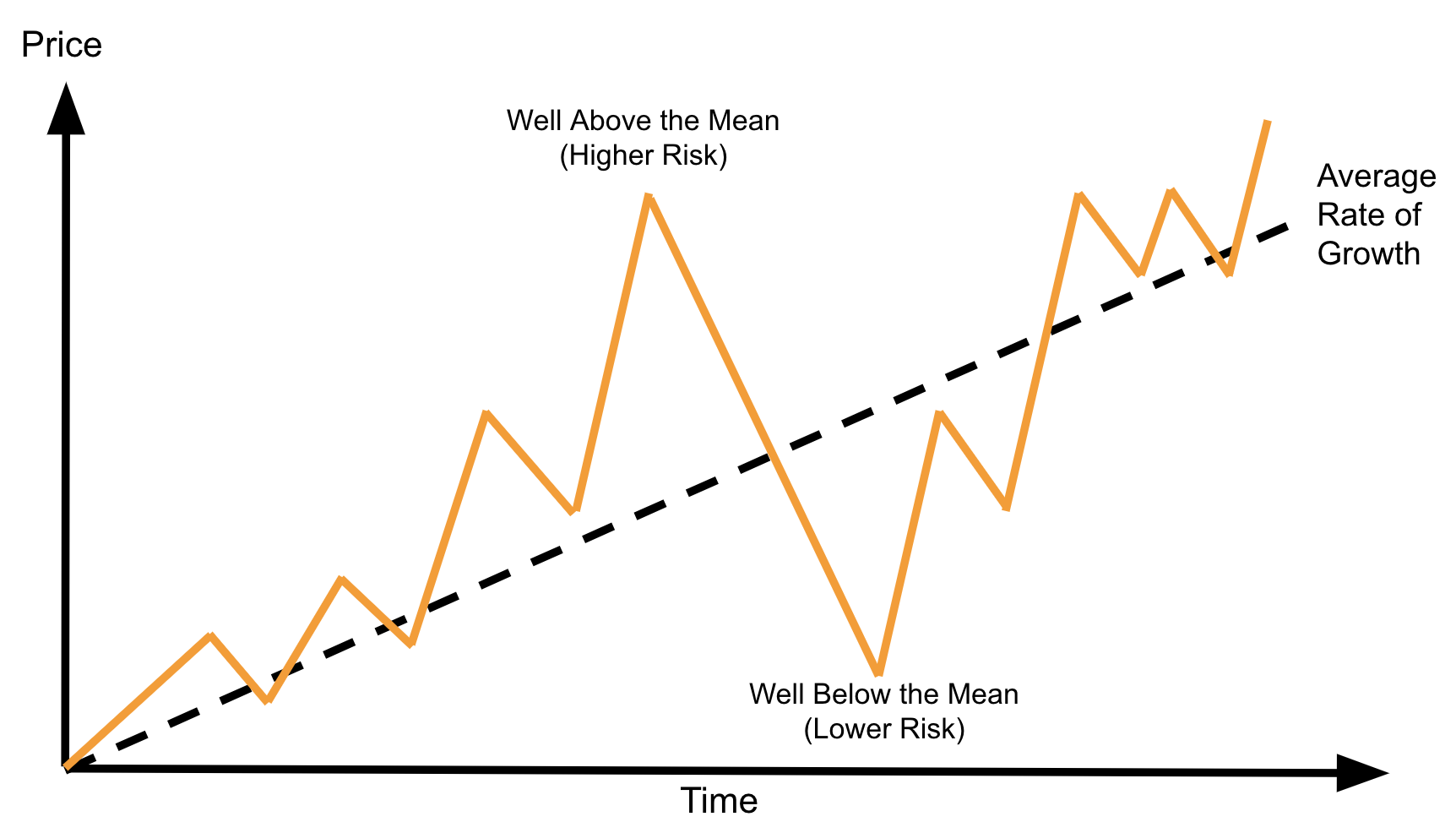
In the game of asset speculation – mean reversion suggests that over time an asset will eventually return to its average price if it drifts or spikes too far from that average level. If applied, it can often help you avoid paying too much. My thinking is the S&P 500 has now drifted too far from the longer-term mean. History has always told us that inevitably prices will mean revert. This post explores the potential risks to investors if simply choosing to passively invest via the benchmark Index. Look no further than the so-called "Mag 7" - which constitute more than a 30% weight.

Three Cheers for 5,000!

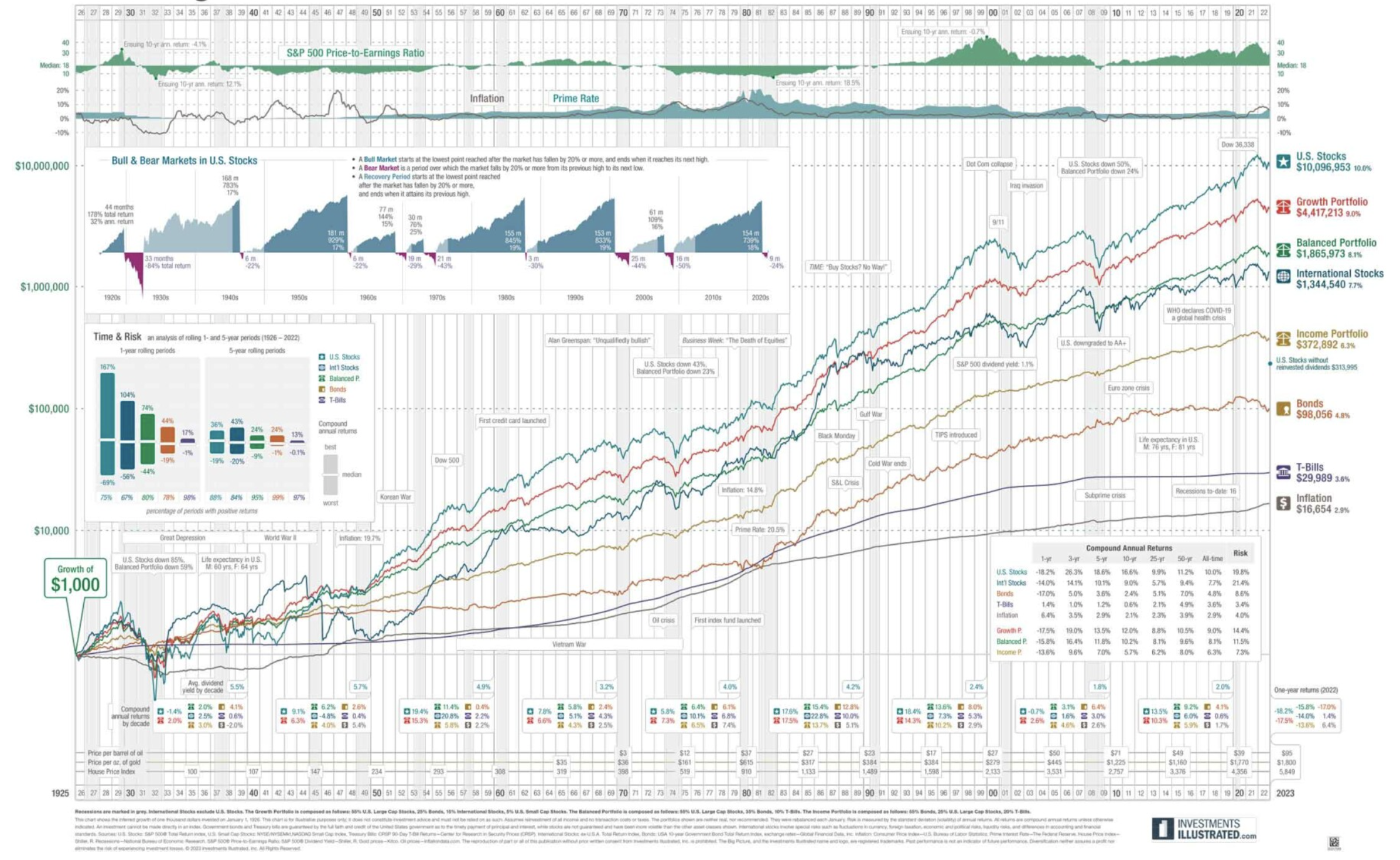
This week the S&P 500 closed above 5,000 for the first time. Another milestone as we climb the 'wall of worry'. Over the past 100+ years the S&P 500 has averaged capital gains of ~8.5% per year plus dividends of ~2.0%. That's a total return of close to 10.5% (on average). If you compound 10.5% per year over 20 years (i.e., 'CAGR') - that's a 637% increase. But as we know, the pathway is rarely smooth. Some years the market may "add 20%" and others it could give back a similar margin (or worse). And we saw this happen recently. However over the long run - markets will rise more often than they fall.

Will the Bond Vigilantes Strike Back?

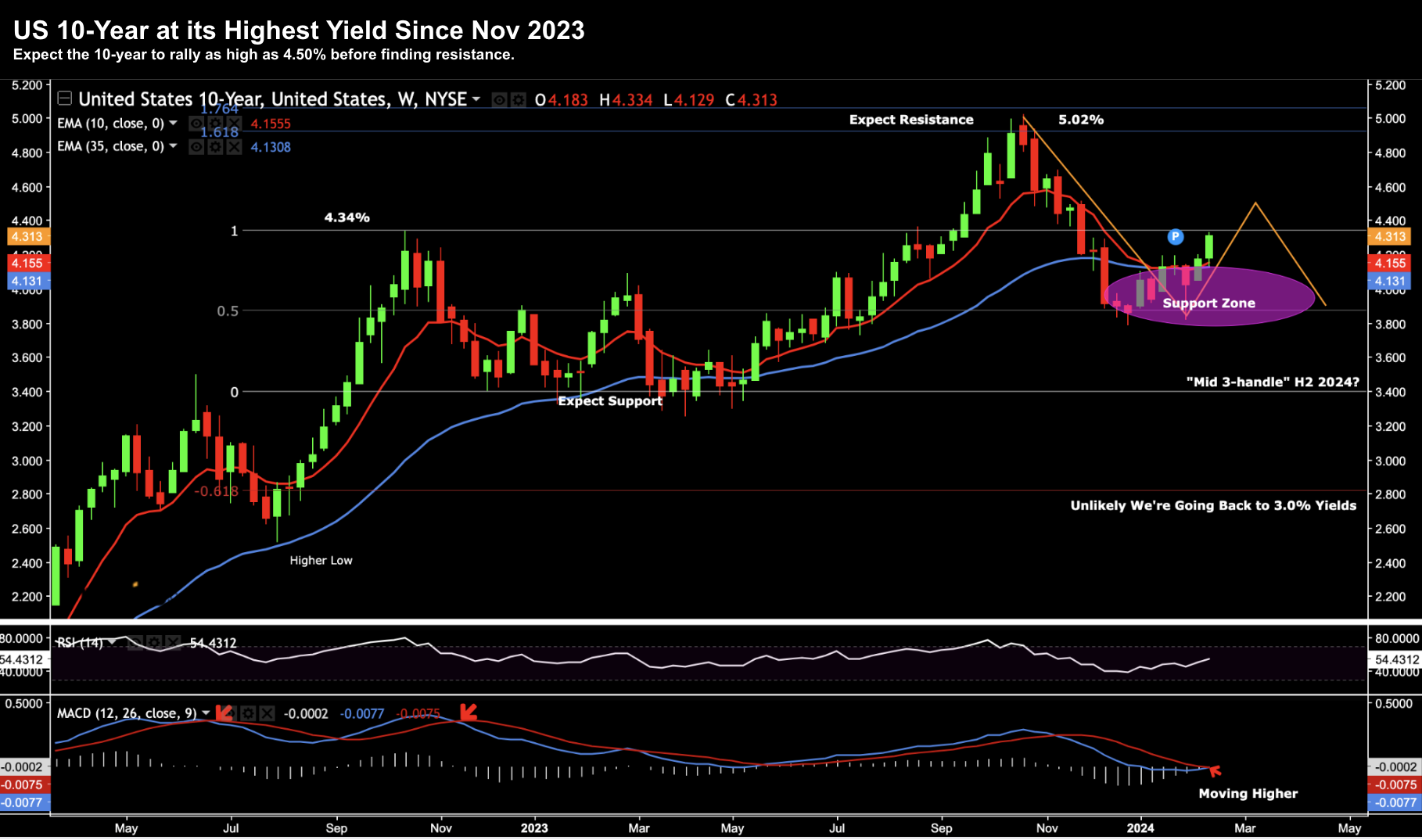
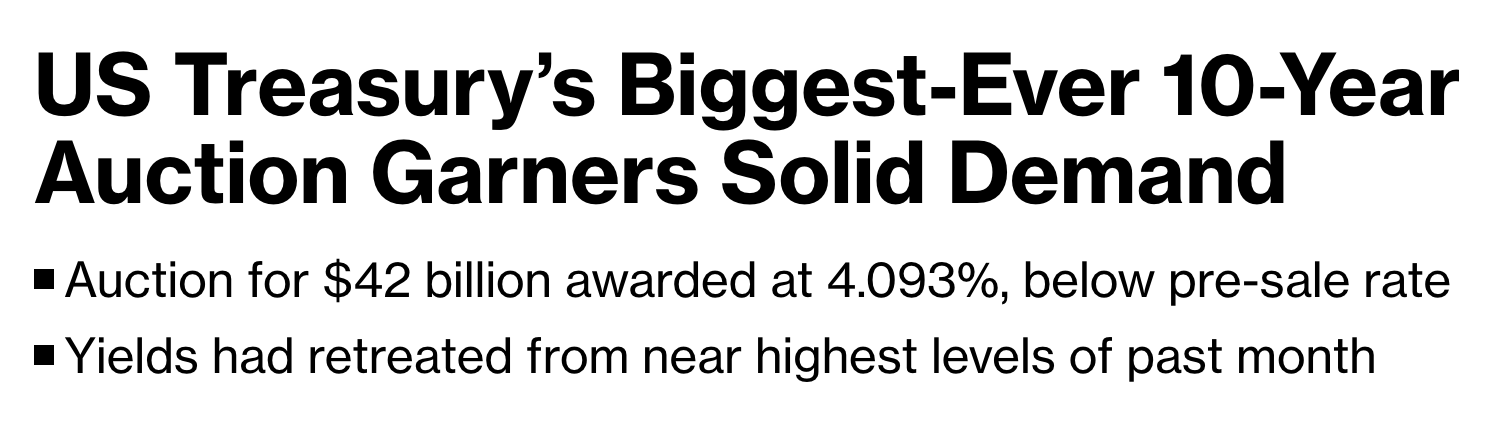
Last weekend Fed Chair Jay Powell gave a rare interview with TV program '60 Minutes'. Not only did Powell tell people to expect rates to remain higher for longer - he also sent less than subtle warnings to Congress. I quote: “It’s probably time, or past time, to get back to an adult conversation among elected officials about getting the federal government back on a sustainable fiscal path”. Amen. But good luck with that Jay. When asked if this was an urgent problem - Powell said “You could say that it was urgent, yes.” In short, keep a close eye on bond yields - especially the long-end. The market wants them to head lower - much lower - however fiscal recklessness could prove otherwise.

Yields Rally on “Strong” Jobs Data

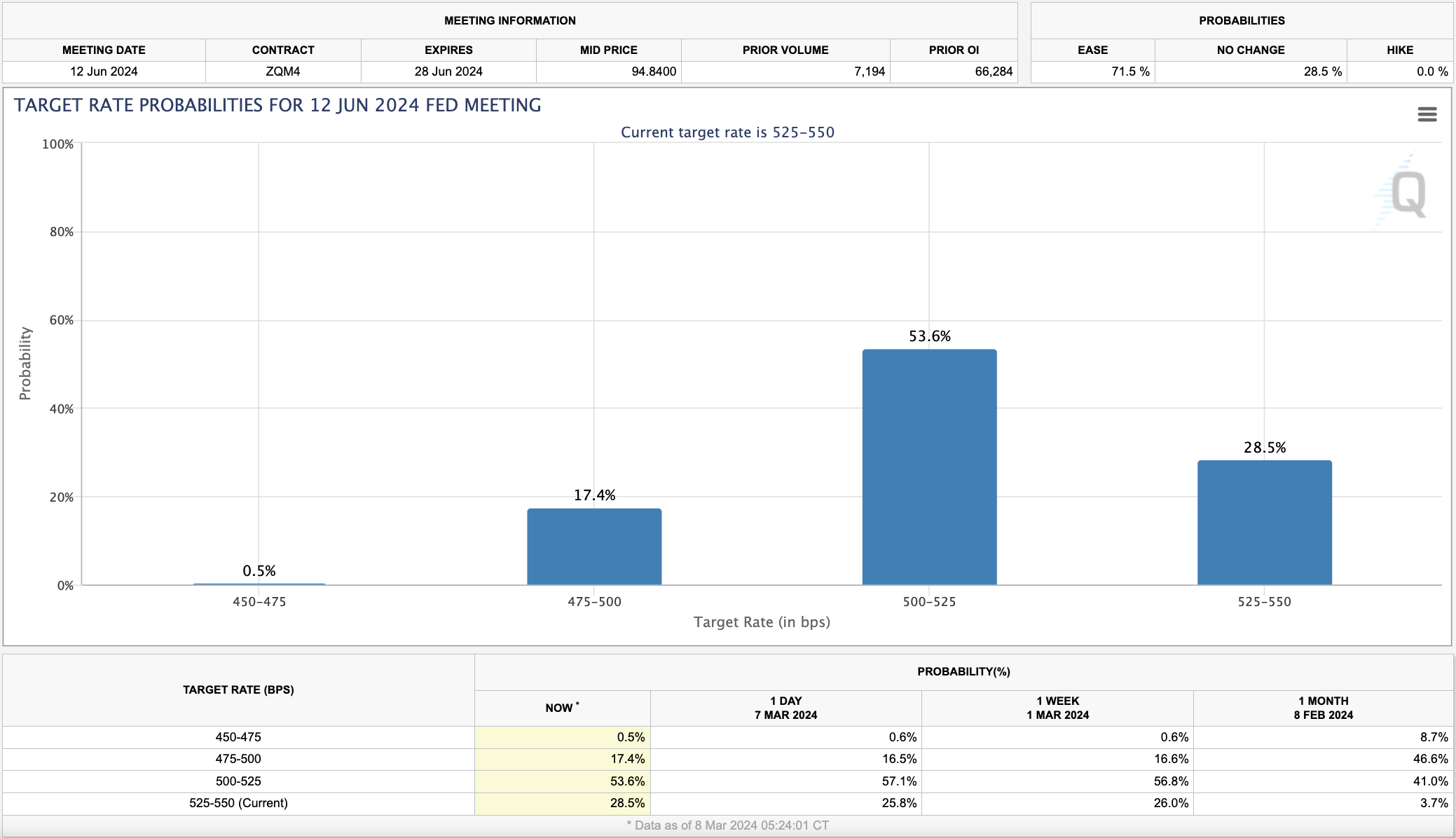
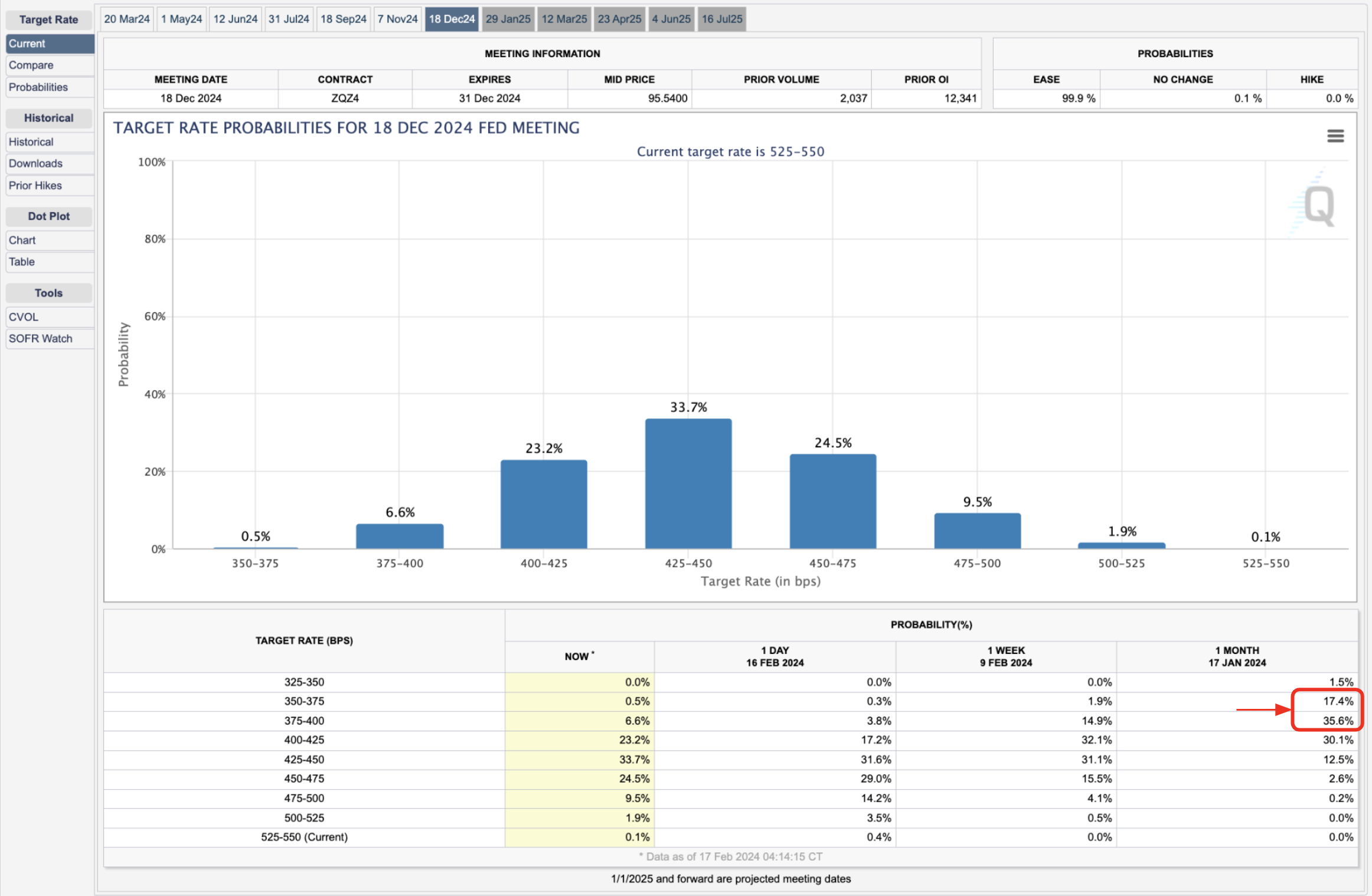
According to the BLS - we saw the strongest employment growth in 12 months alongside the fastest wage growth in 22 months (0.6% MoM). However, we also saw the lowest amount of weekly hours worked since 2010. Given the better than expect jobs gains and acceleration in wages (which remains well above the Fed's objective) - it seems less likely the Fed can justify rate cuts in March. Probabilities for a cut in 2 months stand at 38%. This was above 70% just a month ago.

Powell Won’t be Bullied

As we started this year - I felt the market was getting ahead of itself. Not only was the tape approaching an overbought zone - it also assumed as many as six rate cuts (possibly seven) before the end of the year. What's more - it also priced in that earnings per share (EPS) would grow 12% year on year. It felt like a contradiction. For e.g., either the economy was reeling and needed (emergency) rate cuts; or the economy is expanding strongly (supporting earnings growth)? Today Fed Chair Jay Powell pushed back on the former. Markets should not expect rate cuts as early as March... stocks didn't like it.

Has Tesla Lost its Halo?

This weekend I was reading The Art of Thinking Clearly by Rolf Dobelli. The book has a chapter called "The Halo Effect" - and references the company Cisco (CSCO) during the late 90s / early 2000's. It was timely - as it drew parallels to my post comparing the former market darling to Nvidia (NVDA). I demonstrated both technical and fundamental similarities. However, another company came to mind. Tesla (TSLA). For the past few years - TSLA had what Dobelli calls the 'halo effect'. However, is that now wearing off? And what implications does this have?

Core PCE Softens – Giving the Fed Scope to Cut

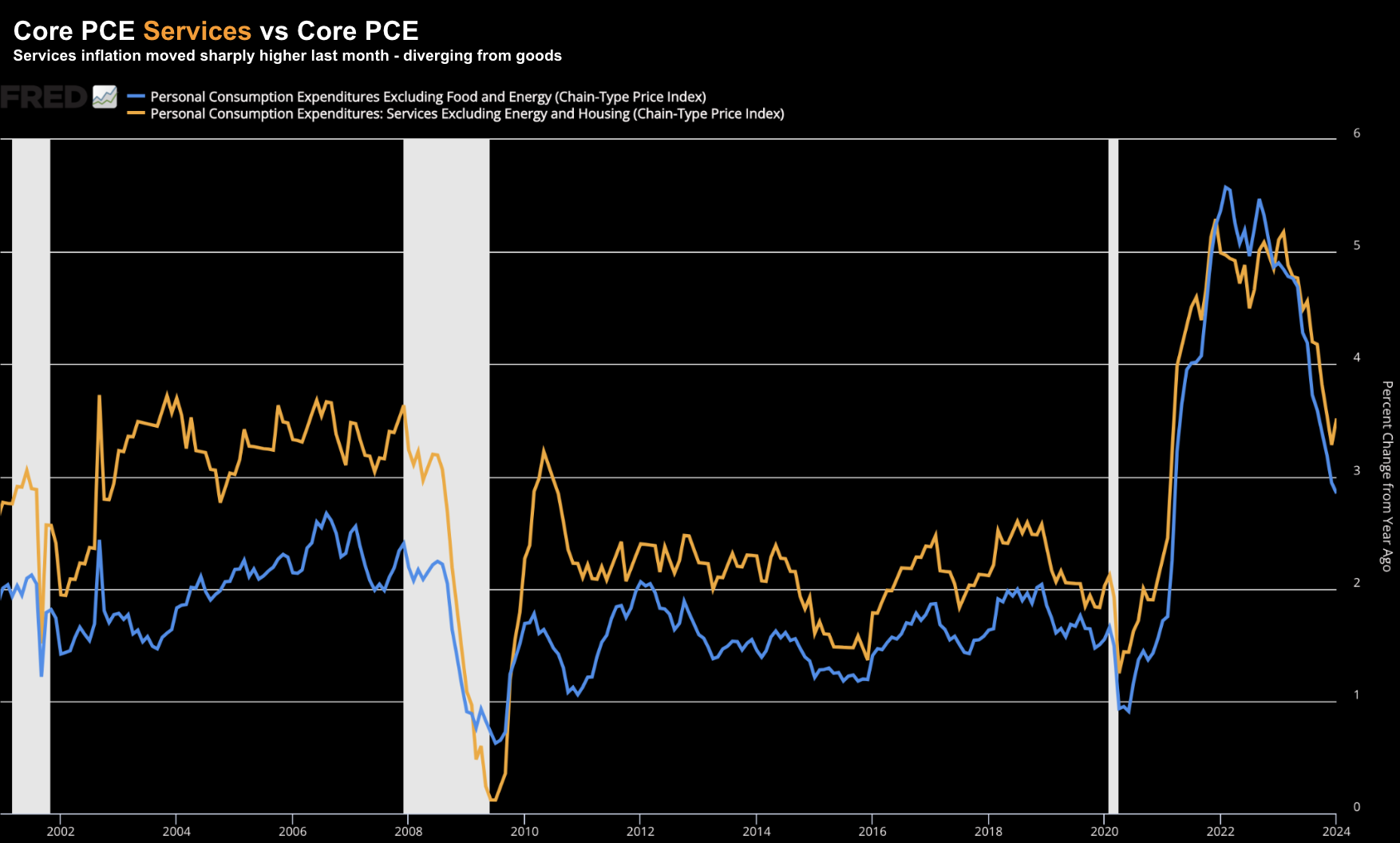
If there's one inflation indicator the Fed tracks more than any other - it's Core PCE (personal consumption expenditures). The PCE price index looks at U.S. inflation by measuring changes in the cost of living for households. It tracks the prices of a basket of goods and services, each with different weightings, to reflect how much a typical household spends every month. Today we learned that Core PCE continues to soften - which is good news. Question is does this give the Fed further scope to cut rates sooner rather than later?

Lessons from 1999/2000

Momentum is a powerful force. Bet against it at your peril. John Maynard Keynes was believed to have said "...the market can remain irrational longer than you can remain solvent". Sound advice. Those expecting (or worse betting) the market would reverse to start 2024 are probably questioning their decision. It's been one record close after another. Higher highs beget higher highs.

Will Earnings Deliver on the Hype?

Q4 2023 earnings are starting to hit the tape. From mine, if the market is to continue rallying - it's less about inflation and the Fed - it's whether corporate America will deliver on 12% earnings growth in 2024. Coming into earning's season - my view 12% felt ambitious - given the slowing economy and relative health of the consumer. This post talks more to the concentration in the market - the relative influence from NVDA - and why diversification will be key this year.

Equal Weight ETF to see Mean Reversion

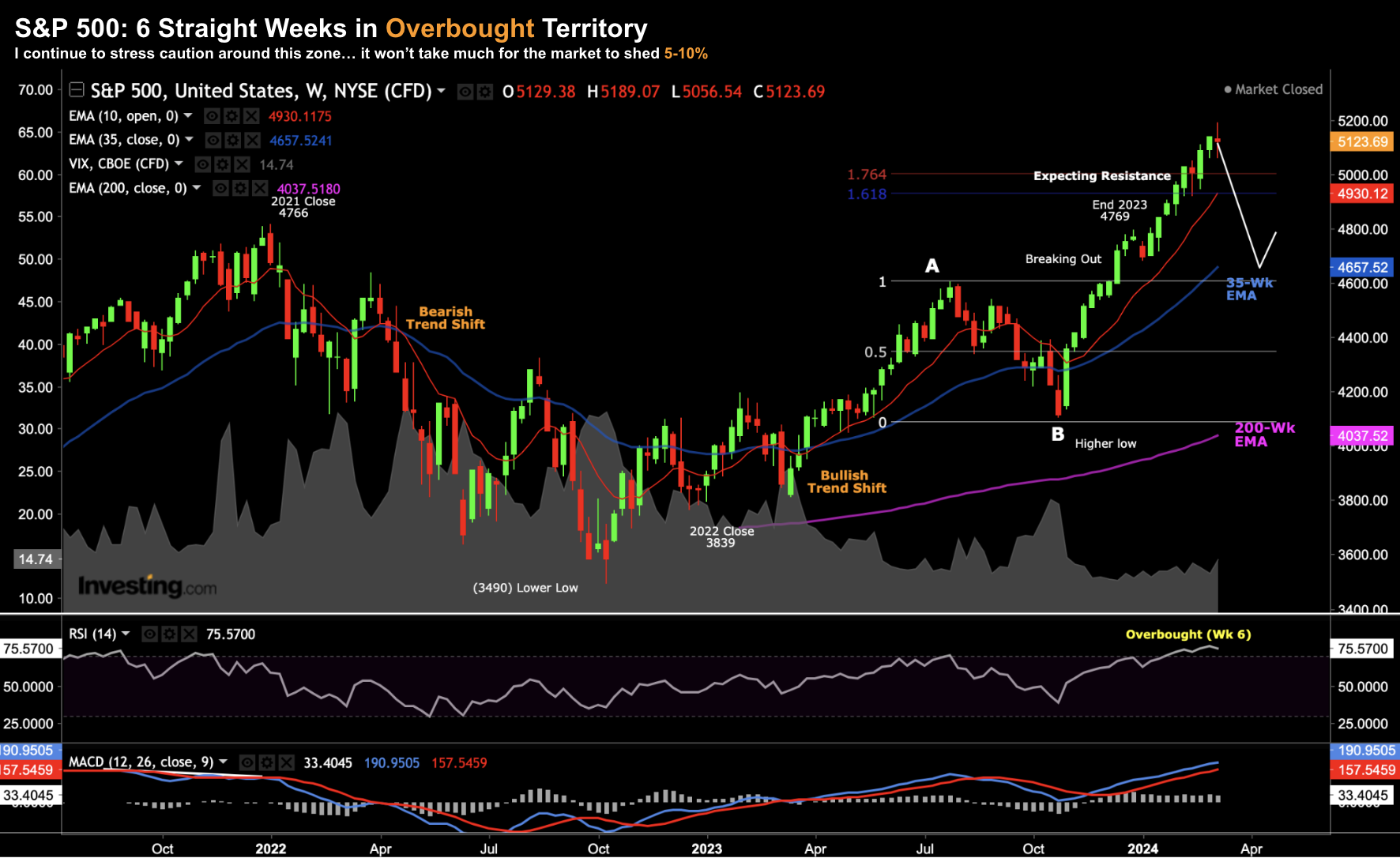
The euphoria in markets continued last week - with the S&P 500 notching a new record high - taking out the 4817 high from Jan 2022. Thanks largely to the Fed signaling peak rates in combination with inflation trending lower - markets now believe a 'soft landing' is possible. That is, inflation ultimately trends back to the Fed's objective (2.0%) without any negative impact to the broader economy (e.g. widespread job losses). We will see how that turns out - as the Fed is attempting to thread a narrow needle. From mine, a soft landing remains a lower probability outcome. However, I believe there is still opportunity... and it's not with large cap tech stock.

EPS Growth of 12% with 6 Rate Cuts? Really?

Over the past couple of months - I've been trying to reconcile the following: (i) can the market achieve 12% EPS growth; and in parallel; (ii) see the Fed cut rates 5 or 6 times this year? I ask this question as that's what the market is pricing in. It feels like a contradiction. Can we achieve both? For example, if the Fed is forced to cut rates aggressively - what does that tell us about the health of the economy? I would assume it signals an economy in need of emergency assistance.

Market Confident on Imminent Rate Cuts Despite Inflation Print

Today we received the final monthly inflation report for 2023 - ahead of the Fed's next policy meeting Jan 30-31. Markets were expecting very good news... but did they get it? On the surface, both prints were slightly higher than expected. However, we saw a mostly muted reaction in both bond and equity markets. Bond yields fell - with the market maintaining its 68% expectation of a rate cut as early as March.