adriant

adriant

Economic Growth Slows

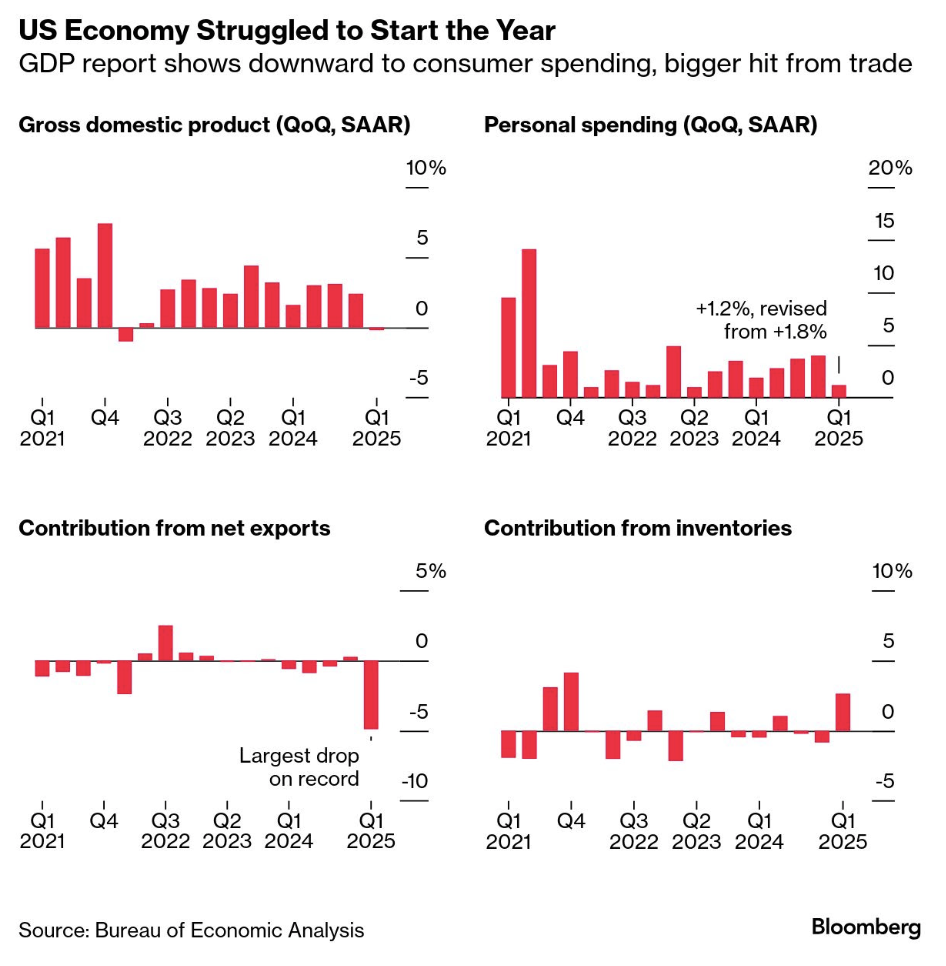
If we needed confirmation that economic growth is slowing - today we got it. The US economy shrank at the start of the year, restrained by weaker consumer spending and an even bigger impact from trade. Gross domestic product (GDP) decreased at a 0.2% annualized pace in the first quarter. And there were also warning signs from the labor market...

Borrowing Costs Are Going Up

Can the stock market significantly advance with bond yields going higher? That's what investors are trying to gauge. As governments around the world look increase their (already high) levels of borrowing and spending -- it's plausible bond yields are set to rise further. And it's not hard to explain why... demand is falling as supply increases. But at what point does the stock market say enough?

Bond Vigilantes To Have the Final Vote

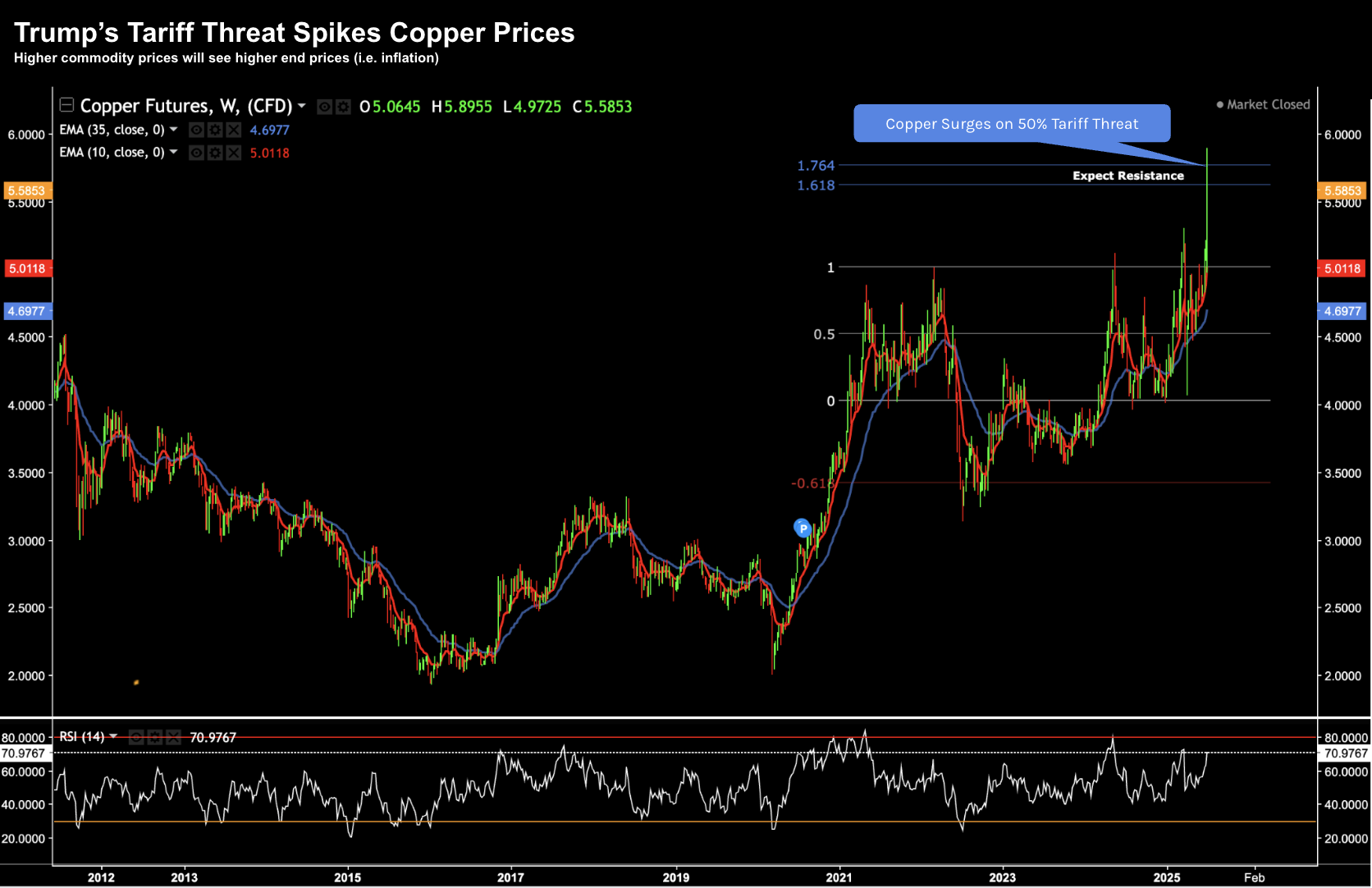
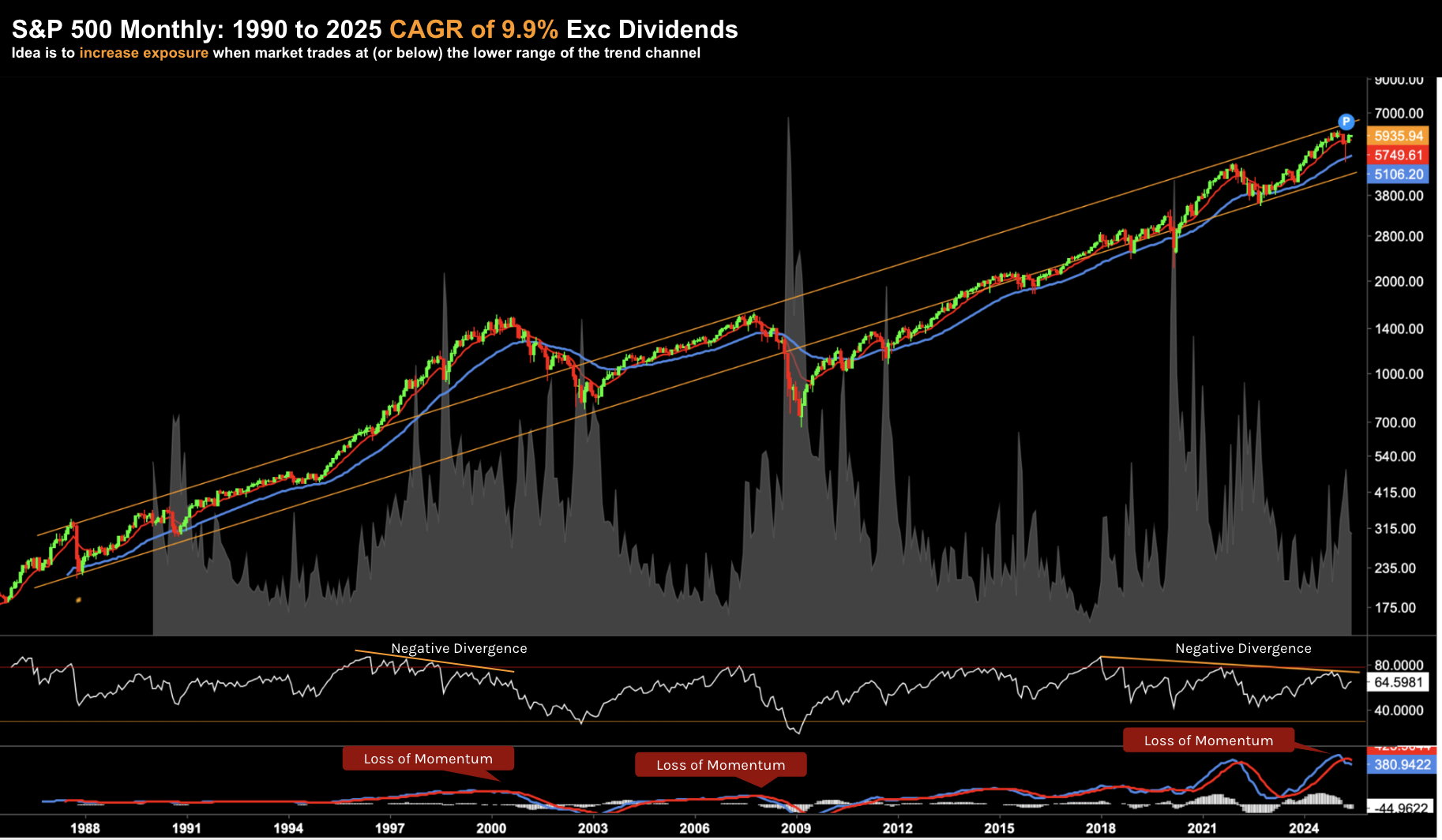
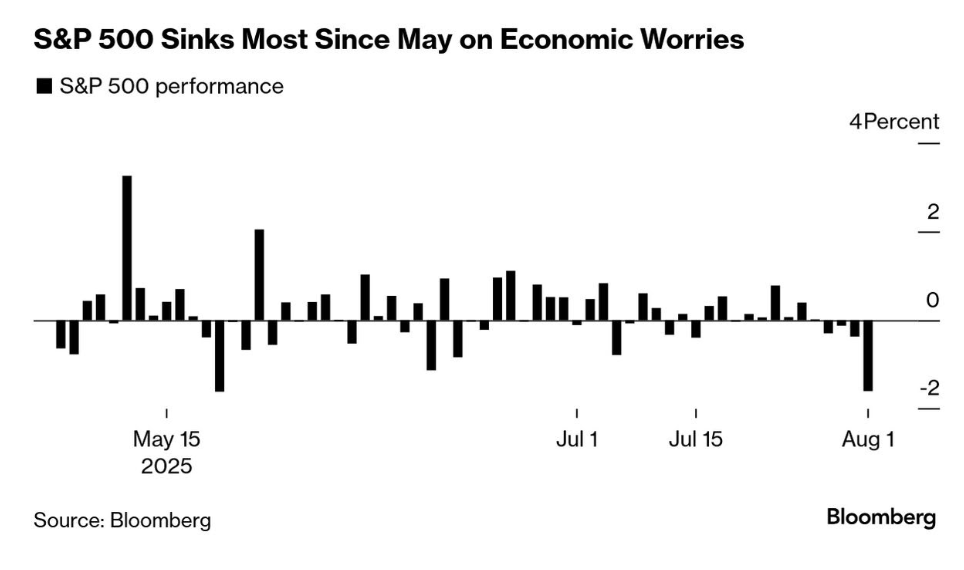
Markets paused to take a breath this week following a six-week ~22% surge. The S&P 500 surrendered a routine ~2.80% - after touching a 12-week high of 5,968. With the market trading at 22x fwd earnings (a premium in any environment) - investors are arguably more mindful of (a) ongoing tariff risks- with new threats from Trump on Europe and Apple; and (b) the thread of rising bond yields - and any potentially widening of the deficit.

Why Earnings Expectations Feel Too High

Factset reported S&P 500 companies are "highly uncertain" for the balance of this year. This is well above the 10-year average of 179; and more than double the previous quarter. And it makes sense... it's impossible to know what impact tariffs could have over the coming two to three quarters (or more). But what's almost certain - any impact won't be positive. We can say with certainty that tariffs (even if only 10%) are an economic burden - where I estimate the cost to both companies and consumers to be more than $300B. So who will pick up the tab?

Brand USA Downgraded

The stock market has risen at a dizzying speed the past six weeks - up over 20%. I would reduce risk at these levels. We're now back at valuations similar to the beginning of the year - however the risks are now considerably higher. But let's say the net result is a tariff rate in the realm of between 10% and 30% - that would be disastrous. My back-of-the-envelope math estimates a substantial $300B "economic burden" that both companies and consumers will be forced to bear.

Equity Risk Premium Isn’t There

The S&P continues its impressive six week rally - up over 22% from its early April low of 4,835. At 5,916 - this represents a forward price to earnings (PE) ratio of ~22x - with earnings per share (EPS) expected to be ~ $270 this year. If we take the inverse of 22x - that gives us the market's earnings yield; i.e., 4.56%. The question whether 4.56% represents a good risk/reward? There's an easy way to answer that... let's explore.

Do You Trust this V-Shaped Rally?

Markets staged a 'rip your face off' rally on the back of Trump's 90-day pause on 145% tariffs with China. Over the past three months - the rally ranks among the best we've seen in three decades. The question is can it continue; and what needs to happen? My primary concern - it's not supported by any major change in monetary policy...

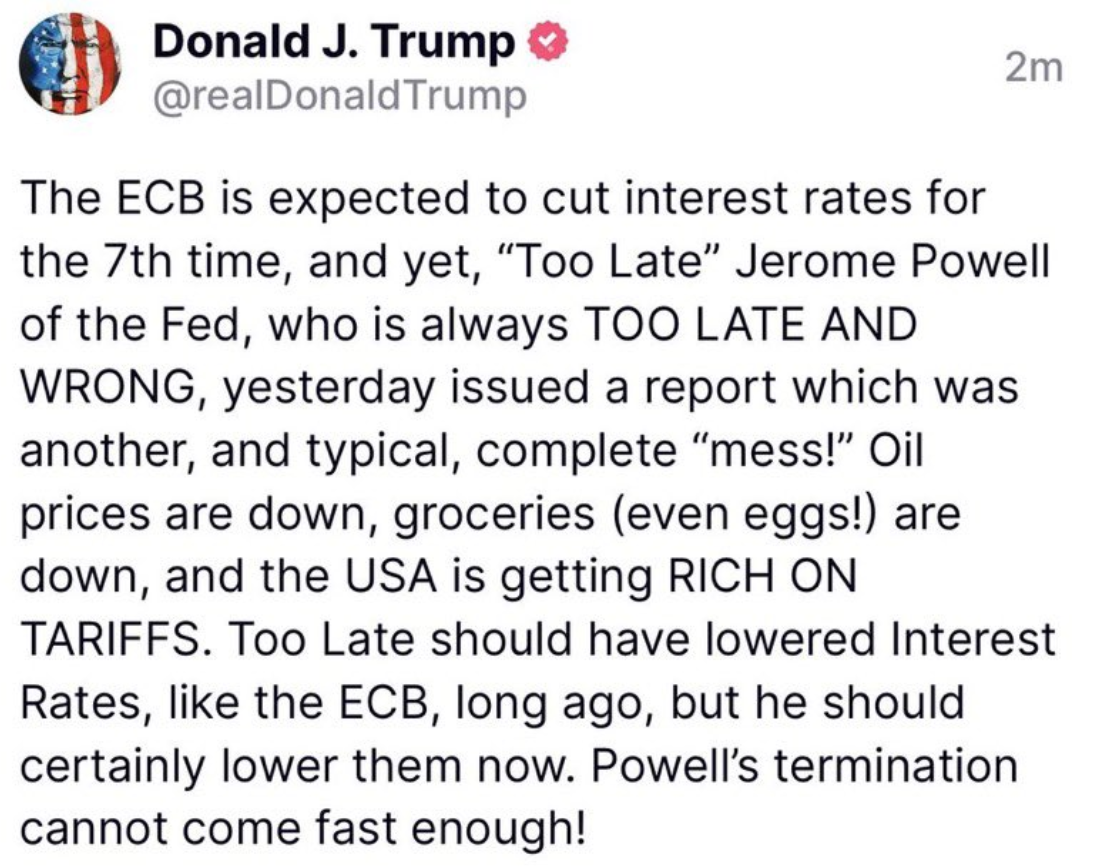
Market Sweats Trump Tweets Over Powell

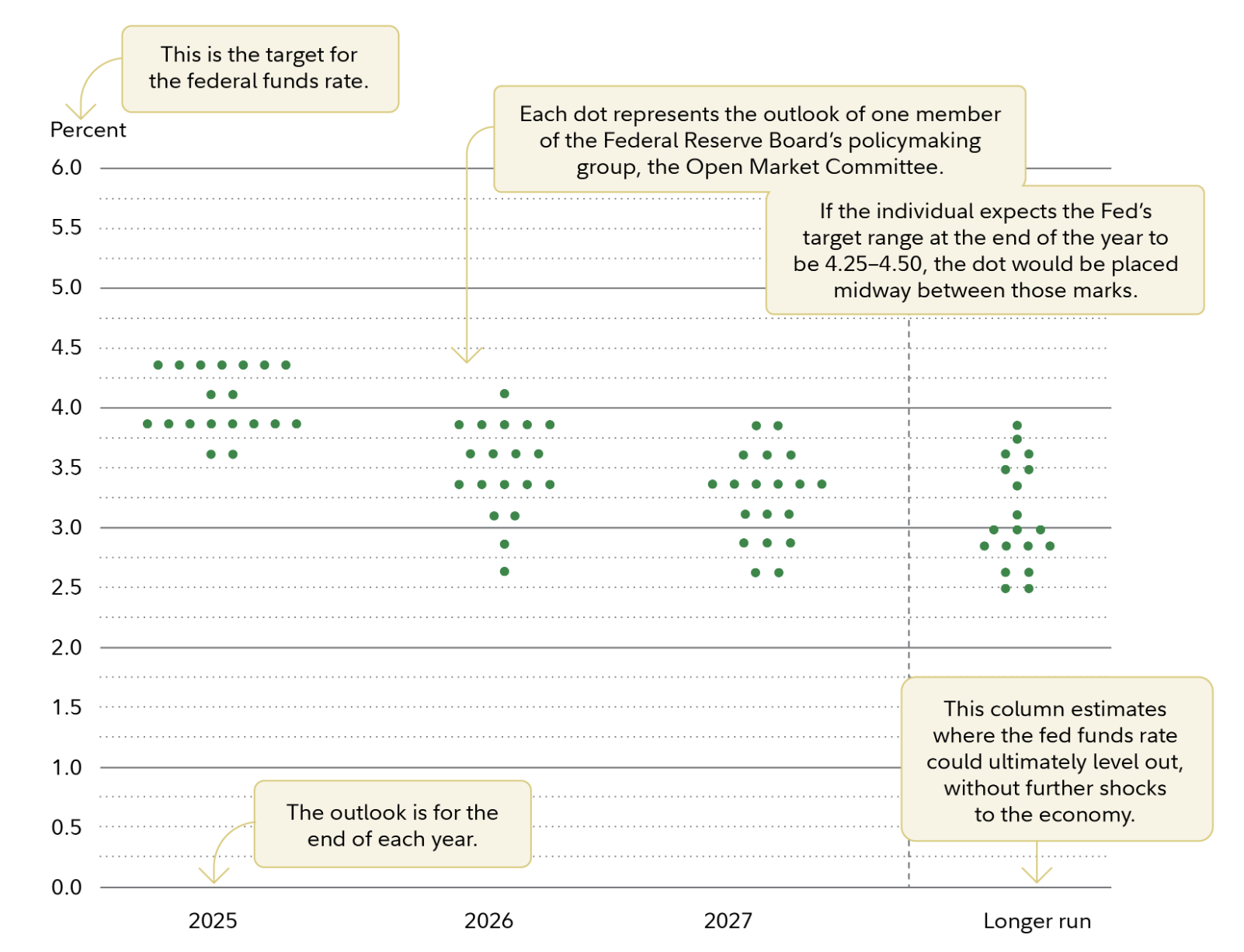
What matters more to the market: (a) a Trump tweet on any potential trade deal; or (b) Jay Powell's statement on monetary policy? If you ask me it's the former. Today's statement from the Fed was almost a non-event for the market. Powell maintained rates in the 4.25% to 4.50% target range (which was expected). However he told the market that the risk of "higher unemployment and higher inflation" have risen since their last meeting. That's problematic...

What Do Q1 Earnings Tell Us?

We're about half way through Q1 2025 earnings. So far they're showing double-digit YoY growth. However what companies are struggling with is guidance. They have very limited visibility through the "tariff windshield". And whilst stocks are reacting well to past earnings and optimism Trump will back down on his draconian tariffs - it's difficult to gauge both how much damage has been done? For now, markets remain optimistic however I would treat this rally with caution.

Large Cap Tech: Cautious on Guidance

When Charlie Munger was asked the secret to his success - he answered “I’m rational.” Rational is not paying "33x forward earnings" for a company like Apple or Microsoft - despite their quality. Rational is also not selling the S&P 500 when it plunges to trade at just 16x forward earnings - because you are worried about a possible recession. Rational is adding exposure to high quality assets when they are at or below their long-term mean. And the more below the mean they trade - the stronger your (long-term) conviction should be.