adriant

adriant

Consumption Tax: Why the Market is Mispricing Trade Deals Consumption Tax: Why the Market is Mispricing Trade Deals

Consumption Tax: Why the Market is Mispricing Trade Deals

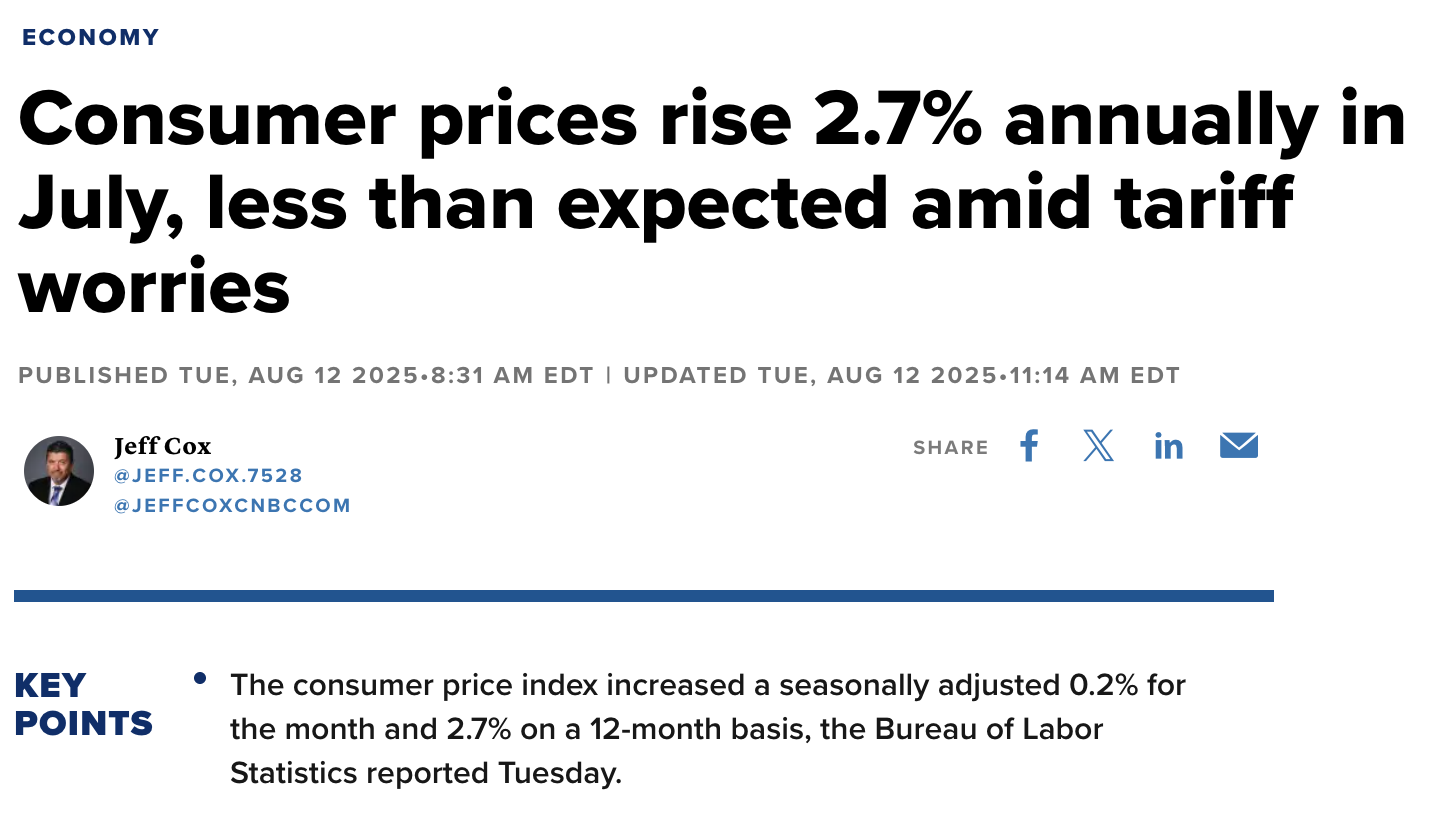
The market is cheering the "better than feared" trade deals with the likes of Europe and Japan. Yes, 15% is better than 30%. But 30% would be an embargo - not a tariff. 15% will not be good for global trade. Growth will slow; consumption will fall; resulting in fewer jobs. Trump's terrible tariffs will be at least ~12% more than what we had at the beginning of the year. This consumption tax will need to be paid by someone... just a question of who. The market is not pricing this in....

Pricing Power in an Inflationary Shock: The Helen of Troy vs. Conagra Test Pricing Power in an Inflationary Shock: The Helen of Troy vs. Conagra Test

Pricing Power in an Inflationary Shock: The Helen of Troy vs. Conagra Test

Recent developments in Trump's draconian trade policies — marked by steep tariffs, fluctuating commodity markets and geopolitical maneuvers — present a highly complex and uncertain landscape. Despite dramatic announcements and headline-grabbing tariff threats, markets have remained oddly resilient, while underlying forces quietly shift. For e.g., Trump's imposition of steep tariffs—such as 200% on pharmaceuticals and 50% on copper—has less to do with traditional economic rationale and more with political leverage

The 0.1% Risk Premium: Why the S&P 500 Hits Stall Speed at 6,000 The 0.1% Risk Premium: Why the S&P 500 Hits Stall Speed at 6,000

The 0.1% Risk Premium: Why the S&P 500 Hits Stall Speed at 6,000

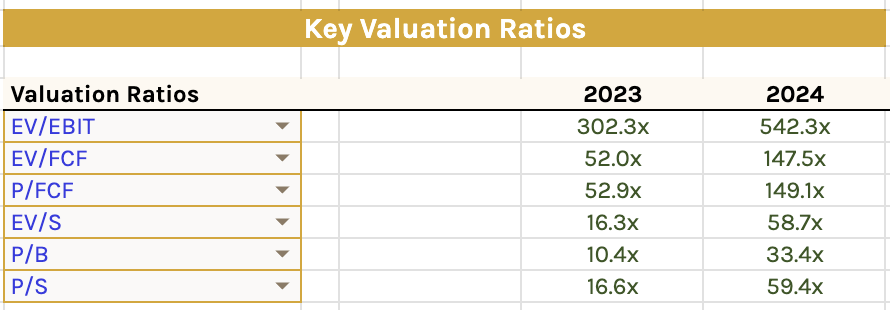
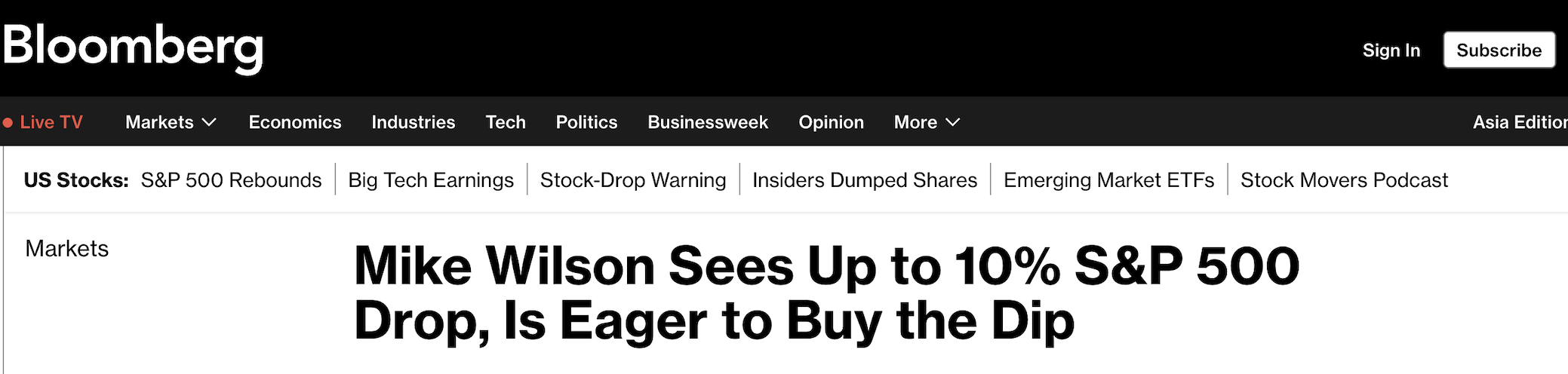
Another week comes to close - as we draw near the end of the second quarter. For the past two weeks or so - investors are reluctant to push prices much higher. From mine, the index is not only expensive - trading near a forward price-to-earnings (PE) ratio of 22x - the downside risks don't handily offset the (possible) upside reward. For eg, it would not surprise me to see the S&P 500 trade up to a zone of 6,200 (adding another 5% or so). However, equally I see a possibility for a 10% to 20% move lower given the risks to earnings growth, inflation (from tariffs), employment and geopolitical tensions.

The Stagflation Signal: Why the Fed Dot Plot and Misery Index Defy Rate Cut Hopes The Stagflation Signal: Why the Fed Dot Plot and Misery Index Defy Rate Cut Hopes

The Stagflation Signal: Why the Fed Dot Plot and Misery Index Defy Rate Cut Hopes

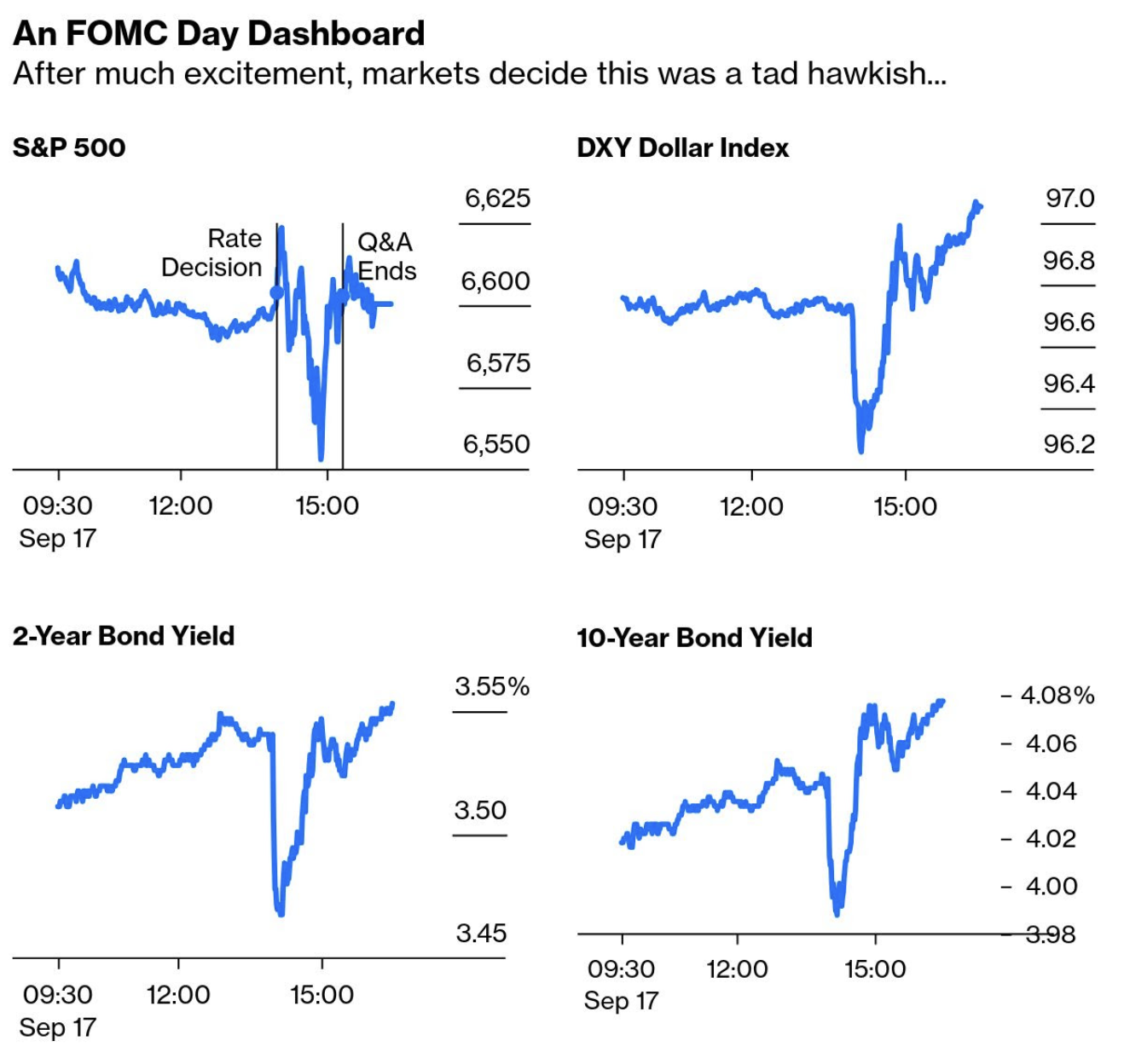
Not for the first time, the Fed is in a very difficult spot. Whilst always a dominant force in global markets, for now, Powell's team is not in the front seat. We learned this week the direction of U.S. monetary policy (over the coming months) depends heavily on developments well beyond the Fed's control. And unfortunately for investors - it could be a long (US) summer. In its latest decision, the Fed held rates steady, as expected, citing strong economic activity, low unemployment, and persistent—but slightly elevated—inflation.

The Patience Paradox: Why ‘Buy and Hold’ Fails at 23x Earnings The Patience Paradox: Why ‘Buy and Hold’ Fails at 23x Earnings

The Patience Paradox: Why ‘Buy and Hold’ Fails at 23x Earnings

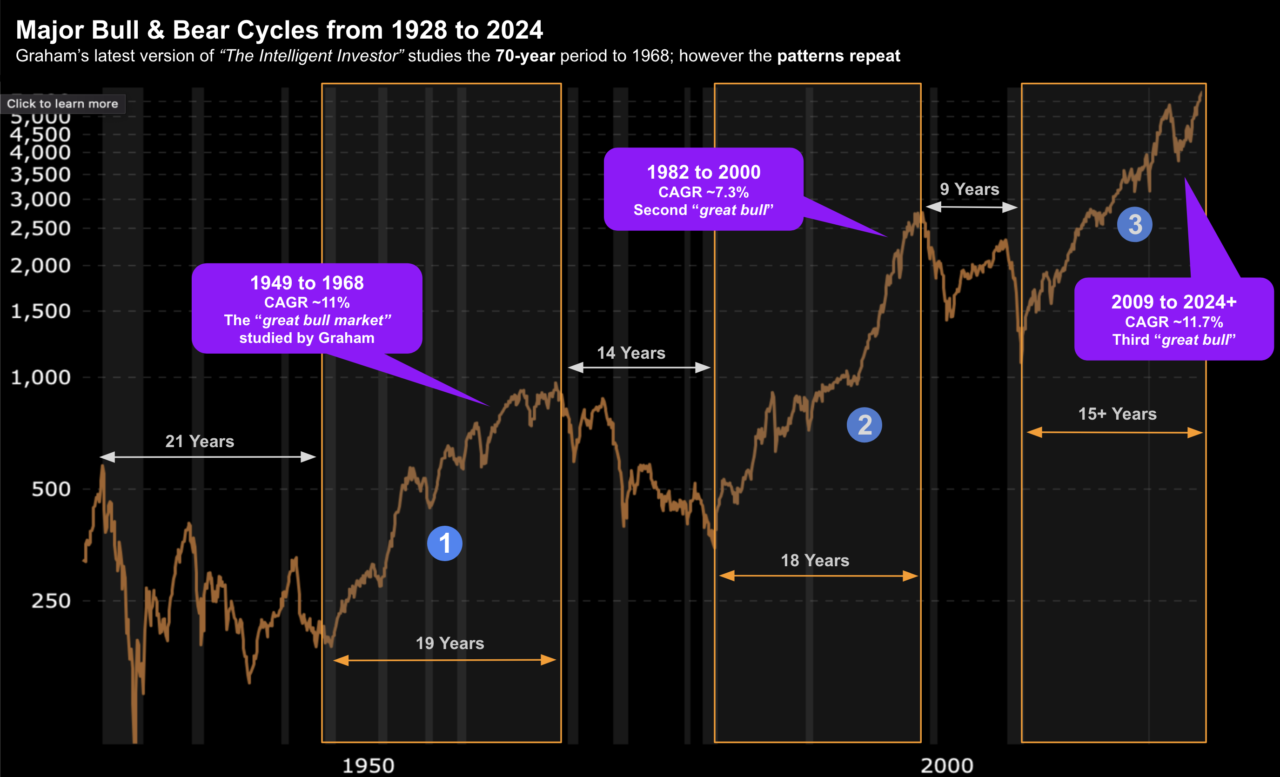
Over the past ~40+ years - the S&P 500 Index has returned an average of ~9.3% annually exc. dividends (i.e., 171.6 Jan 1985 to 5,979.5 Jan 2025). If we limit that to the past decade (from 2015) - that avg annual return increases to 11.4% (excluding dividends). But what matters most is (a) the price you pay; and (b) when you get out. Sitting tight for 10 years does not guarantee a 10% return...

The 18% Tax Ceiling: Why the $4.7 Trillion TCJA Extension is a Binary Bet for the S&P 500 The 18% Tax Ceiling: Why the $4.7 Trillion TCJA Extension is a Binary Bet for the S&P 500

The 18% Tax Ceiling: Why the .7 Trillion TCJA Extension is a Binary Bet for the S&P 500

Breaking up is always hard to do. Your dog looks at you dazed and confused... your Netflix account is no longer shared. And who gets the air fryer? The whirlwind bromance between Elon Musk and Donald Trump appears to be over. It's not a clash of gigantic egos. And like most breakups - things seemed to have moved to the second of five (breakup) phases.. anger

The Patience Paradox: Why ‘Buy and Hold’ Fails at 23x Earnings The TACO Trap: Why the S&P 500 Mean Reversion and the 5% Bond Yield are the Real ‘Sell in May’

The Patience Paradox: Why ‘Buy and Hold’ Fails at 23x Earnings

The market is betting Trump is all bluster and no action. The acronym "Trump Always Chickens Out" (TACO) is sure to piss the President off. Now, if the TACO trade is right, then Trump's threats will lose their power as a negotiating tactic. Therefore, on the assumption Trump believes in protectionism - he may have to follow through on some of his rhetoric. Markets seem to think that won't happen...

The 1,100 Point Gap: Why 22x Earnings Defies the Gravity of 0.2% GDP Contraction The 1,100 Point Gap: Why 22x Earnings Defies the Gravity of 0.2% GDP Contraction

The 1,100 Point Gap: Why 22x Earnings Defies the Gravity of 0.2% GDP Contraction

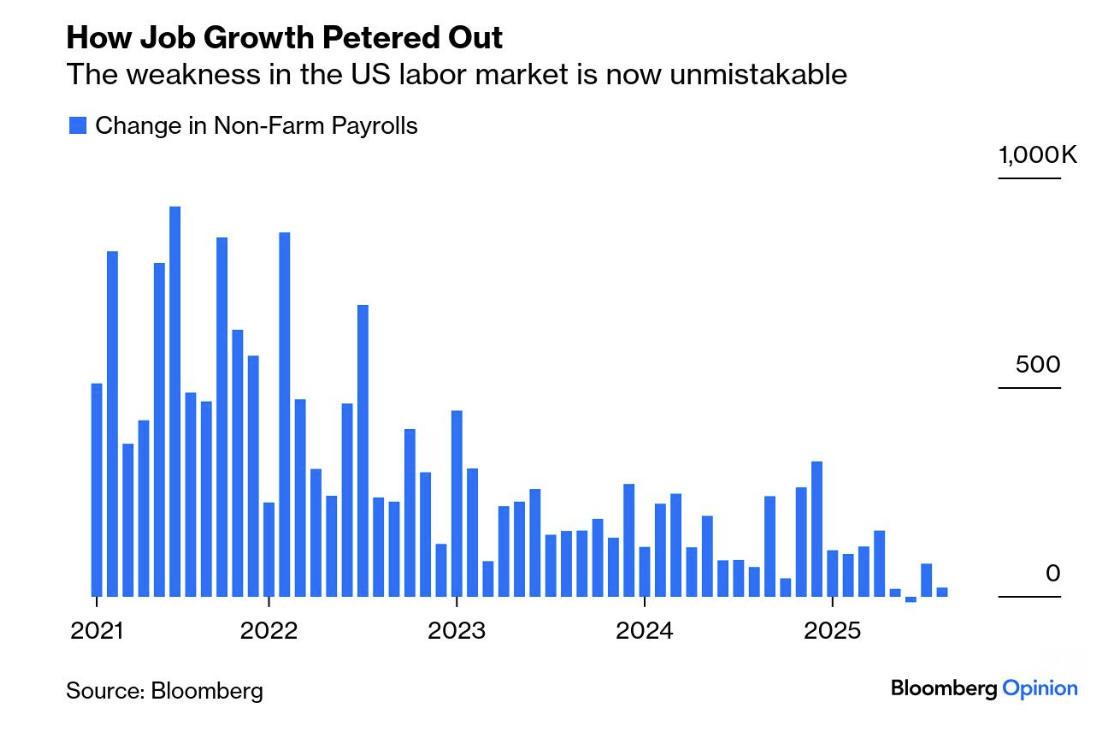
If we needed confirmation that economic growth is slowing - today we got it. The US economy shrank at the start of the year, restrained by weaker consumer spending and an even bigger impact from trade. Gross domestic product (GDP) decreased at a 0.2% annualized pace in the first quarter. And there were also warning signs from the labor market...

The Cost of Capital Reality Check: Why Rising Bond Yields Dictate the Next Market Cycle The Cost of Capital Reality Check: Why Rising Bond Yields Dictate the Next Market Cycle

The Cost of Capital Reality Check: Why Rising Bond Yields Dictate the Next Market Cycle

Can the stock market significantly advance with bond yields going higher? That's what investors are trying to gauge. As governments around the world look increase their (already high) levels of borrowing and spending -- it's plausible bond yields are set to rise further. And it's not hard to explain why... demand is falling as supply increases. But at what point does the stock market say enough?

The Bond Vigilante Vote: Why 5% Yields and a $4 Trillion Deficit Could Break the S&P 500 The Bond Vigilante Vote: Why 5% Yields and a $4 Trillion Deficit Could Break the S&P 500

The Bond Vigilante Vote: Why 5% Yields and a  Trillion Deficit Could Break the S&P 500

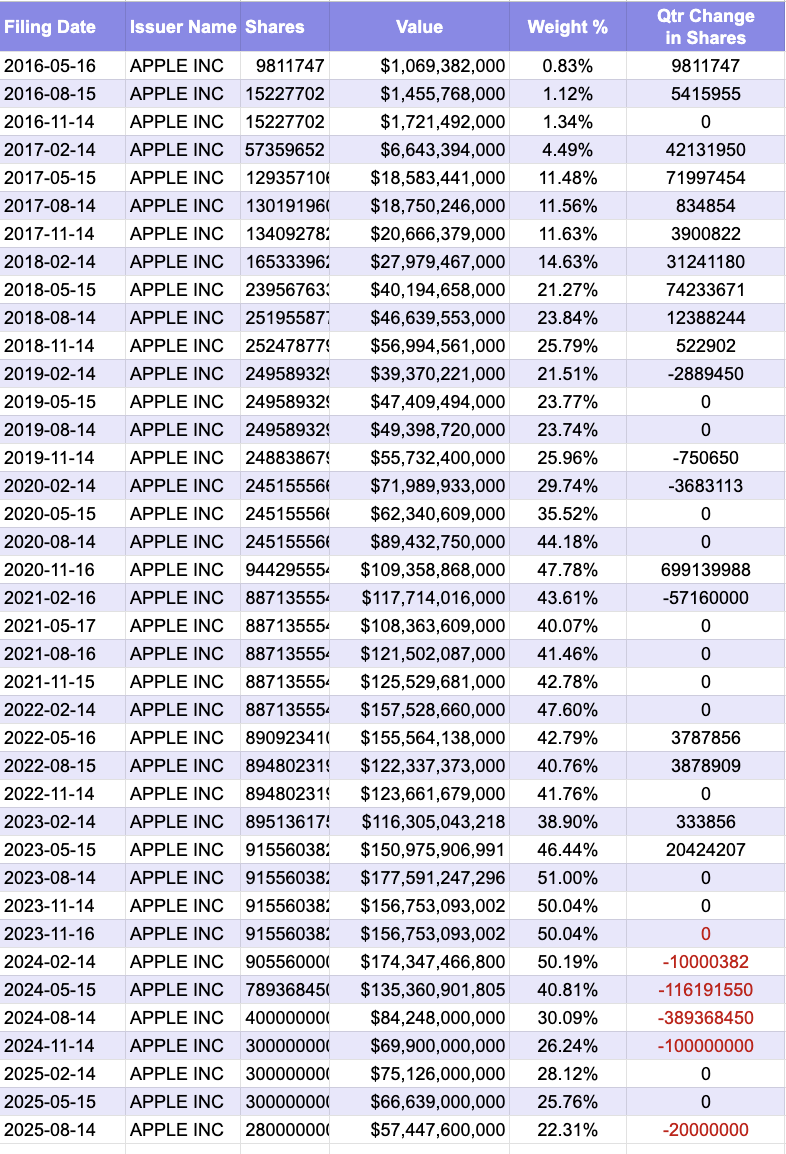
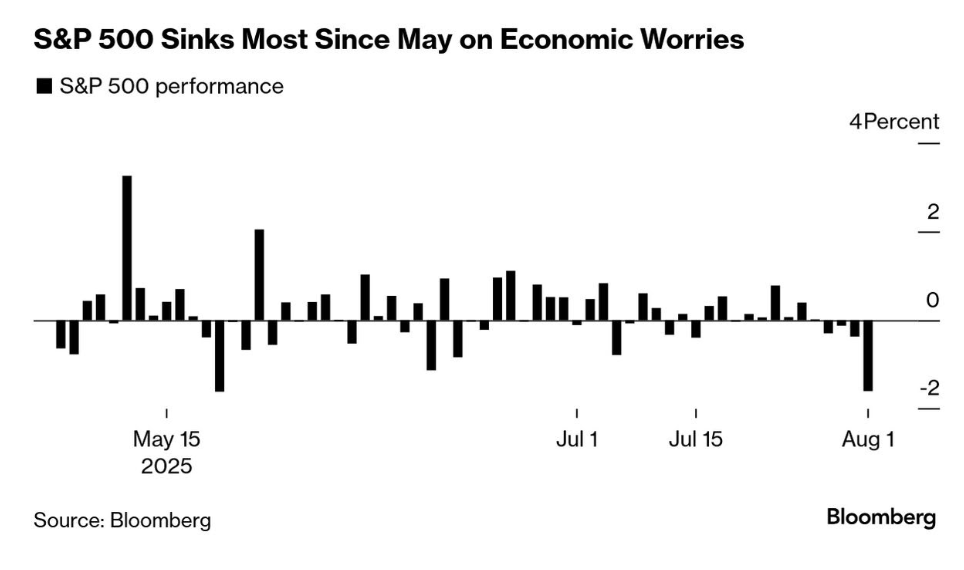
Markets paused to take a breath this week following a six-week ~22% surge. The S&P 500 surrendered a routine ~2.80% - after touching a 12-week high of 5,968. With the market trading at 22x fwd earnings (a premium in any environment) - investors are arguably more mindful of (a) ongoing tariff risks- with new threats from Trump on Europe and Apple; and (b) the thread of rising bond yields - and any potentially widening of the deficit.