adriant

adriant

The 65/35 Allocation: Why David Tepper’s ‘Miserable’ Bullishness is a 2026 Warning The 65/35 Allocation: Why David Tepper’s ‘Miserable’ Bullishness is a 2026 Warning

The 65/35 Allocation: Why David Tepper’s ‘Miserable’ Bullishness is a 2026 Warning

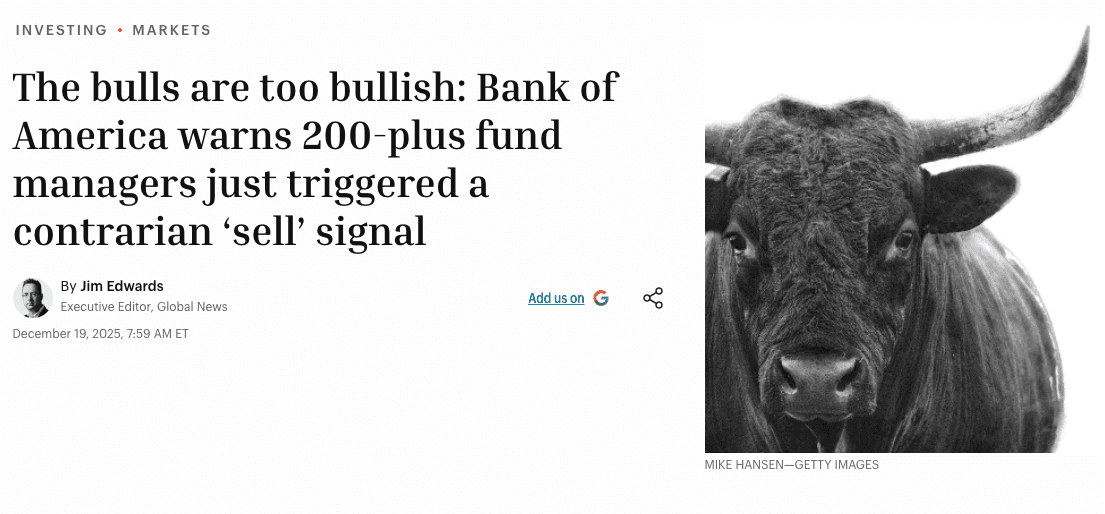
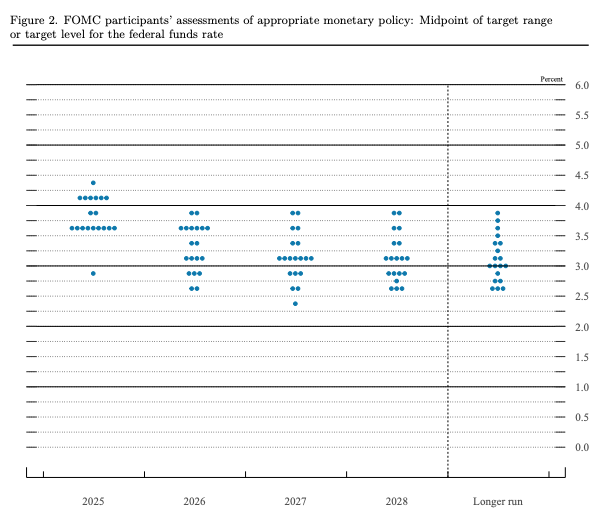
Long-term investing demands a careful balance: stocks typically rally on the promise of cheaper money from expected rate cuts, but this momentum clashes with clear structural economic weakness that necessitates the cuts. History favors stocks during easing cycles. However, the key risk lies in whether economic weakness persists and hammers corporate earnings, eventually undermining high valuations. The recent "hawkish cut" by the Fed surprised markets, indicating concern for a deteriorating jobs picture over inflation. While the market continues to rally on optimism, as legendary investor David Tepper warns, valuations are high. The strategy remains to maintain equity exposure to ride the easing cycle while holding significant cash to capitalize on any likely drawdown.

The Weighing Machine: Why a 911K Job Revision Makes a 23x S&P500 Irrational The Weighing Machine: Why a 911K Job Revision Makes a 23x S&P500 Irrational

The Weighing Machine: Why a 911K Job Revision Makes a 23x S&P500 Irrational

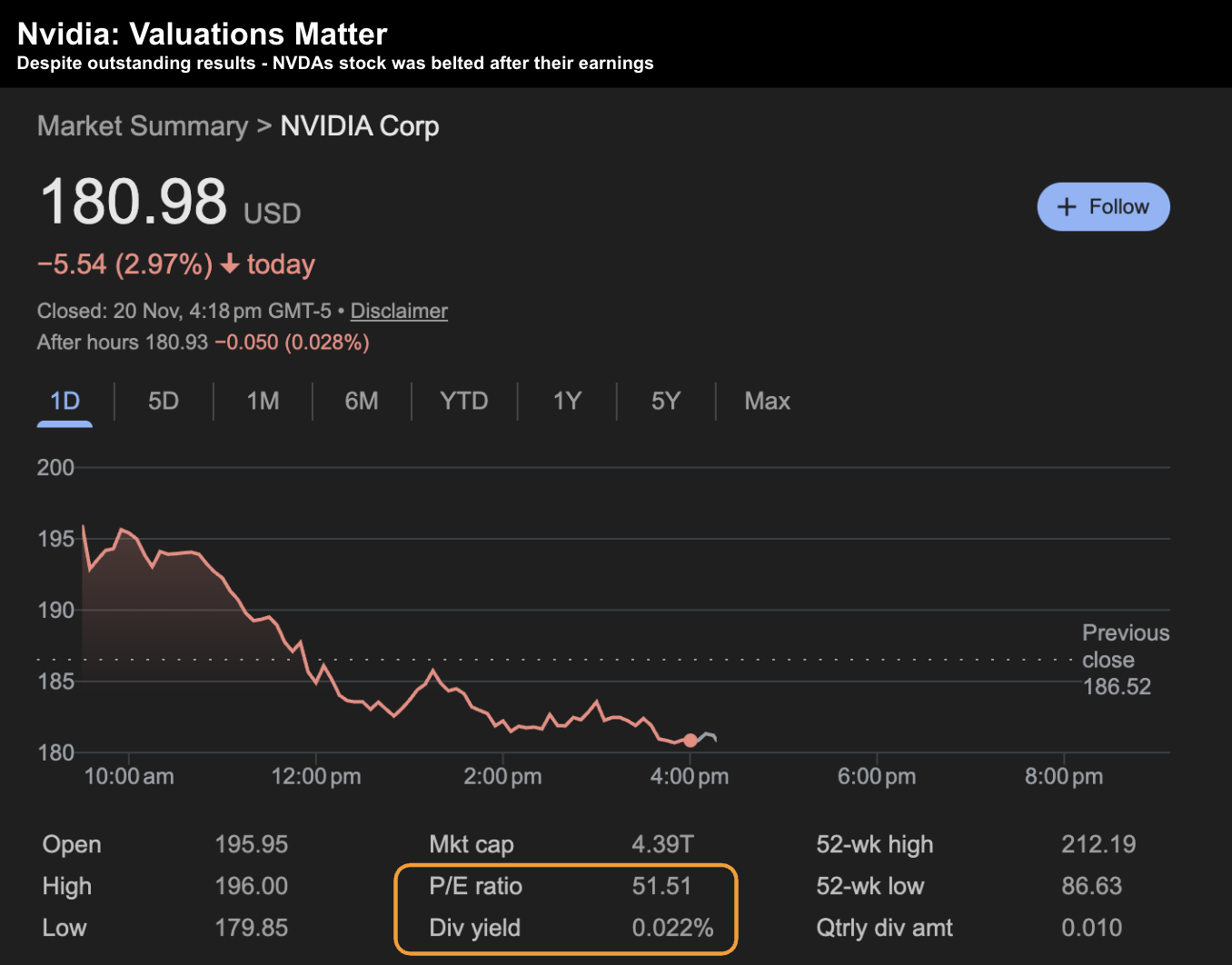
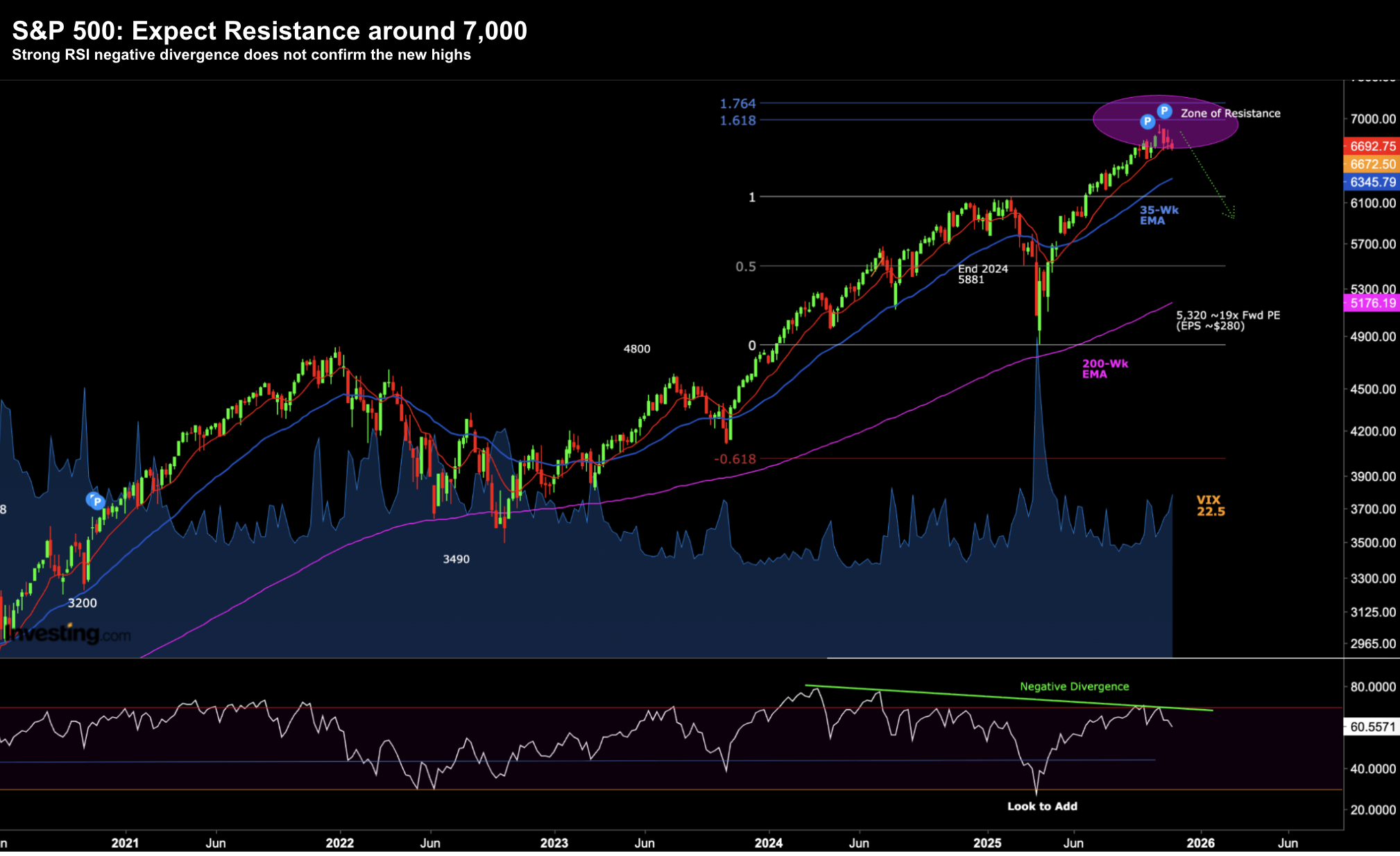
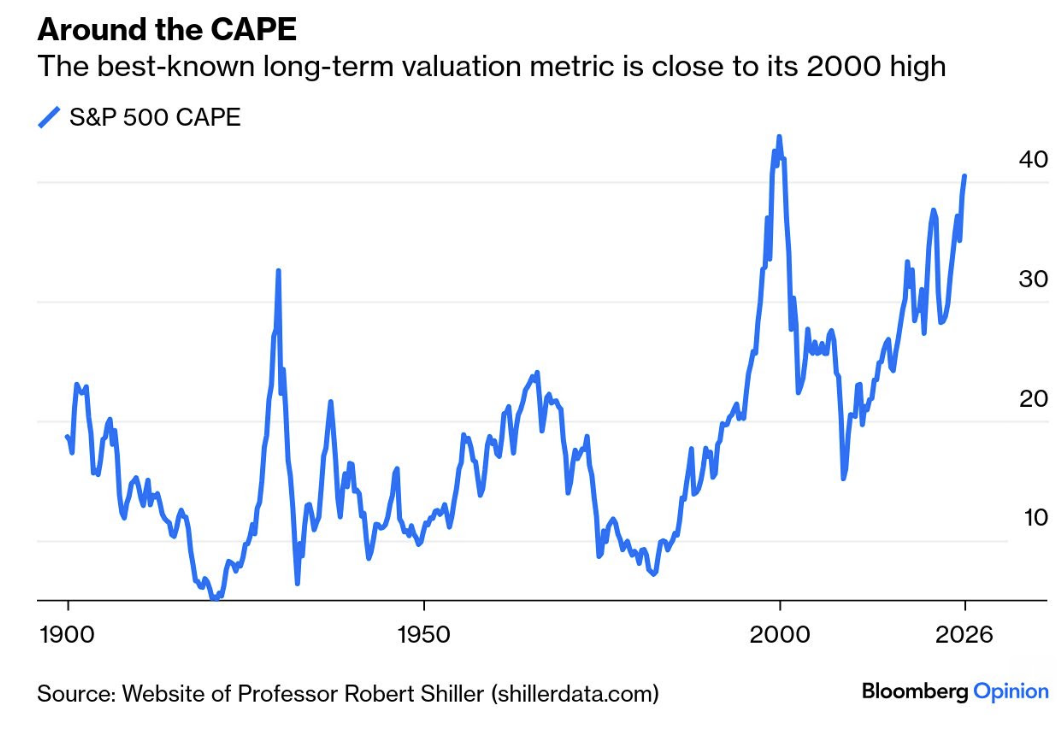
Despite signs of a weakening U.S. labor market, including a recent record-downward revision to job growth figures, investor bullishness remains at record highs. However, it's pure optimism that has pushed stock market valuations to expensive levels, with the S&P 500 trading at over 22 times forward earnings. While market psychology and momentum can drive prices in the short term, fundamentals will eventually prevail. Prudent investors should prioritize buying high-quality companies at attractive valuations, a strategy that currently requires patience.

The Rate Cut Trap: Why ‘Bad News’ is Finally Bad News The Rate Cut Trap: Why ‘Bad News’ is Finally Bad News

The Rate Cut Trap: Why ‘Bad News’ is Finally Bad News

History shows that central bank easing cycles generally benefit stock markets. However, we should ask why central banks are cutting. If the Fede cuts rates to combat a slowing economy, the news may not be as positive as it seems. A weakening economy means lower corporate earnings and reduced consumer spending, which are ultimately negative for stock prices. Several bleak monthly jobs reports is evidence that the economy is struggling. But is just a soft patch or something worse? I suggest exercising caution - rate cuts are not always a positive.

The “Sell” Framework: Why Buffett Traded Apple for $365B in Cash The “Sell” Framework: Why Buffett Traded Apple for $365B in Cash

The “Sell” Framework: Why Buffett Traded Apple for 5B in Cash

Selling stocks is harder than buying them. Drawing on lessons from Warren Buffett - investors should sell for four key reasons: (i) when a stock is overvalued relative to bonds, making bonds a more profitable option; (ii) when a superior investment opportunity emerges, though you should be careful not to "sell flowers to buy weeds."; (iii) when the business fundamentals change, and its competitive advantage is at risk; or (iv) When a predetermined price target is met.

The Alchemy of 10x Returns: Why FCF Yield Beats Revenue Hype The Alchemy of 10x Returns: Why FCF Yield Beats Revenue Hype

The Alchemy of 10x Returns: Why FCF Yield Beats Revenue Hype

A new Feb 2025 study, The Alchemy of Multi-bagger Stocks, challenges conventional investing wisdom. Analyzing 464 companies with 10x-plus returns, the research found that factors like revenue and earnings growth were irrelevant. Instead, the strongest predictor was free cash flow yield, proving that a company's ability to generate cash is more important than its reported profits. The study also highlighted the importance of small size, cheap valuations, and contrarian timing—buying stocks near their lows rather than joining the crowd. This research offers a powerful new framework for finding truly exceptional investment opportunities

INVESTCON 5: Trimming Growth and the Calculus of Value INVESTCON 5: Trimming Growth and the Calculus of Value

INVESTCON 5: Trimming Growth and the Calculus of Value

Howard Marks reminds us, true success lies in understanding the critical difference between price and value. Price is what you pay for an asset—a number driven by market sentiment, optimism, and fear. Value, on the other hand, is what you get—an asset's inherent worth based on its ability to generate future cash flows. While markets may act as a voting machine in the short term, pushing prices to extremes, they behave like a weighing machine over the long run, eventually reflecting true value. By focusing on value over price, investors can avoid costly mistakes.

The Tariff Inflation Trap: Why Core CPI and Corporate Tax Cuts Conflict The Tariff Inflation Trap: Why Core CPI and Corporate Tax Cuts Conflict

The Tariff Inflation Trap: Why Core CPI and Corporate Tax Cuts Conflict

Market speculators held their breath for the latest inflation data, betting on a "soft" reading that would pave the way for a long-awaited rate cut. With stocks at record highs, their hopes were clearly pinned on a favorable outcome. While the headline CPI number was lower than expected, the Fed's preferred measure of core inflation, which excludes food and energy, continues to creep higher. This suggests that prices for most goods and services are still on the rise. Meanwhile, a chorus of voices, including political appointees, are urging the Fed to cut rates.

The Bull Steepener Warning: What 10-Year Yields and BBB Spreads Signal The Bull Steepener Warning: What 10-Year Yields and BBB Spreads Signal

The Bull Steepener Warning: What 10-Year Yields and BBB Spreads Signal

It would not surprise me to see the market give back 10–15% over the coming weeks and months. Valuations are very full and the economic data is weakening. But something to watch is the bull-steepening of the 10-yr / 3-mth yield curve from inversions. Whilst not a great timing too - generally its 'vector' is correct. That's a warning - despite the Fed cutting rates.

The Freediver Test: How to Spot a False Market Breakout The Freediver Test: How to Spot a False Market Breakout

The Freediver Test: How to Spot a False Market Breakout

The labor market is clearly slowing. The "stag" in stagflation is here - what's less clear is the "flation" component. With respect to growth - we see slowing in housing, consumer spending and now job creation. The payrolls data was nothing shy of a disaster. And whilst the headlines will report on the dismal 73,000 jobs added (well below the ~140K job additions expected) - the massive 258,000 negative revisions over May and June is cause for concern.

The Real PCE Rule: Why the Fed is Trapped by Tariff-Induced Stagflation The Real PCE Rule: Why the Fed is Trapped by Tariff-Induced Stagflation

The Real PCE Rule: Why the Fed is Trapped by Tariff-Induced Stagflation

You have to feel for Jay Powell. He's in a tough spot - facing pressure from the market and the President to cut rates. However, to his credit - he can separate the noise from the signal. The Fed Chairman reiterated his narrative - signaling the need for a more cautious stance amid ongoing economic uncertainty. In addition, he emphasized the Fed needs to maintain credibility and independence. However, there was some dissent within the ranks...