Category Macro / Economy

Why Markets Ignore the “End of the World” Why Markets Ignore the “End of the World”

Why Markets Ignore the “End of the World”

There is an old adage on the floor: “The tape tells the truth, even when the news is lying.” We recently saw a perfect example of this. The week began with a perfect storm of headlines that should have sent…
Why a Rising Greenback Signals Global Stress Why a Rising Greenback Signals Global Stress

Why a Rising Greenback Signals Global Stress

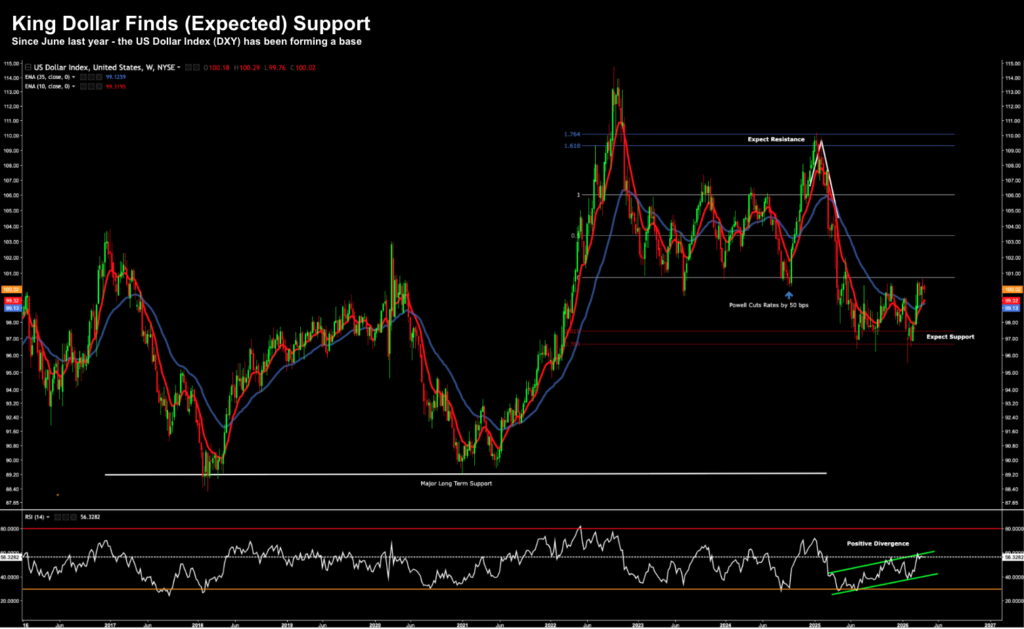
In a conflict with few winners, the US dollar”s resilience stands out. Since the coordinated strikes by the US and Israel on Iran, the greenback has risen modestly—reasserting its role as the world”s default refuge in periods of stress. Below is the…

Anatomy of a Supply Shock: Using Data Frameworks to Filter Market Noise Anatomy of a Supply Shock: Using Data Frameworks to Filter Market Noise

Anatomy of a Supply Shock: Using Data Frameworks to Filter Market Noise

Frameworks to assess the impact of the war Lessons from the previous oil spikes Finding resilient capital in a stagflationary world In the world of macro investing, we often see years where less happens in the energy markets than what…

Geopolitics Destroys Narrative but Economic Fundamentals Destroy Wealth Geopolitics Destroys Narrative but Economic Fundamentals Destroy Wealth

Geopolitics Destroys Narrative but Economic Fundamentals Destroy Wealth

Most geopolitical shocks are brief buying opportunities unless they trigger total war or close markets. The real market threat is oil-driven inflation, which could prevent the Federal Reserve cutting rates The US benefits from geographical distance, while a surging dollar…

Private Credit vs 2008: The Hidden Risks of the Leverage Loop Private Credit vs 2008: The Hidden Risks of the Leverage Loop

Private Credit vs 2008: The Hidden Risks of the Leverage Loop

Private credit has grown into a $1.8 trillion market built on leverage loops, opaque valuations, and covenant-lite lending. With banks exposed via $300B in loans and AI disruption threatening cash flows, the real risk isn’t visible market losses — it’s hidden architecture that could transmit stress back into the financial system

The AI Red Queen Race: Why Massive Capex and Market Cycles Signal a Rotation to Value The AI Red Queen Race: Why Massive Capex and Market Cycles Signal a Rotation to Value

The AI Red Queen Race: Why Massive Capex and Market Cycles Signal a Rotation to Value

From an index perspective, it has been a lackluster start to the year. At the time of writing, markets have made very little ground over the first 6 weeks. The good news – it”s still early. However, given the incredible…

The Macro of Institutional Trust: Fed Independence, Gold, and the Liquidity Cycle The Macro of Institutional Trust: Fed Independence, Gold, and the Liquidity Cycle

The Macro of Institutional Trust: Fed Independence, Gold, and the Liquidity Cycle

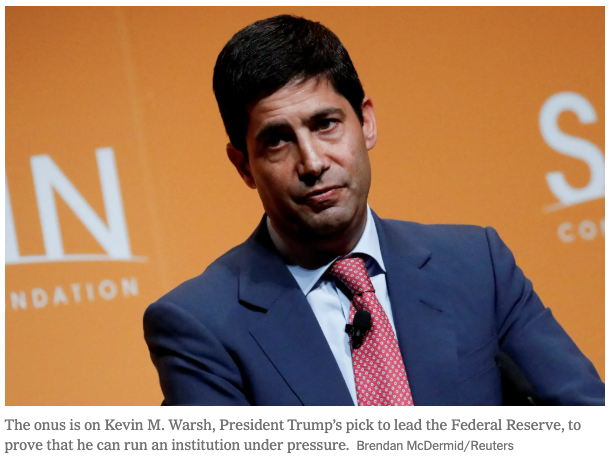
Trust is the invisible architecture of the global financial system. When central bank independence is questioned or fiscal discipline slips, markets don't just adjust—they convulse. While Kevin Warsh’s nomination as Fed Chair provides a stabilizing institutional anchor, it doesn't end the "debasement trade." With gold and silver undergoing a violent but necessary reset, investors must distinguish between technical profit-taking and the long-term diversification away from dollar-centric reserves. In modern macro, it’s always a matter of trust.

The Ellis Framework: Why Real PCE is the “Seeing Around Corners” Metric for Market Cycles The Ellis Framework: Why Real PCE is the “Seeing Around Corners” Metric for Market Cycles

The Ellis Framework: Why Real PCE is the “Seeing Around Corners” Metric for Market Cycles

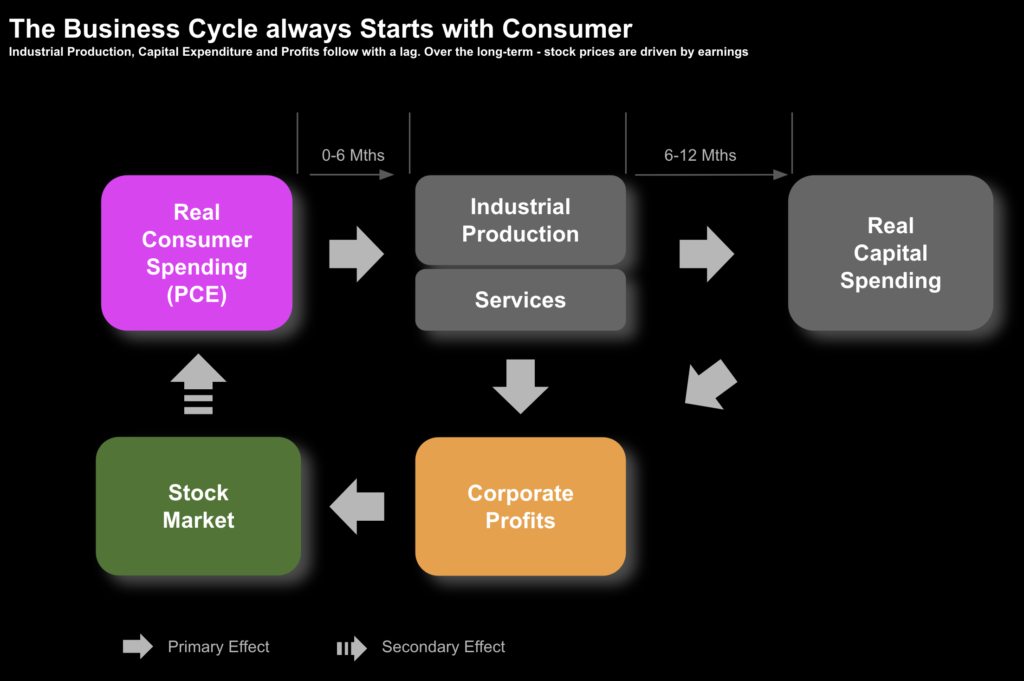
Headline indicators suggest economic resilience, but underlying data reveals structural cracks. While personal consumption remains high, it is increasingly fueled by government transfers rather than private wages. With real spending outpacing income and pending home sales plunging 9.3%, Real PCE serves as a critical leading indicator of an approaching market downturn

The Return of the Bond Vigilantes: JGBs, US Treasuries, and the End of Fiscal Complacency The Return of the Bond Vigilantes: JGBs, US Treasuries, and the End of Fiscal Complacency

The Return of the Bond Vigilantes: JGBs, US Treasuries, and the End of Fiscal Complacency

U.S. equities just suffered their worst session since October, but tariffs and geopolitics may be a sideshow. The real source of market unease lies beneath the surface — in global bond markets. From Tokyo to U.S. Treasuries, long-dated yields are rising sharply, challenging years of monetary suppression. When bond vigilantes stir, markets begin to question fiscal credibility, not headlines. And history shows those moments rarely stay contained for long.

The 100bp Neutral Rate Rule: Why Underlying Inflation Challenges the “Goldilocks” Narrative The 100bp Neutral Rate Rule: Why Underlying Inflation Challenges the “Goldilocks” Narrative

The 100bp Neutral Rate Rule: Why Underlying Inflation Challenges the “Goldilocks” Narrative

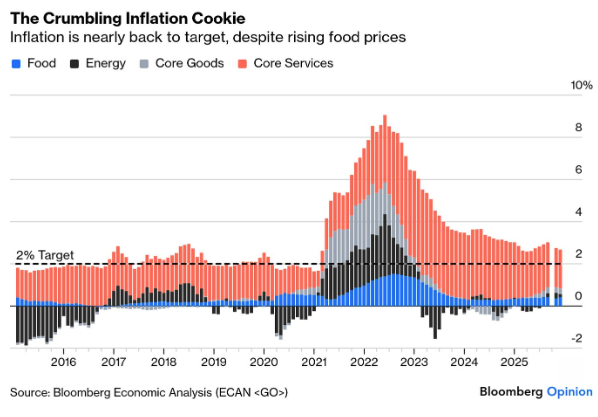
While the latest U.S. inflation print was celebrated as a “Goldilocks” outcome, a closer look suggests the disinflation story is far more fragile. Beneath the headline numbers, core and alternative measures imply inflation is likely to plateau near 3%, with important implications for Fed policy, equity valuations, and sector positioning in 2026