Category Macro / Economy

The Carry Trade Unwind: Why Rising JGB Yields Signal a Global Liquidity Shift The Carry Trade Unwind: Why Rising JGB Yields Signal a Global Liquidity Shift

The Carry Trade Unwind: Why Rising JGB Yields Signal a Global Liquidity Shift

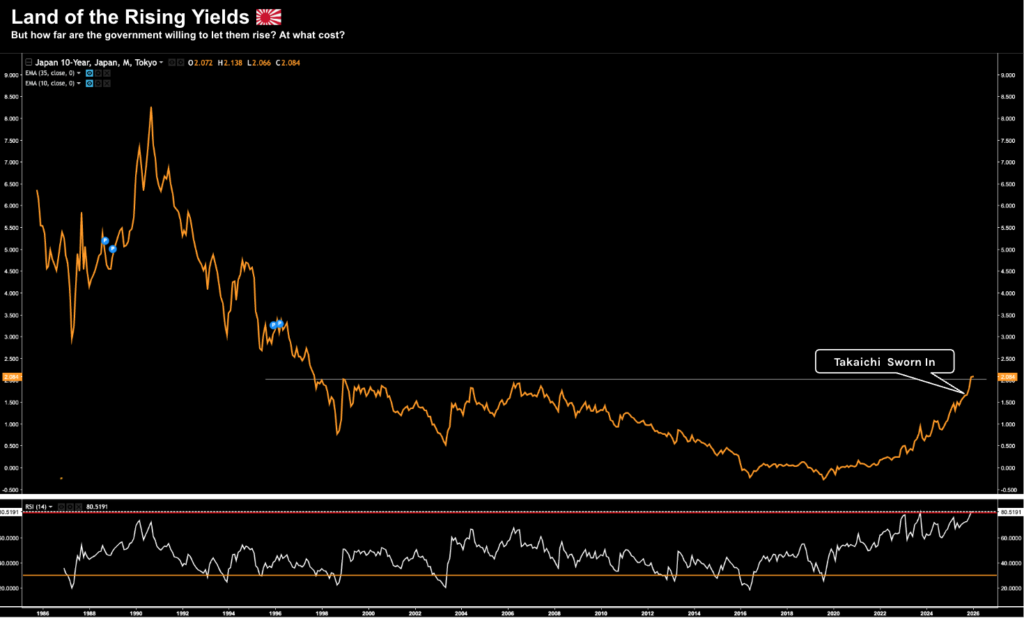
For decades, shorting Japanese Government Bonds earned the nickname “the widow maker,” destroying capital despite seemingly sound logic. Japan’s massive debt, near-zero rates, and dormant inflation suggested yields had nowhere to go but up—yet markets punished premature bets. That dynamic has now shifted. Rising yields signal a genuine regime change driven by fiscal expansion, political influence within the ruling LDP, and a decisive pivot by the Bank of Japan away from yield curve control. For the first sustained period since 2019, bondholders are being rewarded. This shift carries broad implications for global capital flows, currencies, and equity markets
The 2026 “Known Unknowns”: Why Demographic Shifts Signal a Growth Problem The 2026 “Known Unknowns”: Why Demographic Shifts Signal a Growth Problem

The 2026 “Known Unknowns”: Why Demographic Shifts Signal a Growth Problem

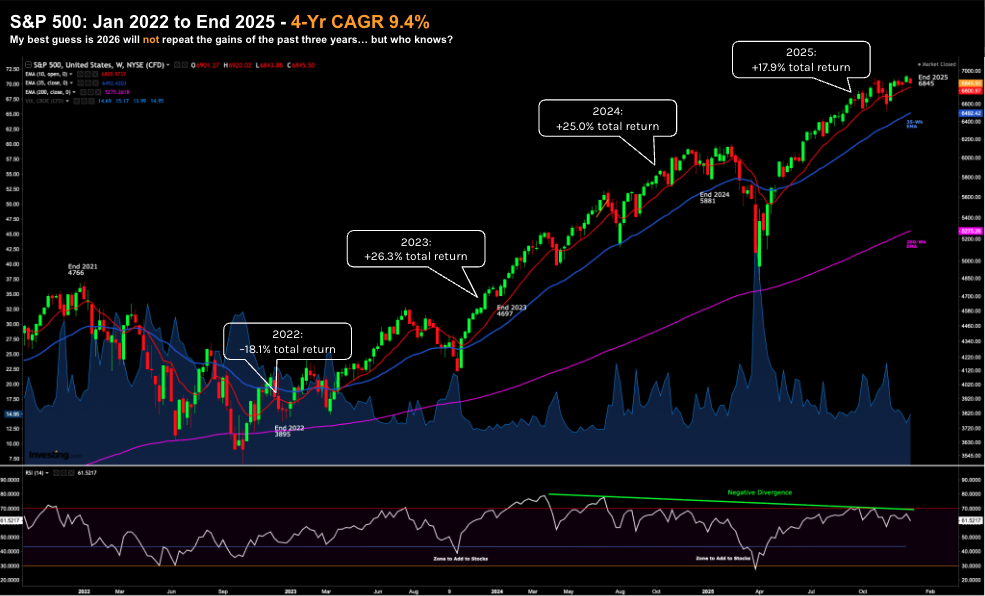
After three years of spectacular gains, 2026 demands a strategic pivot. I outline five critical themes determining market direction: rising unemployment risks, sticky inflation, a hawkish Fed, AI capex scrutiny, and a steepening yield curve. With valuations stretched, the easy money is gone. Investors should prioritize high-quality assets and cash optionality, preparing for a potential 15–20% correction. The focus now shifts from chasing momentum to preserving capital and awaiting reasonable valuations.

Baby QE & Fed Group Think: Why 23x Forward Earnings Signal a Decade of Zero Returns

Things That Make You Go Hmmm

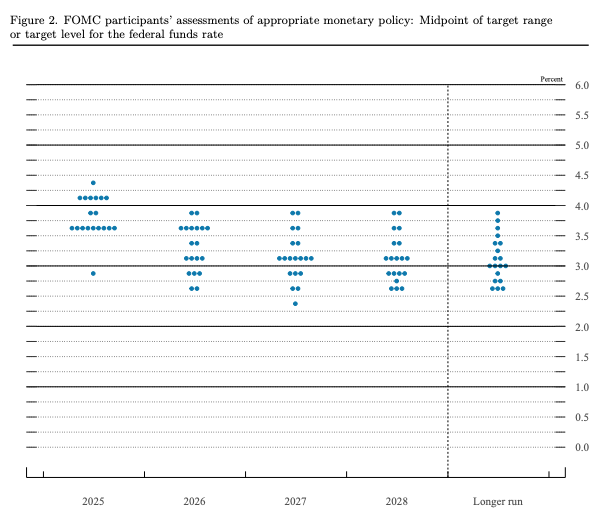
The Fed just delivered a "Christmas gift" with a 25bps cut to 3.75% and a surprise $40B monthly balance sheet expansion—essentially "Baby QE." While markets hit record highs, FOMC "group think" may be masking a deteriorating labor market and looming 2026 tariff inflation. With fwd PEs at ~23x, history warns that subsequent 10-yr returns are often near zero.

The Debasement Paradox: Why $4,000 Gold and 4% Treasuries Can’t Both Be Right The Debasement Paradox: Why $4,000 Gold and 4% Treasuries Can’t Both Be Right

The Debasement Paradox: Why ,000 Gold and 4% Treasuries Can’t Both Be Right

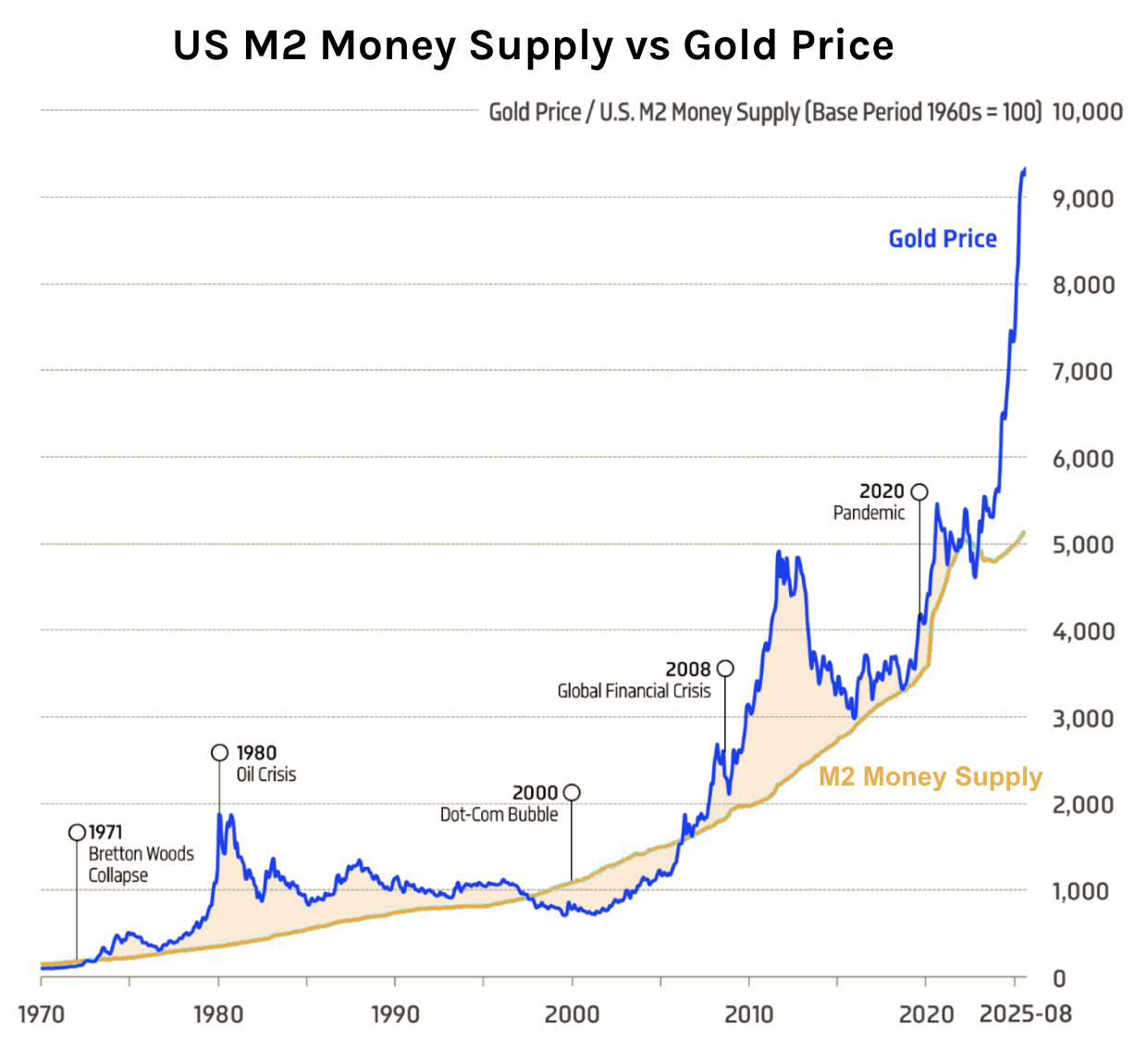
While the S&P 500 trades at a rich 24x forward earnings, its gains are heavily concentrated in the 'Mag 7,' whose towering Price-to-Free Cash Flow multiples (eg AMZN’s 174.4x) suggest a market dangerously "priced to perfection." But a deeper unease is driving gold. Up over 50% this year, its rally resembles the 2011 credit downgrade panic, fueled by fears of currency debasement and US fiscal recklessness, despite moderate 3% inflation. With gold’s recent 8.5% plunge hinting at volatility, investors may be wise to trim those spectacular gains, while the Mag 7 face an extremely high earnings bar

The 65/35 Allocation: Why David Tepper’s ‘Miserable’ Bullishness is a 2026 Warning The 65/35 Allocation: Why David Tepper’s ‘Miserable’ Bullishness is a 2026 Warning

The 65/35 Allocation: Why David Tepper’s ‘Miserable’ Bullishness is a 2026 Warning

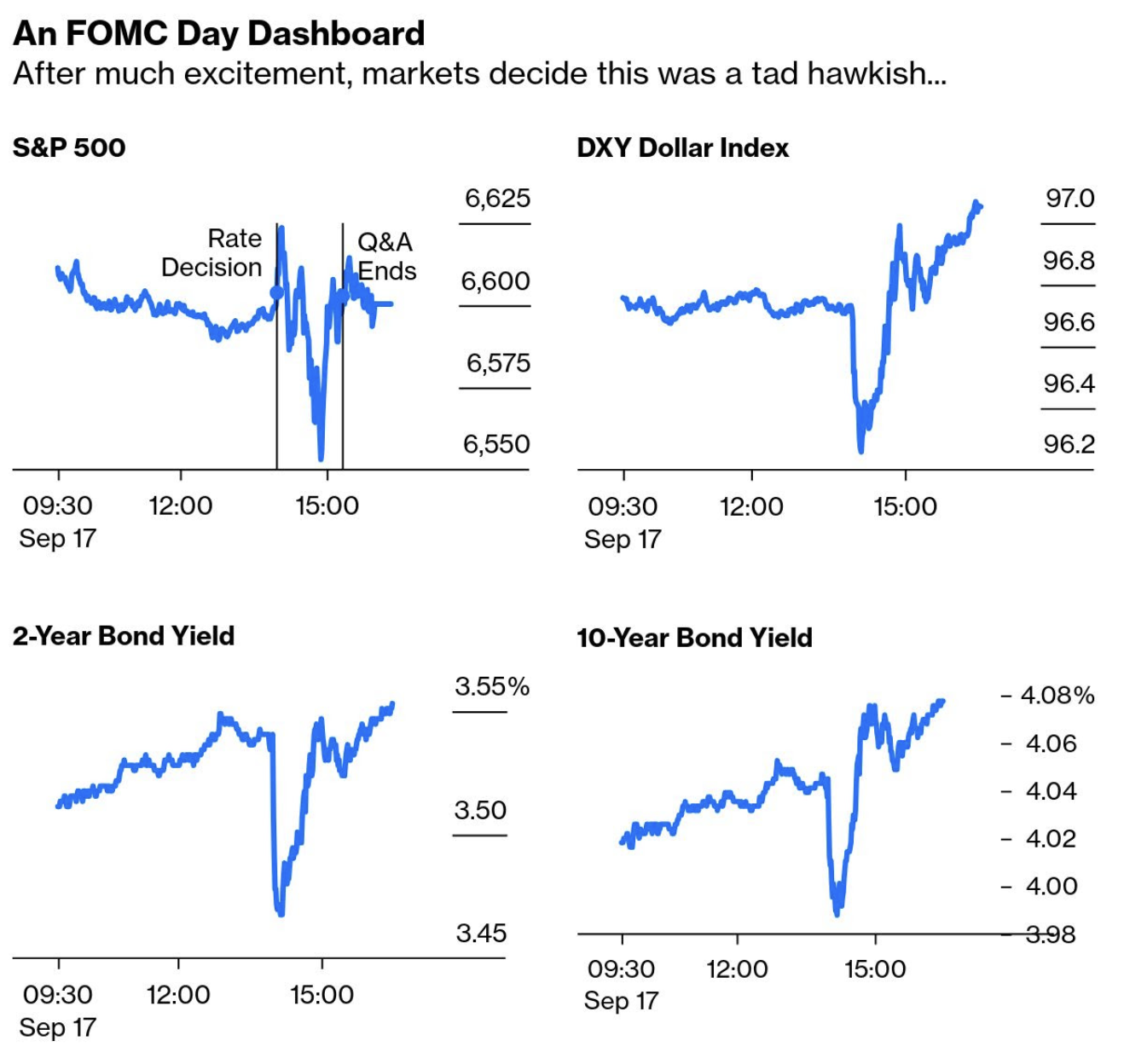
Long-term investing demands a careful balance: stocks typically rally on the promise of cheaper money from expected rate cuts, but this momentum clashes with clear structural economic weakness that necessitates the cuts. History favors stocks during easing cycles. However, the key risk lies in whether economic weakness persists and hammers corporate earnings, eventually undermining high valuations. The recent "hawkish cut" by the Fed surprised markets, indicating concern for a deteriorating jobs picture over inflation. While the market continues to rally on optimism, as legendary investor David Tepper warns, valuations are high. The strategy remains to maintain equity exposure to ride the easing cycle while holding significant cash to capitalize on any likely drawdown.

The Weighing Machine: Why a 911K Job Revision Makes a 23x S&P500 Irrational The Weighing Machine: Why a 911K Job Revision Makes a 23x S&P500 Irrational

The Weighing Machine: Why a 911K Job Revision Makes a 23x S&P500 Irrational

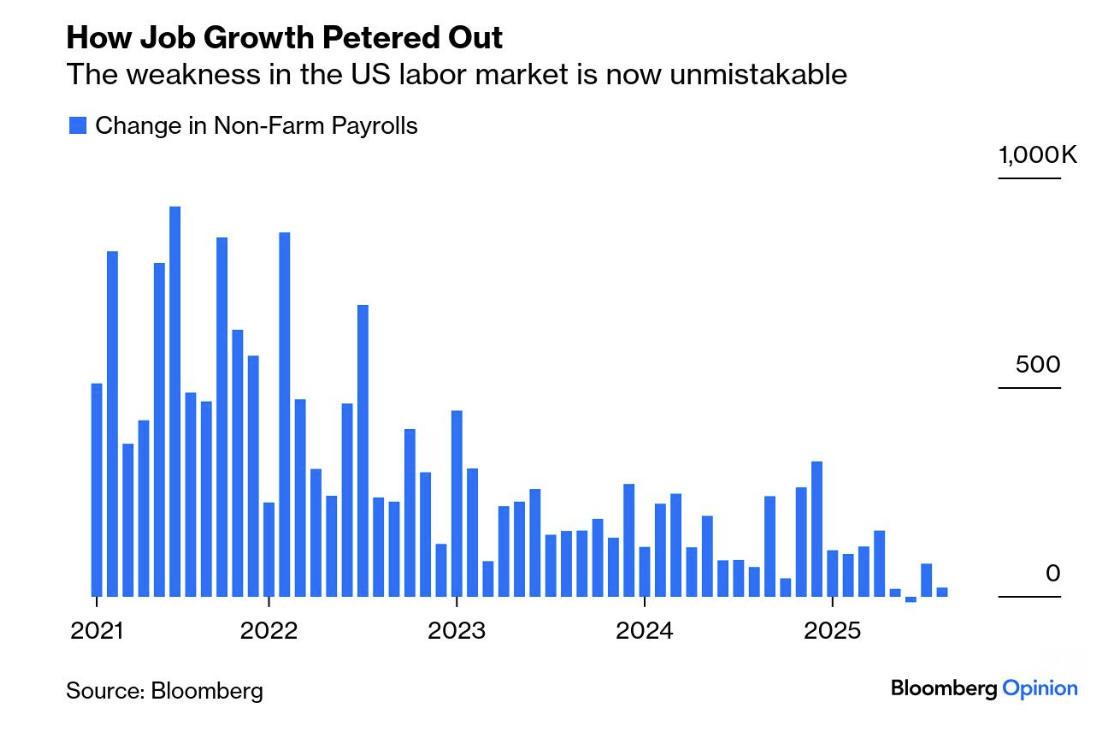
Despite signs of a weakening U.S. labor market, including a recent record-downward revision to job growth figures, investor bullishness remains at record highs. However, it's pure optimism that has pushed stock market valuations to expensive levels, with the S&P 500 trading at over 22 times forward earnings. While market psychology and momentum can drive prices in the short term, fundamentals will eventually prevail. Prudent investors should prioritize buying high-quality companies at attractive valuations, a strategy that currently requires patience.

The Tariff Inflation Trap: Why Core CPI and Corporate Tax Cuts Conflict The Tariff Inflation Trap: Why Core CPI and Corporate Tax Cuts Conflict

The Tariff Inflation Trap: Why Core CPI and Corporate Tax Cuts Conflict

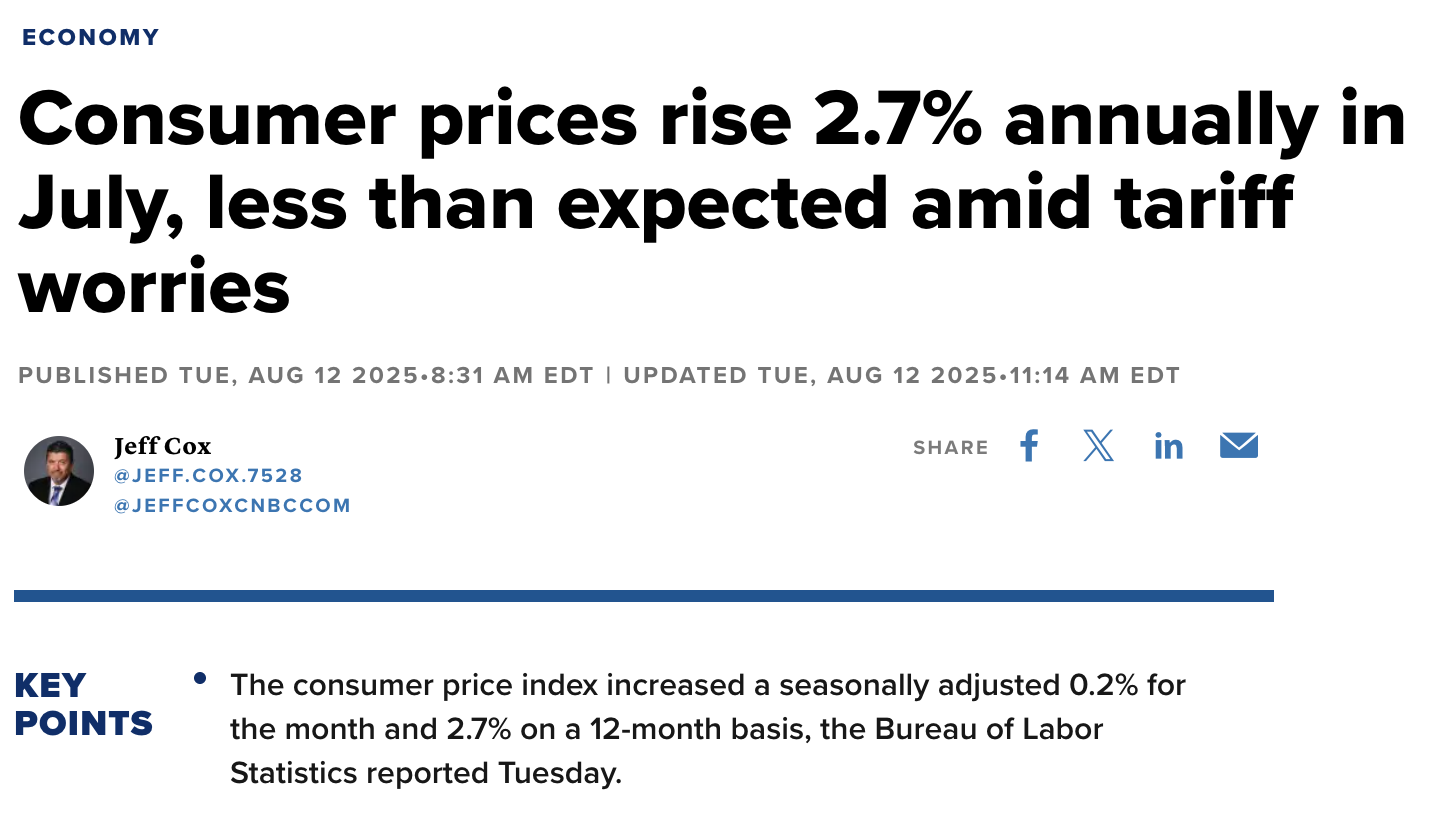
Market speculators held their breath for the latest inflation data, betting on a "soft" reading that would pave the way for a long-awaited rate cut. With stocks at record highs, their hopes were clearly pinned on a favorable outcome. While the headline CPI number was lower than expected, the Fed's preferred measure of core inflation, which excludes food and energy, continues to creep higher. This suggests that prices for most goods and services are still on the rise. Meanwhile, a chorus of voices, including political appointees, are urging the Fed to cut rates.

Consumption Tax: Why the Market is Mispricing Trade Deals Consumption Tax: Why the Market is Mispricing Trade Deals

Consumption Tax: Why the Market is Mispricing Trade Deals

The market is cheering the "better than feared" trade deals with the likes of Europe and Japan. Yes, 15% is better than 30%. But 30% would be an embargo - not a tariff. 15% will not be good for global trade. Growth will slow; consumption will fall; resulting in fewer jobs. Trump's terrible tariffs will be at least ~12% more than what we had at the beginning of the year. This consumption tax will need to be paid by someone... just a question of who. The market is not pricing this in....

Global Trade Risk: The $300B Economic Burden of Tariffs Global Trade Risk: The $300B Economic Burden of Tariffs

Global Trade Risk: The 0B Economic Burden of Tariffs

The stock market has risen at a dizzying speed the past six weeks - up over 20%. I would reduce risk at these levels. We're now back at valuations similar to the beginning of the year - however the risks are now considerably higher. But let's say the net result is a tariff rate in the realm of between 10% and 30% - that would be disastrous. My back-of-the-envelope math estimates a substantial $300B "economic burden" that both companies and consumers will be forced to bear.

A Reactive Fed: Why Trade Policy Now Dictates Interest Rate Volatility A Reactive Fed: Why Trade Policy Now Dictates Interest Rate Volatility

A Reactive Fed: Why Trade Policy Now Dictates Interest Rate Volatility

What matters more to the market: (a) a Trump tweet on any potential trade deal; or (b) Jay Powell's statement on monetary policy? If you ask me it's the former. Today's statement from the Fed was almost a non-event for the market. Powell maintained rates in the 4.25% to 4.50% target range (which was expected). However he told the market that the risk of "higher unemployment and higher inflation" have risen since their last meeting. That's problematic...